



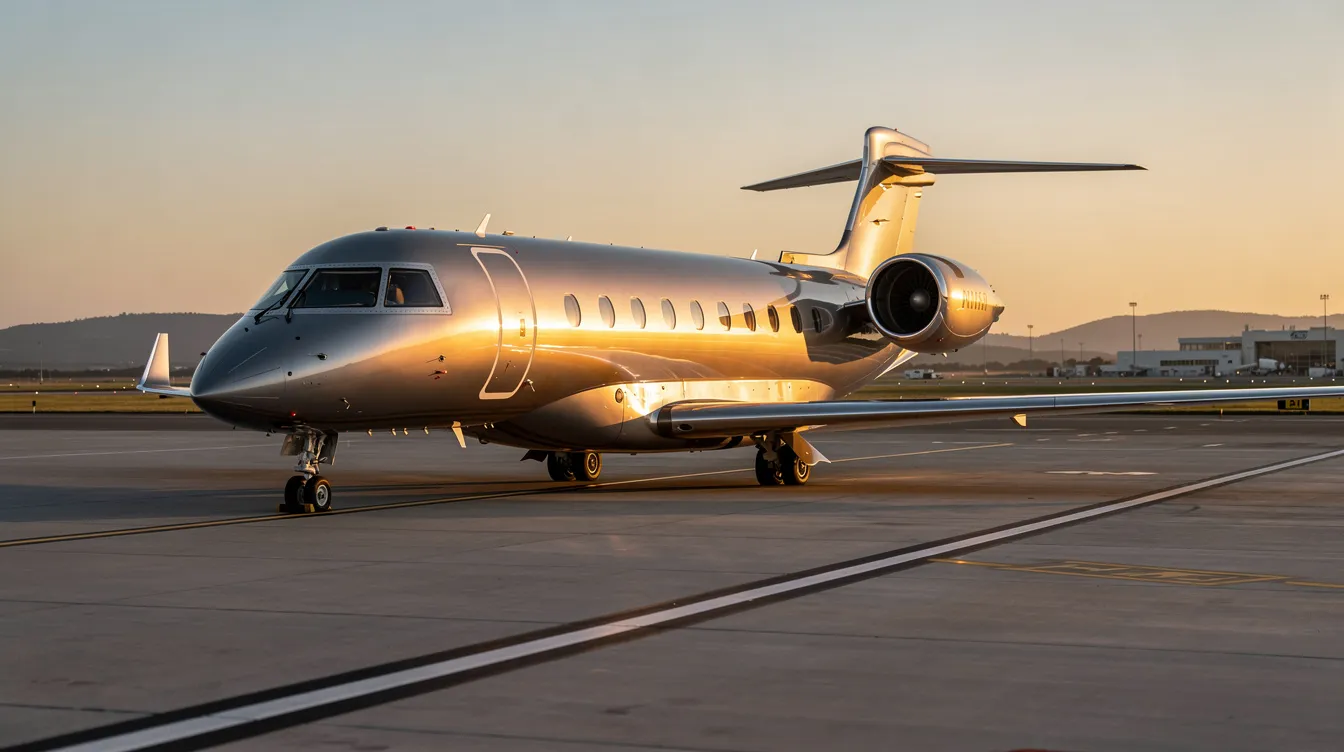
If you've ever searched "private plane timeshare cost" and felt your stress levels rise faster than a climbing jet, you're not alone. In 2026, fractional jet ownership typically means an upfront buy-in of about $250,000 to more than $3 million, monthly management fees from roughly $6,000 to $30,000+, and occupied hourly rates of around $3,000 to $14,000+ per flight hour, with taxes and surcharges on top. Once you break those costs into their actual parts, the picture becomes much clearer—and far less intimidating.
This guide is built for people considering fractional ownership, especially frequent flyers who may need 50 to 200+ hours a year, cost-conscious buyers comparing private aviation options, and even first-time or nervous private fliers who want fewer surprises before they step on board. It explains what drives the price of a share, how aircraft category changes the math, what monthly and hourly charges really include, where depreciation, resale risk, and hidden fees can catch you off guard, and how timeshares compare with jet cards and charter. The goal is simple: help you budget realistically, choose the right model for your flying life, and know what to expect financially—and, with tools like SkyGuru, feel more at ease in the air as well.
Private Plane Timeshare Cost Explained in Under 2 Minutes
A private plane timeshare is more accurately called fractional ownership. Unlike Full Aircraft Ownership or broader Aircraft Ownership, where one buyer takes on the whole plane, instead of renting one trip at a time, you purchase a share of a jet or fleet and receive a guaranteed number of annual flight hours.
Here are the 2026 ballpark numbers you need to know:
-
Upfront acquisition: Entry fractional shares start around $250,000–$400,000 for light jets, scaling significantly higher for larger aircraft. Initial acquisition costs range from $275,000 to over $1.2M depending on aircraft category and share size.
-
Monthly management fees: Typically $8,000 to $15,000+ per month, covering crew, maintenance, and insurance whether you fly or not.
-
Per-hour flying cost: Roughly $4,000–$9,000+ per occupied flight hour, depending on aircraft type.
Compare that to on-demand charter, where there's no acquisition cost or monthly management fee. You pay only hourly rates and trip-specific fees. Jet charter costs $2,300 to $17,000 per flight hour depending on the aircraft.
The total private jet cost of fractional ownership is a mix of these three layers—acquisition price, monthly management, and per-hour charges—plus extras like fuel surcharges, landing fees, and taxes, so the Fractional Jet Ownership Cost buyers should evaluate is the all-in figure. Those recurring charges make up the Ongoing Costs and Annual Costs portion of the total, while acquisition remains the upfront piece.
While the money side is complex, the in-flight experience itself is highly structured and safe. Tools like SkyGuru can remove much of the uncertainty that causes anxiety by explaining exactly what you'll feel and hear during each stage of your flight.
What Is a Private Plane Timeshare (Fractional Ownership)?
A private plane timeshare works like this: multiple owners each become a Fractional Owner in a specific private aircraft or fleet, and each receives a set number of flight hours per year. Common share sizes include 1/16, 1/8, and 1/4. A 1/16 share usually provides about 50 flight hours per year, while a 1/4 share delivers roughly 200 hours.
Private plane timeshares lower upfront capital costs because buyers purchase only a share, not the entire jet. You get the feeling of having your own aircraft without bearing the full financial weight alone.
Common aircraft types in fractional ownership programs include:
-
Light jets like the Citation CJ3+ and Embraer Phenom 300
-
Midsize jets such as the Citation XLS+ and Hawker 800XP
-
Super midsize jets like the Challenger 350
-
Large cabin aircraft including the Gulfstream G450 and G650ER
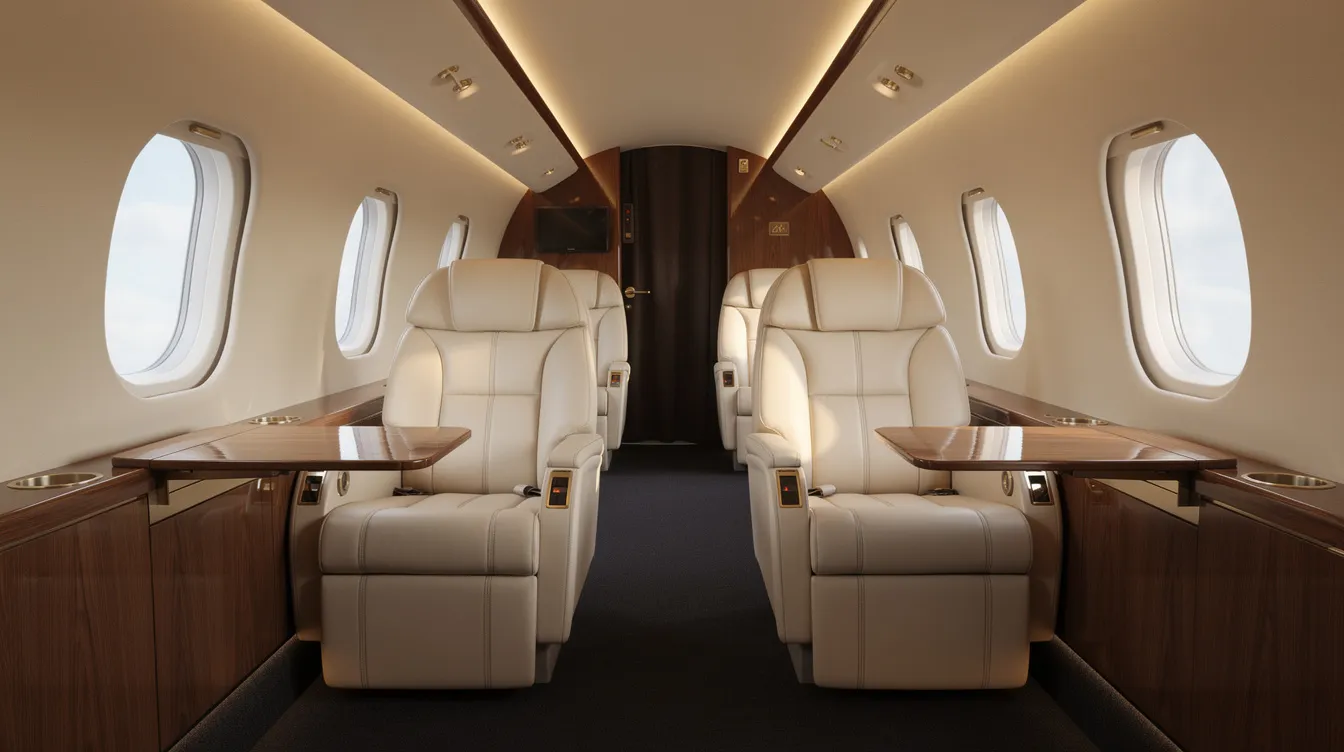
A management company handles everything operational—pilots, ongoing maintenance, scheduling, and safety standards. Fractional ownership offers guaranteed access with 4–6 hours' notice in most programs, so aircraft owners focus only on when and where they want to fly.
For nervous flyers, this model usually means more predictability and smoother private jet travel than ad-hoc arrangements. Professional operators follow standardized procedures, and knowing that a flight crew is always trained and ready can ease both logistical and emotional stress, especially when combined with app-based support for fearful flyers.
Key Cost Components of a Private Plane Timeshare
Here's a no-surprises look at the three main cost layers behind every private jet timeshare:
-
Upfront acquisition – the initial investment to buy your share of the aircraft
-
Monthly management fee – a recurring fixed cost covering crew salaries, insurance, hangar fees, aircraft storage fees, and program administration
-
Occupied Hourly Fee – the variable cost per flight hour when you actually fly
Additional Trip-Specific Extras
Beyond these three, expect trip-specific extras:
-
Fuel surcharges tied to fuel prices
-
De-icing charges during winter operations
-
Premium catering and cabin attendants
-
International flight permits
-
Peak-day surcharges during holidays or major events
-
A 7.5% US federal excise tax on applicable domestic flights
Private jet costs split neatly into fixed costs (paid even if you don't fly) and variable costs (tied directly to actual flight time and specific trips). Understanding this structure can reduce financial stress, especially for anxious travelers who feel calmer when they can predict what will happen—both financially and in the cabin.
Always request an "all-in" projection covering a 5-year period when comparing fractional programs. Headline hourly rates tell only part of the story.
Acquisition Price by Share Size (1/16, 1/8, 1/4) in 2026
Share size directly affects both your upfront cost and your access to the aircraft. Fractional ownership typically requires a $300,000 to $3 million investment depending on the share size and aircraft category. Fractional ownership shares range from $275,000 to over $1.2M at the entry and mid levels.
1/16 Share (~50 Hours/Year)
-
Turboprops: approximately $250,000–$350,000
-
Light jets: roughly $350,000–$550,000
-
Midsize jets: about $450,000–$700,000
1/8 Share (~100 Hours/Year)
-
Light and midsize jets: approximately $700,000–$1.2 million
-
Super midsize jets: roughly $1.3 million–$2.0 million+
-
Large cabin jets: $2.5 million+ depending on aircraft age and model
1/4 Share (~200 Hours/Year)
-
Midsize jets: about $1.4 million–$2.2 million
-
Super midsize jets: roughly $2.2 million–$3.8 million
-
Large cabin aircraft: $3.5 million–$6.0 million+ for newer aircraft
The aircraft category—light jet versus midsize jet versus large cabin—is one of the biggest key factors driving both acquisition price and ongoing operational costs. Newer aircraft models often have higher purchase prices but better fuel efficiency and lower maintenance overhead.
These figures usually assume a 5-year term with an expected residual value at exit, which may be lower than many first-time buyers expect. We'll cover depreciation shortly.
Monthly Management Fees: What You Really Pay Each Month
Monthly management fees are the "subscription cost" of fractional ownership. You pay them whether you fly or not. Monthly management fees cover fixed costs like pilot salaries and insurance, among many other operational expenses.
Here are realistic 2026 ranges:
-
Turboprops and light jets: around $6,000–$10,000 per month
-
Midsize and super midsize jets: approximately $10,000–$18,000 per month
-
Large cabin aircraft: about $18,000–$30,000+ per month
Monthly management fees range from $4,000 to over $28,000 across the full spectrum of aircraft types and programs. Most programs escalate these fees by 3–6% annually over the contract term, so buyers should factor rising costs into their 5-year projections.
Ask each provider for a written list of what is and is not included. Definitions of "all-inclusive" vary significantly across fractional programs. Knowing that maintenance and safety oversight are covered in a predictable monthly management fee can be reassuring for those anxious about aircraft reliability.
What Is Included in Monthly Management Fees?
Typical inclusions:
-
Pilot and flight crew staffing
-
Simulator and recurrent training
-
Scheduled maintenance and basic unscheduled repairs
-
Insurance coverage
-
Hangarage and aircraft storage
-
Dispatch and flight planning
-
Overall program administration
-
Standard cabin stocking and basic catering (in many programs)
Many programs include standard cabin stocking and basic catering. Premium food, special wines, or last-minute requests are usually billed separately.
This structure lets fractional jet owners enjoy private jet travel without hiring their own pilots, arranging insurance, or managing ongoing maintenance scheduling. While fees seem high, they create economies of scale across multiple aircraft compared with operating a single wholly owned jet—the hallmark difference between fractional and whole jet ownership.
What Is Not Included in Monthly Management Fees?
Common exclusions that often surprise new fractional owners:
-
Fuel surcharges tied to volatile fuel prices
-
De-icing charges, which can range from $1,500 to $12,000 per event
-
Landing and handling fees at individual airports
-
International permits and overflight fees
-
Catering upgrades and cabin attendants on smaller aircraft types
-
Wi-Fi surcharges on some fleets
-
Peak-day or short-leg surcharges
-
Government taxes such as the 7.5% federal excise tax in the U.S. and per-segment fees
Review sample invoices from past flights in your chosen aircraft category. Seeing a realistic "after the trip" picture reduces the sense of uncertainty that often fuels travel-related stress.
Occupied Hourly Rates by Aircraft Category
Occupied hourly rates charge per flight hour used, covering operational costs like fuel, wear and tear, and crew expenses. Here are realistic 2026 ranges:
-
Turboprops: roughly $3,000–$4,500 per occupied hour
-
Light jets: around $4,000–$6,000 per hour (some programs report light jets cost $1,800 to $3,000 per flight hour for base occupied rate before surcharges)
-
Midsize jets: approximately $5,000–$7,500 per hour (midsize jets cost $3,500 to $5,000 per flight hour at base occupied rates in certain programs)
-
Super midsize jets: about $7,000–$9,500 per hour
-
Large cabin and ultra-long-range jets: around $10,000–$14,000+ per hour (ultra-long-range jets cost $9,000 to $12,000 per flight hour)
Hourly flight fees range from $1,800 to over $8,000 per hour depending on the program and aircraft category. These rates often exclude fuel surcharges and taxes, and many programs enforce a minimum billed time per leg—often 1 hour—which makes very short hops relatively expensive.
Some programs bill "occupied only" time (when passengers are on board), while others build repositioning into all-in hourly rates. To find your effective cost, combine acquisition depreciation, monthly fees, and hourly charges over a 5-year period at your expected annual flight hours.
Hidden and "Gotcha" Costs in Private Plane Timeshares
Brochures tend to emphasize the cleanest numbers. Here are the additional cost layers to be aware of—not to alarm you, but to help you budget accurately:
-
Fuel surcharges: In 2026, these may add roughly $200–$800 per flight hour depending on fuel prices and aircraft type.
-
Peak-day surcharges: On high-demand days like Christmas week or major events, expect a percentage uplift on hourly rates (10–25%) or a flat fee per trip ranging from a few thousand dollars upward.
-
De-icing: Cold-climate operations can trigger charges of $500–$2,500+ per event (and in extreme cases, de-icing charges can range from $1,500 to $12,000 for larger private aircraft).
-
Crew and weather costs: Diversions or delays may generate extra crew hotel, hangar, or handling costs during winter operations in places like Denver or Toronto.
-
Early-exit fees: Leaving before the end of a 3–5 year agreement often triggers termination fees of 5–20% of remaining value.
While these costs can add up, they reflect the operational reality of keeping aircraft and passengers safe in all conditions. Each of these is an additional cost that a careful buyer can anticipate and plan for.
Depreciation and Resale Risk
Depreciation is the silent cost that many first-time buyers overlook. Owners may face depreciation of 35–60% over five years of heavy fleet usage. The resale value of the share is influenced by market depreciation and the condition of the aircraft at exit.
Here's a concrete example: a $1,000,000 1/8 share in a midsize jet bought in 2026 might resell for around $500,000–$650,000 in 2031, before remarketing fees. Resale proceeds are typically calculated from current fair market value minus program remarketing or brokerage fees, often 7–12%.
Selling a fractional share can be complicated and lengthy, especially in a soft market. Prospective buyers should consider how comfortable they feel with capital at risk and compare with asset-light options like private jet charter or jet cards, where there's no asset ownership to worry about.
Peak Day and Repositioning Fees
Schedule and route choices can quietly add thousands to the bill.
Peak days are high-demand dates—often 30–60 days per year—where programs may charge surcharges or limit departure time flexibility. A New York–Palm Beach round trip on a midsize jet during Christmas week could add roughly $7,000–$15,000 in peak and operational fees compared with the same flight during a non-peak week.
Repositioning happens when the private aircraft must fly empty to reach your departure point or return to base. Sometimes these empty leg flights are baked into rates; other times they're billed separately, with costs ranging from a few thousand dollars to over $15,000 on long repositioning legs.
Travelers with flexible dates and airports can often reduce or avoid these charges by letting schedulers optimize the itinerary.
All-In Cost vs. Pay-As-You-Go: When Does Fractional Ownership Make Sense?
When you spread acquisition cost, depreciation, monthly management, hourly rates, and extras over 5 years, effective hourly rates for fractional ownership often land in the $7,000–$12,000+ range depending on aircraft category. Fractional ownership is best suited for flying 50 to 200 hours annually, but the sweet spot shifts depending on your usage.
Break-Even Analysis by Annual Flight Hours
|
Annual Flight Hours |
Most Cost-Effective Option |
|---|---|
|
Under 50–75 hours |
On-demand private jet charter |
|
75–150 hours |
Jet card or hybrid membership |
|
150–200+ hours |
Fractional ownership becomes competitive |
Fractional ownership suits frequent flyers needing 100–200 hours annually on consistent, predictable missions. If your travel is sporadic, on-demand charter has variable costs based on market rates and may save you considerably.
Map your last 2–3 years of flying into annual flight hours, average flight distance, and preferred aircraft types. Use a program comparison tool to model the numbers. Financial clarity lowers overall travel anxiety-when you know you chose the right structure, you worry less before each trip.
Private Plane Timeshare vs. Jet Cards vs. Private Jet Charter
Choosing between these three models comes down to how often you fly, how much capital you want to commit, and how much flexibility you need.
Fractional ownership:
-
Compared with full aircraft ownership, it has a high upfront cost and ongoing fixed costs, but lower hourly costs over time
-
Strong fleet access and a consistent aircraft category, though not necessarily the same aircraft every trip
-
Best for 100–200+ hours per year with predictable schedules
-
Involves outright ownership of a share, with depreciation and resale considerations
Jet cards:
-
Medium commitment-prepaid blocks of 25 or 50 hours
-
Jet cards typically cost $150,000 to $350,000 for 25 hours
-
No ownership, no depreciation risk, still predictable costs
-
Typically best for 50–150 hours per year
Private jet charter:
-
Pay-as-you-go with no acquisition or monthly management fee
-
Private jet rental prices typically range from $2,300 to $17,000 per hour, with VIP airliners costing between $18,000 and $23,000 per hour to rent
-
Total spend is tied only to trips you actually take
-
Most cost effective for low-usage or unpredictable schedules
Nervous flyers may prefer the flexibility of chartering or jet cards until they feel more comfortable, then consider longer-term commitments. Regardless of model, tools like SkyGuru can accompany you on any private jet charter or fractional flight, helping you understand sounds, turbulence, and flight stages in real time.
How Aircraft Type and Cabin Size Impact Timeshare Cost
Aircraft category connects directly to both price and passenger experience.
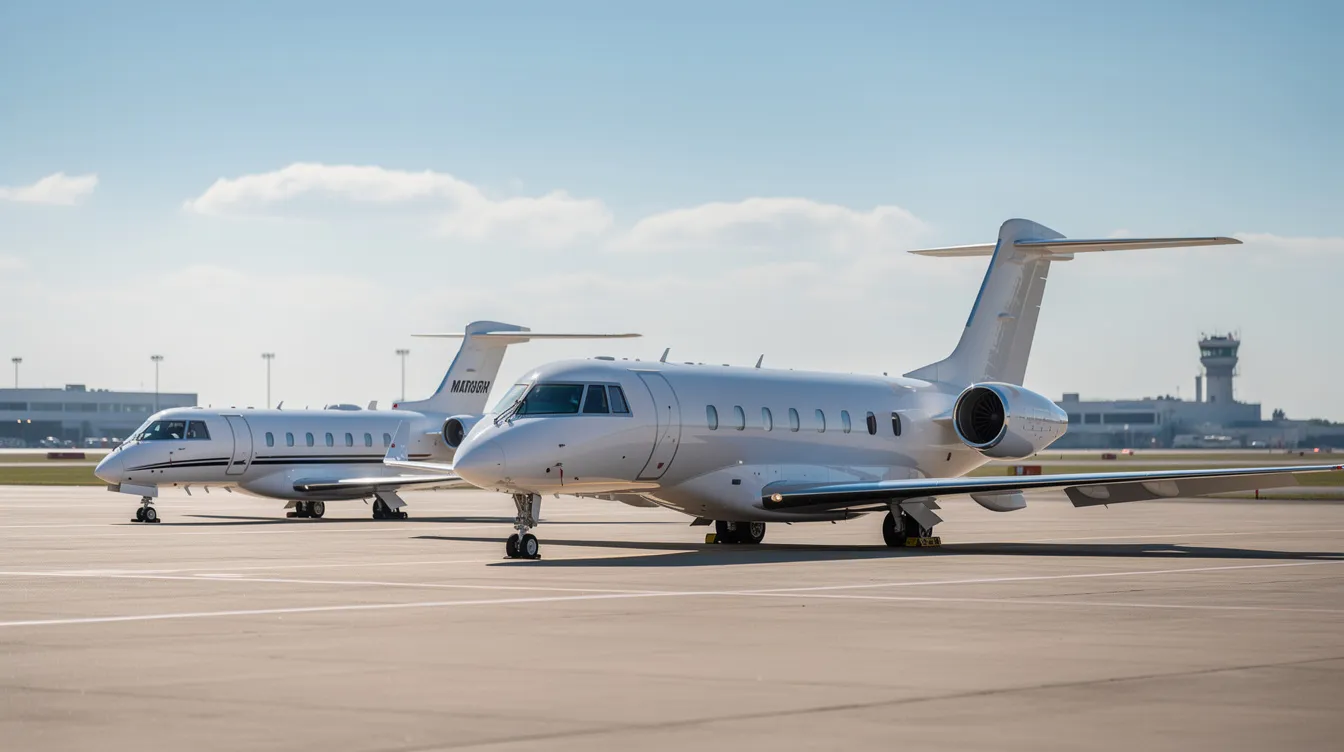
Light jets (Cessna Citation CJ3+, Embraer Phenom 300) typically seat 6–7 passengers. They're ideal for 2–3 hour regional trips and carry the lowest acquisition, monthly management, and hourly rates among private jets.
Midsize jets (Citation XLS+, Hawker 800XP) handle 3–5 hour missions comfortably, seating 7–8 passengers. Private jet cost is moderate but noticeably higher than the light jet category across all three cost layers.
Super midsize jets and large cabin aircraft (Challenger 350, Gulfstream G450) are designed for cross-country or international flights. They carry significantly higher acquisition and hourly rates but offer more space, range, and comfort.
Match your aircraft to your most common mission rather than buying "too much airplane." Over-sizing is a major driver of unnecessary operating costs. A family that flies 2-hour legs domestically doesn't need a large cabin aircraft rated for transatlantic flight distance.
From a safety perspective, all certified aircraft types meet strict standards. Larger cabins may feel more spacious and ride a bit smoother in turbulence, but smaller jets are not less safe. Newer aircraft models often have higher purchase prices but better efficiency and updated avionics.
Sample 5-Year Cost Scenarios for Private Plane Timeshares
These simplified scenarios illustrate the order of magnitude rather than exact figures. Total costs can exceed $1M over five years for fractional ownership across all usage profiles.
Scenario 1: Business Executive, ~100 Hours/Year, Midsize Jet, 1/8 Share
-
Acquisition: ~$1.2 million
-
Monthly management (5 years at ~$14,000/month): ~$840,000
-
Occupied flight hours (500 hours at ~$6,500/hr): ~$3,250,000
-
Extras (fuel surcharges, peak days, etc.): ~$400,000
-
Estimated resale value: ~$600,000
Approximate 5-year all-in cost: ~$5.1 million, or roughly $10,200 per hour
Scenario 2: Family, ~50 Hours/Year, Light Jet, 1/16 Share
-
Acquisition: ~$475,000
-
Monthly management (5 years at ~$8,000/month): ~$480,000
-
Occupied flight hours (250 hours at ~$5,000/hr): ~$1,250,000
-
Extras: ~$200,000
-
Estimated resale value: ~$225,000
Approximate 5-year all-in cost: ~$2.2 million, or roughly $8,800 per hour
Scenario 3: Same Family Using Charter or a Jet Card Instead
-
No acquisition, no depreciation, no monthly fees
-
Charter rate for light jet (~$6,500/hr × 50 hours/year × 5 years): ~$1,625,000
-
Extras and surcharges: ~$125,000
Approximate 5-year cost: ~$1.75 million, or roughly $7,000 per hour
For this family's passenger count and usage level, pay-as-you-go is clearly cheaper. The "cheapest" option depends entirely on hours flown, aircraft category, and flexibility with schedule and routes.
Psychology of Cost, Control, and Comfort in Private Aviation
Long contracts, big numbers, and technical terms—fractional ownership, monthly management fees, residual value-can make private aviation, within the broader Private Aviation Market, feel just as uncertain as turbulence or an unfamiliar noise. Financial complexity and flight anxiety share a common root: the unknown.
Turbulence can affect passenger anxiety levels during flights, and so can an unexpected invoice after a trip. Gaining a clear understanding of both money and mechanics, along with using technology that helps overcome fear of flying, reduces anxiety by restoring a sense of control and predictable costs.
Knowing exactly what to expect during takeoff, landing, or when the aircraft changes altitude can be just as important as knowing what you'll pay. When you combine financial literacy about your private aviation choices with in-cabin awareness, you approach every flight from a position of confidence rather than worry.
How SkyGuru Fits Into Your Private Jet Travel (Timeshare or Not)
SkyGuru uses aviation weather, turbulence forecasts, and sensor data from your phone to predict and explain what you'll feel and hear during a flight. Whether you're on a light jet in a fractional program, booking a one-off private jet charter, or even connecting from a commercial flight, SkyGuru walks you through each stage: taxi, takeoff, climb, cruise, turbulence, and landing.
For anxious or first-time private jet flyers, this is especially valuable. Smaller private aircraft can feel more responsive to weather, and understanding why the aircraft shakes, why engines change sound, and how pilots manage conditions can make the experience far less stressful.
Download SkyGuru and input your next flight details—fractional or charter—to experience real-time reassurance and explanations right there in the cabin.
FAQ: Private Plane Timeshare Cost in 2026
How much does a private plane timeshare cost in 2026?
Typical upfront investments range from about $275,000 for a 1/16 share in a turboprop to $2.5 million+ for larger 1/8–1/4 shares in midsize or large cabin jets. Add monthly management fees of $8,000–$15,000+ and hourly rates from $1,800 to $8,000+ per hour. Hourly rates for light jets range from $1,800 to $3,000 at the base level.
What is the monthly management fee on a private jet timeshare?
Monthly management fees for fractional jets range from $8,000 to $15,000 for most light and midsize programs, scaling to $28,000+ for large cabin aircraft. Fees typically rise by 3–6% annually over the contract term.
Is fractional ownership cheaper than a jet card or charter?
It can be for frequent flyers above roughly 150–200 hours per year. For under that threshold, jet cards or charter often result in a lower total 5-year spend. Fractional ownership suits frequent flyers needing 100–200 hours annually on consistent routes.
What aircraft types are usually available in timeshare programs?
Most fractional programs offer light jets, midsize jets, super midsize jets, and large cabin private jets. Examples include the Embraer Phenom 300, Citation Latitude, Challenger 350, and Gulfstream G450/G650ER. Some programs also include turboprops or multiple aircraft options within a single aircraft category.
Can I still use SkyGuru if I fly private?
Yes. SkyGuru works on both commercial flights and private jets, offering the same turbulence forecasts and real-time explanations of flight sensations. It can be especially helpful on smaller private aircraft where movements feel more noticeable due to lighter weight and lower passenger count.
Conclusion: Choosing the Right Private Plane Timeshare for Your Budget and Peace of Mind
Private plane timeshare costs—notd by three lerates—depend on how many annual flight hours you fly, which aircraft category you choose, and how comfortable you are tying up capital in fractional ownership versus keeping things flexible.
Model your 5-year all-in costs-not just hourly rates-and compare them honestly with jet cards and private jet charter before committing. The right structure eliminates financial surprises, and what's happening—both mean less stress.
Whichevecabin—transformse, modern private aviation operates within strict safety frameworks. Most "mysterious" in-flight sensations have simple, non-dangerous explanations. Understanding what's happening-both on your invoice and in the cabin-transforms uncertainty into confidence.
Try SkyGuru on your next flight to turn that uncertainty into informed, calmer private jet travel.
FLEET SELECTION
JET CARDS
COST ANALYSIS


How to Auditing Your Operator's Maintenance Logs
Oct 05, 2025

How to Auditing Your Operator's Maintenance Logs
Oct 05, 2025

How to Auditing Your Operator's Maintenance Logs
Oct 05, 2025
Sky Guru Weekly
The smartest private aviation intelligence in your inbox.
.svg)

