




The private aviation market has matured significantly since 2020, with providers now offering highly bespoke programs tailored to specific needs, including region-specific cards and programs focused on light jets for short-haul efficiency. Whether you’re a business executive flying 50 hours annually or a family office logging 200+ hours across continents, understanding the differences between jet cards, fractional ownership, on-demand charter, and other private aviation options has become essential for making smart aviation decisions.
The fractional jet ownership market is experiencing significant growth, driven by high-net-worth individuals and business executives seeking the benefits of private aviation without the full financial burden of ownership. This guide breaks down the best private jet programs comparison you need in 2026, helping you match your travel patterns to the right access model.
The private jet membership landscape includes various models such as jet cards, fractional ownership, and on-demand charter, each catering to different travel needs and preferences. Private jet programs vary primarily based on commitment level, pricing structure, and guaranteed availability. Understanding these distinctions is the first step toward selecting the right fit.
The Three Core Models Defined:
|
Model |
Upfront Capital |
Hourly Cost |
Commitment |
Best For |
|---|---|---|---|---|
|
On-Demand Charter |
None |
Highest (variable) |
None |
Under 25 hours/year |
|
Jet Cards |
$150k–$550k deposit |
Moderate (fixed) |
25 hours minimum |
25–75 hours/year |
|
Fractional Ownership |
$500k–$3m+ purchase |
Lowest |
3–5 year contract |
75–300+ hours/year |
Each model sits under the broader flying private umbrella but differs in risk profile and operational control. Jet cards expose you to deposit risk; fractional jet ownership means purchasing a share of an entire jet, not the whole aircraft, which carries asset depreciation risk; charter offers flexibility but no guaranteed access during peak travel periods
At a Glance Decision Summary:
-
Choose a private charter if you fly under 25 hours annually and value flexibility over price predictability
-
Choose jet card programs if you fly 25–75 hours and want fixed hourly rates without asset ownership
-
Choose fractional ownership programs if you fly 75–300 hours and can commit capital for lower long-term costs
-
Consider full ownership with aircraft management if you exceed 300 hours annually

Jet Cards: Predictable Pricing and Guaranteed Access
Key Features
Private jet card programs typically require a commitment of 25 hours of flight time, allowing members to pre-purchase flight hours at fixed hourly rates, which provides predictability in travel costs. In 2026, the Fixed Hourly Rate model became the gold standard in private jet card programs, providing complete cost certainty by locking in an all-inclusive hourly price for a specific aircraft category.
-
Fixed hourly rates vs. dynamic rates: Most premium cards now lock rates for 12–24 months
-
Category-based cards: Light jets, midsize jets, super midsize jets, or large cabin
-
Specific-fleet cards: Tied to particular aircraft type (e.g., Phenom 300 only)
Cost Structure
The average cost for a 25-hour jet card in 2026 ranges from $150,000 to $250,000 for a light jet, and between $200,000 and $350,000 for midsize jets, reflecting an all-inclusive hourly rate. Large cabin cards typically run $350,000–$550,000.
Jet card programs can vary significantly in terms of structure, with options including ‘Debit Card’ style programs that require a pre-paid deposit and ‘Pay-as-you-go’ memberships that charge a smaller annual fee for access to fixed rates.
Service Expectations
-
Guaranteed aircraft availability with 24–72 hours' notice
-
Peak day surcharges typically 5–15% othe f hourly rate
-
Flight hours debited as occupied time plus standard taxi (approximately 0.3–0.5 hours per segment)
Membership programs can reduce the administrative burden of procurement significantly compared to booking individual charter flights. The private aviation market is shifting towards jet card programs due to their flexibility and lower commitment compared to fractional ownership, which often requires a multi-year contract and significant upfront investment.
Pros and Cons
Pros:
-
Transparent pricing
-
Lower upfront costs than fractional
-
Simple booking
-
Predictable budgeting
Cons:
-
Large non-interest-bearing deposits
-
Potential unused hours
-
Blackout days
-
Fuel surcharges on some programs
Fractional Ownership Programs: Equity and Long-Term Commitment
Key Features
Fractional jet ownership allows individuals or businesses to purchase a share of a private jet, providing access to the aircraft for a specified number of hours each year, making it a cost-effective alternative to full ownership.
Fractional ownership typically involves purchasing a share size that aligns with anticipated flight hours, with common share sizes ranging from 1/16 to 1/2 of the aircraft, allowing for flexibility in usage based on individual travel needs:
|
Share Size |
Annual Flight Hours |
Typical Investment |
|---|---|---|
|
1/16 share |
~50 hours |
$500,000–$800,000 |
|
1/8 share |
~100 hours |
$800,000–$1.5 million |
|
1/4 share |
~200 hours |
$1.5–$3 million+ |
Cost Structure
-
Upfront share purchase (high upfront costs)
-
Monthly management fees: $15,000–$40,000, depending on aircraft ownership stake
-
Occupied hourly rates for flight time beyond the guarantee
-
Additional charges for de-icing, international fees, and certain in-flight catering
For travelers logging 75–300 hours annually, fractional ownership programs can deliver 20–30% lower effective hourly costs compared to jet cards. The trade-off involves capital commitment, depreciation risk, and multi-year contracts typically spanning 3–5 years.
Who It Suits
-
Corporations with consistent travel patterns
-
Family offices seeking tax benefits on business use
-
Frequent flyers who value owning their own aircraft share
-
Elite travelers prioritize consistent fleets and cabin configurations
On-Demand Private Charter and Memberships
Key Features
On-demand charter offers maximum flexibility with no long-term commitment, but pricing fluctuates, and availability is not guaranteed. This model suits travelers who need just a flight without ongoing obligations.
Cost Structure
2026 Charter Hourly Rate Bands:
|
Aircraft Category |
Hourly Rate Range |
3-Hour Trip Cost |
|---|---|---|
|
Turboprop |
$2,000–$3,500 |
$6,000–$10,500 |
|
Light Jets |
$3,500–$5,500 |
$10,500–$16,500 |
|
Midsize Jets |
$5,500–$8,000 |
$16,500–$24,000 |
|
Super Midsize |
$8,000–$12,000 |
$24,000–$36,000 |
|
Large Cabin |
$12,000–$20,000+ |
$36,000–$60,000+ |
Membership-style charter programs from providers like Wheels Up and XO offer lower upfront costs but charge variable charter pricing plus access fees. Private jet memberships provide members with preferred rates, which can make flying private more attainable compared to standard charter prices.
When Charter Outperforms Cards or Fractional
-
Irregular travel patterns with high variance
-
Testing private flights before committing to a program
-
Special missions requiring a unique aircraft type (e.g., helicopter access, short-haul flights to remote locations)
-
Leveraging empty leg flights for significant discounts
Major Providers Overview
This section compares major private aviation brands often evaluated together—NetJets vs Flexjet vs Wheels Up vs VistaJet—by model, fleet, and customer profile. While private jet programs offer unmatched flexibility, privacy, and access to smaller airports, their route networks and booking experiences differ significantly from commercial airlines, which typically provide broader schedules, extensive route options, and established loyalty programs. This is not an endorsement but a neutral rundown of how each private jet company positions its programs in 2026.
|
Provider |
Primary Model |
Typical Client Hours |
Fleet Emphasis |
Notice Period |
Jet Card Options |
|---|---|---|---|---|---|
|
NetJets |
Fractional/Cards |
50–300+ |
Diverse fleet |
4–10 hours |
Yes (Marquis) |
|
Fractional/Cards |
50–200+ |
Premium newer jets |
4–6 hours |
Yes |
|
|
Wheels Up |
Membership/Charter |
25–100 |
Light/Midsize |
24–48 hours |
Limited |
|
Global Membership |
75–200+ |
Large cabin/Long-range |
24 hours |
Via XO |

NetJets
NetJets stands as the largest private jet company globally, with approximately 700 aircraft accessing over 4,000 airports. Founded in 1964 and owned by Berkshire Hathaway, the company operates as the benchmark against which other providers position themselves.
Core Offerings:
-
Fractional ownership shares (1/16 to whole aircraft)
-
Lease programs for intermediate commitment
-
NetJets membership and Marquis-style private jet card options
Notice periods run 4–6 hours on non-peak days in the U.S., extending to 48 hours during approximately 15 peak period days annually. The extensive fleet spans light jets (Citation XLS, Phenom 300) through large cabin and ultra-long-range jets (Challenger, Global, Gulfstream models).
Key Strengths: Global reach, consistency across regions, strong resale liquidity for fractional shares, guaranteed availability framework
Flexjet
Flexjet competes directly with NetJets through premium, service-focused positioning and a younger, design-forward, diverse fleet. Aircraft emphasis includes Embraer Praetor 500/600, Challenger 3500, and newer Gulfstream models.
Programs include fractional shares, leases, and jet card programs with entry points similar to NetJets. Flexjet differentiates through customized cabin layouts, strong transatlantic capability, and personalized service culture.
Compared to NetJets:
-
Generally, they never average aircraft age
-
Strong emphasis on customer relationships and cabin design
-
Similar peak-day and notice period structures
-
Slightly smaller global footprint
Premium programs offer consistent cabin configurations, which are important for frequent users who prefer familiarity. Flexjet appeals to travelers flying 50–200+ hours who prioritize aircraft modernity and personalized service over maximum network scale.
Wheels Up
Wheels Up operates as a U.S.-centric private aviation platform built around membership models, on-demand charters, and shared flights rather than traditional fractional ownership programs.
Membership Structure:
-
Core membership with lower upfront costs
-
Access to King Air 350i turboprops and light jets
-
App-enabled booking for short-notice regional trips
-
Guaranteed availability of approximately 300 days per year for individuals
The company operates an entire fleet combining owned and partner aircraft, enabling on-demand flight access across trip lengths. Members of private jet programs often enjoy greater fleet availability, ensuring they have access to aircraft regardless of their location.
Pros: Lower upfront investment, flexibility, community access, charter flights via app
Cons: More variable fleet experience than fractional, exposure to dynamic pricing during peak demand, primarily domestic focus
VistaJet and Vista Global
VistaJet operates as a global membership provider offering hourly access without jet ownership or fractional shares. Focus centers on long-range and large-cabin jets—Global 6000/6500, Challenger 350/605—serving routes like London–Dubai, New York–Geneva, and Asia–Europe corridors.
Vista Global’s integration of XO and other platforms provides multiple entry points: on-demand flights, shared flights, and jet card-like products. The company emphasizes sustainability commitments (carbon neutrality goals by 2025) relevant to ESG-focused family offices.
VistaJet fits frequent intercontinental travelers who value branded, standardized experiences without fractional asset risk—ideal for major commercial airports globally but premium-priced for short-haul domestic missions.
Other Notable Providers and Boutique Options
Several additional private jet companies serve specific niches:
-
XO: Tech-driven platform offering ad hoc charters and membership access
-
Magellan Jets: Broker-based jet card programs known for short-notice flexibility
-
Jet Linx: Base-specific membership model with strong regional presence
-
PlaneSense/Airshare: Regional fractional ownership providers with competitive pricing in specific markets
Boutique providers often deliver more personalized service, niche regional expertise, or competitive market positioning (e.g., U.S. Midwest, European business hubs). Safety audits (ARGUS, Wyvern, IS-BAO) and operational transparency matter more than brand recognition when selecting among these options.
Many private jet memberships include exclusive offers from premium brands and partners, enhancing the overall travel experience with additional lifestyle benefits—something boutique providers may offer through personalized partnerships, including access to apps that help overcome the fear of flying.
Bottom Line: No single best private jet company exists universally. Suitability depends on hours flown, routes, and financial preferences.
Key Differences in Models
When evaluating the best private jet programs comparison, focus on what actually differentiates your options: cost structure, availability guarantees, aircraft access, safety standards, and service experience. The following sections break down NetJets vs. Flexjet vs. Wheels Up and other providers across these dimensions.
Cost Structure and Upfront Investment
Private jet memberships typically require an upfront initial deposit, which can start around $50,000 and go up to half a million dollars, depending on the program and benefits offered.
Cost Comparison by Model (75 Hours/Year, Light Jet):
|
Cost Component |
Fractional (1/16) |
Jet Card (3×25hr) |
Membership Charter |
|---|---|---|---|
|
Upfront/Deposit |
$600,000 |
$525,000 |
$50,000 |
|
Annual Fixed Fees |
$144,000 |
None |
$12,000 |
|
Variable Costs |
~$75,000 |
Included |
~$280,000 |
|
Year 1 Total |
~$219,000 |
~$175,000 |
~$342,000 |
|
5-Year Total |
~$1.4M |
~$875,000 |
~$1.7M |
|
Effective $/Hour |
~$3,700 |
~$7,000 |
~$4,500 |
Note: Fractional includes amortized share purchase; jet card assumes full utilization; membership assumes market-rate charter.
Lower upfront costs through on-demand charter or memberships typically result in higher per-hour pricing, while high upfront costs in fractional ownership yield lower hourly rates over time. The financial burden shifts based on your commitment level.
Key considerations include refundability (jet card deposits typically return at 85–95%), residual value (fractional shares appreciate or depreciate with aircraft markets), and ongoing expenses (monthly management fees in fractional vs. none in cards).
Availability, Flexibility, and Peak Day Policies
For frequent travelers, programs from providers that offer guaranteed availability, consistent fleets, and reduced peak-day restrictions are preferred. Many private jet membership programs include additional fees that may not be immediately apparent, such as surcharges for peak travel days, which can range from 5% to 25% on the hourly rate during high-demand periods.
Peak Day Comparison:
|
Provider/Model |
Peak Days/Year |
Surcharge |
Extended Notice |
|---|---|---|---|
|
NetJets Fractional |
~15 |
Included |
48 hours |
|
Flexjet Cards |
~20 |
5–10% |
48 hours |
|
Wheels Up |
~65 |
Dynamic |
Variable |
|
Charter Broker |
~100 |
50–100%+ |
No guarantee |
The best programs may charge premiums on peak dates for guaranteed availability, which provides certainty for executives with non-movable commitments during major events like holidays or conferences.
Cancellation Flexibility:
-
Fractional: Minimal penalties; high flexibility once booked
-
Jet Cards: 24–72 hour cancellation windows; penalties vary
-
Charter: Highly variable; some same-day cancellation, others strict
Travelers who prioritize private travel certainty during Christmas, Thanksgiving, or major sporting events should weigh guaranteed access heavily in their decision.
Aircraft Types, Ranges, and Mission Fit
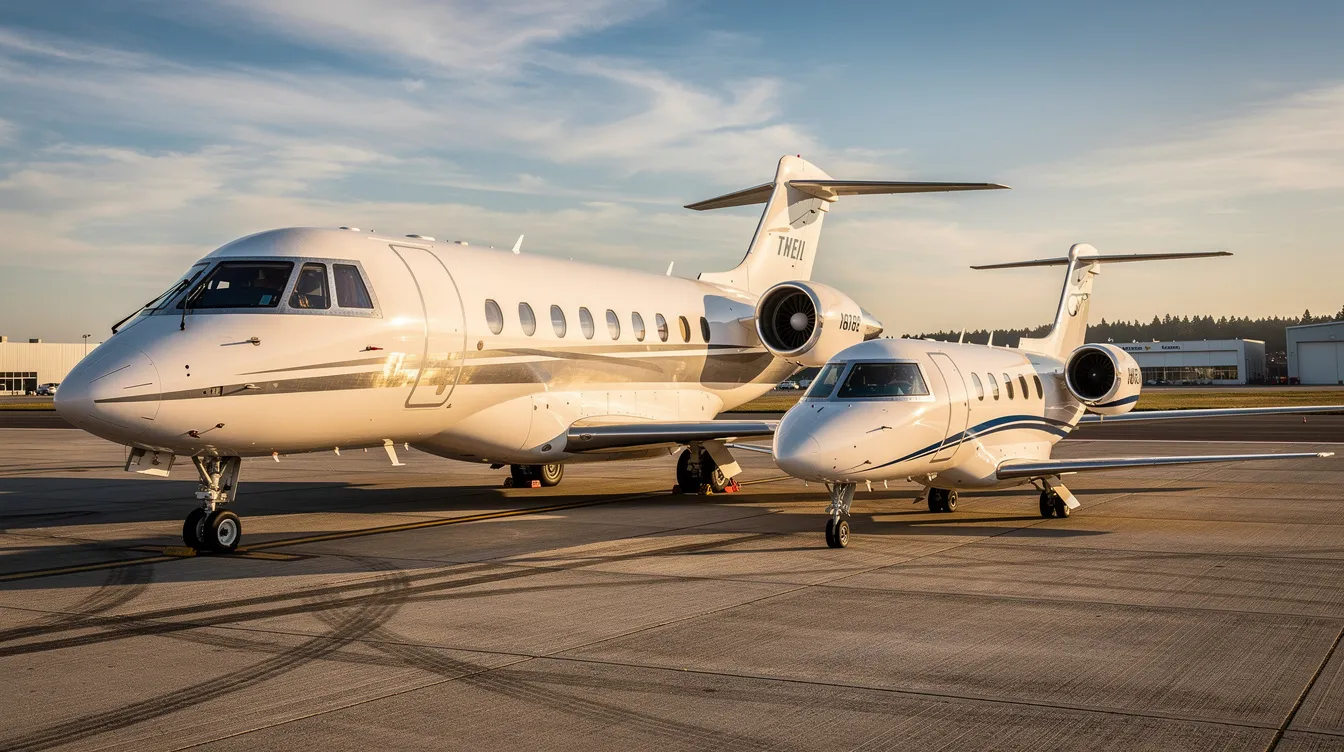
Different models constrain or expand aircraft choice. Some private jet card programs lock you into a single aircraft type; fractional ties you to your share’s fleet; charter can source almost any aircraft.
Route-to-Aircraft Matching:
|
Route Example |
Distance |
Recommended Category |
Best Access Model |
|---|---|---|---|
|
New York–Miami |
1,100 nm |
Light jets |
Jet Card/Fractional |
|
LA–Aspen |
700 nm |
Light/Turboprop |
Regional Membership |
|
London–Dubai |
2,900 nm |
Super Midsize |
VistaJet/Fractional |
|
New York–London |
3,450 nm |
Large Cabin |
Fractional/Global Card |
Aircraft choice impacts passenger capacity, airport access (short runways at secondary airports), and comfort during flight time. Anxious travelers may prefer newer aircraft with modern systems and connectivity to run reassurance apps during private flying.
Safety Standards, Operations, and Support
All legitimate charter operators operate under FAA Part 135 or equivalent regulations. Major providers (NetJets, Flexjet, VistaJet) typically exceed minimums through:
-
In-house aircraft maintenance facilities
-
Simulator training requirements
-
Minimum pilot flight hours (often 3,000+ total, 1,500+ as PIC)
-
Third-party audits (ARGUS Platinum, Wyvern Wingman, IS-BAO)
What to Ask Any Provider:
-
Current ARGUS/Wyvern rating
-
Average fleet age
-
Pilot experience minimums
-
Insurance coverage levels
-
24/7 operational support availability
Professionally operated private jets maintain strong safety records. For travelers with flight anxiety, combining provider due diligence with in-flight education tools like SkyGuru—which explains turbulence, flight stages, and provides coping strategies in real-time—can significantly boost confidence.
Experience, Service, and Non-Aviation Perks
Premium cabin consistency varies dramatically between models. Fractional ownership programs deliver standardized cabin layout and crew familiarity; ad hoc charters may vary aircraft configuration flight-to-flight.
Service Differentiators:
-
NetJets/Flexjet: White-glove concierge, consistent crews, comprehensive in-flight catering
-
Wheels Up: App convenience, community events, ground transfer coordination
-
VistaJet: Signature cabin design, global concierge, exclusive benefits, partnerships
-
Charter: Highly variable based on operator
For nervous flyers, service quality includes proactive communication about weather, turbulence, and flight stages. Transparent communication transforms the private travel experience—apps like SkyGuru’s in-flight weather and route information app complement any provider by delivering real-time flight context and anxiety reduction tools.
The best private program isn’t just about ticket price or aircraft—it’s about total journey quality matching personal priorities.
Choosing the Right Program
Selecting among private jet programs requires structured analysis rather than brand loyalty. The following framework walks you through matching your actual travel patterns to the optimal access model.
Step 1: Clarify Your Flight Profile
Before comparing providers, inventory your travel data:
Key Metrics to Calculate:
-
Total annual flight hours (not just trip count)
-
Average flight duration in hours
-
Number of distinct trips
-
Typical passenger counts
-
Most-used departure/arrival airports
-
Seasonal concentration (heavy Q4? Summer?)
Example Analysis: A mid-market CEO taking 40 flights averaging 2.5 hours = 100 annual flight hours. If 60% are regional (NYC–Boston–DC), 30% transcontinental, and 10% international, this profile suggests fractional ownership with midsize jets or a high-tier jet card; aviation teams can refine these assessments using SkyGuru’s route-level turbulence and flight data API.
Segment trips by mission: regional business hops, regular transcontinental flights, and occasional long-range travel requiring different aircraft categories.
Step 2: Match Hours and Patterns to the Right Model
Decision Grid:
|
Annual Hours |
Travel Pattern |
Recommended Model |
Example Providers |
|---|---|---|---|
|
Under 25 |
Irregular |
On-demand charter |
XO, Magellan, leg flights |
|
25–75 |
Moderate/Predictable |
Jet Cards |
NetJets, Flexjet, Sentient |
|
75–300 |
Consistent |
Fractional Ownership |
NetJets, Flexjet, PlaneSense |
|
300+ |
Very Frequent |
Full Ownership |
Management companies |
Special Cases:
-
Very long-range global itineraries: VistaJet membership may excel over regional fractional
-
Highly regional U.S. flying: Wheels Up or Jet Linx base membership offers a strategic advantage.e
-
Unpredictable demand: Stay flexible with charter or smaller jet cards until patterns stabilize
No single best private jet program exists in the abstract—only a best-fit program for specific usage and risk tolerance.
Step 3: Compare Specific Programs Head-to-Head
Shortlist 2–4 providers fitting your model and geography. Request detailed program terms, not marketing summaries.
Comparison Criteria Checklist:
-
[ ] Upfront investment requirements
-
[ ] Hourly rates by aircraft class
-
[ ] Peak-day policies and surcharges
-
[ ] Minimum flight hours commitment
-
[ ] Contract length and refundability
-
[ ] Safety audit status (ARGUS, Wyvern)
-
[ ] Concierge and ground service scope
-
[ ] Hidden fees and fuel surcharges
Build a spreadsheet projecting a 3–5 year total cost under each option. Ask providers for multiple scenarios (smaller vs. larger commitment) to understand cost curves.
Include qualitative factors: service culture, cabin standards, and sustainability priorities alongside financial analysis.
Step 4: Evaluate Risk, Flexibility, and Exit Options
Risk Types to Consider:
-
Asset Risk: Fractional shares can depreciate 10–20% in soft markets
-
Counterparty Risk: Large jet card deposits held by operators
-
Operational Risk: Availability failures during peak periods
-
Lifestyle Risk: Outgrowing or underusing your program
Exit Clause Checklist:
-
[ ] Fractional share resale process and timeline (typically 3–12 months)
-
[ ] Jet card refund terms and haircut percentages
-
[ ] Membership pause or downgrade options
-
[ ] Early termination penalties
Scenario Planning:
-
If travel drops 30%: fractional becomes expensive (fixed ongoing expenses unchanged); cards can shrink; memberships can downgrade
-
If travel increases 50%: fractional charges, premium overage rates; cards require additional purchase; memberships flex upward
Travelers with high uncertainty should favor lower upfront cost options until patterns stabilize.
Step 5: Optimize for Experience and Well-Being
Beyond cost analysis, consider daily experience: booking ease, responsiveness, cabin environment, Wi-Fi reliability, support for pets, children, or medical needs.
For many clients, time saved, reduced airport stress, and better sleep on overnight sectors outweigh small hourly rate differences. The value of private flying extends beyond financial metrics.
The Mental Wellness Dimension:
How an app can help fear-of-flying travelers is particularly relevant in private aviation, where minimizing stress and anxiety can be just as valuable as reducing door-to-door travel time.
Transparent communication about turbulence, routing, and flight stages transforms experiences for anxious flyers. SkyGuru’s turbulence prediction and real-time flight explanations serve as an example of travel-tech companion support: a mobile app predicting turbulence, explaining real-time flight events, and providing coping tools—usable across any private jet program.
Your Action Plan:
Aviation professionals and providers can also leverage SkyGuru’s flight and weather data API to better anticipate turbulence and route conditions when shaping premium private jet experiences.
-
Calculate your actual annual flight hours from the past 12–24 months
-
Match hours to model (charter, jet cards, fractional ownership)
-
Shortlist 2–4 providers and request detailed program terms
-
Build cost comparison for 3–5 year scenarios
-
Pilot-test with a smaller commitment before scaling up
-
Add comfort tools like SkyGuru to enhance every flight
Key Takeaways
-
The best private jet programs comparison depends entirely on your annual flight hours and travel patterns
-
Under 25 hours: on-demand charter offers maximum flexibility
-
25–75 hours: jet card programs deliver fixed hourly rates and guaranteed access
-
75–300 hours: fractional ownership programs provide the lowest effective hourly costs
-
NetJets, Flexjet, Wheels Up, and VistaJet each serve different traveler profiles and shouldn’t be compared generically
-
Always evaluate the total 3–5 year cost, not just the upfront investment or hourly rates
-
Safety audits, peak-day policies, and exit flexibility matter as much as pricing
-
For nervous flyers, supplement any program with tools like an app that helps with fear of flying for real-time turbulence prediction and in-flight reassurance
The competitive market has produced excellent options across every commitment level. Define your profile, run the numbers, and choose the program that makes private aviation both financially sound and genuinely comfortable for your specific needs.
Frequently Asked Questions (FAQs)
What are the significant upfront costs associated with private jet programs?
Significant upfront costs vary by program type. Fractional ownership requires the highest initial investment, often $500,000 to several million dollars for a share in an aircraft. Jet cards typically require deposits ranging from $150,000 to $550,000, while on-demand charter and membership programs usually have lower or no upfront fees. Understanding these costs is crucial for budgeting and choosing the right program.
How does the charter market compare to jet cards and fractional ownership?
The charter market offers maximum flexibility with no long-term commitment, allowing travelers to book flights as needed. However, pricing can fluctuate significantly, and availability is not guaranteed, especially during peak travel periods. Jet cards and fractional ownership provide more predictable costs and guaranteed access but require varying levels of upfront investment and commitment.
Can I use private jet programs for international travel?
Yes, many private jet programs, especially fractional ownership and global jet card memberships, provide extensive international coverage. However, international flights may incur additional fees such as international surcharges, customs handling, and longer booking notice requirements.
Are there peak day surcharges in private jet programs?
Yes, most private jet programs implement peak day surcharges ranging from 5% to 25% on hourly rates during high-demand periods like holidays and major events. Some programs have more peak days than others, affecting availability and cost during these times.
How do I choose between jet cards, fractional ownership, and charter?
Your choice depends on your annual flight hours, travel patterns, and willingness to commit capital. Charter suits infrequent flyers under 25 hours per year seeking flexibility. Jet cards fit those flying 25–75 hours annually wanting predictable costs and guaranteed availability. Fractional ownership is ideal for frequent flyers exceeding 75 hours who desire ownership benefits and lower long-term hourly costs.
Conclusion
Choosing the best private jet program requires a strategic evaluation of your travel needs, budget, and commitment level. Whether you prioritize the flexibility of on-demand charter, the predictable pricing and guaranteed access of jet cards, or the long-term cost efficiency and equity of fractional ownership, understanding the key differences empowers you to make an informed decision. Consider factors such as upfront costs, availability guarantees, peak day policies, and safety standards alongside your flight frequency and mission profiles. Remember, no single program fits all travelers—selecting the right provider and model can deliver a significant strategic advantage, optimizing both your travel experience and financial investment. Complementing your choice with tools like SkyGuru can further enhance comfort and confidence during flights. Ultimately, a tailored private jet program transforms travel from a logistical challenge into a seamless, productive, and enjoyable journey.
FLEET SELECTION
JET CARDS
COST ANALYSIS


How to Auditing Your Operator's Maintenance Logs
Oct 05, 2025

How to Auditing Your Operator's Maintenance Logs
Oct 05, 2025

How to Auditing Your Operator's Maintenance Logs
Oct 05, 2025
Sky Guru Weekly
The smartest private aviation intelligence in your inbox.
.svg)

