



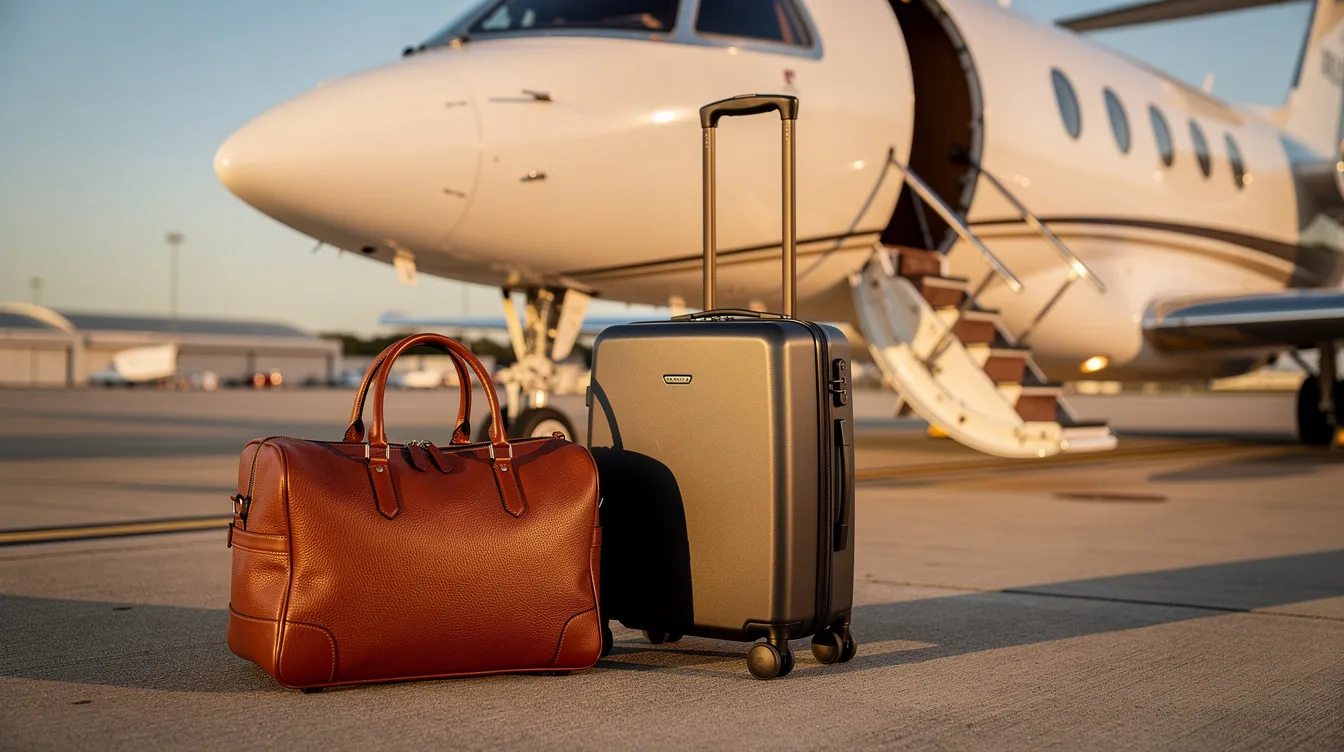
Stepping onto a private jet for the first time feels nothing like commercial travel. When you fly privately, you skip long security lines, avoid crowded gates, and never fight for overhead bin space. Flying privately offers a streamlined experience that lets you bypass standard airport procedures and enjoy personalized service from start to finish.
This guide is designed for first-time private jet travelers and covers every step of the journey, including booking, airport arrival, boarding, in-flight experience, and tips to ensure your first flight is smooth and enjoyable.
This guide walks you through everything you need to know about your first private jet flight—from booking to touchdown.
Booking Your Flight
Booking a private jet charter starts with understanding your options and gathering the right information. Most first private flights use what’s called on-demand charter, which simply means you pay per trip without buying into ownership. On-demand charters allow travelers to book flights as needed without long-term commitments, making it a flexible option for those who fly occasionally. Other booking models include fractional ownership, which involves purchasing a share in an aircraft to gain access to specific planes and others in the fleet, offering many advantages of full ownership without the responsibility of maintenance and crew management. Jet card or membership programs typically require a prefunded account that you draw from for each flight, offering fixed hourly rates and guaranteed aircraft availability—ideal for frequent flyers who prefer predictability and cost-efficiency.
Before booking a private flight, it’s essential to define trip details such as departure and destination airports, the number of passengers, and any special requirements. Flight details, including departure city, destination, exact dates, and passenger count, are critical for receiving accurate quotes from charter providers. Digital platforms now make it easy for customers to gain access to private jets without long-term commitments, streamlining the booking process.
When you contact a broker or charter operator, you’ll typically share:
-
Your route and preferred airports
-
Date flexibility (exact dates or a range)
-
Passenger count, including children or infants
-
Baggage needs, especially oversized items like skis or golf clubs
-
Any pets traveling with you
-
Concerns about turbulence or fear of flying
Charter operators are known for offering flexible, pet-friendly, and customized travel options, especially for families and larger groups, providing a more comfortable and accommodating flying experience compared to commercial airlines.
Booking a private jet typically involves several steps: initiating contact with a provider, defining travel needs, evaluating aircraft options, customizing the journey, and confirming the flight details.
Reputable private jet operators will share their safety credentials, including Part 135 certification (or equivalent air operator certificate), audit ratings, and crew experience. First-time private flyers should always ask who actually operates the aircraft. Aircraft age is also an important factor in assessing safety, reliability, and maintenance standards when evaluating different private jets.
When it comes to aircraft options, here’s a simple breakdown:
|
Aircraft Type |
Passenger Capacity |
Typical Range (nm) |
Hourly Rate (2026 est.) |
Best For |
|---|---|---|---|---|
|
Turboprops |
6–9 |
Up to 700 |
$2,200–$3,300 |
Short hops, access to small airports |
|
Light Jets |
4–7 |
1,500–2,000 |
$3,300–$5,700 |
Regional trips, quick hops |
|
Midsize/Super-Midsize Jets |
6–9 |
2,500–3,500 |
$4,800–$7,500 |
Coast-to-coast, mid-range |
|
Heavy/Long-Range Jets |
10–16 |
6,000+ |
$8,500+ |
International, long-haul |
Private jets can access around 5,000 airports in the United States, compared to fewer than 500 served by commercial airlines, enabling more direct travel to destinations.
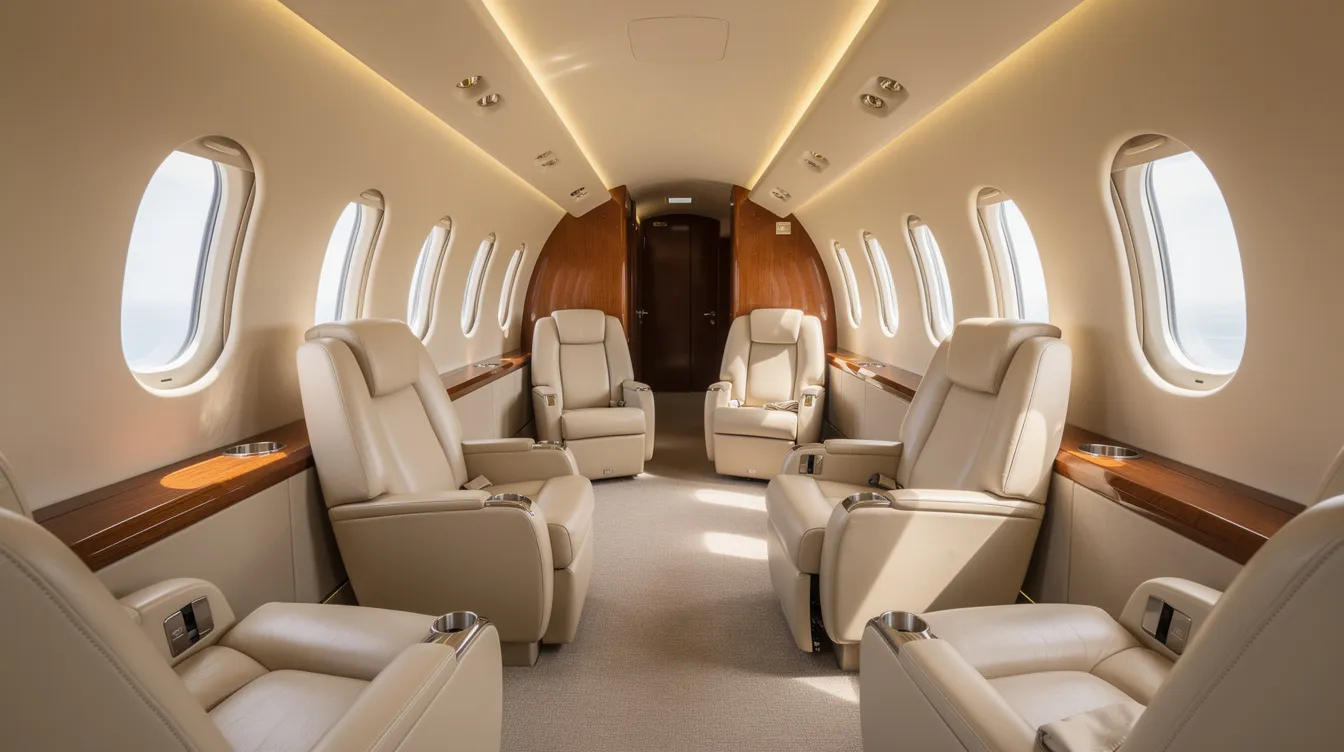
Providers typically send sample cabin photos showing seat count, layout (club-four or divan configurations), and lavatory type. Focus on these practical details rather than brand names.
For costs, the main components of a private jet charter typically include the aircraft hourly rate (70–80%), airport landing and handling fees (10–20%), and extras such as catering or ground transport (5–15%). Flight distance is a key factor influencing the total price, as longer trips require more fuel and may affect aircraft selection and scheduling. In 2026, estimated hourly rates for private jet charters in North America range from $2,200 to $14,000, depending on aircraft type: turboprops start around $2,200–$3,300/hour, light jets at $3,300–$5,700/hour, midsize jets at $4,800–$7,500/hour, and heavy jets at $8,500+/hour. Transparent pricing is a hallmark of reputable providers, who offer clear, upfront pricing without hidden fees, making the booking process trustworthy and straightforward.
Empty leg flights—when a private aircraft returns to base or repositions for another flight without passengers—can offer significant discounts, often ranging from 50% to 75% off the normal charter price. These work best for flexible first-time private jet trips, though routes and times are fixed.
Once you accept a quote, you’ll sign an agreement, pay by card or wire transfer, and receive a trip sheet with your FBO address, show time, and flight crew details. When booking a private jet, it is essential to communicate specific requests or needs, such as catering preferences or luggage requirements, to ensure a personalized experience. Custom catering requests should be made at least 48 hours in advance.
For nervous travelers, download the SkyGuru app once you have your flight date and route. Input your details to get real-time explanations during your first private jet flight.
Working with a Flight Advisor or Charter Specialist
A flight advisor or charter specialist acts as your personal concierge for private jet travel. Unlike the flight crew, they’re ground-based advocates who help you navigate aircraft choices, coordinate catering, arrange ground transportation, and handle schedule changes.
Your advisor can answer questions that feel too basic to ask elsewhere:
-
How early should I arrive at the FBO?
-
What is the baggage capacity of this aircraft?
-
Will there be a flight attendant on my first private flight?
If you have flight anxiety or worry about turbulence, inform your advisor early. They can brief the crew and recommend tools like SkyGuru or other apps that help reduce fear of flying for extra reassurance during your private jet experience.
Choosing Your First Private Jet and Route
Matching aircraft options to your actual first private jet trip depends on three factors: route distance, passenger count, and luggage volume.
Here are concrete examples:
-
Los Angeles to Las Vegas (240 nm): A light jet handles this 50-minute hop easily with 4–6 passengers
-
London to Ibiza (800 nm): A light or midsize jet works well for this European route
-
New York to Aspen (1,500 nm): A super-midsize jet handles the high-altitude airport and extra baggage capacity for ski equipment
Shorter runways and high-altitude airports may require specific aircraft performance, which your operator or advisor will factor into recommendations for first-time private jet experiences.
Flying solo versus flying with family or colleagues also influences selection. Larger groups benefit from divans and separate seating zones. Solo travelers may prefer the intimacy of a very light jet.
Arrival at the Airport
Forget everything you know about commercial travel. First-time private jet travelers typically arrive just 15–30 minutes before departure at a private terminal, not a commercial gate. A fixed base operator (FBO) is your private jet terminal—a dedicated facility where you park, check in, and board directly from the lounge or tarmac. Flying private allows travelers to arrive at the airport just 15 to 30 minutes before departure, significantly reducing wait times compared to commercial flights that often require arriving two hours early.
A fixed base operator (FBO) is your private jet terminal—a dedicated facility where you park, check in, and board directly from the lounge or tarmac.
For domestic flights, arrive 15–30 minutes before wheels-up. For international trips, plan for 30–45 minutes to handle customs paperwork. Example: if your scheduled departure is 09:00, arrive by 08:30 for domestic legs.
Here’s what happens when you arrive:
-
Pull up to the FBO entrance
-
Valet or self-park (often complimentary)
-
Staff greets you by name and takes your luggage
-
Quick identity verification at the desk
-
Relax in the lounge until boarding
Documentation needed for private flights includes a government-issued photo ID, which is mandatory for domestic flights, and a passport for international trips. You won’t receive a printed boarding pass—your name appears on a passenger manifest. For first-time flyers, this feels surprisingly informal but is fully regulated.
When using an FBO, security checks are typically quick and discreet, with no long TSA lines or shoe removal required. Security is typically handled directly at the FBO for private jet travelers, allowing for a convenient check-in experience.
FBO amenities often include quiet lounges, Wi-Fi, refreshments, private restrooms, showers, meeting rooms, and concierge services for rental cars or hotel confirmations.
Before boarding, anxious travelers can open the SkyGuru app—a media-praised tool for nervous flyers—to check the turbulence forecast and route map. Reading upcoming flight stage explanations helps reduce stress before your private flight.
Timing, Late Arrivals, and Last-Minute Changes
One advantage of private aviation over commercial travel is flexibility—but limits still exist, including crew duty times and airport slots. However, arriving too early for a private flight can disrupt crew preparations, so aim for that 15–30 minute window.
If you’re running late, call your flight advisor or the FBO immediately. Often, the jet can wait within reason.
Example: traffic delays you 20–30 minutes? The crew may adjust departure. Larger delays might require a new slot or schedule change.
Communicate any same-day changes (route tweaks, extra passengers) as early as possible so the operator can update manifests and catering.
What to Wear and What to Bring
Smart casual or business casual works for most first private flights. Business attire suits corporate trips, while comfortable but neat clothing works for leisure travel.
Practical tips:
-
Wear layers—cabin temperature varies
-
Choose flat or low-heeled shoes for walking across the ramp
-
Avoid overly casual or offensive clothing in shared business settings
Passengers are advised to check the baggage capacity of their specific jet, as small jets may require soft-sided luggage for storage. Luggage space is limited on private jets, and soft-sided baggage is preferred for ease of stowage. Passengers should aim to travel light and only bring what they need due to limited space.
Private jets offer more generous baggage allowances than commercial flights, but overall luggage capacity is constrained by the cabin size and aircraft type. It’s advisable to coordinate ahead of time for oversized items such as skis, golf clubs, or musical instruments.
Unlike commercial travel, you usually keep valuable items with you in the cabin—reassuring for first-time private jet travelers worried about lost luggage.
Nervous first-time flyers should bring noise-reducing headphones, a light sweater, and have SkyGuru installed and logged in before arriving at the FBO.
Boarding Process
Boarding your first private jet takes minutes, not hours. There’s no chaotic group system or overhead bin competition—just a calm, professional sequence that feels almost anticlimactic compared to commercial counterparts.
A staff member escorts you from the lounge to the aircraft, often driving you in a small vehicle or walking a short distance across the ramp. Passengers usually do not require boarding passes for private jets, and the crew often greets them by name.
The flight crew—pilots and any cabin attendants—welcome you at the aircraft door, help with the steps, and offer to take jackets or hand luggage. Baggage is already loaded or loaded while you watch, which reassures first-time flyers concerned about lost items.
The safety briefing covers seat belts, emergency exits, lavatory use, electronic devices, and turbulence expectations. It’s more personal and conversational than airline announcements.
For seating etiquette: if you’re a guest, wait to be directed to a seat. The host or primary passenger may have a preferred spot. Otherwise, choose any available seat.
Tips for exceptional service are not mandatory but can be a thoughtful gesture, commonly around $50–$100 for pilots. A simple thank you and positive feedback to your advisor also goes a long way.
Anxious flyers can use taxi and takeoff to follow along in the SkyGuru app, which identifies flight stages via sensors and explains unusual noises or sensations.
Documentation Checks and Security at the Aircraft
Final identity checks happen at the FBO desk or aircraft door, where staff verify your ID against the passenger manifest.
On certain routes, bags may be briefly scanned or opened, but the process is private and fast compared with commercial checkpoints.
Children and pets need specific documents for international first private jet trips—birth certificates, vaccination records, or pet passports. Keep IDs and vital paperwork in a small personal bag you carry onboard.
Pre-Flight Comfort and Last-Minute Requests
Once seated, you can immediately use the lavatory, connect to Wi-Fi (if available), and request drinks while final preparations occur; behind the scenes, operators may rely on detailed flight and turbulence data APIs to plan smoother routes.
Last-minute catering adjustments are limited, but seat swaps, lighting changes, or cabin temperature tweaks are usually easy.
The crew happily answers questions about flight time, expected turbulence, and route details. Pairing this with SkyGuru’s in-flight weather and route explanations helps reduce fear of the unknown for first-time flyers.
In-Flight Experience
The onboard experience of private jets often includes spacious cabins, high-quality seating, and personalized service, providing a level of luxury that surpasses first-class commercial travel. Private air travel is known for its premium, flexible experience, with the cabin of a private jet designed as a luxury living or working space rather than a row of seats.
For those new to private flying, the exclusivity and comfort are unmatched—most private flights offer superior privacy, comfort, and convenience compared to commercial flights. You control the guest list, can have confidential conversations, and can ask the crew to minimize interruptions, making privacy absolute.
From a first-timer’s perspective, takeoff feels different—closer runway views, steeper climbs on smaller jets, and more noticeable engine sounds. These are completely normal and safe.
Private jets can fly at higher altitudes (up to 45,000 feet) compared to commercial jets, helping avoid weather and providing a faster, smoother journey. Additionally, private jets can access around 5,000 airports in the United States, compared to fewer than 500 served by commercial airlines. This means private airports and FBOs offer more direct travel to your destination, allowing you to avoid long lines, security checks, and crowded commercial terminals.
Seating typically includes club-four configurations, divans, swiveling and reclining seats, and tables for work or meals. Once the seatbelt sign is off, you can usually move around freely.
Many smart private jets offer Wi-Fi, charging ports, and screens, but speeds vary. First-time private jet travelers should pre-download important content before departure, as operators increasingly use advanced flight and weather data platforms to anticipate conditions but can’t guarantee onboard connectivity.
Catering ranges from simple packaged snacks on light jets to fully customized meals and champagne on larger aircraft. Not all private jets include flight attendants—light jets are often pilot-only with self-serve refreshments, while midsize and heavy jets typically include cabin crew.
Turbulence may feel sharper in smaller jets compared to larger commercial airliners. This doesn’t mean it’s less safe—just more noticeable. Using SkyGuru’s real-time turbulence explanations and coping tools, similar to other apps designed to help with fear of flying, helps anxious passengers stay calm.
Basic private jet etiquette during flight: keep voices reasonable, treat crew with courtesy, handle equipment carefully, and keep the lavatory tidy.
Descent brings changes in engine noise and ear pressure. Following along in SkyGuru helps you understand each flight stage and anticipate these sensations.
Upon landing, disembarkation is quick. Luggage is handed directly to you, and ground transportation often waits right beside the aircraft—the exceptional service continues until you drive away.
Managing Anxiety and Fear of Flying on a Private Jet
Many first private jet passengers are nervous flyers. Smaller cabins can feel more intense, even though safety standards match or exceed those of commercial airlines.
Simple coping strategies include:
-
Deep breathing exercises
-
Focusing on work or conversation
-
Choosing a seat near the wing for stability
-
Talking to the crew about the expected weather
SkyGuru specifically supports anxious travelers through sensor-based detection of flight stages, advance notice of turbulence areas, plain-language explanations of noises, and in-app breathing exercises. Input your exact flight number and date before departure to receive turbulence prediction and real-time route information.
Flying with Family, Pets, and Special Situations
First-time private jet trips with children offer more space to move, the ability to keep car seats installed, and flexibility to schedule around naps or school.
When flying private, you can often bring your pets into the cabin rather than storing them in the cargo hold, making it a more comfortable experience for both you and your pet. Typical requirements include vaccination certificates, pet passports for international legs, and advance notice to the operator.
For passengers with mobility issues or medical needs, FBOs can arrange wheelchairs, confirm lavatory accessibility, and secure approval for medical equipment or oxygen.
Share these needs early with your flight advisor so that aircraft selection, seating, and service accommodate everyone; tools like SkyGuru, developed by an experienced pilot to ease flight anxiety, can add extra reassurance.
Your first private jet experience should be exciting, not stressful. With the right preparation—understanding the booking process, knowing what to expect at the FBO, and having tools like SkyGuru ready—you can experience private aviation with confidence.
Download SkyGuru before your first private jet trip to get real-time flight guidance, turbulence forecasts, and calming explanations that make flying private feel as comfortable as it looks, similar to other apps created to help people overcome the fear of flying.
Frequently Asked Questions (FAQs)
How early should I arrive for my first private jet flight?
For first-time private jet travelers, arriving about 15 to 30 minutes before departure at the Fixed Base Operator (FBO) is ideal. This timing allows for a smooth check-in and boarding process without disrupting crew preparations.
What documentation do I need to fly private for the first time?
For domestic private flights, a valid government-issued photo ID is required. For international flights, a passport and any necessary visas or customs documents must be provided in advance.
Can I bring pets on a private jet?
Yes, many private jet operators allow pets to fly in the cabin with you, provided you inform them ahead of time and have the required vaccination records or pet passports for international travel.
What is the difference between on-demand charter, jet cards, and fractional ownership?
On-demand charter lets you book flights as needed without long-term commitments. Jet cards or membership programs require a prefunded account and offer fixed hourly rates, ideal for frequent flyers. Fractional ownership involves purchasing a share in an aircraft, providing access to specific planes and others in the fleet with some ownership benefits.
Are empty leg flights a good option for first-time flyers?
Empty leg flights offer significant discounts, often 50% to 75% off regular prices, but have fixed routes and times. They can be a cost-effective way to try private flying if you have flexible travel plans.
Do I need to go through TSA security when flying private?
No, private jet travelers undergo security screening at the FBO, which is faster and less invasive than commercial TSA lines. There is no shoe removal or unpacking laptops typically required.
What should I pack for my first private jet flight?
Pack light and use soft-sided luggage when possible, as storage space varies by aircraft size. Coordinate with your operator for oversized items like skis or golf clubs. Keep essentials such as ID, medications, and valuables in a carry-on.
Is tipping expected on a private jet?
Tipping is not mandatory but is appreciated for exceptional service. A common range is $50 to $100 for pilots or crew, depending on the length and quality of the flight.
How can I manage anxiety or fear of flying on my first private jet experience?
Using tools like the SkyGuru app can provide real-time flight explanations, turbulence forecasts, and calming exercises. Communicating your concerns to your flight advisor and crew can also help ensure a supportive experience.
Conclusion: Enjoy Your First Private Jet Experience with Confidence
Flying private for the first time is an exciting milestone that combines luxury, convenience, and personalized service. By understanding the booking process, knowing what to expect at the airport and during boarding, and preparing for your in-flight experience, you can make your first private jet trip smooth and enjoyable. Remember to communicate your needs clearly, arrive at the FBO about 15–30 minutes before departure, and take advantage of tools like the SkyGuru app to manage any flight anxiety or turbulence concerns.
Private jets offer unique benefits such as access to thousands of airports, flexible schedules, and a calm, spacious cabin environment tailored just for you. Whether traveling for business or leisure, your first private flight will likely change how you view air travel forever.
With the right preparation and support, your first-time private jet experience will be seamless, comfortable, and memorable. Enjoy the journey and the unmatched freedom that comes with flying private.
FLEET SELECTION
JET CARDS
COST ANALYSIS


How to Auditing Your Operator's Maintenance Logs
Oct 05, 2025

How to Auditing Your Operator's Maintenance Logs
Oct 05, 2025

How to Auditing Your Operator's Maintenance Logs
Oct 05, 2025
Sky Guru Weekly
The smartest private aviation intelligence in your inbox.
.svg)

