



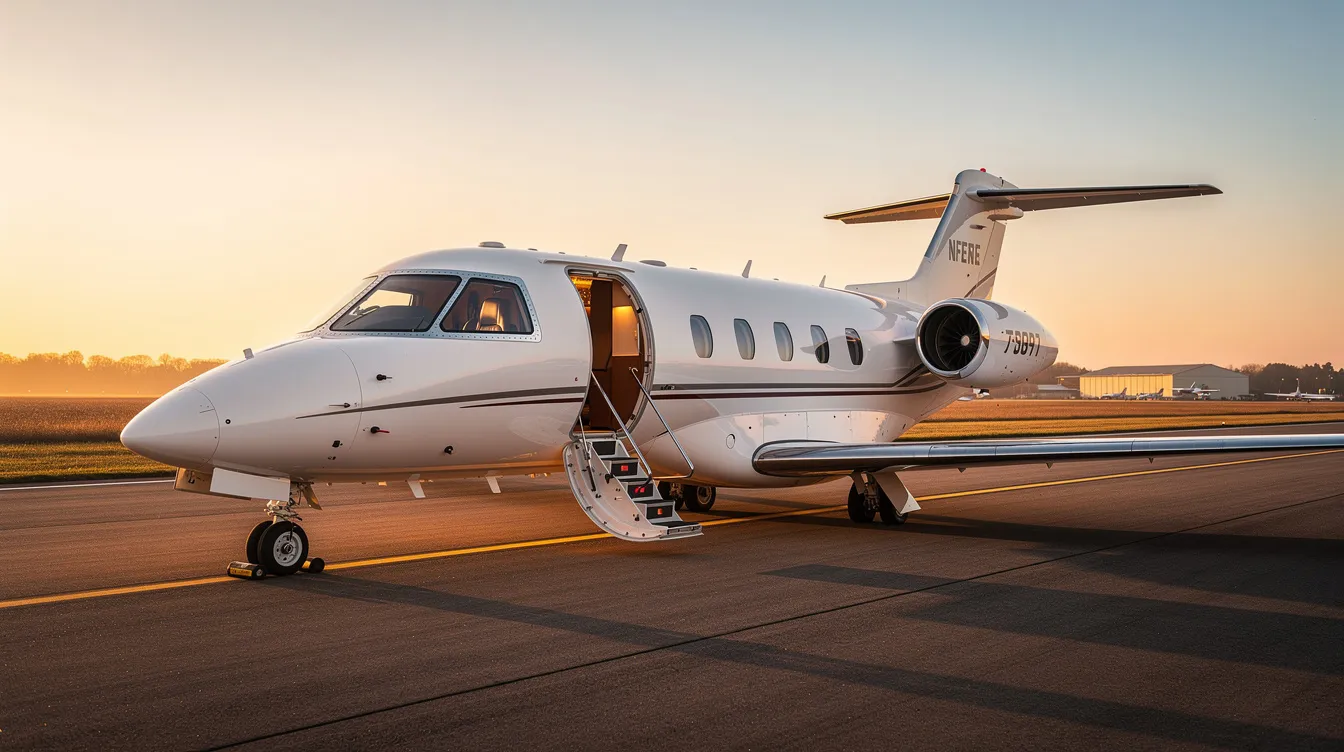
Renting a private jet sounds like something reserved for celebrities and billionaires. But the reality is more accessible than most people think—and understanding the numbers can make the whole process feel far less intimidating.
Whether you are exploring private jet rental for a business trip, a family vacation, or simply because commercial flying feels overwhelming, this guide breaks down costs, comfort factors, and practical steps so you can make a confident decision.
What Is Private Jet Rental and Who Is It For?
Private jet rental—also called private jet charter—means hiring an entire aircraft along with its crew for your exclusive use. Unlike buying a seat on a commercial airline, you are renting the whole plane. You choose where and when to fly, and you do not share the cabin with strangers.
The process is straightforward. You contact a charter company or broker, specify your route and dates, receive a quote, and confirm. The operator handles everything from flight planning to crew scheduling.
Typical users include executives on tight schedules, families traveling with children, medical transport patients, high-net-worth individuals seeking privacy, and occasional luxury travelers. Private jets offer access to over 10,000 airports worldwide, including small regional airports that commercial airlines never serve. That means you can fly closer to your actual destination without layovers or connecting flights.
For nervous flyers, private flights can feel noticeably calmer. The cabin is quieter. The crew is dedicated entirely to you. There are no crowded commercial terminals, no long security lines, and no surprises about seating. Travelers can customize their flight schedules around their comfort—choosing daylight departures, avoiding busy airports, and even requesting that the pilot explain each phase of the flight. Private jets provide complete privacy during flights, which many anxious travelers find deeply reassuring.
How Much Does It Cost to Rent a Private Jet in 2026?
Hourly Rates by Aircraft Type
Private jet rental prices vary from $2,300 to $23,000 per hour based on the size of the aircraft. This rate covers the entire plane, including the crew, rather than being charged per individual seat. That is the price for the whole aircraft, crew included—not a per-seat fare.
Here are the 2026 per-hour ranges by category:
-
Turboprop aircraft: about $2,300 to $3,500 per flight hour. These prop-driven planes handle shorter regional routes efficiently and cost the least.
-
Very light jets and light jet models: approximately $2,900 to $4,600 per hour. Ideal for city pairs under a few hours of flight time.
-
Midsize jet options: roughly $4,700 to $7,500 per hour. These offer more cabin room, longer range, and a smoother ride at altitude.
-
Large jets and ultra-long-range aircraft: about $8,500 to $17,000 per hour. Built for coast-to-coast or international trips with spacious cabins and full amenities.
-
VIP airliners (such as specially configured Airbus or Boeing aircraft): between $18,000 and $23,000 per hour. These are essentially private commercial-sized planes for large groups or heads of state.
Taxes and Fees
A 7.5% Federal Excise Tax applies to all US domestic flights on charter operations, along with a per-segment tax of roughly $5.30 per passenger. These government taxes add up, especially on multi-leg itineraries.
Factors Affecting Total Cost
Your final total cost depends on:
-
Flight duration
-
The airports you choose
-
Whether you are flying one way or round trip
-
The specific aircraft type
Short flights can be more expensive per mile due to fixed costs like daily minimums and positioning.
Example Private Jet Rental Scenarios: New York, Las Vegas and Beyond
Numbers make more sense in context. Here are four realistic 2026 trip examples with estimated all-in costs.
New York to Las Vegas
One-way, midsize jet
-
Seven passengers, about 4.8 to 5.0 flight hours westbound.
-
Base hourly rate for a midsize jet around $5,500 to $7,000 per hour.
-
With taxes, landing fees, fuel surcharges, and handling charges, expect approximately $32,000 to $40,000 all-in.
New York to Boston
Same-day round trip, light jet
-
A quick business day trip. About 2.5 to 3.0 billed hours total.
-
Light jet hourly rates around $3,800 to $5,500.
-
Including segment taxes, landing fees at both ends, and handling, the total runs approximately $12,000 to $18,000.
Los Angeles to New York
Round trip, super midsize jet with one overnight
-
Each leg is roughly 5 to 6 hours. Total billed time: 10 to 12 hours.
-
With a super midsize hourly rate in the $7,500 to $10,000 range, plus overnight crew costs, hangar fees, and return positioning, the round trip comes to roughly $70,000 to $95,000.
Miami to Nassau
Round trip, light jet
-
A short regional hop—about one hour each way.
-
Light jet base cost around $7,000 to $12,000.
-
Add positioning flights, customs handling, landing fees, and taxes for a realistic total of $10,000 to $16,000.
The takeaway: aircraft type, the number of nights at the destination, and routing choices all shift the overall cost significantly.
Private Jet Hourly Rates by Aircraft Size
Understanding hourly rate differences by aircraft size helps you right-size your booking. Here is what each category typically looks like in 2026.
-
Light jet (4 to 7 passengers, ideal for 2 to 3-hour legs): models like the Citation CJ3 or Phenom 300 run about $3,800 to $6,000 per hour. Perfect for short haul flights and regional hops.
-
Very light jets are ideal for trips under 1,400 miles, making them a cost-effective choice for routes like New York to Miami or San Francisco to Las Vegas.
-
Midsize jet (6 to 8 passengers): aircraft like the Citation XLS or Hawker 800XP cost around $4,700 to $7,500 per hour. These handle longer domestic flights with noticeably more cabin space.
-
Super midsize (8 to 10 passengers): the Gulfstream G280 or Challenger 350 typically falls in the $7,500 to $10,000 per hour range. Great for coast-to-coast missions.
-
Heavy jet and large cabin (10 to 16 passengers): the Gulfstream G550, Falcon 2000EX, or Global 6000 charge roughly $9,000 to $15,000 per hour. These aircraft handle international flights with ease.
-
VIP airliners cost between $18,000 and $23,000 per hour. Used for large groups, government delegations, or ultra-luxury travel, with aircraft available worldwide.
Aircraft age can increase rental rates by $100 to $1,000 per hour. A newer plane with advanced avionics, modern engines, and a fresh cabin interior commands a premium—but it also burns fuel more efficiently and tends to ride smoother, which matters for comfort-minded travelers.
The number of passengers affects comfort but does not dramatically change the hourly rate. Whether you put four people or seven on a light jet, the cost per hour stays roughly the same—only the per-person math changes.
What's Included in Private Jet Rental Costs (and What Isn't)
The base hourly rate on most private charter quotes typically covers:
-
Use of the aircraft itself
-
Pilot and crew salaries
-
Basic fuel costs
-
Standard insurance and maintenance reserves
That sounds comprehensive, but several expenses involved in a charter trip sit outside the base rate. Common add-ons include:
-
Landing fees and handling or ramp fees at each airport
-
Overnight crew charges (hotel and meals if the crew stays at your destination)
-
Hangar fees or aircraft parking
-
De-icing during winter months
-
Wi-Fi surcharges and premium cabin amenities
-
Catering beyond basic snacks and water
-
Fuel surcharges above a set baseline
Airport fees can vary significantly by location and aircraft size. A light jet landing at a small regional field may pay a few hundred dollars, while a heavy jet at a major FBO near New York could face several thousand.
Government taxes and fees also add up. The 7.5% Federal Excise Tax on domestic flights is the largest single tax item. International trips may involve overflight permits and customs charges.
Reputable private charter providers disclose most line items upfront. If you feel uncertain about money, ask for a fully itemized quote. Seeing every charge laid out can reduce financial anxiety before you ever step on the plane.
Hidden Fees and How to Avoid Surprises
Hidden fees in private jet rental are charges that appear after booking—or sit buried in fine print that few clients read carefully. They are not always intentional deception; sometimes they reflect genuinely variable costs that the operator cannot predict until closer to departure.
Common hidden costs include:
-
Extra cleaning fees for traveling with pets
-
De-icing charges that only apply if temperatures drop
-
Peak-day surcharges around major events (think New Year's Eve in Las Vegas or CES week)
-
Last-minute schedule change penalties
-
Repositioning (ferry) flights: when the aircraft must fly empty to reach you or return home, that cost often lands on your invoice
Empty leg flights deserve special attention. If your departure city is not where the aircraft is based, the operator flies the plane empty to pick you up—and may charge you for that positioning. This can add several thousand dollars.
The flip side: empty leg flights can save up to 75% off standard rates when you happen to match an aircraft that is already repositioning. Booking floating-fleet aircraft can save up to 30% on one-way rentals because the plane is already nearby.
To protect yourself, ask these questions before booking:
-
"Does the quote include positioning or ferry flights?"
-
"What is the daily minimum flight hour charge?"
-
"Are there peak-day or event surcharges for my travel dates?"
-
"Which fees—landing, handling, overnight crew, catering, de-icing—are not included in the hourly rate?"
-
"What happens financially if I need to change the schedule or cancel?"
Choosing secondary airports can lower landing and ramp fees. And requesting an "all-inclusive" or "no-surprise" quote—where the operator locks in a total price—gives you the clearest picture of the expenses involved.
Key Factors That Influence Private Jet Rental Pricing
No two private aviation itineraries cost exactly the same. Here are the main drivers that shape your final price:
Main Pricing Factors
-
Billable flight time: This includes not just time in the air but also taxiing, and often daily minimum hours (typically 2 to 3 hours per day, even if your actual flight is shorter). Short flights can be more expensive due to these fixed costs.
-
Aircraft size and model: Larger planes burn more fuel and require more crew. A heavy jet costs roughly three to four times more per hour than a light jet.
-
Aircraft age and efficiency: Newer models with fuel-efficient engines reduce operating costs. Older aircraft may carry higher maintenance reserves, pushing your rate up.
-
Route and airport choice: Distance matters, but so does airport selection. Choosing Teterboro instead of JFK for a New York private flight, for example, eliminates commercial terminal congestion and often speeds up departure—but Teterboro's FBO handling fees can be higher than some alternatives.
-
Season and day of week: Holiday weekends, major events, and winter ski-season demand all push the market rate higher. Mid-week flights in off-peak months tend to be the most affordable.
-
Overnight and crew duty limits: If the crew must stay overnight, you cover lodging and meals. FAA duty-time rules may require a fresh crew for the return leg, adding cost.
-
Booking window: Booking 30 to 60 days in advance offers the best pricing options. Last-minute requests limit aircraft availability and often carry premium pricing.
Checklist for Building Your Private Aviation Budget
-
Define your route, travel dates, and passenger count
-
Set a budget range based on hourly rates for the aircraft size you need
-
Choose a likely aircraft size and get professional guidance if unsure
-
Request at least two competing quotes
-
Ask each provider about hidden fees, positioning charges, and daily minimums
-
Confirm operator safety credentials
-
Share any fear-of-flying concerns with your charter advisor
-
Download SkyGuru ahead of time to preview the route and turbulence risks
Think of these factors as a checklist when building your private aviation budget. Each one is a lever you can adjust to move your total cost up or down.
One-Way vs Round-Trip: Which Private Flight Option Costs Less?
One-way pricing on a private jet charter can surprise first-time renters. Because the aircraft must fly back to its base empty, you sometimes pay for that repositioning—making a one-way trip nearly as expensive as a round trip.
Round-trip pricing works differently. The aircraft waits at your destination (you cover overnight parking, hangar fees, and crew expenses), then flies you home. You avoid the repositioning penalty, but you are paying for idle time on the ground.
When is One-Way Actually Cheaper?
-
When empty legs are available on your route—meaning another client has already booked the opposite direction and you can grab the empty return at a steep discount.
-
When the operator has a floating fleet with aircraft already near your departure city, providing access to planes without a long ferry flight.
-
On very high-demand city pairs (like New York to Las Vegas or Los Angeles to San Francisco) where back-to-back bookings are common.
Here is a simple comparison. A midsize jet one-way from New York to Miami might quote around $20,000 to $28,000 including positioning. The same aircraft on a round trip with a two-night stay might quote $32,000 to $42,000 total—making the round trip only modestly more than one-way once you factor in the repositioning.
The practical tip: always ask the broker or operator to price both options for your specific dates. The math shifts depending on where the aircraft happens to be.
Choosing the Right Jet Type: Turboprop, Light Jet, or Midsize Jet?
Picking the right aircraft types for your trip is one of the easiest ways to control private jet rental costs—and your comfort level.
-
Turboprop aircraft are propeller-driven planes that cruise at lower altitudes and slower speeds than jets. They make sense for short regional routes (under about 500 miles), access to smaller airports with shorter runways, and keeping the hourly rate under $3,500. The tradeoff: they are louder and fly lower, which means more exposure to weather.
-
Very light jets bridge the gap between turboprops and full light jets. They are ideal for trips under 1,400 miles, carry 4 to 5 passengers, and cost less than their larger counterparts. Good for quick hops where speed matters more than cabin space.
-
A light jet—like the Citation CJ3 or Phenom 300—flies faster and higher, reaching altitudes where turbulence is less common. Range typically covers 2 to 3 hours of flight time, making them popular for routes like New York to Atlanta or Chicago to Dallas.
-
A midsize jet (think Citation XLS or Hawker 800XP) offers a noticeably roomier cabin, stand-up headroom in many models, and enough range for cross-country trips. For nervous flyers, the extra cabin space can make a real difference—less chance of feeling cramped or claustrophobic. For help narrowing down specific models, check out this guide on how to choose the right aircraft model.
"Right-sizing" the plane means matching distance, passenger count, and comfort needs to the smallest aircraft that handles the mission well. Fly a turboprop when you can; step up to a midsize jet when the route or your comfort demands it.
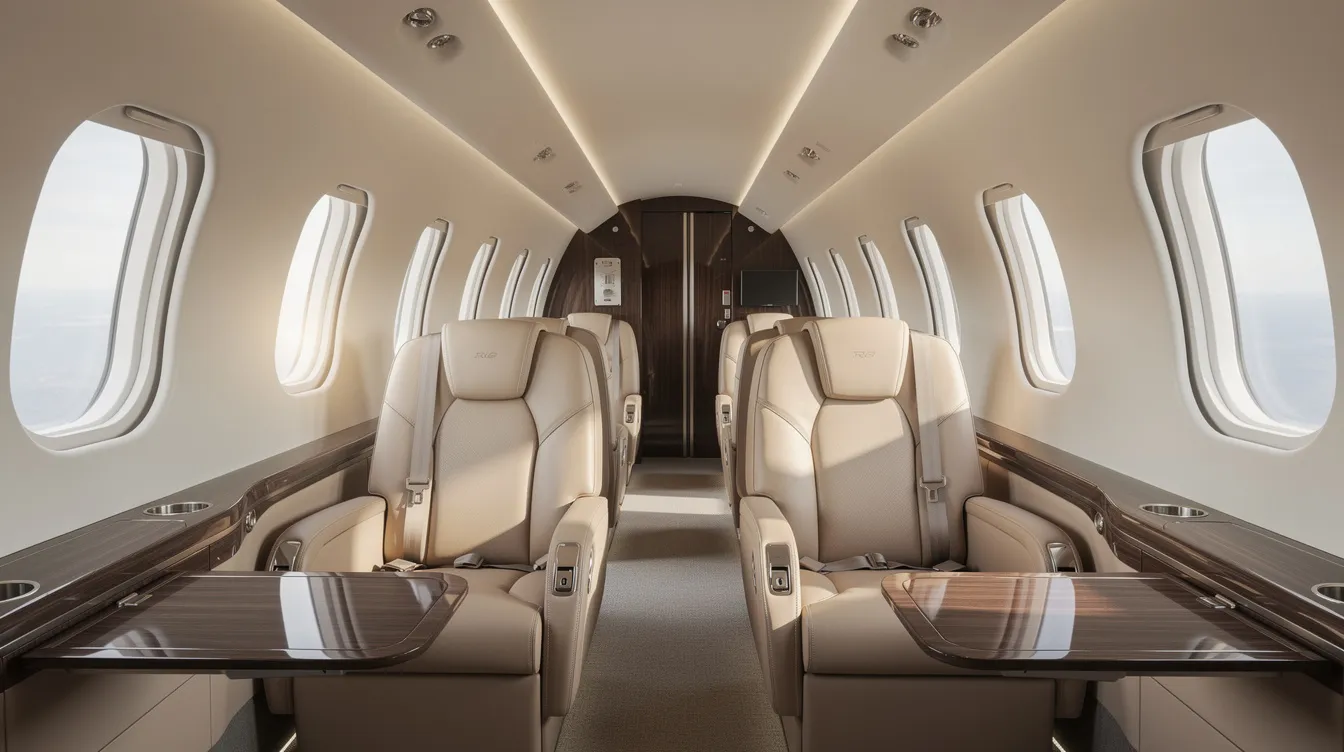
Comparing Private Jet Charter Options: On-Demand, Memberships, and Jet Cards
There are three main ways to access private charter services, including flexible charter services suited to different travel patterns.On-demand
-
d charter is the pay-as-you-go approach, with flexible charter services built around custom timing and aircraft selection. You book each flight individually, pay the quoted price, and have no ongoing commitment. This works well for occasional flyers—maybe one to three trips per year—who want maximum flexible schedules without locking up capital.
-
Jet card programs let you pre-purchase a block of flight hours (typically 25 or more) at a fixed hourly rate. The advantage is rate predictability: you know exactly what each hour will cost, which removes pricing anxiety. Some programs focus on specific regions, offering better availability in markets like New York or Las Vegas. For a deeper look at how these work, see the jet card pricing explained guide or weigh the jet card pros and cons before committing.
-
Membership programs—sometimes called fractional or fleet-access memberships—offer priority booking, guaranteed availability, and sometimes access to a specific fleet. For frequent flyers logging 50 or more hours annually, these programs can reduce per-hour costs and provide consistency. The best private jet membership programs guide compares the leading options.
From a comfort standpoint, predictability matters. Knowing your rate, your aircraft type, and your crew in advance lowers uncertainty—and uncertainty is one of the biggest triggers for travel anxiety.
Route Examples: Popular Private Jet City Pairs and Typical Pricing
Some popular routes see enough demand that pricing stays relatively competitive. Here are a few to illustrate.
New York (Teterboro) to Las Vegas (Henderson Executive)
-
Light jet: approximately $22,000 to $30,000 one way
-
Midsize jet: approximately $32,000 to $40,000 one way
-
Flight time: about 4.5 to 5 hours westbound
-
This is one of the busiest private aviation corridors in the U.S., and empty legs are more frequently available.
New York to Chicago (Midway or DuPage)
-
Light jet: roughly $14,000 to $20,000 one way
-
Flight time: about 2 to 2.5 hours
-
The time savings versus commercial (door-to-door) can be 3 to 4 hours, making it a strong business case.
Los Angeles to Las Vegas
-
Light jet: approximately $8,000 to $14,000 one way
-
Flight time: under 1 hour
-
Positioning is often minimal because many aircraft are already based in the LA area.
New York to Miami
-
Midsize jet: roughly $20,000 to $28,000 one way
-
A winter-season favorite with strong demand around holidays
Seasonality matters. New Year's Eve in Las Vegas, summer weekends in the Hamptons, and ski-season departures to Aspen all push rates well above the market rate. If your travel dates are flexible, even shifting by a day or two can save thousands.
Why Travelers Choose Private Flights Despite the Price
The value of private aviation goes beyond leather seats and champagne. The real draw is time.
Private jet travel can save hours compared to commercial flights. Skip the two-hour early airport arrival, the security line, the boarding process, and the taxi queue on the other end. On a New York to Boston trip, the door-to-door time difference can be three hours or more.
Schedule flexibility is another major factor. Flights leave when you are ready, not when the airline dictates. Travelers can customize their flight schedules around meetings, family needs, or simply their energy level.
Sharing costs among passengers can significantly reduce per-person rates. A midsize jet carrying six passengers on a coast-to-coast trip can approach the per-person cost of a premium airline cabin—with none of the hassle.
For anxious travelers, the psychological benefits are real. Skipping long security lines and boarding delays reduces stress before the flight even begins. Quieter cabins, familiar crew on repeat trips, and flexible catering for dietary needs all contribute to a calmer experience.
Private jets follow strict safety rules under FAA Part 135 regulations. Pilots are professionally trained, aircraft are maintained to rigorous standards, and operators undergo regular inspections. The safety framework is robust—even if the planes are smaller.
What to Expect on Board a Private Jet (Sensations, Sounds, and Safety)
Many individuals experience anxiety or fear when flying, and stepping onto a smaller aircraft for the first time can amplify that uncertainty. Knowing what to expect helps.
Taxi and takeoff: The engines spool up with a rising whine. You will feel acceleration pressing you gently into your seat. Smaller jets often have shorter takeoff rolls and steeper initial climbs than large airliners, which can feel more dramatic but is completely normal.
Climb: You may hear the landing gear retract (a clunking sound followed by a hydraulic whir) and the flaps adjusting. Engine pitch changes as the pilots reduce power after the initial climb. These are all routine.
Cruise: Once at altitude, the cabin settles into a steady hum. Most jets cruise between 35,000 and 45,000 feet—above much of the weather that causes turbulence. The ride is often smoother than on lower-flying aircraft.
Turbulence: Bumps in a light jet can feel more pronounced than in a wide-body airliner simply because the aircraft is lighter. But the plane is designed for it. Modern jets handle turbulence well within their structural limits.
Descent and landing: Engine power reduces, you may hear flap and gear extensions again, and the nose pitches slightly downward. Ear pressure changes are normal—swallowing or yawning helps equalize.
Understanding what happens during flights can help reduce stress. Sensor-based detection of flight stages helps inform passengers about exactly where they are in the journey, turning surprises into expected events.
Managing Fear of Flying on Private Jets
Fear of flying does not disappear just because the plane is nicer. Many people who can afford private aviation still struggle with turbulence anxiety, takeoff nerves, or discomfort in a small cabin, and dedicated tools like the SkyGurin flight anxiety app can provide added reassurance.
The good news: private flights offer several built-in advantages for anxious travelers.
You have control over your schedule—no rushing, no missed connections, no last-minute gate changes. The crew is there for you alone, and most charter pilots are happy to explain what is happening at every stage if you ask.
Simple coping tools and tips can assist those who fear flying, and technology-based guidance from resources like the MySkyGuru fear-of-flying blog can reinforce those strategies between trips:
-
Breathing exercises: inhale for four counts, hold for four, exhale for six. Repeat during takeoff or turbulence.
-
Grounding techniques: press your feet into the floor, hold something cold, focus on a specific object in the cabin.
-
Pre-flight routines: arrive early, walk around the FBO lounge, talk to the pilots before boarding.
Tell your crew about your anxiety. Pilots and cabin staff on private charter flights are accustomed to nervous passengers and can offer gentle check-ins, advance warnings before turns or altitude changes, and simple explanations for every sound.
Predictability is the antidote to fear. When you know what will happen next, your nervous system calms down. Turbulence forecasts can help reduce anxiety during flights by removing the element of surprise.
How SkyGuru Helps You Stay Calm on Any Flight (Private or Commercial)
Some mobile apps target individuals with a fear of flying by providing real-time information and reassurance. SkyGuru works like a pilot in your pocket—giving you moment-by-moment explanations of what is happening and why.
Here is how it works: enter your flight details before departure, whether you are on a private jet charter or a commercial ticket. The app uses aviation weather data, flight path information, and your phone's sensors to predict when turbulence, altitude changes, or turns are coming.
Mobile apps can provide real-time flight commentary during air travel, and SkyGuru does exactly that. During a bumpy climb out of New York or a gusty approach into Las Vegas, the app tells you what the pilots are doing and why the plane is moving the way it is. Flight path information is important for passenger reassurance—and SkyGuru delivers it in plain language, echoing many of the ideas explored on the MySkyGuru fear of flying blog.
Inside the app, you will also find mental wellness tools: breathing guides, explanations of cabin sounds and sensations, and tips tailored specifically for turbulence anxiety. For a broader look at helpful travel technology, explore the best apps for flying.
If you are planning your next trip—private or commercial—consider downloading SkyGuru before departure. Following along in real time replaces worry with understanding, and that shift can make all the difference.
Practical Tips for Booking Your First Private Jet Charter
If you have never rented a private jet before, this simple checklist will help you move from research to booking with confidence. For a more detailed walkthrough, see this guide on how to fly a private jet for the first time.
-
Define your route, travel dates, and approximate passenger count. These three details shape every quote you receive.
-
Set a budget range based on hourly rates for the aircraft size you need. Private jet rental prices vary widely, so having a bracket in mind keeps conversations focused.
-
Choose a likely aircraft size—light jet for shorter routes, midsize jet for longer distances or more passengers—and get professional guidance from the company if unsure.
-
Request at least two competing quotes. Ask each provider clearly about hidden fees, positioning charges, and daily minimums.
-
Confirm operator safety credentials. In the U.S., only Part 135-certified operators can legally carry paying charter passengers. Ask for the certificate number.
-
Share any fear-of-flying concerns with your charter advisor. They can suggest a calmer booking experience: daylight flights, less busy airports, and an aircraft with a smoother ride profile.
-
Download SkyGuru ahead of time so you can preview the route and turbulence risks before departure. Knowing what to expect transforms anxiety into awareness.
Frequently Asked Questions About Private Jet Rental Costs
How much does a 2-hour private flight on a light jet cost in 2026? Expect roughly $7,600 to $12,000 for the flight itself. Add landing fees, taxes, and handling for a realistic all-in range of $9,000 to $14,000. Light jets rent for $2,900 to $4,600 per hour depending on model and availability.
Is renting a private jet cheaper than first class on airlines? Per person, usually not—unless you are traveling in a group. Sharing costs among six to eight passengers on a midsize jet can bring per-person costs close to premium airline cabins, especially on popular routes.
How far in advance should I book a private charter? Booking 30 to 60 days in advance offers the best pricing options and widest aircraft selection. Last-minute bookings are possible but often cost more.
Can I reduce costs by sharing a private jet or finding empty legs? Yes. Empty leg flights can offer discounts of 25 to 75% off standard rates when your route matches an aircraft that is already repositioning. Cost-sharing with other passengers or groups is another effective way to lower per-person rates.
Are private jets safe in turbulence? Absolutely. Private jets meet the same FAA safety standards as commercial aircraft. They are designed to handle turbulence well within their structural limits. Many jets cruise at higher altitudes where turbulence is less frequent. And aviation experts—your pilots—are trained to navigate around rough air whenever possible.
Do private jet rental costs include everything? Not always. Base rates typically cover the plane, crew, fuel, and insurance. Landing fees, handling charges, fuel surcharges, catering, and government taxes are often separate. Always request an itemized quote.
Final Thoughts: Balancing Cost, Comfort, and Peace of Mind
Private jet rental covers a wide spectrum—from a $2,300-per-hour turboprop for a short regional hop to a $23,000-per-hour VIP airliner crossing oceans. The right choice depends on your route, your group size, and how much you value time, privacy, and comfort. Understanding the cost structure—hourly rates, variable costs, taxes, and potential hidden fees—removes much of the confusion that keeps people from even exploring private aviation.
Nervousness about flying is common, even among frequent flyers and private jet passengers. Knowledge and preparation are the two most effective tools for turning that uncertainty into quiet confidence. Whether you end up booking a private charter or flying commercial, understanding what happens during each phase of flight makes the experience calmer. Learn more about fear of flying and how to manage it.
If you want that understanding in real time—during takeoff, cruise, turbulence, or landing—SkyGuru is built to provide it. Download the app before your next trip, enter your flight details, and let clear explanations replace the guesswork. Flying becomes less intimidating when you know what is happening around you. Discover how turbulence explained can ease your mind.
For those interested in flight anxiety help, SkyGuru offers practical tools and real-time updates. Understanding flight sensations explained can also make a big difference in your comfort level.
Finally, explore our nervous flyer tips to prepare for your journey with confidence and ease.
FLEET SELECTION
JET CARDS
COST ANALYSIS


How to Auditing Your Operator's Maintenance Logs
Oct 05, 2025

How to Auditing Your Operator's Maintenance Logs
Oct 05, 2025

How to Auditing Your Operator's Maintenance Logs
Oct 05, 2025
Sky Guru Weekly
The smartest private aviation intelligence in your inbox.
.svg)

