



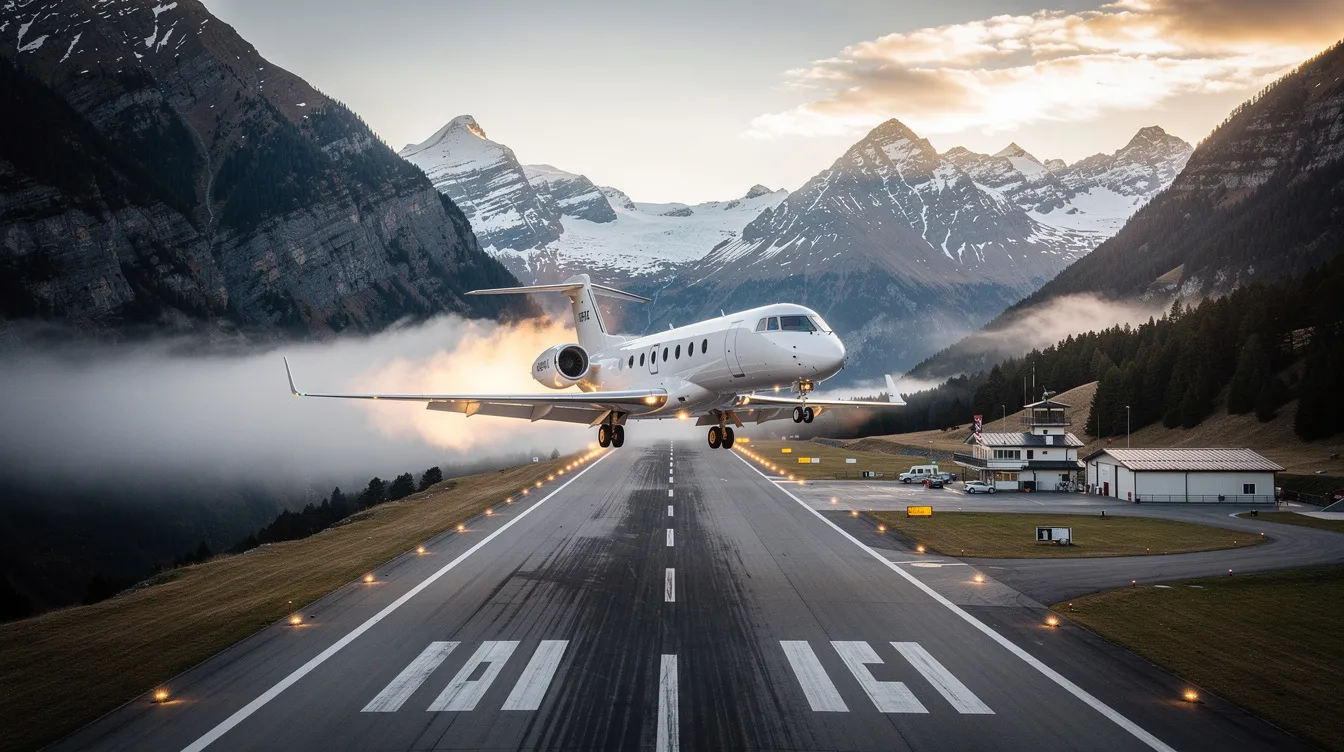
The best private jet to buy is not one aircraft for every buyer. It is the right aircraft for your routes, passengers, airports, budget, and comfort expectations. In 2025, the private jet market favored practical matching over status buying.
Still, a few top models stand out. The Embraer Phenom 300E is a go-to choice among light jets, with about 2,010 nautical miles of range and 6–8 passengers; the Embraer Phenom 300 is celebrated as the best-selling light jet, offering a maximum range of 1,970 nautical miles and a comfortable cabin for 6-8 passengers, making it ideal for short flights. In super mid-size jets, the Bombardier Challenger 3500 offers about 3,400 nm, 9 seats, strong charter demand, and a quiet, spacious cabin. For ultra-long range jets, the Gulfstream G700 delivers 7,750 nm, up to 19 passengers, advanced tech, and serious luxury. For value, a pre-owned Hawker 800XP or 850XP can be cost-effective if inspection records are strong.
This private jet comparison will help you choose between light jet vs heavy jet options, new vs older aircraft, and ownership vs charter without relying on brochure claims. Even in private aviation, turbulence, unfamiliar sounds, and weather conditions can unsettle guests; SkyGuru helps explain flight phases and turbulence in real time, which can support anxious family members or business travelers.
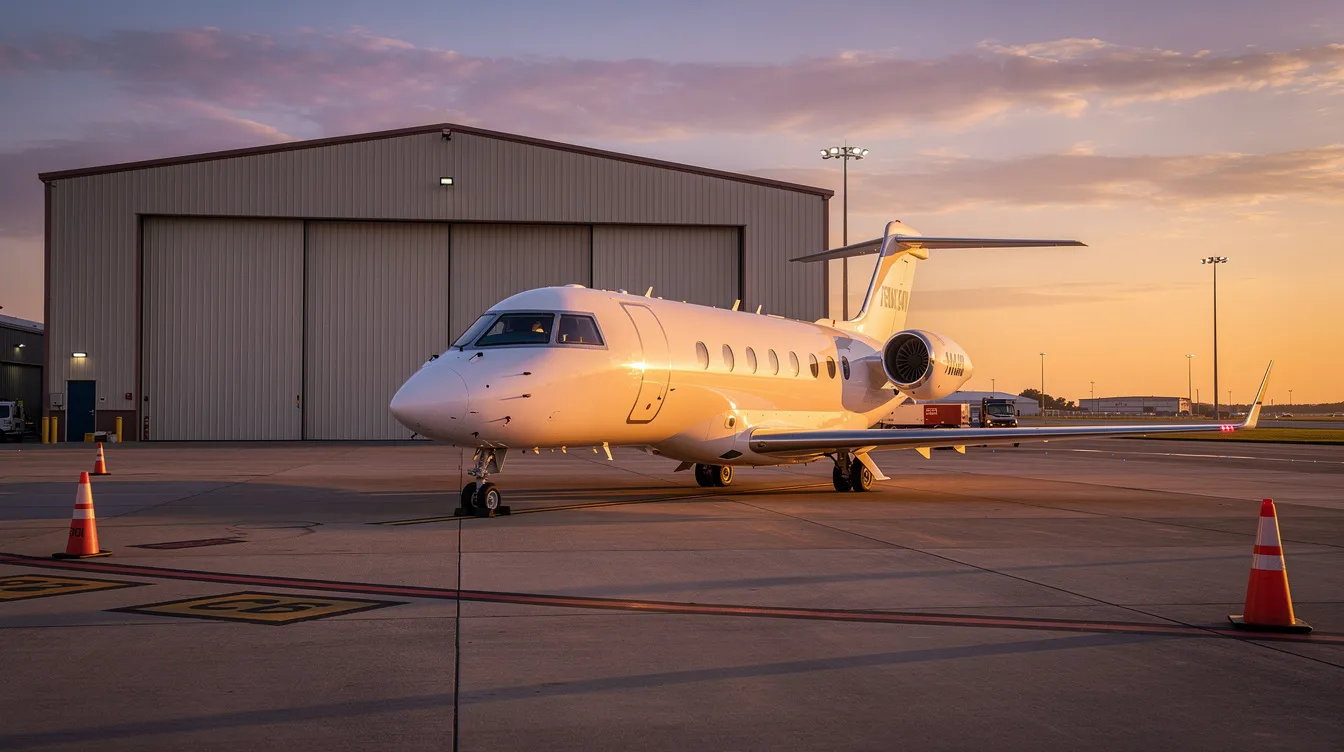
Understanding Your Mission Profile
Your mission profile means how, where, and how often you fly. It is the single most important factor in private jet ownership because a jet that is perfect for Dallas–Chicago may be wrong for London–Dubai.
Consider these points before choosing private jets:
-
Typical trip length: 300–500 nm hops, such as Los Angeles–Las Vegas, suit light jets. Routes over 2,000 nm, such as New York–Denver or London–Athens, often need a midsize jet or super midsize. Trips over 5,000 nm, including New York–London or Dubai–London with reserves, point toward long-range jets.
-
Passenger capacity: flying alone or with 2–3 people is different from carrying a team of 8–10 executives or a family of 12+. You need enough space, not space.
-
Frequency: A few trips per year may be better served by charter. Weekly business travel may justify whole ownership because it gives more control and guaranteed availability.
-
Baggage: skis, golf clubs, film gear, and product samples matter. A HondaJet has limited baggage compared with midsize and heavy models.
-
Airports: Smaller airports and short runways can rule out larger aircraft. Aspen, Telluride, London City, and Teterboro all demand careful performance review.
For example, a Dallas owner flying 1–2 executives to Chicago or Miami twice a month may do well with a Phenom 300E or Citation XLS+. A London family flying London–Dubai and London–New York non-stop should look at a Global 6500, Gulfstream G600, or similar long-range class.
Emotional needs also count. If a spouse, child, or colleague fears flying, a smoother ride and clear explanations can be part of the buying decision. An app that helps with fear of flying, such as SkyGuru, can help by showing what is happening during flights, from climb noises to expected turbulence.
Aircraft Categories Explained
The market is divided by cabin size, range, and cost, including very light jets for regional travel and ultra-long-range jets for international missions. The private jet market in 2026 offers a variety of aircraft tailored to specific mission profiles, including regional hops and intercontinental travel. New private jet models prioritize fuel efficiency, advanced connectivity, and long-range comfort.
-
Very Light & Light Jets: Very Light Jets (VLJs) are the smallest type of private jet, ideal for short-haul distances of up to three hours, accommodating four to seven passengers. Light jets usually seat 4–8, fly up to about 1,500–2,000 nm, and operate efficiently from smaller runways. Examples include HondaJet Elite II, Embraer Phenom 100EV, and Cessna Citation CJ3+. They suit owner-pilots, regional business trips, and lower operating costs.
-
Super Light / Small Super Light Jets: These stretch light-jet efficiency with more cabin space and range around 2,000+ nm. The Phenom 300E and Citation XLS+ are strong examples and often the best value for frequent U.S. or intra-Europe trips.
-
Midsize Jets: Midsize jets typically have an average range of 2,200 nautical miles, making them suitable for both short-haul and long-haul flights, and can accommodate five to ten passengers comfortably. Examples include Citation Latitude, Gulfstream G150, and Learjet 60XR. Acquisition costs for midsize private jets typically range from $7 million to $25 million, influenced by model year, hours, and cabin configuration.
-
Super Midsize Jets: Super Midsize jets offer larger cabin space and greater flying capacity than standard midsize jets, with an average range of 3,500 miles and the ability to fly up to seven hours. Challenger 3500, Gulfstream G280, Embraer Praetor 500, and Citation Longitude compete here.
-
Large Cabin / Heavy Jets: These seat about 10–16+, add full galleys, more amenities, and often two pilots plus a flight attendant. Models include Challenger 605/650, Gulfstream G450/G500, and Dassault Falcon 900LX. They suit U.S.–Europe and Europe–Middle East trips.
-
Ultra-Long-Range Heavy Jets: Ultra-Long-Range Heavy Jets are designed for long-haul travel, capable of flying distances of 6,000 to 6,500 miles and accommodating 14 to 17 passengers with luxurious amenities. Gulfstream G650ER/G700, Bombardier Global 6500/7500, and Falcon 8X/10X serve executives crossing the world non-stop.
-
Executive Liners / Bizliners: Executive Liners, or Bizliners, are commercial aircraft modified for private use, featuring high levels of customization and capable of seating 19 to 48 passengers in luxury. Boeing BBJ 737, Airbus ACJ319, and ACJ330 can include living spaces, a dining room, conference room, en suite shower, and separate bedrooms, but they are rarely the first ideal choice.
Light jets are often more efficient for short regional flights with fewer passengers, while larger jets are necessary for long-range travel with larger groups. That is the core light jet vs heavy jet trade-off: price and efficiency versus range, cabin comfort, staffing, and airport flexibility.
|
Aircraft Category |
Typical Range (nm) |
Passenger Capacity |
Typical Use Case |
Approximate Acquisition Cost |
|---|---|---|---|---|
|
Very Light & Light Jets |
Up to 2,000 |
4–8 |
Short regional trips, owner-pilots |
$3M–$12M |
|
Super Light Jets |
2,000+ |
6–9 |
Longer regional, intra-continental |
$8M–$15M |
|
Midsize Jets |
~2,200 |
5–10 |
Short to medium haul business travel |
$7M–$25M |
|
Super Midsize Jets |
~3,500 |
7–12 |
Longer range, more cabin space |
$15M–$30M |
|
Large Cabin / Heavy Jets |
4,000+ |
10–16+ |
Transatlantic, corporate groups |
$20M–$50M |
|
Ultra-Long-Range Heavy Jets |
6,000–7,700 |
14–19 |
Intercontinental, luxury long haul |
$50M–$75M+ |
|
Executive Liners / Bizliners |
6,000+ |
19–48 |
Very large groups, ultra-luxury travel |
$70M+ |
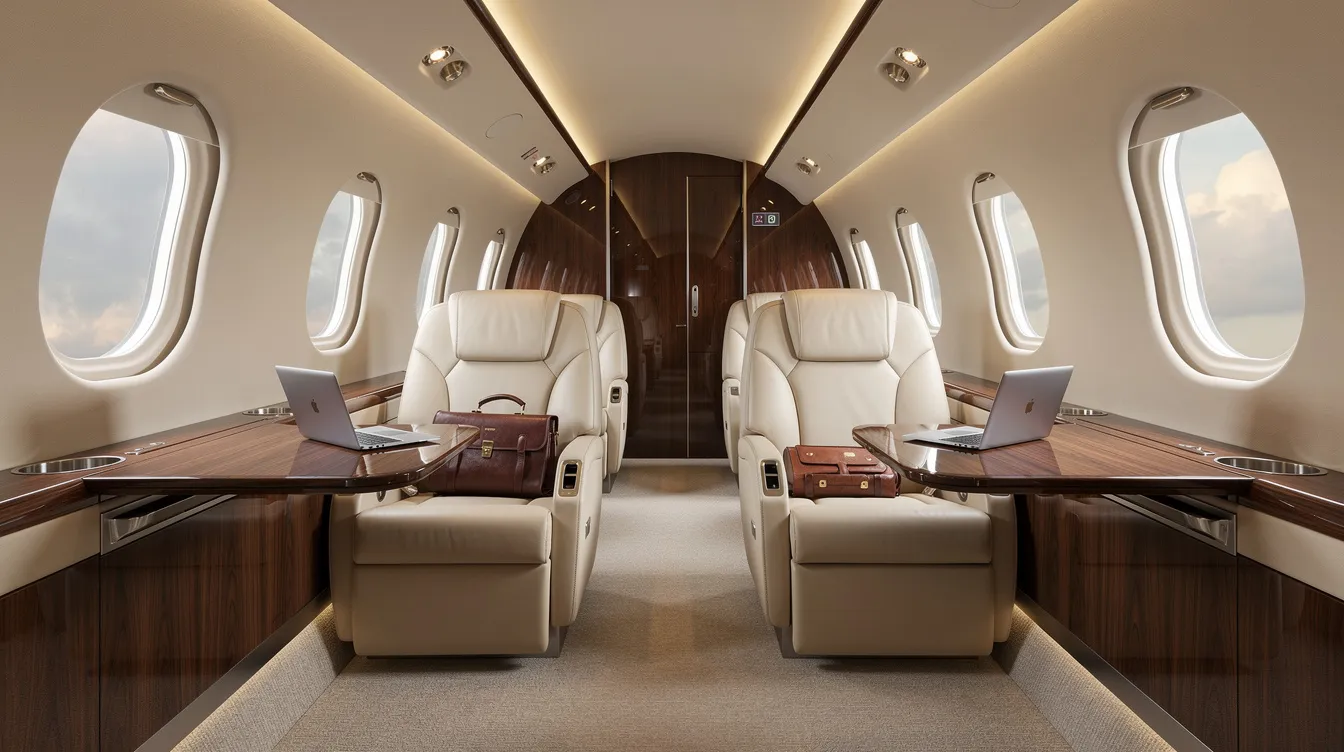
Range, Payload & Airport Limits
Brochures make many models look capable, but range, payload, and runway performance decide whether an aircraft can actually operate your trips. Key factors to consider when choosing a private jet include travel range, passenger capacity, cabin comfort, operating costs, and the availability of maintenance support.
Advertised maximum range assumes favorable conditions. A Challenger 3500 may list about 3,400 nm, while a Global 7500 lists 7,700 nm, but passengers, bags, headwinds, and reserves reduce real-world range. Some “3,000 nm” mid-size jets may need a fuel stop on New York–London in winter. A G650ER is far more capable on New York–Tokyo, about 5,900 nm, in typical conditions.
Payload also matters. Some older midsize models cannot carry full seats and full fuel at the same time. Ask for the payload-range chart and have your broker explain it route by route.
Evaluate takeoff and landing capabilities based on preferred airports to ensure suitability for aircraft size and performance. Light and midsize aircraft may use 3,500–4,000 ft runways, while heavy jets may need 5,000–6,000+ ft, especially in heat. Aspen (KASE), Telluride (KTEX), and London City (EGLC) can favor select Falcon, Embraer, and smaller jets approved for steep approaches or hot-and-high performance.
Heavier long-range models often ride more calmly in turbulence, which matters for anxious passengers. Media coverage of apps that explain turbulence and flight events shows how much reassurance information alone can provide. Lower cabin altitude also helps: G700 and Global 7500 cabins can feel like roughly 3,000–4,500 ft at cruise, while older jets may feel closer to 8,000 ft. The Bombardier Global 7500 is renowned for its impressive range of 7,700 nautical miles and luxurious four-zone cabin, making it a top choice for long-range private travel.
Operational limits go beyond the jet. Crew duty rules, curfews at London airports, city-airport noise limits, and maintenance windows can all affect schedules. Quieter, newer models may protect late-night or early-morning plans.
Comparing Major Manufacturers
Manufacturers differ in philosophy, support network, interior style, and performance. This affects the ownership experience as much as the cabin photos.
Bombardier
-
Bombardier focuses on Challenger and Global families for business aviation.
-
Challenger 3500: about 3,400 nm, 9 passengers, Nuage seating, quiet cabin, and strong demand.
-
Challenger 650: about 4,000 nm, 10–12 passengers, useful for transatlantic corporate trips.
-
Global 6500 and 7500: about 6,600 and 7,700 nm, respectively, with multiple cabin zones.
-
The Bombardier Global 7500 is often referred to as a top choice for family travel due to its spacious four-zone cabin, which includes a dedicated crew suite and ample room for relaxation and entertainment.
-
Consider service-center access and high acquisition cost before buying.
Gulfstream
-
Gulfstream is a benchmark for long-range corporate flying, especially in the U.S.
-
G280: super midsize, about 3,600 nm, strong value and performance.
-
G500/G600: modern long-range class with advanced cockpits and fast cruise.
-
G650ER/G700: ultra-long range flagships for routes such as Los Angeles–Sydney.
-
The Gulfstream G550 is recognized for its transcontinental capabilities, with a maximum range of 6,750 nautical miles and a spacious cabin accommodating 14-19 passengers.
-
Trade-off: these can be expensive private jets and may be more aircraft than regional owners need.
Dassault Falcon
-
Dassault Falcon models combine efficient aerodynamics with short-field strength.
-
Falcon 2000LXS: about 4,000 nm and strong runway flexibility.
-
Falcon 8X: about 6,450 nm, three engines, refined interior, and efficient performance.
-
Falcon 10X: projected around 7,500 nm with one of the widest cabin designs in its class.
-
Verify local service support before choosing your home base.
Embraer
-
Embraer offers modern cabins, strong value, and airline-style reliability.
-
Phenom 100EV/300E are popular with owner-pilots and charter fleet operators.
-
Praetor 500/600 offers a competitive super midsize range and advanced avionics.
-
Embraer often appears on best private jet to buy lists because it balances purchase price, operating cost, and performance. Likewise, before relying on any turbulence or flight-explanation tool, review the SkyGuru app FAQs about in‑flight use and capabilities so you understand how it works alongside your aircraft’s systems.
Cessna (Textron Aviation)
-
Cessna is known for accessible light and midsize products.
-
Citation CJ3+ and CJ4 are efficient for short trips.
-
Citation XLS+ and Latitude offer stand-up cabins and runway flexibility.
-
The Cessna Citation Hemisphere is recommended for families seeking luxury in a midsize jet, offering impressive speed, range, and modern amenities while being more economical than ultra-long-range jets.
-
Cabins may feel narrower than some competitors, so sit inside before committing.
New vs Older Aircraft Considerations
A well-maintained 10–20-year-old jet can match many missions at a lower entry price. Pre-owned jets can often offer lower entry costs compared to new jets, sometimes listed for up to 50% less than new. But a lower purchase price can mean higher maintenance risk.
New light jets often cost $6–12M, new super midsize models $20–30M, and new ultra-long-range aircraft $65–80M+. Early-2000s Hawker 800XP models may appear in the low single-digit millions, and early Challenger 300s may list under $10M, depending on hours and condition.
Annual fixed costs for private jet ownership can range from $500,000 to over $4 million, depending on the aircraft and operations. The average operational costs for private jet ownership can range from $1 million to $4 million annually, depending on the size and type of the aircraft. Hourly operating costs for private jets can vary significantly, with estimates ranging from $2,500 to $4,000 per hour, which includes fuel, maintenance, and crew salaries.
Older aircraft may need ADS-B, navigation, wi fi, paint, interior, or enclosed lavatory refreshes. If you or your operator plan to integrate passenger-facing tech such as turbulence-explanation tools, you can also explore SkyGuru’s API flight and weather data platform for more advanced route and turbulence insights. Always require a pre-purchase inspection, logbook review, engine-status check, and management-company cost forecast.
Safety is not only about age. Well-maintained older jets can be very safe, while newer models add efficient engines, better connectivity, lower cabin altitude, and smoother ride systems. Luxury private jets often feature designated living spaces, including full-sized master bedrooms, separate guest bedrooms, dining rooms, and entertainment areas, transforming the interior from an aircraft cabin into a luxury hotel. The interiors of the most extravagant private jets are typically adorned with high-end materials such as gold, crystal, and cashmere, providing a level of opulence that is comparable to luxury hotels. Luxury private jets often include full-size lavatories that resemble boutique hotel bathrooms, featuring floor-to-ceiling mirrors, showers, and ample space for personal care. Many high-end private jets come equipped with surprising amenities such as full-service bars, gourmet kitchens, and even gyms, catering to the unique desires of their owners.
The Embraer Lineage 1000E is designed with five expansive cabin zones, making it ideal for families who need space for dining, entertainment, and relaxation during flights. At the very top, the most expensive private jets can feel closer to residences than transportation, and many owners now add fear‑of‑flying and turbulence‑prediction apps highlighted in media as part of the overall comfort package.
Reliability matters for business. Older jets may spend more time in maintenance, so ask for dispatch reliability data. For operators who analyze route risks in detail, platforms like the SkyGuru API for turbulence indices and route evaluation can complement traditional planning tools. Popular models such as Phenom 300E, Challenger 3500, and G280 tend to have deeper resale markets. Niche customs and older executive liners can be harder to sell.
Full ownership is not always the best route. Charter alternatives such as fractional ownership can be more cost-effective than whole ownership for those flying under 250 hours per year. For travelers who are hesitant about committing because of anxiety, apps that help overcome the fear of flying can make charter or fractional solutions more appealing. Jet cards and on-demand charter also help compare private aviation with commercial airlines when schedule, privacy, and air access matter.
Before you buy, discuss these questions with your team today:
-
What routes will the aircraft operate 80% of the time?
-
How many passengers and bags are typical?
-
Which airports must it land at?
-
What total annual cost is acceptable?
-
Is maximum luxury, efficiency, or guaranteed availability most important?
-
Do any family members or pilots need added reassurance around turbulence, perhaps through a real-time flight explanation and turbulence forecast app?
For additional ownership guidance, review resources from NBAA and work with an independent aviation advisor. Once you choose the right aircraft, an app designed to help with fear of flying, such as SkyGur,u can help owners and guests fly more calmly by clarifying turbulence, noises, and flight phases in real time.
Frequently Asked Questions (FAQs)
What is the best private jet to buy for short regional trips?
For short regional trips, light jets like the Embraer Phenom 300E or Citation XLS+ offer cost-efficient performance, easy airport access, and comfortable cabins for up to 6-8 passengers.
How do light jets compare to heavy jets in terms of operating costs?
Light jets generally have lower acquisition and hourly operating costs, making them more cost-efficient for shorter routes and smaller groups. Heavy jets provide longer range and more space but come with higher fixed and variable expenses.
Are older private jets a good option for buyers on a budget?
Well-maintained older jets can be a cost-efficient choice, often priced up to 50% less than new models. However, they may require more maintenance and upgrades, so thorough inspections and reliable service history are essential.
What are the advantages of ultra-long-range heavy jets?
Ultra-long-range heavy jets can fly nonstop on intercontinental routes, offer spacious cabins with luxury amenities, and provide a smoother ride that can reduce passenger fatigue, making them ideal for global travelers.
Can fractional ownership or charter be more economical than full ownership?
Yes, for those flying under 250 hours annually, fractional ownership or charter options can be more cost-efficient by reducing fixed costs and offering flexible access without the responsibilities of full ownership.
How important is airport compatibility when choosing a private jet?
Very important. Runway length, airport elevation, and noise restrictions can limit the types of jets that can operate safely and efficiently at preferred airports. Smaller jets often access more airports, while larger jets may be restricted to major hubs.
What are executive liners or bizliners?
Executive liners, also known as bizliners, are commercial aircraft converted for private use, offering extensive customization, luxury amenities, and seating for 19 to 48 passengers. They are ideal for very large groups or ultra-luxury travel but come with very high acquisition and operating costs.
How can technology help reduce anxiety for passengers who fear flying?
Apps like SkyGuru provide real-time explanations of flight phases, turbulence forecasts, and noise alerts, helping passengers understand what is happening during the flight, which can significantly reduce anxiety and improve comfort.
Conclusion
Choosing the best private jet to buy is a nuanced decision that depends on your unique mission profile, budget, and comfort needs. Whether you prioritize short regional hops, long intercontinental flights, or family-friendly luxury, understanding aircraft categories, range capabilities, and operational costs is essential. Comparing major manufacturers and weighing new versus older models will help you find the right balance of performance, reliability, and amenities. Additionally, considering alternatives like fractional ownership or charter can offer flexibility and cost savings. Leveraging technology, such as apps that explain flight conditions and turbulence, can enhance passenger comfort and ease anxiety. By carefully evaluating these factors, you can select a private jet that not only meets your travel demands but also elevates your flying experience with confidence and peace of mind.
FLEET SELECTION
JET CARDS
COST ANALYSIS


How to Auditing Your Operator's Maintenance Logs
Oct 05, 2025

How to Auditing Your Operator's Maintenance Logs
Oct 05, 2025

How to Auditing Your Operator's Maintenance Logs
Oct 05, 2025
Sky Guru Weekly
The smartest private aviation intelligence in your inbox.
.svg)

