



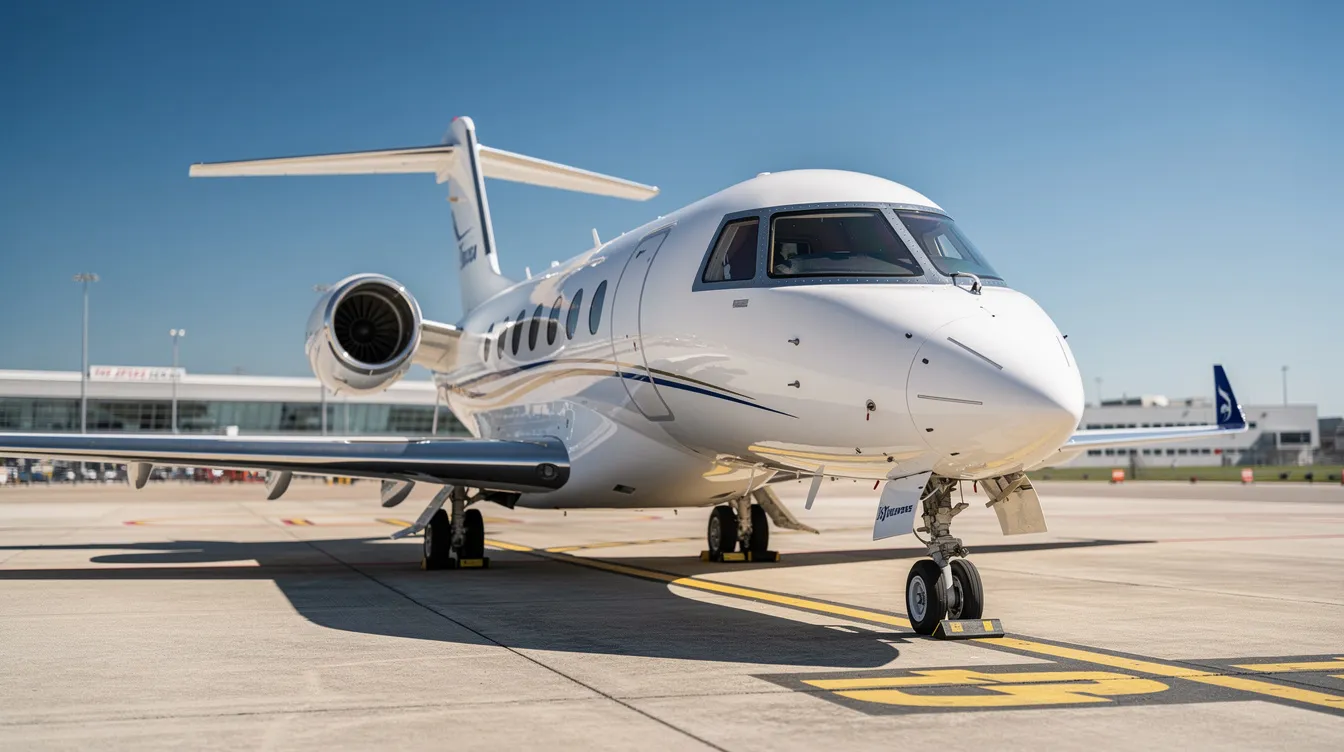
If you've been researching private aviation, you've probably noticed that getting a straight answer about Flexjet cost is surprisingly difficult. In 2026, Flexjet pricing starts around $198,000 for a 25-hour jet card and can run well above $800,000 for a fractional share purchase, with monthly management fees, occupied hourly rates, and depreciation often pushing the real cost per flight hour much higher. Pricing depends on which access model you choose, how often you fly, and which aircraft type fits your mission.
This guide is built for travelers comparing private aviation options—especially occasional or frequent flyers considering Flexjet for schedule control, privacy, and a less stressful travel experience. It breaks down fractional ownership, leases, and jet cards; the upfront, monthly, hourly, and less obvious fees behind each option; real-world cost examples; comparisons with other private flight alternatives; and what to watch before you commit so you can judge the total cost and the value with fewer surprises.
Overview: How Much Does Flexjet Actually Cost?
The short answer: Flexjet costs range from roughly $198,000 for a 25-hour jet card to well over $800,000 for a fractional share purchase, plus ongoing monthly fees and per-hour charges. The real number depends entirely on how you access the fleet, and Flexjet is a private aviation company with several ways to buy in.
Flexjet is backed by Directional Aviation.
Flexjet pricing hinges on three access models: fractional ownership, fractional jet ownership leases, and jet card programs. Each carries different upfront capital requirements, monthly fees, and variable flight charges.
Here are the 2026 ballpark numbers to anchor your expectations:
-
Flexjet's entry share price starts around $300,000 for fractional ownership on lighter aircraft, with lower entry share prices around $550,000 for popular midsize options
-
Monthly management fees run $8,000–$15,000 depending on aircraft category
-
Occupied hourly rates range from roughly $3,900 on a light jet to well over $12,000 on large cabin aircraft
-
A 25-hour jet card starts near $198,000 before fuel surcharges and the 7.5% Federal Excise Tax
The critical detail most buyers miss: effective cost per hour is always higher than the quoted hourly rate. When you factor in capital depreciation, monthly management fees, fuel variables, and taxes, the all-in cost per flight hour climbs significantly.
For nervous or time-sensitive travelers weighing Flexjet against first-class commercial, the calculation goes beyond dollars. Private aviation offers schedule control, fewer crowds, and a more predictable environment. Those benefits carry real value, even if the price tag looks steep on paper.
Flexjet Access Models at a Glance
Flexjet is a major private aviation provider specializing in fractional ownership and jet card programs. Flexjet operates approximately 300 to 340 aircraft across multiple cabin sizes, making it one of the largest fractional providers in the market.
Main Access Types
-
Fractional shares: You purchase a deeded interest in a specific aircraft. Best for travelers flying 100 or more annual hours who want guaranteed availability and an ownership stake.
-
Leases: Similar usage rights without buying the asset. You pay a deposit plus monthly lease payments. Designed for 50–100 hours per year.
-
Jet cards: Prepaid blocks of flight time (typically 25+ hours) at a fixed hourly rate. Ideal for occasional flyers logging 25–75 hours per year.
Every model charges an occupied hourly rate when you fly. The difference lies in upfront capital, monthly fees, and how costs are structured over time. If you're new to flying private for the first time, understanding these three paths is the essential first step.
How Flexjet Fractional Ownership Pricing Works
Fractional jet ownership means buying a fractional share of a business aircraft—typically a 1/16, 1/8, or 1/4 interest—for a fixed term. Fractional ownership typically requires a five-year commitment, and a 1/16 fractional share equals approximately 50 flight hours per year.
Primary Cost Buckets
-
Upfront share purchase: The capital cost to acquire your fraction. Fractional ownership requires $500,000 to $5 million upfront, depending on the aircraft type and share size.
-
Monthly management fee: A fixed fee covering crew, insurance, hangar, and administration, billed every month whether you fly or not.
-
Occupied hourly rate: A per-hour charge assessed only during your occupied flight time, covering direct operating costs.
2026 Pricing Examples
For 2026, directional pricing on a midsize or super-midsize jet looks roughly like this:
|
Component |
Light Jet (Phenom 300E) |
Super-Midsize (Challenger class) |
|---|---|---|
|
1/16 Share Purchase |
~$600,000–$850,000 |
~$1,200,000–$2,000,000 |
|
Monthly Management Fee |
~$10,000–$13,000 |
~$12,000–$18,000 |
|
Occupied Hourly Rate |
~$3,900–$5,500 |
~$6,000–$9,000 |
These figures are illustrative. Actual Flexjet quotes depend on aircraft options, contract term, home base location, and expected annual use. Fractional ownership suits travelers flying 50 or more hours annually, and pricing is always aircraft-specific—light jets cost less per hour while large cabin aircraft carry dramatically higher rates.
Contract Terms and Hourly Assumptions
-
Contracts typically assume 50 flight hours per year for a 1/16 share, 100 hours for a 1/8 share, and so on.
-
A five-year contract at these volumes determines your total cost commitment.
Fractional Shares: What You Get for the Money
A fractional share represents a deeded interest in a specific aircraft tail number, plus guaranteed access to Flexjet's fleet through interchange rights. You own part of a single aircraft, but you're not limited to flying only that same aircraft.
Typical Share Sizes and Travel Patterns
-
1/16 share: ~50 hours/year, suitable for monthly business trips
-
1/8 share: ~100 hours/year, fits biweekly travel schedules
-
1/4 share: ~200 hours/year, for frequent executive travel
Included Services
-
Dedicated flight crew through Flexjet's Red Label program, which features dedicated flight crews assigned to specific owners
-
Standard catering, scheduling support, and full maintenance coverage
-
Insurance and hangar costs bundled into management fees
-
Fleet interchange rights allowing upgrades or downgrades across aircraft categories
-
Guaranteed availability within the broader own fleet, not just your assigned tail
Flexjet's fleet includes newer aircraft across every cabin class, and interchange rights mean your fractional model can flex with your mission. Flying a short hop to a regional meeting? Use a light jet. Crossing the Atlantic? Upgrade to a Gulfstream.
Important Usage Consideration
If you buy 50 hours but only fly 30, your effective cost per hour skyrockets because capital and monthly fees don't shrink with unused hours. Evaluate honestly whether you'll use your allotted hours before signing.
Flexjet Jet Card Programs: Costs for Occasional Flyers
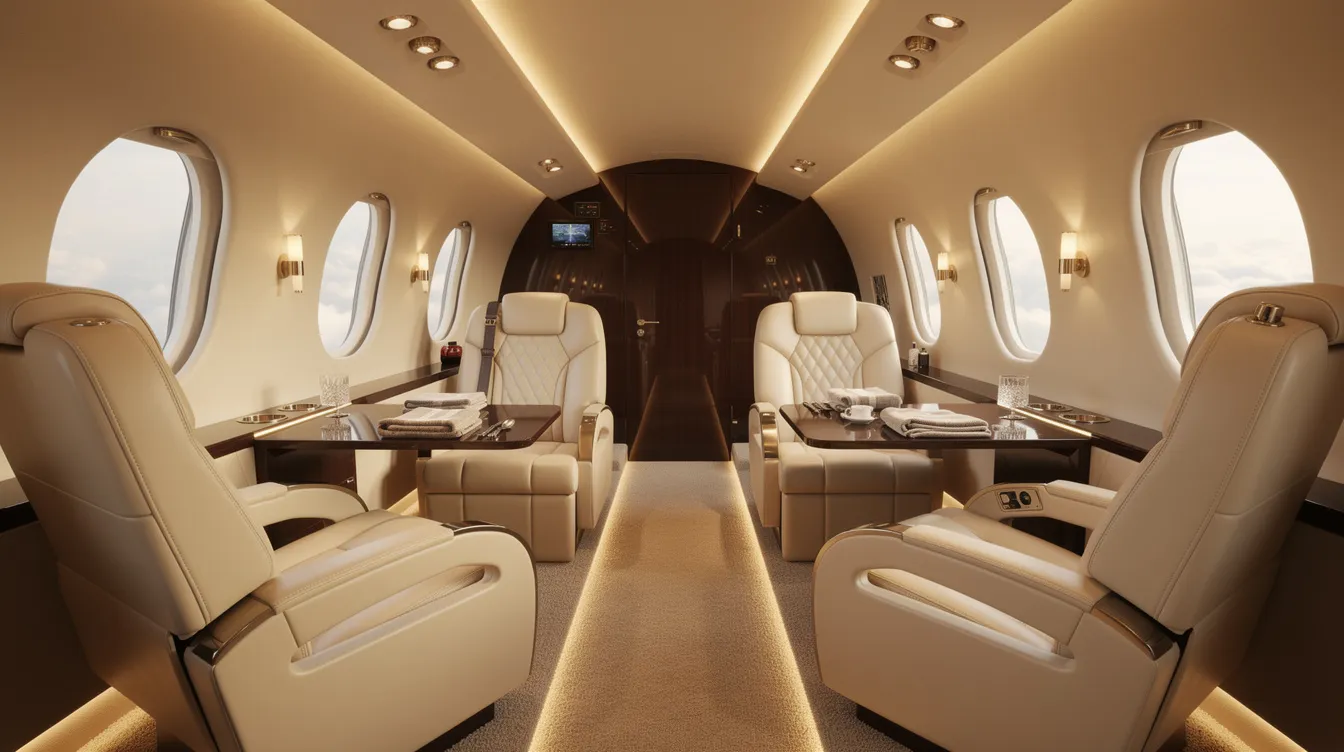
A jet card is a prepaid block of hours—typically 25 or more—at a fixed hourly rate, valid for a set period. There's no asset purchase, no monthly fees, and no long-term ownership commitment. Jet cards usually require upfront payment for 25 to 100 flight hours.
2026 Jet Card Pricing
-
A 25-hour card on a light jet (Phenom 300) runs approximately $198,000–$225,000 before fuel surcharges and the 7.5% FET
-
Midsize and super-midsize blocks can range from roughly $250,000–$350,000+ for 25 hours, depending on the aircraft category
-
Jet cards typically cost between $174,000 and $300,000 for 25 hours across the broader market
For context, a 25-hour NetJets card costs approximately $205,000 to $250,000, and a 1/16 share costs approximately $850,000 with NetJets. You can compare these programs in more detail with a jet card pricing breakdown.
Who Jet Cards Are For
Jet card programs suit occasional flyers logging 25–75 hours per year, or those testing private aviation before committing to fractional ownership. Sentient Jet is part of the Flexjet family, which adds credibility for buyers comparing premium card providers.
Jet Card Trade-Offs
-
You'll face daily minimums, peak day surcharges, and repositioning rules that can inflate the total cost beyond the headline rate.
-
When comparing options, always look at fully burdened cost per hour—not just the quoted hourly rate.
Key Cost Components: Upfront Capital, Monthly Fees, and Cost Per Hour
Flexjet cost falls into three layers: capital (share price or deposit), monthly fees, and variable flight charges. Understanding each layer prevents surprises on your invoices.
Monthly Management Fee
-
Covers administration, crew salaries, hangar, insurance, and fixed overhead.
-
Billed every month regardless of whether you fly.
-
Monthly management fees range from $8,000 to $25,000 across the industry, with Flexjet's fees typically falling in the $8,000–$15,000 range depending on aircraft type.
Occupied Hourly Rate
-
Charged only when passengers are on board.
-
Covers direct operating costs during your flight time.
-
For fractional ownership, hourly rates can exceed $12,000 on larger aircraft. Light jets may run $3,900–$5,500 per hour before fuel.
Fuel Variable
-
A separate monthly adjustment that fluctuates with fuel prices.
-
Neither the fixed hourly rate nor the occupied hourly rate includes this component on fractional contracts.
Additional Per-Trip Charges
-
De-icing, international handling, and special catering
-
Federal Excise Tax (7.5% on jet card and charter flights)
-
Crew overnight charges and ground transport
-
Airport-specific FBO fees
For jet cards, the all-in cost often bundles more fees into one rate, while fractional ownership breaks them out as pass-through items. The tax treatment also differs: fractional owners often pay a fuel gallon tax rather than the 7.5% FET, which can yield savings depending on usage.
Real-World Examples: Flexjet Flight Scenarios and Total Trip Cost
Abstract hourly rates become meaningful when you translate them into actual trip budgets. Here are three scenarios using 2026-range pricing, compared side by side for easier reference:
Example 1: Jet Card - New York to Miami Round Trip
-
Route/Usage: NY to Miami, 6 hours total
-
Cost Before Extras: $48,000–$54,000
-
Extras: Fuel surcharges, FET, total >$55,000
-
Annual All-In: —
Example 2: Fractional Owner - 100 Hours/Year on Super-Midsize
-
Route/Usage: 100 hours/year, Challenger-class jet
-
Cost Before Extras: Share amortization: ~$320,000/year
-
Extras: Monthly fees: ~$180,000; Hourly: ~$850,000; Fuel/tax: ~$100,000
-
Annual All-In: ~$1.45M (effective ~$14,500/hr)
Example 3: Light Jet Regional Hop - Daily Minimum Impact
-
Route/Usage: 1.5-hour flight each way (3 hours total)
-
Cost Before Extras: Billed for full 3 hours if above daily minimum
-
Extras: 45-min flight billed at 2-hour minimum inflates cost
-
Annual All-In: Short hops: daily minimums increase per-hour cost
|
Scenario |
Jet Card - New York to Miami Round Trip |
Fractional Owner - 100 Hours/Year on Super-Midsize |
Light Jet Regional Hop - Daily Minimum Impact |
|---|---|---|---|
|
Route/Usage |
NY to Miami, 6 hours total |
100 hours/year, Challenger-class jet |
1.5-hour flight each way (3 hours total) |
|
Cost Before Extras |
$48,000–$54,000 |
Share amortization: ~$320,000/year |
Billed for full 3 hours if above daily minimum |
|
Extras |
Fuel surcharges, FET, total >$55,000 |
Monthly fees: ~$180,000; Hourly: ~$850,000; Fuel/tax: ~$100,000 |
45-min flight billed at a 2-hour minimum inflates cost |
|
Annual All-In |
— |
~$1.45M (effective ~$14,500/hr) |
Short hops: daily minimums increase per-hour cost |
While these trip costs look high compared to commercial tickets, buyers pay for schedule control, privacy, and time savings. For nervous travelers, smoother scheduling and quieter terminals also reduce travel anxiety meaningfully.
Flexjet vs. Jet Cards vs. Full Aircraft Ownership: Where Fractional Wins on Cost
The fractional model sits between jet cards and whole aircraft ownership on the commitment spectrum. Where each program fits depends almost entirely on how many hours you fly per year. Charter services charge based on distance, aircraft size, and demand, so costs vary widely. Expect to pay $1,000–$2,000 per flight hour per passenger on an on-demand charter. Charter costs include pilot time and airport fees.
Comparison Table by Annual Hours
|
Annual Hours |
Best Fit |
Approximate Effective Cost Per Hour |
|---|---|---|
|
Under 25 |
On-demand charter / empty legs |
Varies widely |
|
25–75 |
Jet card |
$7,500–$12,000+ |
|
75–150 |
Small fractional share |
$7,000–$14,500 |
|
150–300 |
Larger fractional share |
$6,000–$10,000 |
|
300+ |
Whole ownership |
$5,000–$35,000 (depends on aircraft) |
-
Whole aircraft ownership adds crew hiring, full-time hangar costs, insurance, and maintenance contracts. These fixed costs demand high utilization (often 300+ hours per year) to drive the average down.
-
Charter costs vary by size and distance flown, making it unpredictable for frequent travelers.
Flexjet fractional shares spread fixed costs across multiple owners, lowering effective cost per hour relative to sole ownership at mid-range utilization. NetJets operates over 800 aircraft, the largest fractional fleet globally, and significantly larger than Flexjet's fleet. But fleet size alone doesn't determine value—service quality, aircraft options, and guaranteed availability on peak travel days matter just as much.
Hidden Costs: Peak Days, Daily Minimums, and Extra Charges
Many Flexjet buyers underestimate how hidden fees affect the total cost. These charges are non-negotiable once you're in a contract, so understanding them upfront is essential.
Peak Day Surcharges
-
Flexjet maintains a peak day calendar with roughly 25–45 restricted dates per year (holidays, major events).
-
On these days, hourly rates may rise 15–40%, and callout notice requirements lengthen.
-
Always request the current 2026 peak day calendar before signing.
Daily Minimums
-
Most programs bill a minimum of 1.0–1.5 hours per day for light jets, and up to 2.0 hours for larger aircraft or certain routes.
-
If your flight is shorter, you still pay the minimum.
Repositioning Fees
-
Repositioning fees apply if the aircraft flies empty to pick you up.
-
These "ferry" legs can add meaningful cost, especially on one-way trips far from your home base.
Other Common Extras
-
Fuel surcharges (variable monthly)
-
De-icing charges
-
International handling and landing fees
-
Upgraded catering beyond standard service
-
Late-night or weekend crew surcharges
Always request a "fully burdened" quote that includes FET, fuel, and typical trip-specific fees. Use realistic trip histories from the past 12–24 months to estimate your true annual cost rather than relying only on published hourly rates.
Global Reach, Aircraft Options, and How They Affect Flexjet Cost
Aircraft options and global reach are among the biggest cost drivers in private aviation. Larger cabins and intercontinental capability always cost more per hour.
Flexjet Fleet Categories
-
Light jets: Phenom 300 (domestic routes, 4–7 passengers)
-
Midsize jets: Cessna Citation XLS-class (regional and cross-country)
-
Super-midsize: Challenger 300/350/3500 (coast-to-coast, some international)
-
Large cabin / ultra-long-range: Flexjet offers Gulfstream G650 and G700 aircraft options for intercontinental travel
Flexjet's average aircraft age is under 5 years, which means newer aircraft with modern cabin technology, better fuel efficiency, and updated safety systems.
Cost by Aircraft and Route
-
Flying U.S. domestic routes on a light jet might run $4,000–$6,000 per hour all-in.
-
Transatlantic flights on ultra-long-range aircraft can push effective rates to $20,000–$25,000+ per hour when you factor in fuel, crew rest requirements, international permits, and longer repositioning legs.
Smart Fleet Usage
The smart approach: map your most common routes and passenger loads to specific aircraft categories. Use interchange rights to operate a smaller aircraft for most trips and upgrade only when the mission demands it. This keeps your average cost per hour significantly lower than committing exclusively to large cabin aircraft.
Break-Even Analysis: When Flexjet Makes Financial Sense
The central question isn't "How much does one hour cost?" It's "How many annual hours will I actually fly?"
Step-by-Step Cost Calculation
-
Add capital depreciation (share cost minus residual value at end of term)
-
Add total monthly fees over the contract period
-
Add all occupied hourly payments, fuel, and extras
-
Divide by actual flight hours flown
Depreciation affects the resale value of fractional shares, and most trade reports suggest a buy-back around 50% of the purchase price after five years.
Rough Tipping Points for 2026
-
Under 25 hours/year: On-demand charter and empty-leg flights are usually cheaper than any Flexjet program
-
25–50 hours/year: Jet cards generally win on flexibility and cost
-
50–100 hours/year: Gray zone where small fractional shares and larger jet cards compete
-
100+ hours/year: Fractional ownership typically delivers the lowest effective cost per hour
Test your numbers using real trip histories and realistic future plans—not aspirational flying patterns. If you expect to fly 100 hours but realistically log 60, your effective per-hour cost jumps by roughly 40%.
Non-Financial Benefits
For anxious flyers, also weigh non-financial benefits: control over your schedule, fewer crowds, reduced connection stress, and a more predictable flight environment.
Psychological and Comfort Value: Why Some Travelers Choose Flexjet Despite the Cost
For many buyers, Flexjet is not just about money. It's about feeling safer, calmer, and more in control of the travel experience. Fear of flying affects many individuals, causing anxiety during air travel, and private aviation addresses several triggers that commercial flying amplifies.
Tangible Reductions in Uncertainty
-
Fractional ownership and jet cards reduce uncertainty in tangible ways: fixed aircraft standards, familiar cabins, predictable service quality, and direct-to-destination flights with no connections.
-
You board the same aircraft type with a crew that knows your preferences.
-
There's no scramble for overhead bins, no middle seat, no gate changes.
Comfort for Anxious Travelers
For travelers with anxiety or fear of turbulence, private aviation can feel quieter, less crowded, and more personal. The physics of flight are identical, but the psychological environment shifts dramatically. Predictable timing—no missed connections, no sudden delays—is a major benefit for business travelers and nervous flyers alike.
Tools and Apps for Comfort
-
Understanding flight stages can help alleviate fear and anxiety in passengers.
-
Turbulence prediction can aid in reducing flying anxiety for travelers.
-
Real-time flight commentary can improve passenger comfort during flights.
-
Mobile apps can provide real-time information to help manage flying anxiety.
-
Weather forecasting is essential for aviation safety and passenger comfort, and weather updates can provide reassurance for travelers concerned about flying conditions.
SkyGuru complements any flying style—commercial, charter, or private. Our app delivers real-time in-flight commentary, turbulence forecasts, and simple explanations of what the aircraft is doing at every moment. Sensor-based detection can enhance passenger awareness of flight progress, turning uncertainty into understanding. Individuals who fear flying may benefit from detailed explanations about flight experiences, and coping tools can assist individuals who experience anxiety while flying.
Combining structured access like a Flexjet program with informed, real-time guidance from SkyGuru can help transform flight days from stressful unknowns into planned, understandable experiences.

Practical Buying Checklist: What to Ask Flexjet Before You Sign
Careful questions upfront can save tens of thousands of dollars over the life of a five-year contract. Don't rely on marketing materials alone.
Financial Clarity Questions
-
What is the exact acquisition price for the fractional share or deposit for the lease?
-
What is the buy-back or residual value formula at term end? What depreciation schedule applies?
-
What is the monthly management fee, and what does it cover (crew, insurance, hangar, administration)?
-
What is the occupied hourly rate? Does it include taxi time?
-
What is the current fuel variable, and how often does it adjust?
Fee Transparency Questions
-
Which fees are included in the stated hourly rate and which are pass-through?
-
What are fuel surcharges, de-icing, FBO fees, catering, and international handling charges?
-
What is the peak day calendar for 2026, and how do rates change on those dates?
-
What are the daily minimums for each aircraft category?
-
What callout notice is required?
Usage and Flexibility Questions
-
What happens if I fly more or fewer hours than contracted?
-
Are deposits refundable if I exit early?
-
What interchange rights do I have across the fleet?
-
Can I see example invoices for trips similar to my typical routes?
Compare Flexjet side-by-side with at least one fractional competitor and one jet card provider on fully burdened cost per hour, not just the headline share price.
Once the financial side feels clear, plan for your emotional comfort too. Download SkyGuru to understand turbulence forecasts and flight stages before departure. Practice pre-flight routines. Knowledge about what's happening during your flight—whether on a Flexjet Gulfstream or a commercial airliner—turns uncertainty into confidence.
Flying becomes less intimidating when you understand both what you're paying and what's happening around you. That clarity, financial and experiential, is what transforms travel from something you endure into something you control.
FLEET SELECTION
JET CARDS
COST ANALYSIS


How to Auditing Your Operator's Maintenance Logs
Oct 05, 2025

How to Auditing Your Operator's Maintenance Logs
Oct 05, 2025

How to Auditing Your Operator's Maintenance Logs
Oct 05, 2025
Sky Guru Weekly
The smartest private aviation intelligence in your inbox.
.svg)

