



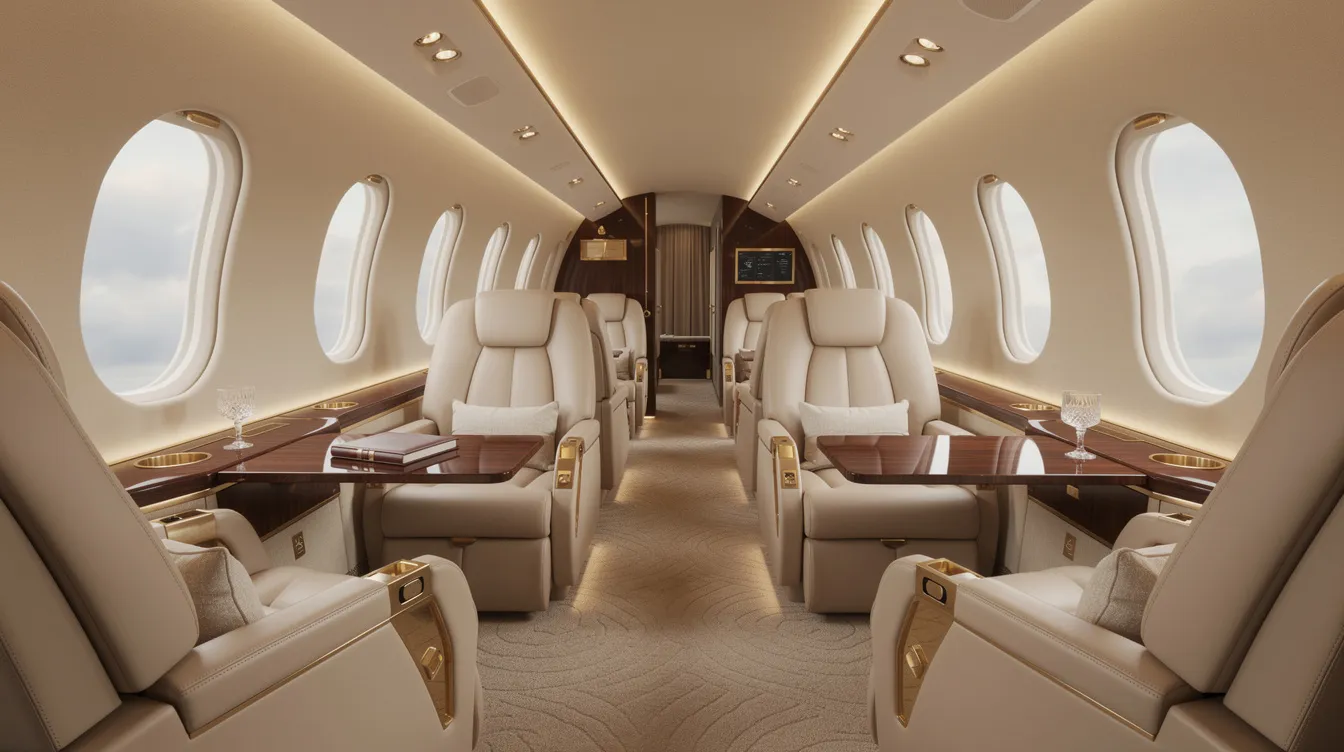
Choosing between NetJets and VistaJet can feel like a high-stakes decision, especially if you're new to private aviation or already feel uneasy about flying. The good news is that both companies are world-class operators with excellent safety records. The differences come down to how you pay, where you fly, and what kind of experience you prefer in the cabin.
This guide breaks down everything you need to know so you can make a calm, informed choice.
NetJets vs VistaJet: Quick Comparison for 2026
NetJets primarily offers fractional aircraft ownership and jet cards, while VistaJet operates on a subscription model with no asset purchase required. Here's the core difference in a few sentences:
-
NetJets is strongest in North America, offers fractional ownership and prepaid hour blocks, and gives you equity in a specific aircraft. It's ideal for frequent flyers who want long-term value and US coverage.
-
VistaJet is a globally focused membership with fixed rates, a standardized Bombardier fleet, and seamless international routes without repositioning fees. It suits travelers who fly across continents and value a consistent cabin experience.
Key 2026 numbers at a glance:
|
Feature |
NetJets |
VistaJet |
|---|---|---|
|
Hourly rate (super midsize) |
~$8,600–$11,200 |
~$15,000–$18,000 |
|
Hourly rate (ultra long range) |
~$12,000–$15,000+ |
~$20,000–$25,000+ |
|
Minimum commitment |
25 hours (jet card) |
25 hours per year (membership) |
|
Contract length |
1–5 years |
3 years typical |
|
Fleet size |
780+ aircraft |
360+ Bombardier jets |
|
Key aircraft |
Phenom 300, Challenger 350, Global 7500 |
Challenger 350, Global 6000, Global 7500 |
No matter which provider you choose, feelings in the cabin-noise during climb, turbulence over mountains, pressure changes during descent-are the same. They come from physics, not from your airline. SkyGuru can help make any private jet flight feel calmer by explaining those sensations in real time.
Understanding Private Aviation Models: Membership, Jet Cards, and Fractional Ownership
Before comparing NetJets vs VistaJet directly, it helps to understand the three main private jet options available today.
Fractional ownership means you purchase a share of a specific aircraft-typically a 1/16th share for about 50 flight hours per year. You pay an upfront capital cost, monthly management fees that support operating costs and aircraft management, and per hour charges when you fly. NetJets pioneered fractional ownership in the private jet industry, and it remains a core part of their business.
Jet cards offer prepaid flight hours without ownership responsibilities. You buy a block of 25 or 50 hours, use them within a set period, and walk away. No equity, no monthly fees when you're not flying.
On demand charter is trip-by-trip booking with no minimum commitment. Companies like Wheels Up offer a pay-as-you-fly membership model in this space.
NetJets focuses on fractional ownership and jet cards. VistaJet blends elements of membership and on demand charter through multi-year contracts with guaranteed access to flight hours.
Which model fits your travel needs?
-
Under 15 hours per year → on demand charter
-
25–75 hours per year → jet cards or VistaJet membership
-
75–150+ hours per year → fractional ownership with NetJets
These models change how you pay and book flights. They don't change turbulence, engine noise, or cabin pressure. Those come from weather and altitude-and SkyGuru explains them as they happen.
NetJets in 2026: Programs, Pricing, and Aircraft Types
NetJets operates over 780 aircraft worldwide, making it the largest operator in private aviation. Owned by Berkshire Hathaway, NetJets is the benchmark for fractional share programs and jet cards in the world of private jet travel.
Core access models:
-
Fractional ownership shares: A 1/16 share provides approximately 50 flight hours per year with a typical 5-year term, and owners are buying access tied to a specific tail rather than only generic capacity. NetJets requires an upfront capital investment for fractional ownership, along with monthly fees and hourly charges.
-
Leases: Similar hour access without equity, reducing the upfront burden.
-
Jet cards: Starting at 25 hours. A NetJets 25-hour Phenom 300 card costs $215,000 as of 2025, working out to roughly $8,600 per flight hour before the 7.5% federal excise tax on domestic flights and variable fuel surcharges.
Higher-volume cards (50 or 100 hours) bring slightly better effective rates per hour depending on aircraft size.
Fleet structure by cabin size:
|
Aircraft Type |
Category |
Typical Use Case |
|---|---|---|
|
Phenom 300 |
Light jets |
1–3 hour domestic leg flights |
|
Citation Latitude |
Midsize |
Coast-to-coast US |
|
Challenger 350/3500 |
Super midsize |
US cross-country, short international |
|
Global 6000/7500/8000 |
Ultra long range |
Transatlantic, Middle East, Asia |
NetJets holds ARGUS Platinum certification and IS-BAO Stage III registration. NetJets was among the first to achieve the FAA's highest Safety Management System level. The company logged over 196,000 North American departures in the first half of 2025 alone-a testament to its operational scale.
NetJets emphasizes operational reliability and efficiency through its large and diverse fleet, which supports guaranteed availability even during peak periods and holidays.
VistaJet in 2026: Membership, Global 7500, and Pricing Structure
VistaJet takes a different approach. It operates a fleet of over 360 Bombardier jets with a signature silver-and-red livery. VistaJet does not require any upfront asset purchase-it operates on a multi-year contract where members pay fixed hourly rates for access rather than owning a fractional share.
VistaJet membership structure:
VistaJet requires a minimum commitment of 25 hours per year, typically through a 3-year membership contract. Programs like VJ25 serve lower-frequency flyers (25–49 hours per year), while the full Program membership targets clients flying 50 or more hours per year.
2026 hourly rate ranges by aircraft:
|
Aircraft |
Approx. Hourly Rate |
Typical Mission |
|---|---|---|
|
Challenger 350/3500 |
3–5 hour flights, Europe/Middle East |
|
|
Global 5000/6000 |
$18,000–$20,000 |
Transatlantic, heavy jets |
|
Global 7500 |
$20,000–$25,000+ |
Ultra long range: Dubai–New York, London–Singapore |
VistaJet's pricing includes crew, fuel, and standard catering. Many ground handling fees are also bundled. However, extras like de icing and certain regional taxes still apply.
VistaJet focuses on a consistent luxury service across its fleet, emphasizing high-touch hospitality. The Global 7500-with four living zones, a private stateroom, and Soleil lighting designed to reduce jet lag-is the flagship for ultra long range missions.
VistaJet offers global intercontinental travel with seamless access and no significant repositioning fees, which is a major advantage for members flying one-way international routes.
Pricing Face-Off: NetJets vs VistaJet by Flight Hour and Usage Level
Price isn't just the hourly rate on paper. Pricing is ultimately tied to flight time, so total cost changes with the route and aircraft, along with how many hours you commit, what's bundled, and what shows up as a surprise on your invoice.
Head-to-head hourly comparison:
-
NetJets Challenger 350 (jet card): ~$9,600–$11,200 per hour, plus fuel surcharges, FET, and repositioning on some routes
-
VistaJet Challenger 350 (membership): ~$15,000–$18,000 per hour, more costs included
At first glance, NetJets appears cheaper per hour. But once you add fuel surcharges, peak-day premiums (often 15–25% on holidays), and repositioning fees, the gap narrows-especially on international routes.
By annual usage level:
-
~25 hours per year: A NetJets 25-hour jet card runs approximately $215,000–$280,000 depending on aircraft type. A VistaJet VJ25-style membership starts around $280,000 for 25 hours. NetJets is typically cheaper at this tier for domestic US flights. VistaJet may save money on international routes where repositioning would otherwise add cost.
-
50–100 hours per year: NetJets fractional ownership starts to bring down effective per-hour cost as fixed expenses spread across more flight hours. VistaJet remains predictable but doesn't offer residual value or equity.
Hidden fees to watch:
-
NetJets charges a 7.5% federal excise tax on domestic flights
-
Both may assess peak-day surcharges during holidays
-
De icing, FBO handling, and certain international taxes apply with both operators
-
VistaJet's pricing includes crew, fuel, and catering; NetJets itemizes many of these separately
For longer international routes-London to Dubai, Las Vegas to Jackson Hole, or Riyadh to Paris-VistaJet's all-in one-way fixed rates can sometimes be the better deal even when the headline hourly rate looks higher.
Fleet and Cabin Experience: Aircraft Types, Range, and Comfort
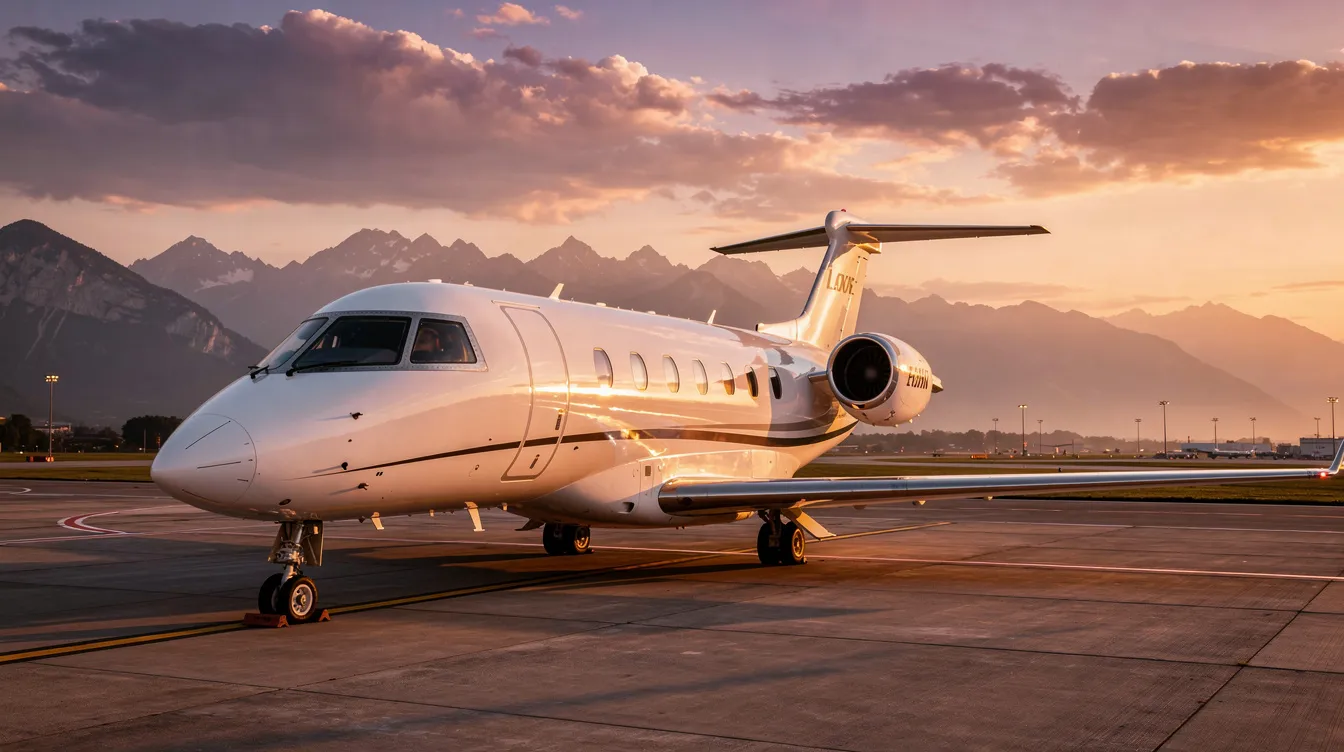
Beyond price, the aircraft types you fly on and how the cabin feels matter enormously-especially if you're sensitive to noise, motion, or cramped spaces.
NetJets fleet highlights:
-
Light jets (Phenom 300): compact, efficient for short regional hops
-
Super midsize (Challenger 350): comfortable for 3–5 hour coast-to-coast flights
-
Global aircraft (Global 6000, Global 7500, Global 8000): pressurized for high-altitude cruising, quieter cabins, ideal for transatlantic and Middle East routes
VistaJet fleet highlights:
-
Challenger 350/3500: standardized interiors with consistent crew training
-
Global 5000/6000: heavy jets for medium-long-haul
-
Global 7500: nonstop capability up to ~7,700 nautical miles with four distinct cabin zones
VistaJet's fleet consistency means you get the same interior feel, branding, and service standards every time. NetJets offers more variety across manufacturers, which means cabins differ in layout and noise insulation from flight to flight.
Both operators fly modern global series aircraft designed to cruise at 41,000–51,000 feet, where turbulence is generally lighter. Larger aircraft like the Global 7500 absorb bumps more smoothly than light jets.
SkyGuru can help passengers on either fleet understand noises, altitude changes, and turbulence as they happen-which is particularly valuable on long overnight crossings or unfamiliar routes.
Regional Focus: North America vs Europe and the Middle East
Your most common routes should heavily influence your choice between these two companies.
NetJets in North America:
NetJets operates the densest network in the US and Canada. NetJets excels in US scheduling with short call-out windows and extensive network coverage. The company provides fixed one-way rates for 95% of the globe, but its real strength is domestic. Access to smaller regional airports-think Teterboro, Van Nuys, or Aspen-is seamless for business travelers.
VistaJet across Europe and the Middle East:
VistaJet shines on routes like London–Dubai, Riyadh–Paris, and Dubai–Geneva. Its global aircraft fleet enables long leg flights with minimal fuel stops. The one-way pricing model usually avoids repositioning fees, which can add thousands to a NetJets international trip.
Vista Global, VistaJet's parent company, also connects members with operators like Air Hamburg and Talon Air for additional regional flight options through its broader ecosystem.
For nervous flyers, nonstop segments mean fewer takeoffs and landings-fewer of those moments when anxiety tends to spike. VistaJet's ultra long range fleet enables this on many intercontinental routes.
Commitment, Flexibility, and Cancellation Terms
Contracts and fine print can feel intimidating. But understanding them upfront prevents surprises later-and that predictability is its own form of comfort.
NetJets commitments:
-
Fractional ownership typically requires a 5-year commitment with defined exit options and resale formulas
-
Jet cards have shorter terms (12–24 months) but unused hours generally don't roll over
-
NetJets Share members can book flights with as little as 4–10 hours' notice; jet card members typically need around 48 hours
VistaJet commitments:
-
Typically a 3-year membership with annual minimums
-
VistaJet requires a minimum commitment of 25 hours per year
-
VistaJet offers guaranteed access to flight hours, with booking as little as 24 hours before departure
-
Up to ~20% of unused hours may roll over in some contract structures
For reference, competitors like Flexjet offer a 10-hour call-out notice for bookings, landing between NetJets' share and card windows.
Who fits where:
-
Good for planners with predictable travel patterns → NetJets fractional share or VistaJet Program
-
Good for flexible or last-minute flyers → NetJets Share (short call-out) or VistaJet (24-hour notice)
-
If you might cancel due to anxiety or health concerns, ask your sales rep about cancellation fees and "what if" scenarios before signing
Safety, Reliability, and What Pilots Know That Passengers Don't
Both NetJets and VistaJet adhere to the highest safety standards in private aviation. If safety is your primary concern, you're in strong hands with either operator.
Safety certifications explained simply:
-
ARGUS Platinum: The highest rating from ARGUS International, indicating thorough operational auditing. NetJets holds ARGUS Platinum certification. VistaJet operates under ARGUS, Wyvern, and IS-BAO safety ratings. Flexjet also maintains ARGUS Platinum and IS-BAO certifications.
-
IS-BAO (International Standard for Business Aircraft Operations): A global code of best practices. NetJets holds IS-BAO Stage III registration-the highest level.
-
Wyvern Wingman: An independent safety audit program that VistaJet participates in.
NetJets operates over 780 aircraft worldwide, which means backup aircraft availability is rarely an issue during maintenance or weather disruptions. VistaJet's globally positioned Bombardier fleet and directional aviation partnerships cover remote regions effectively.
What pilots know that passengers don't:
Pilots and dispatch teams at both companies use advanced weather radar and turbulence forecasting to route around dangerous weather-not into it. That bump you feel at 43,000 feet is almost always clear-air turbulence: uncomfortable, but structurally harmless to the aircraft.
SkyGuru translates these pilot decisions and real-time weather data into simple explanations on your phone. Instead of wondering, you know what's happening-and why.
Passenger Experience and Wellness: Beyond the Aircraft
Modern private jet travel is as much about mental comfort as speed and privacy.

Service and amenities:
-
NetJets offers strong concierge partnerships, event access, and curated travel experiences
-
VistaJet's wellness-oriented programs include Michelin-inspired dining, jet-lag mitigation lighting on the Global 7500, and curated menus designed for long flights
Cabin atmosphere-lighting, noise level, seat design-directly affects your nervous system. Both brands invest in quiet cabins and smooth service routines that help frequent flyers and anxious passengers alike.
Simple wellness tips for any private jet flight:
-
Hydrate consistently-cabin air at altitude is dry
-
Choose light meals over heavy ones to reduce digestive discomfort
-
Practice slow breathing exercises during climb and descent
-
Use noise-canceling headphones if engine sounds trigger anxiety
-
Let SkyGuru's in-app coping strategies guide you through turbulence or takeoff phases
The question isn't just "Which is cheaper?" It's also "Where will I feel calmer and more supported?"
Choosing Between NetJets and VistaJet: Scenarios by Traveler Profile
The right answer depends on how often you fly, where you go, and how much predictability you need.
-
US-based executive, 25–50 hours per year, mostly domestic: NetJets jet card or lease. Better domestic coverage, lower per-hour cost for super midsize and light jets, strong aircraft availability at regional US airports.
-
Global entrepreneur, 75–150 hours across US, Europe, and Middle East: VistaJet Program membership or NetJets fractional share of a global aircraft. VistaJet's all-in pricing simplifies budgeting across continents. NetJets may offer better value if most hours are US-based.
-
Family flying 20–30 hours per year for holidays and school breaks: VistaJet VJ25 for its consistent cabin experience and simpler pricing. NetJets jet card also works if routes are primarily within North America.
-
Nervous but frequent traveler who values consistent crew and fewer connections: VistaJet's fleet consistency and nonstop global capability reduce variables that trigger anxiety. Pair with SkyGuru for real-time explanations of every flight stage.
When you cross the 50 or 75 hours per year threshold, the math often shifts from jet cards or memberships toward fractional ownership for cost efficiency. Review your travel patterns annually.
Myths, Fears, and Reality: Private Jets, Turbulence, and Safety
Fear of flying affects many individuals, motivating the development of supportive tools like mobile apps designed for anxious travelers and specialized fear-of-flying app guidance. Let's address some common fears head-on.
Myth vs Reality:
-
Myth: Smaller private jets are more dangerous than commercial airliners. Reality: Both NetJets and VistaJet operate under regulations as strict as-or more conservative than-many commercial airlines. Safety certification levels like ARGUS Platinum apply regardless of aircraft size.
-
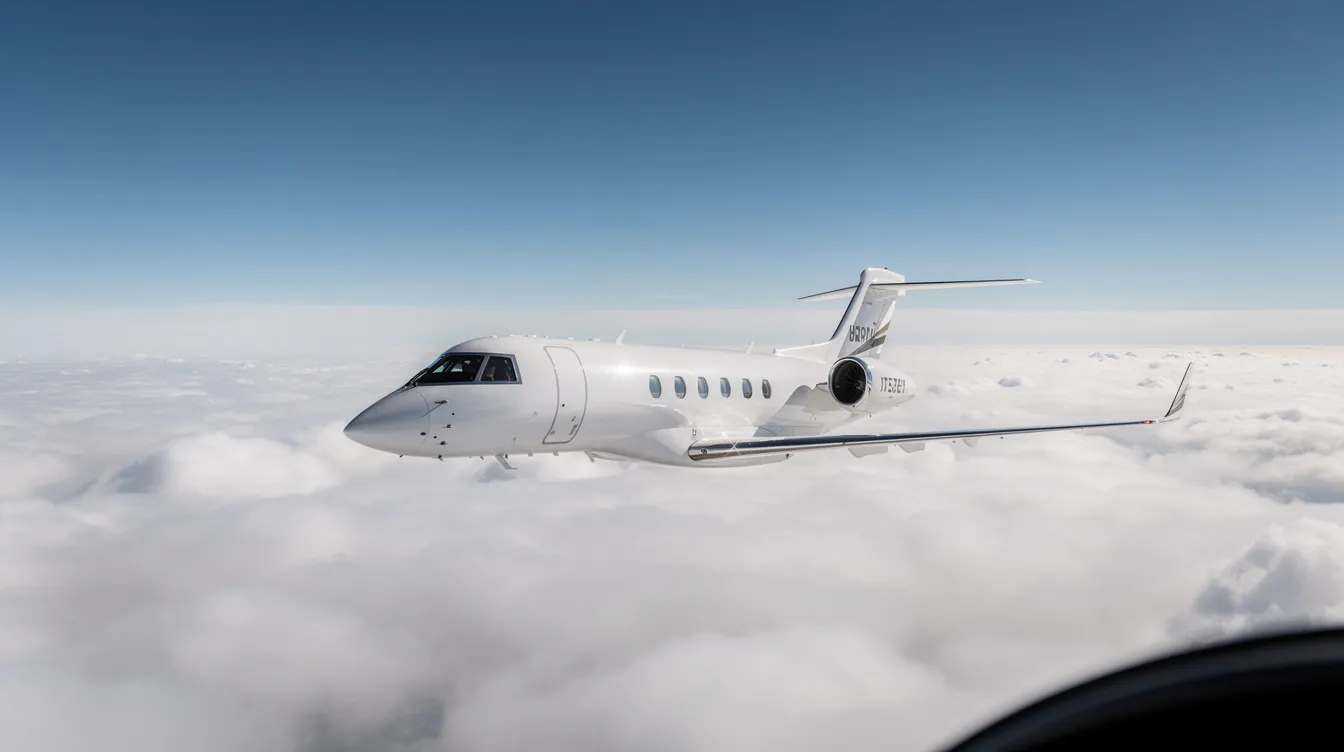
Myth: Turbulence feels worse on a private jet. Reality: Turbulence is more noticeable on light jets because of their smaller mass, but it's within safe structural limits. On heavy jets and global aircraft like the Global 7500 or Challenger 350, the ride is often smoother than commercial economy class.
-
Myth: Flying at night is riskier. Reality: Pilots use identical instruments and procedures regardless of time. Night flights sometimes encounter less convective turbulence because thermal activity decreases after sunset.
Turbulence forecasts can help passengers manage anxiety during flights by providing advance warning. Knowing a bump is coming-and that it will last 10 minutes, not an hour-changes the emotional experience entirely.
How SkyGuru Supports You on Any Private Jet Flight
No matter whether you choose NetJets, VistaJet, or another operator, your emotional experience in the cabin shapes how you remember every flight. Mental wellness technology in aviation aims to reduce passenger anxiety during flights, and that's exactly what a dedicated fear-of-flying app like SkyGuru does.
How it works:
-
Enter your flight details before departure
-
The app uses aviation weather, turbulence forecasts, and sensor data from your phone to detect takeoff, climb, cruise, descent, and landing
-
Real-time flight commentary can provide reassurance for anxious travelers-explaining engine power changes, turns, altitude adjustments, and turbulence as they happen
Specific use cases:
-
On a NetJets Phenom 300 hopping between US cities with bumps over the Rockies, SkyGuru explains the mountain-wave turbulence and how long it will last
-
On a VistaJet Global 7500 crossing from London to Dubai at night, the app identifies cabin noises and pressure changes that might otherwise trigger anxiety
A mobile app can serve as an in-flight guide, predicting what passengers will experience before it happens. Understanding and predictability reduce fear more effectively than generic reassurance.
Download SkyGuru before your next private or commercial flight to feel more in control-regardless of which private aviation provider you choose.
FAQ: NetJets vs VistaJet, Flight Anxiety, and Private Jet Options
Is NetJets cheaper than VistaJet for 25 hours a year? Generally yes for US domestic flights. A NetJets 25-hour Phenom 300 card starts at about $215,000, while VistaJet pricing for similar hours begins around $280,000. However, VistaJet's rates include more bundled costs, so the gap narrows on international routes.
Which is better for long flights to the Middle East or Asia? VistaJet typically has the edge for intercontinental routes. Its Global 7500 fleet enables nonstop missions and its one-way fixed rates usually eliminate repositioning fees. NetJets also flies global aircraft on these routes but may add fees outside its primary North American network.
Are private jets bumpier than commercial airlines? Light jets can feel more motion in turbulence due to lower mass. Large-cabin private jets like the Global 7500 or Challenger 650 often deliver a smoother ride than commercial economy. Both NetJets and VistaJet fly at altitudes where turbulence is generally lighter.
What's the difference between a jet card and a VistaJet membership? A jet card is a block of prepaid hours with no long-term ownership. A VistaJet membership is a multi-year subscription (typically 3 years) with annual hour minimums and fixed hourly rates. VistaJet's hourly rates range from $15,000 to $25,000 depending on aircraft.
Can SkyGuru be used on private jet flights? Yes. SkyGuru works on any flight-private or commercial. It uses your phone's sensors and aviation weather data to explain flight stages and turbulence in real time, regardless of the operator or aircraft type.
What's the best way to feel calmer on my first private jet flight? Prepare by understanding what to expect: engine sounds during takeoff, gentle pressure changes during climb, and occasional bumps in cruise. Use SkyGuru to receive real-time explanations throughout your flight. Combine this with slow breathing exercises and staying hydrated. Flying becomes far less intimidating when you understand what's happening around you.
Conclusion: Making Your Private Jet Choice with Confidence
Choosing between NetJets and VistaJet comes down to your travel frequency, geographic needs, and preference for ownership versus membership. NetJets shines for North American travelers seeking fractional ownership or prepaid jet cards with flexible short-notice booking and a huge, diverse fleet. VistaJet excels for global travelers who value a consistent luxury experience, fixed all-inclusive pricing, and seamless intercontinental flights without repositioning fees.
Both companies uphold the highest safety standards and offer modern, well-equipped aircraft designed for comfort and efficiency. For nervous flyers or those new to private aviation, understanding the nuances of your flight experience—from turbulence to cabin sounds—can significantly reduce anxiety. Apps like SkyGuru provide real-time insights that turn uncertainty into calm. Learn more about how turbulence affects your flight experience and why planes make certain noises.
Ultimately, the best choice aligns with your travel patterns, budget, and the level of predictability you desire. Whether you opt for NetJets’ fractional ownership or VistaJet’s subscription membership, knowing what to expect in the cabin and how your flight operates will make your journey smoother and more reassuring. Discover practical nervous flyer tips and flight preparation advice to enhance your private jet experience.
Flying privately is not just about convenience; it’s about peace of mind and confidence in every mile flown.
FLEET SELECTION
JET CARDS
COST ANALYSIS


How to Auditing Your Operator's Maintenance Logs
Oct 05, 2025

How to Auditing Your Operator's Maintenance Logs
Oct 05, 2025

How to Auditing Your Operator's Maintenance Logs
Oct 05, 2025
Sky Guru Weekly
The smartest private aviation intelligence in your inbox.
.svg)

