



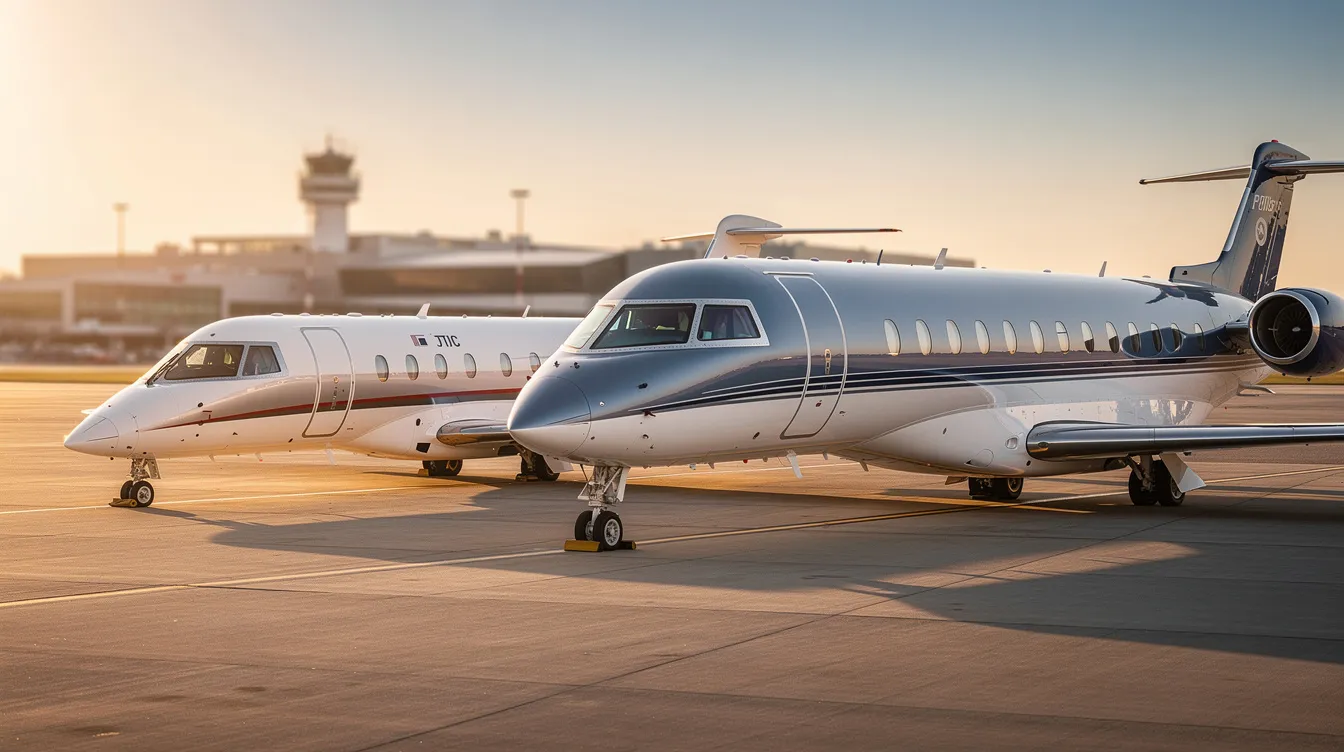
Private jet travel can feel like stepping into a world with its own language—share purchases, occupied hourly rates, management fees. If that already sounds stressful, you're not alone.
This guide is for prospective NetJets customers, corporate travel planners, and anyone curious about private jet pricing. Understanding these costs helps you make informed decisions and avoid surprises.
This guide breaks down NetJets pricing in 2026 so you know exactly where every dollar goes, whether you're evaluating programs yourself or simply flying as a guest and want to understand the system around you.
Calm, Quick Overview: What NetJets Rates Look Like in 2026
How much does NetJets cost? In private aviation, the answer usually comes down to three pillars: an initial acquisition cost or prepaid block, a monthly management fee, and hourly occupied rates charged when you actually fly. Taxes and surcharges sit on top. Here's what that looks like for NetJets in 2026:
The aviation industry commonly uses pricing structures based on three main components:
-
Initial acquisition cost: This is the upfront payment required to purchase a share of an aircraft or a prepaid block of flight hours (such as a jet card). It secures your access to the fleet or a specific aircraft type.
-
Monthly management fee: This recurring fee covers the ongoing management, maintenance, crew, insurance, and operational support for your share or lease, regardless of how much you fly.
-
Occupied hourly rates: These are charges incurred only when you are actually flying ("occupied" means the aircraft is in use by you). This rate covers direct operating costs like fuel, crew, and maintenance during your flight hours.
Here's what that looks like for NetJets in 2026:
-
NetJets 25-hour light jet cards typically range from $200,000 to $220,000 before adding the 7.5% federal excise tax and fuel surcharges.
-
A 25-hour jet card for a midsize jet costs around $250,000, while heavy jets can cost about $400,000 for a 25-hour jet card.
-
Fractional ownership or a NetJets lease starts to make financial sense only when a traveler flies roughly 75–100+ hours per year on private jets.
-
The overall cost depends on aircraft type, usage frequency, and whether you choose a NetJets card, a NetJets share, or a NetJets lease.
For anxious travelers, here's a reassuring thought: understanding how these private jet costs work removes the mystery. NetJets operates a highly structured, safety-focused system, and knowing the financial framework can help separate money stress from flying stress. They are two different things, and both become easier when you see the details clearly.
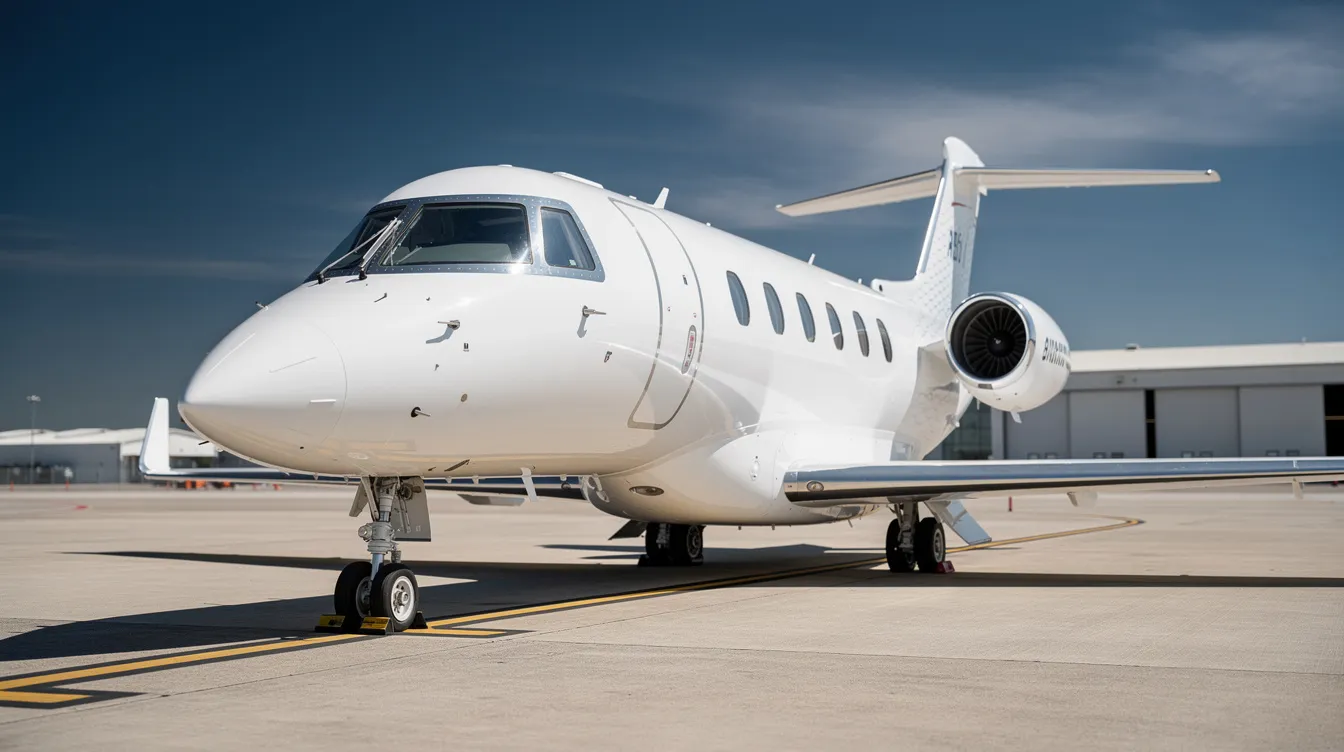
How NetJets Pricing Models Work: Card, Fractional Share, and Lease
NetJets cost depends heavily on which program a traveler or company chooses. The private aviation market generally splits into three categories: on-demand charter, jet card programs, and fractional programs. NetJets offers variations across the latter two, plus a lease option, through its NetJets programs. Here's how each works:
-
Jet card: A prepaid block of hours (typically 25 hours) on a defined aircraft type, valid for a set term—often around 24 months. You pay upfront, fly at fixed hourly rates, and hold no ownership stake. Think of it as a private jet card with predictable pricing and no long-term commitment.
-
Fractional jet ownership (NetJets Share): Buying a specific share—fractional ownership starts at a 1/16th share for approximately 50 hours per year. You pay a monthly management fee plus an occupied hourly rate each time you fly. Occupants of fractional ownership ensure guaranteed access to aircraft. Commitments typically run 3–5 years.
-
NetJets lease: Similar monthly management and hourly structure, but without equity. Frequently requires around a 36-month minimum term, a security deposit, and possible early-exit penalties. No ownership stake means no depreciation risk—but also no residual value.
These options sit between simple on-demand charter and full aircraft ownership in terms of both private jet cost and flexibility.
NetJets Cost by Aircraft Type: Light Jets to Heavy Jets
Aircraft size is one of the biggest drivers of NetJets rates, and pricing also varies across the NetJets fleet because different aircraft categories come with different capabilities and costs. Whether you fly private on a light jet, a midsize jet, or a heavy jet, the cabin size, range, and direct operating costs scale accordingly. Here's what 2026 numbers look like across categories:
Light Jets
-
Example: Embraer Phenom 300E
-
25-hour NetJets jet card: $215,000–$280,000
-
Hourly rate: $8,600–$11,200 (before fuel surcharges and taxes)
-
Best for: Short regional trips with 4–7 passengers
Midsize Jets
-
Examples: Citation Latitude, Citation XLS
-
25-hour jet card: $250,000–$300,000+
-
Hourly rate: $10,000–$14,000 (all costs included)
-
Best for: Most domestic routes
Super-Midsize and Large Cabin Jets
-
Examples: Challenger 350, Challenger 650
-
25-hour block: Well above $300,000
-
Hourly rate: $12,000–$16,000+
Heavy Jets
-
Examples: Global 6000 and similar ultra-long-range aircraft
-
25-hour block: $400,000 or more
-
Hourly rate: $16,000–$20,000+
-
Best for: Spacious cabin, intercontinental range, 12+ passengers
Larger aircraft carry more passengers and luggage over longer distances, but this also increases direct operating costs and the total private jet cost per trip. When comparing options, note that many other private jet companies price by similar size categories, but NetJets rates sit at the higher, premium end of the market.
Detailed Breakdown: Upfront NetJets Cost and Monthly Management Fee
For fractional ownership or a NetJets lease, travelers face a significant upfront financial commitment plus an ongoing monthly management fee—regardless of how often they fly. These fixed costs are the part most people underestimate.
Initial Share Purchase Costs
|
Aircraft Type |
1/16 Share Cost (2026) |
|---|---|
|
Light Jet |
$500,000–$850,000 |
|
Midsize/Super-Midsize |
$800,000–$1.5 million |
|
Large Cabin/Heavy Jet |
$1.5 million–$3 million+ |
Monthly Management Fees
|
Aircraft Type |
Monthly Management Fee (2026) |
|---|---|
|
Light Jet |
$12,000–$15,000 |
|
Midsize |
$15,000–$20,000 |
|
Super-Midsize |
$18,000–$24,000 |
|
Heavy Jet |
$24,000–$28,000+ |
Monthly management fees for NetJets can exceed $10,000 even at the entry level. This monthly management covers aircraft management, crew salaries and training, hangar and insurance, maintenance planning, dispatch support, and 24/7 operations—similar to a full-service aircraft management firm.
Key Point: This monthly management fee continues even if the owner or lessee barely flies. Under-using contracted hours quietly pushes the effective hourly private jet cost much higher because unused hours still leave those fixed costs in place.
How to Avoid Overpaying for Unused Hours
-
Realistically estimate your yearly flying hours before committing.
-
Choose a share size or lease that matches your actual travel needs.
-
Review your usage annually to ensure you’re not paying for capacity you won’t use.
What You Pay per Flight Hour: Occupied Hourly Rates, Taxes, and Surcharges
Once a share, lease, or jet card is in place, the next layer of NetJets cost is the occupied hourly rate—plus taxes and several variable add-ons that appear on every invoice.
Variable Flight Costs
-
Occupied hourly rates (2025–2026 estimates):
-
Light jets: ~$8,500 per hour
-
Midsize jets: $10,000–$12,000 per hour
-
Super-midsize: $12,000–$14,000 per hour
-
Large cabin/heavy jets: $16,000–$18,500+ per hour
-
-
Federal excise tax: 7.5% on domestic flights, applied on top of the base hourly rate and any fuel charges.
-
Fuel surcharges: Variable, depending on market fluctuations; often adds several hundred dollars per occupied flight hour.
-
Additional costs:
-
International handling fees
-
Landing fees at some airports
-
De-icing during winter
-
Catering upgrades
-
Higher rates or peak day surcharges on holidays, high-demand travel dates, or international itineraries
-
Tip: If you're anxious about unexpected expenses on your invoice, request sample bills or all-in estimates in advance. Cost transparency is something NetJets promotes, and asking for it is completely normal. Feeling in control of the numbers helps separate financial stress from any nervousness about the flight itself.
NetJets Jet Card Programs (Including the NetJets Jet Card 25-Hour Options)
NetJets jet card programs are often the first step into private aviation for flyers who don't want a multi-year commitment or a large upfront acquisition cost. If you're flying private for the first time, a jet card is typically the simplest entry point.
-
Standard NetJets jet card blocks are usually 25 hours, tied to a specific aircraft type or cabin category, with fixed all-in hourly rates for the card's term.
-
2026 examples: Light jets like the Phenom 300E often cost about $215,000–$280,000 for 25 hours. NetJets jet card costs range from $200,000 to $500,000 for 25 hours depending on aircraft size, with heavy jets approaching or exceeding $400,000 for a similar block.
-
Booking rules: Guaranteed availability with defined call-out times (typically 24–48 hours in advance). NetJets jet card programs include blackout dates and booking restrictions, with peak days requiring stricter notice windows.
-
Jet card programs usually avoid monthly management fees, but they still include variable fuel surcharges, the 7.5% federal excise tax, and occasional peak-day surcharges in the effective hourly rate.
For anxious travelers who are guests of cardholders or corporate private jet programs: understanding these details makes the whole experience feel more transparent and less mysterious. You're not flying on a whim—someone planned this through a structured, well-regulated system.

NetJets Lease and Fractional Ownership: Depreciation, Federal Excise Tax, and Long-Term Cost
Fractional jet ownership and a NetJets lease are designed for high-frequency users and involve long-term financial planning, including depreciation and tax considerations. Fractional ownership requires a commitment of typically five years.
-
Depreciation: Over a typical 5-year period, a NetJets share can lose about 30–50% of its initial value. NetJets guarantees a buyback at contract end, but the owner usually receives markedly less than the original purchase price—this is a real fixed expense to factor in.
-
Multi-year cost example: For a 1/16 share in a light jet, year-one total cost can surpass $1 million when including the share purchase, monthly management, and flight hours. In years two through five, annual costs drop to approximately $350,000–$400,000 assuming roughly 50 hours flown per year.
-
All U.S. domestic flights under these programs remain subject to 7.5% federal excise tax, plus per-segment fees, which meaningfully increase the total NetJets cost over time.
-
Some owners attempt to align fixed expenses with business use and potential tax deductions, but ongoing monthly management and variable expenses remain a reality.
Considerations for Long-Term Commitment:
-
If your routes, family needs, or company travel patterns might change drastically within a few years, a long-term commitment through a lease or ownership stake may feel psychologically stressful—especially for anxious travelers who dislike feeling locked in. Weigh flexibility carefully against cost effective hourly rates at high usage.
How NetJets Rates Compare to Other Private Jet Companies and Jet Card Programs
-
NetJets generally positions itself at a premium price point compared with many other private jet companies, but the company operates around 1,400 flights per day and maintains a vast fleet with global reach. Over 40% of Fortune 100 companies use NetJets, which speaks to reliability and corporate predictability.
-
Competitors' jet card programs often advertise lower headline hourly rates but may charge repositioning fees, higher minimum flight charges, or additional line items that affect the total cost.
-
NetJets does not charge repositioning fees within its collective service area, and often avoids repositioning costs on light and midsize jets. Many other private jet companies do the opposite, adding separate charges when the aircraft must fly empty to reach the passenger.
-
Blackout dates, peak-day premiums, and aircraft category rules differ across providers. Comparing only base hourly rates can be misleading when assessing true NetJets cost versus alternatives. NetJets excels at guaranteed access and consistent cabin standards across its fleet.
-
For nervous or first-time private flyers: ask whoever is paying—corporate travel, charter broker, or aircraft owner—whether their program is NetJets or another brand. Knowing the structure reduces the feeling of secrecy and loss of control. The private aviation market generally splits into three categories—on-demand charter, competitor jet cards, and fractional programs—and each carries different pricing logic.
Hidden and Situational Fees: Repositioning, Peak Days, International, and More
While NetJets aims for transparent pricing, situational fees can still surprise travelers who aren't familiar with private jet billing.
-
Repositioning: NetJets does not charge repositioning fees within its primary collective service area. However, other private jet companies may add separate repositioning charges when the aircraft must fly empty to reach the passenger.
-
Peak-day surcharges: Holidays and major events trigger additional fees. These can add thousands to a single trip depending on distance and aircraft type.
-
Winter de-icing, premium catering, Wi-Fi upgrades on some aircraft, and special ground handling at congested or remote airports are all common situational add-ons.
-
International flights add complexity: overflight permits, international handling fees, higher fuel at certain airports, crew overnight costs, and local taxes can all increase the effective hourly rate—especially on long-haul heavy jets.
-
Private jet cost estimates often exclude these smaller items, which can create anxiety when the final bill appears larger than expected. Request "all-in" quotes including estimated fees whenever possible.
These fees don't affect flight safety. They are logistical and regulatory costs. Understanding them helps you separate financial stress from concerns about flying itself—two very different sources of worry that deserve different solutions.

When NetJets Rates Make Sense—And When a Different Private Jet Solution May Be Wiser
NetJets cost can be very reasonable for frequent flyers and unnecessarily high for occasional travelers. The core factor is annual flight hours.
-
Jet cards and lease programs usually make financial sense from around 50–75+ hours per year. Annual access to a consistent aircraft type with predictable pricing is their main appeal.
-
Fractional ownership is aimed at 100–200+ hours per year, depending on aircraft size. At that volume, the fixed costs spread thin enough to deliver a cost-effective hourly rate.
-
Travelers flying fewer than about 50 hours per year will often find on-demand charter—which requires zero upfront capital and no multi-year contracts—or flying commercial with occasional charter services more practical than any product with a monthly management fee.
-
Heavy use on regular routes (for example, weekly New York–Miami flights) plays to NetJets' strengths: guaranteed availability, predictable cabin layouts, and minimal planning stress. Corporate predictability adds value to flight services during high-demand periods.
-
Travelers who frequently change destinations, passenger counts, or schedules may benefit from more flexible solutions without multi-year obligations.
For a detailed look at how different programs compare, see this NetJets Jet Card Review.
Frequently Asked Questions About NetJets Rates and Private Jet Costs
What are the main components of NetJets pricing?
NetJets pricing typically includes three components: an initial acquisition cost or prepaid block (such as a jet card), a monthly management fee, and occupied hourly rates charged when you actually fly. Taxes and surcharges are additional.
How much does a NetJets jet card cost?
A 25-hour jet card for a light jet typically costs between $200,000 and $220,000 before taxes and fuel surcharges. Midsize jets cost around $250,000, and heavy jets about $400,000 for the same block of hours.
What is fractional jet ownership with NetJets?
Fractional ownership means buying a share (starting at 1/16th) of a specific aircraft, giving you approximately 50 flight hours per year. You pay an upfront share purchase cost, monthly management fees, and hourly occupied rates when flying.
Are there monthly fees with NetJets?
Yes, monthly management fees cover crew, maintenance, insurance, and operations. These fees range from $12,000 to over $28,000 depending on the aircraft size and continue regardless of how much you fly.
Does NetJets charge repositioning fees?
NetJets does not charge repositioning fees within its primary service area, which helps keep costs more predictable. Many other private jet providers do charge these fees.
What additional costs should I expect?
Besides hourly rates, expect to pay a 7.5% federal excise tax on domestic flights, fuel surcharges that vary with market prices, peak day surcharges, international handling fees, and occasional costs like de-icing or premium catering.
When does fractional ownership make financial sense?
Fractional ownership is generally cost-effective for travelers flying 100–200+ hours per year, as fixed costs spread over more hours. For fewer hours, jet cards or on-demand charter may be more economical.
Can I switch aircraft categories with NetJets?
NetJets allows category moves but typically requires more prepaid hours when moving to larger jets, which can increase costs. Jet cards are usually tied to specific aircraft categories.
How does NetJets compare to on-demand charter?
NetJets offers guaranteed availability and consistent cabin experience but requires upfront costs and management fees. On-demand charter has no long-term commitments and can be more cost-effective for lower flight hours.
How can SkyGuru help with private jet travel anxiety?
SkyGuru provides real-time flight commentary, turbulence forecasting, and explanations of in-flight sensations, helping nervous flyers understand and feel more comfortable during their flights on any aircraft type, including NetJets jets.
Reducing Stress Around the Price (and Experience) of Private Jets with SkyGuru
The complexity of NetJets rates, taxes, and market conditions can feel overwhelming—especially for anxious travelers already tense about turbulence, takeoff, and unfamiliar environments. Understanding the structure of private jet costs, from monthly management fees to federal excise tax, makes high-end flying feel less mysterious and more like the structured, well-regulated system it actually is.
But financial clarity is only half the equation. The other half is what happens once you're airborne.
SkyGuru works by letting passengers enter their flight details into the app. It then uses aviation weather forecasting, turbulence prediction, and sensor data to explain in real time what you'll feel and hear during the flight. Real-time flight commentary uses sensor data to guide passengers through flight experiences—from climb to cruise to landing. Weather forecasting is integral to providing safe and reliable flight services, and turbulence prediction helps travelers manage flight anxiety related to in-flight conditions.
Whether you're on a NetJets light jet, a midsize aircraft, or a heavy jet crossing the Atlantic, SkyGuru interprets bumps, noises, and changes in engine power so your mind doesn't jump to worst-case scenarios. After reviewing private jet cost options and choosing the right aircraft type or program, you can prepare emotionally by knowing what sensations to expect.
Flying becomes less intimidating when both the financial and physical sides of the journey feel predictable. Consider downloading SkyGuru before your next private jet or commercial flight—so that cost clarity and in-flight calm work together to make the whole experience something you can actually look forward to.
FLEET SELECTION
JET CARDS
COST ANALYSIS


How to Auditing Your Operator's Maintenance Logs
Oct 05, 2025

How to Auditing Your Operator's Maintenance Logs
Oct 05, 2025

How to Auditing Your Operator's Maintenance Logs
Oct 05, 2025
Sky Guru Weekly
The smartest private aviation intelligence in your inbox.
.svg)

