



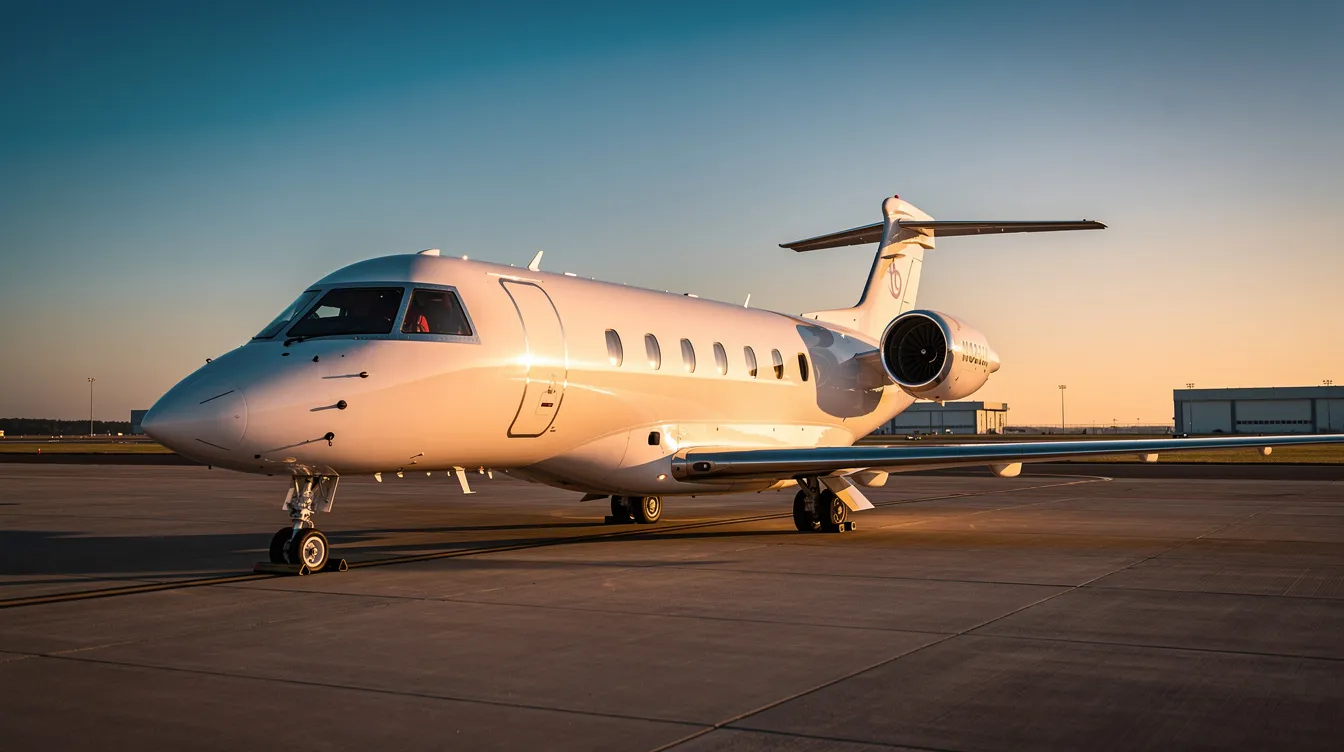
If you're exploring ways to fly private without buying an aircraft, a jet card is likely on your radar. But between hourly rates, fuel surcharges, peak day fees, and deposits, the real cost can feel hard to pin down. This guide breaks down everything you need to know about jet card pricing, programs, and the fees that catch buyers off guard in 2026.
Immediate Answer: How Much Does a Jet Card Cost in 2026?
Jet card hourly rates range from $3,000 to $17,000+ depending on the aircraft type you choose. Here is what different providers are charging across the main categories this year:
-
Turboprops / Very Light Jets: $3,000–$4,000 per hour
-
Light Jets: $5,000–$7,500 per hour
-
Midsize Jets: $7,500–$9,500 per hour
-
Super Mid Jets: $9,500–$12,000 per hour
-
Heavy Jets: $11,000–$17,000+ per hour
These numbers only tell part of the story, though. Your total jet card cost also depends on the minimum deposit, fuel surcharges, dde-icingcharges in winter, and peak day pricing during high-demand periods like holidays or the Super Bowl.
For a concrete example: a 25-hour light jet card costs between $125,000 and $175,000 in 2026. If you booked those same 25 flight hours through on-demand charter, you could easily pay $225,000 or more once you include additional fees and variable pricing. That difference adds up fast for frequent travelers.
If the financial side of private jet travel feels overwhelming, you're not alone. Understanding how jet card pricing works—and what happens during each flight—can reduce a lot of that uncertainty. Tools like SkyGuru help explain each phase of your flight in real time, turning the unknown into something manageable.
What Is a Jet Card and How Do Jet Card Programs Work?
A jet card is a prepaid program that gives you access to private aviation without owning an aircraft. You purchase a block of flight hours—or deposit funds—tied to specific aircraft categories, usually at fixed hourly rates or capped rates. Jet card programs offer access to various aircraft types, from turboprops to heavy jets, and jet card users benefit from simplified booking and reduced logistical overhead.
Most jet card programs require a minimum deposit of $100,000 to $250,000 for lighter categories. Heavy jet cards typically require a deposit of $500,000 or more. Jet cards allow customers to deposit funds or purchase blocks of flight hours in advance, which are then drawn down based on your aircraft type and flight time.
There are two broad models:
-
Classic jet cards offer fixed hourly rates, guaranteed availability, and a set service area. You know what you'll pay before you book.
-
Hybrid or dynamic models blend jet card structure with on-demand charter pricing. Rates may fluctuate based on demand, aircraft positioning, and seasonality.
In practice, booking works simply. You call your provider or use their app, request a date, route, and aircraft category, and hours are deducted from your balance based on taxi time, takeoff, and landing. Prepaid jet card programs help frequent travelers who want convenience without ownership. Customers avoid ownership liabilities associated with full aircraft ownership, and jet cards eliminate operational hassles and financial commitments entirely.
One important note for anxious travelers: your payment model has zero effect on flight safety. Whether you fly via jet card, charter, or fractional ownership, pilots, maintenance, and operations must meet FAA or EASA standards. What changes is how you budget—not how safely you fly.
Jet Card Pricing by Aircraft Category and Hourly Rates
Jet card pricing is anchored around aircraft categories and hourly rates. Choosing the right size for your typical trips can save tens of thousands of dollars per year. Access to a range of jet sizes allows users to match aircraft to their specific needs.
Here's how the main categories break down in 2026:
Turboprop / Very Light Jet: 4–6 passengers, short hops under 600 nautical miles. Turboprop jets cost $3,000–$4,000 per hour—the most cost-effective entry point for regional travel.
Light Jet: 6–8 passengers, regional flights of 600–1,000 nautical miles. Light jets like the Citation CJ3 cost $5,000–$7,500 per hour. A solid choice for domestic business trips.
Midsize jets:t 7–9 passengers, longer domestic routes. Midsize jets such as the Citation XLS charge $7,500–$9,500 per hour. The Citation Latitude also falls in this range, offering stand-up cabins and a balance of comfort and economy.
Super Midsize J:et 8–10 passengers, cross-country U.S. or short international flights. Super midsize jets like the Challenger 350 cost $9,500–$12,000 per hour.
Heavy Jjet: 1218 passengers, ultra-long range or transatlantic. Heavy jets can cost $11,000–$17,000+ per hour, with some ultra-long-haul programs exceeding $19,000.
Jet cards provide access to various aircraft types across all these categories. The key savings tip: for trips under 800 nautical miles, flying a turboprop or light jet instead of defaulting to a heavy jet can cut your hourly cost by 50–75%. Over a full year, that difference easily reaches six figures.
Fixed Hourly Rates vs Dynamic Pricing: Which Jet Card Model Fits You?
Fixed hourly rates mean your cost per flight hour is locked in when you buy the card. Jet cards often include fixed hourly rates for predictable budgeting—you know exactly what each hour will cost regardless of demand spikes or holidays. This model offers cost certainty and makes financial planning straightforward.
Dynamic pricing works differently. Your hourly rates fluctuate based on market demand, aircraft positioning, fuel costs, and seasonality. Dynamic pricing can offer savings compared to fixed rates when the market is soft, but costs can climb sharply during peak periods.
Here's a quick example for comparison:
-
Fixed model (light jet): $6,500/hr locked in. Over 25 hours, you pay $162,500.
-
Dynamic model (light jet): $5,200/hr on quiet days, $7,800/hr on peak days. If half your flights hit peak demand, your average could reach $6,500/hr or higher.
The trade-off is simple. Fixed hourly models provide peace of mind and simpler math. Dynamic pricing can save money for flexible travelers who avoid high-demand periods. But for those with travel anxiety, the unpredictability of dynamic pricing can add stress.
Even when pricing varies, SkyGuru can help make every flight feel more predictable emotionally. The app explains each phase of flight and forecasts turbulence in real time—so even if the price changes, what you experience in the cabin doesn't catch you off guard.
Understanding Jet Card Fees: Fuel Surcharges, De-Icing, and Other Extras
Hourly rates are just one part of jet card pricing. Extra line items can significantly change the final bill if you don't understand them upfront. Think of this section as a checklist before you sign anything.
Fuel Surcharges
-
Fuel surcharges range from $300 to $1,000+ per flight hour, depending on current fuel prices and the provider's pass-through policy.
Peak Day Surcharges
-
Peak day surcharges can increase rates by 5% to 40%. Peak day travel around Thanksgiving, Christmas, New York Jets home games, or major events can carry the steepest markups.
De-Icing Charges
-
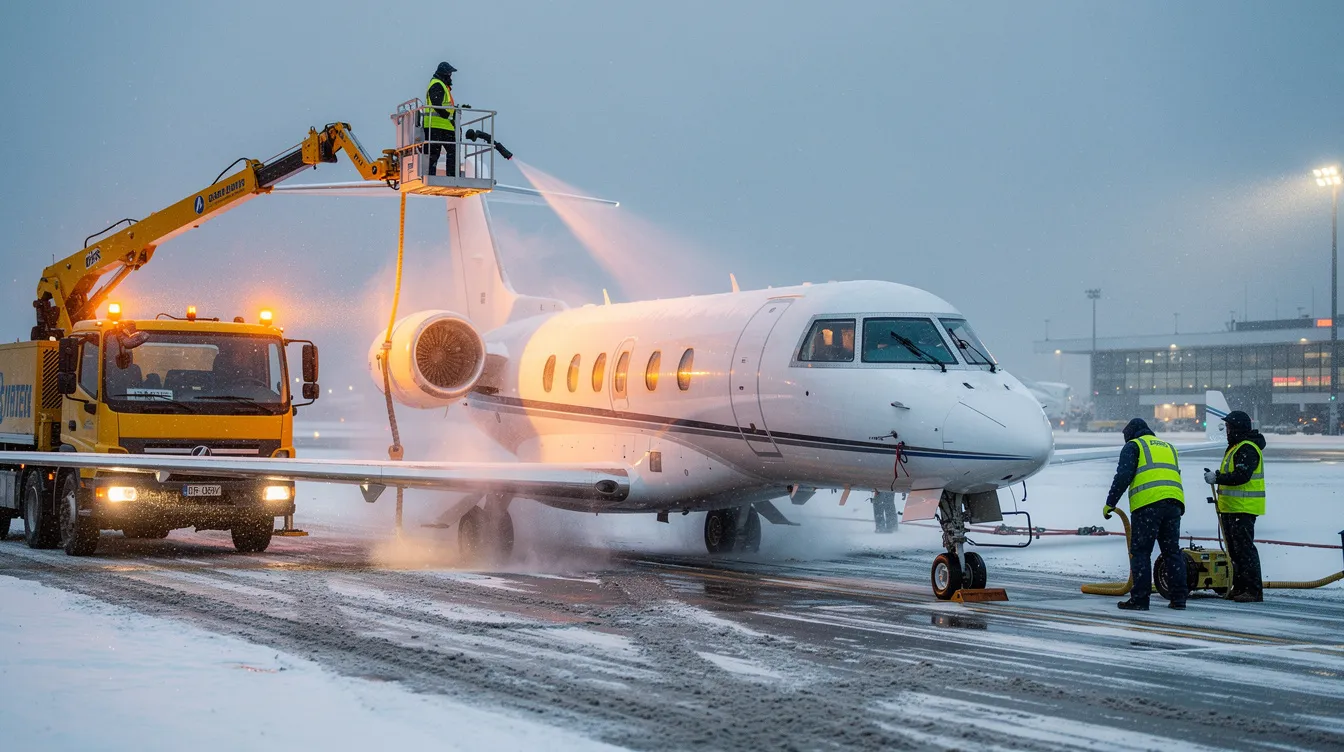
Winter operations add $1,500–$8,000+ depending on airport location and aircraft size. Newer aircraft may de-ice faster, but the cost still applies.
Federal Excise Tax
-
The 7.5% federal excise tax applies to domestic private jet flights. Some programs include it in quoted rates; others add it on top.
Crew Overnight and Repositioning Fees
-
If your crew needs a hotel stay or the aircraft must fly empty to reach you, those fees get passed through.
Ground and Airport Fees
-
Landing fees, ramp fees, international handling, and premium catering charges can add hundreds to thousands per segment.
Taxi Time and Daily Minimums
-
Some programs bill for ground taxi time separately, with average daily minimums around 96 minutes of billable flight time.
Always ask whether quoted rates are "all-in" or "plus FET." The difference between those two labels can mean thousands of dollars on a single trip.
Before committing to any jet card, use this as your hidden fees checklist. Ask about every line item above. The more you know going in, the fewer surprises show up on your invoice.
Comparing Jet Card Cost to On-Demand Charter and Membership Models
Jet cards are one of several ways to access private aviation. Others include on-demand charter, fractional ownership, and deposit-based membership programs. Each serves a different provider and a different type of traveler.
Jet Card vs. On-Demand Charter: Cost Example
Here's a numeric example: a 25-hour super mid jet card at roughly $10,500/hr totals around $262,500. Booking those same 25 hours through on-demand charter might run $9,800–$12,500/hr depending on season and availability—potentially $245,000 to $312,500+. Charter services can have variable pricing based on demand, and charter services may include hidden fees like fuel surcharges that further inflate costs.
When Jet Cards Usually Win
-
You log 25–100+ flight hours per year
-
You value guaranteed availability year-round
-
You prefer fixed hourly predictability over price hunting
-
You want a set price rather than negotiating each trip
When Charter or Membership May Be Better
-
You fly under 15–20 hours per year
-
You have extreme itinerary flexibility
-
You're comfortable with dynamic pricing and variable hourly rates
-
Your routes change constantly, making a long-term commitment impractical
Regardless of which model you choose, safety standards and pilot training remain constant. Charter company operators, jet card companies like Sentient Jet or Magellan Jets, and fractional programs all operate under the same FAA regulations. What changes between different providers is budgeting and personalized service—not the flight deck or safety culture.
How Jet Card Structure Affects Your Travel Experience (Not Just Cost)
Jet card structure impacts more than money. It shapes your booking windows, cancellation rules, aircraft access, and how predictable each trip feels.
Guaranteed Availability
Most programs guarantee aircraft within 24–72 hours of booking for non-peak days. But blackout dates and peak surcharges during holidays or major events can limit last-minute trips. Understanding these restrictions ahead of time helps you plan with less stress.
Aircraft Categories and Fleet Access
Some cards lock you into one aircraft type—say, light jets only. Others let jet card holders upsize or downsize between light, midsize, and heavy jet options at different hourly rates. Jet cards enable flexible aircraft choices based on trip requirements, which means you don't pay for a heavy jet when a turboprop will do.
Service Area and Repositioning
Some cards cover only domestic U.S. flights without repositioning fees, while others charge extra for international flights or trips outside their core region. Programs often include support and concierge services for scheduling and in-flight needs, which can make a real difference when navigating complex itineraries.
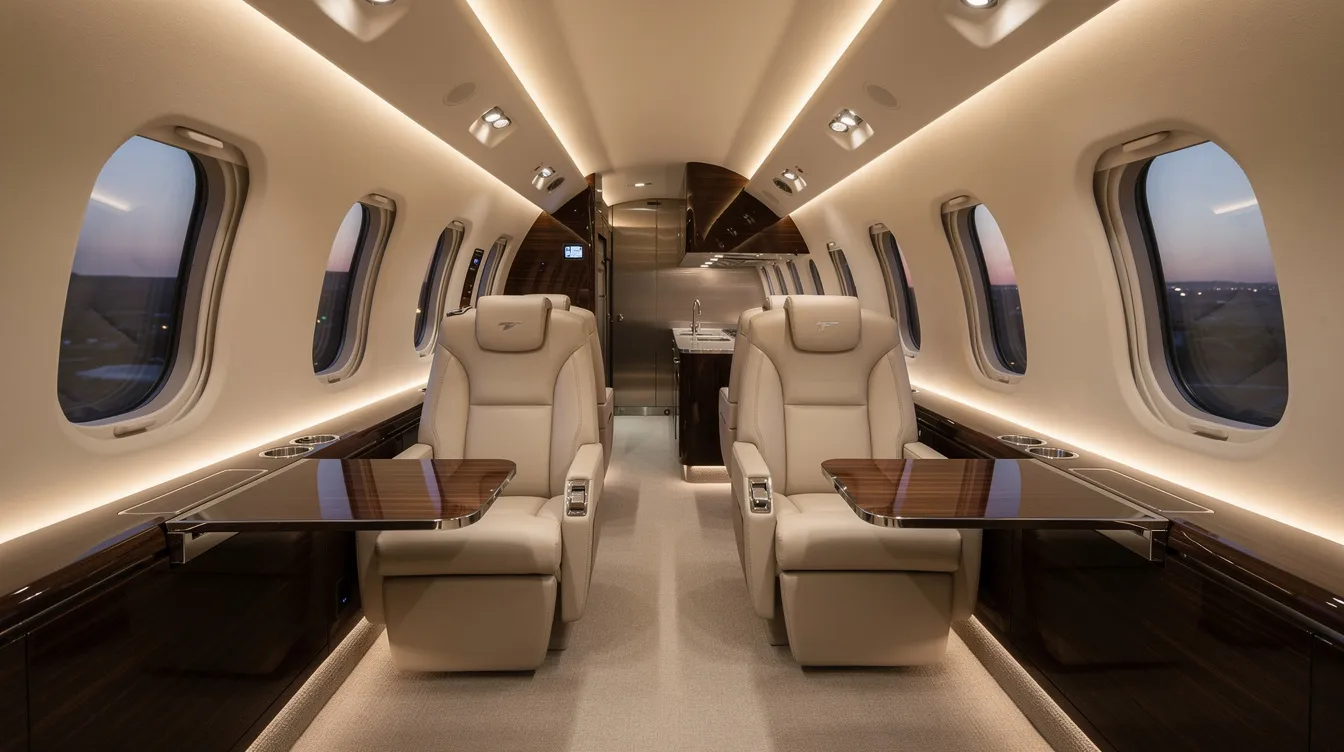
For nervous flyers, there's a comfort advantage here. Knowing what specific aircraft you'll usually fly on—and what it feels like inside—makes each trip more familiar. If you're preparing to fly private for the first time, that consistency reduces the number of unknowns you face.
Jet Cards and Nervous Flyers: Predictability, Safety, and Peace of Mind
If you're considering a private jet card but struggle with fear of flying or turbulence anxiety, you're in good company. Many jet card customers choose this model specifically because it reduces uncertainty.
The predictable structure of jet card programs—fixed hourly rates, known aircraft categories, and repeat use of the same operators—creates consistency. Over time, flying the same cabin size with the same service team makes the experience feel routine rather than stressful.
Jet card membership does not alter regulatory safety oversight. Pilots must meet the same training and certification standards whether you fly via charter, jet card, or fractional share. Maintenance schedules, safety audits, and operational protocols remain identical.
Common flight sensations that worry passengers—turbulence during climb and descent, engine noise changes during cruise, pressure shifts, and banked turns—are normal across every payment program and every aircraft. Understanding why these happen makes a meaningful difference in how they feel.
SkyGuru can help here. The app predicts turbulence along your route, explains weather conditions, and provides real-time commentary on every stage of flight. Whether you're on a jet card trip or an on-demand charter, knowing what's happening—and why—turns uncertainty into understanding.

Practical Checklist: Choosing the Right Jet Card in 2026
Before committing to any jet card, verify these items. Use this as your side-by-side comparison checklist:
-
Minimum deposit: Is it $100,000, $250,000, or more? Do jet card hours expire, and is the balance refundable? Learn more about typical jet card minimum deposits.
-
Rate structure: Are hourly rates fixed or dynamic? Are fuel surcharges included or passed through separately? Understand the difference between fixed hourly rates and dynamic pricing.
-
Aircraft categories: Are you locked into one aircraft type, or can you operate across sizes? What specific aircraft models are in the fleet? Explore our guide on private jet aircraft categories.
-
Peak pricing: How many peak days per year? What surcharges apply? Are there blackout dates? Find out about peak day surcharges and fees.
-
Extras and fees: Ask about de-icing, crew overnights, repositioning, taxi time minimums, and federal excise tax inclusion. For a full breakdown, see our jet card fees explained.
-
Cancellation terms: What notice is required? Do peak days carry longer cancellation windows?
-
Rollover and expiration: Some jet card programs allow rollover hours for unused time—others don't. Ask explicitly.
-
Contract term: What is the long-term commitment? Are there annual rate escalators?
Compare at least two or three programs side by side using concrete numbers. Calculate your effective hourly rates over 25 hours, including estimated fuel surcharges and typical winter de-icing costs. That gives you the best value comparison—not just the headline rate.
When travelers understand the true structure and pricing of jet cards, costs stop feeling like surprises and start feeling like informed decisions. Combining a well-chosen jet card with tools like SkyGuru creates both financial and emotional predictability—so you can spend less time worrying about money or turbulence, and more time enjoying the flight.
FLEET SELECTION
JET CARDS
COST ANALYSIS


How to Auditing Your Operator's Maintenance Logs
Oct 05, 2025

How to Auditing Your Operator's Maintenance Logs
Oct 05, 2025

How to Auditing Your Operator's Maintenance Logs
Oct 05, 2025
Sky Guru Weekly
The smartest private aviation intelligence in your inbox.
.svg)

