



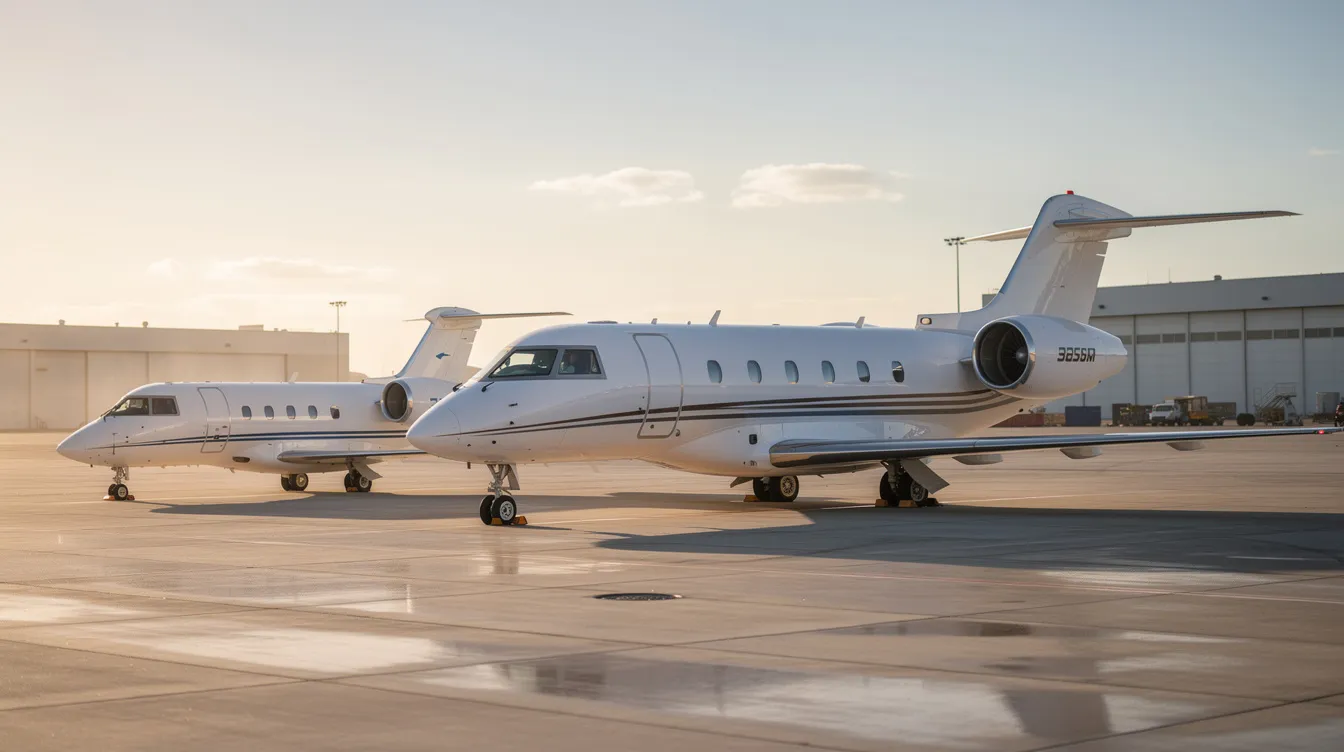
Private aviation can feel overwhelming when you are comparing dozens of operators, brokers, and access models at once. This guide breaks down the top 10 private jet charter companies in the USA, explains how they differ, and helps you choose with confidence, whether you fly weekly or are planning your very first private flight.
Key Takeaways for Nervous and First-Time Private Jet Travelers
If you only have a few minutes, here is what matters most.
-
The leading providers covered in this guide are NetJets, Flexjet, Vista Global (including VistaJet, XO, Jet Edge, and Talon Air), Wheels Up, Jet Linx Aviation, Clay Lacy Aviation, FlyExclusive, Magellan Jets, Sentient Jet, and Paramount Business Jets. The top five private jet providers include NetJets, Flexjet, and Vista Global, which together account for the majority of US private jet flights.
-
Combined, the largest private jet operators in the US logged well over 1.7 million flight hours in 2025. That scale means deep experience, mature safety systems, and aircraft availability when you need it.
-
Every charter flight operates under strict FAA regulations. Part 135 operators face stricter regulatory oversight than Part 91 operators, and larger charter companies typically hold voluntary safety certifications such as ARGUS Platinum, Wyvern Wingman, or IS-BAO.
-
Private jets save 2–4 hours per trip compared to commercial airlines. For frequent business travelers, private jet access saves executives 40+ hours monthly by reaching over 5,000 US airports and skipping long security lines.
-
SkyGuru is a separate tool designed to reduce in-flight anxiety on any flight, commercial or private. It explains turbulence, noises, and flight stages in real time so that unfamiliar sensations become predictable, understandable events.
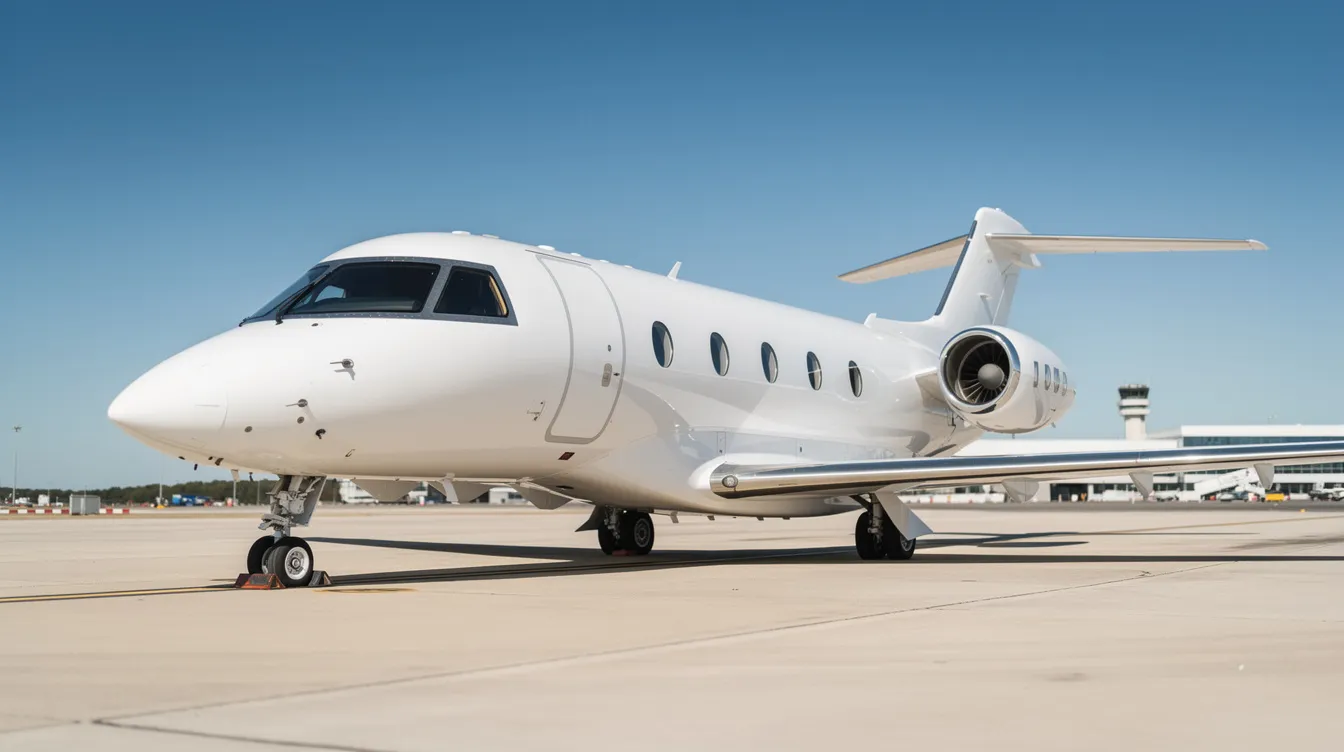
Why Private Jet Access Is More Than Luxury: Time, Control, and Peace of Mind
Executives, families, and anxious flyers choose private jets for reasons that go beyond comfort. Fewer crowds, shorter airport time, quieter cabins, and the ability to select a specific aircraft that feels right all contribute to a calmer travel experience.
-
Time savings. Private aviation provides access to over 5,000 airports, including smaller fields close to final destinations. That means direct flights to secondary markets that commercial airlines simply do not serve. The result is less driving, less waiting, and more hours flown toward your actual goal.
-
Emotional comfort. Fewer people, predictable schedules, and familiar crews reduce anxiety. Customer experience consistency includes service standards and on-board amenities, so the environment feels controlled rather than chaotic. Private jets offer superior cabin experiences with luxury amenities that make the journey feel personal.
-
Same physics, same standards. Private jets still encounter normal turbulence and cabin noises. Pilots are highly trained, and every aircraft is certified to the same strict standards as airline jets.
Understanding flight sensations like the push during takeoff, ear pressure changes on descent, and light turbulence can make both private and commercial flying feel safer. Knowledge replaces uncertainty, and that shift alone lowers anxiety, especially for travelers who struggle with fear of flying and flight anxiety.
How We Ranked the Top 10 Private Jet Charter Companies in the USA
This ranking focuses on US-based or US-active industry leaders that handle a large share of private jet flight hours across light jets, midsize jets, heavy jets, and long-range jets.
-
Ranking factors. Total annual hours flown in the US, fleet size and diversity, safety certifications, customer reputation, and consistency of service.
-
Operators vs. brokers. Air charter is the on-demand booking model for private flights, so you do not need ownership or a membership to use it. Operators fly and maintain their own aircraft, while charter companies or brokers arrange flights on partner fleets. Both types are included as major players in the private aviation market. Independent third-party safety audits are crucial for verifying aircraft operators regardless of model.
-
Vista Global's US footprint includes VistaJet, XO, Jet Edge, and Talon Air, while brokers like Paramount Business Jets stand out through safety vetting and transparency.
-
This list is not a financial recommendation. It is a practical guide for private jet travelers thinking about comfort, safety, and predictable service.
1. NetJets – The Largest Private Jet Operator in the USA
NetJets is the undisputed market leader, founded in 1964 and responsible for more private jet flights than any other single company worldwide.
-
Fleet. NetJets operates the largest private jet fleet with 780 aircraft across light jets, midsize, and heavy jets. Popular models include the Citation XLS, Phenom 300, Challenger 350, and long range jets such as the Global 6000 and Gulfstream G450. Operators should have a sizable, well-maintained fleet to meet flight schedules, and NetJets exemplifies that principle.
-
Activity. NetJets and its related brands, including executive jet management services, logged well over one million flight hours across regions in 2025, averaging close to 2,000 hours flown per day. The largest private jet operator in the world, NetJets handles a significant percentage of all North American private flights.
-
Access models. 25-hour jet card membership options, leases, and fractional ownership shares starting from roughly 50 flight hours per year. Guaranteed availability within a set notice window, often 4–10 hours.
-
Safety. ARGUS Platinum and Wyvern Wingman-level ratings, dual-pilot crews, and advanced training programs that meet or exceed airline standards.
-
For nervous travelers. The consistency of NetJets' standardized cabins, procedures, and crew training removes many unknowns. If you are flying a private jet for the first time, pairing a NetJets flight with the SkyGuru app can help explain turbulence and flight stages in real time.
2. Flexjet – Premium Fractional Ownership and Long-Range Capability
Flexjet is usually the second-largest player in US private aviation, with strong growth from 2019 through 2025 and a reputation for premium service.
-
Model. Flexjet focuses on fractional ownership, leases, and selective jet card programs rather than pure on-demand charter, appealing to travelers flying 50+ hours per year.
-
Aircraft. Light jets and super-midsize aircraft like the Embraer Praetor 500, plus heavy jets and long-range jets such as the Gulfstream G650 and Bombardier Global series for nonstop US–Europe routes. The company also plans to add the Otto Phantom 3500 for next-generation operational efficiency.
-
Activity. Flexjet recorded 78,322 North American departures in H1 2025, with double-digit percentage growth year over year and a global fleet of 340+ aircraft. Directional aviation trends suggest continued expansion.
-
Safety and fleet age. Strong internal control over maintenance and training, with a diverse fleet averaging around six years of age. Newer, quieter aircraft contribute to both environmental efficiency and passenger comfort.
-
For anxious travelers. Larger-cabin aircraft at Flexjet can feel more spacious and stable in turbulence. Ask your advisor to match you with jets that emphasize quiet cabins and smooth ride characteristics.
3. Vista Global (VistaJet, XO, Jet Edge, Talon Air) – Technology-Driven Global Network
Vista Global is a holding group that ranks among the top three global private aviation providers, with heavy US activity through VistaJet, XO, Jet Edge, and historically Talon Air.
-
Fleet. Vista Global operates over 70 business jets globally under VistaJet's direct flag, while collectively managing hundreds more through Jet Edge, the vista members fleet, and vetted partner networks. Aircraft range from light jets and super-mids to ultra-long-range jets like the Global 7500.
-
Activity. Vista Global's US operators collectively logged well over 200,000–300,000 flight hours annually in recent years. A global network improves aircraft availability for international flights and cross-border itineraries.
-
Booking and pricing. The XO app offers membership and on-demand charter access to 2,000+ vetted aircraft, fixed hourly rates for vista members, and transparent pricing estimates. Air Hamburg and other international affiliates extend the network further for European connections.
-
Sustainability. Carbon-offset programs, early adoption of sustainable aviation fuel (SAF), and digital tools for flight tracking and itinerary management.
-
For nervous flyers. The XO app and VistaJet's concierge team provide schedule predictability. Using SkyGuru alongside can help interpret turbulence forecasts and in-flight sensations even on Vista Global-operated private jets.
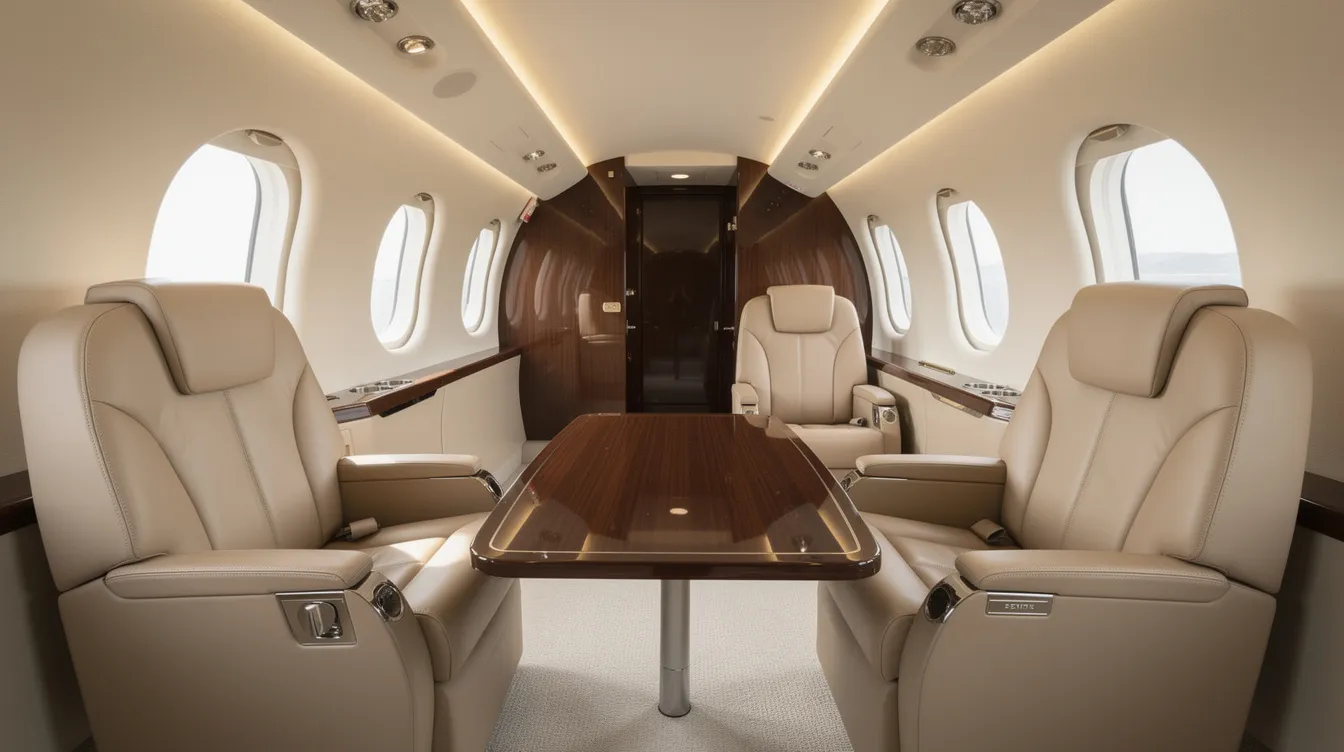
4. Wheels Up – Membership-Based US Private Jet Access
Wheels Up popularized a subscription-style, app-driven private aviation model in the US, focusing on light jets and short-haul private jet flights.
-
Fleet. A mix of owned and partner aircraft, including King Air 350i turboprops, light jets like the Citation Excel/XLS, and midsize or heavy jets for longer US routes.
-
Growth. Wheels Up achieved 81.1% year-over-year growth in 2025, making it one of the top charter companies by volume after strategic acquisitions and network adjustments.
-
Membership tiers. Entry-level memberships offering pay-as-you-fly access, higher plans with capped or fixed pricing, and shared flights or empty legs that can reduce cost per seat for flexible travelers.
-
App experience. Quick quoting and short-notice bookings under strict FAA Part 135 rules, similar in feel to ride-share platforms but governed by aviation safety standards.
-
For anxious travelers. For short segments, choose daylight flights on turboprops or light jets. Turboprops are ideal for short regional travel with lower costs, and tools like SkyGuru can help you understand why smaller aircraft may feel bumps differently yet remain within safe limits.
5. Jet Linx Aviation – Local Base Model with Personalized Service
Jet Linx Aviation operates with a unique local base strategy, offering dedicated private terminals in 20+ cities such as Atlanta, Dallas, Denver, and Scottsdale.
-
Operations. Jet Linx combines aircraft management with jet card programs, flying thousands of annual charter flights on a fleet ranging from light jets like the Citation CJ series to large-cabin aircraft. Their aircraft utilization model emphasizes local service and consistent crews.
-
Local feel. The base-focused model provides familiar pilots, lower crowd levels at private terminals, and personalized service that is particularly reassuring for travelers who dislike large airports.
-
Pricing. Fixed hourly rates for jet card holders, guaranteed availability with proper notice, and the ability to choose aircraft size based on mission, from light jets for short hops to heavy jets for coast-to-coast flights.
-
For nervous flyers. Arriving at a quiet private terminal 20–30 minutes before departure eliminates many stressors like long security lines and boarding calls. That calm start to the journey matters more than most people realize.
6. Clay Lacy Aviation – West Coast-Based Innovation and Sustainability
Clay Lacy Aviation is a long-established West Coast pioneer in private aviation, with more than 50 years of experience and a strong presence in Los Angeles, Orange County, and Seattle.
-
Services. Combined aircraft management, charter operations, and FBO services with a charter-accessible fleet including light jets, midsize jets, and heavy jets such as the Bombardier Global 6500 and Gulfstream models. Solairus Aviation and Red Wing Aviation are other notable operators in complementary markets.
-
Innovation. Early adopter of in-flight Wi-Fi, investments in sustainable aviation fuel, and carbon-neutral facilities that reflect innovative services across the private aviation industry.
-
Activity. Clay Lacy operates thousands of flight hours annually in the US, particularly focused on transcontinental and coastal routes from California and Washington.
-
Maintenance. In-house MRO (maintenance, repair, and overhaul) capabilities help keep aircraft in top condition, a strategic advantage for both safety and operational excellence.
-
For anxious passengers. Modern amenities, quiet cabins, stablelong-rangee jets, and smooth climb profiles contribute to physical comfort and peace of mind.
7. FlyExclusive – Value-Focused Growth with In-House Maintenance
FlyExclusive is one of the fastest-growing US private jet charter companies in recent years, with a fleet of 90+ aircraft and steady growth in hours flown.
-
Aircraft. Light jets like the Citation Encore and Phenom 300, midsize jets like the Citation Excel/XLS, and super-midsize jets such as the Citation X for fast coast-to-coast travel.
-
Access models. Fractional operators at FlyExclusive offer fractional ownership programs, jet cards, and on-demand charter flights, plus empty leg opportunities that can reduce costs for flexible travelers.
-
Quality control. In-house maintenance and refurbishment facilities help control quality and keep cabins consistent across the diverse fleet, supporting regulatory compliance across the operation.
-
Comfort. Refurbished interiors, modern avionics, and Wi-Fi can make private jet flights more relaxing, especially on longer sectors where aircraft owners and charter clients expect a premium experience.
-
For anxious travelers. Ask your advisor to schedule you on slightly larger jets when possible. Super-midsize jets often feel smoother in light to moderate turbulence, and that difference can matter for nervous passengers who are actively working to overcome their fear of flying with app-based support.
8. Magellan Jets – Boutique Charter and Jet Card Specialist
Magellan Jets is a Boston-based, boutique private aviation company known for personalized service and safety focus, using a vast network of vetted operators.
-
Fleet access. Magellan manages access to thousands of aircraft globally, from turboprops and light jets to heavy jets like the Gulfstream G450/G550 and Global 6000, matching each trip with specific aircraft suited to the route and passenger count.
-
Jet card programs. Starting at 25 flight hours with guaranteed availability, fixed hourly rates, and defined standards for cabin age, Wi-Fi, and crew experience. Reputable operators should provide guarantees around flight availability and service reliability, and Magellan delivers on that principle.
-
Safety record. Multi-year track record without major safety incidents, using ARGUS- and Wyvern-rated partners with detailed safety checks for every flight.
-
For nervous travelers. An experienced Private Aviation Advisor can recommend aircraft types and routes least likely to trigger anxiety. Morning flights help avoid storm-driven turbulence, and choosing larger jets improves ride smoothness. SkyGuru acts as a digital advisor in your pocket, complementing Magellan's human advisors by explaining bumps, noises, and flight phases in real time.
9. Sentient Jet – Jet Card Pioneer for Predictable Costs
Sentient Jet, founded in the late 1990s, created one of the first 25-hour jet card programs and remains a major US brand for card-based private jet access.
-
Model. Sentient does not own the entire fleet but contracts with a network of high-quality Part 135 operators. Fewer than 35% of the roughly 550 US charter operators pass the Sentient Certified standard, offering different cabin size categories instead of specific tail numbers.
-
Pricing. Jet card programs typically require prepaid flight hours from 25 to 200+ hours, with fixed hourly rates that enable predictable budgeting and reduced cost surprises. No blackout dates on most programs.
-
Safety. ARGUS and Wyvern oversight, pilot hour minimums, and restrictions on aircraft age and maintenance history. Sentient's Safety Advisory Board includes former NTSB and FAA officials. Learn more about jet card pros and cons to decide if this model fits your travel pattern.
-
Clients. Corporate travelers, business travelers, and high-net-worth individuals who value clear pricing and a single point of contact for complex itineraries across multiple cities.
-
For anxious flyers. Predictability is powerful. Knowing the cabin size, service level, and approximate route well in advance can lower anxiety. Pairing Sentient flights with SkyGuru further reduces fear by delivering real-time explanations during takeoff, cruise, and landing.
10. Paramount Business Jets – Transparent Broker with Safety at the Core
Paramount Business Jets is a leading US-based charter broker, founded around 2005, that acts as an agent for the client. It does not own aircraft, giving access to more than 4,000 vetted private jets worldwide.
-
Flexibility. Because Paramount is a broker, it can search the market for the specific aircraft and operators that best fit each mission, from light jets for short trips to heavy jets or long-range jets for nonstop international flights.
-
Safety workflow. ARGUS Gold as a minimum operator standard. ARGUS TripCHEQ and Wyvern PASS reports are run before each flight, with oversight from an in-house Safety Manager.
-
Pricing. Multiple operators compete to offer market rates. Pricing transparency includes a clear quote outlining hourly rates and potential fees, so private jet travelers know exactly what they are paying per flight hour, with no hidden fees.
-
Clients. Corporate, sports teams, music tours, and VIP missions, but also accessible for one-off leisure trips like family vacations or important events.
-
For nervous flyers. Being able to choose from specific aircraft and verified operators, combined with full visibility into safety reports, provides a strong sense of control and reassurance before stepping onboard.
Understanding Aircraft Types: Light Jets, Heavy Jets, and Long Range Options
Selecting the right aircraft type is key for both comfort and budget.
-
Light jets. Light jets seat 4–6 passengers for short-haul flights, with a typical range of 2–3 hours. Examples include the Citation CJ3 and Phenom 300. Light jets start at around $2,500 per hour for short flights, making them ideal for quick business trips.
-
Midsize and super-midsize jets. Midsize jets accommodate 6–9 passengers with more cabin space, often including stand-up headroom. Models like the Citation XLS and Challenger 350 handle 5–6 hour missions comfortably, with hourly rates around $4,000–$8,000.
-
Heavy jets and ultra-long-range aircraft. Heavy jets can seat 10–16+ passengers for international flights. Aircraft like the Gulfstream G650 and Global 7500 feature full galleys and lie-flat beds, with hourly rates often $10,000–$18,000+.
-
Turboprops and helicopters. Turboprops are ideal for short regional travel with lower costs. Helicopters provide point-to-point transport in congested cities, adding another layer of private aviation solutions.
-
Turbulence and aircraft size. Larger jets are heavier, fly higher, and have longer wingspans. The result is a noticeably smoother ride in light to moderate turbulence, which may matter significantly for anxious private jet travelers.
What Private Jet Charter Really Costs in the USA
Private jet charter costs are typically quoted per flight hour, but total trip cost depends on aircraft type, routing, repositioning legs, and extra services.
-
Hourly ranges. Private jet charter costs range from $2,000 to $25,000 per hour depending on aircraft category and age. Light jets run $2,500–$3,500/hour, midsize $4,000–$7,000/hour, and heavy jets $8,000–$15,000+.
-
Extra charges. Common additions include fuel surcharges, airport and landing fees, de-icing, overnight crew fees, catering, and ground transportation, typically adding 15–40% above base hourly rates.
-
Access models compared. Different private aviation models include on-demand charter (pay per trip), jet cards (prepaid 25–200+ hours with fixed hourly rates), and fractional ownership (longer-term commitment suited to 50+ hours per year). Jet card programs typically require $100,000 to $500,000 upfront. Fractional ownership allows access to jets at lower costs than full ownership while providing consistent aircraft availability.
-
Empty legs. Empty leg flights can save up to 75% off standard charter rates, but routes and times are fixed and may change at short notice. This works well for flexible travelers but can add stress for those who dislike uncertainty.
-
For anxiety-prone travelers. Predictable jet card pricing or membership structures from leading providers confirm price, aircraft size, and schedule well in advance, reducing last-minute surprises.
Safety, Certification, and Technology: How Leading Providers Protect You
Safety is the foundation of private aviation. Top US private jet operators follow strict FAA regulations plus additional voluntary standards that go well beyond the minimum.
-
Key certifications. FAA Part 135 governs commercial charter operations. Part 91K applies to fractional ownership programs. Safety ratings should include ARGUS Platinum, Wyvern Wingman, or IS-BAO Stage 3 certifications. Argus Platinum and Gold ratings validate operational safety standards. IS-BAO certification establishes international safety management protocols. Wyvern Wingman certification provides third-party safety validation.
-
Pilot qualifications. Pilot training records are critical safety indicators for operators. At major private jet companies, pilots hold thousands of total flight hours, type ratings on specific aircraft, and complete regular simulator training with recurrent checks every 6–12 months.
-
Technology. Real-time flight tracking, onboard weather radar, satellite communications, and advanced autopilot systems keep aircraft on stable, safe paths. Fleet recovery capabilities matter when an aircraft experiences mechanical issues, and leading operators maintain backup aircraft to minimize disruption.
-
Safety audits. Safety certifications require rigorous on-site safety audits and experienced pilots. Flight safety programs are indicated by independent third-party safety audits, and operators using independent safety verifications provide stronger safety assurance.
-
For anxious readers. Turbulence is uncomfortable but not dangerous for a properly maintained private jet. Pilots actively seek smoother altitudes whenever possible. Using a turbulence and flight-explanation tool like SkyGuru alongside top charter companies can further reduce stress by predicting bumps and explaining what pilots are doing to keep the flight safe.
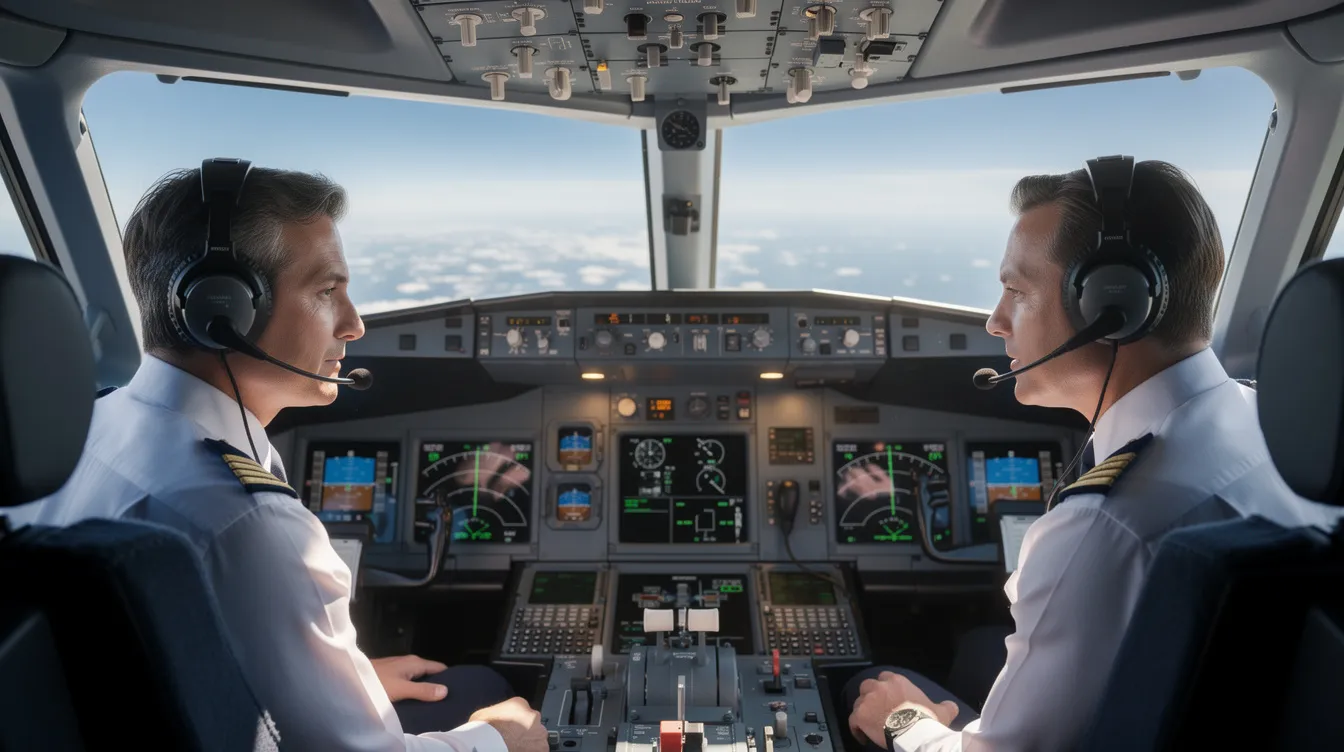
How to Choose the Right Private Jet Charter Company for Your Needs
There is no single "best" company for every traveler. The right choice depends on how often you fly, where you go, your budget, and how sensitive you are to uncertainty.
-
Estimate your annual flight hours. Under 25 hours: on-demand charter flights work well. On-demand charters are suitable for occasional travelers preferring flexibility. Between 25 and 50 hours: jet card programs from industry leaders like Sentient or Magellan provide structure. Over 50 hours: consider fractional ownership at providers like NetJets or Flexjet. Fractional ownership allows clients to purchase a share of an aircraft and secure consistent access.
-
Compare 3–4 providers. Look at safety ratings, fleet access including specific aircraft types you prefer, membership or card terms, and cancellation policies. Understanding aircraft access models is essential for matching services to travel needs. Aircraft availability is essential during peak travel periods, and airports served by operators may affect availability during busy travel times.
-
Ask the right questions. How often do you update weather and turbulence forecasts? Can I request certain aircraft types? Can the crew brief me ahead of time? For a deeper framework, see our guide on how to choose the right private jet company.
-
Check independent data. Reviews, industry rankings, and verified flight hours all help you confirm you are working with established leading providers.
-
After choosing a provider. Download the SkyGuru app and enter your flight details so it can provide real-time explanations during your private jet flight, transforming unknown sensations into predictable events.
Frequently Asked Questions About US Private Jet Charter
What is the average cost of a private jet flight in the USA?
Private jet charter costs range from $2,000 to $25,000 per hour depending on aircraft size and age. A two-hour light jet trip might cost $5,000–$7,000, while a five-hour heavy jet flight could run $40,000–$75,000 including fuel surcharges and fees.
How far in advance should I book a private jet?
Same-day booking is possible with many on-demand charter providers, but 2–7 days of lead time is ideal. During peak holidays, book further ahead. Jet card and fractional clients often receive priority aircraft availability.
Are private jets safer than commercial airlines?
Private jets follow similarly strict FAA rules. Part 135 operators face stricter regulatory oversight than Part 91 operators, and the safety records of leading providers are strong. Risk remains extremely low in both private and commercial aviation.
Can private jets fly internationally from the USA?
Midsize and heavy jets easily handle North America, the Caribbean, and Europe. Ultra-long-range jets handle nonstop routes to Asia and the Middle East. Customs are processed at specialized private terminals or international FBOs.
How can I feel calmer during a private jet flight?
Choose daytime flights when possible. Sit near the wing for the smoothest ride. Practice slow breathing. Ask the crew for a turbulence briefing before departure. Use SkyGuru for real-time explanations of turbulence, noises, and flight stages. More calming strategies are available in our FAQ.
Conclusion: Turning Private Jet Travel Into a Calm, Predictable Experience
The top 10 private jet charter companies in the USA—NetJets, Flexjet, Vista Global, Wheels Up, Jet Linx Aviation, Clay Lacy Aviation, FlyExclusive, Magellan Jets, Sentient Jet, and Paramount Business Jets—offer robust safety, diverse fleets, and multiple ways to access private aviation.
-
Understanding the differences between light jets, heavy jets, long-range jets, and access models like charter, jet cards, and fractional ownership helps you choose calmly and confidently. Learn more about private jet types and how to choose the right private jet company.
-
While private jets save time and offer privacy, the greatest comfort comes from understanding what is happening during your flight, especially for those who fear turbulence or sudden noises. Explore our turbulence explained and fear of flying articles for helpful insights.
-
Pair your chosen charter provider with SkyGuru. Download the app, enter your flight details, and let real-time explanations of turbulence, flight path, and aircraft sounds guide you through each stage of the journey.
Flying becomes far less intimidating when you understand both who is operating your aircraft and what is happening around you. Aviation is one of the safest forms of travel. Knowledge, preparation, and the right partners turn any flight, from commercial cabins to private jets, into a calmer experience.
FLEET SELECTION
JET CARDS
COST ANALYSIS


How to Auditing Your Operator's Maintenance Logs
Oct 05, 2025

How to Auditing Your Operator's Maintenance Logs
Oct 05, 2025

How to Auditing Your Operator's Maintenance Logs
Oct 05, 2025
Sky Guru Weekly
The smartest private aviation intelligence in your inbox.
.svg)

