



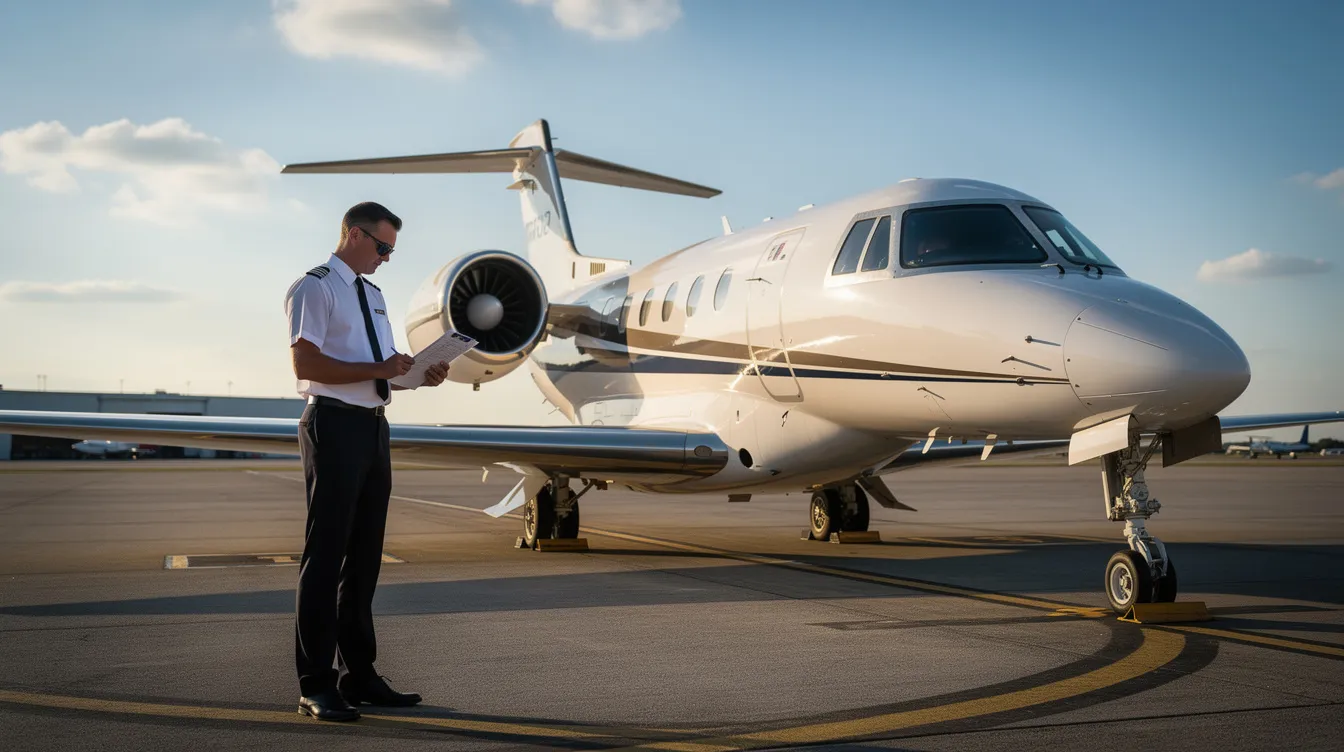
If you fly often enough to feel frustrated by commercial airlines but not enough to justify buying a jet outright, a private jet lease may be the sweet spot. It gives you reliable access to private aviation without millions in upfront capital—and the in-flight experience stays just as safe and comfortable.
What Is a Private Jet Lease and Who Is It For?
A private jet lease is a contract spanning several months or years that guarantees you access to a particular aircraft or fleet without the need to purchase it outright. Unlike a one-off charter (pay per trip) or outright ownership (buy the plane), leasing sits in the middle. Private jet leasing avoids substantial upfront costs while delivering consistency that charter cannot match.
Leases typically last 24–60 months with fixed payments, and leasing requires 50–100+ flight hours annually to make financial sense. Here is who benefits most:
-
Executives and business travelers flying 150–400 hours per year on predictable routes
-
An individual person who wants more control and comfort in travel, including ultra-high-net-worth families with regular patterns like New York–Miami or London–Geneva
-
Sports teams, touring artists, and production crews with intensive seasonal travel needs
-
Organizations that want a private jet leasing solution without building a full flight department; contact a provider to explore options
Key terms to know early: a lease agreement is the binding contract. A wet lease bundles crew, maintenance, and insurance with the aircraft. A dry lease provides only the aircraft. Guaranteed access means the operator promises availability, usually with 24–72 hours' notice.
For nervous flyers: the lease changes how you pay for and access the plane. It does not change safety standards, pilot training, or how the aircraft is flown. Those are governed by aviation authorities regardless of financial structure.
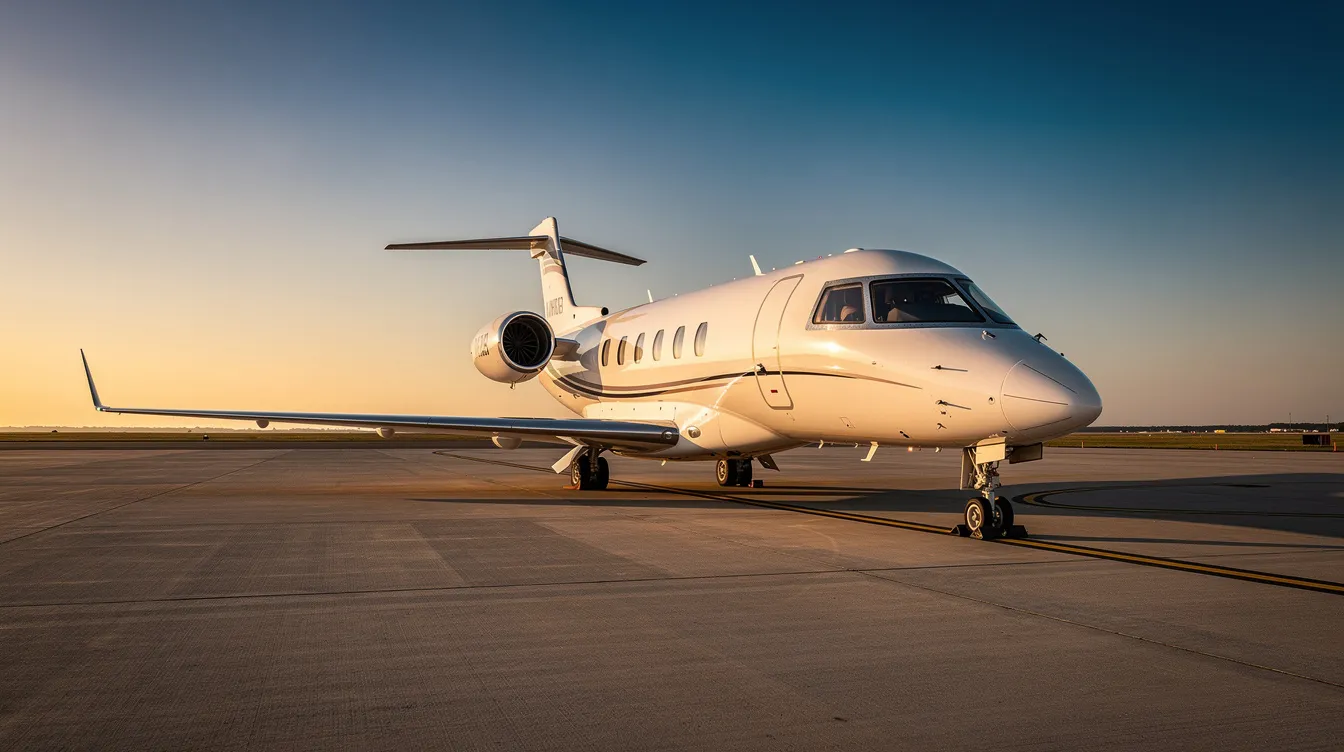
Private Jet Lease vs. Outright Ownership vs. On-Demand Charter
Choosing between charter, a private plane lease, and ownership depends on how often you fly and how much control you want. Aircraft financing alternatives may include leasing, fractional ownership, and chartering, depending on usage needs.
-
Outright ownership means buying a private plane, which involves a massive upfront investment ranging from hundreds of thousands to tens of millions. Buying provides maximum control over flight schedules and customization of the aircraft. Purchasing gives you access with zero scheduling conflicts and the freedom to customize it. Ownership allows for long-term equity building in the asset and potential appreciation value. Owning a private aircraft can yield significant tax deductions depending on business usage and tax codes, including potential depreciation for business-use assets. But you shoulder crew, maintenance, hangar, and depreciation risk.
-
A private jet lease is the flexible alternative: it avoids the large initial capital outlay of ownership, offers predictable costs, and provides access to a fleet—but typically no equity in the aircraft.
-
On-demand charter offers flexibility without long-term commitments. It works well for travelers flying under 150 hours per year or on irregular routes. You can compare these options in more detail in our jet card vs charter vs fractional guide.
A simple example: a business flying 60 hours per year likely saves with charter. One flying 300 hours per year gains efficiency through a long term commitment like a lease or even ownership.
Whichever structure you choose, pilots follow the same strict training and safety regulations. The difference is behind the scenes—not in the cabin.
How Private Jet Leases Work in Practice
Steps to Secure a Private Jet Lease
Getting into a private jet lease follows a clear path from inquiry to first flight:
-
You start with a needs assessment: routes, annual flight hours, cabin size, passenger count, and peak-period usage
-
The lessor proposes a specific aircraft type, pricing, and contract structure (wet or dry lease)
-
The lease agreement becomes legally binding once signed, specifying hourly rates, minimum hours, notice periods, and cancellation rules
-
Operational and regulatory compliance is crucial for successful aircraft leasing and ownership transactions—the operator handles FAA/EASA standards in a wet lease
Most jet leases are multi-year contracts with a contracted block of hours (50, 100, or 200+ per year). Leases come with stringent contract terms including limits on flight hours and return-condition standards. Private jet leasing can include guaranteed aircraft availability, typically requiring just 24–72 hours' notice, with peak-day exceptions.
Some programs offer interchange across cabin classes—light jet for short hops, large cabin for transcontinental flights—giving lessees the ability to match the aircraft to the mission. Leasing allows access to a variety of aircraft models, and at the end of a lease term, lessees can upgrade to newer models or adjust aircraft size based on operational needs rather than settling for a one-size-fits-all option.
Operation of a private aircraft includes responsibilities for maintenance, insurance, and regulatory compliance. In a wet lease, the operator manages all of this, giving anxious travelers one less thing to worry about.
Wet Lease vs. Dry Lease: Which Type of Jet Lease Fits You?
The terms "wet lease" and "dry lease" sound technical, but they answer one simple question: who runs the operation?
A wet lease means the lessor provides everything. Wet leases include aircraft, crew, maintenance, and insurance—often called ACMI. You show up, fly, and pay your hourly rate or monthly fee. You do not need to hire pilots or manage operational responsibility.
A dry lease means the lessee only gets the aircraft itself. Dry leases provide only the aircraft, and the lessee manages operations—crew hiring, insurance, maintenance, and regulatory certificates. This suits corporations with existing flight departments.
-
For most private individuals and family offices, a wet lease is practical and stress-free
-
For companies with in-house aviation teams, a dry lease can deliver low hourly rates by managing costs directly
-
In a wet lease, the operating carrier handles all safety compliance
-
In a dry lease, the lessee must ensure all operations meet legal standards
Advisory firms like Holstein Aviation help many clients compare dry lease, wet lease, charter, and outright ownership options to find the right fit for their mission profiles.
Key Terms in a Private Jet Lease Agreement
Important Lease Agreement Clauses
Before signing any jet lease program contract, understand these key clauses. Think of this as your checklist:
-
Lease duration: typically 24, 36, or 60 months. Early termination often carries penalties. Some providers offer short-notice exit options at specific milestones
-
Contracted flight hours: leases often require 50 to 100+ flight hours annually. Fly fewer and your cost per hour rises. Fly more, and overage charges for exceeding contracted hours can be $4,000–$10,000 per hour
-
Unused hours: some contracts allow rollover into the next year; others forfeit them entirely
-
Pricing elements: fixed hourly rate, monthly management fee, fuel surcharges, and add-ons like de-icing, Wi-Fi, and crew overnight costs
-
Booking notice: 24–72 hours to schedule a flight, with peak-day restrictions and guaranteed access conditions
-
Privacy: clarify who sees your passenger lists and flight records-this matters for personal security and peace of mind
-
Substitutions and disputes: what happens if your aircraft is down for maintenance? Is a comparable replacement guaranteed? How are disagreements resolved?
Leasing offers flexibility without the long-term commitment of ownership, but the contract still demands careful reading.
Costs, Hourly Rates, and Budget Planning for Jet Leases
Typical Lease Costs and Payment Structures
Private jets are expensive, but understanding the cost structure removes mystery and helps you compare market rates confidently.
-
Annual lease costs start around $200,000–$250,000 for light jets. Monthly rates for light jets range from $75,000 to $150,000
-
Large cabin aircraft leases can exceed $1 million annually. Overall, leasing can cost $200,000–$1 million annually depending on aircraft
-
Short-term leases (3 to 11 months for seasonal needs) generally have higher average hourly rates than long-term leases, which typically span 24 to 60 months
-
Leasing suits travelers flying 200–400 hours yearly-leasing provides predictable payments for high-usage travelers
-
Leasing reduces residual-value risk by allowing access to aircraft without ownership burdens, making it attractive for operators who need costly equipment for shorter ownership horizons
To calculate your effective hourly rate, add all fixed costs (lease payments, management fees) and divide by contracted hours. Fly fewer hours than your minimum and the per-hour cost climbs sharply. Compare this to on-demand charter over a full year to see where the cost-effective threshold falls for your travel plans.
Aircraft Options Commonly Used in Private Jet Leases
Common Aircraft Types in Jet Leases
Different travel needs call for different aircraft types. Leases are often tailored by category to match your range, space, and destination requirements, with some programs offering unmatched access to different aircraft categories for different mission profiles:
-
Pilatus PC-12: turboprop, 6–9 seats, ~1,500 nm range. Ideal for short regional flights and smaller airports
-
Cessna Citation CJ3+ / XLS+: light to midsize, 7–9 seats, ~1,800–2,100 nm range. Great for routes like New York–Miami or Chicago–Dallas
-
Hawker Beechcraft 800XP: midsize, 8–9 seats, ~2,500 nm range. Popular for transcontinental business travel
-
Bombardier Challenger 605: super-midsize to large cabin, 10–12 seats, ~4,000 nm range. Suits coast-to-coast or transatlantic flights
-
Dassault Falcon 7X / 900: large cabin, long-range heavy jets for intercontinental missions like London–Dubai and other destinations around the world
Some fleet programs allow interchange-swap a turboprop for a heavy jet depending on your mission. Modern avionics on these aircraft, including active winglets and advanced noise insulation, contribute to a smoother, quieter ride. For nervous flyers exploring what to buy or lease, newer cabin technology meaningfully reduces turbulence sensation and engine noise.
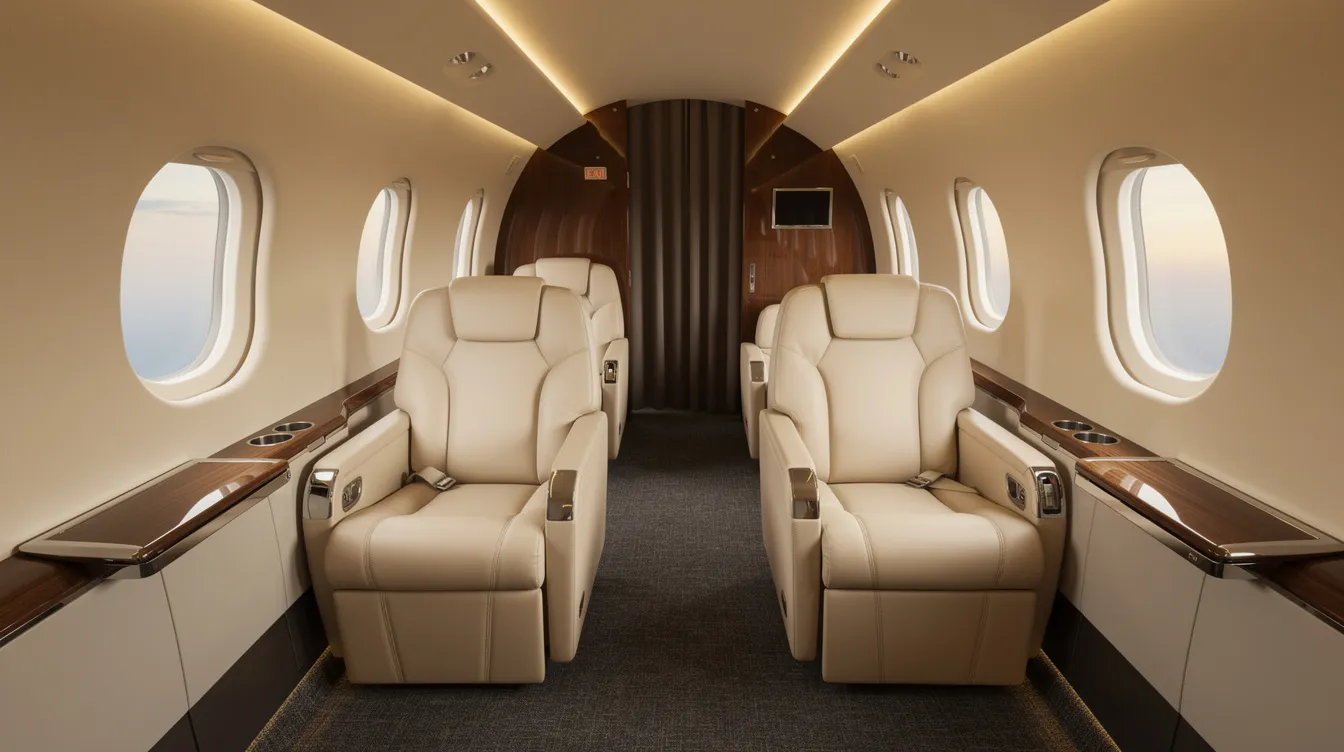
Psychological Comfort, Flight Experience, and SkyGuru's Role
Reducing Flight Anxiety for Private Jet Travelers
Many people exploring a private jet lease still feel nervous about flying itself. Turbulence, unusual noises during takeoff, and the stronger feeling of acceleration in smaller cabins can trigger anxiety—even in a beautifully appointed private jet.
Here is what helps: understanding reduces fear. When passengers know what each phase of flight should feel and sound like, their nervous system is less likely to interpret normal sensations as danger, and resources like the SkyGuru fear of flying blog can reinforce that understanding between trips.
-
Communication of real-time flight information can improve passengers' mental wellness and comfort levels during flights
-
Turbulence forecasting and aviation weather updates can beneficially inform and reduce anxiety for nervous fliers, and many anxious travelers use apps that help overcome fear of flying as part of their coping toolkit
-
Regardless of whether you fly via charter, lease, or ownership, aircraft follow the same strict safety regulations
SkyGuru acts as a calming, expert companion-explaining in real time what is happening during your flight: turbulence forecasts, weather conditions, flight stages, and why the plane just made that sound. Many travelers find reassurance using flight apps like SkyGuru alongside their private jet lease, especially on routes known for turbulence.
Common Questions About Private Jet Leases
Here are common questions that come up when people compare jet leases with charter and ownership:
-
Are private jet leases always cheaper than charter? Not always. Leasing becomes cost-effective when you fly 150–300+ hours per year on consistent routes. Below that threshold, charter or a jet card may serve you better.
-
How far in advance do I need to book? Most lease programs require 24–72 hours' notice, with longer lead times on peak travel days and holidays.
-
Can I change aircraft types or cabin classes? Some private jet companies offer fleet interchange, letting you swap between cabin classes depending on passenger count and demand.
-
Can I sublease my jet or charter it out? Most wet leases do not allow casual subleasing without proper certification and regulatory approval.
-
Is leasing safer than charter? Safety is not determined by the financial structure. It depends entirely on the operator's standards, certifications, and the efficiency of their maintenance programs. Both must meet FAA or EASA requirements.
Evaluate your annual hours, your most common routes, and your comfort level in the air. A well-structured private jet lease paired with real-time flight tools like SkyGuru can transform private jet travel from uncertain to predictable—and make the transition smoother after you land.
Conclusion: Why a Private Jet Lease Could Be Right for You
Leasing a private jet offers a balanced path between the freedom of ownership and the flexibility of chartering. It provides predictable costs, reliable access, and the ability to gain access to a variety of aircraft models without the heavy upfront investment of buying a plane. This option suits travelers who fly frequently—typically 150 to 400 hours annually—and value comfort, control, and consistency.
For nervous flyers, understanding the lease structure alongside tools like SkyGuru can reduce anxiety by explaining flight sensations and turbulence in real time. Whether you choose a wet lease for a stress-free experience or a dry lease to manage your own operations, leasing private jets gives you a tailored travel solution that fits your schedule and lifestyle.
Ultimately, a private jet lease combines the best of predictability, luxury, and operational ease, helping you fly with confidence and peace of mind. Exploring lease options with expert advisors and supplementing your journey with real-time flight insights can transform your private aviation experience into one of calm and control. Learn more about turbulence explained, fear of flying, flight sensations explained, nervous flyer tips, and in-flight anxiety to enhance your flying comfort.
FLEET SELECTION
JET CARDS
COST ANALYSIS


How to Auditing Your Operator's Maintenance Logs
Oct 05, 2025

How to Auditing Your Operator's Maintenance Logs
Oct 05, 2025

How to Auditing Your Operator's Maintenance Logs
Oct 05, 2025
Sky Guru Weekly
The smartest private aviation intelligence in your inbox.
.svg)

