



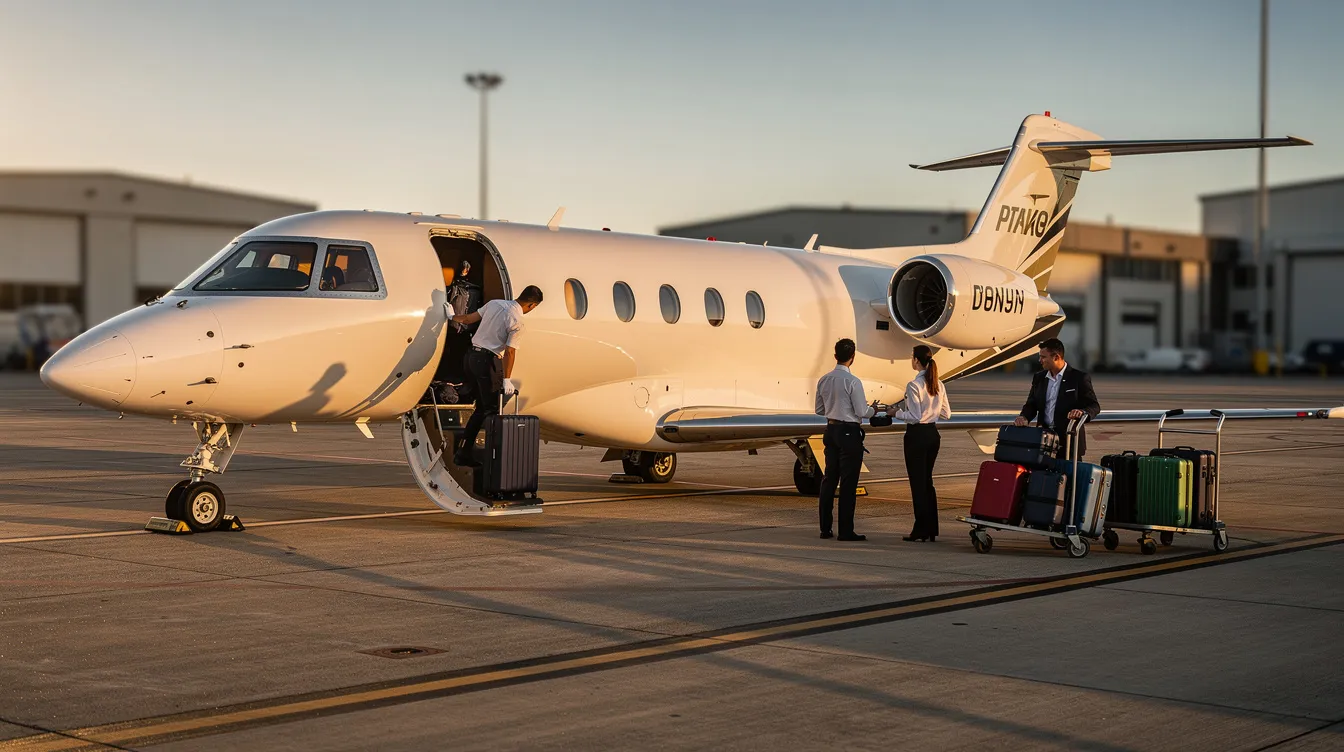
Private jet luggage allowance is not unlimited, but private jet flights offer unparalleled luxury and tailored solutions that set them apart from commercial flights. These flights provide a personalized, hassle-free experience, with services designed to meet your unique needs. How much luggage you can take on a private jet depends on aircraft size, passenger count, and safety limits that must be respected on every flight. Unlike commercial flights, most private jet flights don’t charge per bag, but operators can refuse baggage if weight or space limits are exceeded.
Private planes offer flexibility and fewer restrictions compared to commercial airlines, but understanding your luggage requirements is essential for a seamless journey. Knowing the luggage capacity and allowances for your chosen aircraft helps you plan efficiently and avoid surprises.
Tailored solutions are available to meet individual luggage requirements, ensuring a stress-free and luxurious private jet flight. For nervous flyers, tools like the SkyGuru app help you feel more in control of your private flight by explaining what’s happening in real time.
Weight vs Space Limits
Private jet baggage capacity is limited by both weight and physical space. Both constraints must be respected on every flight, regardless of how empty the cabin looks.
Maximum takeoff weight (MTOW) is the total limit that includes passengers, fuel, crew, and all luggage on the private aircraft. Every pound counts toward this number, which is set by the manufacturer and enforced by pilots for safety.
While there usually isn’t a fixed per-bag fee, operators provide indicative guidelines. Weight restrictions on private jets are estimated to be around 50 pounds per bag. Most travelers can expect to bring one to two standard bags each, weighing roughly 44-50 lbs. A general rule is that each passenger is typically allowed at least one suitcase and one carry-on, but this varies depending on how many passengers are on board and the aircraft type.
If passengers bring much more luggage than planned, the pilot may need to reduce fuel load or add a fuel stop. This is why confirming your bags in advance matters.
The luggage capacity for a private jet is generally calculated as a volume of cubic feet, equating to at least one suitcase and one carry-on item per passenger, depending on the aircraft type and number of passengers. The total luggage allowance is directly affected by how many passengers are flying, as more passengers mean less available space per person. Space limits depend on the baggage compartment shape. Soft-sided bags are preferred for private jet travel as they fit more easily into irregularly shaped storage compartments, while hard-shell suitcases may be restricted on smaller jets due to limited space.
On many light jets and very light jets, there are no overhead bins. Most bags go into small external holds that fill quickly. For example:
-
Full light jet (6 passengers): Each person gets one medium suitcase plus a small cabin bag
-
Same jet with 3 passengers: Each person can bring two to three bags
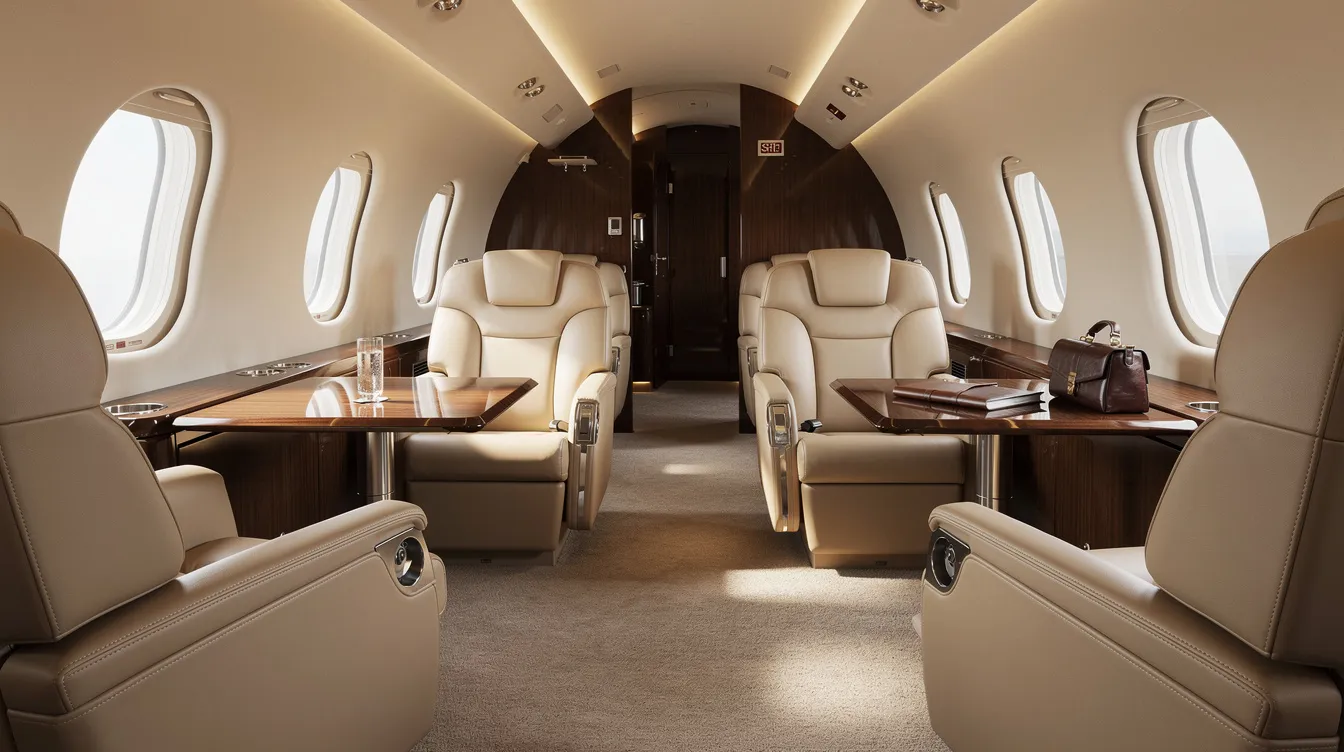
Private jets usually have dedicated luggage compartments that can be either externally accessible or integrated into the cabin, with larger jets allowing mid-flight access to luggage. Proper weight distribution matters for safety. Heavy items go in specific compartments, and passengers cannot stack luggage anywhere in the cabin.
Anxious flyers often worry when the crew moves bags for balance. An app like SkyGuru with real-time flight explanations can explain these safety procedures in real time, keeping you calm.
Aircraft Type Impact
Aircraft size is the biggest factor in determining how much luggage a private jet can carry. Not all private light jets are created equal—different aircraft models offer varying luggage capacities and storage options. Always confirm the exact model before assuming storage space is available, as understanding your luggage requirements helps in selecting the right aircraft model for your needs.
Different aircraft categories offer varying luggage space:
Light Jets and Very Light Jets
Light jets, including a subset known as very light jets (VLJs) such as the Citation Mustang and Embraer Phenom 100, typically accommodate between 500 and 1,000 pounds of luggage, which is shared among all passengers, making efficient packing essential for larger groups. Expect 40-85 cubic feet of luggage space. Very light jets are especially suitable for short trips with limited baggage needs due to their compact design and optimized storage.
Common examples include:
-
Embraer Phenom 300: 85 cubic feet, nose baggage area limits rigid cases over 30 inches
-
Cessna Citation CJ3: Approximately 100 cubic feet, accommodates larger items
-
Citation Mustang: 63 cubic feet, soft bags recommended
-
HondaJet: 66 cubic feet total, tail cone awkward for wide items
With smaller aircraft, external compartments in the nose or tail can limit hard suitcase sizes.
Midsize and Super Midsize Jets
These aircraft offer 70-150 cubic feet of storage, suitable for six to eight passengers with more generous baggage capacity. The Cessna Citation XLS provides around 90 cubic feet, while the Citation Sovereign offers approximately 135 cubic feet of baggage space, making it excellent for longer private flights with more space for luggage; flight planners often consider specialized turbulence and weather data APIs alongside aircraft performance when scheduling such trips.
Large Jets and Ultra Long Range Jets
Large jets and ultra-long-range jets can offer 180-200+ cubic feet of luggage space. Some larger private jets feature pressurized, internally accessible baggage compartments, perfect for long-haul trips. Larger private jets offer more luggage flexibility, often allowing 2 or more bags per person.
Heavy jets like the Gulfstream G650 and Bombardier Global 5000 easily handle many large bags and bulky items.
VIP Airliners
Aircraft like the BBJ or Embraer Lineage represent the end, with luggage capacity reaching several hundred cubic feet (50-80+ suitcases). These are niche charter options representing less than 5% of private aviation flights.
The key relationship: Fewer passengers on the same aircraft means higher baggage allowance per traveler. Small aircraft size equals tighter limits. Larger aircraft mean more flexibility and easier carriage of oversized luggage.
Special Items (Golf Bags, Skis)
Sports equipment and oversized items are common on private flights but require extra planning, especially on light jets with tight spaces and small baggage doors.
Golf Clubs
Midsize and large jets can accommodate oversized items like skis and golf clubs easily. Many midsize jets fit four to six standard golf bags without issue. Very light and light jets may only fit golf bags diagonally or require head removal and soft covers.
Specialty items like golf clubs, skis, and musical instruments generally require disclosure ahead of time to ensure they fit through the cargo door and in the hold. Tell your operator exactly how many sets you’re bringing and whether they’re in soft or hard cases.
Skis and Snowboards
Long, narrow items need long compartments or cabin-accessible storage. Some light jets specifically advertise ski-friendly baggage holds. The Citation CJ3 tail can fit several pairs when properly positioned.
Other Special Items
-
Surfboards: May require cabin placement on smaller jets
-
Bikes: Disassembled, generally fit midsize jets and larger
-
Musical equipment: Fragile items may need a dedicated seat
-
Pet carriers: Count toward total baggage capacity
-
Strollers: Treated as regular luggage
Heavy or fragile items may need special handling and extra padding. Hazardous materials such as explosives and certain chemicals are universally prohibited by the AA and international safety standards. Dangerous goods must always be declared.
Sending excess luggage by courier keeps the private jet within safe limits while passengers travel together. Careful planning with the charter team almost always solves luggage challenges, and professional operators may also rely on detailed turbulence and route data APIs when planning flights.
For anxious travelers, knowing how special items will be stored reduces worry. The SkyGuru fear-of-flying blog provides real-time explanations and guidance related to your flight.
Carry-On vs Checked on a Private Jet
Private jet luggage isn’t “checked” like airlines, but thinking in terms of cabin bags versus stored baggage still helps.
Cabin bags include small backpacks, laptop bags, purses, and compact soft-sided bags that sit at your feet or in small side cupboards. Many private jets, especially smaller jets, lack traditional overhead bins. A commercial-style carry-on may still go in the storage compartment.
Stored baggage means bags placed in internal compartments or external holds before takeoff, loaded by the flight crew after a brief security check.
Keep these items in your cabin bag:
-
Medications
-
Documents and valuables
-
Electronics
-
Calming aids for nervous flyers
Boarding is quick. You’ll see your bags loaded directly, which feels reassuring compared to airline baggage belts. For people with flying anxiety, understanding the luggage process lowers uncertainty. Media-reviewed SkyGuru guidance can walk you through each phase in real time.
Practical Packing Tips for Private Flights
Maximize limited luggage capacity with these strategies:
-
Opt for soft-sided bags: Soft-sided luggage is ideal for private jet travel as it easily conforms to the irregular shapes of storage compartments, unlike hard-shell suitcases, which may not fit as well.
-
Use packing cubes: Using packing cubes can help organize belongings and optimize space in your luggage, allowing you to pack more efficiently.
-
Roll your clothes: Rolling clothes instead of folding them saves space and helps reduce wrinkles, making it a smart packing strategy for private jet travel.
-
Wear heavy items: Boots and jackets onboard free up baggage space
-
Share among the group: One toiletry bag for four passengers saves room
-
Declare special items early: Discuss unusual gear with your operator several days before departure
-
Photograph valuables: For insurance purposes, especially on international flights
International flights require adherence to the destination country’s customs and agricultural laws regarding food, plants, and alcohol quantities.
Calm packing combined with using an app that helps with fear of flying, ng helps anxious flyers feel more prepared.
How to Confirm Your Private Jet Luggage Allowance
Every private flight is unique. The only definitive answer to how much luggage you can take comes from your specific charter operator.
Share these details when booking:
-
Number of travelers
-
Exact dates and route
-
Estimated number of bags
-
Approximate weights
-
Dimensions of oversized or sports items
With this information, operators can determine luggage capacity and recommend a different aircraft size if needed. They’ll often confirm limits in practical terms: “8 large suitcases plus 4 golf bags” rather than technical cubic feet numbers.
Ask specifically:
-
Is baggage accessible during the flight?
-
Do any items need cabin placement?
-
What are the weight limits per bag?
Get luggage rules in writing so everyone packs to the same expectations.
For nervous flyers uncertain about procedures, download SkyGuru for real-time in‑flight information, enter your flight details, and get real-time explanations about what’s happening during your seamless journey.
With the right aircraft size, realistic expectations about private jet luggage allowance, and clear communication before departure, most travelers bring everything they need for a stress-free experience.
Frequently Asked Questions About Private Jet Luggage Allowance
How much luggage can I take on a private jet?
The amount of luggage depends on the aircraft type, number of passengers, and weight limits. Typically, passengers can bring one to two bags weighing around 44-50 pounds each. Larger jets allow more bags and extra space.
Are there weight restrictions on private jet luggage?
Yes, private jets have strict weight limits based on the aircraft’s maximum takeoff weight (MTOW). Each bag usually should not exceed about 50 pounds, but the total luggage weight is balanced with the passengers and fuel for safety.
Can I bring special items like golf clubs or skis?
Yes, midsize and large jets often accommodate oversized items like golf bags and skis. It's important to disclose these items ahead of time so the operator can ensure proper storage.
Are soft-sided bags better for private jet travel?
Soft-sided luggage is preferred because it fits more easily into irregularly shaped cabin storage and external compartments, especially on smaller jets where space is limited.
Can I access my luggage during the flight?
On larger private jets with internal baggage compartments, you can access your luggage mid-flight. Smaller jets usually have external compartments accessible only before takeoff and after landing.
How does the number of passengers affect luggage allowance?
Fewer passengers generally mean more luggage space per traveler. The total luggage capacity is shared, so with fewer people onboard, you can bring more bags or larger items.
Are pets counted as luggage?
Pet carriers count toward your total luggage allowance. Private jets are pet-friendly, but it’s important to inform the operator to accommodate your furry companion properly.
What should I pack in my cabin bag?
Keep essentials like medications, documents, electronics, and calming aids for nervous flyers in your cabin bag, as these items stay with you in the cabin during the flight.
Can I ship extra luggage separately?
Yes, many private jet operators offer concierge services to ship additional or oversized luggage separately, helping you stay within aircraft limits while traveling comfortably.
How do I confirm my luggage allowance before the flight?
Always communicate your luggage details—number, size, weight, and special items—to your charter operator when booking. They will confirm your allowance and recommend the right aircraft for your needs.
Conclusion
Understanding private jet luggage allowance is key to a smooth and enjoyable flight experience. While private jets offer more flexibility than commercial airlines, weight and space limits still apply and vary based on aircraft type and passenger count. Planning by communicating your luggage needs and special items with your operator ensures you select the right aircraft and avoid surprises. Using smart packing strategies like soft-sided bags, packing cubes, and rolling clothes can maximize your luggage capacity. For nervous flyers, tools like the media-acclaimed SkyGuru app provide real-time insights that ease anxiety about luggage handling and flight procedures. With the right preparation and clear expectations, your private jet journey will be seamless, comfortable, and tailored perfectly to your travel needs.
FLEET SELECTION
JET CARDS
COST ANALYSIS


How to Auditing Your Operator's Maintenance Logs
Oct 05, 2025

How to Auditing Your Operator's Maintenance Logs
Oct 05, 2025

How to Auditing Your Operator's Maintenance Logs
Oct 05, 2025
Sky Guru Weekly
The smartest private aviation intelligence in your inbox.
.svg)

