



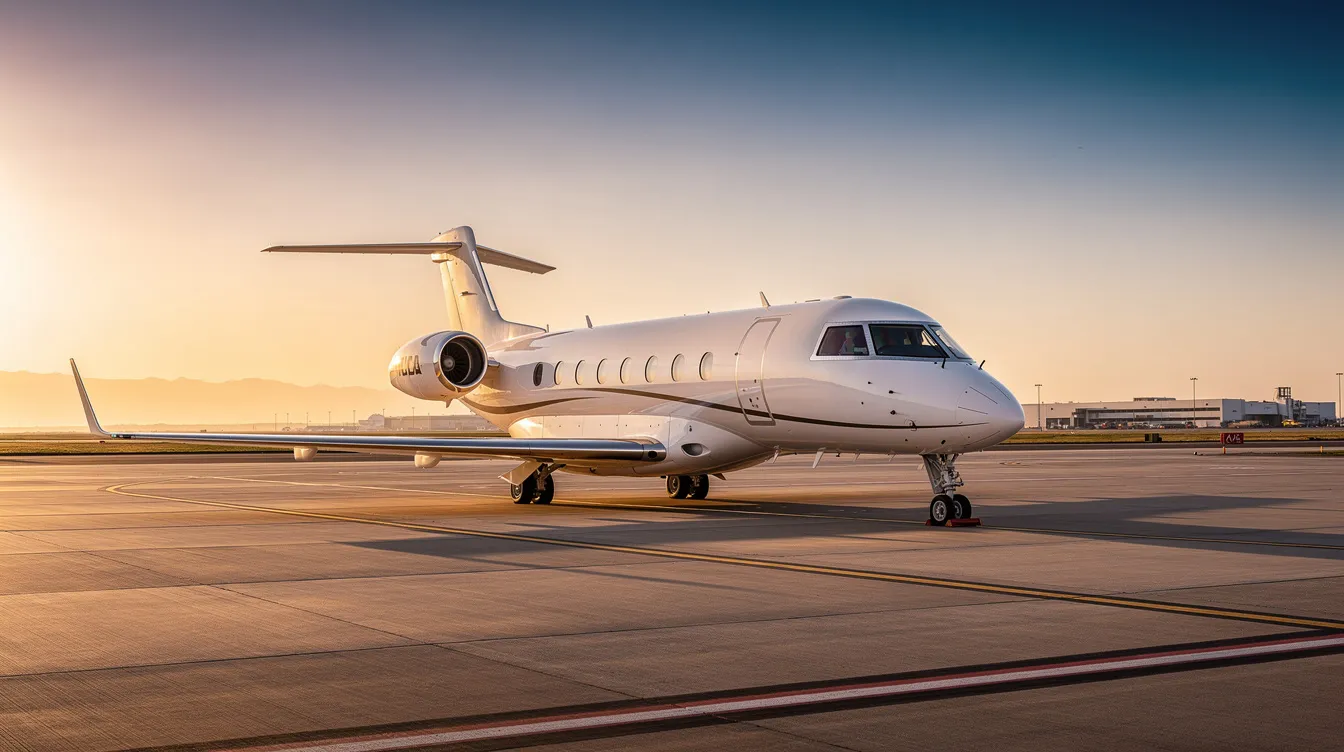
Introduction: Private Jet Lease Cost Explained for Real Travelers
If you've ever searched for private jet lease cost and felt overwhelmed by vague numbers and confusing contract language, you're not alone. The private jet cost conversation is filled with ballpark figures that rarely tell the full story. This guide is here to change that.
Leasing a private jet means securing predictable aircraft access over months or years—typically through a fixed monthly lease payment tied to a specific aircraft or aircraft category. But that monthly number is just the starting point. In 2026, base lease payments for light jets start around $80,000 to $160,000 per month, while large and ultra-long-range jets can run $400,000 to well over $1,000,000 per month before operating expenses like fuel, crew, and airport fees.
Leasing a private jet involves various cost components, and costs are generally divided into upfront commitments and ongoing expenses. That can sound intimidating—but here's the reassuring part: many travelers compare leasing with chartering before deciding whether to seek long-term access and own plane availability or stay flexible. For most individuals and families, on-demand charter or jet cards remain more cost effective.
This guide breaks down costs by aircraft category, explains key fees (fuel, crew salaries, federal excise tax, landing fees), and helps you determine when leasing actually makes financial sense. We'll also touch on something that matters just as much as money: your comfort in the air. Whether you use a private jet service or take a commercial flight, an app that helps nervous flyers manage their fear of flying, like SkyGuru—a real-time in-flight companion app-helps nervous flyers understand what they feel and hear onboard, turning uncertainty into calm.
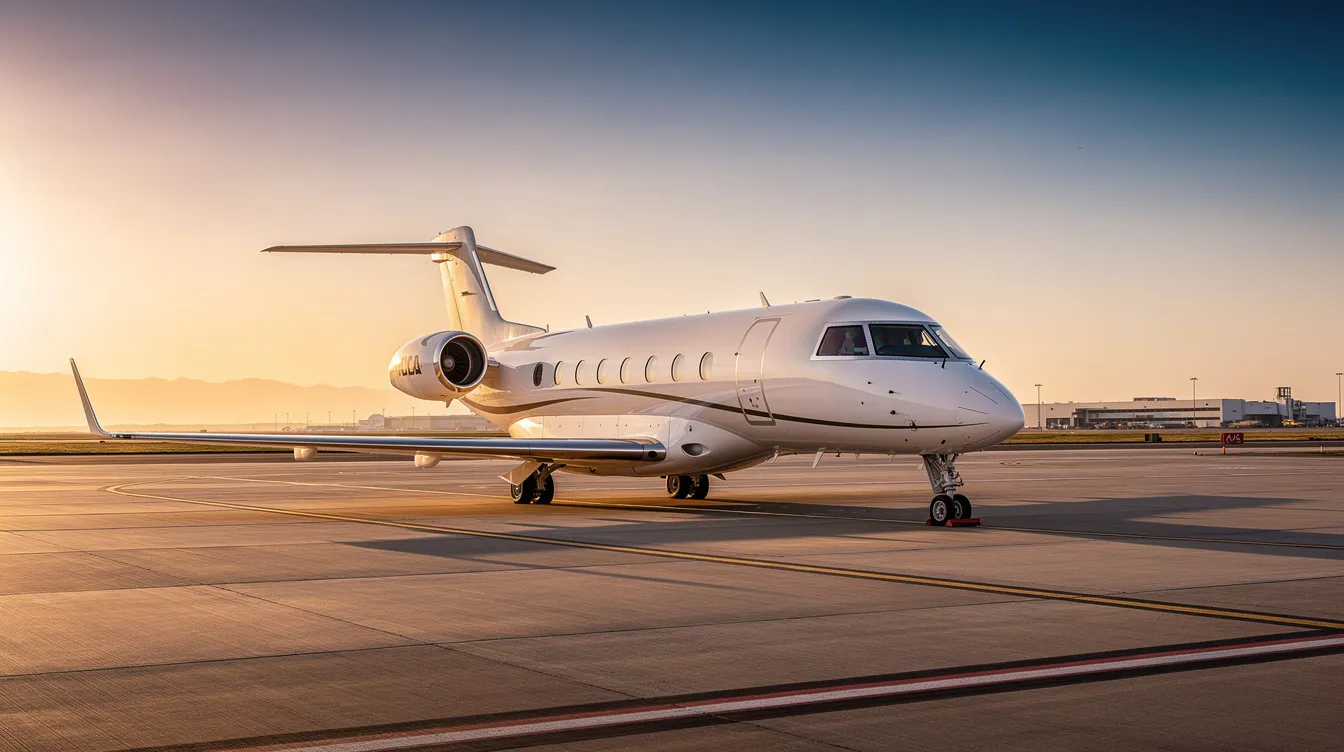
Key Takeaways: What a Private Jet Lease Really Costs in 2026
-
Base annual lease cost in 2026 ranges from roughly $1 million to $2 million per year for many light and midsize jet leases, and can reach several million per year for large and ultra-long-range jets.
-
Monthly base lease payments vary by aircraft category: very light jets and turboprop aircraft from approximately $55,000–$110,000/month; light jets $80,000–$160,000; midsize and super midsize jets $160,000–$400,000+; large cabin aircraft and ultra long range jets $400,000–$1,000,000+.
-
Total "all-in" cost-including fuel, crew, maintenance, and airport fees—often runs 30–60% higher than the base lease payment alone. Leasing costs can increase by 30–60% once you add operational expenses.
-
Leasing starts to make financial sense at roughly 300–500 annual flight hours with predictable, repeated routes.
-
For most individuals flying fewer than about 150–200 flight hours per year, a charter flight or jet cards offer more flexibility and lower overall private jet cost.
-
Right-sizing your jet-choosing the correct aircraft category for your actual missions—can save thousands per hour over the life of a lease.
-
Cost is only one factor. Comfort with flying, understanding turbulence, and managing travel anxiety also matter. Tools like SkyGuru can help explain what's happening during every phase of flight.
How Private Jet Leasing Works (and How It Differs from Chartering)
Private jet leasing is a multi-month or multi-year contract that grants you access to a specific private aircraft—or a specific aircraft category—for a set number of hours per year. Think of it like a long-term rental agreement rather than a one-time booking. Some travelers compare leasing with ways to own plane access without taking on full ownership.
Here's how leasing compares to a private jet charter:
-
Leasing: Fixed monthly payments, contracted annual hours, and more responsibility for operational costs. You commit to a longer relationship with the aircraft.
-
Chartering: Pay-per-trip private jet charter costs, and a private jet service typically bundles crew, maintenance, and insurance into one price. No long-term obligation.
Lease contracts typically span 12 to 60 months, with annual hour bands structured around your expected usage—50 to 100 hours for light use, 150 to 300 for moderate, and 300 to 500+ for high-usage business travel. Leasing arrangements often include minimum flight hour requirements, and costs may include fixed monthly payments and variable hourly charges.
Leases can be structured as a wet lease (the lessor provides aircraft, crew, maintenance, and insurance) or a dry lease (you receive only the aircraft). Each structure shifts who pays for what—and we'll cover that next.
For anxious flyers wondering about safety: leased private jets operate under the same strict FAA and EASA regulations as any other business aircraft. The payment model does not change the safety standards.
Types of Private Jet Leases and Their Cost Impact
Lease structure strongly affects private jet lease cost. The same aircraft can cost very different amounts depending on whether you choose a wet lease, dry lease, ACMI, or hybrid agreement-because each shifts who pays for crew, maintenance, insurance, and day-to-day operations.
Short-term "seasonal" leases (3–11 months, popular around the 2026 summer or ski seasons) carry higher monthly rates but lower long-term commitment. Longer terms of 36–60 months usually secure better monthly pricing but lock you in. Taxes and fees vary based on lease type and aircraft operation context.
Wet Lease: Turnkey Access at a Higher Monthly Price
A wet lease is the most hands-off option. The lessor provides the entire aircraft plus the flight crew, maintenance, and insurance. You pay a bundled monthly rate plus variable expenses like jet fuel and airport charges.
Wet leases are generally more expensive because the higher price reflects a more turnkey private jet service, not just the aircraft itself. Wet leases include aircraft, crew, maintenance, and insurance-which means the monthly bill is higher, but you avoid the complexity of hiring pilots, managing inspections, or coordinating insurance yourself.
Typical use cases in 2026 include corporations needing guaranteed lift, sports teams during full seasons, or operators covering temporary capacity during major events. Some wet leases include a set number of flight hours per month before overage fees kick in.
From a safety and comfort perspective, wet-leased aircraft follow the same stringent oversight as any professionally operated jet. The crew is experienced, the maintenance is current, and the regulations are identical.
Dry Lease: Lower Base Cost, Higher Operational Responsibility
A dry lease gives you only the aircraft. Dry leases provide only the aircraft, with operational responsibility on the lessee. You must arrange crew, maintenance, and insuranceyourself—often through a management company or your own corporate flight departments.
Base monthly payments are usually lower than wet leases. But total private jet cost can equal or exceed wet leasing once you add crew salaries, maintenance reserves, hangar fees, and insurance. Operational control distinguishes dry leases from wet leases: under a dry lease, you (or your management company) become the operator in the eyes of the regulator, with associated safety and compliance responsibilities.
Dry leases are common when corporations have their own flight department or work closely with an aircraft management firm. If you're a nervous or first-time private aviation user, the simplicity of wet leases or charter may feel more comfortable until you understand the operational side.
Hybrid and ACMI Structures
ACMI stands for Aircraft, Crew, Maintenance, Insurance. It's similar to a wet lease, but fuel, airport fees, and taxes remain your responsibility. Hybrid leases mix elements of wet and dry structures—sometimes the lessee provides crew while the lessor handles maintenance, or vice versa.
Misallocating responsibilities in complex hybrid deals can increase the effective private jet lease cost by 15–25% over several years. Before signing any hybrid or ACMI lease in 2026, it's wise to engage aviation-savvy legal and tax advisors who understand private jet leasing.
The key takeaway: each structure changes both the monthly bill and who handles day-to-day operations. Understanding these differences before you sign protects you from expensive surprises.
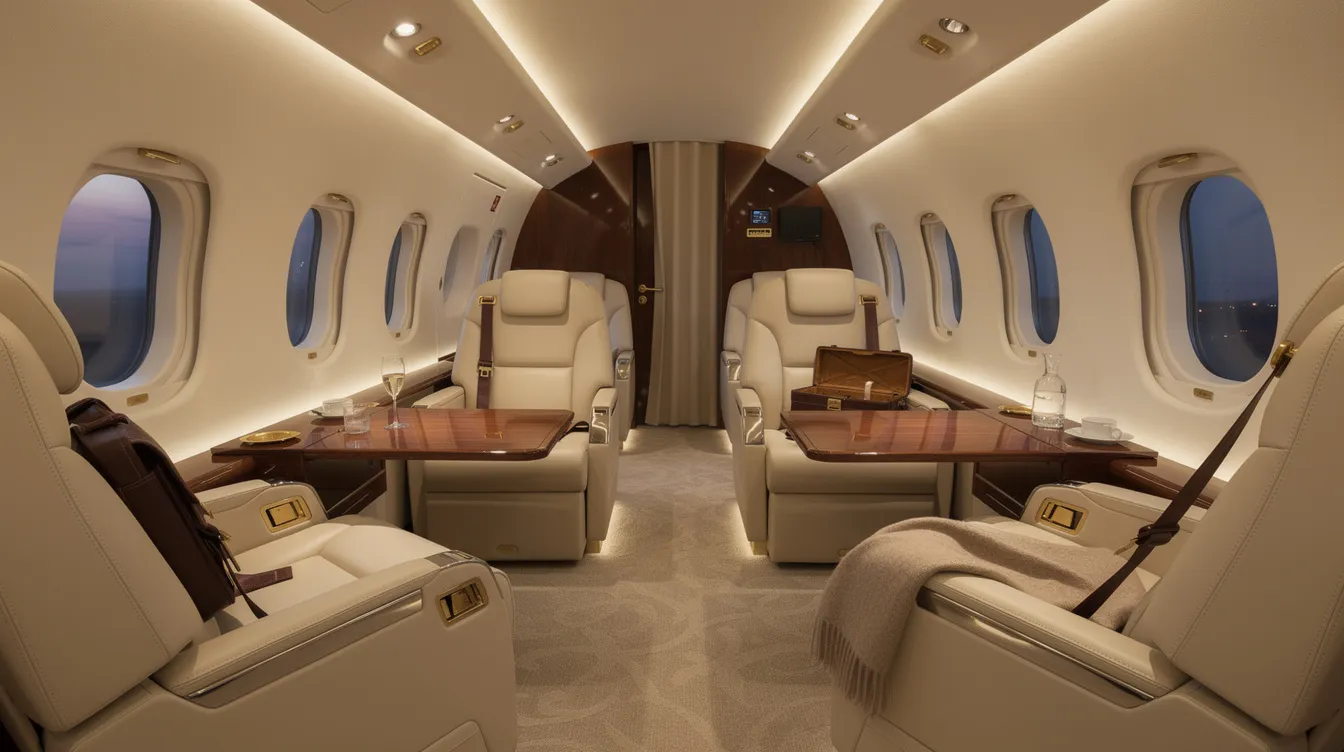
Key Cost Drivers in a Private Jet Lease
The lease sticker price is only part of the picture. Several factors determine what you'll actually pay, and understanding them helps you plan realistically rather than reactively.
Major cost drivers include:
-
Aircraft type and aircraft category (very light jets, light jets, midsize jets, super midsize jets, large cabin aircraft, ultra-long-range jets, turboprop aircraft)
-
Lease duration and contracted annual flight hours
-
Aircraft age and condition
-
Geographic base and typical operating regions
-
Additional services: monthly management fee, hangar, catering, Wi-Fi
Aircraft Category and Size
Aircraft size and category affect lease and operational cost more than almost any other factor. Bigger and longer-range jets cost more because of higher acquisition value, fuel burn, and maintenance complexity.
Here's a quick orientation:
-
Very light jets (e.g., Cirrus Vision Jet): short hops, 2–4 passengers
-
Light jets (e.g., Phenom 300, Citation CJ3+): 4–7 passengers on regional routes-most light jets handle flights up to about 3 hours comfortably
-
Midsize jets (e.g., Hawker 800XP, Citation XLS+): 7–9 passengers on longer domestic flights or regional segments
-
Large and ultra long range jets (e.g., Gulfstream G550, Global 6500): intercontinental flights with full cabin amenities
Each step up in category can add tens of thousands of dollars per month to the lease, even before variable costs. Choosing a larger aircraft than your missions require means paying for unused cabin space and ultra-long-range capability you rarely need.
Lease Duration and Contracted Flight Hours
Longer lease terms (36–60 months) usually secure better monthly pricing because the lessor can plan residual value more confidently. Shorter leases of 12–24 months cost more per month but offer flexibility. Longer lease terms can reduce monthly rates—sometimes meaningfully.
Contracted annual hours (e.g., 150, 300, or 500 hours per year) determine your effective hourly cost. Underusing a 300-hour block by 25–30% can waste hundreds of thousands of dollars in fixed payments over a year. On the flip side, flying beyond contracted hours often triggers overage charges at a premium—commonly 1.25× to 1.5× the base hourly rate.
Before signing, compare lease commitments with your realistic travel patterns—not optimistic guesses.
Aircraft Age, Condition, and Maintenance Programs
Newer jets (delivered between 2019–2025) command higher lease payments but are often more efficient aircraft, with better fuel efficiency and less exposure to major maintenance events, which can lower operating risk. Newer jets command a premium of $100 to $1,000 per hour compared to older models of the same type. Aircraft maintenance and inspections can significantly impact leasing costs—especially if a major C-check falls during your lease term.
Older jets may lease more cheaply month-to-month but can bring higher maintenance fees and more downtime. Depreciation and residual value risk exist in leasing agreements, which is why lessors price newer, better-maintained aircraft at a premium.
Many leases include hourly maintenance programs that stabilize costs but add to the monthly management fee or hourly rate. Before signing, review maintenance logs and upcoming inspections, and note that newer models may also better align with fuel burn and emissions expectations.
For anxious travelers: maintenance is carefully scheduled and regulated. Unexpected turbulence-like sensations almost always relate to weather, not mechanical issues.
Geography, Base Airport, and Positioning
Where you base the aircraft and where you usually fly will meaningfully change your private jet lease cost. Location of the aircraft affects leasing expenses due to repositioning costs.
Major business aviation hubs like Teterboro (New York), Van Nuys (Los Angeles), and London Luton have higher hangar, landing, and handling fees than smaller regional airports. Using secondary airports can lower landing and ramp fees significantly.
Positioning flights are a hidden drain. If your leased jet has to be flown empty to pick you up, fuel and crew time for those empty leg flights are still billed. Aircraft positioning can add $5,000 to $20,000 in costs per repositioning leg.
Consider basing the aircraft near your most frequent departure point. A traveler flying frequently between New York and Miami from a conveniently located base will spend far less on repositioning than someone based in a remote region with irregular trip patterns.
Typical Monthly Lease Costs by Aircraft Category (2026)
These are broad 2026 indicative ranges, meant to orient your thinking rather than replace a detailed quote. All figures refer to base lease payments only and exclude fuel, crew salaries, taxes, and most operating costs.
The monthly fixed lease payment typically reflects a percentage of the aircraft's value—usually around 0.8% to 1.5% of the hull value per month, according to industry benchmarks.
-
Turboprops and very light jets (e.g., King Air 350i, Pilatus PC-12 NGX): approximately $55,000–$110,000 per month
-
Light jets (e.g., Phenom 300, Citation CJ3+): approximately $80,000–$160,000 per month. Leasing a light jet costs $80,000 to $160,000 monthly.
-
Midsize and super midsize jets (e.g., Citation XLS+, Challenger 350, Gulfstream G280): approximately $160,000–$400,000+ per month
-
Large and ultra-long-range jets (e.g., Gulfstream G550/G700, Bombardier Global series): approximately $400,000–$1,000,000+ per month. Monthly lease for large jets can exceed $1 million.
For comparison, charter hourly rates for the same aircraft types range broadly: turboprops cost $2,300 to $3,500 per hour, light jets rent for $2,900 to $4,600 per hour, midsize jets cost $4,700 to $7,500 per hour, and large jets rent for $8,500 to $17,000 per hour. VIP airliners cost between $18,000 and $23,000 per hour. Overall, private jet rental costs range from $2,300 to $17,000 per hour depending on aircraft types.
Stepping up just one category can add $50,000–$200,000+ to your monthly budget. Choose based on your actual mission profile, not aspirational trips.
What Your Lease Payment Actually Covers (vs. What It Doesn't)
Understanding the difference between fixed and variable costs removes a major source of anxiety in private jet pricing. Think of your base lease payment as the fixed monthly fee for having access to the entire aircraft-like long-term rent.
Typically included in the base lease:
-
Right to use the aircraft for a specified number of flight hours
-
Sometimes standard insurance (especially in wet leases)
-
Sometimes certain maintenance reserves (varies by contract)
Usually not included:
-
Fuel and fuel surcharges
-
Federal excise tax and segment fees
-
Landing fees and handling charges
-
Flight crew overnight costs
-
De-icing, catering, Wi-Fi, ground transportation
-
Repositioning (ferry) legs
Fixed costs occur regardless of flight activity and include insurance and crew salaries (in wet leases) or management fees (in dry leases). Variable operational costs depend on usage, including fuel and maintenance. Variable costs are incurred directly during flight operations.
Leasing costs include initial security deposits—often 1 to 3 months of lease payments—and monthly management fees. Always request a clear written breakdown from the lessor showing which items are included and which will appear as extra line items. Similar to commercial flight tickets, taxes and regulatory fees can add a noticeable percentage to every trip.
Operating Costs on Top of the Lease: Fuel, Airports, and Crew
Operating costs can add hundreds or even thousands of dollars per flight hour depending on the aircraft category. These are the expenses that turn a base lease into an all-in budget.
Fuel and fuel surcharges Fuel costs are a significant variable expense in aircraft leasing. Light jets typically have direct operating costs around $1,900–$2,500 per flight hour. Larger aircraft burn considerably more. Fuel prices fluctuate with oil markets, and many operators pass along fuel surcharges as a separate line item.
Crew costs: Crew salaries and training are ongoing expenses. In dry leases, you pay crew directly or through a management company. Crew overnight costs add $200 to $600 per crew member per night when trips require overnight stays away from base. Crew overnight fees range from $200 to $600 per crew member.
Airport-related fees: Airport landing fees typically range from $100 to $1,500 per flight, varying based on the airport authority and the weight of the aircraft. Ramp and handling fees vary by location. Hangar fees at premium airports can run tens of thousands per month.
De-icing costs can vary from $1,500 to $15,000 depending on aircraft size-a meaningful unexpected cost during winter operations.
These operational costs apply whether you lease or charter. The difference is who manages and bundles them. In a lease, you see every line item. In a charter, they're typically wrapped into one per-hour rate.
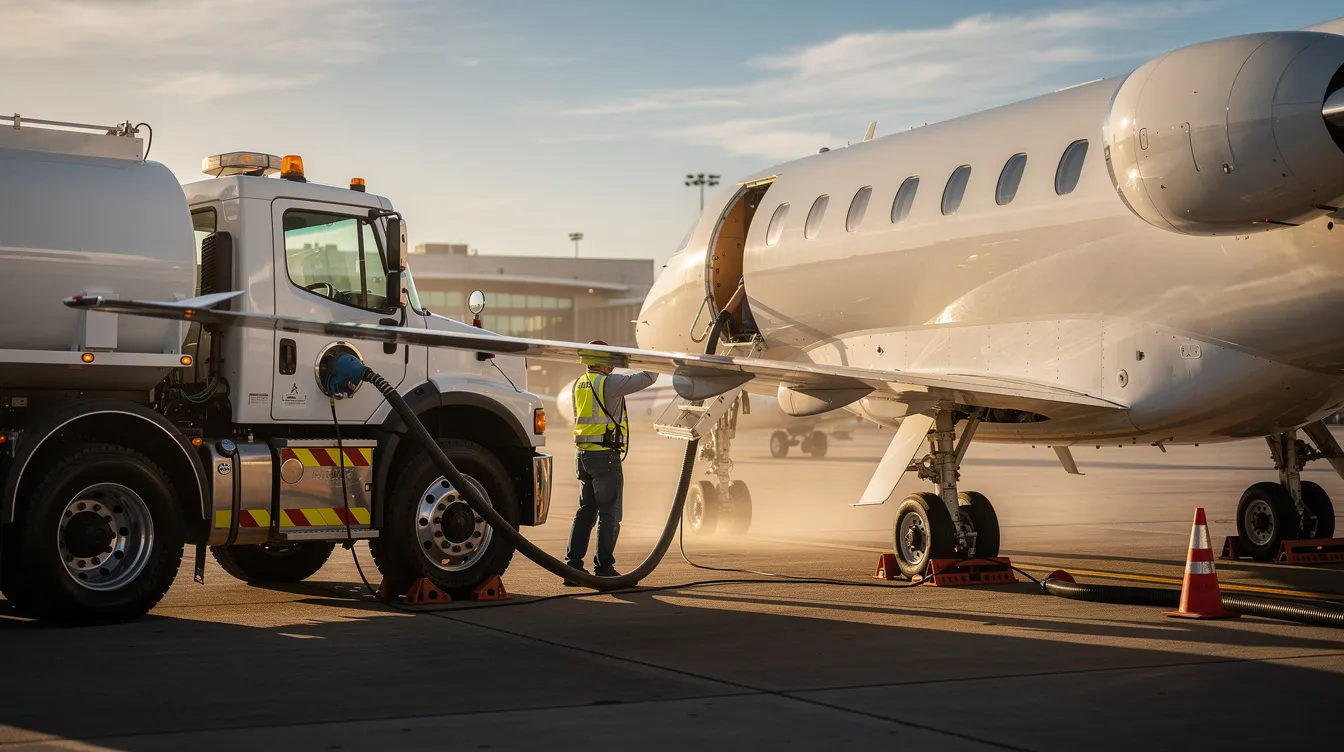
Taxes and Government Fees: Including the Federal Excise Tax
Taxes apply to private jet travel in much the same way they do to commercial tickets, though amounts and structures differ.
In the United States, the federal excise tax is 7.5% on most domestic flights-whether chartered or operated privately. A 7.5% federal excise tax applies to US domestic flights and can meaningfully increase total private jet cost on frequent domestic flights.
Additionally, domestic segment fees are $5.30 per passenger per leg. On multi-stop itineraries, these segment fees add up quickly across several legs.
For international flights, additional head taxes, overflight fees, and customs/immigration charges may apply. International fees vary by country and route.
Always ask lessors or operators whether the federal excise tax and other government fees are included in quoted hourly rates or added on top per trip. Getting clarity up front prevents the anxiety of "surprise" line items appearing after you've already flown.
Examples of All-In Monthly and Annual Lease Budgets
Real numbers help ground abstract ranges. Here are three illustrative 2026 scenarios showing how base lease and operating costs combine.
Scenario A: Light jet for frequent regional use A light jet leased for 250 flight hours per year on routes like New York to Chicago or Los Angeles to San Francisco. Base lease at $120,000/month totals approximately $1.44 million annually. Adding fuel, crew costs, landing fees, and taxes (the typical 30–60% uplift) brings the total annual spend to roughly $1.9–$2.3 million.
Scenario B: Midsize jet for European business commuting. A midsize jet used for routine flights between London and Zurich or Milan and Frankfurt, logging 300 hours per year. Base lease at $250,000/month equals $3 million/year. With fuel, handling, and crew, the all-in annual budget runs approximately $3.9–$4.8 million.
Scenario C: Large ultra long range jet for transatlantic missions. A heavy jet like a Gulfstream G550 or Global 6000 flying New York to London and similar transcontinental flight routes at 400+ hours per year. Base lease at $600,000/month or more totals roughly $7.2 million annually. With high fuel burn, European handling fees, crew overnight stays, and the federal excise tax on domestic legs, the total can easily exceed $10–$11 million per year.
Treat these as orientation, not formal quotes. Working with an aviation advisor for precise modeling based on your specific routes and flight distance is always recommended.
How Private Jet Lease Costs Compare to Charter and Jet Cards
There are three main ways to pay for private jet travel: leasing, chartering through a private jet service, and jet cards or memberships. Each serves a different usage level.
-
Leasing front-loads cost into fixed monthly commitments. You pay whether you fly or not.
-
Private jet charter keeps cost variable and tied to actual trips, and it's typically booked through a private jet service. Private jet charter costs are higher per hour but involve zero fixed cost.
-
Jet cards charge a locked-in hourly rate without long contracts, providing guaranteed availability and predictable pricing.
For 50–150 hours per year, many travelers find that charter or jet cards offer better value and lower stress. You avoid the burden of monthly payments during months you don't fly.
For 300–500+ hours per year with predictable routing, leases or fractional jet ownership can reduce the effective hourly cost significantly. At that volume, the fixed cost gets spread across enough hours to become competitive.
Booking 30 to 60 days in advance provides the best pricing options for charter. Booking floating-fleet aircraft can reduce repositioning fees by 30%.
From a passenger experience standpoint—comfort, turbulence sensations, cabin noise—the aircraft itself matters more than the payment model. A Challenger 350 feels the same whether you've leased it or chartered it. Understanding what's happening during your flight is what truly changes the experience.
When Leasing a Private Jet Makes Financial Sense
Leasing is a tool that fits specific high-usage patterns. It's not a status symbol for everyone, and it's not the only path to flying privately.
Profiles where leasing fits well:
-
Corporations with executives flying several times per week across predictable routes
-
Sports teams with set season schedules needing consistent larger aircraft
-
Families commuting regularly between two homes or continents with stable annual flight hours
The crucial thresholds: above roughly 300–500 hours per year, leasing or fractional ownership can be competitive versus charter. Below that, fixed costs often outweigh benefits.
Non-financial factors also matter. Some travelers value having a consistent flight crew who knows their preferences, a customized interior, and the ability to depart on relatively short notice without availability concerns.
Before signing anything multi-year, map your last 12–24 months of trips (or realistic future plans). Compare the cost of those trips via charter versus the all-in lease budget. If the numbers don't clearly favor leasing, they probably favor flexibility.
Common Hidden Costs and Contract Traps to Watch For
Anxiety often comes from surprises. Knowing where extra costs hide can prevent that.
Typical "gotchas":
-
High overage rates for hours beyond the contracted block (1.25× to 1.5× base hourly rate)
-
Strict minimum daily flight hours, even for short repositioning legs
-
Penalties for early termination—sometimes approaching the remaining lease balance
-
Leases often have specific return conditions that can incur additional costs, such as repainting or interior refurbishment
Less obvious unexpected costs:
-
Seasonal fuel surcharges tied to fuel prices
-
De-icing and winter hangar fees
-
Additional charges for Wi-Fi, pets, or extensive cleaning
-
Annual escalation clauses that raise base payments by 2–4% per year
Have your lease reviewed by a lawyer who specializes specifically in aviation contracts—not a generic commercial attorney. Doing this homework upfront turns leasing from a source of worry into a controlled, predictable line item.
Psychological Side: Cost, Control, and Comfort in Private Flying
Many people exploring private jets are not just paying for time. They're paying for peace of mind and a sense of control over private travel.
Having "your" aircraft and crew can reduce stress about delays, crowded terminals, and last-minute schedule changes. That psychological benefit is real and shouldn't be dismissed when calculating value.
But even in a leased private aircraft, passengers can feel anxiety from turbulence, unfamiliar cabin noises during takeoff or descent, or the sensation of a night approach. Leasing does not remove those sensations. What does help is understanding them.
A light jet feels bumps differently than a heavy jet or ultra long range jet because mass and cabin volume affect how turbulence transfers to the cabin. Knowing this—knowing why a particular sound happens, why the aircraft banks at a specific moment—replaces fear with comprehension.
This is exactly what SkyGuru was built for. Whether you're aboard a leased Gulfstream or a commercial Airbus, an app that helps you overcome fear of flying like SkyGuru explains real-time flight stages, weather, and turbulence so that every sensation feels less threatening and more routine.

Choosing the Right Aircraft Category for Your Budget and Nerves
The "right" airplane is not always the largest or most luxurious. It's the one that matches your trips, budget, and comfort level.
Very light jets and most light jets can feel more sensitive to turbulence due to their lower mass. Frequent flyers who are anxious about bumps sometimes notice this more in smaller cabins. A midsize jet or a large cabin aircraft feels more stable in rough air—but carries higher private jet costs in lease and operating expenses.
If turbulence anxiety is a factor in your decision, discuss aircraft selection with operators. Balancing ride stability, flight distance capability, and price is a conversation worth having.
SkyGuru can help set expectations for turbulence intensity and timing, whether you're in a small turboprop or a large cabin aircraft. Understanding what's coming removes the element of surprise—which is often what makes turbulence feel worse than it actually is.
Steps to Estimate Your Own Private Jet Lease Cost
You don't need a spreadsheet to get started. Follow these steps for a reasonable first estimate:
-
Estimate realistic annual flight hours. Review your past 12–24 months of travel. How many round-trip flights did you take? How many hours would those represent on a private aircraft?
-
Choose a probable aircraft category. Match your typical flight distance and passenger count to light jets, midsize jets, or large-cabin aircraft.
-
Apply 2026 typical monthly lease ranges for that category (refer to the figures earlier in this guide).
-
Add a 30–60% uplift for fuel, crew, and airport fees to estimate total cost.
-
Include any monthly management fee from an aircraft management company (common in dry leases).
-
Run best-case and worst-case scenarios. See how the effective hourly cost changes at high versus low utilization.
-
Compare that figure to average charter rates per hour for the same routes. If charter is cheaper at your volume, leasing probably isn't justified yet.
While numbers can look big, having clarity often feels less stressful than vague "I think it's expensive" fears. Knowing your number—even if it's higher than expected—puts you in control.
Alternatives if Leasing Feels Too Expensive or Inflexible
After seeing real numbers, many readers will decide leasing isn't right for them. That's perfectly reasonable—and there are strong alternatives.
-
On-demand charter: Pay only when you fly. No fixed cost, no long-term commitment. Great for fewer than 150 hours per year.
-
Jet cards: Predictable hourly rates without long contracts. Good for frequent flyers who want guaranteed availability.
-
Fractional ownership: Shared access to a private aircraft at higher hour levels, with costs split among owners. A middle ground in the private aviation industry.
Empty leg flights can offer up to 75% off standard rates when aircraft are repositioning empty—a smart way to experience private jet travel without lease-level commitment.
Even premium cabins on a commercial flight (business or first class) offer many travelers a strong balance of comfort and cost. Flying privately is wonderful, but it's not the only way to fly well.
Regardless of cabin type, understanding turbulence, flight phases, and aircraft sounds can make any option feel calmer and more predictable. That's where apps designed for nervous flyers become genuinely valuable.
How SkyGuru Supports Anxious Flyers-Private or Commercial
The financial stakes of leasing are high. But so are the emotional stakes of being comfortable once you're in the air. Both deserve attention.
SkyGuru is a mobile app designed to guide passengers through flights in real time. It uses aviation weather data, turbulence forecasts, and sensor inputs from your phone to explain what's happening—and what's about to happen—during every phase of flight.
Key features for private jet users:
-
Turbulence prediction for your actual route, especially helpful when flying in smaller light jets or very light jets where bumps feel sharper
-
Flight stage explanations (takeoff, climb, cruise, descent) and common aircraft sounds, so nothing comes as a surprise
-
Weather context that helps you understand why the ride is smooth or bumpy at any given moment
Whether you're aboard a leased Gulfstream, a chartered midsize jet, or a commercial flight, SkyGuru's explanations are tailored to what passengers actually feel and hear. Understanding creates calm.
Flying becomes less intimidating when you know what's happening around you. Knowing why turbulence occurs, why aircraft make certain sounds, and what sensations are normal can transform uncertainty into confidence. Download SkyGuru and add your nexflightht—private or commercial—so that both cost decisions and in-flight emotions feel more under control.
FLEET SELECTION
JET CARDS
COST ANALYSIS


How to Auditing Your Operator's Maintenance Logs
Oct 05, 2025

How to Auditing Your Operator's Maintenance Logs
Oct 05, 2025

How to Auditing Your Operator's Maintenance Logs
Oct 05, 2025
Sky Guru Weekly
The smartest private aviation intelligence in your inbox.
.svg)

