




If you have ever wondered what happens between booking a private jet and stepping off at your destination, you are not alone. A private jet flight itinerary is simply a clear, organized document that outlines everything from who is flying to what time your car will arrive at your hotel. Unlike the technical pilot flight plans filed with air traffic control, this passenger-facing overview focuses on what matters most to you: timing, comfort, and smooth logistics.
This guide walks through the five main sections you will typically see in your private jet planning documents: passenger details, flight timing and routing, catering and preferences, ground transportation, and international travel considerations. Whether you are exploring private jet travel for business efficiency or leisure comfort, understanding these elements removes uncertainty and helps you feel prepared.
At SkyGuru, we do not sell private jet charters. Our app helps nervous travelers understand what is happening during any flight—commercial or private—in real time. A private jet itinerary is a detailed flight brief that serves as the blueprint for the entire journey, and when you pair that organizational clarity with in-flight guidance from SkyGuru, even first-time private flyers can feel confident and calm. Private jets provide a personalized travel experience, allowing passengers to customize their journey, including the choice of aircraft, in-flight services, and travel schedules, which is not possible with commercial airlines. Private jet operators leverage a global network to offer comprehensive, worldwide private aviation solutions, ensuring instant access to thousands of aircraft and destinations. These charters provide access to a wide range of aircraft and travel options, making private jet travel more convenient and tailored to your needs. Additionally, private jets can use more airports than commercial airlines, including small, regional, and remote airports, increasing flexibility and reducing overall travel time.
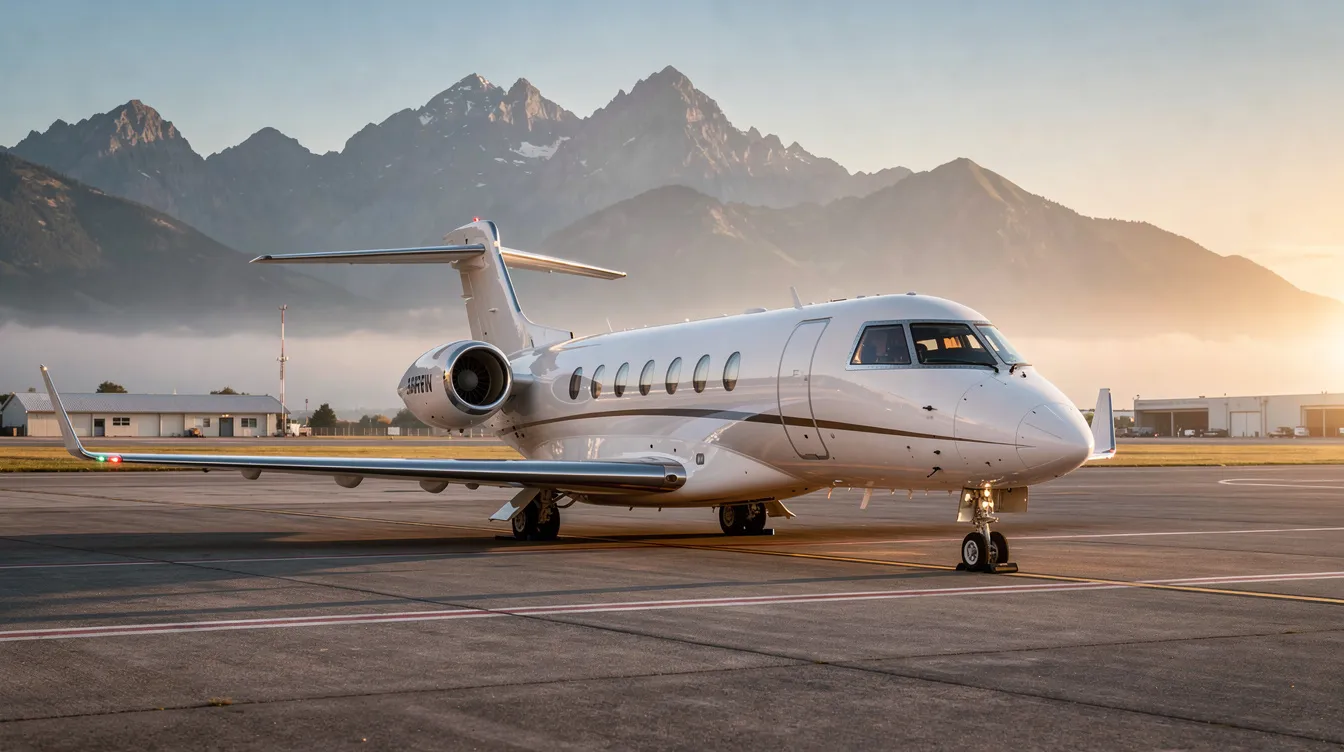
Introduction to Private Jets
Private jets redefine the way we experience air travel, offering a level of exclusivity, flexibility, and comfort that commercial flights simply cannot match. Whether you’re planning a business trip or a leisurely escape, private jet journeys allow travelers to create their own schedules, select their preferred aircraft, and fly directly to destinations that may be inaccessible by commercial airlines. This personalized approach means you can avoid crowded terminals, long security lines, and rigid airline timetables, making every trip more efficient and enjoyable.
From light jets perfect for quick getaways to heavy jets designed for long-haul international travel, the world of private jet travel is as diverse as the needs of its passengers. For example, the Gulfstream G-IVSP is a favorite among those seeking long-range capabilities, boasting impressive speed and comfort for journeys across continents. Whether you’re a business executive needing to maximize productivity or a family seeking a seamless leisure travel experience, private jets provide the freedom to tailor every aspect of your journey. With private jet charters, the travel experience is elevated—ensuring that every detail, from departure time to onboard amenities, is designed around you.
Passenger Details
Every private jet itinerary begins with a passenger manifest—a clear list of every person flying and any special needs they may have. This section ensures the crew, ground handlers, and customs officials know exactly who to expect, which speeds up every step of your journey.
The typical personal data collected for each person on the manifest includes:
-
Full legal name (matching your passport or government ID exactly)
-
Date of birth
-
Nationality
-
Passport or ID number
-
Contact information (email and mobile number for real-time updates)
For longer or more complex trips, operators may also request known traveler numbers (such as Global Entry), jet card or loyalty program numbers, and emergency contact details. Having your booking and trip details ready, such as budget, number of travelers, and departure times, helps flight coordinators find the best options for your private charter.
Beyond identification, the passenger section captures special requirements. If someone needs wheelchair access, mobility assistance on the aircraft steps, hearing or vision support, or medical equipment that requires power during the flight, these details are noted clearly so handlers can prepare in advance. Comfort preferences also appear here: preferred seating position in the cabin, desire for a very quiet environment, temperature settings (many travelers prefer 68–72°F), and whether anyone has a strong fear of flying or turbulence sensitivity.
Privacy and security matter. Reputable operators store passport scans and health details in encrypted systems, share them only with essential staff such as crew and immigration officials, and often delete records after the flight unless you are enrolled in a loyalty program. Planning a private jet itinerary requires assessing aircraft range, airport proximity, passenger count, baggage volume, and safety standards—and accurate passenger data is the foundation.
Example: A family flying from London Farnborough to Nice on 15 July 2026 might have their manifest show two parents, two children under 12, and a grandparent who needs step assistance. The itinerary would note “Elderly assist, hearing aid power required” alongside each person’s passport details, ensuring the crew positions a ramp and prepares accordingly.
For nervous travelers, the SkyGuru app complements this process. You can input the same flight details into the app—route, date, aircraft type—and receive personalized, calming explanations during the flight, turning unfamiliar sounds and sensations into expected, manageable moments. Learn more about managing fear of flying with SkyGuru.
Flight Timing & Routing
Key Timing Elements
The timing and routing section answers the core questions every traveler has: when do I leave, when do I arrive, and what path will the aircraft follow? Departure times can often be set around your needs, moved earlier or later the same day, and repositioned if circumstances change. Private jet charters are especially adept at accommodating last-minute changes, such as sudden schedule shifts or immediate rerouting, ensuring your private jet flight itinerary remains as flexible as your plans require.
Your itinerary will display:
-
Date of departure (e.g., 12 June 2026)
-
Local departure time (e.g., 09:30 EDT)
-
Estimated arrival time (e.g., 12:45 EDT)
-
Time zone differences between the origin and the destination
Flight logistics include departure and arrival points, schedule, FBO information, aircraft and crew details, passenger and cargo info, and personalized services. Rather than listing a major commercial hub, you will see entries like “Teterboro (KTEB) – Signature Flight Support” to “Miami Opa-Locka (KOPF) – FBO Terminal A,” confirming you are using private terminals rather than crowded airline concourses.
Flexibility in Private Jet Planning
One of the biggest differences between private jet journeys and commercial flights is schedule flexibility. Departure times can often be set around your needs, moved earlier or later the same day, and repositioned if circumstances change. Private jets allow for last-minute bookings, with some charter companies able to arrange flights with as little as four hours’ notice, providing a level of flexibility that commercial airlines cannot match.
Providing a few hours of time window flexibility can significantly increase aircraft availability and lower costs. Booking flights one to two weeks in advance for domestic travel and two to four weeks for international travel is advisable to secure preferred slots, but the option to adjust remains far greater than with airline tickets.
Route Overview vs. Technical Flight Plan
The crew files a detailed technical flight plan with air traffic control—waypoints, altitudes, fuel burns—but passengers see only a simplified summary. Your itinerary might read “direct New York to Miami, cruising altitude FL410 (approximately 41,000 feet),” which is all you need to know.
Routing may change for safety, efficiency, or comfort. Pilots adjust paths to avoid bad weather conditions, heavy traffic, or strong headwinds that could increase turbulence or extend the flight distance. Think of it like a driver choosing a different highway to skip traffic: the destination stays the same, but the path adapts. It is essential to build in flexibility for unexpected weather delays and include buffer time in flight planning.
Example: A private jet itinerary from Los Angeles Van Nuys (KVNY) to Aspen (KASE) on 20 February 2027 might show a planned 1.9-hour direct route. On the day, a mountain storm could prompt pilots to vector around the turbulence, and your documents would simply update with a revised estimated arrival time—no stress, no rebooking.
Planning Tools and Efficiency
A flight time calculator can provide instant details such as flight distance, fuel usage, and estimated costs for one-way, round-trip, or multi-stop flights, saving valuable time for travelers and aviation professionals. Flight planning tools can help optimize routes by factoring in alternative airports, fuel stops, and schedule constraints, ensuring efficient travel for private jet users. Accurate flight planning tools utilize real-world data and aircraft manufacturer information to deliver precise results, making them essential for both private jet brokers and travelers. Flight calculators can assist in planning multiple stops by providing both flight time and distance calculations, which helps optimize travel routes effectively.
Private jets can access approximately 5,000 airports across the United States, significantly more than the 500 airports served by commercial airlines, allowing for greater flexibility in departure and arrival locations. This means your journey can begin and end at smaller airports closer to your actual origin and destination.
Aircraft selection should match the jet to the trip based on distance, range, number of passengers, and luggage capacity. Different aircraft types—such as light jets, midsize jets, large-cabin jets, and turboprops—are categorized by their size, range, and typical use cases, with light jets suited for short trips, midsize jets for medium-range travel, large-cabin jets for long-haul flights, and turboprops often used for shorter regional routes or smaller airports. Fuel consumption varies by jet class, with light jets using about 120–260 gallons per hour, midsize jets consuming 220–350 gallons, and heavy jets burning 340–500+ gallons per hour, impacting flight planning and costs.
The cost of a private jet flight can vary significantly, with typical hourly rates ranging from $1,200 to $4,000 for turboprops and light jets, depending on factors such as aircraft type and route length. For example, a brief 40-minute flight in a small aircraft might cost approximately $2,800, whereas a 1.5-hour journey aboard a midsize jet could be around $34,500, demonstrating how prices rise with longer flight times and larger aircraft. Total trip costs for private jet charters can be 20–40% higher than the base hourly rate due to additional expenses such as taxes, positioning charges, and other fees.
SkyGuru can use your route and aircraft type to predict turbulence and explain in real time why the jet changes altitude or direction, helping anxious travelers stay calm throughout the flight; common questions about how this works are answered in the SkyGuru app FAQ.
Private Jet Types, Sizes, and Fuel Consumption Table
|
Jet Type |
Typical Passenger Capacity |
Range (miles) |
Fuel Consumption (gallons/hour) |
Typical Hourly Rate (USD) |
Use Case |
|---|---|---|---|---|---|
|
Light Jet |
4–8 |
Up to 1,500 |
120–260 |
$1,200–$2,500 |
Short trips, regional travel |
|
Midsize Jet |
6–9 |
2,000–3,000 |
220–350 |
$3,000–$5,000 |
Medium-range business or leisure |
|
Super Midsize Jet |
8–10 |
3,000–4,000 |
250–400 |
$4,000–$7,000 |
Longer regional or short international flights |
|
Heavy Jet |
10–19 |
4,000–7,000+ |
340–500+ |
$7,000–$15,000+ |
Long-haul international travel |
|
Turboprop |
6–12 |
600–1,500 |
100–200 |
$1,200–$3,000 |
Short regional routes, remote airports |
Safety and Security
Safety and security are at the heart of every private jet flight. Private jet charters operate under stringent safety standards, with aircraft undergoing regular maintenance and thorough inspections to ensure they are always airworthy. Pilots flying private jets are highly trained professionals, often with thousands of hours of experience and specialized certifications for charter flights. This expertise, combined with advanced onboard safety features like enhanced weather radar and terrain awareness systems, provides an extra layer of reassurance for passengers.
Private terminals further enhance security, offering discreet and efficient screening processes for both passengers and luggage. Unlike crowded commercial airports, private jet travelers benefit from a more controlled environment, reducing exposure to potential risks and ensuring a smooth boarding process. The Federal Aviation Administration (FAA) closely regulates private jet operations, mandating strict adherence to safety protocols and operational standards. Whether you’re flying for business or leisure, you can trust that every aspect of your private jet journey is designed with your safety and security in mind.
Catering & Preferences
The catering and preferences section transforms a private jet flight from simple transportation into a personalized travel experience. This is where luxury meets practicality, and where your comfort preferences become part of the operational plan.
-
Menus tailored to dietary restrictions, allergies, or religious requirements.
-
Local specialties such as sushi from a renowned Tokyo restaurant, French pastries from Paris, or Texas barbecue can be arranged in advance.
Private jet travelers can also explore unique culinary experiences and immerse themselves in local cultures at each destination, making every stop an opportunity to discover new flavors and traditions.
Meal Service Plans
Your itinerary will typically list:
-
Type of meal service (breakfast, lunch, dinner, or light snacks)
-
Specific menu items you have requested
-
Serving times aligned with your schedule (for example, “light brunch served 30 minutes after takeoff from Paris Le Bourget on 3 May 2026”)
Confirming custom catering and in-flight amenities is necessary for a tailored experience. Travelers share dietary requirements ahead of time—vegetarian, vegan, gluten-free, kosher, halal, low-sodium, nut-free—and these appear as clear notes so nothing is missed. The crew knows exactly what to prepare before you board.
Luxury and Special Requests
Private jet expeditions often include memorable touches:
-
Dom Pérignon champagne for a celebration
-
Children’s meals featuring familiar snacks
-
A birthday cake loaded at departure
-
Local specialties such as sushi from a renowned Tokyo restaurant when departing from Haneda on 18 August 2026
These details make even a short trip feel special and tailored to your group.
Beyond Food: Cabin Comfort
Preferences extend well past the menu. Your itinerary may confirm:
-
Cabin temperature (many prefer cooler settings around 68–72°F)
-
Lighting preferences (dimmed LEDs right after takeoff for rest)
-
Music playlists via Bluetooth or satellite systems
-
Wi-Fi access and speed needs
-
Pillow and blanket types
Example: A business group flying from New York to London might see their flight details confirm “Vegan options for 2 passengers, dairy-free dessert, sparkling water only, quiet cabin requested for sleeping during the second half of the flight.”
For nervous flyers, simplicity often works best. It is perfectly acceptable to request herbal tea, light meals, and a darker, quieter cabin to help manage anxiety. The broader topic of how an app can help your fear of flying connects closely with these comfort strategies. SkyGuru complements this comfort planning by offering in-flight breathing exercises, turbulence explanations, and gentle reminders when normal sounds—like landing gear or flaps—might otherwise cause stress.
Ground Transportation
A private jet itinerary usually covers more than the flight itself. It often includes how you get to and from the aircraft on the ground, ensuring your journey begins smoothly the moment you step outside your door.
The Door-to-Door Concept
Private jet planning coordinates your pickup at home, hotel, or office so your car arrives at the private terminal roughly 20–30 minutes before departure. Travelers can often arrive at private terminals just 15 minutes before departure, which is a stark contrast to the hours required for commercial flights, enhancing the flexibility of travel schedules. When booking a private jet, you can often check in much closer to departure time than with commercial flights, sometimes as little as 15 minutes before takeoff.
Typical Details in This Section
Your ground transportation entry will include:
-
Car type (e.g., Mercedes S-Class or Escalade SUV)
-
Pickup address (e.g., 45 Park Lane, London)
-
Pickup time (e.g., 06:15 on 2 November 2026)
-
Driver name and contact (e.g., John Smith, +44 7700 900123)
-
Terminal meeting point (e.g., Farnborough FBO, Main Entrance)
Ground transportation arrangements should be confirmed to ensure immediate availability upon arrival at the FBO. Schedules are built around your flight timing with buffers for traffic, security, and airport requirements. If your departure time shifts, car arrangements typically update automatically.
Example: A business traveler flying from London Farnborough to Geneva on 2 November 2026 has a car arranged from a central London office at 06:15. Upon landing in Geneva, a second car meets them at the FBO and drives straight to a city-center meeting—seamless travel from start to finish.
For group trips, separate vans or minibuses may be arranged, and luggage capacity is checked against the passenger details to avoid last-minute problems.
Well-planned ground logistics reduce stress, especially for anxious travelers who prefer knowing exactly where to go and when. Itineraries often include simple instructions and a map link so nothing feels uncertain. The popularity of tools like the SkyGuru fear-of-flying app featured in media coverage reflects how many travelers value added reassurance alongside these time savings. Traveling by private jet can save passengers between 90 and 180 minutes on many business routes thanks to expedited check-in, access to smaller airports, and flexible flight paths, making it far more time-efficient than commercial air travel.

International Travel Considerations
International private jet trips involve extra documents and checks, but most of this work happens behind the scenes. Your operator or travel advisor handles the complexity so you can focus on the adventure ahead. For example, private jets enable international business travelers to attend multiple meetings in different countries within a single day, maximizing productivity and convenience.
Basic Documents Required
In simple terms, you will need:
-
Valid passports for all passengers (typically valid at least six months beyond your return date)
-
Visas were required (for example, U.S. citizens flying to Brazil or India may need electronic visas processed in advance)
-
Destination-specific entry forms that must be completed before arrival
Your itinerary will remind you about these key items, so there are no surprises at departure. Booking a last-minute private jet is easier when you start the process as soon as you know you need a flight, allowing for more options and flexibility—and early document preparation supports that speed.
Customs and Immigration
For private charter flights, customs and immigration work differently from those at large commercial terminals:
-
A dedicated office or lane at the airport
-
Inspectors who come directly to the private terminal or aircraft
-
A shorter, more personal process—often 10–20 minutes versus hours commercially
Traveling by private jet allows passengers to avoid the frustrations of commercial air travel, such as long security lines and crowded terminals, enhancing the overall travel experience.
Permits and Overflight Permissions
When your route crosses multiple countries’ airspace, operators arrange prior permission requests (PPRs) well in advance. For instance, a private jet flying from Milan to Dubai on 10 October 2026 will have pre-arranged permissions to cross different flight information regions, all organized entirely by dispatch teams. You will not need to manage these details yourself.
Special Items and Additional Paperwork
Children, pets, and valuable items may require extra documentation:
-
Minors traveling internationally may need apostilled birth certificates
-
Pets require health certificates and vaccination records
-
Artwork or high-value electronics may need separate customs declarations
These notes appear clearly in your planning documents so you can prepare everything before departure.
Reassurance for Anxious Flyers
Even on international routes with more forms and checks, the actual flight remains highly controlled and safe. A finalized itinerary from a charter broker includes detailed flight schedules, aircraft details, passenger manifests, and ground transportation arrangements—everything organized to make your crossing as predictable as possible.
Tools like SkyGuru can explain unfamiliar events during oceanic crossings, time zone jumps, and nighttime flying, turning the unknown into the understood, and the SkyGuru detailed FAQ outlines exactly how the app functions in flight mode without onboard Wi‑Fi. Accurate passenger details and early sharing of passport scans help the operator confirm everything with border authorities, reducing last-minute stress for everyone involved.
Private Jet Etiquette and Rules
Traveling by private jet is a unique experience, and observing proper etiquette ensures a pleasant journey for everyone on board. Passengers should plan to arrive at the private terminal with enough time to complete any necessary pre-flight procedures, such as presenting identification or passports for international travel. While private jet travel offers greater flexibility, punctuality is still appreciated to keep the flight on schedule.
Once on board, it’s important to respect the aircraft and its amenities—treat the cabin with care, follow any instructions from the flight crew, and be mindful of noise levels, especially if others are resting or working. If you’re traveling with pets or special equipment, check in advance for any specific rules or restrictions, as some private jets may have limitations on certain items. Luggage policies can also vary depending on the aircraft type and passenger count, so it’s wise to confirm these details during the booking process.
By following these simple guidelines, you help create a comfortable and enjoyable travel experience for yourself and your fellow passengers. Whether you’re a seasoned flyer or new to private jet travel, a little courtesy goes a long way in making every flight a memorable one.
How SkyGuru Supports You Through Every Step of Your Private Flight
Once your private jet flight itinerary is set—passenger details confirmed, timing locked, catering arranged, transfers booked, and international paperwork handled—one gap often remains for many travelers: understanding what will happen during the actual flight, which is where the SkyGuru app highlighted by international media proves especially useful.
SkyGuru fills that gap. Our app allows passengers to enter their flight details (route, date, approximate departure time) and then uses real-time data and sensors to explain each stage of the journey as it unfolds, powered by the same data backbone available through the SkyGuru flight and weather data API.
What SkyGuru Offers Private Jet Travelers
-
Turbulence forecasts for routes like New York to Los Angeles, Zurich to Dubai, or anywhere around the world, built on SkyGuru’s turbulence and route data API platform
-
Sound and sensation explanations during takeoff, landing, and cruise
-
Notifications when the jet changes altitude, speed, or direction—so nothing feels unexpected
While operators manage timing, routing, catering, and paperwork, SkyGuru manages your emotional experience and understanding in the cabin.
Example: A first-time private jet traveler flying from Dallas Love Field to Cabo San Lucas on 3 March 2027 inputs the flight into SkyGuru. They receive a calm forecast about likely mild turbulence over the Gulf of Mexico and get on-board guidance to stay relaxed—breathing prompts, explanations of normal sounds, and reassurance when the aircraft adjusts altitude. Travelers who struggle with anxiety can explore how an app can help overcome the fear of flying to better understand these benefits.
Whether you are exploring the world by private jet for business efficiency or leisure travel, download SkyGuru before your next trip. Pair your clear, organized flight itinerary with expert, real-time explanations that make every stage of the journey feel less mysterious and more manageable; understanding how an app can help your fear of flying is often the first step toward a calmer experience. Start planning your most confident flight yet.
Frequently Asked Questions (FAQs)
What information do I need to provide for a private jet flight itinerary?
You will need to provide full legal names as they appear on passports or IDs, dates of birth, nationality, passport or ID numbers, and contact information. Additionally, any special requirements such as mobility assistance, dietary restrictions, or preferences should be shared to ensure a smooth experience. Learn more about passenger details in your itinerary.
How flexible are private jet departure times compared to commercial flights?
Private jet departure times are highly flexible. You can often set or adjust your departure time on the same day, and some charters can arrange flights with as little as four hours' notice. This flexibility far exceeds the fixed schedules of commercial airlines. See the section on flight timing & routing for more details.
Can I customize catering and onboard preferences on a private jet?
Yes, catering is fully customizable to accommodate dietary needs, allergies, and luxury requests. You can request specific meals, beverages, cabin temperature, lighting, music, and other amenities to make your flight comfortable and personalized. Explore the catering & preferences section for examples.
How is ground transportation coordinated with my private jet flight?
Ground transportation is arranged to align seamlessly with your flight schedule. Your itinerary will include details such as car type, pickup address and time, driver contact information, and meeting points to ensure smooth transfers to and from the aircraft. Details are covered in the ground transportation section.
What documents are needed for international private jet travel?
You will need valid passports, any necessary visas, and destination-specific entry forms. Your operator handles customs, immigration, and overflight permissions behind the scenes, making the process hassle-free for you. For more information, see international travel considerations.
Are private jets more cost-effective than commercial flights?
While private jets generally cost more upfront, options like shared flights and booking with flexible timing can make private jet travel more cost-effective. Additionally, private jets save time and offer convenience that commercial flights cannot match, which can add value for many travelers. Learn about cost-effective travel and aircraft selection to optimize your trip.
Can private jets access more airports than commercial airlines?
Yes, private jets can access approximately 5,000 airports in the U.S. alone, including small, regional, and remote airports that commercial airlines do not serve. This access increases flexibility and reduces overall travel time. See the flight timing & routing section for details on airport access.
How does SkyGuru help during a private jet flight?
SkyGuru provides real-time flight insights, turbulence forecasts, and explanations of sounds and sensations during your flight. This helps nervous or first-time private flyers feel informed and calm throughout their journey. Discover how SkyGuru supports you during your flight.
Conclusion
A private jet flight itinerary is much more than just a schedule—it’s your personalized roadmap to a seamless, comfortable, and efficient travel experience. From detailed passenger information and flexible flight timing to bespoke catering, ground transportation, and smooth international procedures, every element is designed to put you at ease and maximize your time and comfort. Unlike commercial flights, private jet charters offer unmatched flexibility, access to more airports, and a level of customization that transforms travel into a truly tailored journey.
By understanding what goes into your private jet flight itinerary, you can embark on your next adventure or business trip with confidence and peace of mind. And with tools like SkyGuru providing real-time insights throughout your flight, even nervous or first-time private flyers can enjoy the skies with calm assurance. Whether for business or leisure, private jet travel opens the door to a world of convenience, luxury, and freedom—start planning your next flight today.
FLEET SELECTION
JET CARDS
COST ANALYSIS


How to Auditing Your Operator's Maintenance Logs
Oct 05, 2025

How to Auditing Your Operator's Maintenance Logs
Oct 05, 2025

How to Auditing Your Operator's Maintenance Logs
Oct 05, 2025
Sky Guru Weekly
The smartest private aviation intelligence in your inbox.
.svg)

