




Private jet charter isn’t reserved exclusively for billionaires and A-list celebrities anymore. In 2026, learning how to save money on private jet charter is a realistic goal for business travelers, families, and anyone seeking a more efficient travel experience. This guide is designed for business travelers, families, and anyone interested in making private jet travel more affordable.
The cost of chartering a private jet is influenced by several factors, including the type of aircraft, flight distance, time of travel, and additional services requested. Much like commercial airline pricing, private jet charter prices fluctuate based on timing, demand, and route popularity. A light jet might run $2,000–$4,500 per hour, while large-cabin long-range aircraft can cost upwards of $8,000–$12,000 per hour or more. The private jet industry as a whole also shapes pricing, availability, and operational considerations, impacting how and when you can find the best deals. With the right strategies, private jet travel can be accessible and cost-effective, making it a viable option for more travelers.
This article covers specific, practical tactics to reduce your charter costs: smart aircraft selection, booking timing strategies, empty leg opportunities, flexibility tricks, and quote comparison techniques. On-demand charters are the most affordable form of private jet travel, allowing travelers to pay as they fly without upfront investments.
For fly-anxious travelers who find a great deal, SkyGuru’s real-time in-flight guidance app can help reduce turbulence anxiety and explain what’s happening during your flight.
Key promises:
-
Learn to cut costs without sacrificing safety or comfort
-
Discover when to book early versus hunt for last-minute deals
-
Understand which aircraft type actually fits your needs
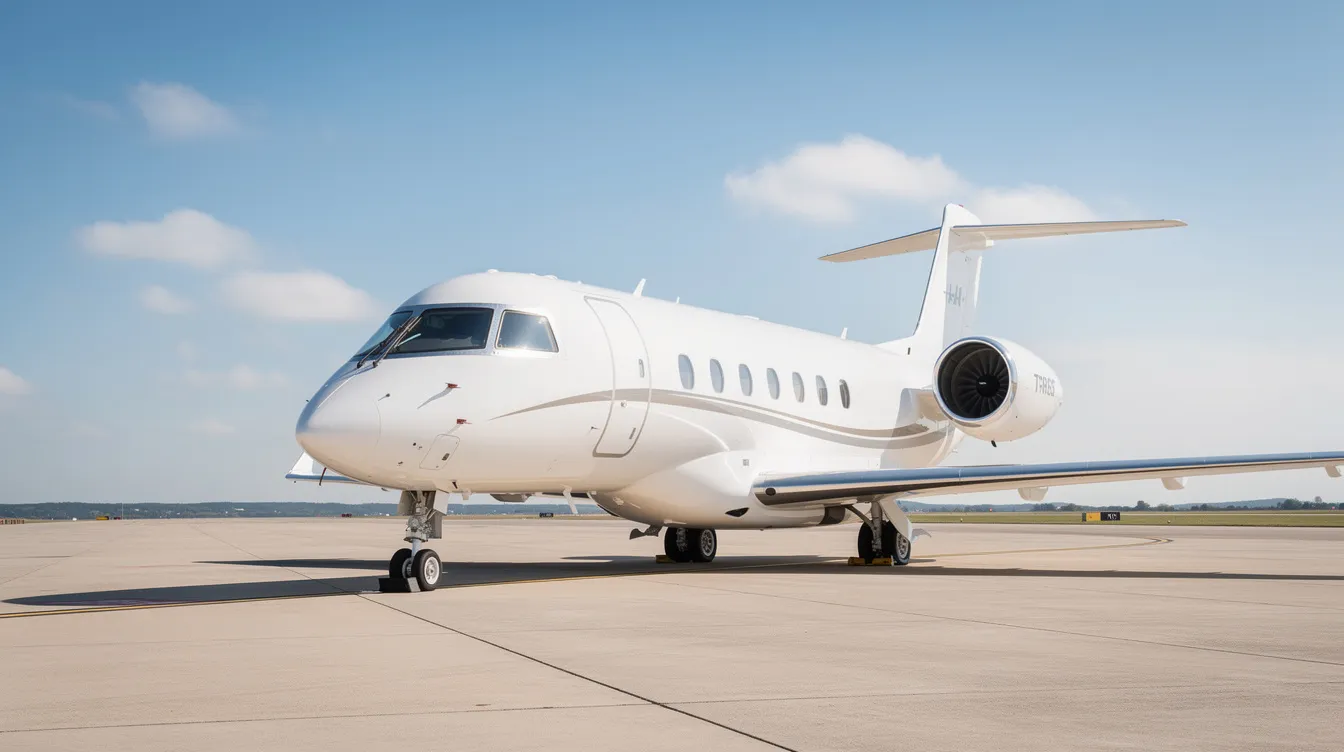
Book in Advance vs Last Minute: Which Strategy Really Saves You Money?
Both booking and last-minute deals can lower private jet costs, but they work in completely different situations. Your strategy should match your schedule flexibility and travel priorities.
When Booking Early Helps You Save
For high-demand dates like Christmas–New Year week (when 75% of aircraft are booked 90 days out), major events like the 2026 FIFA World Cup finals, or the Monaco Grand Prix, booking 30–60+ days ahead secures better pricing and wider aircraft availability. Reserve early for school holidays, big conventions like CES in January, or weekends on popular leisure routes such as New York–Miami in February or London–Nice in summer.
Early booking lets brokers optimize routing and avoid premium repositioning fees that can add $2,000–$5,000 to your quote. Locking in optimal aircraft positioning 30–60 days ahead typically yields 15–25% lower rates compared to last-minute scrambles during peak periods.
When Last-Minute Private Jet Deals Make Sense
Being flexible with travel plans, such as avoiding peak travel days and booking last-minute flights, can lead to significant savings on private jet charters. Operators sometimes offer discounted rates on charter flights 24–72 hours before departure to fill unsold capacity or reposition aircraft—similar to last-minute hotel flash sales.
Example scenario: A flexible traveler willing to depart Friday evening anytime through Saturday afternoon from Teterboro, White Plains, or Morristown to South Florida might find a light jet at $2,500/hour versus $4,000 standard rates.
The risks? Limited choice, flights may disappear if full-fare clients change plans, and this approach isn’t reliable for important business meetings.
Rule of Thumb
-
Book 3–6 weeks ahead for fixed, peak-season plans
-
Hunt for last-minute availability only when your schedule is flexible and non-critical
After requesting quotes, using online platforms to book flights allows travelers to compare prices side-by-side and find the most cost-effective options.
Choosing the Right Aircraft Size: Don’t Pay for Space You Don’t Use
Aircraft type is one of the biggest drivers of charter cost, and oversizing the jet is a common mistake for first-time clients. Private jet rental prices are typically calculated based on an hourly rate, which varies depending on the aircraft type, with smaller jets generally costing less per hour than larger jets. Flight duration is a key factor in selecting the right aircraft, as longer flights require jets with greater range and fuel capacity, which impacts both aircraft choice and pricing.
Aircraft categories in consumer-friendly terms:
|
Category |
Passengers |
Ideal Flight Time |
Approx. Hourly Rate |
|---|---|---|---|
|
Turboprop (PC-12, King Air) |
6–9 |
Under 2 hours |
$2,000–$3,200 |
|
Very Light Jet |
4–5 |
Up to 2.5 hours |
$2,500–$3,500 |
|
Light Jets (CJ3, Phenom 300) |
6–8 |
Under 3 hours |
$3,200–$4,800 |
|
Midsize (Citation XLS) |
8–9 |
3–4 hours |
$4,800–$6,500 |
|
Super Midsize Jet |
9–10 |
5–6 hours |
$6,500–$9,000 |
|
Large/Long-Range/Heavy Jets (G450, Global) |
12–17 |
6+ hours |
$9,000–$13,000+ |
Heavy jets, which fall into the large/long-range category, are designed for long-haul international flights and offer increased size, passenger capacity, and luxury amenities such as spacious cabins, lie-flat seating, and premium entertainment options. These features make heavy jets more expensive compared to smaller aircraft.
Matching Aircraft to Your Trip
-
Short hop (Los Angeles–Las Vegas, London–Paris) for 3–4 people: A turboprop or light jet is usually the cheapest and still comfortable option. A Las Vegas trip on a PC-12 totals $2,000–$3,000 versus $6,000+ on an unnecessary midsize.
-
Cross-country (New York–Los Angeles) for 6–8 passengers: Midsize or super midsize jet balances price and comfort, typically $25,000–$35,000 round trip.
-
Intercontinental (New York–London nonstop): Large cabin, long-range, or heavy jet may be necessary. Here, flight duration is crucial—longer flights require larger aircraft with higher fuel capacities and luxury amenities, which increases the overall cost due to hourly billing.
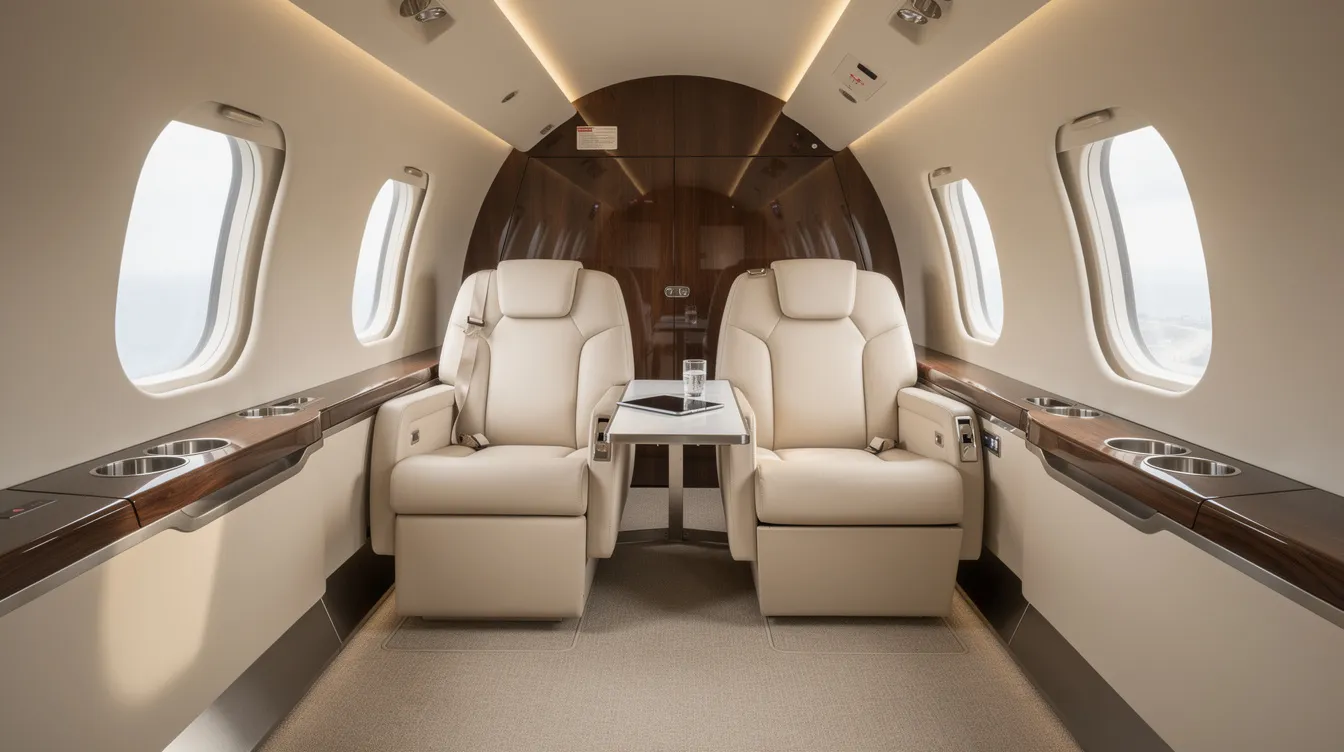
Checklist: Right-Sizing Your Aircraft
-
Exact passenger count
-
Luggage volume (skis, golf bags add 20–50% space needs)
-
Nonstop requirement or acceptance of one fuel stop
-
Cabin comfort needs (stand-up cabin, enclosed lavatory)
Accepting one quick fuel stop can allow a smaller aircraft on long routes, reducing overall cost by 20–30%. And remember: choosing smaller aircraft doesn’t mean less safe—all Part 135-certified private aircraft meet strict FAA/EASA safety standards.
Understanding Empty Leg Flights: The Biggest Private Jet Discounts
Empty leg flights happen when a private jet must fly without passengers, usually to return to its base or reposition for another trip, making these flights available at a reduced price.
Empty leg flights happen when a private jet must return to its base or reposition for another trip without passengers, making these flights available at a discounted price. Because the operator has already scheduled and crewed the aircraft, they often offer these leg flights at deep discounts.
Booking empty leg flights can save travelers up to 75% compared to regular charter flight prices. For example, a Phenom 300 flying empty from Miami to New York after dropping clients in Florida might quote $5,000 versus the standard $15,000–$20,000 on-demand rate.
Key Limitations to Understand
-
Fixed route—you cannot change the origin or destination
-
Limited departure window—you adapt to their schedule
-
Often one-way flight only, requiring separate return flight plans
-
Flights can be cancelled if the original full-fare client changes their itinerary
-
Empty leg flights are typically available with little notice, making them ideal for travelers who can be flexible
How to Find Empty Legs
Sign up for email alerts or app notifications from reputable charter brokers. Many platforms allow filtering by region and date range. Travelers open to alternative airports (Naples instead of Fort Myers, Biggin Hill instead of Heathrow) and mid-week travel are more likely to score these deals.
Empty legs are ideal for leisure weekends, short-notice trips, or simply trying the private jet experience at a much lower cost. About 15% of US charters in 2025 were empty legs, averaging $1.50–$2.50 per mile versus $4–$7 standard rates.
Flexible Travel Strategies: Small Changes, Big Savings
Flexibility is one of the most powerful levers in how to save money on private jet charter. Having flexible travel plans—such as modifying your travel dates and arrangements—can unlock significant savings by allowing you to avoid peak seasons and take advantage of customizable flight options.
Date and Time Flexibility
Flying midweek (Tuesday through Thursday) is generally more cost-effective due to reduced demand compared to weekends and holidays—typically 25% lower than Friday evening or Sunday afternoon departures. Choosing to fly during off-peak times, using regional airports, and selecting the smallest aircraft can minimize private jet charter costs.
Avoid public holidays: US Thanksgiving week sees 40% rate hikes, and Christmas–New Year can spike 30–50%.
Airport Flexibility
Using smaller regional hubs instead of major international airports can significantly reduce landing fees and handling charges
|
Region |
Primary Airport |
Alternatives |
Potential Savings |
|---|---|---|---|
|
New York |
JFK |
Teterboro, White Plains, Morristown |
$500–$1,500 |
|
London |
Heathrow |
Farnborough, Biggin Hill, Luton |
$1,000–$2,000 |
These alternatives often have better aircraft positioning, lower landing fees, and faster ground transportation connections for private flights.
Flexibility Checklist
-
Offer your broker a window of 2–4 hours for departure
-
List 2–3 acceptable departure and arrival airports
-
Clarify whether nonstop is essential or if one fuel stop works
-
Specify must-arrive times rather than fixed departure times
Flexible travelers can also more easily match with empty legs or back-to-back routings that reduce operator downtime. Less busy private terminals during off-peak periods feel calmer—SkyGuru’s in-flight weather and route explanations can help manage in-air anxiety when schedules or airports are unfamiliar.
Comparing Multiple Quotes: Finding Real Private Jet Deals (Not Just the Lowest Number)
Different quotes for the same trip can vary by $5,000–$15,000 because of aircraft age, repositioning needs, included services, and operator margins. Booking a private jet typically involves assessing travel needs, exploring charter flight options, and selecting a reputable charter company.
Request at least 3 quotes from reputable brokers for any charter over a few thousand dollars.
What to Check Beyond the Headline Rate
-
Fuel surcharges (10–20%)
-
Landing fees
-
Handling fees
-
Overnight flight crew costs
-
De-icing (important in winter, Chicago, Toronto, Zurich)
-
Catering
-
Wi-Fi
-
Taxes (7–10%) (often excluded)
-
Short-notice airport changes (often excluded)
-
Overtime crew charges (often excluded)
-
Repositioning fees (often excluded)
Quote Comparison Checklist
-
Aircraft age and maintenance standard
-
Safety credentials (ARGUS, IS-BAO, Wyvern audits—independent safety ratings)
-
Insurance coverage levels ($100M+ liability standard)
-
Cancellation and change policies
-
Transparent pricing with line-by-line breakdown
Sometimes the cheapest quote hides additional costs—expensive catering, extra positioning flights—and a slightly higher all-inclusive quote ends up cheaper. First-time private flyers should feel comfortable asking brokers to explain every term in simple language.
Extra Ways to Save on Private Jet Charter (Without Cutting Corners on Safety)
Share the Aircraft and Split Costs
Jet-sharing programs allow travelers to fly privately by splitting the cost of a flight with other passengers heading in the same direction, making private jet travel more affordable. Traveling as a group and splitting costs among passengers can make private jet flights more affordable per person, especially for business trips or family gatherings.
Example: A $12,000 round trip split among 6 travelers equals $2,000 per person—competitive with last-minute business-class airline tickets. Shared flights through platforms can cut per-head costs by 50–70%. For business trips or family gatherings, this approach is especially cost-effective. Compared to flying commercial, flying privately through jet-sharing offers a unique, more personalized experience while still benefiting from significant cost-sharing advantages.
Off-Peak and Shoulder Seasons
Plan non-urgent leisure trips in shoulder seasons (late April instead of Easter week, mid-September instead of August) when aircraft availability is higher. This matters on popular routes like New York–Aspen during ski season or London–Ibiza in summer.
Memberships and Jet Cards
Membership programs and jet cards offer a flexible and cost-effective way to book private jet flights, often providing fixed hourly rates and priority access to aircraft. Membership programs and jet cards offer a flexible and cost-effective way to book private jet flights, allowing users to pre-purchase flight hours or access special rates with fixed hourly rates and guaranteed availability. These programs often provide priority access and avoid surge pricing.
However, the 150-hour rule is an industry benchmark: these programs only save money if you fly 50+ hours annually. For regular travelers flying fewer hours, occasional on-demand charter, plus smart tactics, it is usually cheaper than long-term commitments with initiation fees.
Negotiate and Be Transparent
Booking two one-way flights can be cheaper than a round trip if it avoids the costs associated with an aircraft waiting on the ground. Ask about first-time client discounts or off-peak incentives. Being open about your budget range helps good brokers from private jet companies tailor realistic, affordable options rather than overselling luxurious amenities you don’t need.

Managing Flight Anxiety While You Save: How SkyGuru Fits In
Even when you find excellent private jet deals, anxiety about turbulence, unfamiliar smaller jets, and new commercial airports can make the experience stressful—especially for those new to private aviation.
How SkyGuru Helps
-
Real-time, plain-English explanations of flight stages: turbulence, climb, descent, weather
-
Turbulence forecasts predicting when bumps are likely and their intensity, powered by detailed turbulence and flight route data
-
Coping tips and breathing exercises grounded in aviation science, ideal for travelers dealing with the fear of flying
-
Works on private jet flights when you input aircraft type, route, and departure time, and according to the SkyGuru app FAQ, it can operate even in airplane mode without onboard Wi‑Fi
Instead of spending more money on unnecessary upgrades just to feel safer, combine smart charter choices with SkyGuru’s in-flight understanding and app-based help for fear of flying. Download SkyGuru before your next charter to experience private aviation with both financial and emotional confidence, backed by a widely recognized fear-of-flying app.
Frequently Asked Questions (FAQs) About Saving Money on Private Jet Charter
How can I save the most on private jet charters?
The biggest savings often come from booking empty leg flights, which can offer discounts up to 75%. Additionally, booking early for peak times, choosing the right aircraft size, and staying flexible with travel dates and airports can significantly reduce costs.
What are empty leg flights, and how do they work?
Empty leg flights are private jets flying without passengers, usually returning to base or repositioning. Operators offer these flights at steep discounts to offset costs. However, these flights have fixed routes and schedules, requiring travelers to be flexible.
Is booking last-minute a good way to save money?
Last-minute deals can be cheaper if you have flexible travel plans, as operators look to fill unsold seats close to departure. However, availability is limited and not guaranteed, so this strategy is best for non-critical trips.
How does aircraft size affect private jet charter costs?
Smaller jets generally cost less per hour than larger jets. Choosing an aircraft that matches your passenger count and trip length avoids paying for unnecessary space or range, optimizing your budget.
Can using alternative airports save money?
Yes, flying from smaller regional airports instead of major airports often reduces landing fees and repositioning costs. It can also speed up ground handling, adding convenience alongside savings.
What should I look for when comparing private jet quotes?
Beyond price, check for transparent pricing, safety certifications, included services, fuel surcharges, and repositioning fees. A slightly higher all-inclusive quote may be more cost-effective than a low headline price with hidden fees.
Are membership programs worth it for occasional private jet travelers?
Memberships and jet cards offer fixed hourly rates and priority booking, but are generally cost-effective only for travelers flying 50+ hours annually. Occasional travelers may save more using on-demand charters combined with smart booking tactics.
How can I reduce anxiety when flying private?
Using apps like SkyGuru provides real-time flight explanations, turbulence forecasts, and coping tips, helping nervous flyers feel more comfortable and confident during their private jet experience.
Conclusion: Smarter Private Jet Choices, Better Value Every Flight
Learning how to save money on private jet charter comes down to strategy, not luck. Smart timing, the right aircraft, flexibility, and careful quote comparison can offer significant savings without sacrificing the experience.
Key takeaways:
-
Book early for fixed, peak-season trips; hunt last-minute deals only when flexible
-
Match aircraft size to your actual group and route—don’t overpay for more space you won’t use
-
Use empty legs and flexible schedules to access significant discount opportunities
-
Stay flexible on airports and flight time to reduce repositioning and peak premiums
-
Compare multiple quotes line-by-line, focusing on safety, transparent pricing, and true cost-effective all-in pricing
-
For anxious frequent flyers, pair smart charter savings with SkyGuru for calmer private jet travel
Fly private smarter. Apply these strategies to your next charter and treat private aircraft as a tool that can be optimized—financially and emotionally—rather than an unattainable luxury.
FLEET SELECTION
JET CARDS
COST ANALYSIS


How to Auditing Your Operator's Maintenance Logs
Oct 05, 2025

How to Auditing Your Operator's Maintenance Logs
Oct 05, 2025

How to Auditing Your Operator's Maintenance Logs
Oct 05, 2025
Sky Guru Weekly
The smartest private aviation intelligence in your inbox.
.svg)

