



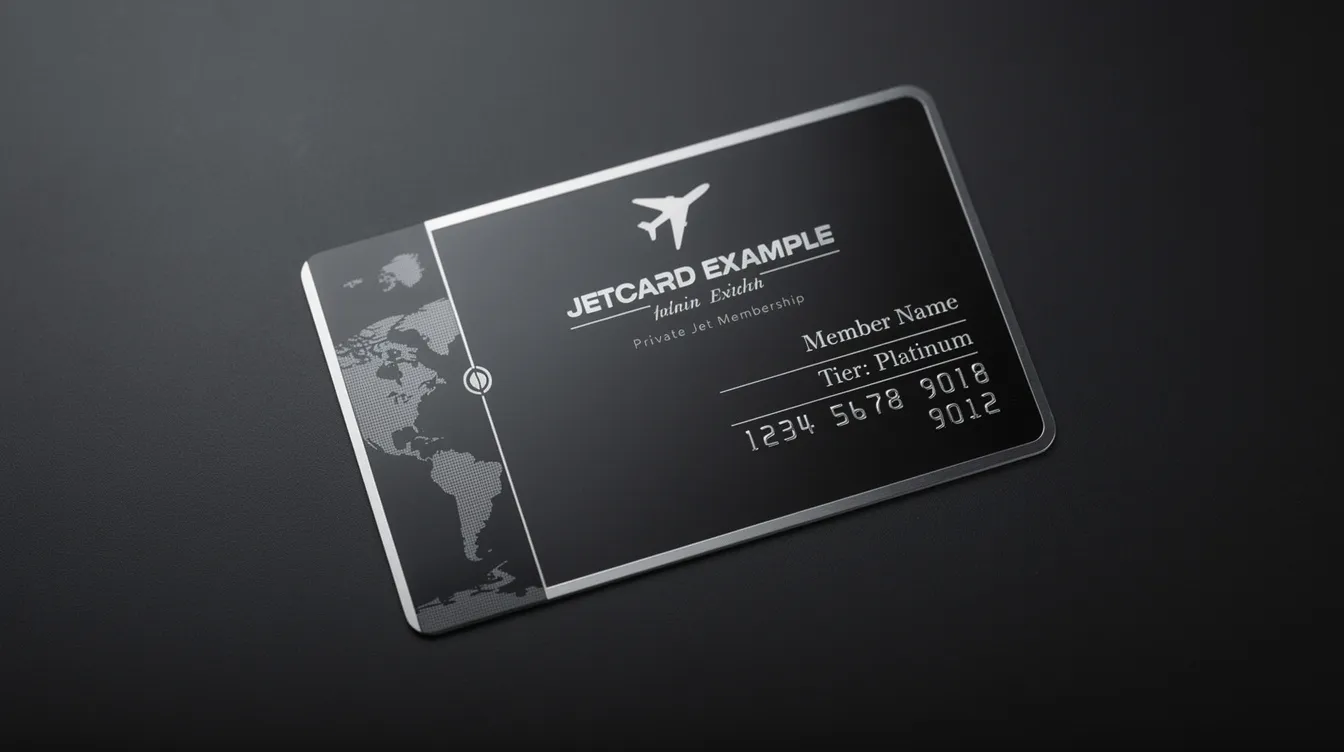
If you have ever wondered what a jet card is, the answer is straightforward: A jet card is a prepaid program that allows users to purchase flight hours or deposit funds to book private jet flights at fixed hourly rates, providing predictable costs and guaranteed availability. Think of it like a debit card for private aviation. You pay upfront for a block of flight hours or deposit funds with a provider, then draw down that balance each time you fly.
A private jet card sits between several access options in the private aviation landscape. On one end, you have on-demand charter, where you pay per trip and shop for quotes each time. On the other hand, there is fractional ownership (buying a share of an aircraft) and full aircraft ownership (purchasing the entire plane), which involves greater control but also higher costs and operational responsibility. A private jet membership typically involves paying fees for access and discounted pricing, while jet cards focus on prepaying hours at fixed rates.
To ground this in real numbers: entry-level jet card programs in 2026 often start at 25 hours on light or midsize jets, with total costs ranging from approximately USD 150,000 to 200,000 depending on the provider and aircraft category.
This guide is educational and neutral. It is designed to help travelers—whether business aviation clients or leisure travelers—decide which option fits their private aviation needs. For many anxious or curious flyers, private jets first become appealing when seeking calmer, more controlled travel experiences. At SkyGuru, we help travelers understand what they will feel and hear during flights through the SkyGuru fear-of-flying app, regardless of how they access that aircraft.
Jet cards also grant access to a range of aircraft types, enabling cardholders to choose the most appropriate option for their specific travel requirements, whether for short domestic trips or extended international journeys.
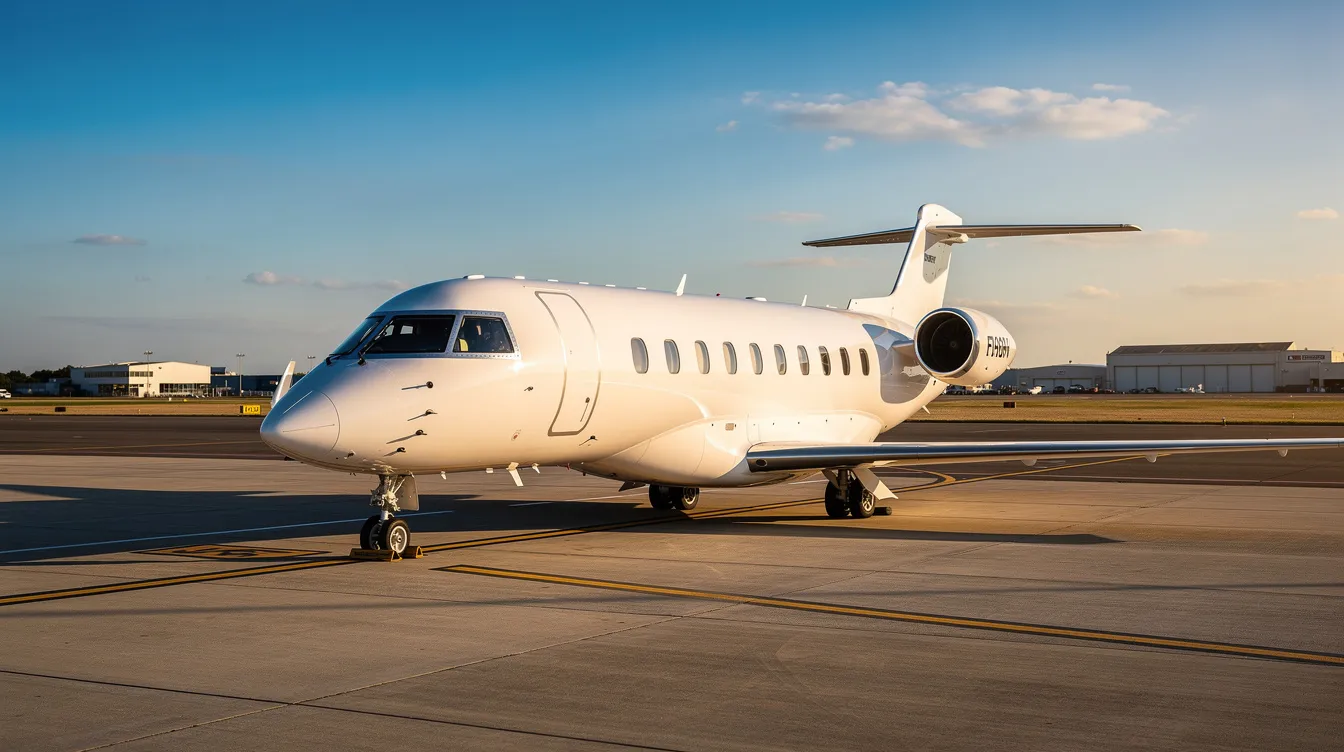
How Jet Cards Work
Understanding jet cards becomes easier with a step-by-step approach. Let us walk through the mechanics with concrete examples.
1.1 How Jet Cards Work
A jet card is a private aviation membership program that typically requires users to pre-purchase a specific number of prepaid hours—commonly 25, 50, or 100 jet card hours—which can be used to book flights as needed. These prepaid hours provide fixed hourly rates, predictable costs, and a streamlined booking process for private jet travel. It's important to note that jet card hours may have expiration dates and refund policies, so users should carefully review these details before purchasing.
1.2 Booking a Flight with a Jet Card
When making flight reservations with a jet card, members contact the provider to request a flight. The process of making flight reservations often requires a certain lead time, which can vary depending on whether you are traveling during peak or non-peak periods. Planning is important, as peak travel times may require longer notice to secure your preferred aircraft and schedule.
Two Main Funding Models
Jet card programs operate through two primary structures:
Hour-based prepaid programs: You purchase a fixed number of prepaid hours—typically 25, 50, or 100 jet card hours—at a locked hourly rate. Jet card programs generally require a minimum purchase of 10 to 25 flight hours. Entry-level options typically range in price from $50,000 to $150,000, depending on the provider and the number of hours acquired. These jet card hours may have expiration dates and refund policies, so it's important to review the terms to understand how long your hours remain valid and what refund options are available.
Deposit-based accounts: You wire a lump sum (for example, USD 250,000) into an account, then pay a fixed or variable rate per hour from that balance as you fly.
Guaranteed Availability
When making flight reservations with a jet card, lead times are crucial—typically, providers require 24 to 72 hours’ notice, though this can vary depending on whether you are booking during peak or non-peak periods. Planning is important, as making flight reservations during busy travel times may require more advance notice to secure your preferred aircraft at the agreed rate.
Most private jet card programs require a lead time of 24 to 48 hours to book a private jet flight; however, during peak travel periods, providers may request longer notice. Booking deadlines to secure your contracted rate can range from as little as 12 hours to several days, depending on the program and demand.
A Concrete Example
A traveler buys a 25-hour light jet card in 2026 at USD 7,000 per hour plus tax, bringing the total contract value to approximately USD 175,000 plus taxes. They then book a New York to Boston flight lasting about 45 minutes of actual air time. With taxi time included, this might be billed as 1.5 to 2 hours, deducted from their balance after the trip.
What Is Included (and What Is Not)
When considering flight pricing, it's important to understand what is included and excluded in the cost.
Typical inclusions in the hourly rate:
-
Aircraft and crew
-
Standard fuel
-
Basic catering (snacks and beverages)
-
Routine ground handling
Common extras that may cost additional fees:
-
De-icing (USD 1,000–5,000 per event)
-
Wi-Fi on some aircraft
-
Advanced catering beyond snacks
-
International handling charges
-
Fuel surcharges: Some jet card programs may add fuel surcharges that fluctuate with market fuel prices, so it's important to check for transparency regarding these additional fees.
Peak Days and Booking Windows
Around holidays like Christmas, New Year’s, or major events such as the Super Bowl, providers often require a longer booking notice (48–96 hours instead of 24). Some jet card programs charge peak period surcharges that can range from 10% to 40%, depending on demand during holidays and high-traffic travel days.
Jet cards simplify the booking process by allowing customers to book with a single phone call or app interaction. However, they do not eliminate all rules. Minimum flight times (60–90 minutes per flight day) and cancellation deadlines (24–72 hours) still apply.
Regardless of access method, the flight experience—noise, sensations, turbulence—can still cause anxiety. SkyGuru’s app helps explain these in real time, preparing you mentally for what happens during each phase of your flight, and the SkyGuru app FAQ explains in detail how this in‑flight guidance works.
Jet Card vs Charter vs Ownership
Understanding how jet cards compare to alternatives helps clarify where they fit in your travel planning. Conducting private jet card comparisons is valuable for evaluating different programs, as features, pricing, and policies can vary widely.
2.1 On-Demand Charter vs. Jet Cards
With private jet charter, you book flights on a flight-by-flight basis, paying for each trip. This offers maximum flexibility and allows you to choose from a wide range of aircraft and operators, with pricing that varies depending on the route, aircraft type, and market demand. In contrast, jet cards provide fixed hourly rates and guaranteed availability, offering more predictability and convenience for frequent flyers.
2.2 Fractional Ownership vs. Jet Cards
Fractional ownership involves purchasing a share of a specific aircraft, granting you access to that plane or a similar model within the provider’s fleet. Some jet card providers operate their own fleets, while others source aircraft from a network of operators, giving clients access to a broader selection of jets.
2.3 Membership Programs vs. Jet Cards
Membership programs may offer discounted rates or access fees for booking private flights, but often lack the fixed pricing and guaranteed availability of jet cards. Jet card programs can be structured by companies with their own fleets or by brokers who arrange flights through a network of operators.
Private Jet Access Comparison
Summary Table
|
Option |
Payment Structure |
Aircraft Source |
Who Offers It |
|---|---|---|---|
|
Jet Card |
Prepaid hours, fixed rates |
Own fleets or networks |
Fleet operators & charter brokers |
|
Private Jet Charter |
On a flight-by-flight basis |
Various operators |
Charter brokers & operators |
|
Fractional Ownership |
Share purchase, ongoing fees |
Own fleets |
Fleet operators |
|
Membership Program |
Annual/monthly fee, variable rates |
Networks |
Brokers & operators |
Jet card programs are provided by both fleet operators, who own and manage their own aircraft, and charter brokers, who serve as intermediaries connecting clients with multiple aircraft operators.This variety makes private jet card comparisons essential for finding the best fit for your travel needs.
On-Demand Charter
With private jet charter, you book flights on a flight-by-flight basis, paying for each trip as needed. A charter broker or operator quotes each journey separately, with prices varying depending on date, destination, and aircraft availability. There is no upfront commitment, but also no guaranteed availability or price stability.
Jet Cards
Jet cards represent the middle ground. Some jet card providers operate their own fleets, while others source aircraft from networks of managed or leased planes. You pre-purchase flight hours or deposit funds in exchange for predictable costs and usually guaranteed access to a suitable aircraft. Unlike fractional ownership, which requires a long-term commitment and significant capital investment, jet cards offer flexibility without the need for asset purchase or ongoing management responsibilities.
Fractional Ownership
Fractional ownership means buying a share of a specific aircraft—for example, a 1/16th share providing 50 hours per year. This involves multi-year contracts, monthly management fees (often USD 10,000–50,000), and scheduling rules. You have a stake in the asset but also share it with other owners.
Full Ownership
Purchasing an entire aircraft, known as aircraft ownership, gives you maximum control but also brings significant responsibilities and costs, demanding millions upfront (USD 5–50 million for a midsize jet) plus annual fixed costs of USD 1–2 million for crew, maintenance, hangar, and insurance.
Quick Comparison
|
Factor |
Charter |
Jet Card |
Fractional |
Full Ownership |
|---|---|---|---|---|
|
Upfront Cost |
None |
USD 50k–500k+ |
USD 500k+ |
USD 5–50M+ |
|
Pricing |
Variable |
Fixed or predictable |
Fixed + fees |
All costs are on the owner |
|
Commitment |
None |
12–36 months |
3–5 years |
Indefinite |
|
Guaranteed Access |
No |
Yes (with notice) |
Yes (with scheduling) |
Yes (if available) |
The cost structure of jet cards is generally more predictable than on-demand charters, as they often feature fixed hourly rates, while charter prices can fluctuate based on market conditions. Jet cards can be more cost-effective for frequent flyers compared to on-demand charters, especially for those who fly regularly but do not want the long-term commitment of fractional ownership.
Example: A traveler flying 10 round-trips annually between Los Angeles and New York (roughly 50 flight hours on a super midsize jet) might spend USD 400,000–600,000 chartering each trip separately due to price volatility, versus USD 300,000–400,000 prepaid through a jet card with locked rates.
None of these models is universally “best.” The right fit depends on flight frequency, route patterns, and tolerance for financial commitment. For those evaluating their options, private jet card comparisons are valuable tools that help analyze different programs side by side—considering policies, costs, and amenities—to find the best match for individual travel needs.
Types of Jet Card Providers
The term “jet card sellers” includes both fleet operators, who own and manage their own aircraft, and charter brokers, who serve as intermediaries connecting clients with multiple aircraft operators. These sellers play a vital role in providing liability coverage and upholding stringent safety standards for private flights. Understanding these different business models is essential to making an informed choice.
Fleet Operators vs. Brokers
Jet card programs are available from both fleet operators and charter brokers, collectively referred to as jet card sellers. Fleet operators own and manage their aircraft directly, while charter brokers act as intermediaries between clients and a variety of aircraft operators.Fleet operators (asset-heavy providers) operate under their own certificate and offer consistent cabin layouts. Jet card brokers (asset-light providers) source from networks of independent operators, providing broader reach but potentially more variability.
Fixed-Rate Programs
Fixed-rate jet cards publish an hourly tariff per aircraft size—for example, USD 8,000 per hour for a midsize jet in 2026—that remains constant for 12–24 months, subject to known surcharges.
Dynamic Pricing Programs
With dynamic pricing or “indexed” cards, you deposit funds and receive access to a network, but pay variable hourly rates based on real-time market conditions. This resembles charter pricing but with priority access.
Membership-Based Models
Some programs charge an initiation fee (USD 5,000–25,000) plus annual dues, then offer preferred pricing and guaranteed access without requiring you to buy hours upfront. This private jet membership approach suits travelers who want flexibility without large prepayments.
Some large brands combine models—operating part of their fleet while partnering with others and offering both fixed-rate and deposit-based solutions.
Buyer guidance: Look for transparency on how aircraft are sourced, what safety standards providers use, and whether your funds are held in escrow or client-segregated accounts.
Fleet Types Explained
A “fleet” is simply the group of aircraft a jet card provider can offer—these may include their own fleets, leased aircraft, or planes accessed through partnerships and managed fleets.
Owned Fleets
Some companies own or lease aircraft directly. This brings consistent cabin layouts, branding, and service standards. However, availability may be limited during peak demand or maintenance periods.
Managed Fleets
Many aircraft are owned by individuals or companies but operated by a management company under its operating certificate. These planes enter the charter market, expanding what providers can offer.
Partner or Network Fleets
Brokers and membership programs tap into multiple fleet operators worldwide. This increases geographic reach and aircraft variety but creates more variability in specific models and interiors.
How Fleet Type Affects Experience
-
Consistency: Owned fleets mean familiar cabins and Wi-Fi setups
-
Flexibility: Networks excel in covering exotic routes
-
Last-minute changes: Larger networks handle substitutions better
Safety Standards
In the U.S., only aircraft operating under a Part 135 certificate issued by the Federal Aviation Administration (FAA) are authorized for private flights sold through jet card programs. To ensure safety, jet card providers frequently engage third-party auditors like ARG/US, IS-BAO, and Wyvern to assess the operators of the private jets they utilize.Safety standards for private jet card flights include rigorous pilot training and operational standards that must be met to ensure passenger safety.
Nervous flyers should feel comfortable asking providers basic safety questions. Tools like SkyGuru can help you understand what you will feel and hear on each aircraft type, adding another layer of preparation, and media coverage of the SkyGuru turbulence prediction app highlights how it supports anxious travelers.

Jet Card Categories by Aircraft Size
Most jet card programs provide access to a variety of aircraft types, including light jets, midsize jets, super midsize jets, and large cabin jets, as well as turboprops and ultra-long-range jets. Jet card hours can often be used flexibly across these categories to accommodate different private aviation needs. Many jet card providers also allow for upgrading or downgrading aircraft size, enabling travelers to select the most suitable aircraft for each flight without incurring additional fees in some programs. Here is what each category offers:
Very Light and Light Jets
-
Passengers: 4–7
-
Range: 1,000–1,800 miles (New York to Miami)
-
Hourly rates: USD 5,000–8,000
-
Best for: Short regional trips
Midsize Jets
-
Passengers: 6–8
-
Range: 2,000–3,000 miles (Chicago to Los Angeles)
-
Hourly rates: USD 7,000–10,000
-
Best for: Cross-country domestic flights with more cabin space
Super Midsize Jets
-
Passengers: 8–10
-
Range: 3,000+ miles (coast-to-coast nonstop)
-
Hourly rates: USD 9,000–13,000
-
Best for: Transcontinental U.S. flights with comfort
Heavy and Ultra-Long-Range Jets
-
Passengers: 10–16+
-
Range: 6,000+ miles (New York to London)
-
Hourly rates: USD 14,000–20,000+
-
Best for: Intercontinental travel with lie-flat seating
Turboprops
-
Passengers: 4–8
-
Range: Under 1,000 miles
-
Hourly rates: USD 2,000–4,000
-
Best for: Short hops to smaller airports
Jet card programs often allow users to select specific aircraft types based on their travel needs, providing flexibility for different trip requirements. Many providers allow upgrading or downgrading of aircraft size, enabling travelers to choose the most suitable aircraft for each flight.
For anxious flyers, note that light jets tend to transmit more turbulence sensations due to their lighter weight, while larger aircraft generally provide smoother rides. Resources on how an app can help fear of flying show how SkyGuru can help you prepare mentally for what to expect on each aircraft category.
Where Jet Cards Are Available
Jet card coverage is not truly global for every program. Geographic rules and primary service areas matter significantly to both cost and aircraft availability.
North America
Many U.S.-focused programs provide fixed-rate, guaranteed-availability flying within the contiguous United States. Flights to Alaska, Hawaii, Canada, Mexico, and the Caribbean typically incur extra fees (10–50% surcharges) or require longer booking windows.
Europe
European programs focus on popular business and leisure routes—London to Paris, Zurich to Nice, Frankfurt to Palma—with defined service regions and surcharges for destinations outside them.
Global and Transatlantic
Some providers offer fixed rates for flights like New York to London or London to Dubai, but often require longer booking windows (48–96 hours) and higher minimums.
Many jet card programs absorb or eliminate repositioning fees, which are common in traditional charter services. This makes jet cards particularly attractive for frequent routes within a primary service area.
Travelers who frequently combine regions should verify whether a single card covers all their common routes or if multiple solutions might be needed. Anxious travelers may prefer programs with strong regional coverage to minimize last-minute substitutions—and SkyGuru can help them understand unfamiliar routes and weather patterns, which is powered by the underlying SkyGuru flight and weather data API.
Major Jet Card Companies (Examples, Not Endorsements)
This section provides neutral examples of well-known private jet card providers as of 2026. These are not endorsements. When considering what a jet card is, it's crucial to select the right jet card provider for your specific travel needs, as offerings and benefits can vary widely. Some jet card companies also enhance customer experience through partnerships with luxury hotels and exclusive service providers, adding extra value and convenience for travelers seeking a premium experience.
Fleet-Based and Fractional Brands
-
NetJets: Operates one of the largest fleets globally, offering jet cards alongside fractional ownership
-
Flexjet: Combines fractional ownership with lifestyle perks and jet card options.
-
VistaJet: Focuses on heavy jets and global coverage with membership-style programs
Broker and Membership Brands
-
Sentient Jet: A prominent broker offering deposit-based cards with access to operator networks
-
Magellan Jets: Provides both membership and jet card options with concierge-style service.e
-
Wheels Up: Uses dynamic pricing with a large network and app-based booking
-
XO: Offers app-based access with dynamic rates and crowdsourced flight options
-
Jet Linx: Features local terminals and programs often without peak surcharges
Differentiators to Consider
-
Transparency of jet card prices and terms
-
Clarity on peak days, minimums, and cancellation policies
-
Geographic coverage matching your routes
-
How client funds are protected (escrow versus operating accounts)
-
Importance of choosing the right jet card provider for your specific travel needs
-
Availability of partnerships with luxury hotels and exclusive brands that can enhance your travel experience
Do not choose solely based on brand recognition or VIP access perks. Align program structure with your usage patterns, safety expectations, and need for flexibility.
Regardless of provider, anxious or first-time private flyers benefit from extra information during flights. SkyGuru’s real-time explanations of turbulence, sounds, and flight stages complement the logistical convenience of any jet card, and the SkyGuru app's questions and answers page details how it delivers this information even in airplane mode.
Jet Card Pricing: What You Really Pay For
Understanding the full flight pricing picture reduces surprises—important for both financial planning and emotional comfort. It's essential to consider all cost elements, including taxes, fees, and surcharges, as well as how factors like fuel prices can impact costs through variable fuel surcharges.
Main Cost Elements
-
Upfront deposit or membership fee: USD 50,000–500,000+
-
Hourly flight rate: Varies by aircraft category
-
Taxes: U.S. Federal Excise Tax of 7.5% on domestic flights
-
Surcharges: As part of overall flight pricing, surcharges may include fuel surcharges (which can fluctuate based on current fuel prices), international fees, de-icing, catering upgrades, and ground transportation
Hourly one-way rates for jet cards range from $6,500 for very light jets to $20,000 for ultra-long-haul private jets, with most providers charging only for occupied hours.
Minimum Flight Times
Many programs bill a minimum of 60–90 minutes per flight day, even if the actual flight time is only 45 minutes. For example, a 45-minute flight with a 90-minute minimum and 12 minutes of taxi time might be billed as 1.7 billable hours at USD 7,000 per hour—totaling approximately USD 11,900 before taxes.
Peak-Day Surcharges
Peak day surcharges in 2026 commonly range from 10–20%, with some programs reaching 30–40% for very high-demand days around holidays or major sporting events.
Expiration Rules
Some jet cards require hours to be used within 12–36 months. Others allow unlimited rollover as long as membership remains active. These policies significantly affect your real cost per hour if you do not fly as often as planned.
Refund Policies and Fund Protection
Verify whether unused balances are refundable. Ask if client funds are held in escrow or client-segregated accounts versus company operating accounts. This matters for protection if a provider faces financial difficulties.
Jet cards eliminate the need to shop around for the best charter prices for each trip, saving time and effort by allowing users to book flights knowing they are securing a competitive rate. The fixed-rate pricing structure enables easier budgeting and planning of travel expenses.
Pros and Limitations of Jet Cards
Advantages
-
Predictable jet card pricing: Fixed rates shield you from fuel price spikes and market volatility
-
Ideal for those who fly frequently: Especially suited for business aviation clients, jet cards offer cost-effective, consistent access and transparent pricing for frequent flyers, including business executives and corporate travelers
-
Faster booking: Book private jet flights with a single call or app interaction rather than shopping for quotes
-
Guaranteed access: Secure aircraft availability with 24–48 hours' notice under normal conditions
-
Reduced administrative burden: Pre-purchasing hours minimize repetitive payment processes
-
Consistent service: Access to a fleet with standardized safety protocols and catering services
For anxious travelers, less last-minute uncertainty can be calming. Knowing your flight is confirmed lets you focus on mental preparation—using SkyGuru to anticipate turbulence and understand flight sounds.
Limitations
-
Significant upfront costs: Often USD 150,000–500,000+
-
Program rules: Blackout dates, minimum flight times, and cancellation deadlines apply
-
Potential surcharges: Peak periods and special services add costs
-
Expiration risk: Unused hours may expire if travel patterns change
-
Not ideal for light users: Fewer than 10–15 hours annually may be better served by charter
Is a Jet Card Right for You?
Think about your actual flying patterns rather than marketing promises. Evaluating your private aviation needs is essential—consider how often you fly, your preferred aircraft types, and the flexibility you require. This will help you determine if a jet card aligns with your travel habits or if another private aviation solution might be better suited.
Ultimately, selecting the right jet card provider is crucial to ensure your private aviation experience meets your expectations for flexibility, availability, and cost-effectiveness.
Typical Jet Card Users
Jet cards are often preferred by those who fly frequently, including both business and leisure travelers, seeking guaranteed, predictable service. They are especially attractive to individuals flying 50–100 hours annually, but travelers flying around 15–50 hours per year on similar routes also find value in the predictability and time savings.
Self-Assessment Checklist
-
How many hours will you realistically fly annually?
-
Can you commit USD 100,000+ upfront?
-
Do you prefer predictable pricing over hunting for the lowest rate?
-
Can you avoid most peak travel periods, or accept surcharges?
-
Are you comfortable with 12–36 month commitments?
Two Quick Personas
Business owner flying monthly between Dallas and New York: With roughly 40–50 annual flight hours on a consistent route, a midsize jet card offers predictable costs and quick booking—ideal for unpredictable meeting schedules.
Family splitting time between London and a Mediterranean home: Frequent but seasonal travel might favor a European-focused card with strong regional coverage, though peak summer surcharges need consideration.
For nervous or first-time private flyers, a jet card solves logistics, but mental-wellness tools like SkyGuru address the in-flight anxiety and fear of turbulence that can persist regardless of how luxurious your travel arrangements are; they illustrate how an app can help your fear of flying by offering education and real-time reassurance.
Compare at least two or three options—charter, jet card, membership—with realistic numbers over 12–24 months before deciding.
FAQs About Jet Cards
What is the difference between a jet card and a private jet membership?
A jet card involves prepaying for a specific number of flight hours or depositing funds used at fixed hourly rates. A private jet membership focuses on access and discounted pricing through initiation fees and recurring dues, often without requiring large upfront hour purchases. Some providers blend both models.
How many hours do I need to fly for a jet card to make sense?
Generally, 15–50 hours per year is the practical range where jet cards offer meaningful benefits over ad-hoc chartering. Below 15 hours, an on-demand charter may provide more flexibility without tying up capital. Above 50–100 hours, fractional ownership or more comprehensive programs might warrant consideration.
Are jet card flights as safe as other private flights?
Yes. Jet card sellers are responsible for maintaining safety standards, including rigorous pilot training and operational standards to ensure passenger safety. Reputable providers use operators certified under regulations like FAA Part 135 in the U.S. Many also require third-party safety audits through organizations like ARGUS, Wyvern, or IS-BAO, and may uphold additional in-house safety standards.
Can a jet card help if I am afraid of flying?
A jet card changes how you pay and plan, potentially reducing booking stress and uncertainty. However, managing fear of flying requires education and coping tools beyond logistics. SkyGuru can help by explaining in real time what you feel and hear during flights—turbulence, engine sounds, and flight stages—giving you knowledge that reduces anxiety regardless of how you access your aircraft, and broader guidance on using an app to overcome fear of flying can further support nervous travelers.
The best private jet access option depends on your travel frequency, route patterns, budget, and tolerance for commitment. Jet cards offer a compelling middle ground for many travelers—providing predictability without ownership burdens. Whether you choose a jet card, charter, or another path, understanding your options puts you in control.
For the journey itself, remember that how you feel during a flight matters as much as how you booked it. Download SkyGuru to get real-time explanations of everything happening during your private flights, transforming uncertainty into understanding, and explore how the SkyGuru fear-of-flying app has been covered in the media alongside the SkyGuru API platform for detailed flight and turbulence data.
Conclusion
Jet cards offer a practical and predictable way to access private jets without the complexities and commitments of ownership. They provide prepaid flight hours at fixed rates, guaranteed availability, and access to a variety of aircraft types, making them an attractive option for frequent flyers who value convenience and cost transparency. While jet cards require significant upfront investment and come with certain program rules, they can simplify private aviation by eliminating the need to shop for each trip and reducing administrative tasks.
Choosing the right private jet access option—whether a jet card, on-demand charter, membership, or ownership—depends on your travel frequency, budget, and flexibility needs. For many travelers, especially those flying 15 to 100 hours annually, jet cards strike a balance between cost, convenience, and commitment. Ultimately, informed decision-making and understanding your unique travel patterns will help you select the option that best fits your lifestyle.
Remember, beyond logistics and pricing, managing your comfort during flights is essential. Tools like SkyGuru can support nervous or first-time flyers by providing real-time insights into flight conditions, helping to reduce anxiety and enhance the private jet experience.
FLEET SELECTION
JET CARDS
COST ANALYSIS


How to Auditing Your Operator's Maintenance Logs
Oct 05, 2025

How to Auditing Your Operator's Maintenance Logs
Oct 05, 2025

How to Auditing Your Operator's Maintenance Logs
Oct 05, 2025
Sky Guru Weekly
The smartest private aviation intelligence in your inbox.
.svg)

