




Yes, you can rent out your private jet—but it works more like running a small business than collecting passive income from a rental property. When owners place their aircraft on a charter certificate, they enter a world of commercial aviation regulations, management partnerships, and operational trade-offs that require careful consideration.
This article is about how to rent out your private jet to generate private jet charter revenue and offset ownership costs. It is not a guide for travelers looking to rent a private jet as a passenger. If you own a jet and are wondering whether chartering it to others makes financial sense, this is the resource you need.
Consider a concrete scenario: a 2018 midsize jet based at Teterboro (TEB) in New Jersey or Van Nuys (VNY) in Los Angeles. The owner flies approximately 150 hours per year for personal and business use and wants to charter the aircraft for another 300–400 hours annually. At 2026 midsize rates, that additional utilization could generate $1–1.4 million in gross owner revenue. However, after accounting for management fees, maintenance reserves, and other costs, the net result might cover 50–70% of fixed ownership expenses like hangar fees (around $150,000 per year at premium airports) and insurance ($100,000 or more annually).
The viability of this arrangement depends heavily on the aircraft type. A light jet like the Citation CJ4 suits short regional hops with high cycle demand but lower hourly rates ($3,000–$4,000 retail per hour). A midsize jet such as the Citation Latitude balances regional and transcontinental missions at $4,500–$6,000 per hour. Heavy jets like the Gulfstream G450 target long-range routes with premium pricing ($8,000–$12,000 per hour), while ultra-long-range aircraft like the G650 command $12,000–$18,000 per hour for global travel but face lower utilization due to fewer available missions.
Some owners share tools like SkyGuru—a real-time flight analytics app—with nervous charter guests to help explain turbulence and flight stages, adding value to the passenger experience without any extra cost.
This article covers how charter revenue works, the pros and cons of chartering your aircraft, demand and usage considerations, and the impact on wear and long-term value. Each section includes practical examples and 2026-level price ranges to help you evaluate whether renting out your private jet makes sense for your situation.

How Private Jet Charter Revenue Works
Renting out your private jet means placing the entire aircraft on a Part 135 charter certificate with a commercial operator in the United States (or equivalent EASA regulations in Europe and CAA approvals in the UK). To legally carry passengers for hire in the U.S., the aircraft must be operated under an FAA Part 135 Air Carrier Certificate. This is not a casual “Airbnb-style” arrangement—strict safety standards, insurance mandates, and operational oversight make casual subletting without certification illegal, with penalties including certificate revocation and fines up to $25,000 per violation.
The charter business model involves three main parties working together under formal agreements.
The aircraft owner provides the asset, retains legal title, and receives net revenue after operator fees. The owner continues to cover fixed costs like hangar fees, financing or lease payments, and certain unscheduled maintenance items.
The charter operator or management company (such as Jet Aviation, Signature Flight Support, or regional operators listed on platforms like Jettly) markets the aircraft, handles bookings, provides or manages crew, ensures regulatory compliance, and flies under their own certificate. They retain a management fee, typically 15–25% of the hourly charter rate.
Charter clients are high-net-worth individuals or corporations booking on-demand trips through brokers or apps. Private jet travel allows for significant time savings, with travelers often saving between 2 and 9 hours per trip by avoiding commercial flight bottlenecks such as long check-ins and layovers. Travelers can often check in for private jet flights much closer to departure times than commercial flights, sometimes arriving just 15 minutes before takeoff.
How revenue flows in practice:
The charter client pays the retail hourly rate to the operator, but transparent pricing matters because comparing the full flight cost is more useful than judging the base hourly quote alone. Private jet rental prices typically range from $2,000 to $14,000+ per billable hour, influenced by factors such as aircraft size, distance, and real-time logistics. The operator deducts their fee (for example, 20% on a $4,500 rate equals $900), along with fuel surcharges and operational pass-throughs. The remaining amount flows to the owner as private jet charter revenue.
Here are realistic 2026 revenue examples by aircraft category:
|
Aircraft Type |
Retail Hourly Rate |
Owner Revenue Per Hour |
|---|---|---|
|
Light jet |
$3,000–$3,800 |
$2,000–$2,800 |
|
Midsize jet |
$4,500–$5,800 |
$3,000–$4,000 |
|
Heavy jet / Long range |
$7,000–$10,000+ |
$4,500–$6,000 |
The cost of a private jet flight can vary significantly based on the type of aircraft, with light jets typically costing between $4,000 and $6,000 per hour, and midsize jets ranging from $6,000 to $8,000 per hour when factoring in all expenses. Costs for private jet rentals can be 20-40% higher than the base hourly rate because of additional costs such as taxes, positioning charges, and catering preferences, and low quotes may include hidden costs when pass-through items are omitted.
What the hourly charter rate covers versus the total charter cost:
The total charter cost is the full amount once fuel, crew, and airport charges are included. The charter rate typically covers variable costs, including fuel (25–35% of the total, approximately $800–$1,500 per hour at current Jet-A prices), crew salaries for that trip, routine maintenance reserves ($200–$500 per hour), enhanced commercial insurance requirements, and airport pass-throughs such as landing fees.
The owner remains responsible for fixed costs that exist regardless of charter activity: hangar fees ($10,000–$20,000 per month at airports like TEB or VNY), loan or lease payments (often $50,000 or more monthly for financed aircraft), calendar-based inspections (Phase checks every 2–6 years costing $200,000+), avionics upgrades, and some unscheduled maintenance items.
Example calculation:
A 2019 Citation Latitude midsize jet flying 350 charter hours per year at an owner revenue rate of $3,500 per hour generates approximately $1,225,000 in gross revenue. After subtracting the operator’s management fee (roughly $250,000) and fuel/maintenance reserves passed through (approximately $300,000), the owner nets around $675,000. If the owner’s annual fixed costs total $400,000, the charter operation offsets about $275,000 of those costs—covering 60–70% of what would otherwise come out of pocket.
Typical management and charter agreements:
Contracts generally run 3–5 years and can include different lease terms when the aircraft is financed or tied to a leasing structure, while still requiring commercial-level insurance, typically $50–100 million in liability coverage. Higher insurance costs are typically required when operating an aircraft for hire compared to private-only operations. Specific insurance coverage that includes liability and hull damage during charter flights is often required and more expensive than standard private policies.
The operator controls crew scheduling, maintenance timing, and dispatch decisions. Charter availability for the owner is not unlimited—the aircraft must be available for high-revenue commercial trips, and contracts typically define owner “blackout dates” or priority systems (such as 24–72 hours notice for personal trips).
Many owners maintain a simple profit-and-loss spreadsheet to track whether the charter is truly offsetting ownership costs or simply increasing utilization without meaningful financial benefit.
Pros and Cons of Chartering Your Aircraft
Renting out your private jet can be financially helpful for owners who fly relatively few personal hours each year, but it fundamentally changes how and when you can use the aircraft. The decision involves weighing cost efficiency against exclusivity, flexibility, and long-term asset value, while also comparing access models such as fractional ownership, jet cards, and private jet membership.
Advantages
Offset ownership cost: Revenue from chartering can significantly offset operating costs, though some owners compare private jet leasing as a more flexible alternative before placing their aircraft on charter, with fixed expenses potentially reduced by 30% to 100% depending on utilization. Consider a light jet like the Phenom 300 with 300 charter hours at $2,500 owner net per hour—that generates $750,000 annually, covering 70–80% of typical fixed costs,s including hangar fees around $120,000, insurance at $80,000, and crew reserves of $300,000. Renting out a private jet can help offset high fixed costs like hangar fees and crew salaries.
Improved cost efficiency: Higher annual utilization spreads fixed costs over more flight hours. An aircraft flying 500 total hours instead of 150 drops its per-hour fixed cost from roughly $6,000 to approximately $1,800, making your own private flight significantly more cost-effective on a per-hour basis and supporting more cost-effective travel overall.
Professional operations: Aircraft managed under commercial operations benefit from FAA-audited safety programs, 24/7 dispatch services, and standardized crew training on programs like ARGUS TRAQPak. Chartering operations require pilots to have higher certifications than those needed for private operations, which can improve overall safety standards.
Tax and depreciation planning: If the aircraft is used for business more than 50% of the time, owners may be eligible for significant depreciation deductions under Section 168(k). Rental income from charters may have specific tax implications that owners need to consider, and consulting a tax professional is advisable. This article does not provide tax advice—work with an aviation-focused CPA for your specific situation.
Better aircraft readiness: Frequent operation keeps systems from sitting idle. Chartering can sometimes improve the operational efficiency of the aircraft by preventing mechanical issues caused by long idleness, including seal degradation and fluid contamination that occur in low-utilization aircraft. Boeing studies suggest active flying can extend airframe life 10–20% compared to jets that sit unused for extended periods.
Disadvantages
Less flexibility: Chartering may result in scheduling conflicts for owners, especially during peak travel seasons. You may not be able to take the airplane on short notice during Thanksgiving week or the European summer if it is already committed to a charter client. Contracts often require 24–72 hours' notice for owner trips, and peak denial rates can reach 20–30% during high-demand periods.
Increased wear and cosmetic aging: More cycles and more passengers accelerate interior wear, paint chips, and cabin maintenance needs. Seats, carpets, and lavatories see 2–3 times more use than in owner-only operations, requiring interior refreshes every 3–4 years instead of 6–7 years. This affects both maintenance costs and potential resale value.
Higher total operating costs: More flying means more inspections, larger engine reserves, and component overhauls arriving sooner in calendar time. For example, 350 charter hours per year might add 400–500 cycles, advancing a $500,000 landing gear overhaul by 2–3 years compared to owner-only use. Frequent chartering of aircraft leads to increased maintenance costs due to more rigorous inspection schedules.
Cabin configuration compromises: Some owners remove ultra-luxury or very personal elements—custom artwork, monogrammed linens, premium suede seating—to keep the cabin durable and neutral for charter guests. This means choosing leatherette over fine leather and accepting a less personalized space.
Privacy and security considerations: Unfamiliar passengers use your aircraft, catering vendors and ground crews gain access to your asset, and crew rotation increases. This represents a significant shift from the exclusive private travel experience many owners expect.
Owner-only vs. charter comparison:
An owner flying 150 hours annually without charter faces approximately $900,000 in net cash outflow with pristine interior condition and a 7-year refresh cycle. Adding 350 charter hours (500 total) might result in $200,000 net positive cash flow, but with interior refreshes needed every 3–4 years and potentially 5–10% higher resale risk due to visible wear.
Bottom line: Chartering tends to make most sense for owners flying under approximately 200 hours per year who are comfortable treating the aircraft as a shared asset rather than a purely private space. For most travelers, chartering a private jet is more financially efficient than ownership, especially for those flying fewer than 200 hours per year, and frequent flyers are often the ones most likely to compare ownership, charter, membership, and leasing options closely.

Demand, Usage, and Cost Efficiency Considerations
Revenue potential depends heavily on where the jet is based, what type of aircraft it is, and how flexible you are with scheduling. Understanding these factors helps set realistic expectations before entering any management agreement.
Location and market dynamics
High-demand bases like New York (TEB, HPN), Los Angeles (VNY), London (Luton, Farnborough), and Dubai can keep a jet busy year-round with 400–600 charter hours achievable. Proximity to major business centers and access to more airports than commercial airlines help support flexibility, with 80% of trips falling under 1,000 nautical miles and providing consistent regional charter demand.
Lower-demand regions—smaller cities or remote airports—may see more seasonal or weekend-only demand, limiting charter hours to 250–350 annually. In quiet markets, the aircraft may need to reposition (fly empty) to pick up charter passengers, generating empty leg flights that affect both revenue and aircraft wear. Empty leg flights can be discounted by up to 50% versus standard charter rates, which helps attract flexible travelers—but from an owner’s perspective, they represent reduced revenue per flight hour.
Aircraft size and mission profile
Light jet demand: Typical trips include Boston–DC, Dallas–Houston, and similar short business hops under 400 nautical miles. Lower hourly rates but high demand for both business travelers seeking time savings and weekend leisure trips. Regional charter activity can generate 400 flight hours annually in active markets.
Midsize jet demand: Routes like Chicago–LA, New York–Miami, or London–Athens showcase where midsize jets excel, offering a balance of range, cabin space, and cost efficiency. Matching the right aircraft to a specific trip helps drive both utilization and pricing. Super midsize jets compete in this segment for slightly longer missions. Business and leisure travel mix fairly evenly.
Heavy jet and ultra long range demand: Long range missions—New York to London, LA to Honolulu, Dubai to Paris—generate fewer trips but at significantly higher revenue per flight, with international travel also supporting demand on these longer sectors. Crew scheduling and maintenance planning become more complex, and aircraft availability for charter may be limited by positioning requirements.
Utilization patterns and seasonal demand
Common targets for management companies range from 300 to 600 charter hours per year, depending on aircraft type, base location, and owner restrictions. Seasonality significantly impacts demand:
-
US Thanksgiving: utilization reaches 90% on premium routes
-
Christmas/New Year: heavy leisure demand, particularly to warm-weather destinations
-
European summer (June–August): 85% utilization for Mediterranean routes
-
Major events: World Economic Forum in Davos and Art Basel in Miami can hit 100% booking rates
Weekday versus weekend patterns also matter. Business-heavy routes pack Tuesday through Thursday (60% of business travel), while leisure-heavy routes see Friday and Sunday peaks. Travelers can save on private jet costs by being flexible with their travel dates and airports, as this can lead to lower rates and better availability. Weather, airport congestion, or geopolitical issues can still create operational disruptions that operators should plan around.
How owner usage windows affect charter revenue
Operational control decisions must be made by aircraft owners about how much availability they want to retain for personal use when renting out their jets. If you block every school holiday and most weekends, the aircraft may be unavailable during some of the most profitable charter periods, potentially reducing annual revenue by 20–30%.
Some contracts set a minimum number of charter days per month. Others guarantee the owner first priority with 24–72 hours' notice, which reduces potential revenue but preserves flexibility. Flying on a private jet provides the flexibility to choose departure times and routes, allowing travelers to avoid the constraints of commercial airline schedules—but as an owner chartering your aircraft, you trade some of that flexibility for revenue. Some operators also market shared flights on suitable missions to help fill seats or lower trip pricing.
Charter client expectations
Today’s charter clients expect punctuality, working Wi-Fi, clean interiors, predictable catering, and access through private terminals. If your aircraft develops a maintenance issue mid-trip (goes “tech”), the operator needs backup aircraft options to maintain client relationships. Coordinating ground transportation is often part of delivering a seamless charter experience. Private jet charters provide significant time savings, allowing travelers to bypass long security lines and access smaller airports, which can reduce travel time by 2-9 hours per trip compared to commercial flights. Private jets offer enhanced comfort and privacy, and tools like the SkyGuru mobile app, developed to help passengers overcome fear of flying, allow anxious passengers to work, relax, or enjoy personalized services during their flight in ways that are often not possible on commercial airlines.
Frequent short trips with many passengers increase cabin wear relative to an owner-only schedule with fewer cycles.
Illustrative comparison:
A light jet based in Phoenix primarily flying regional business routes might achieve 400 charter hours per year, generating approximately $1 million in owner revenue at an average of $2,500 per hour. A heavy jet based in London focusing on long-range transatlantic flights might fly only 250 charter hours annually but generate $1.75 million at a $7,000 per hour average.
Before signing any agreement, ask potential management companies for specific 12-month demand projections broken down by trip length, average hourly rate, and expected empty legs. Sharing the cost of a private jet charter can reduce expenses by 40-70% for groups of 4-12 travelers, making private aviation more accessible—this dynamic affects how operators price and market your aircraft.

Impact on Wear and Value
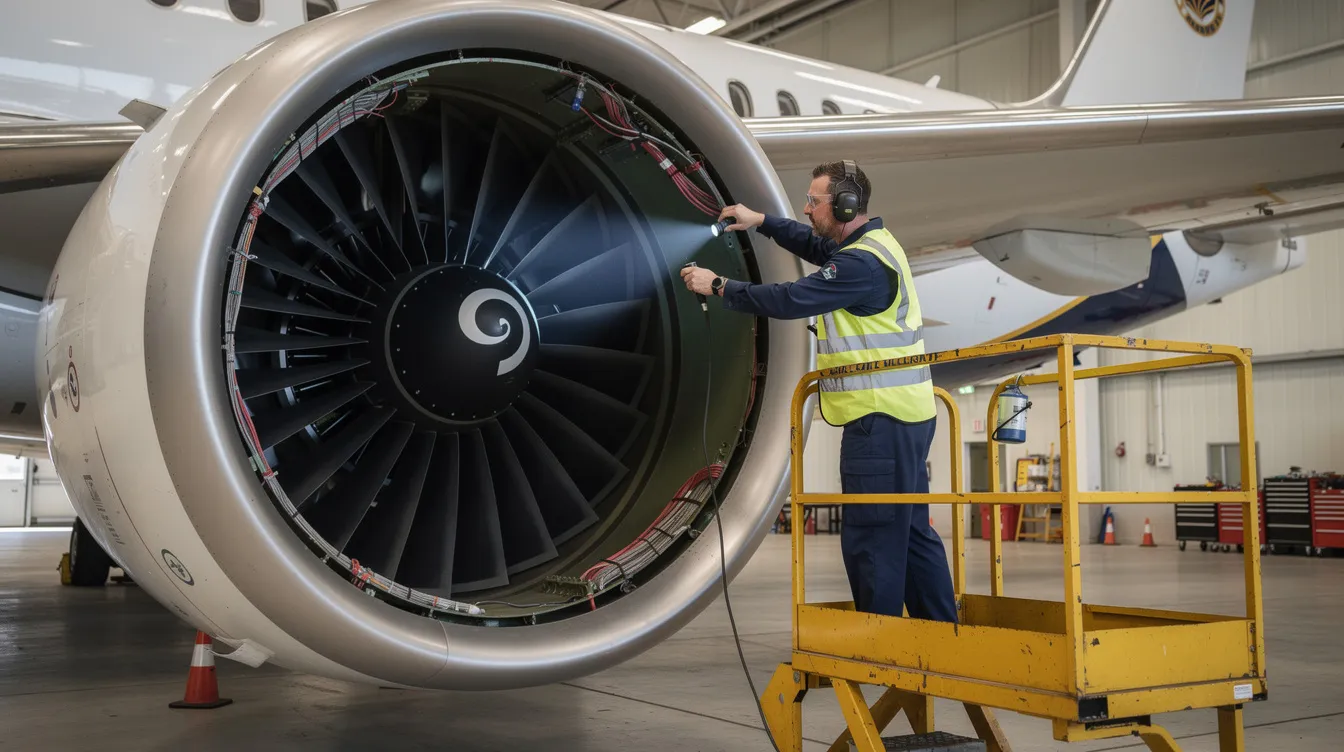
Charter use creates a trade-off: it keeps the aircraft active and systems healthy, but it accelerates time-based and cycle-based maintenance limits. Understanding this balance is essential for long-term financial planning.
Technical wear explained simply.
Two metrics drive aircraft maintenance scheduling: flight hours and cycles.
Flight hours measure total engine run time—how long the aircraft has been flying. Cycles count takeoffs and landings, regardless of flight duration, so shorter flights often drive cycle counts up faster than longer missions. Both matter because different components wear based on different factors, and wear, runway performance, and some operating limits also vary with aircraft weight and mission profile.
Short sectors typical for light jets on regional charter (45–60 minute flights) create more cycles per hour than fewer, longer flights on a long-range or ultra-long-range jet. A light jet doing mostly short hops might accumulate 1.2–1.5 cycles per flight hour, while a heavy jet on transcontinental routes might see only 0.5 cycles per hour.
Concrete examples of wear accumulation
A light jet conducting mainly 45–60 minute charter hops might log 500 cycles in 400 flight hours per year. This accelerated cycle count pushes gear inspections, structural checks, and other cycle-limited maintenance events forward in calendar time.
An aircraft with a long range might fly 300 hours but accumulate far fewer cycles due to longer mission profiles. Major cycle-limited checks come due later in calendar time, even with similar annual flight hours.
Maintenance and major events
Engine overhauls, landing gear overhauls, and major inspections arrive at fixed-hour or calendar intervals—typically 3,000–4,000 hours for engines ($1–3 million each), 6–10 years for landing gear ($500,000+), and various Phase checks every 600–3,000 hours ($100,000–$500,000).
Higher annual utilization brings these events forward in calendar time. Jets used for charter are subject to more frequent and documented inspections compared to purely private use. Charter hourly rates usually include “maintenance reserves” or similar charges, but these reserves may not fully cover major items on older airframes; newer aircraft may benefit from improved fuel efficiency, which can ease operating pressure without eliminating wear-related costs.
Interior and cosmetic condition
More passengers, shorter turns, and cabin size all influence how quickly seats, carpets, veneers, and lavatories show wear. Charter-focused owners often choose durable, easy-to-clean materials and accept more frequent interior refreshes—carpet and upholstery replacement every 3–4 years instead of 6–7. Different cabin classes or more premium interiors may also require costlier refresh choices.
Budget approximately $150,000–$200,000 for interior refresh cycles, occurring twice as often under heavy charter use as under owner-only operation.
Market perception of charter aircraft
In 2026, many buyers accept professionally managed, commercial-use aircraft if maintenance records are complete and the jet has been enrolled in reputable programs like Rolls-Royce CorporateCare. Chartering an aircraft can increase wear and tear, potentially lowering its long-term resale value by 5–15% for high-time charter jets (4,500 hours versus 2,000 hours on comparable aircraft).
Some ultra-private buyers—particularly in the heavy jet and ultra long range categories—may specifically avoid aircraft with visible charter wear or very high total time.
Before/after comparison:
Consider two identical 2017 midsize jets. The first has 2,000 total hours, has been owner-flown only, features a pristine original cabin, and retains approximately $18 million in value. The second has 4,500 total hours, including 600 charter hours per year, has received modern avionics upgrades but required two interior refreshes, and commands $16–17 million at resale—a 5–10% discount reflecting higher wear despite the upgrades.
Safety and comfort considerations
Higher utilization means more frequent encounters with turbulence and adverse weather conditions. For charter guests who experience anxiety during flights, tools like SkyGuru, a mobile app that provides real-time in-flight weather and route information, can help explain turbulence, flight stages, and what passengers will feel and hear in real time, improving the overall experience without requiring owner intervention.
Practical guidance:
Ask your management company to provide a multi-year forecast of hours, cycles, and major maintenance events. Build these projections into your financial model when deciding whether to rent out your private jet. Some operators and technology partners use detailed flight and weather data APIs with turbulence indices and airport evaluations to refine these forecasts and improve trip planning. The process of booking a private jet typically involves four main steps: defining trip details, selecting an aircraft, verifying safety credentials, and booking the flight—and savvy charter clients will research your aircraft’s maintenance history before booking.
Deciding If Private Jet Leasing Is Right for You
The decision to charter your aircraft comes down to four factors: your financial goals, how much flexibility you need, your tolerance for accelerated wear, and how “private” you want your aircraft to feel.
A simple three-step decision process:
Step 1: Work with an aviation advisor to model 5-year cash flows under both scenarios—owner-only operation versus owner plus 300–500 charter hours—so you can compare not just revenue but the full economics of a private charter program for your aircraft. Some advisors now incorporate route-level flight and turbulence data from SkyGuru’s API platform to better understand utilization, weather-related delays, and comfort impacts. Private jet ownership typically involves significant ongoing expenses, including maintenance, crew salaries, insurance, and hangar fees, which can make chartering a more appealing option for infrequent travelers. Compare total charter cost, not just revenue.
Step 2: Define hard limits on your personal availability. Set minimum notice requirements for your own trips (24 hours? 72 hours?), identify blackout dates you will not compromise (school holidays, major family events), and establish maximum annual charter hours you are comfortable with.
Step 3: Interview at least two management or charter companies in your region. Compare their projected demand for your aircraft type, hourly rate assumptions, maintenance handling practices, contract terms, and whether the operator can help match the right aircraft to your expected mission mix. Ownership of chartered aircraft requires managing crew availability and strict compliance with aviation regulations—ensure any operator you consider has a strong track record.
Realistic expectations:
For most owners, charter revenue meaningfully offsets ownership costs but rarely turns a private jet into a profitable standalone business after accounting for all expenses and capital costs. Chartering offers flexibility to select the ideal aircraft for each trip, allowing travelers to avoid the long-term commitments and fixed costs associated with ownership, which is why some owners eventually decide to sell their aircraft and charter instead. For nervous flyers in your family or client base, recommending a SkyGuru-style app that explains flight stages and weather in real time can make charter flights more comfortable without changing your operational model.
Even if you choose not to charter your aircraft, you can still improve the flying experience for family and guests who are anxious about turbulence or flight details by giving them tools that explain what is happening in real time—apps like SkyGuru provide turbulence forecasts, weather updates, and sensor-based detection of flight stages to reduce in-flight anxiety, similar to what’s described in guides on how an app can help your fear of flying.
The bottom line:
Treating your jet as a shared asset can work well if you prioritize cost efficiency and accept trade-offs in privacy, flexibility, and long-term wear. If those trade-offs feel uncomfortable, a purely private operation—or flying as a passenger on charter flights when you need different aircraft types or routes—may better fit your needs.
The right choice depends entirely on how you view your aircraft: as a pure personal asset or as a working tool that can help justify its considerable costs.
Frequently Asked Questions
Can I rent out my private jet without a Part 135 certificate?
No. To legally rent out your private jet in the U.S., it must be operated under an FAA Part 135 Air Carrier Certificate or equivalent commercial certification elsewhere. Casual subletting without proper certification is illegal and subject to severe penalties.
How much revenue can I expect from chartering my jet?
Revenue depends on aircraft type, location, and utilization. For example, a midsize jet might generate $3,000–$4,000 net per charter hour. Owners flying 300–400 charter hours annually could see gross revenues exceeding $1 million, offsetting a significant portion of fixed ownership costs.
Does chartering my jet affect its maintenance and resale value?
Yes. Increased utilization accelerates maintenance schedules and interior wear, potentially lowering resale value by 5–15%. However, regular flying can also improve aircraft readiness and prevent issues caused by long idleness.
How does chartering impact my personal use of the aircraft?
Chartering reduces scheduling flexibility. Contracts often require notice periods (24–72 hours) for owner flights and may restrict use during peak demand. Owners must balance availability for personal use with maximizing charter revenue.
Are there tax benefits to renting out my private jet?
Possibly. If the aircraft is used for business more than 50% of the time, owners may qualify for depreciation deductions. Rental income also has tax implications. Consult an aviation-focused tax professional to understand your specific situation.
Conclusion
Renting out your private jet can be an effective way to generate private jet charter revenue and offset the substantial fixed costs of ownership. However, it requires a clear understanding of the operational, financial, and personal trade-offs involved. Chartering transforms your aircraft from a purely private asset into a commercial tool, introducing scheduling constraints, increased wear, and the need for professional management under strict regulatory oversight.
Owners who fly less than 200 hours annually and are comfortable sharing their jet with charter clients often find this model financially beneficial. It spreads fixed costs over more flight hours, improves aircraft readiness, and leverages a global network of charter demand. Yet, it also means accepting less flexibility, potential impacts on cabin condition and resale value, and a shift in privacy expectations.
Before deciding, it is crucial to work with aviation advisors and management companies to model cash flows, assess market demand, and define personal availability limits. Ultimately, the choice to rent out your private jet depends on your financial goals, lifestyle preferences, and how you value exclusivity versus cost efficiency. For many, chartering offers a cost-effective path to enjoy private aviation while mitigating ownership expenses, but for others, maintaining full control and privacy remains paramount.
Whatever your decision, understanding the complexities of private jet charter revenue and ownership costs empowers you to make an informed choice that aligns with your unique travel needs and priorities. For more detailed guidance, visit our full Private Jet Charter Revenue Guide.
FLEET SELECTION
JET CARDS
COST ANALYSIS


How to Auditing Your Operator's Maintenance Logs
Oct 05, 2025

How to Auditing Your Operator's Maintenance Logs
Oct 05, 2025

How to Auditing Your Operator's Maintenance Logs
Oct 05, 2025
Sky Guru Weekly
The smartest private aviation intelligence in your inbox.
.svg)

