



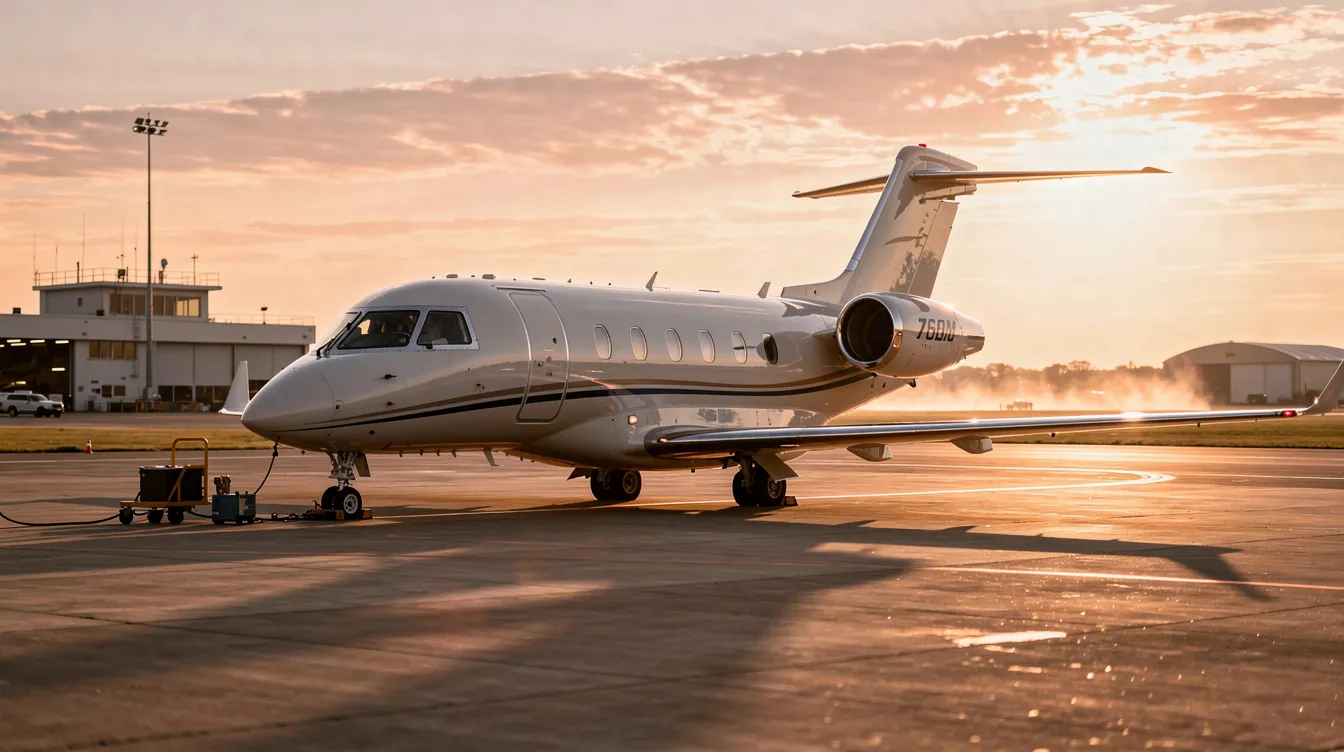
Private jet travel promises control, flexibility, and exclusivity. But behind the polished private terminal experience lies a landscape of risks that most first-time charter passengers never anticipate. This guide delivers private jet risks explained in practical, decision-ready language—covering pricing volatility, availability gaps, and safety nuances that differ markedly from commercial air travel.
Whether you’re evaluating an on-demand charter, considering jet cards, or exploring fractional ownership, understanding these risks transforms you from a passive buyer into an informed traveler. At SkyGuru, we focus on flight safety understanding and turbulence anxiety rather than charter sales, so this perspective remains advisory and tool-agnostic. Here’s what you need to know, structured around pricing risks, availability risks, safety risks, and a practical protection framework.
Pricing Risks
The hidden costs of private jet charter represent one of the biggest surprises for travelers switching from commercial flights. Unlike a commercial airline ticket with a transparent all-in fare, a private charter quote can shift dramatically between initial inquiry and departure day.
Private jets are subject to annual operating expenses that can range from $700,000 to over $4 million, depending on the type of jet. Fuel costs alone account for 40-60% of operating expenses, with volatile prices affecting overall travel costs. These realities flow directly into what you pay per flight.
The fundamental difference from flying commercially is pricing opacity. A charter quote typically separates aircraft positioning, crew costs, airport fees, de-icing, and fuel surcharges into line items that can change with weather, demand, or operational decisions. Jet cards offer fixed hourly rates but impose blackout dates, peak-day premiums, and minimum usage requirements. On-demand charter carries higher volatility but no upfront commitment beyond your deposit.
Hidden Costs and Surcharges
A “$28,000” quote may exclude taxes, overnight fees, de-icing, and short-notice changes—additions that can inflate your final bill by 10-30% on winter or high-demand travel days.
Charter services may include hidden costs, such as crew overnight fees and volatile fuel surcharges, which can significantly increase final trip costs. Here are the common categories of surprise charges:
-
Federal Excise Tax: 7.5% on U.S. departures plus segment fees of $5-$50 per passenger
-
Crew overnight: $400-$800 per night per crew member if delays force an unplanned stop
-
De-icing: $1,500-$5,000 in winter at airports like Teterboro, Zurich, or Toronto
-
Landing and handling fees: $300-$2,000 at smaller FBOs, plus “hangar rash” parking fees
-
Catering, Wi-Fi, and pet fees: $50-$200 per head for catering, $1,000-$3,000 for satellite Wi-Fi, $500+ for pet cleaning
Scenario:
A last-minute winter flight from Teterboro (TEB) to Aspen (ASE) quotes $28,000 base on a Citation XLS light jet (2.2-hour flight at approximately $6,500/hour). The final invoice adds $2,100 in federal taxes, $1,200 landing and handling at Aspen, $3,000 de-icing during freezing precipitation, $800 crew overnight due to delay, and $1,500 fuel surcharge. Total: $36,600—a 30% escalation from the original quote.
Dynamic Pricing, Peak Days, and Demand Spikes
Private jet prices react to demand with elasticity that makes commercial airline dynamic pricing look stable. Holidays, major sporting events, and cultural gatherings can multiply base rates by 2-7x.
Consider the same route under different conditions:
|
Scenario |
Base Rate Multiplier |
Indicative Cost Impact |
|---|---|---|
|
Tuesday, March (off-peak) |
1.0x |
Standard hourly rate |
|
Friday before Christmas |
2.0-2.5x |
Double to triple base |
|
2026 World Cup final weekend |
3-5x |
Miami/NYC routes surge |
|
Art Basel Miami (December) |
4x+ |
South Florida airports overwhelmed |
Empty legs appear attractive at 30-75% discounts, but they cancel approximately 40% of the time if the aircraft owner rebooks. Unlike EU261 compensation rules for commercial airline delays, private charters offer limited refund policies—often forfeiting 100% for cancellations under 24-48 hours. Minimum flight-time charges (typically 2 hours on light jets) also inflate short sectors, turning a 1-hour Paris-Nice hop into a $16,000 bill versus $8,000 off-peak.
Contract, Deposit, and Operator Risk
Paying large deposits to smaller private jet operators or brokers introduces financial exposure beyond the flight itself. Between 2020 and 2023, over 15 U.S. Part 135 operators failed, including high-profile cases like Wheels Up’s 2023 Chapter 11 filing, which temporarily froze over $500 million in client funds.
Common contract pitfalls include:
-
Non-refundable deposits of 50% or more
-
100% cancellation fees for changes under 72 hours, including weather-related disruptions
-
Ambiguous “force majeure” clauses that exclude typical weather delays
-
Last-minute aircraft substitutions to older models with different safety profiles
Readers should demand clarity on who actually holds the Air Operator Certificate, whether client funds are held in escrow or trust accounts, and whether liability coverage meets $100 million or more. The emotional dimension matters too: unexpected financial hits from sunk-cost deposits can heighten pre-flight anxiety, especially for travelers already nervous about flying private.
Availability Risks
Advertised “guaranteed availability” in private jet programs often operates within narrow conditions. Lack of aircraft at the needed time can derail critical trips—or worse, push travelers to accept marginal weather or suboptimal operators because “there’s only one slot left.”
On-demand charter relies on roughly 5,000-6,000 Part 135 jets globally, with approximately 70% utilization, leaving slim margins during peak periods. Jet cards promise 90% availability but typically exclude 100-200+ blackout days per year. High-demand leisure routes like Teterboro to Aspen during ski season book 95% out 30 days ahead, forcing suboptimal departure slots.
This availability pressure interacts with safety when anxious travelers accept early morning departures, unfamiliar airports, or unrated operators simply to secure a flight.
Last-Minute Changes and Aircraft Substitution
Operational issues—maintenance groundings, crew duty-time limits, prior delays—force operators to swap aircraft or change departure times with only hours’ notice. Industry data suggests substitutions affect 12-20% of flights.
A substituted aircraft may lack the same advanced technology, Wi-Fi capability, or cabin layout. Occasionally, the replacement may not match originally agreed safety certifications—an ARGUS Platinum-rated jet replaced by an unrated aircraft, for example.
Scenario:
Original departure from London Luton to Nice at 10:00 becomes a 14:00 departure from Farnborough due to aircraft change and repositioning, adding 1 hour of ground transport to the new airport, plus a 4-hour delay. For travelers with connections to commercial flights, hotel check-ins, or business meetings, these changes cascade. For nervous flyers already mentally rehearsing flight stages, the disruption compounds stress.
Weather, Slot, and Airspace Constraints
Private jets access more airports than commercial airliners, but still face slot constraints at busy hubs and curfews at noise-sensitive fields. London City, Nice, and others restrict operations after certain hours, while peak-hour slots at Heathrow or Paris Le Bourget require booking.
Adverse weather conditions—fog in London, summer thunderstorms in Florida, winter storms in the Rockies—cause diversions at smaller runways and mountain airports popular with private aircraft. Flexibility allows rerouting to alternative airports, but passengers may end up 30+ miles from their intended destination, requiring expensive ground transport.
Unlike commercial airlines, private jet passengers have the flexibility to adjust their departure times to circumvent adverse weather conditions, thereby greatly reducing risks related to turbulence and storms. But this flexibility requires planning rather than day-of reactions. Unexpected diversions heighten anxiety because passengers feel “off script” and lose their sense of control.

Crew and Operational Limitations
Private jet crews operate under strict duty-time rules—FAA Part 135 limits pilots to 10 hours of flight time within 14 hours of duty. Earlier delays can accumulate, “timing out” a flight even when the aircraft is mechanically sound.
Strict crew rest policies are enforced by private jet operators to ensure that pilots and crew members are well-rested and alert, as fatigue can significantly impact performance during flights. However, smaller flight departments have fewer backup crews than large commercial airlines, leading to higher cancellation or delay risk if one pilot becomes unavailable due to illness, medical issues, or regulatory rest requirements.
Scenario:
A late departure from New York triggers duty-time limits, forcing an unplanned overnight stop before the transatlantic leg to London. For anxious travelers, unexpected overnight stays or late-night departures significantly increase stress and disrupt coping strategies built around predictable itineraries.
Safety Risks
Both private jets and commercial flights operate under strict safety regulations, but risk profiles differ due to scale, oversight intensity, and variability among private jet operators. For travelers, private aviation safety and safety considerations—such as operator licensing, pilot qualifications, and maintenance standards—are key factors to evaluate when choosing private jet travel. The goal here isn’t to discourage flying private, but to provide a realistic framework for assessing flight safety.
The private aviation industry is governed by strict regulations from the Federal Aviation Administration (FAA), ensuring that both private jets and commercial airlines adhere to high safety standards. The accident rate for private jets is approximately 1.049 per 100,000 flight hours, with fatal accidents being a small fraction of this number, indicating an impressive safety record compared to many other transportation modes. Private jet safety statistics are an important tool for evaluating risk, as they reflect the impact of factors like pilot experience, maintenance, and regulatory compliance.
Private jets have seen a notable decline in accident rates, with a reduction of up to 25% in private flying accidents since 2002, attributed to improved safety measures and technological advancements. Aviation accidents are rare, but they remain a crucial aspect of safety evaluation. However, private aviation has about 9.2 to 10 times more accidents per flight hour than commercial airlines, partly due to variable pilot experience. Private aviation statistics show a fatality risk estimated to be between 9 and 150 times higher, depending on the type of operation.
When comparing private and commercial aviation, commercial aviation is often considered the benchmark for safety due to its rigorous operational standards and oversight. Some data and experts consider private jets safer than other forms of air travel, such as helicopters, but commercial aviation remains the gold standard for safety. Higher accident rates in private aviation can be attributed to less stringent operational environments and varying pilot experience levels compared to commercial aviation.
Physical safety connects to perceived safety: turbulence, unfamiliar sounds, and private terminal procedures can feel more intense to nervous flyers, even when actual risk remains low, especially for the roughly one-third of travelers affected by fear of flying and flight anxiety.
Understanding Private Jet Safety Regulations vs. Commercial Flights
The Federal Aviation Administration FAA distinguishes between different operational frameworks:
|
Regulation |
Application |
Oversight Level |
|---|---|---|
|
FAA Part 91 |
Owner-operated, corporate flights |
Limited commercial oversight |
|
FAA Part 135 |
Commercial charter operations |
Two pilots, maintenance standards, and duty limits |
|
FAA Part 121 |
Commercial airlines |
Intensive oversight, standardized training, and large safety departments |
Regulatory bodies like the Federal Aviation Administration (FAA) in the United States and the European Union Aviation Safety Agency (EASA) set stringent standards for private aviation, requiring operators to adhere to rigorous maintenance protocols and operational guidelines. Private jet charters and private planes operated by certified private jet companies are subject to these regulations, ensuring compliance with safety and maintenance standards. National aviation authorities conduct oversight, while the National Transportation Safety Board investigates accidents.
Safety standards in private aviation depend heavily on whether a flight is “owner-operated” or a “commercial charter,” with commercial charters having stricter maintenance and pilot rest requirements. Some private flights, especially “friends and family” trips under Part 91, may not face the same commercial-level oversight as charter flights.
Reputable charter operators adhere to strict FAA regulations, prioritize crew rest, and maintain high safety and performance standards to ensure passenger safety and operational excellence.
Third-party audits like ARGUS, WYVERN, and IS-BAO provide voluntary safety layers beyond basic legal requirements. Selecting operators with third-party safety certifications such as ARGUS or WYVERN is recommended to ensure higher safety standards. When you fly with a reputable charter operator under Part 135 or equivalent, you remain within a highly regulated safety ecosystem—though not identical to a major commercial airline operating under Part 121.
When considering private jet companies or booking a private jet charter, it is crucial to review the operator's safety history, including safety ratings, maintenance logs, and third-party certifications. Choosing a safe private jet operator with transparent records and recognized certifications helps ensure your flight meets the highest safety standards.
Pilot Experience, Fatigue, and Crew Configuration
Pilot error remains a leading factor in business aviation incidents, making pilot training and experience crucial for private jet safety. Accidents in private aviation are often linked to pilot error, making the training and experience level of the crew a critical factor.
Private jet flying requires specialized skills and expertise, as private jet pilots must handle advanced technology and ensure safety in a variety of conditions. Private jet pilots undergo extensive training that goes beyond standard flight operation, including advanced safety training and emergency response preparedness. The training for private jet pilots often includes rigorous simulator training to prepare them for various scenarios, such as adverse weather and uncommon emergencies. Private jet pilots typically have backgrounds in commercial or military aviation, bringing a wealth of experience to their roles, which is crucial for navigating diverse airports and airspaces.
However, some private pilots may have as few as 40 hours of flight experience, compared to commercial pilots who must have at least 1,500 flight hours. This variability creates significant differences in risk profiles between operators. Commercial pilots operate under strict regulatory standards, with extensive training and experience, which enhances safety and reliability compared to non-commercial flying.
Single-pilot operations on some light jets and turboprops increase workload and error potential compared to two-pilot configurations. Although duty-time rules exist, smaller operators may have less operational redundancy, making pressure to fly while tired more likely than at large airlines with extensive crew scheduling systems.
Passengers can and should ask about pilot flight hours, type ratings, and rest schedules before accepting a flight.
Aircraft Age, Maintenance, and “Grey Market” Flights
Private fleets range from brand-new modern private jets with advanced technology to decades-old aircraft. Age alone isn’t the issue—aircraft maintenance quality determines safety.
Private jet companies are responsible for managing and maintaining private jets, and they often uphold rigorous safety standards. Private jets undergo meticulous and regular maintenance checks that surpass the already strict requirements set for commercial aircraft, including routine inspections before and after flights and detailed reviews at scheduled intervals. Many private jet operators go beyond regulatory requirements by employing in-house maintenance teams or contracting leading specialists to provide top-tier maintenance services, significantly enhancing the overall safety and reliability of their aircraft.
The risk of “grey charters”—illegal commercial flights conducted under private rules without a proper Air Operator Certificate or commercial-level insurance—poses significant safety and legal risks. European and U.S. estimates suggest a meaningful portion of charter activity falls into this grey area. Private terminals typically have less intensive screening than commercial airports, which can increase vulnerability to unauthorized cargo or passengers.
Private jets often operate in less controlled environments, increasing risks related to human error during takeoff and landing.
Unusually cheap quotes can indicate compromised maintenance standards or illegal operations. Ask explicitly for AOC and insurance documentation.
Operational Risks: Weather, Runways, and Turbulence
Private jets can access thousands of smaller airports, providing more options for emergency landings compared to commercial airliners, which are limited to larger airports with longer runways. However, this introduces risk variations: shorter runways, sloped or mountainous terrain, and limited ground services.
Private pilots often fly into a wider variety of airports, which may have more challenging terrain than major hubs, increasing operational risk. Common risk scenarios include runway excursions at smaller airports and unstable approaches to challenging airfields like Aspen, Lugano, or Saint-Tropez/La Môle. Rigorous safety standards and extensive pilot training mitigate but don’t eliminate these risks.
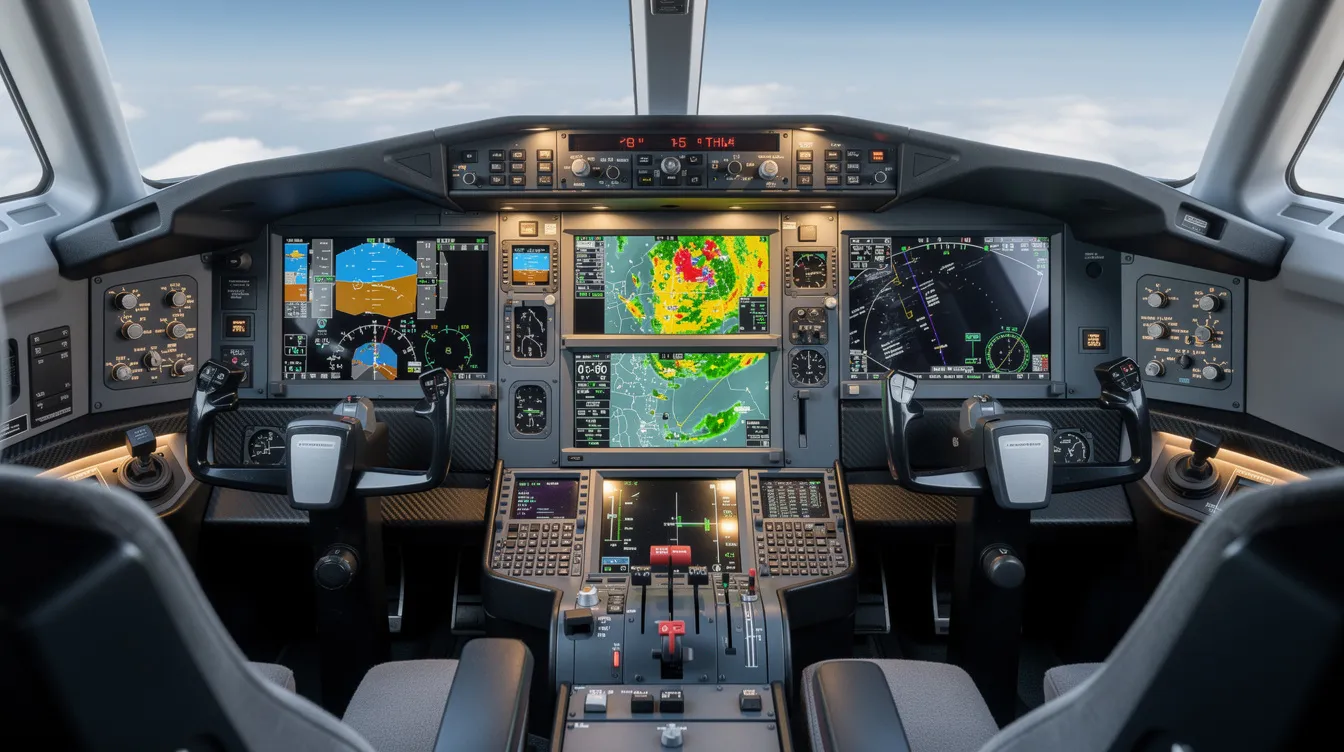
Private jets often cruise at higher altitudes than commercial airliners, enabling them to better avoid turbulence and adverse weather conditions. Private jets have advanced navigation and weather radar systems that enable pilots to detect incoming weather disturbances well in advance, allowing for timely adjustments to flight paths.
Turbulence feels more pronounced in smaller jets than in widebody commercial airliners—alarming for anxious passengers even when structurally safe. Modern advanced technology, like TCAS, EGPWS, and synthetic vision, improves operational safety when properly utilized. Understanding expected turbulence phases and sounds reduces fear, but doesn’t replace the need for robust operator safety practices.
Security, Screening, and Passenger Behavior
Security at private terminals differs fundamentally from TSA-style checkpoints. Airport security at these locations is less visible, more identity and manifest-based, and administered by FBOs or operators rather than central government agencies. While safety protocols are in place to ensure passenger safety during private flights, private terminals typically have less intensive screening than commercial airports, which can increase vulnerability to unauthorized cargo or passengers. Strict security protocols vary by operator and jurisdiction.
Flying private allows for a more controlled environment, reducing the potential for disruptive behavior or exposure to illness from fellow passengers, as private jets typically have fewer than 10 passengers. Private jets utilize smaller airports and private terminals, which reduces exposure to crowds and enhances the overall travel experience by minimizing long security lines and wait times.
With private aviation, passengers often travel with acquaintances or business associates, creating a more stable and distraction-free environment, which can help alleviate anxiety during flights. Smaller, controlled passenger groups offer safety benefits, especially during health events with reduced infection exposure compared to crowded commercial flights.
The trade-off: convenience and privacy versus visibly standardized security measures at major airport terminals.
How to Protect Yourself
The goal is transforming “private jet risks explained” into a personal checklist you can apply before every charter or jet card decision. No travel mode is risk-free, but an informed passenger can meaningfully lower both financial and safety risks when flying private.
This framework works whether you’re comparing private jets and commercial options for a single trip or evaluating long-term jet card membership.
Vetting Operators, Aircraft, and Crew
Choosing an FAA-certified operator that directly controls the aircraft, pilots, and maintenance is crucial when booking private flights. Selecting operators with third-party safety certifications such as ARGUS or WYVERN is recommended to ensure higher safety standards.
Safety checklist:
-
Ask: AOC number and operating authority (Part 135 or equivalent)
-
Check: Third-party ratings (ARGUS Platinum/Gold, WYVERN Wingman, IS-BAO)
-
Confirm: Average pilot hours on aircraft type (minimum 3,000 recommended)
-
Verify: Crew configuration (two pilots preferred over single-pilot operations)
-
Request: Tail number, aircraft age, last major inspection date
Operators that exceed minimum safety regulations typically utilize Safety Management Systems (SMS) and conduct flight data monitoring. Private jet operators often have dedicated teams responsible for monitoring safety standards and implementing best practices, ensuring compliance with the latest industry regulations.
Verify that the charter contract lists the actual operator—not just a broker—and that liability and hull insurance limits are appropriate for passenger counts and itinerary. Ask about the operator’s safety history and how they handle crew rest scheduling on multi-segment days.
Managing Pricing and Contract Risk
Request fully itemized quotes, separating aircraft hourly cost, positioning flights, taxes, airport fees, catering, Wi-Fi, and potential de-icing charges. Compare at least two to three quotes for the same route and date to identify outliers that may signal corners being cut.
Contract review priorities:
-
Cancellation deadlines and refund percentages
-
Weather and technical issue clauses
-
Aircraft substitution policies
-
Deposit protection (escrow or trust accounts)
Avoid large, unsecured prepayments to small or opaque providers. For jet cards or memberships, verify financial safeguards and balance sheet strength. Keep a “Plan B” commercial airline option on critical dates, especially during peak seasons or to airports prone to weather disruptions.
Preparation and Behavior as a Passenger
Take the pre-flight safety briefing seriously, even in a relaxed private cabin. Know seatbelt operations, exits, oxygen masks, and life vests as you would on a commercial plane. Operational safety measures in private aviation include meticulous ground procedures, such as secure handling of the aircraft and thorough safety briefings for passengers.
Private jet operators conduct comprehensive pre-flight checks and thorough risk assessments before every flight, considering factors such as weather conditions, flight routes, and airport facilities to proactively manage risks.
Passenger best practices:
-
Remain seated with belts fastened during climb, descent, and turbulence
-
Discuss route, expected weather, and turbulence with pilots before departure
-
Share if you’re a fearful flyer, so the crew can communicate more proactively
-
Stay hydrated, moderate alcohol consumption, and secure loose cabin items
-
Use apps like SkyGuru that explain flight stages, turbulence, and sounds in real time
For nervous travelers, understanding what’s happening reduces misinterpretation of normal events as emergencies—providing peace of mind through knowledge rather than avoidance, and resources like our fear of flying blog support can further reinforce these coping strategies.
Deciding Between Private and Commercial for Your Situation
Private aviation offers control, routing flexibility, and private terminal access. But these advantages don’t automatically make it the optimal choice for every trip.
Decision framework:
|
Choose Private When |
Choose Commercial When |
|---|---|
|
Point-to-point routes poorly served by airlines |
Ultra-long-haul with multiple daily frequencies |
|
Time-critical schedules with flexibility needs |
Very strong airline safety records on the route |
|
Avoiding crowds or health exposure risks |
Maximum transparency and consumer protections |
|
Challenging destinations without commercial service |
Cost-consciousness outweighs convenience |
For travelers with high anxiety, consider starting with business class on commercial flights, or combining commercial long-haul with short private charter segments to smaller airports, and exploring how an app can help your fear of flying. “Safest” often means the option with the most transparency, strongest oversight, and clearest contingency plans—not just the most luxurious cabin.
Apply this checklist to your next trip. If you fear flying or turbulence, use evidence-based tools and expert information—like SkyGuru’s real-time flight explanations covered in media—to support calmer, more informed travel decisions. Understanding what’s normal transforms anxiety into awareness, whether you’re flying private or boarding a commercial airliner; media coverage of SkyGuru’s fear-of-flying solution highlights how structured information can make this shift easier.
Frequently Asked Questions (FAQs)
What are the main hidden costs of private jet charter?
Hidden costs can include fuel surcharges, crew overnight fees, de-icing charges, landing and handling fees, catering, Wi-Fi, and pet-related fees. These can add 10-30% or more to the initial quote, especially during peak seasons or adverse weather.
How does private jet safety compare to commercial airlines?
Private jets operate under strict FAA regulations but have about 9 to 10 times more accidents per flight hour than commercial airlines, mainly due to variability in pilot experience and operational environments. However, safety has improved significantly with technological advances and rigorous maintenance.
What should I ask to vet a private jet operator’s safety?
Request the Air Operator Certificate (AOC) number, third-party safety ratings like ARGUS or WYVERN, pilot experience and training details, crew rest policies, and maintenance program specifics. Confirm that the operator holds appropriate insurance and follows Part 135 commercial charter regulations.
Are private jet pilots as experienced as commercial airline pilots?
Many private jet pilots have backgrounds in commercial or military aviation and undergo advanced training, but pilot experience varies widely. Commercial airline pilots typically require at least 1,500 flight hours, whereas some private pilots may have less, so verifying pilot qualifications is important.
How can I reduce anxiety when flying private?
Understanding flight stages, turbulence, and safety protocols can help. Using tools like real-time flight explanation apps, communicating fears to the crew, and preparing with knowledge about private aviation safety measures can significantly alleviate anxiety.
Conclusion
Understanding private jet risks explained is essential for making informed decisions in private aviation. While private jets offer unparalleled convenience, flexibility, and a controlled environment, they also carry unique pricing, availability, and safety risks that differ from flying commercial. Awareness of hidden costs, operator variability, pilot experience, and regulatory frameworks empowers travelers to mitigate potential pitfalls. By thoroughly vetting operators, reviewing contracts carefully, and preparing as a passenger, you can enhance your safety and satisfaction when flying private. Ultimately, private aviation presents a compelling option for those seeking personalized travel, provided they approach it with knowledge and caution. Whether choosing private jets or commercial airlines, prioritizing transparency, safety certifications, and operational excellence ensures a secure and comfortable journey every time.
FLEET SELECTION
JET CARDS
COST ANALYSIS


How to Auditing Your Operator's Maintenance Logs
Oct 05, 2025

How to Auditing Your Operator's Maintenance Logs
Oct 05, 2025

How to Auditing Your Operator's Maintenance Logs
Oct 05, 2025
Sky Guru Weekly
The smartest private aviation intelligence in your inbox.
.svg)

