




If you’re weighing private jet pros and cons, it’s important to understand the real tradeoffs. Flying first class commercial gets you a lie-flat seat, lounge access, and priority boarding. Flying private gets you the entire aircraft. But that difference comes at a steep price—often 15 times higher than a first-class ticket. Compared to a commercial flight, private jet travel offers greater time efficiency, flexibility in scheduling, and a more convenient, tailored experience. Flying private offers exclusive benefits such as luxury, privacy, and easier access to smaller airports, setting it apart from commercial flights. With more travelers considering private aviation for convenience and privacy, understanding the pros and cons is essential for making informed decisions. This article will cover both the advantages and disadvantages of private jet ownership, highlighting that while there are many benefits, such as convenience, time management, and customization, there are also significant drawbacks to consider. Travelers should choose private jets for time-efficient travel and access to remote locations, while commercial travel is advisable for budget-sensitive trips or long-hauls. This guide is for business travelers, families, and anyone considering private aviation.
Definitions: Private Jet, Fractional Ownership, Jet Card, and On-Demand Charter
-
Private Jet: A private jet is an aircraft that can be owned, partially owned, or chartered for exclusive use, allowing travelers to dictate their own departure times and destinations, access smaller airports closer to final destinations, and enjoy minimal check-in times of 15–30 minutes. Passengers often use a private terminal (FBO) for boarding, which enhances privacy and convenience by allowing them to bypass crowded terminals and security lines. Private jets provide a level of privacy and convenience unattainable on commercial flights.
-
Private Jet Charter: Private jet charter refers to renting an entire aircraft for exclusive use on a per-trip basis, offering maximum flexibility in scheduling, choice of aircraft, and destinations. It provides the convenience, luxury, and privacy of private aviation without the long-term commitment or upfront investment required for ownership or fractional ownership. Compared to fractional jet ownership, private jet charter allows travelers to pay only for the flights they need, making it ideal for both business and leisure trips.
-
Fractional Ownership: This model allows individuals or companies to purchase a share of a private jet, typically ranging from 1/16th to 1/2 of the aircraft. Owners receive a set number of flight hours per year and benefit from professional management, but have less control than full owners.
-
Jet Card: A jet card is a pre-paid program that offers a set number of flight hours on a specific category of aircraft, providing guaranteed availability and fixed rates without the responsibilities of ownership.
-
On-Demand Charter: This option allows travelers to book private jets for individual trips as needed, paying per flight with no long-term commitment. It’s ideal for occasional flyers.
These private aviation options differ from commercial flights, which operate on fixed schedules, use larger airports, and require longer check-in and security procedures. Private jets offer more flexibility, privacy, and time savings, but at a significantly higher cost.
Key Takeaways
Flying private offers both the advantages and tradeoffs of unmatched flexibility, privacy, and customization, but at a significantly higher cost compared to commercial flights. The ability to set your own schedule and access smaller airports closer to your destination provides major convenience and time savings. However, owning a private jet involves substantial upfront investment, ongoing maintenance, and operational responsibilities. Alternatives like fractional ownership and jet cards can balance cost and availability for less frequent flyers. Choosing the right balance depends on your flight frequency, budget, and preference for control versus simplicity. Private aviation delivers full control over your travel experience and a well-maintained aircraft environment, but requires careful consideration of financial and environmental impacts. Ultimately, informed decisions about private jet travel should weigh cost, convenience, and personal priorities to find the best fit for your lifestyle and needs.
Cost vs Flexibility
The central tradeoff in private aviation is money versus schedule autonomy. Private jet travel provides unmatched flexibility in scheduling, allowing for last-minute changes to itineraries. But that freedom typically costs 5–20x more per seat than flying first class commercial, depending on the route and aircraft size. High costs are a significant disadvantage, especially when it comes to owning a private jet, as the financial investment required for purchase, operation, and maintenance is substantial. In addition to ongoing costs, owning a private jet or opting for fractional ownership requires a significant initial investment, which can range from hundreds of thousands to tens of millions of dollars,s depending on the aircraft and ownership structure.
The “right” choice depends largely on how many hours you fly per year and your overall financial situation. Under 25 hours favors commercial or occasional charter. Between 25 and 150 hours, jet cards or fractional ownership become competitive, though membership fees are often part of the upfront costs for these programs, offering benefits like guaranteed availability and flexibility. Above 150–200 hours, full ownership starts making financial sense. Annual costs for maintaining and operating a private jet can range from hundreds of thousands to millions of dollars, depending on aircraft type and usage intensity.
Major Cost Drivers
Major cost drivers include:
-
Aircraft purchase or hourly charter rate
-
Jet fuel (approximately $5,000–$10,000+ per flight hour)
-
Crew salaries (paid whether the aircraft flies or not)
-
Maintenance costs and insurance
-
Hangar fees ($5,000–$25,000+ monthly)
-
Repositioning flights (deadheading the aircraft to your departure point)
The hourly operating costs of private jets can range from $1,000 to over $10,0,00, depending on the aircraft size.
Commercial airlines spread these costs across 100–300 passengers, making ticket prices far lower even in first class. Private jet travel is often considered significantly more expensive than commercial flights, with costs generally 15 times higher than commercial first-class tickets.
Trip Comparison Examples
|
Route |
First Class Commercial |
Private Jet (Light Jet) |
|---|---|---|
|
New York–Miami |
~$1,500–$3,000/person, 5+ hours total |
~$15,000–$25,000 total, 4 hours door-to-door |
|
Los Angeles–Aspen |
Connection required, 6–8 hours |
Direct flight, ~3.5 hours door-to-door |
For ultra-busy executives, the ability to schedule multiple meetings in different cities in a single day can make the higher cost financially justifiable—if each hour generates significant business value.
Who Should Consider Ownership?
The initial purchase price of a private jet can range from $3 million for a very light jet to over $70 million for a large, long-range aircraft, with annual operating expenses typically reaching 5-10% of the aircraft’s value. That means a $10 million aircraft can cost $500,000–$1,000,000 annually before you fly a single mile, and it’s important to consider whether you’ll ever recoup all that investment over time.
The main cost drivers include:
-
Aircraft purchase or hourly charter rate
-
Jet fuel
-
Crew salaries
-
Maintenance costs and insurance
-
Hangar fees
-
Repositioning flights
There are also potential tax benefits available to private jet owners, especially for business use, which can help offset some of the costs through deductions and incentives.
A private jet is a significant asset that depreciates over time, and industry professionals suggest that private jet ownership becomes cost-effective only if you fly 150-200 hours or more per year; otherwise, alternatives like fractional ownership or jet cards might be more economical, especially for those not engaged in frequent business travel.
Consider the opportunity cost: what else could that capital achieve in investments, business projects, or lifestyle choices? For frequent business travel, however, private jet ownership can be justified, as the time savings and flexibility often translate into increased business value and productivity.
Environmental note: Private aviation has a significantly higher environmental impact, emitting 5 to 14 times more carbon per passenger than commercial flights. Private jets have a larger carbon footprint per passenger than commercial flights, which can pose a reputational risk for owners who are conscious of their public image or have environmental commitments.
Beyond cost and flexibility, availability and guarantees are also crucial factors when choosing how to fly.
Availability vs Guarantees
Having a jet available when you need it can be more valuable than pure cost savings—especially for medical emergencies, time-critical business deals, or last-minute business trips.
Guarantees often come with rules: peak days, blackout periods, and notice requirements. Knowing what to expect in advance can significantly lower stress, especially when combined with tools like the SkyGuru app for real-time turbulence explanations that help you understand turbulence forecasts and flight stages.
Full Ownership: Maximum Availability, Maximum Responsibility
Full aircraft ownership offers the highest level of availability. Your private plane is effectively on standby for your family or company. An aircraft owner can typically schedule trips with very short notice, assuming crew and maintenance are in place.
Private aviation offers a secure and confidential environment, making it an ideal choice for high-profile individuals who need to conduct sensitive business discussions or enjoy personal time away from public scrutiny. Flying on a private jet enables individuals to avoid crowded terminals and security lines, greatly reducing exposure to potential security threats and enhancing personal safety.
A major advantage of ownership is the ability to extensively personalize your jet, from advanced technology to luxury amenities. Private jets offer custom interiors, allowing owners to tailor every detail of the cabin design to reflect their individual style and personal preferences, resulting in a highly personalized and comfortable experience. Customization options also include tailored in-flight services, such as personalized service and catering that can accommodate specific dietary preferences and gourmet meal requests.
The tradeoff: managing availability requires dealing with maintenance downtime, crew schedules, and regulatory checks. Some owners place their own aircraft with management companies that charter the jet out when not in use, affecting instant availability but offsetting some ongoing costs.
Fractional Ownership and Jet Cards: Guaranteed Availability with Limits
Many fractional programs and jet cards advertise guaranteed availability, but this usually depends on booking within certain notice windows—typically 12–24 hours.
Key limitations:
-
Peak days (holidays, major sporting events) may have restrictions or surcharges
-
Guaranteed availability means an aircraft of the agreed category, not necessarily a specific tail number
-
The ability to control the in-flight environment, including lighting, seating arrangements, and entertainment options, varies by provider.der.
The benefit: travelers can plan busy calendars once with confidence that a jet will be available. This can be particularly reassuring for anxious flyers who want both schedule certainty and the calm environment of flying private.
On-Demand Charter: Flexibility, but Not Always Guaranteed
On-demand charter offers high flexibility per trip but no long-term guarantee that a specific aircraft type or schedule will always be available.
During peak seasons—Christmas, New Year, major sporting events, popular ski weeks—popular routes and aircraft can sell out or become very expensive. Commercial flights may operate multiple daily frequencies,s but can still sell out in first class on popular days.
Charter works well for one-off trips, family vacations, or occasional business missions when you can be somewhat flexible on departure time or aircraft model. Plan key trips well in advance and use tools like SkyGuru on both private and commercial legs to anticipate turbulence, especially if you’re exploring app-based support for fear of flying.
Commercial Airlines: Fixed Schedules and Limited Control
Commercial airline schedules offer predictability at the network level, but individual passengers have limited control over exact departure times and routes. First class commercial tickets do not guarantee availability on the exact flight you’d like, especially on busy routes or holidays.
Flying commercially generally requires early arrival at the airport, extensive security lines, and boarding processes that can add hours of travel time. Delays, missed connections, and last-minute aircraft swaps can undermine the feeling of control and increase travel anxiety.
While commercial flights are cheaper, passengers trade away schedule control, enhanced privacy, and the ability to avoid crowded airports. SkyGuru is designed specifically to give commercial (and private) flyers more predictability about what’s happening during the flight, even when the rigid schedules are out of their hands, and has been highlighted in media coverage of SkyGuru as a tool for nervous flyers.
As you consider availability and guarantees, it’s also important to weigh the speed and complexity of each travel option.
Speed vs Complexity
Private jets offer speed—but the real advantage comes from overall journey time (door-to-door) rather than pure cruise speed. A midsize jet cruises at 450–500 mph, while a commercial airliner flies at 490–550 mph. The huge difference is everything that happens on the ground.
Some travelers are calmer when everything is decided for them (fly commercial). Others prefer the complete control and quiet of flying private with the right support.
Airport Experience
Traveling by private jet significantly reduces the time spent at airports, as passengers can arrive just minutes before departure and avoid long security lines. The biggest significant time savings come from:
-
Using smaller airports closer to home and the final destination (cutting ground transportation time by 30–60 minutes per leg)
-
Arriving 15–45 minutes before departure versus 90–120 minutes for commercial
-
Flying directly on routes where commercial airlines require connections
Time Savings
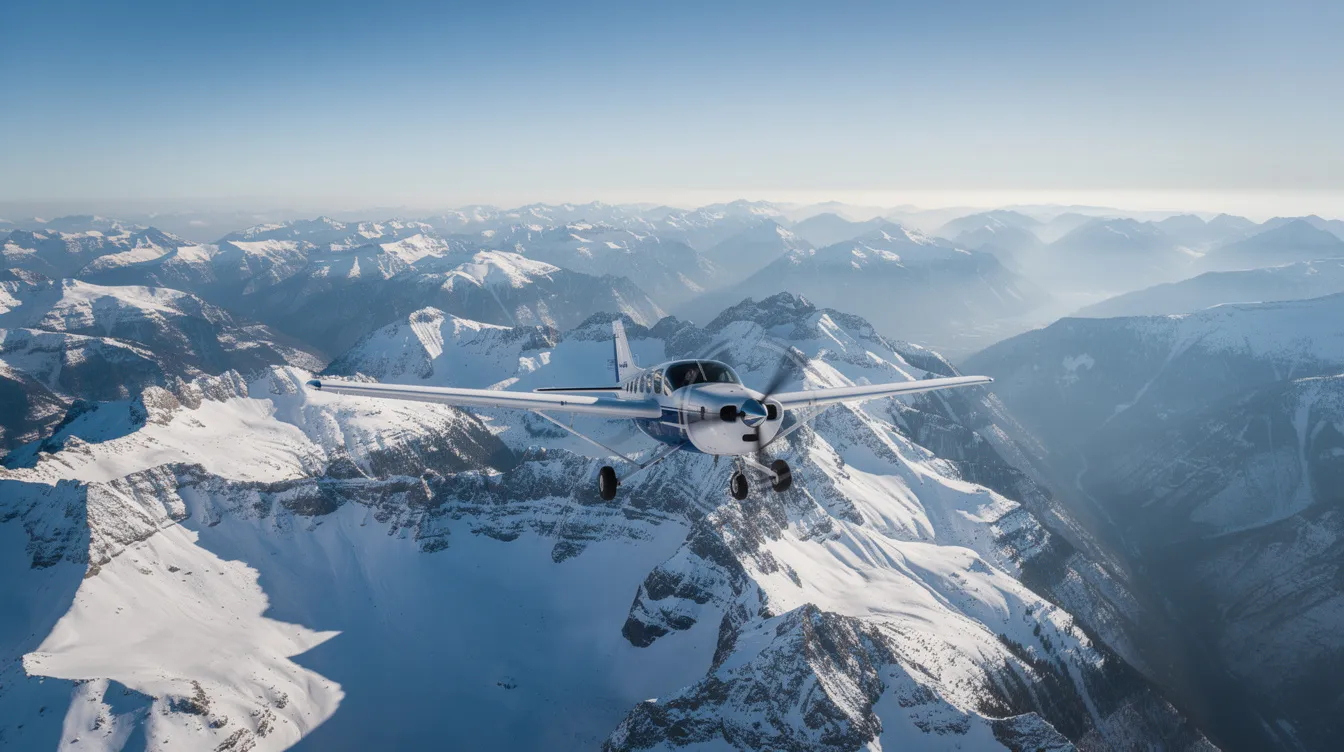
Example: Traveling from a suburb near London to a remote Italian ski town via commercial requires a connection through a major city hub, adding 4–6 hours. A direct private flight to a nearby regional airfield cuts total journey time dramatically.
For transatlantic or long-haul international flights between major hubs, the cruise speed difference is small. Time efficiency depends more on airport choice and avoiding long lines at security checks.
Planning Requirements
Operational Complexity and Planning Burden
Full ownership and even charter involve more planning: choosing airports, slot times, catering, ground transportation, and sometimes permits for international routes.
Owners or their assistants must coordinate:
-
Maintenance windows
-
Crew duty times and rest requirements
-
Regulatory checks and certifications
-
Bad weather contingencies
Fractional and jet card providers simplify some of this, but still require more active trip planning than buying a commercial airline ticket online. Runway length limits, airport curfews, and weather may force route or schedule changes more often than passengers expect.
For readers who feel overwhelmed by these variables, digital tools (including the SkyGuru in-flight turbulence and flight stage app) can help understand route choices, expected turbulence areas, and what each stage of the flight will feel like.
Comfort, Privacy, and Mental Bandwidth
Private jets provide a level of privacy that is unattainable on commercial flights, allowing passengers to engage in personal conversations without the risk of eavesdropping or unwanted attention. The quieter environment allows passengers to relax, sleep, or work without the usual commercial cabin noise and crowds.
For travelers with flight anxiety, avoiding packed boarding gates, long security lines, and cramped cabins can significantly reduce stress. No crowded terminals. No rushing to gates.
That said, the familiarity of commercial travel—large cabins, standardized procedures, visible pilot interaction on boarding—can feel reassuring to some nervous flyers.
SkyGuru complements both experiences by providing real-time explanations of bumps, sounds, and flight stages, a capability that has been widely covered in media features on the SkyGuru fear-of-flying app. This is especially helpful when turbulence feels more pronounced on smaller jets.
As you weigh comfort and complexity, safety and perceived risk are also important considerations.
Safety, Turbulence, and Perceived Risk
While both private and commercial aviation are considered safe, commercial aviation features higher standards for crew training and operational oversight. Commercial airlines are subject to more rigorous safety regulations and have extensive maintenance networks. Private aviation is the most energy-intensive form of air transport, but professionally operated Part 135 charter companies maintain safety standards comparable to commercial carriers.
Critical insight: Smaller aircraft can feel bumps more intensely than large airliners, which can surprise first-time private jet passengers and trigger fear of flying. This is physics—a 10,000-pound light jet has less inertia than a 500,000-pound Boeing 777. Both aircraft are certified to handle significant turbulence safely.
SkyGuru reduces perceived risk by explaining in real time why turbulence is happening, what the pilots are likely doing, and why the aircraft is safe—whether it’s a Cessna Citation or a commercial widebody, echoing broader insights on how an app can help with fear of flying.
With safety and comfort in mind, the next step is to choose the right balance for your travel needs.
Choosing the Right Balance
There is no universal “best” option. The right balance of private versus commercial flights depends on budget, flight frequency, routes, and emotional comfort with flying.
Think in terms of a portfolio: commercial flights for routine travel, flying first class on premium routes, occasional private charter for time-sensitive missions, and fractional ownership only if usage justifies the commitment. Private jet travelers also gain access to an exclusive network and environment, which can enhance business opportunities and elevate travel experiences. Mental wellness and travel anxiety should be weighed alongside cost and time efficiency, especially given how apps that address fear of flying can change what kind of travel feels realistic for you.
Key Profiles That Benefit from Frequent Private Jet Use
-
Executives with multi-city itineraries who need unparalleled convenience
-
Families shuttling between multiple homes in different regions
-
Medical professionals on call require unmatched convenience and speed
-
Travelers to destinations poorly served by commercial airports
Rough thresholds: above ~150–200 flight hours per year may justify some form of ownership. Between 25 and 150 hours, jet cards or private jet fractional ownership often make more sense. Occasional leisure travelers may find on-demand charter sensible for once-a-year special trips.
Factor in your tolerance for planning complexity and how much you value enhanced privacy versus lower cost. For major commitments like aircraft ownership, consult independent aviation advisors.
When Commercial Flights or First Class Make More Sense
Dense, competitive routes (New York–London, Los Angeles–Tokyo) are often more cost-effective and almost as convenient on commercial airlines, especially in first class or business class.
Reasons to stick with commercial:
-
Strong airline loyalty programs and lounge access
-
Modern first-class cabins with lie-flat beds, high-end dining, and reliable Wi-Fi
-
Some travelers feel safer on large airliners due to familiarity
-
Tools like the SkyGuru turbulence and flight information app explain turbulence and flight stages, reducing anxiety without the private jet price tag
Treat private aviation as a tool, not a status symbol. Use it when it clearly adds value over the best commercial option.
Balancing Cost, Time, and Peace of Mind
The decision rests on three pillars:
-
Direct financial cost (purchase price, ongoing expenses, or per-trip fees)
-
Time saved (door-to-door, not just flight time)
-
Mental/emotional cost (stress, anxiety, fatigue)
Reflect on past trips that felt stressful or inefficient. Would they have been different with a private jet? Sometimes the answer is yes. Often, upgrading to first class commercial and understanding what to expect during turbulence solves most problems at a fraction of the cost.
A practical approach: start by upgrading key commercial flights to first class, then test occasional private charters on routes where time savings and privacy matter most.
SkyGuru offers a low-cost way to improve every flight. By understanding turbulence, flight stages, and weather—powered by SkyGuru’s underlying flight and weather data API—passengers feel more in control regardless of cabin class or aircraft ownership model.
Frequently Asked Questions
What are the main advantages of flying private compared to commercial flights?
Flying private offers unmatched flexibility in scheduling, greater privacy, access to smaller airports closer to your destination, and significantly reduced time spent at airports. It also allows for extensive customization of the in-flight experience, making travel more comfortable and efficient. For more details, see our sections on Cost vs Flexibility and Speed vs Complexity.
How much does it typically cost to own a private jet?
Owning a private jet involves a substantial upfront purchase price ranging from $3 million for very light jets to over $70 million for large, long-range aircraft. Annual operating expenses, including maintenance, crew salaries, fuel, and hangar fees, can reach 5-10% of the aircraft's value. Learn more about the financial considerations in Cost vs Flexibility.
What are the alternatives to full private jet ownership?
Alternatives include fractional ownership, where you buy a share of an aircraft; jet cards, which offer pre-purchased flight hours with guaranteed availability; and on-demand charter services, which allow renting a private jet per trip without long-term commitments. Explore these options further in Availability vs Guarantees.
How does private jet travel impact the environment compared to commercial flights?
Private jets have a larger carbon footprint per passenger, emitting 5 to 14 times more carbon than commercial flights. This environmental impact is an important consideration for owners mindful of sustainability and public image. See our note on environmental impact in Cost vs Flexibility.
Who benefits most from private jet ownership?
Frequent travelers flying over 150-200 hours annually, executives with multi-city itineraries, medical professionals on call, and travelers to destinations poorly served by major airports often find private jet ownership or fractional ownership most advantageous. This is discussed in Choosing the Right Balance.
Can private jets access major airports?
While private jets can access many airports, some major airports have restrictions or limited facilities for private aircraft. However, private jets often use nearby smaller airports, reducing ground travel time and increasing convenience. See more in Speed vs Complexity.
Is owning a private jet significant?
Yes, owning a private jet allows extensive customization of the interior design, in-flight services, and amenities, creating a personalized travel environment that reflects the owner’s preferences and enhances the flying experience. Details are covered in Availability vs Guarantees.
Conclusion
Flying private offers a unique blend of unparalleled flexibility, privacy, and convenience that commercial flights cannot match. The ability to set your own schedule, avoid crowded airports, and customize your travel experience provides significant time savings and comfort. However, these benefits come with steep costs, including substantial upfront investments, ongoing operational expenses, and environmental considerations. Alternatives like fractional ownership, jet cards, and on-demand charters can help balance cost and availability for those who fly less frequently. Ultimately, choosing the right balance between private and commercial travel depends on your travel frequency, budget, and personal preferences.
By carefully weighing the tradeoffs of cost vs flexibility, availability vs guarantees, and speed vs complexity, you can make informed decisions that optimize your travel experience while aligning with your lifestyle and priorities.
FLEET SELECTION
JET CARDS
COST ANALYSIS


How to Auditing Your Operator's Maintenance Logs
Oct 05, 2025

How to Auditing Your Operator's Maintenance Logs
Oct 05, 2025

How to Auditing Your Operator's Maintenance Logs
Oct 05, 2025
Sky Guru Weekly
The smartest private aviation intelligence in your inbox.
.svg)

