



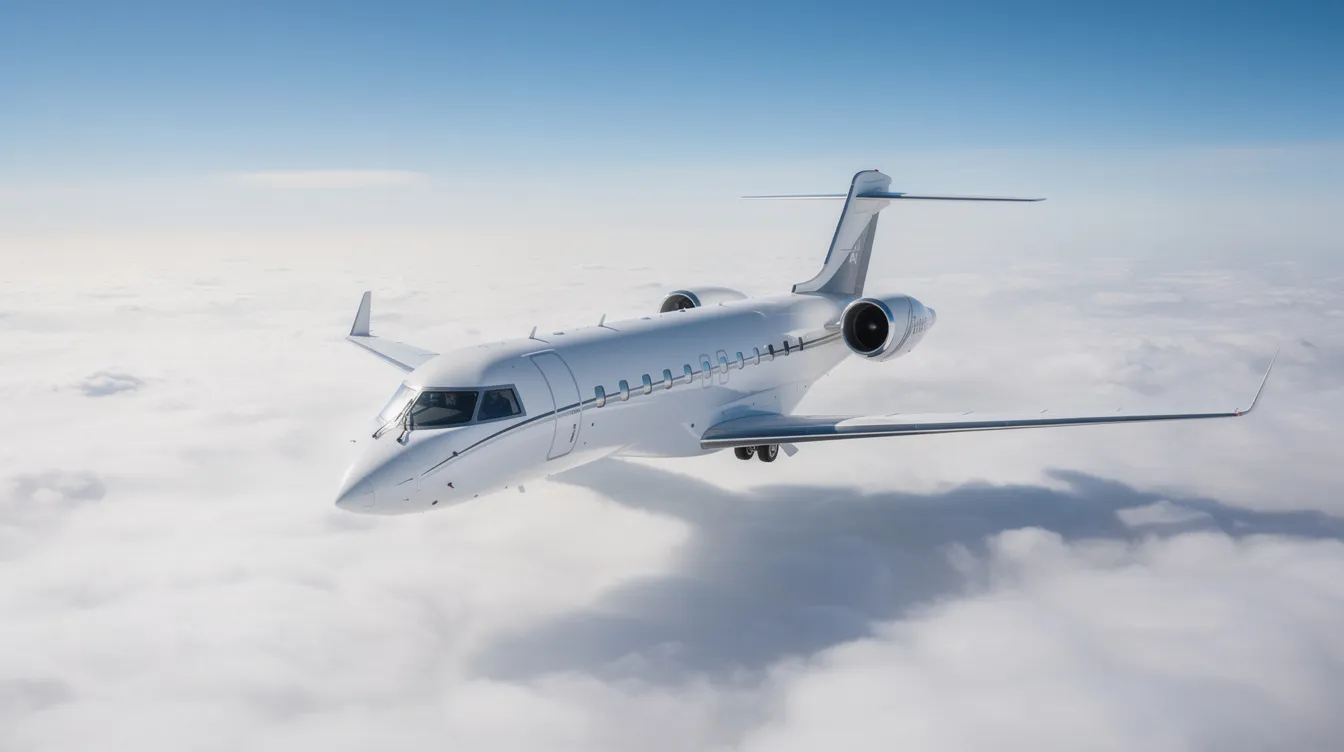
Flying privately is one of the most efficient ways to travel, but understanding what you’re actually paying for can feel like deciphering a foreign language. Unlike commercial airlines that sell individual seats, private jet pricing works on a completely different model—one where you’re essentially renting the entire aircraft for your trip. Compared to commercial flights, flying private typically offers greater convenience, access to more airports, and a higher cost, but with significant advantages in flexibility and privacy.
This guide breaks down every component of private jet cost so you can read quotes confidently, compare options intelligently, and avoid surprises when the final invoice arrives. Flying private provides an appealing alternative to commercial flying, especially for travelers seeking luxury, flexibility, and a more personalized travel experience.
Quick Answer: How Much Does a Private Jet Flight Cost?
Most private jets are priced per flight hour, not per passenger. The total cost to charter your trip combines the private aircraft’s hourly rate, the time you’re in the air, and a bundle of fees and taxes that vary based on your route and airports.
In 2026, typical private jet charter rates range from roughly $2,000 per hour for turboprops and very light jets up to $14,000 or more per hour for heavy and ultra-long-range jets. To put this in practical terms: a New York to Miami round trip on a light jet (about 4–5 billable hours total) typically runs $20,000 to $30,000, while a New York to London journey on a long-range jet (12–14 hours outbound plus positioning) can cost $120,000 to $180,000.
Here’s a simple formula to estimate any private charter price:
Total charter price ≈ (billable flight hours × hourly rate) + positioning time + airport fees + taxes + extras
For example, a 2-hour light jet flight at $3,000 per hour gives you $6,000 in aircraft cost. Add roughly $1,500 in fees and taxes, and you’re looking at approximately $7,500 total private flight cost.
Because you’re paying for the entire private aircraft rather than individual seats, private jet travel becomes more economical per person as you fill more seats. A $25,000 midsize jet round trip with 6 passengers works out to about $4,167 per person—sometimes comparable to last-minute first-class commercial tickets. When you consider luxury private jet prices, the premium experience and personalized service are reflected in the cost structure. Sharing a private jet charter with friends or other travelers can lower the cost per person significantly, making flying privately more accessible than many assume.
When you use a private jet charter service to rent a private jet, you gain flexibility and convenience, with options to choose the aircraft type, route, and amenities that best suit your needs.
Private jet charter pricing depends on several factors, such as the type of aircraft, the distance of the flight, and any additional services requested. Understanding these elements helps you budget accurately and negotiate confidently.
At SkyGuru, we focus on helping anxious travelers understand what’s happening during any flight, but this article centers entirely on the money side of private aviation—giving you the knowledge to make informed decisions.
Main Cost Components
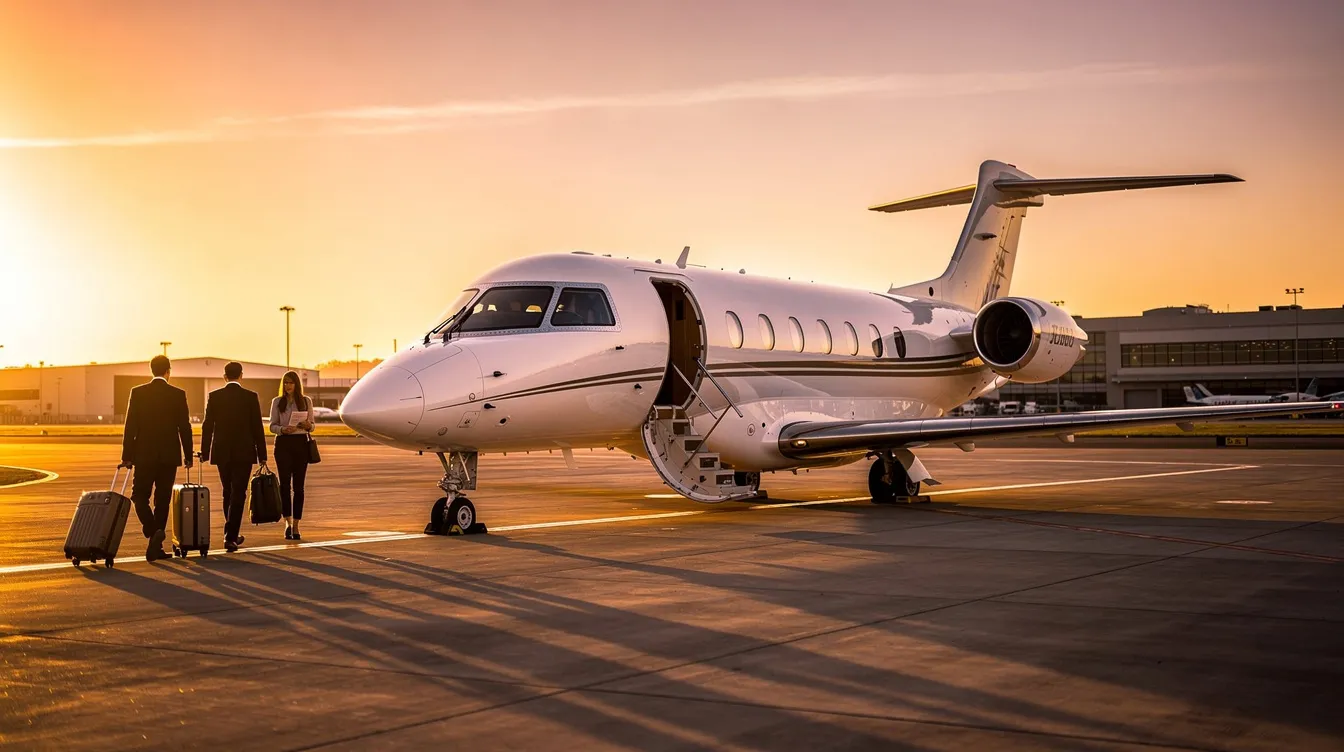
Every private jet quote you receive breaks down into three main pillars: the aircraft itself, the flight time, and a bundle of fees and taxes—including additional fees such as catering, crew overnight charges, fuel surcharges, landing fees, and other unforeseen expenses. Think of it like a hotel stay: you have the room rate, the number of nights, and then the resort fees and taxes added on top.
Understanding this cost structure helps you compare quotes from different private charter providers, estimate how much it costs for common routes, and spot where you might be overpaying. These components apply whether you’re booking an ad hoc private jet charter, purchasing hours through a jet card, or exploring fractional ownership options.
Aircraft
Your aircraft choice is the single biggest driver of private jet pricing. The type of private aircraft determines your hourly rate, how far you can fly without stopping, and how comfortable you’ll be in the cabin.
Aircraft Category Breakdown
Here’s how the main categories break down with approximate 2025–2026 market rates:
|
Aircraft Category |
Hourly Rate Range |
Passengers |
Typical Range |
|---|---|---|---|
|
Turboprops |
$1,200–$2,000 |
6–8 |
Up to 1,800 nm |
|
Very light jets |
$1,500–$2,500 |
4–5 |
Up to 1,200 nm |
|
Light jets |
$2,600–$3,500 |
6–8 |
Up to 2,000 nm |
|
Midsize jets |
$4,000–$8,000 |
7–9 |
Up to 3,000 nm |
|
Super-midsize jets |
$6,500–$9,000 |
8–10 |
Up to 4,000 nm |
|
Heavy jets |
$8,000–$14,000 |
10–16 |
Up to 5,000 nm |
|
Ultra-long-range jets |
$10,000–$14,000+ |
13–19 |
7,000+ nm |
Aircraft Ownership Considerations
Very light jets are the most economical entry point into private jet ownership, with hourly operating costs ranging from $700 to $1,800 per flight hour. When considering aircraft ownership, financial planning is crucial—owners must account for reserve funds, fixed costs, and tax considerations in addition to operating expenses. Light jets are popular for domestic trips under three hours, with hourly rates ranging from $2,600 to $3,500, accommodating 6 to 8 passengers. Heavy jets, such as the Gulfstream G450 and Challenger 605, carry 10 to 16 passengers and command hourly rates from $8,000 to $14,000, suitable for long-haul flights.
The size and type of private aircraft significantly impact private jet charter rates, with newer jets typically commanding higher hourly rates due to advanced technology and features like synthetic vision avionics and improved fuel efficiency.
Aircraft larger and more luxurious than light jets are significantly more expensive to operate and charter. Choosing “more jet than you need”—like booking a heavy jet for a 45-minute hop—inflates your cost without adding real value. Conversely, undersizing your aircraft may require fuel stops that add $2,000–$5,000 per stop and 30–60 minutes to your journey.
Aircraft Selection Tips
When accessing private jets, you have several options: outright aircraft ownership, jet leasing (including wet and dry lease options for flexibility and reduced upfront costs), or on-demand chartering. Each approach offers different advantages in terms of cost-effectiveness and operational flexibility.
Flight Time
The core of any private jet rental cost is billable flight time—the hours you’re charged for using the aircraft. This is typically measured from engine start to engine shutdown, billed in six-minute increments (0.1 hour).
Most operators enforce daily minimum flight times to cover their operational costs, with crew expenses being a major component of operating budgets. Crew salaries, training, certification, and associated benefits are high fixed costs, alongside insurance and hangar fees, which influence these minimums:
-
Light and midsize jets: 1.5–2 hours minimum per day
-
Heavy jets: 2–2.5 hours minimum per day
This means a 45-minute private jet flight on a light jet at $3,000 per hour might still bill you $4,500–$6,000 because of the minimum.
Longer routes naturally cost more due to increased flight hours and fuel burn. A light jet New York to Los Angeles trip (roughly 5 hours) runs $15,000–$25,000 in aircraft charges alone, while a heavy jet London to Dubai journey (10+ hours) reaches $80,000–$100,000.
Here are two concrete examples:
-
2-hour light jet flight (Chicago to Detroit): At $3,200/hour = $6,400 base aircraft cost
-
5-hour super-midsize flight (New York to Los Angeles): At $4,500/hour = $22,500 base aircraft cost
The difference between actual air time (wheels up to wheels down) and billable “block time” matters. Some operators include taxi delays or repositioning at partial or full rates, so always clarify what’s counted in your quote.
Fees
Fees are all the “extras” layered on top of your hourly aircraft charge—commonly referred to as additional fees. These supplementary charges can include catering, crew overnight expenses, fuel surcharges, taxes, landing fees, and other unforeseen costs. They typically add 20–40% to your base cost and vary significantly based on your itinerary.
Common Fee Types
Common fee types include:
-
Landing fees: These fees vary widely, typically ranging from $100 to $1,500 per flight, depending on the size of the airport and its location.
-
Smaller regional airports generally have lower fees than larger international airports.
-
Ramp and handling fees: Landing and handling fees at airports can range from a few hundred to over $5,000 at major hubs, covering FBO services like ground crew and facility access.
-
Crew overnight expenses: Crew overnight accommodation costs can add between $200 and $600 per crew member to the total cost of a private jet charter if the crew needs to stay overnight at the destination.
-
Hangar and deicing: Cold weather can require $500–$2,000 for overnight hangar storage plus $1,000–$5,000 for deicing services.
-
Aircraft positioning fees: If an aircraft needs to be repositioned to your departure airport or returned to its base after your trip, aircraft positioning fees may apply. These can significantly impact the total trip cost, especially if the aircraft is far from your location.
-
International and overflight fees: International fees, such as landing permits, overflight permits, customs, and immigration charges, add $500–$5,000 per leg on international flights and vary depending on the route and destination country.
-
Optional services: Catering ($50–$200 per passenger), in-flight WiFi ($500–$3,000 for long hauls), and ground transportation ($200–$1,000).
Additional costs such as catering, ground transportation, and special handling requests can significantly increase the total private jet price, often adding 20–40% to the base rate.
Landing fees vary by airport and are influenced by the aircraft type and the airport’s location. A regional airport might charge $200, while Teterboro near New York charges $500–$1,000.
Fuel surcharges for private jet flights typically range from $300 to $900 per hour, depending on the size of the aircraft and current fuel market prices.
Seasonal factors matter too—winter deicing in Aspen can exceed $3,000, and high summer traffic in Mediterranean destinations increases handling fees.
To help offset costs, some travelers leverage empty leg flights, charter revenue, or strategic planning to minimize overall expenses.
Fee Breakdown Examples
A clear fee breakdown is essential for first-time flyers. Without one, you might see your expected $15,000 trip suddenly become $20,000 when the final invoice arrives.
Why Prices Change
Private jet pricing is dynamic, similar to how hotels and commercial airlines adjust rates based on demand. The same private flight from New York to Miami can vary by thousands of dollars depending on when you book and when you fly. Providers like Stratos Jet Charters use advanced cost estimation tools and strategic aircraft positioning to manage availability and optimize pricing for their clients.
Key factors that influence pricing:
-
Booking lead time: Reserving 7–14 days ahead typically gets you standard rates. Booking within 48 hours can add 20–50% to your cost.
-
Day of week: Midweek flights (Tuesday–Thursday) often cost 15–30% less than weekend departures.
-
Seasonality: Private jet charter costs can vary significantly based on the timing of the flight, with peak demand periods leading to increased rates due to higher competition for available aircraft.
-
Special events: Super Bowl weekend, Art Basel Miami, Cannes Film Festival, and Formula 1 races can spike prices 30–100% in affected regions.
-
Aircraft availability: When jets are positioned nearby, you avoid repositioning charges. When they’re not, someone has to pay to move them.
Prices for private jet flights can spike by 30% or more during high-demand periods, such as holidays or major events.
Here’s a real-world comparison: A midsize jet New York to Miami trip in mid-May on a Tuesday might quote $22,000. The same route during Super Bowl week in February could run $35,000–$45,000—a 60% premium driven purely by timing.
Flexibility is your best tool for managing costs. Shifting your departure from Friday afternoon to Tuesday morning, or choosing Westchester County Airport instead of Teterboro, can reduce your private jet cost by 15–30%.
Fixed-price on-demand charters and hourly jet cards are common pricing models for private jets, with costs varying based on aircraft type and demand. Behind the scenes, some providers use advanced flight and turbulence data APIs to forecast conditions and optimize routes, which can indirectly influence costs.
Positioning Costs Explained
Positioning—also called repositioning or ferry flights—is the cost of moving the jet to your departure airport or returning it to its base after your trip. These are sometimes referred to as “deadhead” legs, and the associated charges are known as aircraft positioning fees. Aircraft positioning fees are a significant component of private jet charter costs, incurred when the operator must fly the empty aircraft to the pickup location or back to its base, impacting the overall trip cost.
If a light jet is based in Teterboro but your private jet flight starts in Boston, you may be billed for the extra flight time from Teterboro to Boston—typically at full hourly rates.
Positioning costs can equal or even exceed the time you actually spend onboard, especially for:
-
One-way trips: If you fly from New York to Miami but don’t need a return, the operator may charge for the empty leg back to their base.
-
Flights from remote airports: Locations with limited private jet availability often require longer positioning flights.
A one-way New York to Miami trip might add $5,000–$10,000 in positioning charges compared to a same-day round trip that eliminates them.
The empty leg opportunity: Empty leg flights, which occur when a private jet must reposition without passengers, can be offered at significantly reduced rates. Operators sometimes sell these at 25–75% off standard rates for travelers with flexible schedules willing to adapt to fixed routes and times. A $15,000 standard leg might be available for $4,000–$11,000 if you can match the operator’s timing.
Ways to reduce positioning costs:
-
Choose alternate airports near major cities (Westchester vs. JFK can save $2,000+)
-
Combine trips into a same-day round-trip
-
Allow 2-hour departure windows so operators can match you with better-positioned aircraft
-
Monitor empty leg marketplaces for deals on your routes
Peak Pricing
Peak pricing works like hotel high-season rates: when many travelers want private jets simultaneously, hourly rates and fees increase across the board.
Typical peak periods include:
North America:
-
Thanksgiving week (+40–100%)
-
Christmas through New Year (+40–100%, especially Florida and Arizona destinations)
-
Super Bowl and Formula 1 Miami (+100% local availability crunch)
-
Summer Hamptons season (+50%)
Europe:
-
Mediterranean July–August (+40%)
-
Davos World Economic Forum in January (+60%)
-
Cannes Film Festival in May (+50%)
During these periods, not only do hourly rates rise, but operators also tighten their minimums, positioning requirements, and crew costs. Congested airports may charge premium landing and handling fees—Aspen winter landings can exceed $3,000.
Compare the same route across dates to understand how timing affects your private jet pricing:
-
NYC–Miami midsize jet, Tuesday in early May: ~$22,000
-
NYC–Miami midsize jet, Friday during Super Bowl week: $35,000–$45,000
That’s a 60% premium based entirely on timing, not distance or aircraft category.
For travelers who experience flight anxiety, tools like SkyGuru, an app that explains turbulence and flight sensations in real time, and booking 30–60 days ahead during peak periods, secure better aircraft availability and more departure time options. Limited availability reduces your choices, potentially forcing you onto aircraft types or departure times that increase stress.
Taxes and Surcharges (Including Federal Excise Tax)
Government taxes and operator surcharges are mandatory components of private jet pricing, appearing as separate line items on your quote.
U.S. Federal Excise Tax (FET)
US domestic flights on private jets are subject to a 7.5% Federal Excise Tax on the total charter cost. A $10,000 domestic private jet flight adds $750 in FET alone. Additionally, there’s a per-passenger segment fee of approximately $4.60 per leg (2026 rates).
International taxes
Flights to or from the U.S. incur a head tax of approximately $18.70 per passenger. International overflights may add $100–$1,000, depending on the countries crossed.
Fuel surcharges
Fuel prices fluctuate frequently, and many operators include a fuel surcharge to accommodate these changes. These surcharges typically range from $300 to $900 per hour, depending on the aircraft size and current fuel market rates. In 2026, average fuel surcharges run around $500 per hour, reflecting continued volatility from global energy market factors. Fuel costs are a major variable operating expense, heavily influenced by the aircraft's fuel efficiency and how often the jet is used.
While these costs don’t change the core hourly rate, they materially affect your final private jet cost breakdown. On a 5-hour flight, fuel surcharges alone might add $1,500–$4,500 to your total. For travelers concerned about environmental impact, some operators now offer sustainable aviation fuel (SAF) as an option—though it comes at a premium price, SAF can reduce your carbon footprint and is increasingly available at booking. Always ask for a complete breakdown that itemizes taxes and surcharges separately.
Private Jet Ownership vs. Charter Costs
Some travelers considering private aviation compare the long-term cost of aircraft ownership against on-demand private jet charter, fractional ownership, or jet cards. Deciding whether to charter or own a private jet involves careful financial planning, as owning your own private jet requires significant upfront investment and ongoing expense management.
Fixed Annual Expenses
Ownership brings major fixed annual expenses regardless of how much you fly, as you are managing a private aircraft:
-
Insurance ($50,000–$250,000+ annually)
-
Hangar fees ($25,000–$100,000+ annually)
-
Crew salaries, training, and benefits ($200,000–$500,000+ annually for a two-pilot crew; crew expenses are a major component of private jet operating budgets)
-
Maintenance programs and inspections (unexpected mechanical issues can lead to high costs, with major unscheduled maintenance events potentially reaching five or six figures, making maintenance reserves essential for financial planning)
-
Regulatory compliance and management fees
Well-defined operational procedures are crucial for ensuring compliance, safety, and efficiency in private aircraft management, helping streamline complex aviation tasks and maintain professional oversight—just as detailed in-flight information apps help passengers understand each stage of a flight.
Professional management companies often provide volume purchasing discounts for fuel, insurance, and maintenance services, which can offset management fees through negotiated rates and operational expertise.
High-level ownership cost examples:
-
Very light jets: $300,000–$600,000 per year in operating costs
-
Heavy jets: $1 million–$2 million+ annually
-
Ultra long-range jets: Often exceed $1 million in operating expenses alone, excluding purchase price
Cost-Saving Strategies
Fuel management represents the most immediate opportunity for cost savings, given fuel’s 25–35% share of total operating costs. Some operators achieve 10–15% fuel savings through strategic planning and fuel purchasing programs.
Maintenance scheduling during planned downtime reduces labor charges and minimizes operational disruptions. Unexpected mechanical issues can lead to high costs, with major unscheduled maintenance events potentially reaching five or six figures, making maintenance reserves essential for financial planning.
Crew overnight accommodation costs can add between $200 and $600 per crew member to the total cost of a private jet charter if the crew needs to stay overnight at the destination.
Breakeven Point
The breakeven point: Ownership typically becomes cost-effective only above roughly 200–400 flight hours per year. If you fly 50 hours annually, chartering saves 60–80% compared to owning your own aircraft.
Fractional ownership and jet cards bridge the gap. Membership programs, such as jet cards, allow frequent flyers to pre-purchase flight hours at fixed rates, providing cost savings and convenience compared to booking individual charters.
Whether you own or charter, understanding cost structure reduces uncertainty and gives you more control over your private jet travel planning.
How to Read and Compare Private Jet Quotes
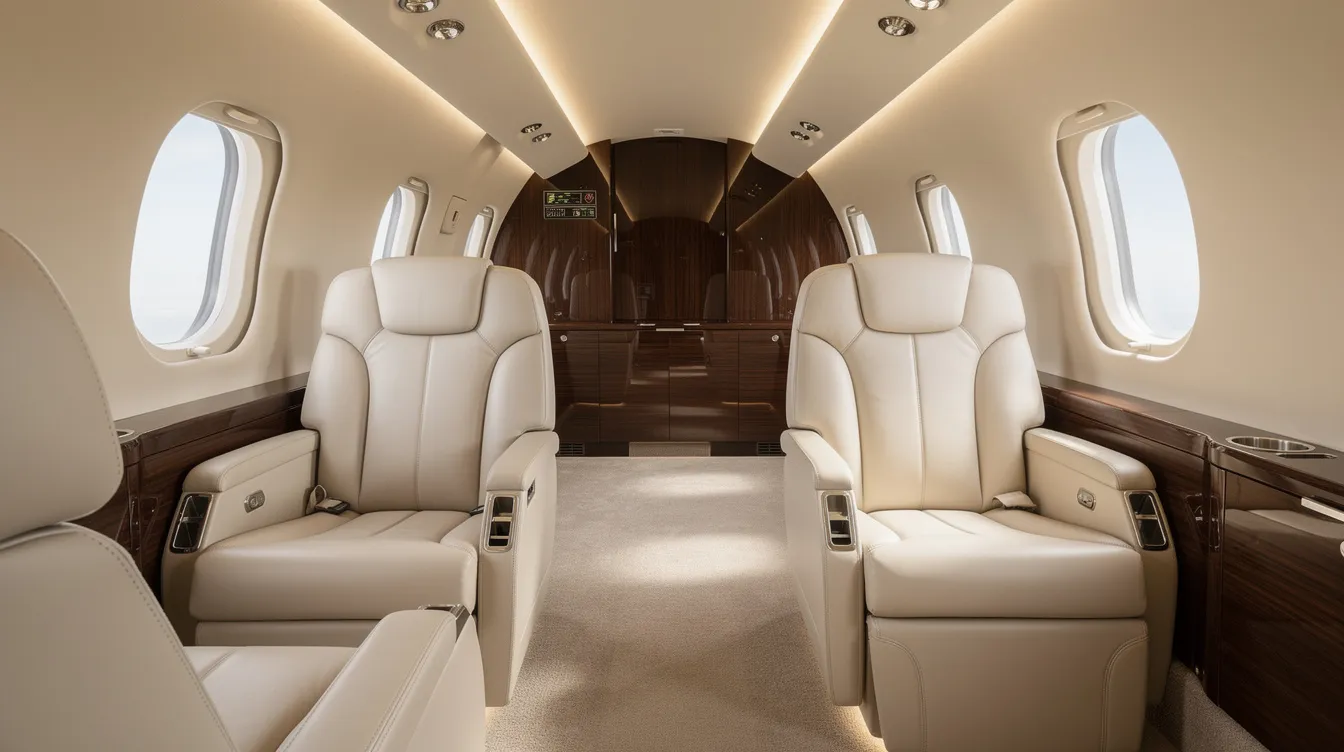
Private jet quotes may look complex at first glance, but most can be understood by checking a few key items. Aircraft operators are responsible for providing these quotes and can explain the breakdown of each component.
Essential quote components to review:
-
Aircraft: Type, registration number, year of manufacture
-
Hourly rate: Confirm if fuel is included or separate
-
Billable hours: Total flight time plus any minimums applied
-
Positioning: Hours and cost for ferry legs
-
Landing fees: Per-stop charges for your airports
-
Handling fees: FBO and ramp services
-
Crew overnight: If a multi-day trip, verify per-person cost
-
Taxes: Federal excise tax, segment fees, international charges
-
Fuel surcharge: Hourly add-on for fuel price fluctuations
-
Total: All-inclusive final price
Best practices for comparing quotes:
-
Request multiple private jet quotes (at least 2–3) for the same route and date
-
Compare the same aircraft category across providers
-
Check whether positioning assumptions differ between quotes
-
Ask providers or aircraft operators to clarify unfamiliar items like “short leg fee” or “segment fee.”
For example, comparing a New York to Miami light jet trip across three providers might show:
-
Provider A: $22,000 (light jet, no positioning)
-
Provider B: $28,000 (midsize jet, no positioning)
-
Provider C: $25,000 (light jet with $3,000 positioning)
The differences become clear when you see the breakdown.
Reputable charter services, brokers, and aircraft operators will explain every line item clearly. Feeling confident about the price and what it includes often reduces pre-flight anxiety, especially for nervous flyers who already find air travel stressful, and some travelers also turn to apps specifically designed to help with fear of flying for extra reassurance.
Cost Management Strategies
Tips to Manage Costs (Without Sacrificing Comfort)
Private jets are expensive, but smart planning can significantly affect your final bill without compromising the experience. Flying private doesn't always have to break the bank—using a private jet charter service and strategic cost-saving methods can make luxury and convenience more accessible.
-
Timing strategies:
-
Fly Tuesday through Thursday instead of Friday through Sunday for 15–30% savings
-
Book 7–14 days ahead when possible
-
Avoid peak periods unless necessary
-
-
Airport choices:
-
Choose smaller regional airports over major hubs (Westchester vs. JFK, Van Nuys vs. LAX)
-
Regional airports often save 40% on landing and handling fees
-
Bonus: shorter security lines and faster boarding
-
-
Right-size your aircraft:
-
Select the smallest safe and practical aircraft class for your route
-
Light jets and very light jets handle most domestic trips under 2,000 miles efficiently
-
Don’t automatically book heavy or long-range jets when midsize jets work fine
-
-
Trip structure:
-
Group trips are the same-day out-and-back when feasible to avoid crew overnight and hangar fees
-
Consider empty leg flights if your schedule is flexible, which can help offset costs
-
Share charters with business associates or friends to reduce per-person costs
-
-
Leverage membership programs:
-
Jet cards lock in hourly rates and eliminate fuel surcharges on many programs
-
Frequent flyers benefit from predictable pricing and priority access
-
Offset costs further by leveraging empty leg flights, generating charter revenue when your aircraft would otherwise be idle, or strategically basing your jet to minimize repositioning expenses. For many owners and frequent flyers, combining these tactics with digital tools that help overcome fear of flying makes private aviation both more efficient and more comfortable.
For travelers who feel uneasy in the air, tools like SkyGuru can explain turbulence, climb and descent sensations, and route changes in real time and have been featured widely in the media for helping nervous flyers. This knowledge makes it easier to choose cost-saving options—like smaller jets or alternate airports—with confidence rather than defaulting to larger, more expensive aircraft out of uncertainty.

For many people, understanding costs is only part of the equation—about a third of travelers struggle with some form of flight anxiety, and combining this financial knowledge with apps that directly target fear of flying can make private aviation feel far more approachable.
Key Takeaways
Understanding private jet pricing puts you in control of your budget and eliminates the mystery from what can seem like an opaque process.
Remember the fundamentals:
-
Aircraft type drives 50–70% of your cost
-
Flight time multiplies against that hourly rate
-
Fees and taxes add 20–40% on top
-
Timing and flexibility can save 20–50%
The more you know about how private aviation costs work, the more confident you’ll feel—whether you’re comparing your first quotes or stepping onto your tenth charter flight.
Start by requesting multiple private jet quotes for your next trip. Compare them line by line using the framework in this guide. And if in-flight anxiety is part of your travel experience, consider downloading SkyGuru to understand what’s happening at every stage of your journey; it’s been recognized by major media outlets for helping travelers cope with the fear of flying.
Frequently Asked Questions (FAQs)
How much does it cost to charter an entire plane on a private jet?
Chartering the entire plane typically costs between $2,000 and $14,000 per flight hour, depending on the aircraft size and type. Additional fees such as positioning, landing, and catering can add 20–40% to the base hourly rate.
Why do private jet prices vary so much?
Prices fluctuate due to factors like aircraft availability, flight distance, timing (peak vs. off-peak), positioning costs, and additional services requested. Seasonal demand and special events can also cause significant price spikes.
What are positioning costs, and how do they affect the total price?
Positioning costs cover the expense of flying the empty aircraft to your departure airport or returning it to its base afterward. These fees can sometimes equal or exceed the flight time cost, especially for one-way trips or remote locations.
Are private jet fees charged per passenger?
No, private jet pricing is based on renting the entire plane, not per passenger. However, dividing the total cost among passengers can make private jet travel more affordable on a per-person basis.
How can I reduce private jet charter costs?
You can save by flying midweek, booking in advance, choosing smaller regional airports, opting for empty leg flights, sharing charters with others, and using membership programs like jet cards that lock in hourly rates.
Conclusion
Private jet pricing is a nuanced blend of aircraft choice, flight distance, and a variety of fees that together define the total cost of your trip. Understanding how these components interact empowers you to make smarter decisions, whether you’re chartering a jet for the first time or comparing ownership options. Remember that flexibility in timing and airport selection can significantly reduce expenses, while sharing flights or leveraging membership programs can make private aviation more accessible. By grasping the private aviation industry’s pricing structure, you’ll approach your next private flight with confidence, clarity, and control—ensuring a seamless and enjoyable travel experience tailored to your needs. For more detailed insights, visit our comprehensive guide on <a href="https://myskyguru.com/blog/private-jet-pricing-explained">private jet pricing explained</a>.
FLEET SELECTION
JET CARDS
COST ANALYSIS


How to Auditing Your Operator's Maintenance Logs
Oct 05, 2025

How to Auditing Your Operator's Maintenance Logs
Oct 05, 2025

How to Auditing Your Operator's Maintenance Logs
Oct 05, 2025
Sky Guru Weekly
The smartest private aviation intelligence in your inbox.
.svg)

