




Private jet pilot salary and hiring decisions have become increasingly critical for individual owners, family offices, and small companies in 2026. With post-pandemic travel demand still elevated and commercial airline retirements creating a pilot shortage, competition for qualified crew has intensified significantly. Poor hiring choices can disrupt flight schedules, inflate costs by 20-30% when replacing experienced captains, and erode the trust that high-net-worth principals place in their aviation operations.
So what does a typical private jet pilot cost in the U.S. today? First officers on light jets generally earn between $70,000 and $110,000 annually, while captains on light to midsize jets command $110,000 to $190,000. Move up to large-cabin and ultra-long-range aircraft like the Gulfstream G650 or Global 7500, and captain salaries climb to $190,000 to $280,000 or more. These figures encompass base salary (typically 60-70% of total compensation), health insurance, retirement plans, recurrent training costs of $20,000-$40,000 per pilot annually, and per diem averaging $150-$300 per trip day.
This article focuses on pilots and core cabin crew for dedicated private operations. While SkyGuru serves as a travel-tech mental wellness app that helps anxious passengers understand turbulence and flight stages in real time, our purpose here is to help you evaluate pilot qualifications, understand how private pilot salaries compare to national average salary data, and structure fair compensation and flight schedules that reduce turnover. You’ll learn about aircraft types, the difference between captain positions and first officers, chief pilot responsibilities, negotiating salary effectively, and managing the job demands that come with private aviation.
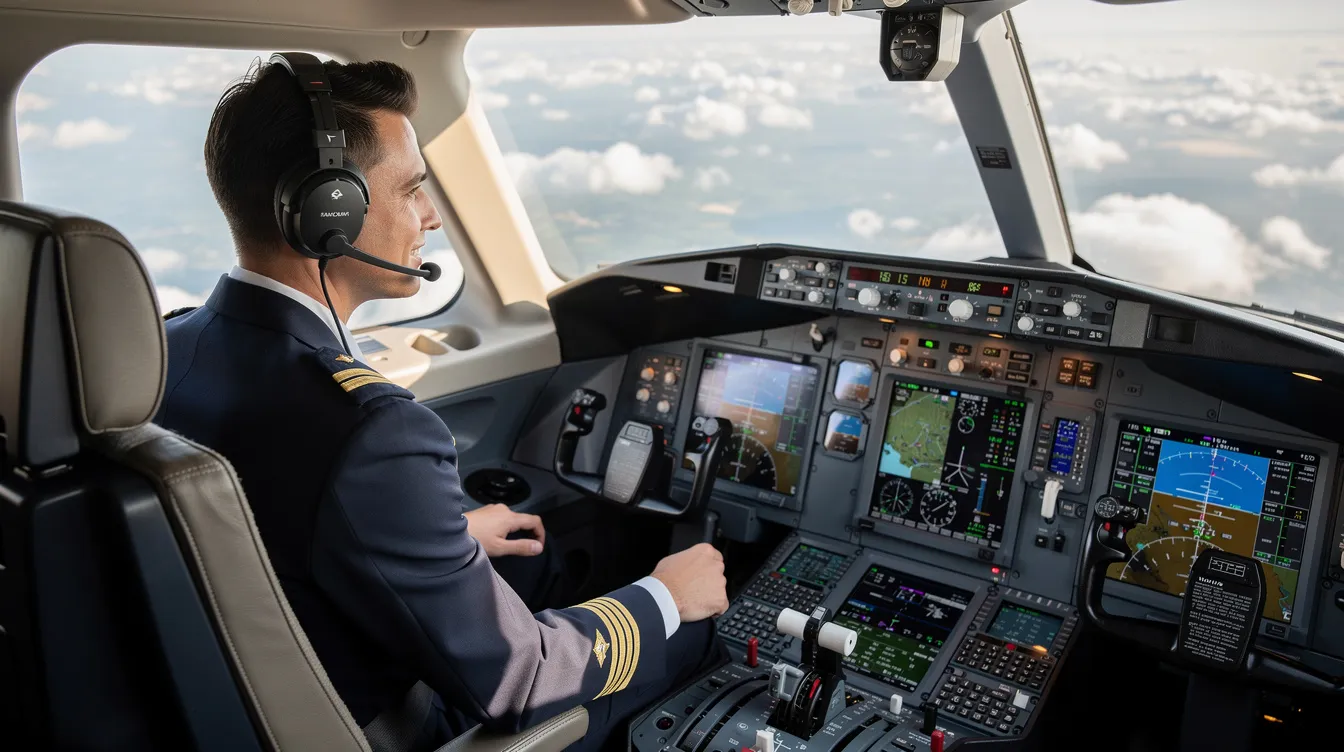
Private Jet Pilot Qualifications Explained
A safe, professional private jet pilot in 2026 goes well beyond holding a license. What truly matters is a combination of substantial flight hours, current type ratings on your specific aircraft, recent flying experience, and a genuine commitment to safety and passenger comfort. The clientele for private jet pilots often includes high-profile individuals such as celebrities and business executives, which means discretion and service orientation are essential qualities.
To be hired as a private jet pilot, candidates must go through several tiers of FAA certification and specialized training. In the U.S., pilots typically hold a Commercial Pilot License, which is generally required for paid flying jobs. Many private and commercial pilots progress to an Airline Transport Pilot certificate, which requires a minimum of 1,500 hours. Pilots must hold at least a Second-Class Medical Certificate for commercial operations, though many employers prefer a First-Class certificate for its higher standards.
Aircraft type and size directly affect pilot requirements. Single-pilot certified light jets like the Citation M2 or Phenom 100 may legally operate with one pilot, though many owners prefer two for safety. Midsize jets such as the Citation XLS+ or Challenger 350 typically require two-pilot crews with captains holding 2,500+ total hours and 500+ jet hours. Large-cabin and ultra-long-range jets like the Gulfstream G650, G700, or Global 7500 demand ATP-certified captains with 3,000-5,000+ total hours and 1,000+ hours on type, particularly for oceanic operations.
The types of aircraft flown by private pilots are generally smaller and more varied than those operated by commercial pilots, who typically fly larger, standardized aircraft designed for efficiency. Private jet pilots typically work in smaller flight crews and serve a limited number of passengers, creating a more intimate work environment and allowing for personalized service to high-profile clients.
Captain vs. First Officer Roles:
-
Captains serve as Pilot-in-Command with sole authority for takeoff, landing, and go/no-go decisions, typically requiring 3,000-5,000 total hours
-
First officers assist with co-pilot duties, communications, and navigation, usually needing 1,500-2,500 hours, upgrading after gaining experience on the type.
-
Private jet pilots typically begin their careers as First Officers, assisting experienced Captains, which provides valuable opportunities for skill development and building flight time.
Common background paths include regional airline pilots transitioning to business aviation (bringing schedule discipline and turbine experience), military aviators entering corporate flight departments (offering discipline and substantial jet hours), and career-long corporate or charter pilots (with strong jet familiarity but potentially accumulated fatigue from irregular charter schedules).
Medical requirements include Class 1 certificates annually for pilots under 40 and semi-annually for those over 40. Recurrent training involves semi-annual simulator checks at facilities like FlightSafety or CAE, costing $10,000-$15,000 per session, plus emergency procedures and crew resource management updates.
Chief pilots differ significantly from line pilots. They oversee safety policies, standard operating procedures, scheduling, maintenance coordination, and mentoring. In small Part 91 departments lacking a formal Director of Operations, the chief pilot's responsibilities expand considerably. Their pay typically runs 10-20% above a captain's salary, ranging from $130,000 to $220,000 depending on fleet size and complexity.
Verifying Credentials and Experience
Vetting a private jet pilot requires concrete verification steps, not just reviewing a resume:
-
Check official databases: Use the FAA Airmen Registry (free online) to verify license validity, type ratings match your aircraft, and any advanced certifications relevant to the aircraft and operation
-
Request logbook summaries: Look for breakdowns of total time, jet time, PIC hours, night flying, and instrument experience rather than accepting a single total number
-
Verify recency: Most jet operators require significantly more than the 250 flight hours needed for a Commercial Certificate, often preferring or requiring 1,500 to 2,500 total hours. Prioritize recent experience (100-200 hours on type in the past 12-18 months) over lifetime totals
When gathering references from previous employers or fellow pilots, focus questions on safety culture:
-
“Have they ever declined a flight due to weather or fatigue concerns?”
-
“How do they handle pressure from principals to fly in marginal conditions?”
-
“What’s their approach to crew coordination, passenger communication, and communication with air traffic control?”
For high-value aircraft types like a Gulfstream G700, consider involving your management company or an independent aviation consultant to evaluate simulator performance and checkride reports.
Pilot Requirements by Operation Type
Pilot requirements vary based on how you use your aircraft:
Part 91 (Personal/Family Use):
-
Legal minimums are relatively lax, but owners should exceed them
-
Recommended: 3,000+ total hours, 500+ on jet type, clean NTSB safety record
-
Candidates for entry-level charter jobs typically need about 1,000 to 1,500 flight hours, while competitive corporate roles require 2,000 to 5,000+ hours, and those with more flight hours are generally more competitive for higher-end private roles
Part 135 (Charter Operations):
-
Stricter regulatory requirements, including drug testing and audits
-
Internal minimums often exceed legal requirements
-
Ability to manage tight flight schedules and coordinate with dispatch teams
Corporate Flight Departments:
-
Often add ISO standardization and safety management system compliance
-
Higher expectations for professionalism and audit readiness
-
Private hiring is generally faster than airlines, focusing more on personality and customer service, as pilots often interact directly with owners, which can also improve salary prospects for strong candidates who fit the operation well.l
If you plan to charter out your private jets while retaining personal use, hire to the higher Part 135 standard. This influences insurance rates, marketability, and safety audit outcomes.
Private Jet Pilot Salaries and Compensation
Average salaries for private jet pilots in the United States are often cited at about $96,791 per year, but this figure can mislead owners because it blends entry-level and heavy jet roles together. Here’s what 2026 compensation actually looks like across experience levels:
|
Experience Level |
Aircraft Type |
Annual Salary Range |
|---|---|---|
|
Entry-level (First Officers) |
Light jets |
$50,000-$85,000 |
|
Entry-level pilots |
Various |
$47,000-$66,000 |
|
Mid-career pilots |
Midsize jets |
$80,000-$150,000 |
|
Senior captains |
Large-cabin/ULR |
$160,000-$300,000 |
|
Chief pilots |
Fleet oversight |
$250,000-$350,000+ |
|
Top-tier day rates |
Large-cabin |
Up to $3,000/day |
Entry-Level First Officers generally earn between $50,000 and $85,000, with starting pay at some companies around $65,000. Mid-career private jet pilots typically earn between $80,000 and $150,000 per year, reflecting greater experience and responsibility.
Compensation for private jet pilots is heavily influenced by total flight hours and the specific aircraft type. A pilot’s level of experience, often measured in years and accumulated flight hours, is one of the most significant factors influencing their salary, and seasoned pilots can command higher salaries as they move into larger or more demanding roles.

The type of employer a private jet pilot works for can significantly influence their salary, with pilots employed by wealthy individuals or prestigious corporations often earning more than those working for charter companies. Geographical location and the associated cost of living can also play a role in determining private jet pilot salaries, with pilots in major metropolitan areas typically having access to higher-paying job opportunities. New York, South Florida, and Southern California command 20-30% premiums over secondary markets. This helps shed light on salary ranges based on experience level across different markets, similar to how specialized aviation data platforms like the SkyGuru API illuminate route and turbulence conditions for flight planning and analysis.
Typical Career Path Example:
-
Year 1-3: First Officer on Citation XLS+ at $90,000
-
Year 4-6: Captain upgrade of the same type at $160,000
-
Year 7+: Chief pilot role at $220,000+
As private jet pilots gain experience and flight hours, they can progress to the role of Captain, which comes with increased responsibilities and clear salary advancement. The career trajectory for private jet pilots often includes advancement to Chief Pilot positions, where they oversee flight operations and manage other pilots, commanding some of the highest salaries in the aviation industry.
For contract arrangements, day rates run $800-$1,200 for light and midsize jets, climbing to $1,500-$2,500 for large-cabin aircraft. Senior-level private jet pilots can command salaries ranging from $160,000 to $300,000 annually, with some top-tier pilots potentially earning up to $3,000 per day. The tradeoff: contractors gain flexibility but lose benefits and job continuity.
Negotiating Salary and Contract Terms
Negotiating salary with a private jet pilot resembles hiring a senior executive more than purchasing a commodity service. Clarity upfront prevents misunderstandings that drive turnover later.
Key elements to define in writing:
-
Base salary benchmarked to aircraft type and region
-
Bonus structure tied to safety metrics, not just flight hours
-
Overtime rates for extra duty days ($500-$800/day, typical)
-
Per diem policy ($150-$300/day)
-
Schedule guarantees (e.g., 14 on/14 off, or minimum 10 days off monthly)
-
Training commitments and who pays
-
Relocation assistance for home-basing near the aircraft
The certifications and qualifications a private jet pilot holds can greatly affect compensation, with higher-level credentials often supporting stronger salary negotiations. Gaining additional certifications and ratings can help a private jet pilot increase earnings over time by making them more versatile and valuable to employers.
Research current market data for your specific aircraft before negotiating. Better compensation packages should include safety-focused bonuses for clean audit results, successful training completions, and low incident rates. Many aspiring pilots and experienced professionals value predictability and respect as much as headline pay. Openness about job demands, holiday expectations, and family time often seals deals that pure salary couldn’t.
Benefits, Training, and Hidden Costs
Owners new to private aviation often underestimate non-salary costs. A complete salary and benefits package includes:
-
Employer payroll taxes: 7.65% of salary
-
Health insurance: $12,000-$20,000 annually for family coverage
-
Retirement plans: 401(k) matching at 5-10% of salary
-
Loss-of-license insurance: $5,000-$10,000 annually
-
Recurrent training: $20,000-$40,000 per pilot per year
-
Per diem and travel: $25,000-$50,000 annually for busy schedules
For pilots working on larger aircraft programs, total employer cost is often higher. A midsize Citation XLS+ captain example: $160,000 base + $20,000 bonus potential + $15,000 health/retirement + $25,000 training/per diem = approximately $220,000 total annual cost. Pilots assigned to complex jets usually need more training, which supports higher pay and ownership costs.
Chief pilot responsibilities justify a premium of $10,000-$30,000 above captain pay because they handle scheduling, safety management systems, maintenance coordination, and crew mentoring. Moving into more complex jobs is also a common path to greater compensation and responsibility.
Retention tools include training bonds (requiring pilots to repay costs if they leave within 2 years), loyalty bonuses at 3-year milestones, and funded professional development. For the flight crew’s mental wellness—and passengers who experience flying anxiety—access to tools like the SkyGuru app’s in-flight explanations that explain turbulence and flight stages can support both crew and travelers at minimal cost.
Flight Schedules and Duty Limits
Private jet pilots often have more flexible schedules compared to commercial pilots, who adhere to fixed routes and predetermined flight times. However, this flexibility creates challenges: flight schedules can be irregular and unpredictable, making clear scheduling agreements essential for safety, compliance, and retention.
Common schedule patterns:
-
Home-based pilots on “as-needed” owner schedules (100-200 duty days/year)
-
Rotational patterns: 7 on/7 off or 14 on/14 off
-
Monday-Friday corporate shuttles with occasional weekend trips
Private jet pilots typically operate on more flexible schedules compared to commercial pilots, allowing pilots to fly on short notice to accommodate the specific needs of their high-net-worth clients. The lifestyle of private jet pilots can involve long hours and extensive travel, often requiring them to be away from home for extended periods, which can impact personal relationships.
A “duty day” runs from report time through post-flight duties—typically capped at 12-14 hours for Part 135 operations. Flight time limits usually run 8-10 hours per 24-hour period. Even for purely Part 91 personal use (which has no legal duty limits), owners should respect similar norms to protect safety and prevent burnout. Rest periods should include a minimum of 10 hours between duty periods and 30 consecutive hours off monthly.
Trip pattern examples:
-
Two-day domestic business trip: 16-hour duty day 1, rest, 10-hour day 2
-
Four-day transatlantic on large-cabin jet: duty split between pilots, augmented rest requirements
-
Week-long multi-city tour: 60 total duty hours, requiring multiple rest days
Schedule predictability ranks among the biggest drivers of job satisfaction. Capping monthly trip days at 12-15 and guaranteeing minimum days off reduces stress significantly. Studies show predictable schedules cut turnover by up to 25%. Likewise, data-driven tools such as SkyGuru’s turbulence and route analytics API can help operators anticipate flight conditions when designing realistic, fatigue-aware schedules.

Single-Pilot vs. Two-Pilot Operations
Certain light jets like the Eclipse 550 or Citation M2 hold single-pilot certification for Part 91 operations. However, many owners, insurers, and management companies require two-pilot crews regardless:
|
Operation Type |
Single-Pilot Option |
Two-Pilot Preference |
|---|---|---|
|
Day VFR domestic |
Often permitted |
Recommended for safety |
|
Night/IFR flights |
Legally possible |
Strongly preferred |
|
International |
Varies by country |
Typically required |
|
Long sectors (4+ hours) |
High workload risk |
Essential for safety |
Using two pilots on demanding routes—mountain airports, challenging weather, busy international hubs—slightly increases salary costs but significantly reduces risk. For very long-range aircraft operating 12-14-hour legs, a relief or third pilot keeps individual crew members within duty limits and preserves alertness.
Balancing Owner Needs and Crew Well-Being
The most successful flight operations treat pilots as safety partners rather than just a job to fill. This perspective shapes realistic expectations about availability and response times.
Define in writing:
-
Expected response time for new trip requests (e.g., under 2 hours)
-
Maximum consecutive days away from home
-
Frequency of acceptable short-notice trips (under 20% recommended)
Reasonable expectations include 10-14 trip days monthly with adequate rest. Unreasonable demands—20+ travel days, frequent last-minute changes, minimal recovery time—lead to errors, strained relationships, and resignations. Safety regulators and accident reports consistently link fatigue with increased risk.
Private pilots fly private jets for passengers with specific preferences and short-notice travel needs, providing a personalized flying experience unlike commercial pilots, who focus on operating larger aircraft for mass transport; many owners also recommend SkyGuru’s real-time flight commentary app to anxious passengers as part of that tailored service. For passengers who experience flying anxiety or are sensitive to turbulence, rested pilots have more bandwidth to provide calm explanations and reassuring briefings. Tools like SkyGuru’s app-based support for fearful flyers,d turbulence forecasts, and flight-stage information can supplement crew communications for nervous travelers.
Periodic check-ins between owners and chief pilots to review schedule patterns and fatigue concerns help balance travel needs with crew sustainability.
Retention and Turnover
The private jet pilot market in 2024-2026 has remained tight across most regions. Industry estimates suggest a 5,000-pilot shortfall in the U.S., with small flight departments experiencing 15-20% annual turnover compared to 10% at commercial aviation operations and major airlines.
The cost of losing a pilot:
-
Recruiting fees: $15,000-$25,000
-
Type rating training: $30,000-$75,000
-
Insurance scrutiny and potential premium increases
-
Disrupted continuity and passenger comfort
-
Total replacement cost: $100,000-$300,000 per captain
Skilled pilots leave private jet roles for several key factors: non-competitive pay relative to airline careers at carriers like United Airlines, unpredictable flight schedules, lack of respect or communication, limited career progression, and moves to scheduled airlines offering more stable rosters. Commercial pilot salaries at major airlines have risen substantially, pulling experienced professionals toward airline careers.
A clear, written job description covering realistic flight schedules, job demands, and boundaries helps prevent mismatched expectations that drive early resignations. Many pilots stay when they feel trusted and included in safety decisions, even when airline salaries rise.
Networking within the aviation industry is crucial for private jet pilots seeking to advance their careers and uncover high-paying opportunities, as personal recommendations can lead to desirable positions. Owners who understand this invest in relationships with their crews.
Conducting annual “stay interviews” with pilots and the chief pilot helps identify issues before they trigger resignations. Discuss what’s working, what needs improvement, and whether compensation remains market-aligned.
Stable pilot teams also improve passenger experience. Regular passengers—especially those with a fear of flying—build trust with familiar crew faces, consistent explanations of turbulence and flight operations, and supplemental support from apps that help overcome fear of flying.
Building a Competitive and Sustainable Offer
Retention comes from designing pilot positions to be desirable long-term, not from chasing every salary increase in the market.
Structural elements of strong offers:
-
Market-aligned base salary for your specific aircraft type
-
Fair bonus opportunities tied to safety and performance
-
Predictable minimum time off (10+ days monthly)
-
Support for training and career growth
-
Safety culture that prioritizes crew input over schedule pressure
Benchmark your pilot compensation annually against current data for your aircraft type and region. Adjust proactively rather than reacting after losing people. Private pilots earn competitive salaries when owners treat compensation as an investment rather than an expense.
Non-monetary retention tools matter significantly:
-
Allow pilots input into aircraft upgrades affecting safety and workload
-
Support participation in safety conferences and professional development
-
Recognize contributions publicly to family or company stakeholders
For smaller aircraft operations without formal HR, the chief pilot becomes the bridge between owner expectations and pilot needs. Investing authority in this role stabilizes the entire crew and provides fair compensation structures across the team.
Hiring and compensating a private jet pilot is a long-term partnership, not a one-time transaction. The aviation industry continues evolving, with commercial airline pilots commanding higher salaries and private sector demand remaining strong. Weigh salary expectations, scheduling sustainability, and retention strategy together when building or revising your private jet crew.
Owners who invest in competitive salaries, respect crew well-being, and maintain clear communication build flight departments that attract and keep experienced pilots. In return, they gain safer operations, better passenger experiences, and the peace of mind that comes from having a professional pilot team committed to their aircraft and mission.
Frequently Asked Questions (FAQs)
What qualifications are required to become a private jet pilot?
To become a private jet pilot, candidates must hold at least a Commercial Pilot License and typically progress to an Airline Transport Pilot certificate. They need substantial flight hours—usually 1,500 to 5,000 total hours depending on aircraft complexity—and current type ratings on the specific jets they will operate. Medical certification and recurrent training are also mandatory.
How does pilot experience affect private jet pilot salary?
Experience is a key factor in salary determination. Entry-level pilots with fewer flight hours earn less, while mid-career and senior captains with thousands of hours, especially on more complex jets, command higher salaries. Captains flying large-cabin or ultra-long-range aircraft generally earn the most.
What are typical salary ranges for private jet pilots?
Entry-level first officers generally earn between $50,000 and $85,000 annually. Mid-career captains on midsize jets can expect $80,000 to $150,000, while senior captains on large-cabin jets often earn between $160,000 and $300,000 or more. Chief pilots overseeing flight departments may earn upwards of $250,000.
How do scheduling and duty limits impact private jet pilots?
Private jet pilots often have flexible but irregular schedules to accommodate client needs, with duty days typically capped at 12-14 hours and flight time limits around 8-10 hours per day. Predictable schedules with adequate rest are crucial for safety and pilot retention.
What factors influence pilot retention in private aviation?
Competitive salaries aligned with aircraft type, predictable schedules, respect for pilot input, and opportunities for professional growth are vital. High turnover often results from unpredictable hours, non-competitive pay compared to airlines, and limited career advancement.
Are private jet pilot salaries higher than commercial airline pilots?
Salaries can overlap, but senior private jet pilots, especially captains of complex jets, may earn more than some commercial pilots. However, commercial pilots often have more predictable schedules and benefits, which can balance compensation differences.
How can private jet pilots increase their earning potential?
Pilots can increase earnings by gaining additional certifications and type ratings, building industry networks, negotiating salary and benefits effectively, and progressing to captain or chief pilot roles on more complex jets.
What is the role of a chief pilot compared to a captain?
Chief pilots manage flight operations, oversee safety policies, coordinate scheduling and maintenance, and mentor other pilots. They typically earn 10-20% more than captains due to these expanded responsibilities.
How does the type of aircraft affect pilot hiring and salary?
Pilots qualified to fly larger, more complex jets generally command higher salaries due to increased responsibility and specialized training requirements. Owners of more complex jets prioritize hiring captains with extensive experience and type ratings.
Are there additional costs beyond salary when hiring private jet pilots?
Yes, employers should consider payroll taxes, health insurance, retirement benefits, recurrent training costs, loss-of-license insurance, and per diem expenses when budgeting for pilot compensation packages.
Conclusion
Hiring and retaining qualified private jet pilots requires a balanced approach that considers salary, scheduling, and pilot well-being. Competitive compensation aligned with aircraft type and experience helps attract skilled professionals, but predictable schedules and respect for crew input are equally vital for retention. Understanding pilot qualifications, including flight hours, certifications, and recent experience, ensures safety and operational reliability. Additionally, recognizing the unique demands of private aviation—such as flexible flight schedules and personalized passenger service—helps owners and operators create sustainable flight departments. By investing thoughtfully in their pilot teams, owners not only secure safer, more efficient operations but also enhance the overall private jet experience for passengers, including those with flying anxiety who benefit from calm, knowledgeable crews. Ultimately, successful private jet pilot hiring is a strategic partnership that supports long-term operational excellence and peace of mind.
FLEET SELECTION
JET CARDS
COST ANALYSIS


How to Auditing Your Operator's Maintenance Logs
Oct 05, 2025

How to Auditing Your Operator's Maintenance Logs
Oct 05, 2025

How to Auditing Your Operator's Maintenance Logs
Oct 05, 2025
Sky Guru Weekly
The smartest private aviation intelligence in your inbox.
.svg)

