



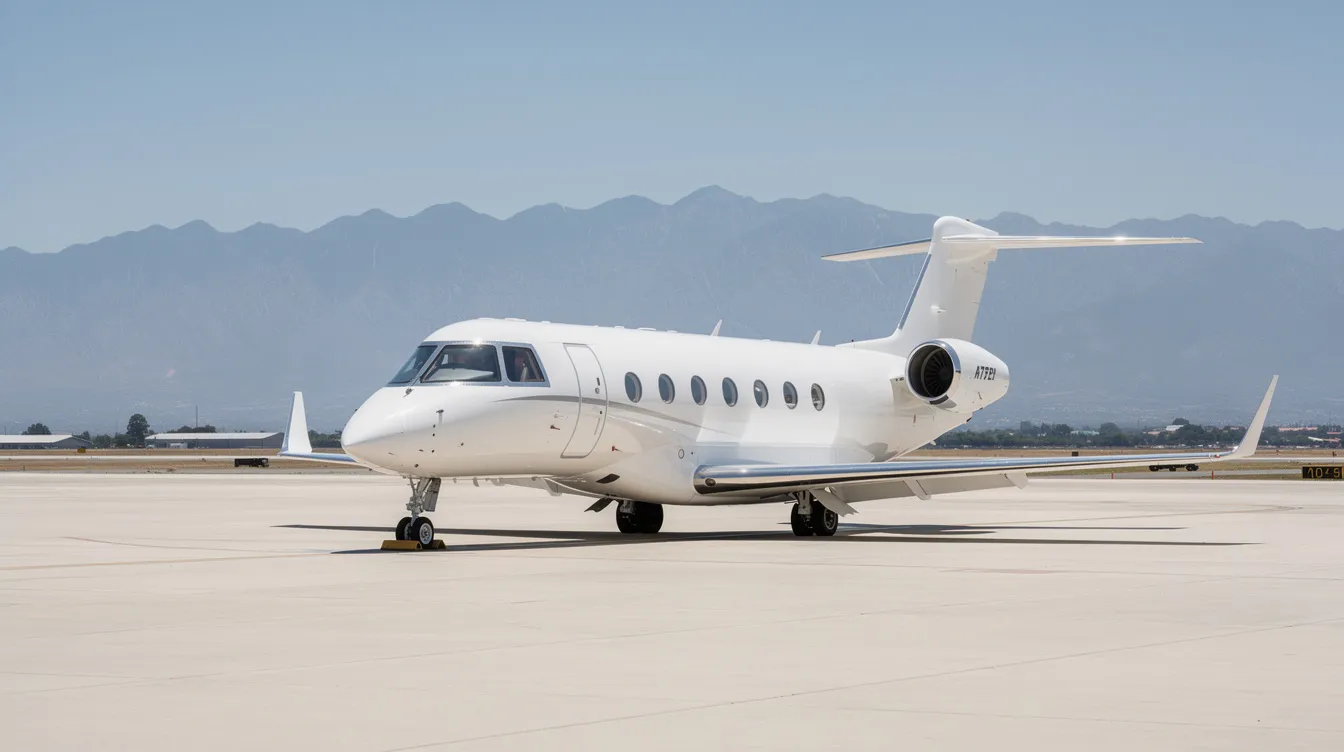
Deciding whether to buy a private jet is one of the most significant financial and lifestyle choices a frequent flyer can make. This article is for high-net-worth individuals, business executives, and anyone considering private jet ownership. Understanding real-world ownership scenarios helps buyers make informed decisions about one of the most significant investments in private aviation.
Private jets are typically categorized by their range, cabin size, and mission capability. Private jets are typically categorized by their range, cabin size, and mission capability. Private jets are categorized into several types, including Very Light Jets, Light Jets, Mid-Size Jets, Large Cabin Aircraft, and Ultra Long-Range Jets, each designed for specific travel needs and capacities.
Ownership models for private jets can vary from full ownership to fractional ownership or leasing. Fractional ownership enables multiple parties to share the expenses associated with owning a private jet, including maintenance and operational costs, making it a more affordable alternative to full ownership. Jet card programs, on the other hand, allow users to pre-purchase flight hours at fixed rates, offering predictability and convenience for frequent travelers who want flexibility without long-term commitment.
The private aviation industry has evolved significantly, offering a range of options to meet the needs of wealthy individuals who seek exclusivity, efficiency, and tailored services. Private jet ownership provides a luxurious experience and several advantages, such as customization, flexibility, and superior comfort compared to commercial travel.
This article walks through four realistic private jet ownership examples—from a first-time buyer to a corporate flight department, a cost-offset strategy, and an eventual exit—so you can see what the numbers and decisions actually look like in practice.
First-Time Owner Scenario
Let’s examine a realistic buying-a-private-jet case study. Meet Daniel, a 48-year-old tech founder based in Austin with a net worth of around $25M. He’s been flying private for several years through a mix of private jet charter services and jet card programs, logging roughly 120–150 flight hours annually.
Flight time is a crucial consideration for private jet owners, impacting both cost-effectiveness and scheduling. His typical trips involve 2–4 passengers on 1–3 hour flights between Texas, California, and New York.
Daniel’s decision trigger came after a string of commercial flight delays caused him to miss two investor meetings and a family event in six months. Private air travel enables executives to maximize productivity and arrive on time for critical meetings.
Time savings and efficiency are significant advantages of private jet ownership, allowing owners to bypass commercial airport delays and utilize smaller airports, allowing access to destinations not served by larger aircraft.
He started seriously comparing ownership options: continued charter, jet cards, fractional shares, and full ownership.
Investment and Costs
|
Access Model |
Annual Cost (150 hrs) |
Upfront Investment |
Flexibility |
|---|---|---|---|
|
Charter |
$525K–$750K |
None |
High |
|
Jet Card |
$650K–$975K |
Deposit + fees |
Medium |
|
Fractional (1/16 share) |
$250K occupied + $1.2M buy-in (Fractional ownership allows multiple parties to share the costs of owning a private jet, including maintenance and operational expenses, making it a more financially accessible option than full ownership.) |
$1.2M |
Medium |
|
Full Ownership |
$1.1M–$1.4M ops |
$7.5M–$8.3M |
Complete control |
Experts suggest that flying between 150 and 200 hours annually makes private jet ownership more cost-effective than chartering. For Daniel, the math started tilting toward ownership.
Aircraft Selection
Private jets are categorized into several types, including Very Light Jets, Light Jets, Mid-Size Jets, Large Cabin Aircraft, and Ultra Long-Range Jets, each designed for specific travel needs and capacities.
Very Light Jets represent the smallest class of private jets, usually accommodating 4 to 6 passengers and designed for short-distance flights with a range of approximately 1,000 nautical miles. These smaller aircraft are ideal for short trips and can access smaller airports that larger jets cannot reach, offering owners greater flexibility and convenience.
Daniel’s routes—Austin to San Francisco (1,550 nm), Austin to New York (1,500 nm), and Dallas to Miami (950 nm)—quickly ruled out very light jets. Winter headwinds on coast-to-coast routes can eat into range reserves, making a light jet the safer choice.
Many individuals choose specific jet models based on range, luxury, and the ability to access difficult locations. After evaluating several aircraft, Daniel narrowed his options:
|
Aircraft Model |
Seats |
Range (nm) |
Price (Used) |
Notes |
|---|---|---|---|---|
|
Embraer Phenom 100 (VLJ) |
4–6 |
1,178 |
$3.5M–$4.5M |
Too short-legged for routes |
|
Cessna Citation CJ3+ (Light) |
6–9 |
2,040 |
$7M–$8.2M (2017) |
Strong dispatch reliability |
|
Embraer Phenom 300 (Light) |
6–10 |
1,971 |
$8M–$9.5M (2015) |
Popular for low op. costs |
Compared to other jets in the market, such as larger Gulfstreams or more affordable turboprops, these options differ significantly in price, range, and onboard amenities, allowing buyers to tailor their choice to specific travel needs and budgets.
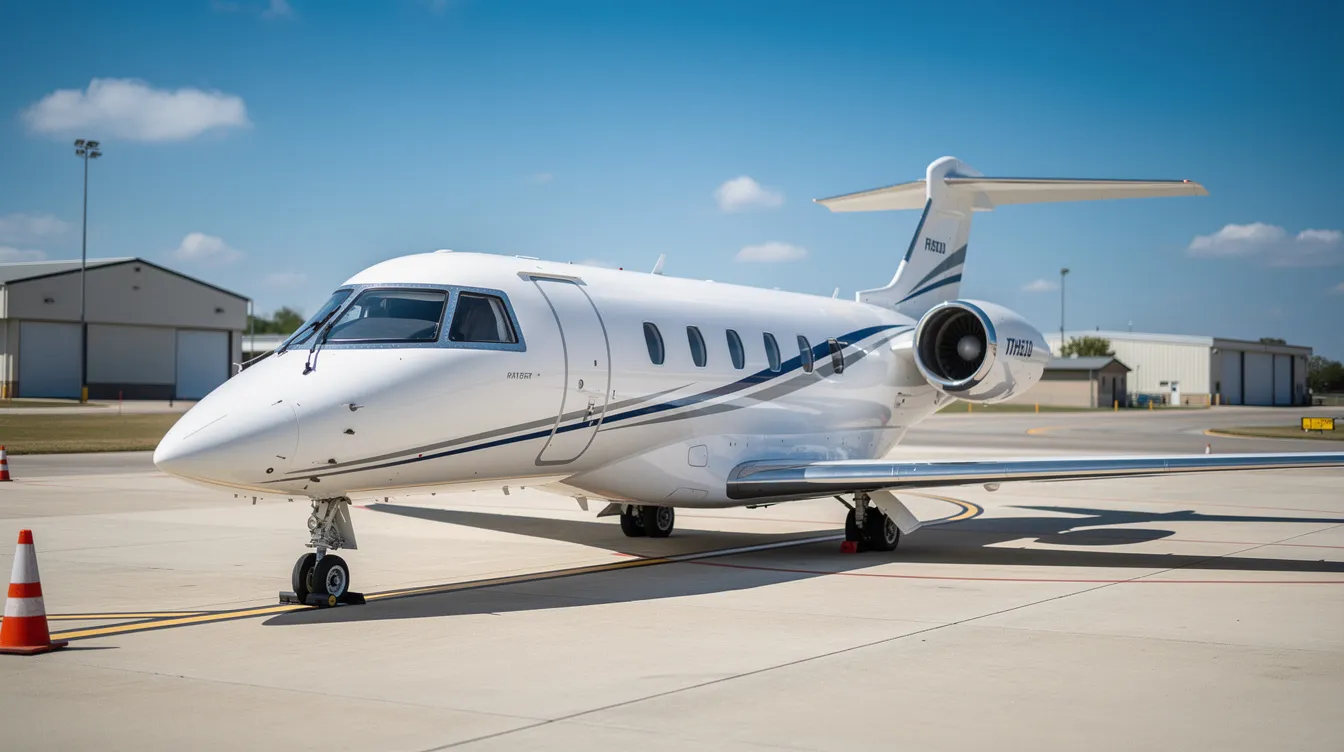
Daniel ultimately chose a 2017 Citation CJ3+ at $7.5M. Practical factors drove the decision: Austin-Bergstrom’s runways favor jets with under 5,000-foot takeoff requirements, and the CJ3+’s 99% dispatch reliability meant fewer surprises.
Chosen jet specs:
-
Range: 2,040 nm
-
Seats: Up to 9
-
Cruise speed: ~450 knots
-
Runway requirement: 4,700 feet
Investment and Purchase Price Breakdown
The initial purchase price of a private jet can vary widely, typically ranging from $2 million to $100 million, depending on the aircraft model and whether it is new or pre-owned. Daniel’s acquisition costs broke down as follows:
|
Cost Category |
Amount |
|---|---|
|
Aircraft purchase price |
$7,500,000 |
|
Texas use tax (6–8%) |
$450,000–$600,000 |
|
Pre-buy inspection |
$35,000 |
|
Legal, closing, ferry |
$75,000 |
|
Total acquisition |
$8.0M–$8.3M |
The pre-buy inspection is critical. Mechanics examine airframe logs, engine condition, avionics, and corrosion. About 20% of pre-buy inspections reveal $100K+ in hidden issues. This step typically costs $25,000–$60,00,0, depending on aircraft size.
Daniel funded the purchase with 40% cash ($3M) and a 60% loan at 5.8% interest over 8 years. His monthly payment: approximately $68,000. Some buyers underestimate how financing changes the initial investment—factor in interest, and the true cost of the aircraft rises considerably.
Operational Experience
Owning a private plane involves various costs that can significantly affect overall financial planning, including maintenance and operational expenses, storage costs, and insurance. Regular maintenance and operational costs for private jets include inspections, repairs, fuel, and staffing, all of which contribute to the overall cost of operating the aircraft. Staffing costs are a major component, with pilot salaries representing a significant portion of ongoing operational expenses.
For Daniel’s CJ3+ flying 200 hours in Year 1:
Fixed Costs (~$650K annually):
-
Hangar fees: $36,000
-
Insurance: $65,000
-
Captain salary + benefits: $280,000
-
First Officer (part-time): $100,000
-
Training/recurrent: $50,000
Larger or more luxurious jets may also require a flight attendant, further increasing staffing costs.
Variable Costs (~$500K annually at 200 hrs):
-
Fuel ($2,100/hour at $6/gal Jet-A): $420,000
-
Maintenance reserves: $60,000
-
Navigation/handling fees: $20,000
Total Year 1: approximately $1.15M, or $5,750 per flight hour.
Compared to Daniel’s previous $700K–$900K annual charter spend at 150 hours, ownership breaks even around 160–180 hours. The fixed versus variable split matters: at 100 hours, his per-hour cost would be $8,000+. At 300 hours, it drops to under $5,000.
Quality-of-Life Considerations
Owning a private aircraft changes the travel day dramatically. Private jets can access over 5,000 smaller public-use airports, significantly reducing ground travel time compared to commercial airlines, which serve about 500 U.S. airports. Daniel now uses Austin Executive Airport—15 minutes from home—instead of fighting traffic to Austin-Bergstrom.
Having the same crew and cabin environment on each flight makes a difference for nervous travelers. Sanitation and health control of the aircraft became especially important following the COVID-19 pandemic, and Daniel’s family appreciates knowing exactly who has been on board.
On a January 2025 ski trip to Denver, Daniel’s wife—who struggles with flight anxiety—noted how much calmer she felt. The familiar cabin, familiar pilots, and tools like SkyGuru explaining turbulence and flight stages in real time helped her understand what was happening rather than fear the unknown.
Quality-of-life pros:
-
Shorter door-to-door travel time
-
A consistent crew builds trust
-
Direct flights to smaller airports
-
Complete control over the schedule
Quality-of-life cons:
-
Responsibility for scheduling and logistics
-
Unexpected maintenance can ground the plane 2–4 times annually
-
Pressure to “justify” hours to feel ownership makes sense
Corporate Flight Department
This scenario covers a mid-sized manufacturing firm based in Ohio with $800M annual revenue. Executives regularly visit plants across the U.S. and Canada, often needing same-day trips that commercial airlines simply cannot accommodate efficiently.
Super mid-size jets are a popular choice for corporations seeking a balance of range, comfort, and cost for executive travel.
Their travel demand stabilized at 350–450 flight hours per year, making ownership of a business jet financially comparable to continuous charter. Private jet ownership supports a company’s strategic growth, with organizations frequently using corporate jets tending to experience higher income growth.
The cabin of a private jet serves as a secure space for confidential meetings, enhancing productivity due to fewer distractions and interruptions. For leadership teams that include nervous flyers, corporate departments often provide turbulence education and tools like SkyGuru to help staff feel more comfortable.
Aircraft Selection
The company’s route map includes Columbus to Dallas (1,000 nm), Phoenix (1,700 nm), Toronto (400 nm), and occasional transatlantic flights to London and Frankfurt.
Mid-Size Jets typically offer greater range and larger cabin amenities than Light Jets, often featuring onboard WiFi, lavatory services, and a partial galley for comfort on longer flights. For 80–90% of their missions, a mid-size jet handles the job perfectly.
Heavy and Ultra-Long-Range Jets are designed for international travel with large cabins and high-end amenities. However, for this company’s pattern, heavy jets would inflate costs by 40–50% for short hops.
|
Aircraft |
Seats |
Range |
Purchase Price |
Hourly Cost |
|---|---|---|---|---|
|
Bombardier Challenger 350 |
10 |
3,200 nm |
$24M–$26M |
$3,500 |
|
Cessna Citation Latitude |
9 |
2,700 nm |
$22M–$25M |
$3,200 |
|
Gulfstream G550 |
14 |
6,750 nm |
$35M–$40M |
$5,800 |
|
Bombardier Global 6000 |
13 |
6,000 nm |
$40M–$45M |
$6,200 |
The company purchased a 2019 Bombardier Challenger 350 for $25M. Ultra long range capability wasn’t cost-effective when transatlantic trips happen only 4–6 times annually—those can be handled via charter.
Building an In-House Flight Department
A basic corporate flight department includes:
-
Chief Pilot: $200K–$250K salary
-
First Officer: $150K–$180K salary
-
Scheduler/Dispatcher (part-time): $80K–$100K
-
Contracted maintenance provider: $300K–$500K annually
Total crew and staff costs run $600K–$800K before adding fuel and maintenance. FAA Part 91 requires maintenance logs, six-month inspections, and annual recurrent training. Most companies start lean with one aircraft and two pilots, expanding as utilization approaches 600–800 hours or when a second jet is justified.
Financial Rationale
Before the jet, 400 hours of business travel cost the company $1.6M in commercial tickets, hotels, and lost productivity. Post-jet, annual operations run $1.4M–$1.6M—but with massive time savings.
Example: Visiting three Midwestern plants (Columbus–Chicago–Milwaukee–Columbus) takes 6 hours by jet. By commercial airline, it requires 2 days with overnight stays. That saves 20 executive hours per trip at $500/hour = $10,000 in productivity value.
Annually, 150 such trips save roughly 1,500 executive hours—worth $750,000 in productivity. Private jets offer a secure environment for confidentiality, allowing for productive work and meetings during flights. High-profile individuals often prefer the privacy and security offered by private jets over commercial air travel.
Owners can experience flexibility and access to short-notice departures and multi-city itineraries that commercial schedules cannot accommodate.
Risk Management
Corporations treat jets as depreciating assets with 7–10 year holding periods. Key policies include:
-
Utilization thresholds: If hours drop below 250 annually, consider fractional ownership or charter partnerships
-
Annual cost audits: Compare actual spend to charter alternatives
-
Fleet right-sizing reviews: Evaluate whether aircraft type still matches mission profile
-
Independent safety audits: Ensure compliance and reduce liability
Private aviation is under scrutiny for its significant environmental impact, prompting the industry to pursue sustainability measures such as carbon offset programs and the adoption of fuel-efficient technologies to reduce emissions. Carbon offsetting allows private jet owners to reduce their environmental impact by investing in projects that lower greenhouse gas emissions.
Cost Offset Strategy Example
Meet Sarah, a London-based private equity partner who purchased a 2016 Gulfstream G450 in 2023 for $21M. Her target: 250 personal flight hours annually, with routes including London to New York and London to Dubai—requiring long-range capability.
Some of the most expensive private jets in the world, such as the Boeing 747-8 (the largest private jet), are owned by celebrities and heads of state. These include highly customized air force aircraft like Air Force One, which exemplify the prestige, advanced features, and security capabilities associated with such jets. The Gulfstream G650ER is another example of an expensive private jet that a celebrity owns, highlighting the exclusivity and luxury of private jet ownership.
She chose a heavy jet despite the higher operational costs of $5,500–$7,000 per flight hour, accepting larger aircraft expenses while seeking partial offset through charter revenue. Owning a private jet involves high ongoing costs, including maintenance, crew salaries, and hangarage, which can make chartering a more practical choice for those who do not fly frequently.
This is not a profit-making scheme. In most cases, charter management reduces—but does not eliminate—net ownership costs.
How Charter Management Works Day to Day
Sarah placed her G450 with a certified Part 135 operator who handles marketing, crew, scheduling, and regulatory compliance. The management company operates the jet for charter clients when Sarah isn’t using it.
The contract includes owner-priority provisions: Sarah blocks 60 peak days annually for personal use and can request the aircraft with 48 hours' notice for other dates. Large Cabin Aircraft can accommodate up to 19 passengers and are known for their luxurious amenities, including advanced entertainment options and separate cabin zones for enhanced passenger experience.
Charter rates for a G450 on transatlantic routes run £6,000–£8,000 per flight hour. At 350 charter hours annually (after Sarah’s 250 personal hours), gross charter revenue reaches $1.8M–$2.2M.
Revenue split breakdown:
-
Gross revenue minus fuel and direct costs
-
Management company takes a 15–25% fee
-
Owner receives 50–60% of net proceeds
Owner responsibilities: Capital, aircraft approvals
Management responsibilities: Crew, maintenance, scheduling, compliance, marketing
Financial Outcome
Here’s a simplified pro forma for Sarah’s 600-hour year (250 personal + 350 charter):
|
Scenario |
Annual Ops Cost |
Charter Revenue |
Net Cost to Owner |
|---|---|---|---|
|
No charter (250 hrs only) |
$1.6M |
$0 |
$1.6M |
|
With charter (600 hrs total) |
$3.4M |
$1.8M–$2.4M |
$800K–$1.0M |
Charter reduces Sarah’s net cost by approximately 40–50%. However, sensitivities matter: economic downturns can cut charter demand 30–40%. Charter hours also accelerate maintenance cycles and may reduce resale value by 5–15%.
Chartering private jets allows travelers to select the ideal aircraft for each specific mission, providing unparalleled freedom and flexibility compared to the constraints of ownership. Many celebrities prefer the flexibility and efficiency of chartering private jets over ownership, as it provides on-demand access to a global fleet without the complex logistics and financial commitment of full ownership.
Lifestyle, Privacy, and Anxiety Trade-Offs
Cost offset strategies come with non-financial trade-offs. Strangers use your aircraft regularly, requiring more intensive cleaning and scheduling coordination. Last-minute availability drops—charter clients book weeks ahead.
For jet owners who value complete control or struggle with flight anxiety, knowing unfamiliar passengers have used the cabin can feel unsettling. Some owners feel they’ve lost their “flying home.”
Luxury private jets often feature bespoke interiors that can include master bedrooms, full-size bathrooms, and separate living spaces, transforming the aircraft into a flying mansion. Many luxury jets are equipped with advanced amenities such as gourmet kitchens, full-service bars, and entertainment systems, providing a level of comfort and service comparable to high-end hotels. But heavy charter use means more cabin wear.
This strategy suits: High-hour owners (200+ personal hours) seeking cost reduction.
This strategy doesn’t suit: Privacy-focused owners, those with flight anxiety who need consistent environments, or low-utilization buyers.
Even with charter operations, nervous flyers can use tools like SkyGuru to understand turbulence and weather patterns on their legs.
Exit Scenario
After 5–7 years, most private jet owners face an exit decision. Perhaps their business sells,s and flying hours drop. Perhaps operational costs have risen 15–20% from inflation. Or they simply want less complexity.
This section follows a composite owner—similar to Daniel—who purchased a light jet new for $9M in 2018 and decides to sell in 2025. Private jet ownership encompasses a range of aircraft from small turboprops to large long-range jets, and each type follows different depreciation patterns. Most private jets, however, do not feature the same level of luxury as the high-end models discussed here, often lacking amenities like full-size lavatories or showers.
Valuation and Depreciation Over Time
Daniel’s CJ3+, purchased new at $9M, sells in 2025 for approximately $5M–$5.5M—a 40% decline over 7 years. This roughly 5–8% annual depreciation is typical for light jets.
Efficient aircraft designs focus on improving aerodynamics to lower fuel consumption and emissions, with advancements in engine technology significantly enhancing fuel efficiency in business jets. Newer models with better efficiency often hold value better than older designs.
Key resale value drivers:
-
Total hours flown (under 1,500 hours ideal; charter use deducts 10–20%)
-
Engine program enrollment (+15% value)
-
Interior condition (refurbishment can add 5–10%)
-
Avionics upgrades
Depreciation patterns by category:
-
Very light jets: 40–50% over 7 years
-
Light jets: 40–50% over 7 years
-
Mid-size jets: 45–55% over 7 years
-
Heavy jets: 50–60% over 7 years (technology advances faster)
Plan for depreciation from day one. It’s a known cost of using the aircraft, not a surprise at exit.
The Sales Process: From Decision to Closing
Selling a private aircraft typically takes 3–9 months:
-
Engage a broker (1–2% commission)
-
Price the aircraft based on market comparables
-
Prepare records (logbooks, maintenance history, AD compliance)
-
Market and show the aircraft to prospective buyers
-
Negotiate offers (expect 5–10% below asking)
-
Buyer’s pre-buy inspection ($20K–$40K, may reveal $50K–$150K in squawks)
-
Closing and title transfer
Seller costs typically run $100K–$200K, including broker fees, cosmetic touch-ups, and addressing inspection findings. In strong markets (like 2022–2024), 95% of aircraft sell within 6 months.

Life After Full Ownership: Alternative Access Models
After selling, most former owners shift to fractional ownership, jet card programs, or on-demand charter—especially if annual hours drop below 150.
Fractional ownership enables multiple parties to share the expenses of owning a private jet, including maintenance and operational costs, making it a more financially accessible alternative to full ownership. Participants in fractional ownership typically pay upfront for their share, along with monthly fees and additional hourly charges based on usage, which can be more cost-effective for those who fly fewer hours annually.
Fractional ownership can provide guaranteed availability of flight hours based on the share purchased, allowing for a more predictable travel schedule compared to chartering. In some regions, businesses can enjoy financial and tax incentives related to aircraft operation for business purposes.
Daniel might purchase a 25 or 50-hour jet card ($150K–$300K annually) with no fixed operational costs. Jet card programs allow users to pre-purchase flight hours at fixed rates, offering predictability and convenience for frequent travelers who want flexibility without long-term commitment. It’s less luxurious than owning, but far simpler.
High-end private jets like the Gulfstream G650ER and Bombardier Global 7500 are known for their ultra-long range, impressive speed, and spacious, customizable cabins, making them popular among celebrities and business leaders. Ultra Long-Range Jets can cover distances of up to 10,000 kilometers and have flight durations of up to 17 hours without refueling, making them ideal for trans-oceanic flights. For occasional longer trips, chartering these aircraft makes more sense than owning.
Corporations and high-net-worth individuals often own and operate private jets to facilitate executive travel and access underserved regions. But flying private doesn’t require ownership—it requires the right access model for your current life stage.
Life after ownership options:
-
Fractional shares for 50–100 hours/year
-
Jet cards for flexibility without long-term commitment
-
On-demand charter for occasional trips
-
Continue managing flight anxiety with education and tools like SkyGuru, regardless of how you fly.
Private jet ownership is one phase in a wider range of air travel decisions. About 60% of former owners eventually repurchase when circumstances change. View ownership as a chapter, not a permanent commitment—and ensure that however you fly, you understand what’s happening in the air around you.
Frequently Asked Questions (FAQs)
What are the benefits of owning a private jet compared to chartering?
Owning a private jet offers greater flexibility, complete control over scheduling, and a consistent cabin environment, which can be important for privacy and comfort. It can also be more cost-effective for those flying between 150 and 200 hours annually. Chartering, however, provides access to a variety of aircraft without the responsibilities and fixed costs of ownership.
How does fractional ownership differ from full ownership?
Fractional ownership allows multiple parties to share the costs and use of a private jet, making it more affordable and reducing maintenance responsibilities. Full ownership provides complete control and customization but comes with higher upfront and ongoing costs.
Can I offset the costs of private jet ownership?
Yes, some owners use charter management programs to offset costs by making their aircraft available for private jet charter when not in use. While this can reduce net expenses, it may impact availability and privacy.
What types of private jets are best for short haul flights?
Very Light Jets and Light Jets are typically best suited for short haul flights due to their range and efficiency. They can access smaller airports, providing flexibility for regional travel.
How does private jet ownership impact travel anxiety?
Consistent use of the same aircraft and crew can improve comfort and reduce anxiety. Additionally, tools like SkyGuru provide real-time flight information and turbulence forecasts, helping nervous flyers understand and manage their experience.
Conclusion
Private jet ownership offers a unique blend of luxury, flexibility, and efficiency that can transform both business and leisure travel. Through real-world examples—from first-time owners like Daniel to corporate flight departments and cost-offset strategies—this article has demonstrated how different ownership models and aircraft types address diverse needs within the private aviation sector. Understanding the financial commitments, operational considerations, and lifestyle impacts is essential for making an informed decision.
While full ownership provides complete control and customization, fractional ownership and jet card programs offer accessible alternatives with reduced financial burdens. Additionally, cost-offset strategies such as charter management can help mitigate expenses, though they come with trade-offs in privacy and availability. Finally, the exit scenario highlights the importance of planning for depreciation and exploring alternative access models as travel needs evolve.
For those considering private jet ownership, this ultimate guide serves as a practical resource to navigate the complexities of the private aviation sector. Whether prioritizing time savings, privacy, or comfort, choosing the right ownership path can enhance travel experiences while aligning with personal or corporate goals. As private aviation continues to evolve, staying informed and leveraging tools like SkyGuru can also support a safer, more confident journey in the skies.
FLEET SELECTION
JET CARDS
COST ANALYSIS


How to Auditing Your Operator's Maintenance Logs
Oct 05, 2025

How to Auditing Your Operator's Maintenance Logs
Oct 05, 2025

How to Auditing Your Operator's Maintenance Logs
Oct 05, 2025
Sky Guru Weekly
The smartest private aviation intelligence in your inbox.
.svg)

