




Private jet owner apps have transformed how owners manage their aircraft and experience air travel. Not long ago, tracking maintenance schedules, coordinating crew, and monitoring costs meant juggling spreadsheets, emails, and endless phone calls. Today, popular apps for private jet owners are divided into flight management and booking platforms, each serving distinct needs. These apps help owners track maintenance, manage crew, and handle the logistics of aircraft ownership—all from a single mobile interface, while allowing users to create an account to manage bookings, access personalized services, and streamline their private flight experience.
Owner Dashboards
Private jet owner apps differ fundamentally from charter-booking platforms like Wheels Up, XO, or PrivateFly. While charter apps focus on one-off bookings and empty leg flights, owner dashboards serve those who fully own, fractionally own, or hold jet cards for specific aircraft. The focus shifts from browsing availability to operational oversight.
Key Data Tiles
A typical owner dashboard opens to a photo of your private plane with its tail number, displaying current GPS location (say, “Parked at Teterboro”), the next scheduled private flight, and a health status indicator—green for airworthy, yellow for inspection due. Flight tracking apps like FlightAware and Flightradar24 provide real-time updates on flight movements, including live updates, gate arrival changes, and weather delays affecting aircraft. Many owner apps integrate this data directly, offering a reliable overview of your operations.
Key data tiles include:
-
Upcoming trips: Departure times, passenger counts, and aircraft capacity details to help plan trips efficiently and ensure the right fit for your needs.
-
Last 10 flight hours: Totaled for the month.
-
Fuel status: Percentage remaining.
-
Crew assignments: Showing pilot certifications and rest compliance.
-
Open maintenance items: Flagged by priority.
-
Month-to-date costs: Summarized in dollars.
Integration with Flight Tracking
Flight tracking applications can aggregate data from various sources, including FAA data and ADS-B signals, to offer precise tracking and notifications for users, often enhanced by detailed flight and turbulence data APIs. This means an owner in a London boardroom in 2026 can glance at their phone and confirm their jet has arrived from Paris without calling anyone.
Private jet services offer flexibility and convenience, allowing travelers to set their own schedules and arrive at their chosen destinations seamlessly. Dashboards for fractional owners (like NetJets with 1/16th shares) display a fleet selector, while jet cards show remaining allocated hours, blackout periods, and one-tap quote request tools.
Personalization Features
Personal preferences saved in the dashboard—catering presets, ground transportation partners, preferred FBOs, cabin layouts—ensure concierge services deliver consistent experiences trip after trip. These services are tailored to clients, focusing on personalized attention and exclusive travel experiences, which is especially valuable for passengers dealing with a fear of flying.
For passengers who want in-flight reassurance, SkyGuru runs in parallel on your phone during any private flight, delivering real-time turbulence forecasts and plain-English explanations that complement operational dashboards.
With real-time updates and notifications, owners no longer have to spend time waiting for pilot or FBO updates—information is delivered instantly, streamlining the entire experience.
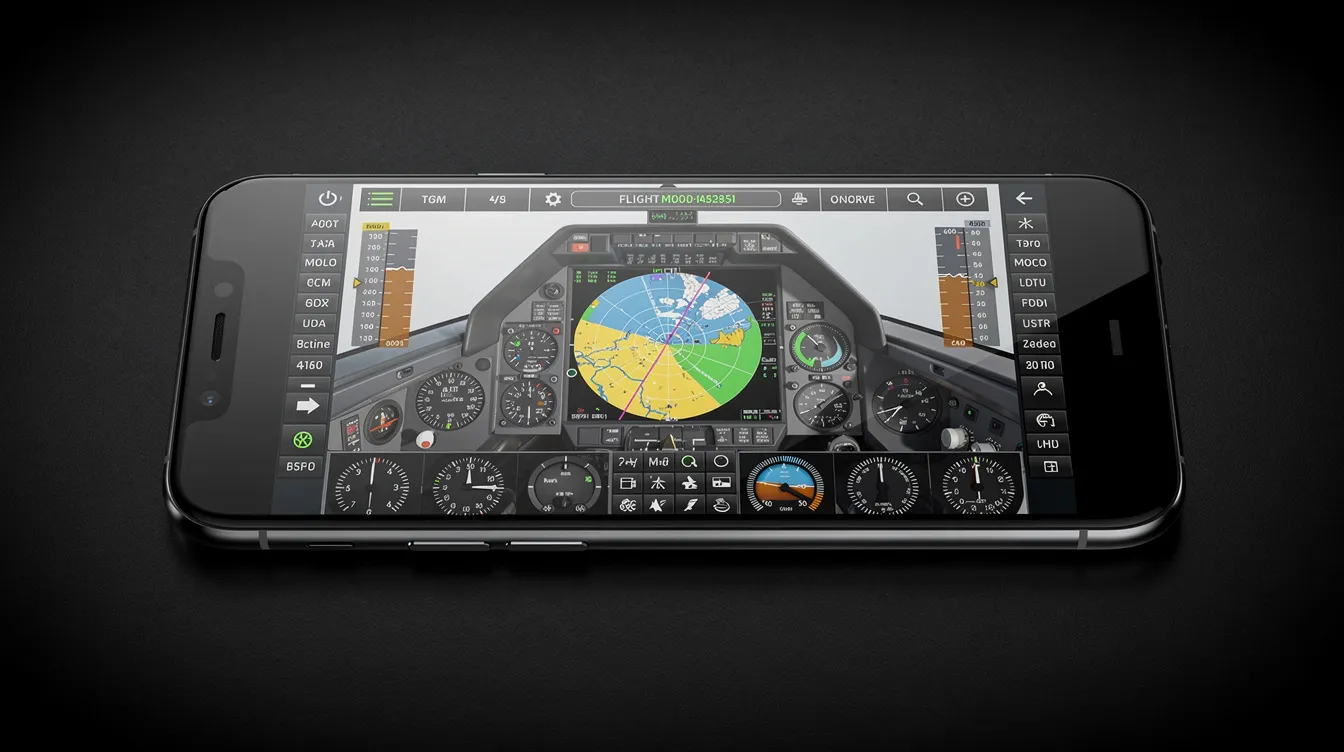
Core Features in Modern Private Jet Owner Apps
These apps help owners track maintenance, manage crew, and handle the logistics of aircraft ownership through intuitive interfaces. Many flight tracking apps allow users to set alerts for specific tail numbers or itineraries, enhancing the ability to monitor flights closely and manage schedules effectively. Some platforms also offer membership programs, providing exclusive benefits, priority access, and cost-saving options for frequent flyers.
Feature Table
Core features include:
|
Feature |
What It Does |
|---|---|
|
Live aircraft tracking |
- Shows real-time position, speed, altitude, and ETA |
|
Request-a-flight |
- Tap to input origin, destination, dates<br>- Create custom flight plans and receive confirmed slots within minutes |
|
Cost summaries |
- Aggregates fuel, crew, and landing fees into trip-by-trip totals |
|
Maintenance alerts |
- Push notifications when inspections approach |
|
Crew messaging |
- Integrated communication with rostering and rest compliance |
|
Document vault |
- Searchable storage for certificates, manuals, and logs |
|
Airworthiness status |
- Summarizes regulatory compliance at a glance |
Personalized Booking Features
Many private jet booking apps offer features such as:
-
Personalized searches
-
The ability to save favorite airports and passengers
-
Options for on-board catering and ground transportation
Booking private aircraft through these apps allows for tailored experiences, ensuring flexibility and convenience. Private jet services often include personalized experiences such as onboard catering and ground transportation arrangements, enhancing the overall travel experience for passengers.
Scenario:
In March 2026, a New York owner books a same-day flight to Miami:
-
Tap to schedule the flight.
-
Select preferred catering.
-
See a confirmed slot with a $22,000–$26,000 cost range.
-
Pay seamlessly through the app.
-
Complete booking in under four minutes.
Data Visibility Controls
Data visibility controls allow granular permissions:
-
Assistants might get view-only access to itineraries and flight logs.
-
Family members see schedules but not invoices.
-
The owner retains full control with audit trails.
Integration with charter operators expands available options, providing additional flexibility and access to a broader fleet, especially when paired with specialized turbulence and route data APIs.
For those who choose to fly private, these apps offer unmatched convenience, luxury, and personalized service compared to commercial airlines, and can be complemented by apps that provide in‑flight weather and route commentary.
Owner Apps vs. Charter Apps
Owner apps target those with skin in the game—full or fractional owners and jet card holders managing specific aircraft. Consumer charter apps like JetApp, XO, Wheels Up, or PrivateFly cater to episodic users who search for availability and prices without long-term upkeep responsibilities.
Private jet booking apps allow users to charter aircraft quickly and conveniently, often providing real-time pricing and availability without the need for phone calls. Users of private jet booking apps can often access a wide range of aircraft types and sizes, allowing for tailored travel experiences based on individual needs and preferences.
Key differences:
-
Owner app view: “Hangar fee due June 1, $15,000; Phenom 300 inspection July 15” alongside flight hour totals
-
Charter app view: “Gulfstream G550 NYC–LAX $45,000, or empty leg $18,000.”
Many private jet services provide access to smaller airfields, including those that are subject to strict geographic or construction-related restrictions, enabling flights to destinations that are not reachable by commercial airlines, thus reducing travel time and enhancing privacy. Many owners use both—when a jet is down for maintenance, they might tap into XO or PrivateFly for a backup aircraft.
Private jet owner apps and charter services offer the ability to travel anywhere in the world, with global coverage that supports international destinations and worldwide mobility for luxury travel experiences.
The tech used by owners emphasizes operational control and cost transparency over glossy marketing.
Maintenance Tracking
The aviation industry employs applications for managing the logistics of aircraft ownership and ensuring compliance, alongside specialized tools that help passengers cope with the fear of flying. Maintenance tracking in private jet owner apps digitizes oversight of FAA-mandated inspections—100-hour checks for multi-engine aircraft, annual phases for turbines—preventing costly aircraft-on-ground events.
Real-time tracking includes monitoring aircraft location and automated reminders for airworthiness directives. A maintenance screen typically shows:
-
Upcoming tasks by date and flight hours remaining
-
Parts on order with expected arrival dates
-
Aircraft downtime calendar
-
Release-to-service confirmations with e-signatures
Modern systems pull from electronic logbooks automatically, so owners don’t need to call the director of maintenance for every update.
Example:
In April 2026, an owner receives an in-app alert that a 600-hour inspection due in 25 flight hours will overlap with June travel plans. They shift two legs to empty leg opportunities through a charter partner, avoiding a potential $100,000 disruption.
Steps:
-
Receive maintenance alert.
-
Review the upcoming travel and inspection schedule.
-
Shift affected trips to the charter partner.
-
Confirm new arrangements and avoid disruption.
Push notifications and email alerts replace scattered Excel files and ad hoc phone calls. For nervous flyers and their families, knowing the jet’s maintenance status at a glance provides mental comfort—especially when paired with SkyGuru’s real-time in-flight explanations during the actual journey.

Maintenance Logs and Compliance Records
Digital maintenance logs replace paper binders stored in hangars with searchable, timestamped entries. Typical regulatory items tracked include:
-
Airworthiness directives (FAA-mandated fixes)
-
Service bulletins (manufacturer recommendations)
-
Scheduled inspections by flight hours
-
Life-limited parts with cycle counts
Owner apps summarize this complexity into simple views: “All major inspections current until November 2026” rather than pages of cryptic codes.
Resale scenario:
A prospective buyer’s team reviews log history exported from the app, confirming consistent maintenance. Well-documented aircraft can command 10–15% price premiums.
Good systems let owners download snapshot PDFs of compliance status for insurance renewals or financing reviews.
Scheduling Downtime and Aligning with Travel Plans
Private jet owner apps help align heavy maintenance events with the owner’s calendar by combining the aircraft’s flight hours forecast with expected trip schedules.
Planning example:
-
Schedule a two-week maintenance slot in January 2027 when travel is typically light.
-
If an important trip arises, book alternative private charters through a partner app.
Alerts warn when maintenance windows slip or when extra trips may push an inspection earlier than planned. A 2024 NBAA report noted that 65% of owners using these apps report fewer disruptions. One Texas oil executive cut monthly coordination calls from 15 to 2 by relying on dashboard alerts.
Cost Tracking Tools
Private jet apps now give owners near-real-time visibility of costs. Flight data aggregates fuel, crew expenses, maintenance, hangar fees, insurance, de-icing, and catering into accessible dashboards.
Fixed and Variable Costs
Fixed costs include:
-
Hangar rent ($50,000–$200,000/year)
-
Insurance (1–2% of hull value)
-
Management fees (8–10%)
Variable costs include:
-
Fuel ($2,000–$5,000/hour occupied)
-
Landing fees ($200–$2,000)
-
Catering ($100–$500 per passenger)
Dashboards display cost per flight hour and monthly totals, helping owners compare real spending to projections. Many apps categorize flights as business, personal, or chartered-out to simplify accounting.
Concrete example:
A light jet owner in 2025 notices the operating cost rising from $3,500 to $3,900 due to fuel prices. Reviewing data, they discover that frequent short legs cost $1,500 per hour minimum. They shift some trips to shared flights via a jet card, saving money.
The benefit: fewer surprises. Monthly statements match what the owner already tracked trip-by-trip.
Trip-Based Cost Estimates
Before confirming a private flight, owner apps show estimated totals: fuel, crew overnight, airport fees, catering, and repositioning costs.
Scenario:
An assistant requests a private jet flight from Los Angeles to Aspen for a February weekend. The app flags a cost spike due to peak demand and de-icing fees—$43,000 versus the usual $35,000. The owner reviews alternatives, perhaps an empty leg for $20,000 savings.
Steps:
-
The assistant submits the flight request.
-
App calculates and displays estimated costs.
-
Owner reviews flagged cost spike.
-
Owner considers alternatives (e.g., empty leg).
-
Approves or modifies booking.
Approval workflows route requests above the set budgets to the owner or CFO for a single tap. Some apps also display revenue from chartering out the aircraft when it would otherwise reposition empty.
Annual Budgeting
Accumulated cost data support annual budgeting. Owners review 2025’s 420 flight hours at $4,000/hour (totaling $1.68 million), add $300,000 for planned maintenance, and project a $2 million budget for 2026.
Long-term trends reveal inefficiencies. Frequent short legs costing over $6,000/hour might be better served by a smaller aircraft or jet cards. Industry data suggests 35% of owners adjust or downsize after analyzing true costs.
Flight Logs and Reporting
Flight Log Features
Flight logs serve as the central record of every private flight: date, route, flight time, crew, passengers, and often the trip’s purpose. Modern owner apps display this data in a friendly, searchable format—filter by city pair, date range, or passenger name.
Accurate logs support:
-
Regulatory compliance
-
Insurance documentation
-
Resale value (buyers' review history)
-
Business reporting (separating business from personal use for tax purposes)
Some apps import data automatically from the jet’s avionics or flight-tracking networks, reducing manual entry by pilots.
Scenario:
Review all flights between New York and London flown in 2024—total hours, total cost—to decide whether to negotiate better rates or use different airports.
Logs can be shared easily with accountants, auditors, or potential buyers, replacing emailed spreadsheets and scanned pilot logbooks.
Understanding where and how you fly, paired with real-time in-flight guidance from SkyGuru, makes owning and using a private jet less stressful for anxious passengers.
Regulatory and Tax Reporting
Owners often need specialized reports for regulators, tax authorities, and insurers. Apps simplify this by making data easy to export.
Example export:
All business flights in 2025 with departure and arrival airports, hours flown, and associated costs—ready for a tax advisor.
Safety metrics like total hours on type, night versus day flying, or approaches into challenging airports can be summarized in plain language. Well-designed private jet owner apps translate complexity into clear prompts and checklists rather than legal jargon.
Privacy and Security Controls
Some owners prefer their jets’ movements to stay private rather than appearing on public trackers by tail number, and may turn to tools designed specifically to support nervous flyers. Owner apps often include privacy options:
-
Mask certain flights in shared views
-
Limit who sees detailed itineraries
-
Control access by role
Access levels example:
-
The owner sees all data
-
Family sees upcoming trips only
-
Assistants see schedules but not cost details
While public aircraft tracking software shows general movements, owner apps offer precise data that remains fully private and encrypted with end-to-end security.
Mobile apps can modernize private aviation by connecting users directly with operators and managing logistics without traditional broker processes. The right combination of operational apps and passenger tools transforms aircraft ownership from overwhelming to manageable. For the in-flight experience, consider pairing your own flight plan tracking with an app that helps reduce fear of flying—real-time turbulence forecasts and explanations that help nervous flyers understand every sound and sensation during their journey.
Frequently Asked Questions (FAQs)
What are private jet owner apps?
Private jet owner apps are specialized mobile or web platforms designed for individuals or companies that own or share ownership of private aircraft. These apps provide tools for managing flight schedules, maintenance tracking, cost monitoring, crew coordination, and real-time aircraft tracking to streamline the complexities of aircraft ownership.
How do private jet owner apps differ from charter booking apps?
Owner apps focus on operational oversight and ongoing management of specific aircraft, including maintenance and cost tracking. Charter booking apps, on the other hand, cater to users looking to book one-off private flights or access empty leg flights without ownership responsibilities.
Can private jet owner apps help reduce operating costs?
Yes. These apps provide detailed cost tracking, including fuel, maintenance, crew, and other expenses, allowing owners to identify inefficiencies and make informed decisions, such as shifting some travel to shared flights or booking empty leg flights to save money.
Are private jet owner apps integrated with aircraft tracking software?
Most modern owner apps integrate with aircraft tracking software like FlightAware or Flightradar24, delivering real-time GPS location, flight status updates, and automated notifications to owners and their teams.
Do these apps support maintenance compliance?
Absolutely. Maintenance tracking features include automated alerts for upcoming inspections, digital logbooks, and compliance records. This helps prevent costly downtime and ensures the aircraft meets regulatory requirements.
How do owner apps handle privacy and security?
Owner apps offer granular data visibility controls, enabling owners to restrict access to sensitive information by role, mask certain flight details from public trackers, and ensure data is encrypted with end-to-end security.
Can I manage crew assignments and certifications through these apps?
Yes, many apps include crew management tools that track pilot certifications, rest compliance, and scheduling, helping owners maintain safe and legal operations.
Are there apps that provide in-flight information for nervous flyers?
Yes, apps like SkyGuru complement owner dashboards by offering real-time in-flight weather updates, turbulence forecasts, and explanations designed to reduce anxiety during private flights.
Can owner apps help with regulatory and tax reporting?
Yes, these apps often allow export of flight logs and cost data in formats suitable for tax filings, insurance, and regulatory compliance, simplifying administrative tasks.
Do private jet owner apps support international flights?
Most apps support global operations, including flights to smaller airfields and international destinations, providing access to a wide range of aircraft and operational data worldwide.
Conclusion
Technology in private jet ownership has evolved into a new way of managing complex operations with ease and precision. Private jet owner apps provide comprehensive dashboards that offer real-time aircraft tracking, maintenance alerts, and cost monitoring, empowering owners to make fair and informed decisions. These tools integrate seamlessly with aircraft tracking software and jet management systems, streamlining everything from scheduling to compliance. By leveraging these advanced technologies, owners gain greater control over their ultra-long-range jets and other aircraft, ensuring safety, efficiency, and personalized service. Whether managing a full fleet or a single plane, embracing these digital solutions transforms ownership into a more transparent and stress-free experience, setting a new standard for private aviation in 2026 and beyond.
FLEET SELECTION
JET CARDS
COST ANALYSIS


How to Auditing Your Operator's Maintenance Logs
Oct 05, 2025

How to Auditing Your Operator's Maintenance Logs
Oct 05, 2025

How to Auditing Your Operator's Maintenance Logs
Oct 05, 2025
Sky Guru Weekly
The smartest private aviation intelligence in your inbox.
.svg)

