




Flying private feels fundamentally different from commercial travel—even first class. One big difference is that passengers on private jets can pack liquids in their luggage, which is generally not permitted on commercial flights. You skip TSA lines, access over 14,000 airports instead of 500, and control your schedule. A New York to Aspen trip takes 4 hours private versus 6+ with connections.
But this freedom comes with hidden complexities. First-time flyers often assume “anything goes” in private aviation, from baggage limitations to last-minute changes. This is where problems begin.
Common mistakes include booking purely on the lowest price, choosing the wrong aircraft type, ignoring operating costs, and underestimating how timing and weather affect private jets. Many people mistakenly believe that booking a private jet is unaffordable, but there are options like empty leg flights that can make it comparable to business class fares.
SkyGuru, a travel-tech app, helps anxious travelers understand what’s happening during flights—explaining turbulence, delays, and unusual sounds in plain language. When plans change unexpectedly, understanding why reduces stress significantly.
This article covers four themes: Booking Errors, Aircraft Mismatch, Timing Assumptions, and Expectation Gaps—with concrete advice for first-time private flyers and nervous travelers alike.
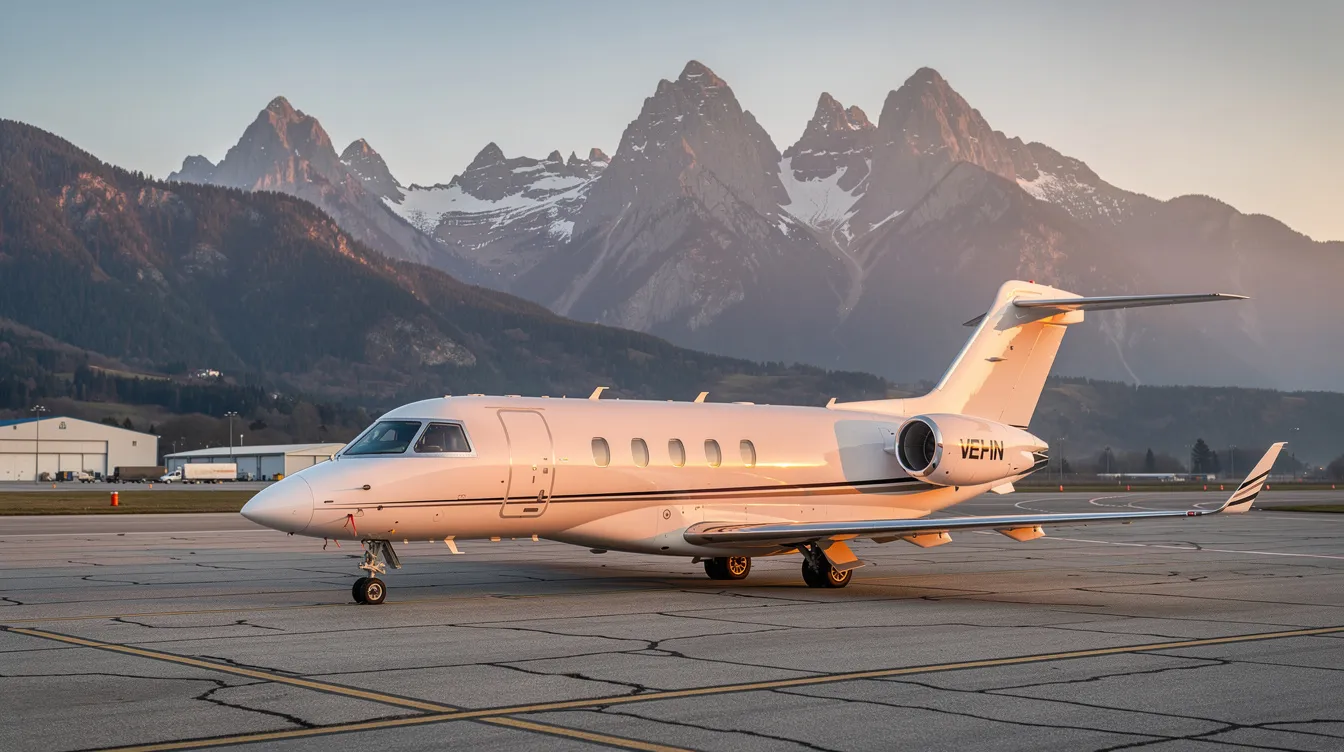
Booking Errors
The process of booking a private jet flight differs entirely from purchasing a commercial ticket. You are chartering an entire aircraft with all its operating costs, constraints, and responsibilities. A common misconception is that private jet pricing is based on a per-passenger rate, whereas it is actually based on the entire flight.
Critical mistakes happen before anyone boards: choosing the wrong provider, skipping safety certifications, focusing only on the lowest price, or assuming last-minute booking works without consequences. Failing to avoid these pitfalls can result in costly errors.
When working with a trusted charter partner, reputable companies support clients through the entire process of private jet travel, from initial planning and safety checks to post-flight follow-up, ensuring a seamless and secure experience—much like how tools designed for nervous flyers support passengers through each stage of a flight.
Choosing by Lowest Price Instead of Safety and Reliability
Private jet travel pricing covers aircraft, crew, and repositioning flights—not a per-seat fare like first class. Rates range from $2,500/hour for very light jets to $15,000+ for ultra-long-range aircraft. “Too good to be true” quotes usually are. These are some of the common missteps travelers make when chartering a private jet, often due to a lack of awareness or preparation.
Risks of chasing the lowest price include:
-
Older aircraft with deferred maintenance
-
Poor safety oversight and limited insurance
-
Operators who cancel when better-paying clients appear
-
Not all private jet operators maintain the same safety standards, and some budget options may compromise on aircraft maintenance or crew training.
Renting or buying a private jet involves significant capital, making it crucial to avoid pitfalls that can lead to high costs, safety issues, or ownership remorse. Verify Part 135 certification (U.S.) or equivalent, check safety audit ratings, and confirm crew experience rather than comparing only hourly rates. By thoroughly vetting operators and aircraft, you can avoid the most common missteps and ensure a safer, more reliable private jet experience.
Booking Too Late – or Assuming Last Minute Always Works
Stories of “calling for a jet two hours before departure” exist, but they’re exceptions with fewer choices and 50-100% premiums.
Booking a private jet flight too late can result in fewer aircraft options, unfavorable departure times, and inflated prices, especially during holidays or major events. Peak dates like Christmas, Easter, or major events (Super Bowl, World Economic Forum) see availability collapse—Teterboro slots for Super Bowl 2026 booked out 60 days ahead.
Booking 14-20 days in advance is generally recommended for better aircraft availability and competitive pricing when chartering private jets. At a minimum, book at least a week or two in advance to guarantee better aircraft selection and rates. Booking early can help you save money compared to last-minute bookings, as lower prices are more likely and options are greater—particularly beneficial for business needs.
Flexibility on time and departure airport helps significantly.
Misunderstanding How Private Jet Pricing Really Works
Private flights are priced by flight hours and aircraft, not per seat. Key pricing components include:
|
Component |
Typical Cost |
|---|---|
|
Repositioning (empty legs) |
20-50% of the quote |
|
De-icing |
$2,000-$10,000 |
|
Crew overnight |
$500-$1,000/night |
|
Landing & handling fees |
$500-$2,000/leg |
Common billing shocks: being charged for a “ferry leg” you don’t fly on, extra fees when you change airports mid-trip, or costs for holding the aircraft. Remember, whether you own or charter, you will pay significant ongoing expenses, and private jet ownership rarely pays for itself unless you fully understand all costs and potential revenue streams, like chartering out your jet. Common mistakes when renting or buying a private jet include miscalculating your “mission,” ignoring hidden operational costs, and forgoing independent inspections.
Insist on line-item quotes specifying weather diversion policies, cancellation terms, and crew duty-time limitations. Compare at least three offers for the same routing.
Skipping Due Diligence on Operator and Aircraft
In private aviation, you may talk to a broker, an app, or an operator—not knowing who actually flies the plane is dangerous.
Choosing the right charter company is crucial for a positive private jet experience, as reputable companies not only arrange flights but also anticipate client needs and provide professional guidance. Exceptional service—including strict safety protocols and dedicated customer care—sets reputable charter companies apart, ensuring effortless and worry-free travel for clients. Working with a trusted charter partner can help avoid common pitfalls in private aviation.
It is crucial to charter through reputable companies that prioritize safety over cost. Safety ratings for charter operators can vary significantly, and only operators that meet specific safety standards (like ARGUS Gold or Platinum) should be selected. Conducting thorough safety verification, including checking the operator’s safety records and maintenance practices, is essential for ensuring a safe flight experience.
A thorough Pre-Purchase Inspection (PPI) should always be conducted by an independent mechanic to avoid inheriting issues from a previously owned aircraft. Engaging professionals such as aviation attorneys and management companies is advisable to navigate regulations and ensure compliance.
Aircraft Mismatch
Private jets range from very light jets (4 passengers, 1,200nm range) to ultra-long-range aircraft (19 passengers, 7,700nm). Careful consideration of all factors, including financial considerations, is essential before selecting an aircraft. Businesses and individuals should evaluate whether they can afford the costs associated with private jet ownership or charter. Choosing the right aircraft is crucial as private jets vary significantly in size and capability, from light jets suitable for short trips to heavy jets capable of long-haul flights without refueling. Determining how many passengers typically travel is also crucial for selecting the right aircraft size. Additionally, defining the intended operation of the aircraft—whether for business or personal use—can influence aircraft selection and compliance requirements.
A significant mistake when chartering a private jet is selecting the wrong aircraft type, which can lead to discomfort or logistical issues; reputable charter companies assist clients in making the right choice based on their travel needs, just as specialized apps can assist travelers with flight anxiety.
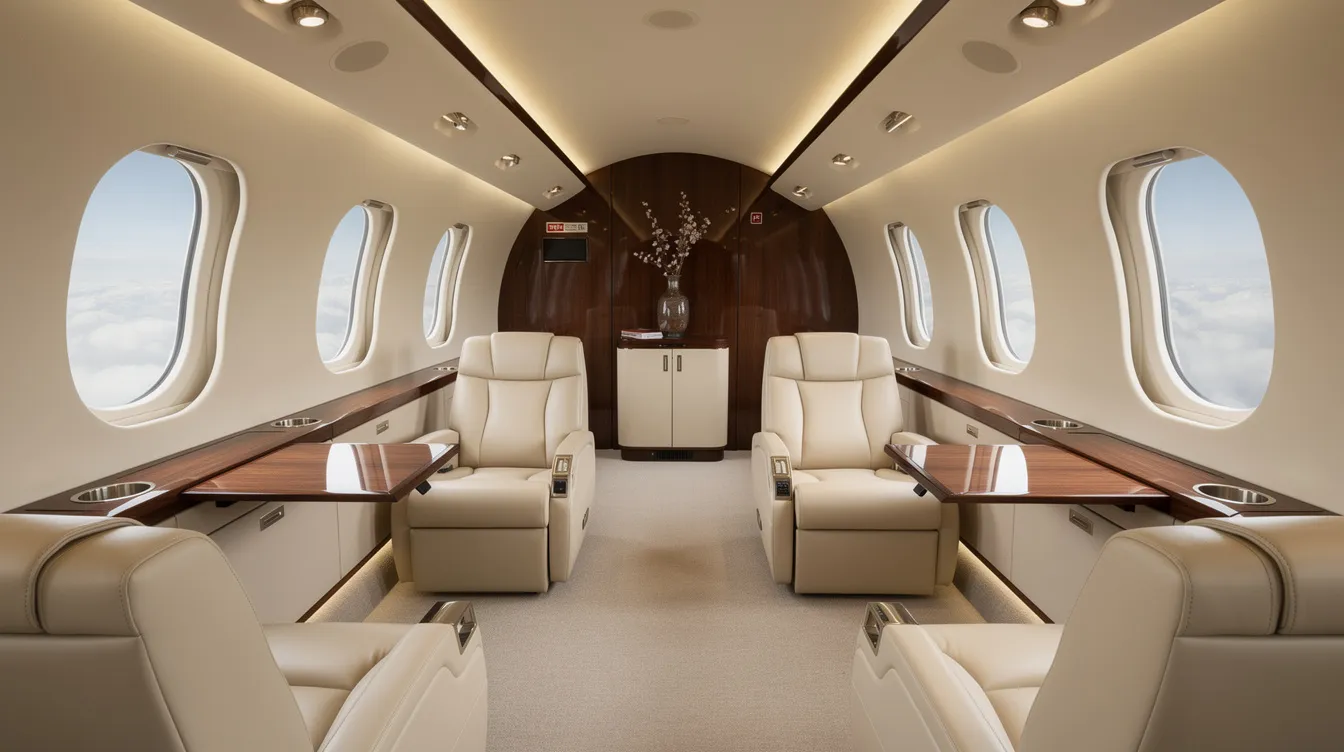
Choosing a Jet That Can’t Comfortably Fly Your Route
Selecting a jet based on photos can backfire if its range is marginal or it needs a long runway you don’t have.
When selecting an aircraft, it is important to consider the number of passengers, luggage requirements, and the specific route to ensure comfort and efficiency during travel. For longer trips, you may need a larger or more capable aircraft, and owners should factor in the implications for operational costs and logistics, such as crew accommodation and aircraft storage. Examples:
-
A light jet works for LA-Vegas but requires fuel stops for LA-Chicago
-
London-Dubai typically needs super-midsize or larger aircraft for non-stop comfort
-
Shorter runways at leisure airports (Courchevel, St. Barth) limit larger aircraft options
Nervous flyers should avoid marginal-range plans where fuel stops increase total time and multiply opportunities for weather-related anxiety, and many also benefit from apps that help with fear of flying.
Ignoring Baggage Limitations and Cabin Layout
Many first-time private jet travelers assume they can bring unlimited baggage, but the amount of luggage allowed is determined by the aircraft’s capacity, similar to commercial flights.
Using soft-sided luggage is recommended for private jets as it is more adaptable to the irregular storage compartments that may be found on smaller jets. Some private jets have limited storage space, which may not accommodate oversized items like sports equipment or multiple suitcases, so it’s important to confirm baggage limitations before booking.
If your baggage exceeds the weight limit of the private jet, you may be required to unload some items, and some providers may offer to transport excess luggage separately, which could incur additional costs.
Describe bag dimensions, type (hard vs. soft), and sports equipment when booking. Keep essential comfort items—medications, headphones, SkyGuru-enabled phone—in a cabin bag at your seat.
Over- or Under-Specifying Cabin Comfort and Amenities
Two jets advertised as “midsize” can feel completely different. Consider seating configuration, headroom, lavatory type (enclosed vs. curtain), and Wi-Fi quality (streaming-capable Ka-band vs. slow connectivity).
List non-negotiables and confirm each in writing:
-
Standing headroom for tall travelers
-
Full galley for proper meals
-
Pet-friendly interiors
-
High-speed Wi-Fi for business
SkyGuru functions offline once turbulence forecasts are preloaded—download content before take-off if connectivity concerns you.
Timing Assumptions
The perception that “I can leave whenever I want” meets reality: rules, crew limits, and weather still apply to fly privately, just differently than commercial airlines. Understanding aircraft operations—including the legal, regulatory, and logistical aspects—is crucial to ensure smooth scheduling and compliance when managing or chartering a private jet.
Private jet travelers have access to thousands of smaller airports, which can provide more convenient options than larger commercial airports, potentially saving time and reducing travel stress, especially when combined with detailed flight and turbulence data during trip planning.
Arriving Too Late or Too Early at the FBO
Private jet departures work from dedicated FBOs or private terminals—no TSA lines in most countries. Using smaller Fixed-Base Operators (FBOs) can result in lower landing fees and faster boarding times compared to larger, busier airports.
Guidance:
-
Domestic trips: arrive 20-30 minutes before departure
-
International flights: arrive 45-60 minutes (passport control, customs)
-
Arriving extremely early can create issues if the aircraft or crew are still on another assignment
Anxious flyers can use waiting time productively with SkyGuru: input the route, check expected turbulence, and read explanations of flight stages.
Underestimating Weather and Slot Constraints
Smaller jets are affected by the same weather as airliners, but turbulence feels 20-30% stronger due to lighter weight. Summer thunderstorms around New York and Florida cause 50% delays. Slots at high-traffic airports (London, Milan Linate during fashion week) are tightly controlled.
Build realistic buffers before important meetings or connections, especially in storm-prone seasons. SkyGuru shows updated turbulence forecasts and explains why crews wait for better conditions.
Assuming Unlimited Last Minute Changes
Flying private is more flexible than a commercial flight, but not infinitely flexible. Examples of hard limits:
-
Airport curfews (many close 23:00-06:00)
-
Weight-and-balance limits when adding passengers
-
No landing slots available at the changed destination
Schedule changes trigger repositioning flights, extra crew overnights, and additional fees. Lock key parameters early and create a “Plan B” with your operator to handle adjustments smoothly.
Expectation Gaps
First-time travelers imagine red carpets and champagne but are surprised by ID checks, security rules, or simpler catering on short flights. Failing to manage expectations or understand the realities of private jet travel can lead to disappointment. Unmanaged expectations turn efficient trips into disappointments.
Assuming Private Jets = Zero Security and No ID
Security remains mandatory. Passengers must provide full names and photo identification in advance; passports are required for any international route. Authorities still vet passenger lists post-9/11.
A surprisingly common misstep: forgetting a passport for short hops (London-Geneva, Miami-Nassau). Treat ID and visa requirements exactly like commercial travel—check entry rules weeks in advance.
Expecting Unlimited Luxury on Every Flight
Luxury varies widely by aircraft, operator, and budget. A modern Gulfstream on transatlantic routes offers flight attendants and hot meals; a turboprop on a 40-minute hop provides bottled water and snacks.
Communicate expectations 24-48 hours ahead:
-
Dietary needs
-
Celebration cakes
-
Child-friendly snacks
-
Pet accommodations
Some anxious travelers feel more at ease with simple, predictable routines rather than over-orchestrated luxury.
Misreading In-Flight Sensations and Turbulence
Smaller jets feel turbulence, climb rates, and turns more intensely than larger aircraft—often surprising first-time private flyers. Steeper climbs (3,000 feet/minute), more direct routing, and different engine sounds are normal but may be misinterpreted as problems. Having an experienced pilot is crucial, as their expertise and management skills can help ensure a smoother and safer flight experience, especially when handling these sensations.
SkyGuru uses turbulence forecasts, aviation weather, and flight-stage detection to tell passengers what to expect. The app translates noises and motions into plain language, with breathing exercises and alerts to help nervous flyers stay calm.
Frequently Asked Questions (FAQs)
What are the most common private jet mistakes first-time flyers make?
The most common mistakes include booking based solely on price without vetting safety, choosing the wrong aircraft size, booking too late or assuming last-minute availability, misunderstanding baggage limits, and having unrealistic expectations about luxury and security procedures.
How far in advance should I book a private jet to avoid issues?
It is generally recommended to book your private jet flight at least 14-20 days in advance. Booking too late can limit aircraft availability, increase costs, and restrict preferred departure times, especially during peak travel seasons or major events.
Can I bring unlimited luggage on a private jet?
No, baggage allowances depend on the aircraft’s capacity, similar to commercial flights. It’s important to confirm luggage restrictions with your charter provider before booking, especially if you plan to bring oversized or heavy items.
How do I choose the right aircraft for my trip?
Consider the number of passengers, luggage requirements, flight distance, and airport runway lengths. Working with a reputable charter company helps match your needs to the appropriate aircraft type for comfort and efficiency.
Is private jet travel safer than commercial flights?
Safety depends on the operator and aircraft maintenance standards. Choosing charter companies with recognized safety certifications and thorough vetting processes ensures a safer experience. Always verify safety records and certifications before booking.
What should I expect during private jet boarding?
Private jet boarding typically occurs at smaller Fixed-Base Operators (FBOs) or private terminals, allowing faster, more discreet check-in without TSA lines. However, you still need to present valid photo identification and arrive within the recommended time frame before departure.
How can I manage anxiety or fear when flying private?
Using tools like the SkyGuru app can help by providing real-time explanations of flight sensations, turbulence forecasts, and calming techniques. Understanding what’s happening during each flight stage reduces stress and improves the flying experience.
Bringing It All Together: Smarter Private Flights and Calmer Minds
Most common mistakes fall into four categories: booking errors, aircraft mismatch, timing assumptions, and expectation gaps. Nearly all are avoidable with basic preparation.
Choose a safe operator, match the right aircraft to your mission, respect timing and weather realities, and set realistic expectations. This protects both your money and your peace of mind.
Download the SkyGuru app before your next private jet trip. Enter your flight details and let the app guide you through each stage with real-time explanations. Even when plans change, or turbulence appears, understanding what’s happening—and why—is the most powerful tool for staying calm while flying private.
FLEET SELECTION
JET CARDS
COST ANALYSIS


How to Auditing Your Operator's Maintenance Logs
Oct 05, 2025

How to Auditing Your Operator's Maintenance Logs
Oct 05, 2025

How to Auditing Your Operator's Maintenance Logs
Oct 05, 2025
Sky Guru Weekly
The smartest private aviation intelligence in your inbox.
.svg)

