




It’s late afternoon at Teterboro Airport in 2025, and a Citation Latitude light jet touches down after a routine flight from Miami. The passengers step off, perhaps stopping at the FBO lounge for a quick coffee before continuing to their final destination. What they don’t see: within hours, a team of FAA-certified mechanics will swarm the aircraft. They’ll check tire pressure, scan for hydraulic seeps in the landing gear bays, run a borescope through the engines looking for blade nicks, and verify that avionics systems are running the latest software updates. This is all part of comprehensive aircraft maintenance, the broader process that ensures ongoing safety, compliance, and operational reliability.
This guide is for private jet owners, operators, and prospective buyers seeking to understand the essentials of private jet maintenance.
Why Private Jet Maintenance Matters
Proper maintenance is critical for safety, regulatory compliance, and protecting your investment. This turnaround—often lasting 4-8 hours between flights—hides 2-4 man-hours of maintenance work per flight cycle. What feels like seamless luxury is actually the product of obsessive preparation.
Private jet maintenance isn’t just a regulatory checkbox. It forms the invisible foundation of three critical pillars: flight safety, operational reliability, and asset preservation. Annual maintenance expenses for a private jet typically range from $500,000 to over $1 million, influenced by factors such as the aircraft’s size, age, and frequency of use. Most private jet owners should budget between 5% and 10% of the aircraft’s total value each year for maintenance, which translates to an annual cost of $1 million to over $3 million for most private jets, with total costs—including insurance premiums and related expenses—often reaching hundreds of thousands or even millions of dollars annually.
These costs break down into three categories: scheduled maintenance, unscheduled maintenance, and major overhauls—each essential for ensuring the aircraft’s airworthiness and safety. The size and type of a private jet directly impact its maintenance costs, with larger and more complex aircraft generally incurring higher expenses due to their advanced systems and maintenance requirements. Key factors influencing maintenance expenses include the aircraft's size, age, and frequency of use.
What’s important to understand is that maintenance planning starts before private jet ownership even begins. Smart buyers evaluate operational costs, expected downtime, safety expectations, and regulatory compliance as part of their pre-purchase due diligence. They scrutinize logbooks, review total flight hours, and examine life-limited parts before signing any papers to protect the aircraft’s resale value.
For nervous flyers, here’s a reassuring fact: those familiar sounds you hear during flight—the thump of landing gear extending, the whine of flaps deploying, the subtle vibrations of hydraulic systems working—reflect components that are constantly inspected and serviced. Maintaining a private jet is essential for safe operation, legal compliance, and aircraft longevity, ensuring that the aircraft meets necessary safety regulations every time it takes to the sky. Proper maintenance and strict compliance with regulations are also critical for maximizing the aircraft's resale value.
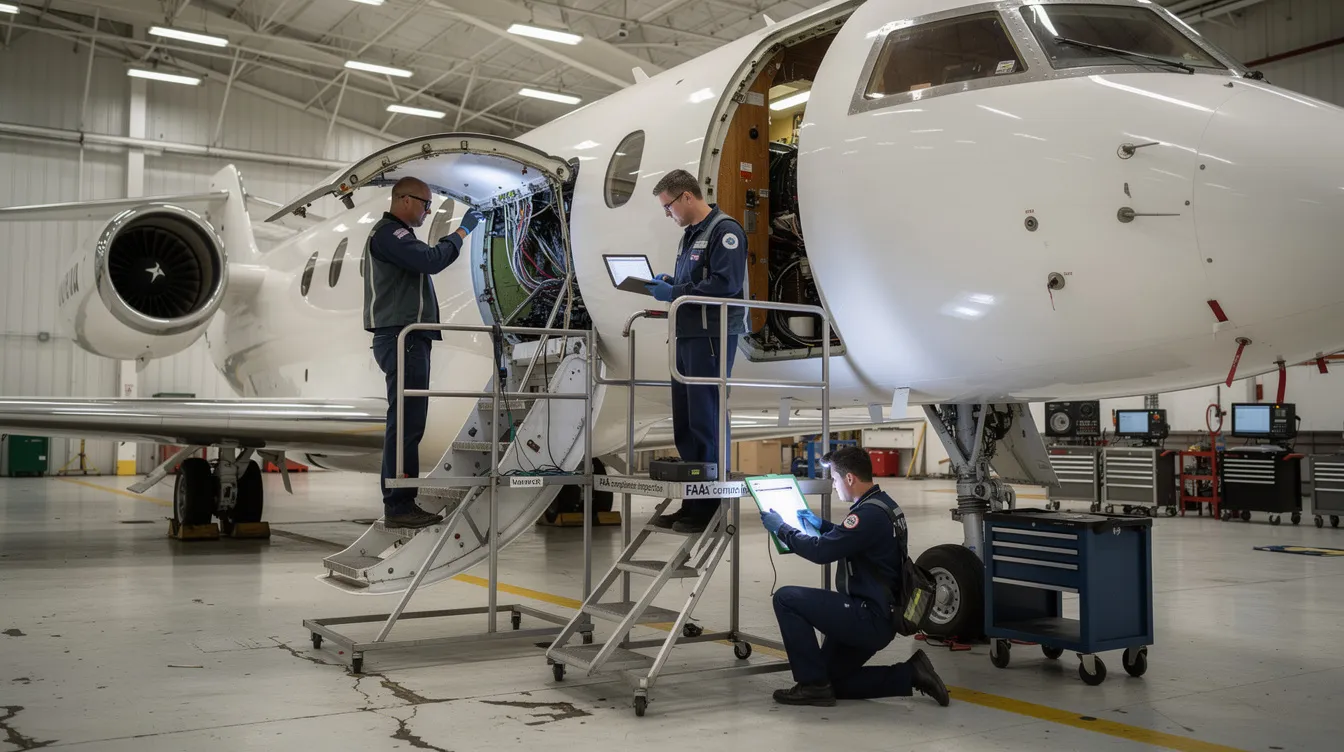
Scheduled and Unscheduled Maintenance
Most private jet maintenance is planned months or even years in advance according to a formal maintenance plan issued by the aircraft manufacturer and approved by aviation authorities. In addition to these plans, manufacturers and third-party providers offer maintenance programs that cover scheduled and unscheduled maintenance, including parts and labor, helping owners manage costs and ensure aircraft reliability. This isn’t guesswork—it’s a precise science built around manufacturer-issued Maintenance Planning Documents that plot interventions years ahead.
Maintenance Triggers
Three triggers drive the maintenance schedule:
-
Calendar time: Scheduled intervals based on months or years, regardless of usage.
-
Flight hours: Total time the aircraft has spent in the air, affecting engine and system wear.
-
Cycles (takeoff/landing pairs): Each takeoff and landing counts as a cycle, impacting landing gear and pressurization systems.
A light jet like the Phenom 300 might accumulate cycles faster on short 500-nautical-mile hops, while heavy jets like the Global 7500 tend to log more hours on long transoceanic flights. This difference fundamentally shapes what maintenance each aircraft needs and when.
Inspection Frequency
The FAA mandates that private jets undergo various types of inspections, including A, B, C, and D checks, which differ in complexity and are based on flight hours or calendar intervals. Private jets require scheduled inspections at intervals defined by the aircraft manufacturer, which are crucial for verifying airworthiness and compliance with FAA regulations.
Scheduled maintenance covers everything from jet engines to cabin systems. It’s tracked in logbooks and digital systems to protect airworthiness and future resale value. Most importantly, it’s the primary tool operators use to minimize downtime and avoid last-minute cancellations that frustrate owners and passengers alike, with effective aircraft management playing a key role in coordinating maintenance and ensuring operational reliability. Selecting the right maintenance provider is also essential—evaluating qualifications, experience, and reputation helps ensure optimal private jet maintenance and safety.
Daily and Pre-Flight Checks
Visual Inspection Checklist
Before every flight, regardless of location or aircraft size, pilots and ground crews perform standardized walk-around inspections. A pre-flight inspection is a critical requirement for private jets, where pilots must confirm the aircraft’s airworthiness by checking fuel levels, tire conditions, and conducting visual inspections of the fuselage and wings.
Key items visually checked include:
-
Jet's exterior for cleanliness, dents, cracks, loose fasteners, and overall appearance to ensure it withstands environmental elements
-
Control surfaces for proper movement and securing
-
Engine inlets for foreign object debris
-
Tires for adequate tread depth and proper inflation
-
Brake areas for wear indicators
-
Static ports (critical for accurate altitude readings)
-
Navigation and anti-collision lights
-
Visible portions of the landing gear
In the cockpit, the flight crew runs through their own checklist: verifying instruments, testing warning systems, checking circuit breakers, and confirming avionics readiness through built-in test equipment.
These checks are fast but disciplined—typically 15-30 minutes. Regular inspections, including pre-flight checks and scheduled maintenance, play a vital role in detecting potential problems early, preventing them from developing into serious issues. Consider a real example from Van Nuys: a mechanic spotted a 1/8-inch loose rivet on a flap track fairing during a walkaround. It was torqued back in place within 20 minutes—a tiny fix that prevented airframe stress cracks from developing under cyclic loading.
Interval-Based Inspections (Hours, Cycles, and Calendar)
Inspection Frequency
Maintenance schedules are built around three distinct triggers:
-
Flight Hours: Measures engine wear and system usage, focusing on engine components and environmental systems.
-
Cycles: Counts takeoffs and landings, with primary concern for landing gear, pressurization, and structural fatigue.
-
Calendar Time: Tracks age and environmental exposure, monitoring for corrosion, seal degradation, and rubber component wear.
Many business jets have routine inspections every 200-600 flight hours, mandatory annual inspections performed by qualified personnel, annual or 24-month structural and system inspections, and landing gear overhauls every 8-12 years or defined cycles. The frequency and duration of flights affect maintenance needs, as more frequently flown jets require regular inspections and repairs, increasing overall maintenance costs.
Impact of Aircraft Age and Usage
Consider the difference between a high-cycle light jet flying multiple short legs per day versus a long-range jet doing fewer, longer trips. The light jet might reach landing gear inspection limits first due to accumulated cycles, while the long-range jet’s engines would hit hour-based inspections sooner. Older aircraft may require more frequent repairs and component replacements, leading to higher maintenance costs compared to newer models.
The complexity of onboard systems, such as advanced avionics and luxury amenities, influences maintenance costs, as more sophisticated systems require specialized expertise and equipment for maintenance and repairs.
These inspections typically require the jet to go into a hangar for 1-3 days for shorter checks, or 1-3 weeks for major structural and systems work. More comprehensive inspections, such as C Checks, involve thorough reviews of the aircraft's systems and structural integrity to ensure safety and reliability. Smart operators strategically schedule these blocks during low-demand periods or known gaps in the owner’s calendar.
Typical Scheduled Maintenance Tasks
Engine Maintenance Tasks
-
Borescope inspections every 100-500 flight hours
-
Oil analysis and spectroscopy to detect metal particles indicating wear
-
Hot-section inspections at 3,000-5,000 flight hours
-
Engine oil changes for private jets, typically performed every 25 to 50 flight hours, are a basic preventative task that helps maintain engine performance and should be done regularly to ensure optimal operation
Landing Gear and Brake Maintenance Tasks
-
Strut nitrogen pressure checks (typically 1,800-2,200 PSI)
-
Wheel and brake overhauls every several thousand cycles
-
Shock absorbers rebuild every 5-10 years
Airframe and Structural Maintenance Tasks
-
Corrosion is a silent threat to structural integrity, especially in humid or coastal environments.
-
Eddy current inspections on critical structural components
-
Detailed structural inspections every 6-10 years,s depending on model
-
Regular cleaning is necessary to remove pollutants that degrade the paint and structure of the aircraft
Avionics and Systems Maintenance Tasks
-
Software updates and functional tests
-
Database uplinks for navigation systems
-
Pitot heat resistance verification
-
Oxygen bottle hydrostatic testing every 3-5 years
Regular engine diagnostics and maintenance help prevent in-flight issues and ensure all aircraft components are in peak condition. Monitoring key components through predictive maintenance systems allows for early detection of issues and helps maintain peak efficiency of the aircraft's systems. Regular engine oil changes are essential for optimal engine performance. Keeping detailed maintenance records is crucial for tracking the aircraft’s health, ensuring compliance with regulations, and maintaining its resale value. While passengers mostly notice cabin comfort, the majority of scheduled maintenance effort happens on systems they never see.
Unexpected Issues
Not everything in aviation can be planned. Unscheduled maintenance encompasses anything that arises between planned events: system alerts, component failures, or minor damage discovered during routine operations. This is a normal part of private aviation, and experienced operators plan reserves of time, budget, and spare parts accordingly.
When a defect prevents safe flight, the jet enters what’s called Aircraft on Ground (AOG) status—legally or practically unable to fly until the issue is corrected and properly signed off by certified technicians.
Here’s the reassuring part: modern private jets are designed so that most serious problems are caught on the ground, not in flight. Built-in monitoring systems and conservative procedures mean that potential issues trigger warnings well before they become dangerous. Monitoring the aircraft's systems is crucial for early detection of issues and preventing failures. Failure to monitor the aircraft’s systems can lead to catastrophic mechanical failure, which is precisely why these systems exist.
Preventive maintenance reduces the need for larger repairs by allowing technicians to catch malfunctions and small repair needs before they cause further damage, thus decreasing overall repair costs and downtime. Adopting a proactive maintenance approach helps identify problems before they escalate, minimizing the risk of costly repairs and unexpected costs for owners. Still, unscheduled events remain a major driver of perceived jet downtime, especially for older airframes or high-utilization fleets.
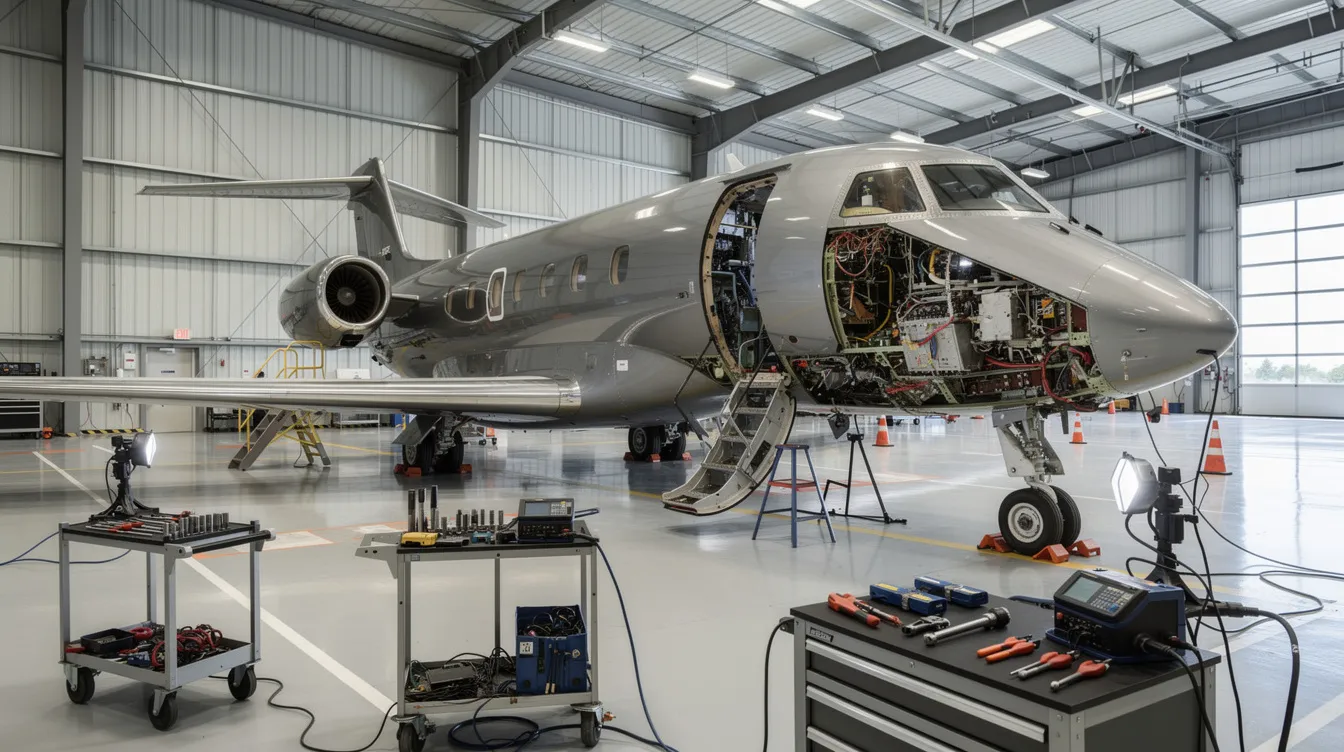
Common Unscheduled Findings
Key Components to Monitor
Typical unscheduled problems that ground private jets include monitoring key components such as:
-
Tires: Flat or under-inflated tires discovered after landing; porosity can cause slow deflation
-
Brakes: Wear indicators reaching limits sooner than expected, requiring unplanned overhaul
-
Avionics glitches: Navigation radio faults, weather radar arc failures, or GPS anomalies
-
Hydraulic leaks: Minor seeps in landing gear bays that exceed allowable limits
-
Cabin systems: Galley heater failures, seat mechanism issues, or lavatory malfunctions
Proactive monitoring of these key components—like tires, brakes, and avionics—helps prevent unscheduled downtime and supports predictive maintenance strategies.
Each of these can range from a quick ramp fix to a multi-day event. A tire replacement at a major airport with good parts availability might take 2 hours. The same issue at a remote airstrip could mean days waiting for parts and personnel.
Environmental factors accelerate wear: operating into short runways stresses landing gear, frequent de-icing cycles erode leading edges, and coastal salt environments can increase corrosion rates by five times compared to inland operations.
Consider a real scenario: a Challenger 350 at Aspen after a short-field landing showed an unsafe gear indication light. The culprit? A dirty proximity sensor. It was cleaned in 45 minutes, but the MEL (Minimum Equipment List) required full sensor calibration, delaying departure by 6 hours.
How Operators Respond to AOG Events
AOG Response Steps
The typical AOG response chain works like this:
-
Pilot reports the defect to maintenance control
-
Technicians review the issue against the minimum equipment list
-
A decision is made whether the flight can proceed or the aircraft must be grounded
-
If grounded, parts and personnel are mobilized
Options for resolution include local certified technicians, flying in a mobile repair team, or repositioning a spare aircraft for time-critical missions. Choosing a reliable maintenance provider is essential to ensure timely and comprehensive support, especially during AOG situations, and can significantly impact private jet maintenance costs. Authorized service centers typically charge more for their specialized expertise and access to genuine parts compared to independent providers.
At large business aviation hubs like Teterboro, Van Nuys, or London Luton, support is usually fast—80% of AOG events resolve within 24 hours. Remote destinations can mean 3-7 days waiting for parts. Robust record-keeping and clear communication with flight crew and passengers are crucial during these events to maintain confidence and meet safety obligations.
Safety First Approach
In private aviation, flight safety is always prioritized above schedule, convenience, or short-term cost savings. This isn’t just philosophy—it’s operationalized through strict maintenance rules, conservative decision-making by pilots and engineers, and independent oversight by regulators and manufacturers.
Regular maintenance for private jets is crucial to ensure passenger safety, comply with strict Federal Aviation Administration (FAA) regulations, maximize aircraft reliability, and preserve high resale value. What nervous or curious passengers notice—system checks, delays for technical reasons, unusual sounds from landing gear or flaps—are all signs of a system designed to err on the side of caution.
Routine maintenance is crucial for flight safety, as it keeps jets in perfect operating condition, allowing pilots, crews, and passengers to rely on them for safe transportation. Regular inspections and maintenance are essential to maintain safety and ensure the proper operation of the aircraft. Proper maintenance isn’t just about keeping the jet flying; it’s about managing risk across the aircraft’s entire life, from first delivery to final overhaul or sale. At certain intervals, a complete overhaul is required to ensure continued airworthiness and address any potential issues that may arise over time.
Regulatory and Manufacturer Oversight
Aviation authorities like the FAA and EASA require private jets to follow manufacturer maintenance plans and approved procedures, in compliance with federal regulations governing aircraft maintenance, regardless of how the aircraft is used. This framework ensures consistent standards across the industry.
Using certified professionals for maintenance ensures compliance with Airworthiness Directives (ADs). These are mandatory modifications or inspections issued when safety issues are identified. Licensed technicians, approved repair stations, and formal maintenance documentation are all part of proving that work was done correctly.
Skipping or deferring mandatory inspections isn’t allowed without formal engineering justification and regulatory acceptance. Maintenance records are routinely reviewed during audits, pre-purchase inspections, and by insurers—reinforcing the safety-first culture that protects every stakeholder. Maintaining regulatory compliance through accurate records and adherence to procedures is essential to avoid penalties and protect the aircraft's value. Implementing a proactive maintenance plan and adhering to the manufacturer’s guidelines and regulatory mandates is vital for the safety and reliability of private jets.
Redundancy and Built-In Monitoring
Critical systems on private jets—hydraulics, electrical power, navigation—often have backups. A single failure doesn’t compromise flight safety because redundant systems take over automatically.
Modern aircraft include sophisticated monitoring:
-
Annunciator panels that alert crews to abnormal conditions
-
Built-in test equipment that runs system diagnostics
-
Health monitoring systems that track trends over time
-
Engine vibration monitoring that predicts bearing wear
-
Brake wear indicators that trigger maintenance before failure
These systems complement human inspections, creating multiple layers of safety. They don’t replace the trained eye of an A&P mechanic—they extend it, catching subtle trends that might not be visible during a physical inspection.
Flight safety and operational reliability are enhanced through diligent maintenance practices that combine these automated systems with disciplined human oversight.
Why Delays and Cancellations Can Be a Good Sign
When a private jet is delayed or canceled for technical reasons, it usually means the operator has decided that flying with an unresolved discrepancy wouldn’t meet their safety standards. This is actually good news—it means the system is working.
Consider a minor landing gear indication issue discovered during pre-flight. The crew could potentially defer it under certain conditions, but instead chose to inspect thoroughly, identify the root cause, and fix it properly before departure. That extra hour on the ground translates into complete confidence in the air.
Another example: a Falcon 7X at Luton experienced cabin altimeter drift during pre-flight checks. The jet was grounded for 12 hours for pitot-static recertification to ensure RVSM tolerance within ±200 feet. Frustrating for the schedule, but the aircraft flew with confirmed accuracy afterward.
For passengers, understanding this conservative approach can transform frustration into appreciation. Extra time on the ground means fewer in-flight surprises and greater overall flight safety.
How Maintenance Impacts Availability
In practical terms, “availability” means how often the jet is ready when the owner wants to fly. Even the most reliable private jets must spend a predictable portion of their year in scheduled maintenance, plus occasional time for unexpected repairs. Several key factors influence both the overall availability and cost of private jet operations, including maintenance, crew, and storage.
Target availability for well-maintained aircraft typically runs 90-95% ready-to-fly. Scheduled downtime typically claims 12-15% of the calendar (roughly 44-55 days per year for a jet flying 400 hours annually), plus 5-8% for unscheduled events. Alongside maintenance expenses, high fixed costs such as crew salaries and hangar fees—needed for secure, climate-controlled storage—also play a major role in the total cost of ownership. Add crew duty limits under FAR 117 and airport noise curfews, and the picture becomes more complex.
Many jet owners who value always-on availability employ fleet strategies—multiple aircraft or charter backups—to bridge maintenance periods. This approach ensures mission completion without pressuring maintenance teams to cut corners. To better manage and predict maintenance expenses, many owners participate in maintenance programs, which cover scheduled and unscheduled maintenance, parts, and labor, helping to control costs and ensure reliability.
Planning Around Scheduled Downtime
Experienced operators map out 12-24 months of inspections in advance. They match heavy maintenance periods to slower travel seasons, holidays, or known gaps in the owner’s calendar.
A typical annual timeline for a midsize jet might look like:
|
Quarter |
Maintenance Event |
Duration |
|---|---|---|
|
Q1 |
200-hour line check |
2-3 days |
|
Q2 |
Landing gear inspection |
4-5 days |
|
Q4 |
Annual/heavy inspection |
2-3 weeks |
Smart planning bundles multiple tasks into the same downtime window. While the jet is in for a 24-month inspection, the operator might also update avionics software, refresh cabin finishes, or complete minor component replacements. This reduces the total days out of service compared to handling each item separately.
This planning also coordinates crew availability, spare parts ordering, and hangar capacity—keeping operations smooth for aircraft owners who depend on reliable access.
Impact of Jet Type, Age, and Usage
Maintenance Differences by Aircraft Category
Different aircraft categories experience maintenance differently:
-
Light jets (like the Phenom or Citation CJ series) often have shorter check durations but more frequent cycle-driven maintenance due to multiple short legs per day. Typical availability runs around 92%.
-
Midsize jets balance hours and cycles, with 600-hour check intervals and availability around 94%.
-
Large cabin jets (like Gulfstreams or Globals) may have longer but more widely spaced events, achieving 96% availability—though each maintenance event costs significantly more.
Impact of Aircraft Age
Age matters significantly. A 5-year-old aircraft might achieve 93% practical availability, while a 20-year-old airframe drops to 85% due to more Airworthiness Directives, parts sourcing challenges, and component wear requiring associated expenses for unexpected repairs.
Impact of Usage Patterns
Usage patterns also drive different maintenance needs. Repeated short-haul flights increase cycles and stress landing gear and pressurization systems. Long-haul missions build hours on engines and environmental systems instead. Each pattern leads to different maintenance drivers, variable costs, and timeline requirements.
What Passengers Notice: Downtime, Noises, and Peace of Mind
Passengers mostly experience maintenance indirectly: through schedule changes, last-minute aircraft substitutions, or being asked to wait while a final technical check completes. These moments, while occasionally frustrating, reflect a well-maintained aircraft philosophy that prioritizes safety over convenience.
Those maintenance-related sensations during flight—the sound of landing gear extending at 3,000 PSI hydraulic pressure, flap motors drawing 50 amps, or system tests running on the ground—echo freshly serviced components doing exactly what they’re designed to do.
For anxious flyers, understanding that routine inspections and comprehensive inspections are the reason for many of these sounds can significantly reduce stress. That gear extension thump? It’s a hydraulic actuator that was recently inspected, lubricated, and verified. The flap motor whine? A system was checked against precise tolerances during the last scheduled inspection.
In modern private aviation, a well-maintained jet—looked after by disciplined technicians with specialized knowledge and crews with world-class service standards—represents one of the safest transportation environments available. Most of that safety work happens completely out of sight from the cabin, but its effects protect every passenger on every flight.
The next time you hear those reassuring mechanical sounds during your flight, remember: they’re evidence of a maintenance system that never stops working—even when you can’t see it.
Conclusion: The Hidden Backbone of Private Aviation
Private jet maintenance is the unseen engine that powers the safety, reliability, and luxury of private aviation. Behind every smooth takeoff and flawless landing lies a complex web of scheduled inspections, unscheduled repairs, and meticulous attention to detail by certified professionals. Understanding the rigorous processes that govern maintenance—driven by flight hours, cycles, calendar time, and regulatory mandates—reveals why regular upkeep is non-negotiable for preserving passenger safety and protecting the aircraft’s value.
Maintenance providers play a pivotal role in this ecosystem, and selecting the right team with expertise in your specific aircraft model ensures both compliance and efficiency. The impact of maintenance extends beyond safety; it directly influences jet availability and operational costs, shaping the overall ownership experience. For owners and operators, embracing a proactive, safety-first maintenance philosophy is essential to minimize downtime, manage expenses, and maintain confidence in every flight.
Next time you hear the subtle hum of hydraulic systems or feel the gentle thump of landing gear, remember these are the tangible results of an invisible, ongoing commitment to excellence. Private jet maintenance is not just a technical necessity—it is the foundation that upholds the trust, freedom, and peace of mind that define private aviation.
FLEET SELECTION
JET CARDS
COST ANALYSIS


How to Auditing Your Operator's Maintenance Logs
Oct 05, 2025

How to Auditing Your Operator's Maintenance Logs
Oct 05, 2025

How to Auditing Your Operator's Maintenance Logs
Oct 05, 2025
Sky Guru Weekly
The smartest private aviation intelligence in your inbox.
.svg)

