



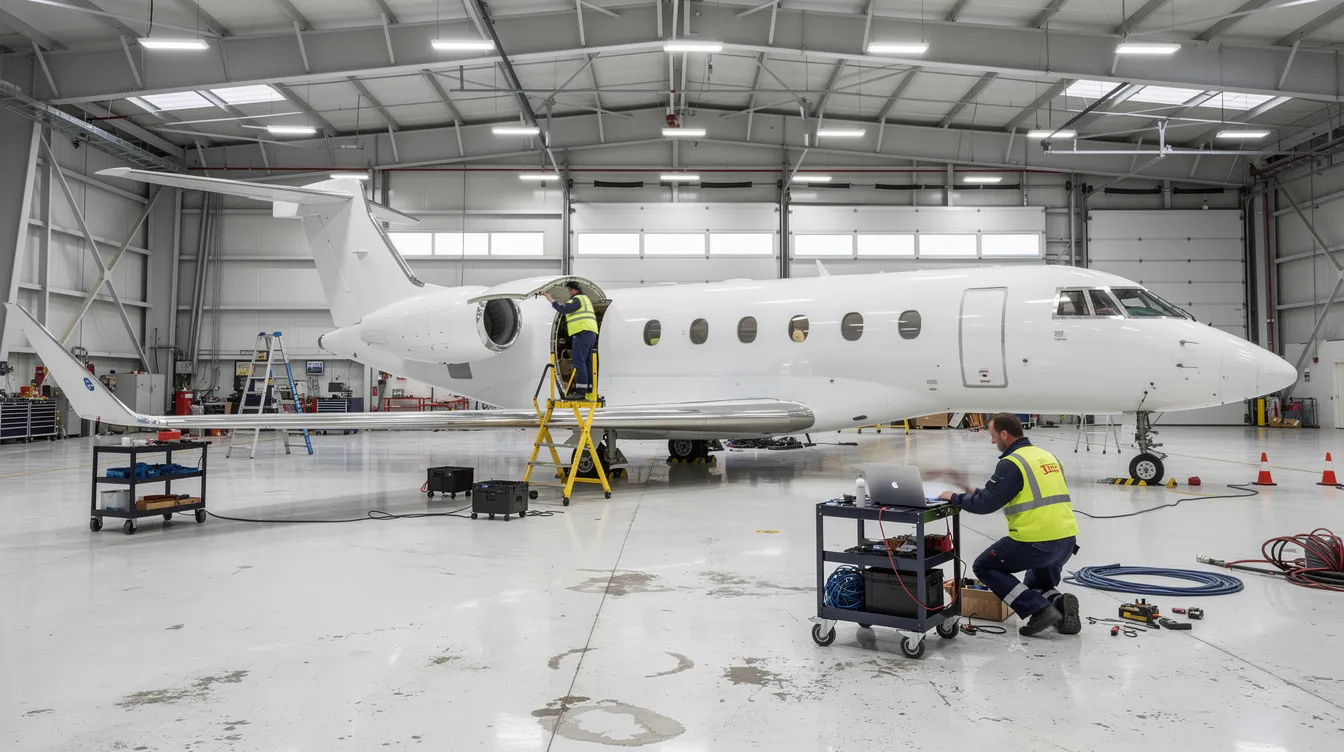
Private jet ownership offers unmatched flexibility and convenience, but it comes with a complex web of financial, operational, and legal exposures that many prospective buyers underestimate. Understanding these risks—and how aviation insurance, crew training, and operational discipline work together to manage them—is essential before signing a purchase agreement.
This guide breaks down the real costs, coverage structures, and practical strategies that separate well-protected owners from those exposed to potentially catastrophic losses.

Aviation Insurance Coverage Explained
Private jet insurance costs typically range from 1% to 3% of the aircraft’s value annually. For a $20 million jet, that translates to $200,000 to $600,000 per year. The cost of private jet insurance can range more broadly from $10,000 to $500,000 annuall,,y depending on aircraft type, usage, and coverage limits. Annual premiums for light jets often range from $15,000 to $30,000 or more.
Unlike car insurance—or more broadly, auto insurance—which covers relatively standardized vehicles with predictable repair costs, or home insurance, which protects stationary property, an aircraft insurance policy protects against catastrophic, high-stakes scenarios. A total hull loss can exceed $50 million, while a mid-air incident injuring passengers can trigger lawsuits in the hundreds of millions.
Insurance policies usually combine liability coverage and hull coverage for comprehensive protection; in general, this is the basic structure of airplane insurance. Here’s how they differ:
-
Hull insurance covers physical damage to the aircraft itself, whether in-flight or on the ground. Hull coverage is typically calculated as a percentage of the aircraft’s agreed value, ranging from 0.6% to 1.5%.
-
Liability insurance protects against injury or property damage caused by your aircraft, covering legal fees and settlements, but does not cover damage to the aircraft itself. Liability coverage for private jets often starts at $1 million per occurrence.
The use of the aircraft significantly affects aircraft insurance costs. Personal use is generally less expensive than commercial operations, which require higher coverage limits due to increased passenger exposure and flight hours.
For a $5 million light jet used for personal use, expect annual insurance costs of $50,000 to $100,000. A $20 million large-cabin jet in charter operations may see insurance costs of $300,000 to $500,000 annually due to elevated passenger liability requirements.
Combined single limit (CSL) provides a single limit for all injury and property claims, offering flexibility compared to split limits. For example, a $100 million CSL policy can be applied to any combination of bodily injury and property damage claims. Split limits (like $100,000 per passenger / $1 million total) cap per-person payouts but may leave you exposed if one severe injury exceeds the per-person limit. About 90% of private jet policies use CSL for this reason.
Non-owned aircraft insurance is essential for pilots who rent or borrow aircraft, and is often described in plain language as aircraft renter's insurance. This coverage provides liability protection when flying an aircraft they do not own and can include liability, bodily injury, property damage, and optional hull protection, filling gaps for fractional owners or executives piloting company jets.
Core coverage components typically include:
-
Hull coverage (in-flight and ground risk hull insurance)
-
Passenger liability
-
Public liability for third-party property damage
-
Medical payments coverage (included in some policies to cover medical bills for passengers injured during flight)
-
Optional coverage, like war/terrorism endorsements or international operations liability
How policy structures affect private jet insurance cost:
-
Higher coverage limits for hull or liability insurance directly raise premiums
-
Choosing higher deductibles can lower your insurance premiums, but ensure the deductible is manageable in the event of a claim.m
-
Add-ons like global coverage or war-risk extensions can add $10,000 to $20,000 annual.ly
Insurance costs for private jets are influenced by factors such as hull value, pilot experience, and liability limits. Premiums can change meaningfully year to year as claims history shifts and aircraft value fluctuates.
From a passenger perspective, understanding how an insured aircraft is covered and operated is part of understanding the overall safety environment. At SkyGuru, we believe informed travelers make calmer, more confident decisions, a point echoed in media coverage of the SkyGuru fear-of-flying app.
Typical Cost Structure: Hull vs. Liability
Most private jet insurance bills have two major line items: hull premium and liability premium. Each is calculated differently based on aircraft value and operational profile.
Hull premiums typically run about 0.6% to 1.5% of the insured aircraft value annually:
-
A $10 million jet: $60,000 to $150,000 per year for extensive hull coverage
-
A $30 million jet: $180,000 to $450,000 per year
Liability premiums are usually a flat amount tied to usage and liability limits. A $1 million CSL policy might add $3,000 to $7,000 per year, whia $300300 million aviation liability for a large-cabin jet can add tens of thousands.
Usage affects the split significantly. Owner-piloted jets for personal use may see 60-70% of the premium allocated to hull coverage. Charter-heavy or corporate shuttle jets see liability become a larger share due to passenger and third-party exposure from charter flights.
Example scenario: A 2025 Gulfstream G600 with $55 million hull value, insured at 1% hull rate ($550,000) plus $300 million CSL liability ($75,000), totals approximately $625,000 in annual insurance costs.
Factors That Drive Private Jet Insurance Premiums
Insurance premiums can increase based on the claims history of the pilot and the specific aircraft model, affecting all insured individuals of that model. Underwriters are pricing risk across multiple variables that interact.
Aircraft value and type: Larger, long-range jets with high parts and labor costs carry higher hull rates. A Phenom 300 ($5 million) might see $50,000 to $75,000 total annual premium, while a Global 7500 ($75 million) could exceed $500,000 to $1 million.
Pilot experience: Pilot experience is a significant factor in determining insurance premiums. Captains with 5,000+ total flight hours, 500+ hours in-type, and annual simulator training can expect lower premiums by 10-20% compared to minimally qualified pilots. More experienced pilots with multi-engine ratings and clean safety records are rewarded.
Geographic location: Geographical location, such as being based in areas prone to severe weather, impacts insurance costs. Aircraft based in hurricane-prone coastal states or high-theft regions may pay 15-25% more than those hangared in the U.S. Midwest. Indoor hangar storage versus outdoor tie-down can reduce premiums 5-15%.
Operational profile: High yearly flight hours, significant night/IFR flying, and international operations into challenging airports increase perceived higher risk and operational costs.
Claims history: Prior claims, even minor ground incidents, can raise premiums 10-30% at renewal. Accident history that indicates maintenance or procedural issues rather than bad luck raises red flags.
Well-documented, on-schedule maintenance at reputable service centers supports better rates—insurers reward owners who treat maintenance discipline as part of their risk profile.
Operational Risks
Owning a private jet exposes you not only to insurance premiums but to operational risks that can trigger claims, disrupt private jet travel, and affect the mental comfort of those on board.
Day-to-day risks include hard landings, foreign object damage on the runway, hangar rash, and bird strikes. These often create maintenance costs covered under hull insurance, but can cascade into significant downtime.
Turbulence and weather-related risks add complexity. Unexpected clear-air turbulence, winter operations requiring de-icing ($5,000+ per flight), and convective storms increase both safety risk and aircraft wear. This is why understanding turbulence matters—tools like the SkyGuru app for nervous flyers help passengers understand what’s happening in real-time rather than fearing the unknown.
Frequent flying into short, high-altitude, or challenging airports (like Aspen or Telluride) increases operational risk and can influence how underwriters view your operation, leading to expected higher premiums.
Human factors amplify risk. Pilot fatigue, rushed decision-making to accommodate owner schedules, and pressure to “get there” all raise exposure if not managed with a strong operational culture and clear policies.
Operational risks extend to cabin crew and passengers as well. In-flight injuries from unexpected turbulence, catering handling accidents, and boarding falls all fall under aviation liability and can generate liability protection claims.
Maintenance, Reliability, and Ground Risks
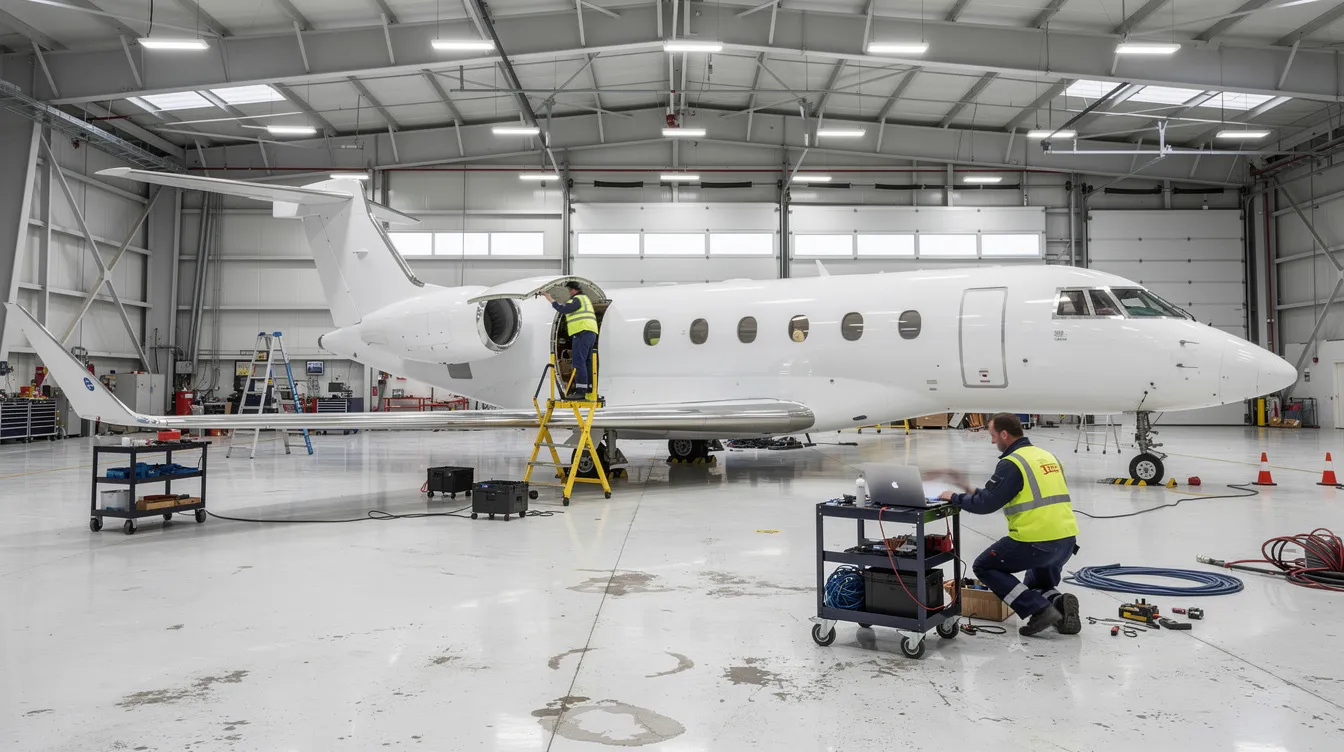
Maintenance discipline is one of the biggest levers in reducing real risk, unexpected downtime, and insurance claims. Annual maintenance costs for private jets typically range from 5% to 10% of the aircraft’s value, including routine inspections and unexpected repairs. For a $15 million to $30 million jet, that’s $750,000 to $3 million annually.
Skipping or delaying maintenance can invalidate coverage or increase premiums at renewal. Maintaining a clean safety record and thorough maintenance logs can significantly reduce perceived risk, leading to lower insurance costs.
Engine hourly programs and manufacturer maintenance plans give aviation insurance company underwriters confidence about long-term reliability. Ground risk scenarios—hangar collapse in severe storms, hail damage, towing mishaps at busy FBOs—are covered under ground risk hull insurance.
Hangar fees for private jets can start from $30,000 and go up to over $200,000 annually, depending on location and facility amenities. Quality hangar insurance and secure airport basing reduce exposure to theft, vandalism, and weather events, often resulting in lower aircraft insurance costs
Practical habits that reduce risk:
-
Regular pre-flight and post-flight inspections by the crew
-
Choosing reputable maintenance facilities with documented quality records
-
Scheduling major checks during seasonal lulls to avoid rushed work
-
Maintaining meticulous digital maintenance logs
Crew, Training, and Operational Culture
The crew and operational culture around a small private aircraft or large jet are as important as the hardware—both for actual safety and for how insurers view your operation.
Typical crew structures vary by aircraft type:
-
Light jet: Two pilots ($120,000 to $180,000 each annually)
-
Large-cabin aircraft: Two pilots plus flight attendants ($80,000 to $150,000 for FAs)
Completing advanced training and recurrent simulator training can lead to reduced insurance premiums for pilots, as insurers favor those with higher qualifications and safety records. Flight training investments in upset recovery, low-visibility operations, and flight instruction tailored to the specific aircraft model pay dividends.
Standardized procedures—checklists, stabilized approach criteria, conservative diversion policies—reduce accident risk and claims. Flight schools and recurrent training programs help maintain these standards.
Crew communication style matters for passenger experience. Calm briefings, clear explanations of turbulence and delays, and honest updates significantly lower anxiety, especially for travelers dealing with fear of flying and flight anxiety. This aligns with the real-time reassurance SkyGuru provides digitally—giving passengers plain-language explanations of what’s happening.
High crew turnover, use of ad-hoc contract pilots without strong vetting, or inconsistent training records raise red flags for insurers. View training spend as part of your risk budget alongside insurance premiums.

Legal Considerations
Beyond aircraft insurance policy details, private jet ownership creates legal and regulatory obligations affecting both cost and exposure. Aviation liability means your legal responsibility if your aircraft, crew, or operation injures people or damages property—in the air, on the ground, or during boarding.
Typical liability limits chosen by aircraft owners range from $1 million CSL for smaller personal-use jets up to $300 million to $500 million for large-cabin jets carrying executives and high-profile passengers.
While there’s often no single federal requirement for minimum coverage in the U.S., lenders, lessors, and many airports impose contractual insurance requirements—especially for jets financed after 2020.
Different ownership structures (individual ownership, LLC, corporate flight department) affect how liability protection is allocated and how policy structures are written. LLCs can shield personal assets from aviation claims.
International considerations add complexity. Many regions have minimum liability rules: the EU under EC Regulation 785/2004 requires coverage based on aircraft weight and passenger seats. Canada and Latin America have similar requirements affecting international operations.
Failure to maintain required coverage can lead to denied airport access, regulatory violations, and personal exposure to claims if an accident occurs uninsured.
Contracts, Charter, and Third-Party Exposure
Many modern jet owners offset maintenance costs and operational costs by placing their aircraft on charter with an operator, changing the legal and insurance landscape significantly.
Charter management agreements allocate responsibilities between operator and owner for crew, maintenance, regulatory compliance, and how aviation liability is shared. Charter operations typically require higher combined single limit coverage due to carrying fare-paying passengers and flying more hours.
Third-party contracts matter. Hangar leases, maintenance agreements, catering, and ground handling contracts contain indemnity and hold-harmless clauses that can either protect or expose the owner to property damage claims.
Review certificates of insurance from charter operators, maintenance providers, and FBOs to confirm they carry adequate coverage limits and list you as additional insured where appropriate.
Example scenario: A ground handling error leads to wing damage and passenger injury. Your hull coverage responds for aircraft repairs minus deductible, your liability coverage handles the passenger’s legal defense and settlement, and the handler’s policy may provide primary coverage depending on contract terms.
Regulatory Compliance and Documentation
Keeping documentation current supports both safe operations and smooth insurance claims under any aircraft insurance policy.
Key documents to maintain:
-
Airworthiness certificates and registration
-
Pilot medicals and licenses
-
Mandatory inspections (12-month/24-month checks)
-
Noise and emissions certifications were required
Insurers may require copies of pilot licenses, flight training records, recent flight hours, and weight-and-balance documents as part of underwriting. Gaps in logbooks or unapproved modifications can complicate claims or reduce aircraft value at sale.
Flying outside approved geographic location limits in your policy—entering sanctioned countries or conflict zones without endorsement—can void coverage for that flight according to local regulations.
Implement a simple document management system with digital backups and scheduled audits to maintain compliance even as crews and management companies change, and consider integrating SkyGuru’s aviation data API for route and weather insights.
How to Mitigate Risk
Owning a private jet will never be risk-free, but thoughtful decisions around insurance, operations, and technology can significantly reduce both physical and financial exposure.
Think of mitigation across three stages: what you do before you buy, when you set up operations, and on each flight. Managing anxiety among frequent passengers is part of a comprehensive strategy—lower anxiety leads to better decisions and clearer communication about turbulence and delays, particularly for those actively working to overcome fear of flying with app-based support.
Optimizing Your Insurance Strategy
Mitigating insurance-related risk means aligning coverage types with realistic worst-case scenarios, not just finding the lowest premium.
Start with a detailed risk review: net worth, other assets, typical passenger profile (family versus executives versus clients), and usual route structure. Select coverage options and combined single limit figures accordingly.
Run at least two coverage scenarios with a broker: one with lower limits and higher deductibles, one with higher limits and moderate deductibles. Compare not just the premium difference but the potential out-of-pocket exposure.
Review and adjust aircraft value annually so hull coverage reflects real market value—avoid both overpaying and being underinsured for multiple aircraft or a single jet.
Shopping around and comparing quotes from multiple aviation insurance providers can help you find better rates and terms, as premiums can vary significantly between companies. Benchmark every 2-3 years while maintaining a long-term broker relationship.
Bundling insurance policies, such as combining aircraft insurance with other types of coverage like hangar insurance, can lead to discounts and lower overall costs. Clean, well-documented operations give owners leverage when negotiating for lower insurance costs.
Reducing Operational and Safety Risk
The biggest risk reduction gains come from consistent safety habits, not one-time decisions.
Establish clear safety policies approved by the owner:
-
No-go criteria for weather conditions
-
Mandatory alternates during winter operations
-
Minimum rest periods for crews. The
-
Captain authority to delay or cancel regardless of schedule pressure
Emphasize recurrent training and scenario-based simulation: engine failures, severe turbulence encounters, missed approaches at short fields, and crosswind landings tailored to your intended use and regular routes.
Choose conservative routes and altitudes when possible to avoid chronic exposure to severe weather corridors, even if it adds time and fuel cost, supported by route and turbulence data from the SkyGuru API platform. This can help reduce premiums over time through a demonstrated safety culture.
Maintenance discipline remains an ongoing mitigation tool: adhere to manufacturer intervals, use OEM or approved parts, and proactively replace components known for age-related issues. Budget for modern cockpit technology (enhanced vision systems, upgraded avionics) when retrofitting older jets.
Supporting Passengers and Managing Anxiety
Risk isn’t only about statistics—it’s also about how safe passengers feel, especially those with a fear of flying and travel anxiety or past negative experiences in small aircraft.
Create a simple passenger briefing routine covering seatbelts, turbulence expectations, oxygen masks, and what to expect on that specific route based on current weather conditions.
Tools like the SkyGuru in-flight turbulence and weather app give passengers real-time explanations of turbulence, flight stages, and weather—so normal operational events like holding patterns or altitude changes don’t feel like emergencies. In-flight insurance of passenger comfort means fewer mid-cabin movements during turbulence and less pressure on crew during delays.
Encourage a culture where anxious passengers can ask questions before and during flight, with crew trained to answer in simple, non-technical language. Complement this with a real-time flight information and reassurance app like SkyGuru. A security service for passenger peace of mind is as valuable as physical security solution measures.
Calmer passengers indirectly support safety: a clearer understanding of why conservative decisions are sometimes made, and more realistic expectations about numerous factors affecting each flight, as highlighted in media stories about SkyGuru’s fear-of-flying solution.
Choosing the right aircraft, crew, and information tools means you’re not only managing aircraft insurance cost and legal exposure—you’re creating a safer, more predictable experience for everyone on board.
Private Jet Insurance Cost Comparison by Aircraft Type
|
Aircraft Type |
Typical Hull Value |
Annual Insurance Cost Range |
Typical Liability Coverage |
Notes |
|---|---|---|---|---|
|
Light Jet |
$5 million |
$50,000 - $100,000 |
$1 million CSL |
Personal use costs lower than commercial |
|
Mid-Size Jet |
$10 - $20 million |
$100,000 - $300,000 |
$10 - $50 million CSL |
Usage and pilot experience impact premiums |
|
Large-Cabin Jet |
$30 million+ |
$300,000 - $600,000+ |
$100 - $300 million CSL |
Charter operations increase liability costs |
|
Fractional Ownership |
Varies |
Pro-rated based on share |
Shared liability limits |
Requires specific policy adjustments |
|
Non-Owned Aircraft |
N/A |
$95 - $600 |
Liability only or with hull |
For renters and borrowed aircraft |
Frequently Asked Questions
What factors most influence private jet insurance cost?
The main factors include the aircraft's hull value, pilot experience and training, usage patterns (personal vs. commercial), geographic location, and liability coverage limits. Claims history and maintenance records also impact premiums.
How does non-owned aircraft insurance differ from standard policies?
Non-owned aircraft insurance provides liability protection for pilots flying aircraft they do not own, such as rented or borrowed planes. It typically covers bodily injury and property damage liability but may offer optional hull coverage, filling gaps standard owner policies don’t cover.
Can I reduce my private jet insurance premiums through pilot training?
Yes. Completing advanced and recurrent simulator training, obtaining additional certifications, and maintaining a clean safety record can lower insurance premiums by demonstrating reduced risk to insurers.
Are there legal requirements for private jet insurance?
While there is no federal mandate for aircraft insurance in the U.S., many lenders, airports, and international jurisdictions require minimum coverage. Owners should verify local regulations and contractual obligations related to insurance.
How can operational risks affect my insurance costs?
Operational risks like frequent flying into challenging airports, exposure to severe weather, or poor maintenance increase the likelihood of claims, leading to higher premiums. Strong operational policies and maintenance discipline help mitigate these risks.
Conclusion: Navigating the Complexities of Private Jet Ownership Risks
Owning a private jet involves balancing significant risks—from high insurance premiums and operational challenges to intricate legal obligations. Understanding the nuances of private jet insurance costs, including hull and liability coverage, is critical to protecting your investment and minimizing financial exposure. Operational risks, such as maintenance discipline and pilot experience, directly influence both safety and insurance costs, making proactive management essential.
Legal considerations around aviation liability and regulatory compliance add further layers of complexity, underscoring the importance of comprehensive coverage and clear contractual agreements. Mitigating these risks requires a strategic approach: selecting appropriate insurance limits, maintaining a clean safety history, investing in crew training, and leveraging technology to support passenger comfort and situational awareness.
Ultimately, informed decision-making and diligent risk management allow private jet owners to enjoy the benefits of private aviation with confidence. By integrating specialized coverage, operational best practices, and legal safeguards, owners can reduce exposure to increased risk and higher insurance premiums, ensuring safer, more predictable private jet experiences for all involved.
FLEET SELECTION
JET CARDS
COST ANALYSIS


How to Auditing Your Operator's Maintenance Logs
Oct 05, 2025

How to Auditing Your Operator's Maintenance Logs
Oct 05, 2025

How to Auditing Your Operator's Maintenance Logs
Oct 05, 2025
Sky Guru Weekly
The smartest private aviation intelligence in your inbox.
.svg)

