



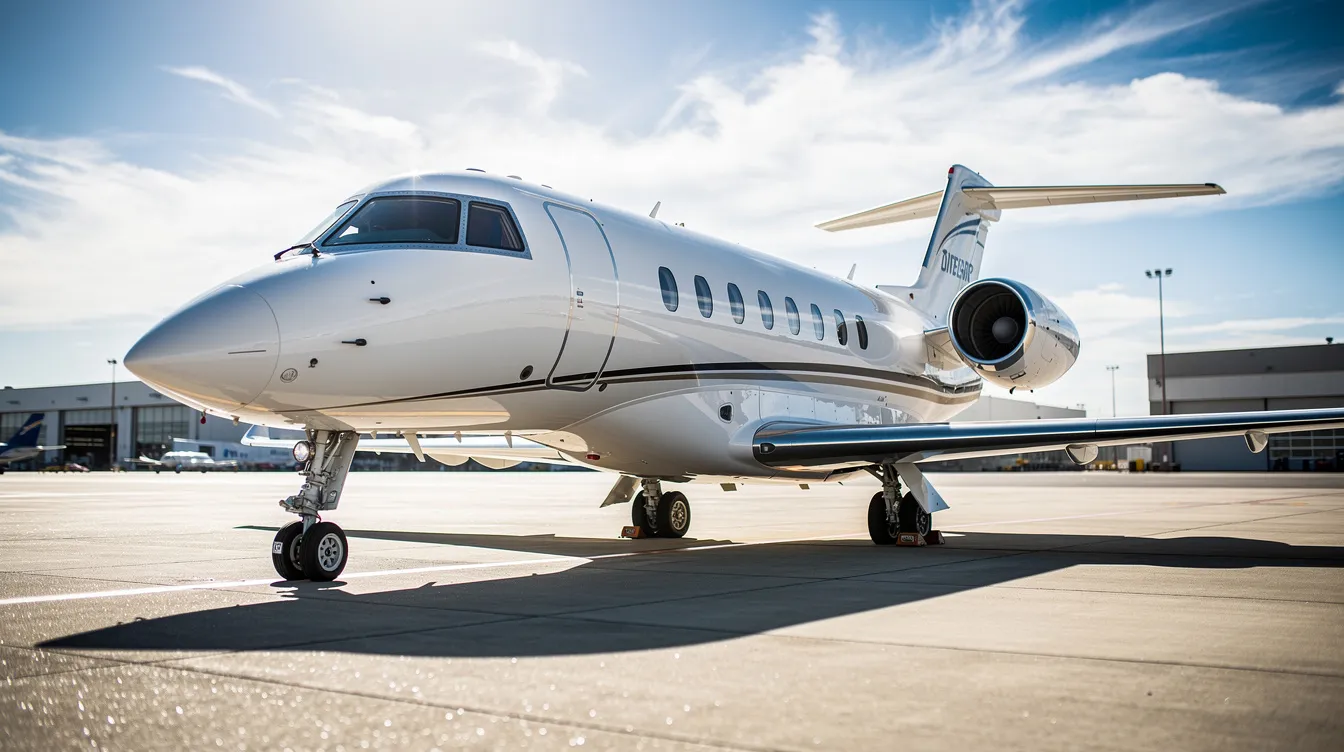
Private jet financing refers to acquiring a business aircraft through loans, leases, or structured arrangements rather than paying the full purchase price up front. The process is similar to a complex real estate transaction, involving multiple advisors, detailed documentation, and significant financial planning, especially when investing in a new aircraft and understanding the available options. Understanding private jet financing is crucial for making informed decisions, optimizing costs, and ensuring regulatory compliance in high-value transactions.
This guide is written for individuals or small business owners considering aircraft ownership for the first time. In 2025–2026, light jets typically range from USD 3–10 million, midsize jets from USD 10–25 million, and large-cabin aircraft from USD 25–60 million or more. Private jet financing options include cash purchases, traditional bank loans, asset-based loans, and leasing, with typical down payments of 15%–30%. Reputable companies with strong financial strength, such as Berkshire Hathaway or Textron, offer a range of services, including expert advisory, customized loan structures, and operational support to ensure clients receive comprehensive solutions.
This is educational information, not legal, tax, or financial advice—consult qualified advisors before making decisions. Financing providers can create tailored financial agreements to meet unique client needs. While SkyGuru’s anxiety-reducing flight app focuses on helping passengers manage flight anxiety, understanding how jets are financed helps demystify private aviation as a whole.
Cash vs Financing Options
Buyers typically choose between paying cash, taking an aircraft loan, or entering an operating or finance lease. The right choice depends on liquidity needs, tax position, expected usage, and ownership timeline. There is a significant difference in loan terms and amortization periods among these options, and understanding these differences can greatly impact your overall costs.
Think of it this way: paying cash is like buying a house outright, financing is like taking a mortgage, and leasing is like a long-term rental with options. The right lender can help you navigate these choices and find solutions tailored to your unique needs.
Paying Cash for a Private Jet
Paying cash means wiring the full purchase price at closing—for example, USD 6 million for a 2018 light jet—without a loan or lease.
Advantages:
-
No interest expense
-
No lender covenants or restrictions
-
Faster aircraft transactions
-
More flexibility in aircraft use
Drawbacks:
-
Large capital tied up in a depreciating asset
-
Reduced liquidity in volatile markets
-
Lost opportunity to keep funds invested elsewhere
Full ownership of a private aircraft offers the most convenience and flexibility, but it is typically the most expensive option due to high operating costs, including maintenance, crew salaries, insurance, and hangarage. Even high-net-worth owners often still finance because they prefer keeping cash invested in businesses or markets.
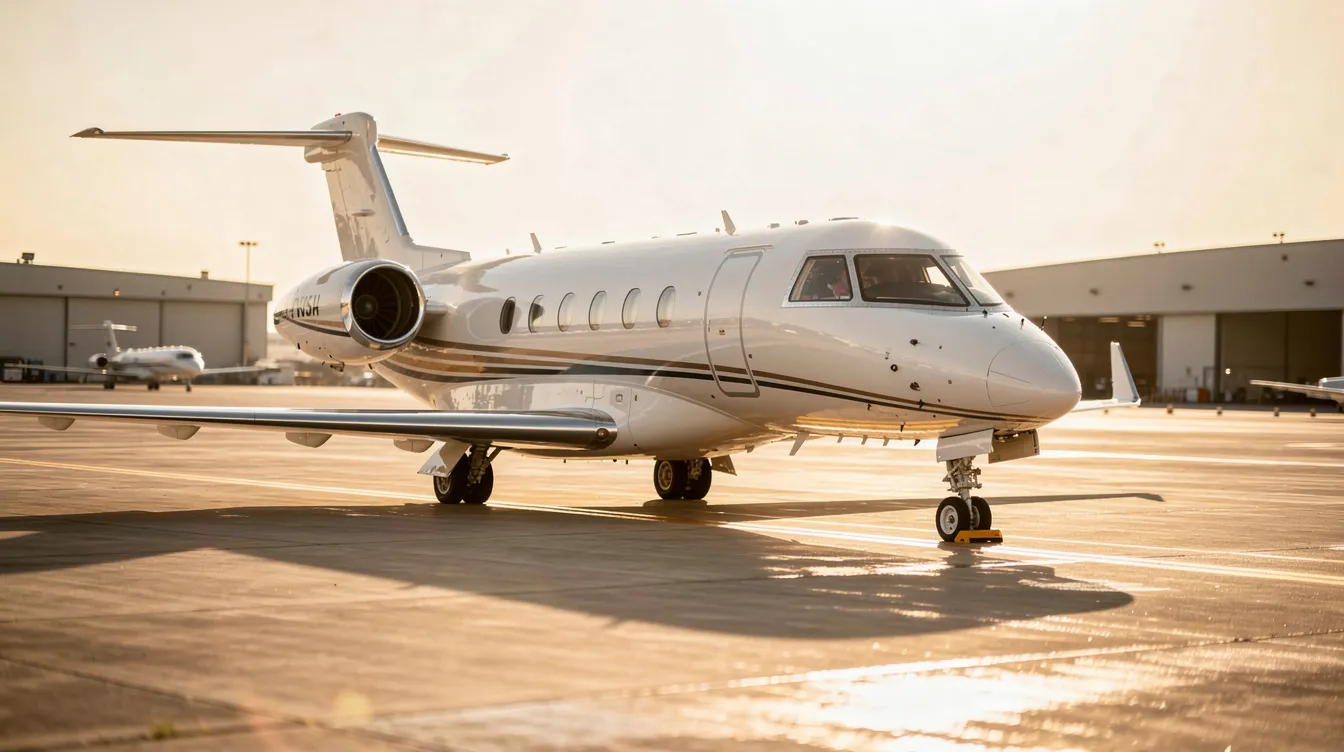
Comparison of Cash, Loan, and Lease Options
|
Financing Method |
Typical Down Payment |
Payment Term |
Ownership |
Flexibility |
Tax Benefits |
Risks |
|---|---|---|---|---|---|---|
|
Cash Purchase |
100% |
N/A |
Full |
High |
Limited |
Capital tied up, depreciation risk |
|
Loan Financing |
15%–25% |
3–10 years |
Full |
Moderate |
Possible depreciation and interest deductions |
Balloon payments, credit risk |
|
Operating Lease |
Low to none |
3–7 years |
None |
High |
Lessor claims depreciation |
No equity, ongoing lease payments |
|
Finance Lease |
Low to none |
Long-term |
Lessee |
Moderate |
Lessee may claim depreciation |
Obligation to purchase, residual value risk |
Using Loans for Private Jet Financing
Aircraft financing through loans works similarly to financing a home or yacht: the lender advances funds, the borrower makes payments, and the private jet serves as collateral.
Loan Requirements
Key loan parameters:
-
A private aircraft loan typically requires a down payment of 15% to 20%, although some lenders may finance 100% of the purchase price
-
Payment terms range from three to ten years
-
Loans typically require a down payment of 15% to 25% for newer aircraft
-
Lenders typically require a credit score of at least 700 and considerable liquid assets
When considering a lender’s proposal, it’s important to note that a lender may issue a letter of interest outlining a potential loan, but this does not constitute formal approval—formal approval is required before proceeding.
Loan Terms and Amortization
Loans usually have a shorter term but are amortized over a longer period, often resulting in a balloon payment at the end. The term of a loan in aviation is typically shorter than the amortization period, and there can be a significant difference in how these periods affect your payment schedule and total interest paid.
Interest Rates
Fixed rates vs floating rates:
-
A fixed rate (for example, 6%) provides predictable payments.
-
Floating rates (SOFR + 2%) may start lower but fluctuate.
-
It’s important to understand the difference between the index rate and the ultimate rate received, as this gap can impact the total cost of financing.
-
Interest rates for Credit-Based Loans range from 4.5% to 7.5% for highly qualified buyers.
-
Current market rates for financing new heavy jets can fall below 5.5% for qualified buyers, whereas older aircraft face stricter terms and higher rates.
Types of Loans
-
Credit-Based Loans: Focus on personal or corporate creditworthiness and financial history.
-
Asset-Based Loans: Use the aircraft itself as collateral. Asset-based loans for aircraft financing do not always require personal financial disclosures and can be structured as non-recourse loans, meaning lenders may not pursue repayment in case of default. Asset-Based Lending structures a loan around the aircraft’s value, while traditional bank loans may require personal guarantees and high credit scores.
Most lenders prefer aircraft less than 20–25 years old; older aircraft may face stricter terms or lower Loan-to-Value ratios. Lenders consider previous aircraft ownership when evaluating financing applications, as it provides insight into the borrower’s experience and reliability. Ownership structures are crucial for lenders to understand who is responsible for financing the aircraft, which can influence loan terms and conditions.
Leasing a Private Jet: Operating vs Finance Leases
Leasing is like a long-term rental of a business aircraft: you pay for access and use rather than full ownership. Owners can also lease or sub-lease their planes when not in use to offset costs and generate income.
Operating Lease
-
3–7 years in duration
-
Lessor retains residual risk
-
Aircraft are typically off-balance sheet
-
Saves customers' internal resources by avoiding the need to manage aircraft sales and transitions
Leasing allows you to “try before you buy” without the long-term financial commitment associated with purchasing an aircraft, making it a flexible option for many users. At the end of a lease term, you can either renew the lease or terminate the contract without incurring depreciation costs, which is a significant advantage over buying. You may also choose to sell the aircraft or upgrade to a new solution after the lease term.
Finance Lease
-
Long-term agreement
-
Lessee assumes ownership risks
-
Purchase option at the end
Finance leases are long-term agreements where the rent effectively pays off the aircraft, often including a bargain purchase option at lease end. Loans are based on personal credit or aircraft value, while leases differ based on tax benefits and ownership transfer.
Tax Lease Structures
Aircraft leases can be categorized into two main types: tax leases and non-tax leases.
-
Tax Leases: The lessor retains ownership for tax purposes and claims depreciation, while the lessee benefits from lower lease payments. This structure allows owners to avoid depreciation costs at the end of the lease term.
-
Non-Tax Leases: The lessee assumes the tax benefits, including depreciation, and may have a purchase option at the end of the lease.
Aircraft leases can be structured as tax leases or non-tax leases, allowing owners to avoid depreciation costs at the end of the lease term. International financing options, such as those available through Export Credit Agencies (ECAs) or chartering arrangements, can sometimes result in lower interest rates for private jet financing.
Tax Considerations (Simplified)
Tax rules change frequently—U.S. bonus depreciation provisions, EU regulations, and local rules all evolve. Always consult aviation-experienced tax advisors before relying on any structure.
The goals of tax planning in aircraft ownership include:
-
Matching aircraft costs with business income
-
Understanding the ax benefits of aircraft ownership
-
Avoiding structures that trigger audits
Business vs Personal Use of a Private Jet
Many tax advantages apply only when a private jet is used primarily for qualified business purposes—visiting clients, sites, or offices—rather than purely personal trips, yet for some individuals, fear-of-flying support apps are just as important in making those trips feasible.
Example: A consulting firm flying partners to client meetings qualifies differently than a family using the jet primarily for leisure. Mixed use requires allocating costs between business and personal flights, and anxious travelers may find that apps designed to overcome fear of flying make both types of trips more manageable. Improper classification can cause serious trouble in a tax audit.
Common Tax Benefits of Aircraft Ownership (High-Level)
In jurisdictions like the United States, businesses may deduct operating expenses for a business aircraft—fuel, maintenance, crew, insurance—when used for legitimate business purposes.
Accelerated depreciation or bonus depreciation has historically allowed U.S. companies to deduct a large portion of the aircraft’s cost in early years. The Tax Cuts and Jobs Act of 2017 allowed 100% bonus depreciation for qualifying business aircraft, with scheduled step-downs after 2022. Check the current law for your purchase year.
Tax savings do not make a private jet “free”—they reduce taxable income if sufficient business income exists to offset.
Documentation, Compliance, and Audit Risks
The operational costs and regulatory implications of owning a private aircraft can significantly affect the overall financial structure and management of the asset. Meticulous record-keeping is essential: flight logs, passenger lists, business purpose notes, and cost allocations for each flight.
Tax authorities check consistency between business records and flight activity. Owners who keep flight logs, meeting agendas, and board minutes aligned with trips are well-prepared for audits, and aviation businesses can also leverage SkyGuru API flight and weather data to support more detailed operational analysis.
Depreciation Basics
Depreciation spreads the cost of a private jet over its useful life for accounting and tax purposes, reflecting how market value declines over time. Private jets are long-lived assets—often flying 20–30 years—but depreciate fastest in the first 5–10 years, and sophisticated users sometimes rely on SkyGuru API route and turbulence indices when evaluating operational profiles over that period.
Economic Depreciation: What Happens to Market Value
A new aircraft, such as a 2026-delivery light jet purchased for USD 8 million, might lose 20–30% of its value in the first 3–5 years, then depreciate more slowly.
Key drivers:
-
Total flight hours
-
Maintenance history
-
Avionics upgrades
-
Cabin refurbishments
-
Market conditions
Accounting and Tax Depreciation Schedules
Accountants use depreciation schedules that may not match real-world resale value. Straight-line depreciation spreads cost evenly over 10–15 years, while accelerated methods front-load deductions. In many other jurisdictions, depreciation follows standard corporate asset classes, so tax impact may be more modest.
Depreciation and the Choice to Buy, Finance, or Lease
An owner expecting rapid depreciation may prefer an operating lease where the lessor takes residual risk. Someone wanting long-term ownership may accept a value decline in exchange for control. If you finance with a loan, you still experience economic depreciation—the aircraft’s market value will likely be below the original purchase price after payoff.
Cross-Border Considerations
Many private jets operate internationally—registered in one country, financed in another, and used across multiple regions. This adds complexity to aircraft financing, legal, and tax planning.
The distinction between commercial and non-commercial aircraft operations—such as those governed by Part 91 (non-commercial) versus Part 135 (commercial)—can significantly impact regulatory requirements and available financing options for cross-border transactions.
Aircraft Registration and the International Registry
Every private aircraft must be registered in at least one national registry—the U.S. “N-register,” the U.K. “G-register,” or offshore registries like Bermuda. The Cape Town Convention and international registry protect lenders and lessors across countries, making asset-based loans and operating leases more reliable.
Cross-Border Tax, VAT, and Import Issues
Moving a private jet between jurisdictions may trigger VAT, customs duties, or import taxes. A buyer based in Germany purchasing a U.S.-registered business aircraft must consider EU VAT, customs clearance, and potential reliefs. Local tax and legal advice is essential before closing any cross-border aircraft purchase.
Operational, Safety, and Passenger Experience Factors
Financing agreements can include restrictions on where the jet can operate. Insurers and lenders may require specific safety standards and crew training. International flights involve complex routes and varying turbulence patterns—tools like the SkyGuru real-time flight information app help passengers understand what to expect.
Practical Steps to Arrange Private Jet Financing
Arranging private jet financing involves several key steps. Follow this process to ensure a smooth transaction:
-
Define Your Mission and Budget:
Define how you’ll use the jet: number of trips, typical routes, passengers, and whether usage is business, personal, or mixed. Model 5–10 years of ownership costs using conservative assumptions. -
Assemble Your Advisory Team:
Engage an aviation-experienced attorney, an accountant familiar with aircraft ownership, and an independent aircraft consultant. Advisors should be independent from any single lender or seller. -
Compare Financing Proposals and Understand Covenants:
Request multiple quotes comparing interest rate, loan-to-value ratio, term length, and fees. Debt covenants may impose specific financial limitations as conditions of a loan. Look beyond headline interest rates—consider total cost over the full term. -
Plan for the End of the Ownership Cycle:
Include an exit plan: expected sale date, trade-in, or lease return conditions. For loans, estimate future market value against the remaining loan balance. Schedule periodic reviews every 2–3 years.
How SkyGuru Fits Into the Private Jet Experience
Financing a private jet is a major decision, but optimizing its value includes passenger comfort and mental wellness—not just the balance sheet, and many media outlets have highlighted SkyGuru’s turbulence-prediction app for nervous flyers as a helpful tool. Private jet owners can use SkyGuru’s in-flight weather and route information app to help nervous flyers understand turbulence, flight stages, and in-flight sensations.
Download the SkyGuru fear-of-flying app featured in global media and enter your next flight to experience how better information reduces fear of flying while making well-informed decisions about your aviation journey.
Frequently Asked Questions (FAQs)
What is payment financing in private jet ownership?
Payment financing refers to the process of obtaining a loan or lease to cover the purchase price of a private jet instead of paying cash up front. It allows owners to spread the cost over time, preserving liquidity and potentially optimizing tax benefits.
Can I finance a pre-owned aircraft?
Yes, many lenders offer financing options for pre-owned aircraft. However, financing terms may vary based on the aircraft's age, condition, and market value, with stricter requirements often applied to older jets.
How do operating costs affect private jet financing?
Operating costs—including maintenance, crew salaries, insurance, and hangarage—are high and ongoing expenses that impact the total cost of ownership. When financing a jet, these costs should be carefully budgeted alongside loan or lease payments.
What are the tax benefits of aircraft ownership?
Tax benefits may include deductions for operating expenses and accelerated depreciation. These benefits typically apply when the aircraft is used for qualified business purposes, reducing taxable income and improving cash flow.
How does the depreciation of a jet influence financing decisions?
Depreciation reflects the aircraft’s loss in market value over time. Understanding depreciation helps owners decide between buying, financing, or leasing, as it affects residual value risk and tax planning.
Is fractional ownership a viable alternative to full ownership?
Fractional ownership allows multiple parties to share the costs and usage of an aircraft. It can reduce individual financial commitments and operating costs, but offers less flexibility than full ownership.
Can I refinance my private jet loan?
Yes, refinancing is possible and can help adjust loan terms, reduce interest rates, or free up capital. Refinancing decisions should consider current market rates and remaining loan balance.
How does flying commercial compare to private jet ownership?
Flying commercial is generally less expensive and involves no ownership responsibilities, but it lacks the flexibility, convenience, and privacy that come with private jet ownership or fractional ownership.
What cross-border issues should I consider when financing a private jet?
Cross-border financing involves additional complexities such as aircraft registration, VAT, import duties, and compliance with different regulatory regimes. Expert legal and tax advice is essential.
How important is previous aircraft ownership when applying for financing?
Lenders often consider previous ownership experience as it demonstrates reliability and familiarity with operating costs and maintenance, potentially improving loan terms.
Conclusion
Financing a private jet is a complex but manageable process that requires careful evaluation of cash versus financing options, tax implications, depreciation effects, and cross-border considerations. For individuals with significant wealth, financing can preserve liquidity and optimize tax benefits, while leasing offers flexibility without long-term ownership risks. Understanding the nuances of loan structures, lease types, and tax rules helps buyers make informed decisions aligned with their financial goals and usage plans. Partnering with experienced advisors and lenders who grasp the unique challenges of private jet ownership can streamline the process and enhance outcomes. Ultimately, a well-planned financing strategy not only supports aircraft acquisition but also contributes to a smoother, more enjoyable private aviation experience. For more detailed guidance, visit our comprehensive Private Jet Financing Guide..
FLEET SELECTION
JET CARDS
COST ANALYSIS


How to Auditing Your Operator's Maintenance Logs
Oct 05, 2025

How to Auditing Your Operator's Maintenance Logs
Oct 05, 2025

How to Auditing Your Operator's Maintenance Logs
Oct 05, 2025
Sky Guru Weekly
The smartest private aviation intelligence in your inbox.
.svg)

