




Private jet depreciation is a financial reality most buyers need to understand before signing. This guide is for prospective and current private jet owners, aviation professionals, and financial advisors seeking to understand aircraft value trends and planning strategies. Understanding depreciation is crucial for making informed purchase decisions, managing ownership costs, and planning for eventual resale. This blog post provides an overview of how private jet depreciation actually works, what drives aircraft resale value, and how to plan a realistic exit strategy from jet ownership. For detailed planning and personalized advice, consider seeking further guidance beyond this overview.
Quick Summary: How Much Do Private Jets Depreciate, What Drives It, and How Can Owners Plan?
-
Depreciation Rate: Most private jets lose 10–15% of their value in the first year, 20–35% by year five, and up to 50% or more over 10–12 years.
-
Key Drivers: Age, total flight hours, maintenance history, manufacturer reputation, market demand, upgrades, and operating costs—all of which can vary depending on aircraft type, condition, and specific market or tax factors.
-
Planning Strategies: Buy pre-owned to avoid the steepest early losses, maintain meticulous records, enroll in maintenance programs, keep technology updated, and plan your exit horizon.
How Private Jet Depreciation Works
Depreciation is both an accounting method used to allocate the aircraft's cost over its useful life and a reflection of the real-world decrease in market value due to wear, obsolescence, and market demand. This process applies to both private and commercial aircraft used for business purposes, impacting how their value is recorded for tax and financial reporting.
Think of buying a new private jet like purchasing a luxury car: the biggest value drop happens the moment it leaves the showroom. After that initial hit, the decline continues but at a slower pace. Depreciation periods and rates can vary depending on factors such as aircraft type, usage, and specific tax laws.
Physical Wear vs. Economic Age
Private jet depreciation stems from two forces:
-
Physical wear: Airframe fatigue, engine hour accumulation, and interior wear.
-
Economic age: Outdated avionics, fuel inefficiency compared to newer models, and changing emissions or noise regulations.
Depreciation Curve by Years
The typical depreciation curve for private jets can be summarized as follows:
|
Years of Ownership |
Typical Value Loss (%) |
Notes |
|---|---|---|
|
0–5 |
30%–40% |
Steepest drop in value for new aircraft |
|
5–10 |
20%–30% |
Slower decline as the aircraft ages |
|
After 10 years |
1%–3% per year |
Depreciation slows as the asset nears the residual value floor |
|
15–20+ years |
Highly variable |
Value depends on maintenance, engine condition, and records; some jets become hard to sell |
Tax Depreciation Methods
Aircraft depreciation is typically calculated using several methods. Here are the most common:
-
Straight-line depreciation: Divides the jet’s cost equally over its estimated useful life. (Fact #1, #2)
-
Double-declining balance: An accelerated method that results in higher depreciation expense in the early years when the jet loses value fastest. (Fact #3)
-
MACRS/Bonus depreciation: Tax-focused methods that accelerate write-offs, allowing significant upfront tax savings for eligible owners. (Fact #3)
Aircraft bonus depreciation is a tax incentive that allows accelerated depreciation of business aircraft, providing significant upfront tax savings for eligible owners.
To qualify for accelerated depreciation, the aircraft must generally be used more than 50% for qualified business purposes. For bonus depreciation, the aircraft must be considered qualified property and meet the qualified business use threshold, typically more than 50% business use. Both new and used aircraft can qualify for bonus depreciation if they are placed in service before the phase-out deadlines. The date the aircraft is placed in service—meaning it is available for use in a trade or business—is critical for determining eligibility for bonus depreciation.
The Tax Cuts and Jobs Act of 2017 (TCJA) allowed businesses to write off 100% of the cost of private jets used for business purposes in the year they were purchased, a provision known as 100 bonus depreciation. This immediate expensing of the aircraft's cost provided significant tax savings. The bonus depreciation percentage was set at 100% from 2018 to 2022, but it decreases annually: 80% in 2023, 60% in 2024, 40% in 2025, 20% in 2026, and 0% in 2027 unless new legislation extends or modifies these benefits. In subsequent years after initial ownership, depreciation and tax benefits decrease as the bonus depreciation phases out.
Unlike real estate, which can appreciate, most private jets do not gain value. The 2021–2022 post-pandemic demand spike temporarily halted or reversed depreciation for some late-model jets, but those periods are rare exceptions—not the norm.
Depreciation deductions reduce taxable income, thereby lowering the owner's tax burden and tax liability. The U.S. tax reform under the TCJA also moved toward a territorial system of business taxation, impacting aircraft depreciation strategies. The tax code and tax law, as set by the Internal Revenue Service (IRS), govern these depreciation rules, and changes in tax law or new legislation can significantly affect depreciation benefits and planning for private jet owners.
State sales tax can also impact the overall cost and tax planning for aircraft purchases, and it is important to consider varying state sales tax regulations when buying across different states. Ownership structure—whether you use your own aircraft or charter—and the mix of personal purposes and personal use versus business use affect tax planning and depreciation deductions. High net worth individuals often use private jets for both business and personal purposes and are subject to IRS scrutiny, making it essential to keep track of aircraft usage for tax and audit purposes. Effective tax planning often requires collaboration between external consultants and the client's in-house team to ensure compliance and maximize benefits.
Now that we've covered how depreciation occurs, let's examine how well private jets really hold their value and what specific statistics and examples reveal about ownership costs.
Short Answer: How Well Do Private Jets Really Hold Their Value?
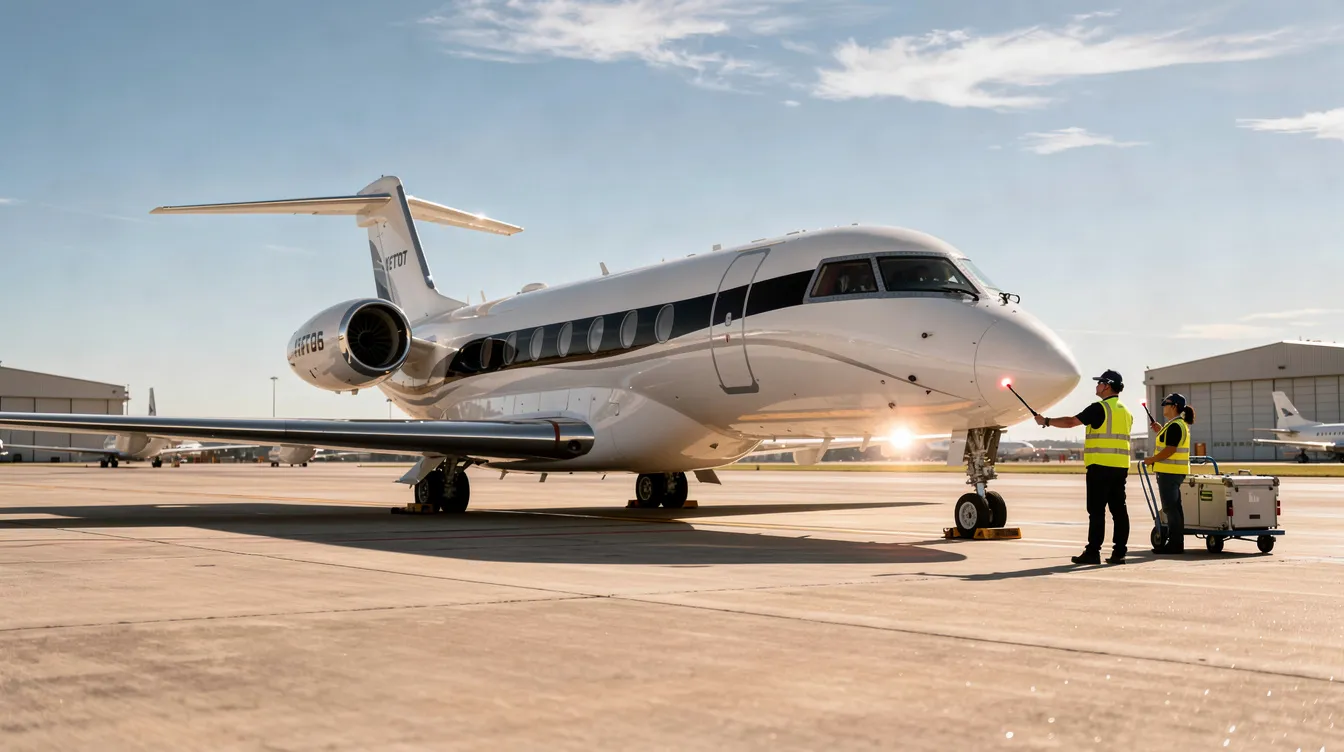
Most private jets do not hold their value. Like luxury automobiles, they depreciate meaningfully over time—and the steepest losses happen in the first five to ten years of ownership. An aircraft depreciates due to factors such as age, condition, and technological changes, which all contribute to a decrease in value. Depreciation is one of the highest costs of private jet ownership, typically following a curve where value drops sharply in the early years before stabilizing.
New jets can lose 10% to 15% of their value in the first year alone. Most aircraft lose between 20% and 35% of their original delivery value by year five. After that initial hit, the decline slows but continues steadily.
Here’s a concrete example: a new $25 million large-cabin jet often resells for about $15 million to $17 million after five years in a normal market. After 10 to 12 years, that same aircraft might fetch $7 million to $10 million, depending on model, maintenance history, and buyer demand.
Contrast that with buying pre-owned aircraft: a 10-year-old midsize jet purchased for $6 million might retain $4 million to $4.5 million in value after five more years if meticulously maintained. The initial depreciation cliff has already passed.
It’s important to clarify that private jet depreciation (market value loss) differs from tax depreciation, which allocates an aircraft’s cost—often the purchase price—over its useful life for accounting and tax purposes. The aircraft's cost forms the basis for calculating depreciation and tax deductions. Aircraft are considered depreciable assets, and the method of depreciation chosen impacts how these assets are reflected on company balance sheets, influencing the overall financial position. This article focuses on what you can actually expect to receive when selling your aircraft—not tax write-offs.
At SkyGuru, we’re not brokers or tax advisors. Our expertise lies in aviation and helping travelers feel safer and more informed in the air, a mission reflected in media coverage of our fear‑of‑flying app. That perspective informs how we explain aircraft value, usage patterns, and what to realistically expect from jet ownership. When it comes to maintenance records, keeping track of aircraft usage, trips, and related expenses is also crucial for tax and audit purposes.
Next, let's explore the key factors that affect private jet resale value and what buyers look for beyond just age and brand.
Key Factors That Affect Private Jet Resale Value
Two seemingly identical jets can sell for vastly different prices. Buyers look beyond age and brand when evaluating aircraft resale value.
Aircraft Age and Total Flight Hours
-
Younger aircraft usually command higher prices and experience slower depreciation.
-
Total flight hours and cycles (takeoffs and landings) function like mileage on a car. Higher flight hours and landing cycles directly correlate with lower residual values.
Example: A 2018 light jet with 4,000 hours may be valued significantly lower than the same model with 2,000 hours—potentially 10% to 20% less per thousand excess hours.
Maintenance History and Condition
-
Documented high-quality maintenance programs help maintain resale value.
-
Complete logbooks, on-time scheduled inspections, and work performed at reputable OEM-approved facilities preserve buyer confidence.
-
Gaps in records, overdue inspections, or non-standard repairs scare off buyers and can erode 5% to 15% off asking prices.
Think of it like selling a high-end car with full dealer service history versus one with missing records.
Maintaining meticulous records of aircraft usage, including logs of flight hours and purposes, is crucial for private jet owners to substantiate business use and defend against potential IRS audits, and some supplement traditional logs with apps that track weather and flight stages in real time.
Manufacturer Reputation and Model Popularity
-
Well-known brands with strong support networks—Gulfstream, Bombardier, Dassault, Embraer, Cessna—tend to hold value better.
-
Popular models with large active fleets (Citation CJ series, Phenom 300 with over 700 units, Global 6000) sell faster and for more predictable prices.
-
Models currently in production hold value better than out-of-production types, which may face tightening parts availability and rising maintenance costs.
-
Orphaned or discontinued models often depreciate faster due to parts scarcity.
Market Demand and Economic Conditions
-
During 2020–2022, used-jet pricing surged due to COVID-era demand and limited airline capacity, temporarily slowing normal depreciation. Some aircraft resold near or above pre-COVID prices.
-
In recessions (like 2008–2009), oversupply and reduced corporate travel sharply push down prices.
-
Timing matters enormously—a sale in a soft market can shave millions off jet ownership resale value compared with a stronger year.
Upgrades, Cabin Condition, and Technology
-
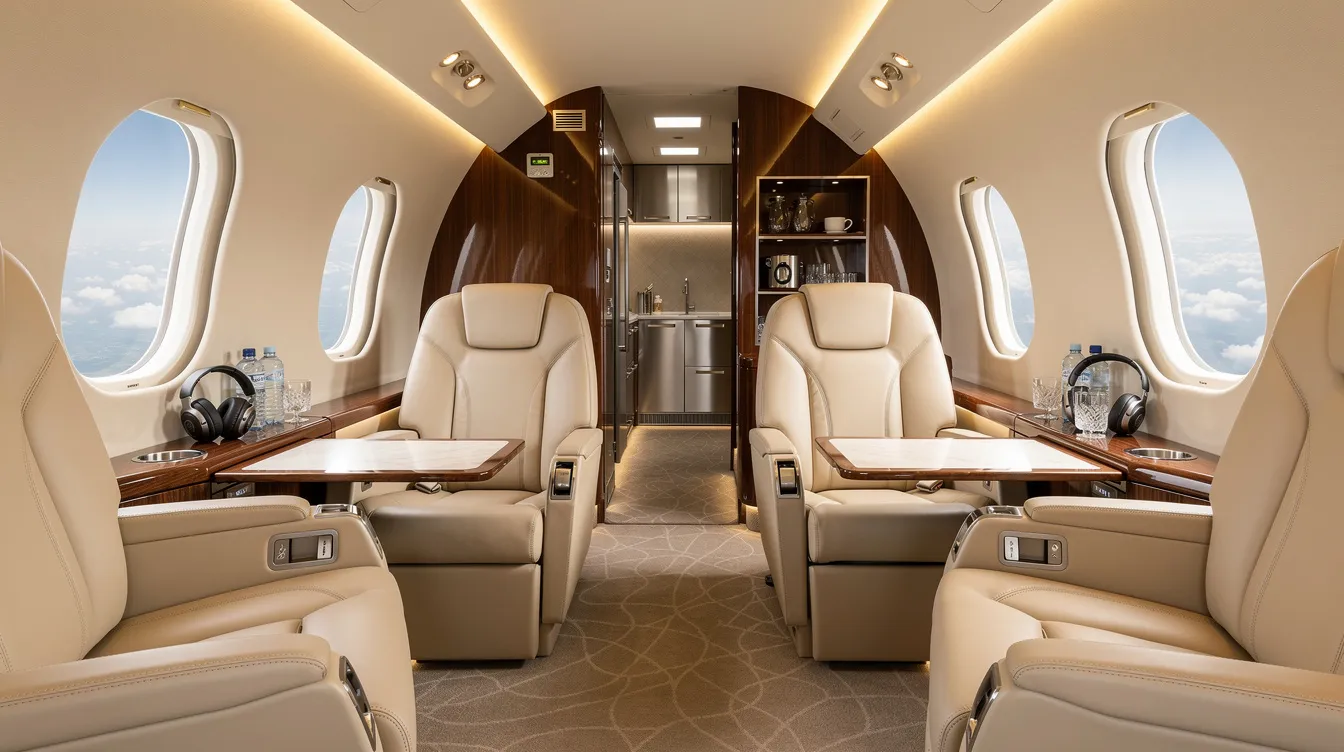
A modernized cabin (Wi-Fi, refreshed seating, updated lighting) makes the aircraft more attractive.
-
Avionics upgrades meeting FAA/ICAO navigation and ADS-B requirements protect resale value.
-
Outdated avionics can force heavy discounts unless expensive upgrades are performed.
-
Poor interiors, dated entertainment systems, and worn finishes accelerate perceived depreciation even when the jet is mechanically sound.
Factors affecting aircraft depreciation include age, flight hours, and technological features, with older aircraft and those with higher flight hours generally depreciating faster. Older aircraft typically require more maintenance and are less fuel-efficient, which contributes to a decrease in their market value compared to newer models.
Operating Cost Profile
-
Buyers factor in fuel burn, crew costs, and maintenance program enrollment.
-
Two jets with similar purchase prices can have vastly different resale interest if one has higher fuel consumption and lacks engine program coverage.
-
Factors such as airframe hours, engine hours, and the condition of the aircraft’s interior and exterior can significantly impact its resale value.
With these factors in mind, let's look at how exit pricing and private jet resale value are determined in the real world.
How Exit Pricing and Private Jet Resale Value Are Determined
There’s no fixed “blue book” price for aircraft. Resale value is an estimate based on real-time market data, comparable recent sales, and negotiation.
How Brokers and Appraisers Establish Value
-
Specialists review recent transactions of the same make and model, similar age and hours, in comparable condition.
-
For example, pricing a 2019 Bombardier Challenger 350 involves examining other 2018–2020 Challenger 350 sales in North America and Europe, then adjusting for specifics.
-
Asking prices typically start 5% to 15% above what owners actually expect to accept.
-
Final price depends on how long the aircraft has been on the market and the seller's motivation.
Days on Market Matter
-
Aircraft that sit unsold for months often require price reductions of 10% to 25%.
-
A realistically priced jet in a strong segment may sell in 90 to 180 days; others can take a year or more.
Adjustments for Condition and Features
-
Better-than-average maintenance, newer paint and interior, and desirable layouts justify premiums versus baseline comparables.
-
Negative adjustments apply for high-time engines, upcoming overhauls, incomplete records, or damage history.
Engine and Maintenance Programs
-
Enrollment in power-by-the-hour programs is critical for value retention and can increase resale value by 10% to 15%.
-
Programs like JSSI or OEM coverage reduce buyer uncertainty significantly.
-
The same model with engines on program can sell for hundreds of thousands to over a million dollars more than one off-program.
Most business aircraft owners use specialist aircraft brokers who understand current market bids, typical discounts, and buyer sentiment. Brokers typically earn 1% to 2% commission (seller-paid), incentivizing realistic pricing and shorter time to sale.
Tax position, financing arrangements, and delivery timing (needing to close before year-end for bonus depreciation deductions) also influence final negotiated prices, and some owners and advisers increasingly use flight and weather data APIs to better analyze utilization patterns and route efficiency when modeling costs.
Next, let's review typical depreciation patterns by jet size category and see concrete examples of how values change over time.
Typical Private Jet Depreciation Patterns & Concrete Examples
While every particular aircraft is unique, recognizable depreciation patterns emerge by size category. The depreciation rate for private jets can be influenced by several factors, including age, flight hours, and technological features, and advanced turbulence and route analytics APIs can support more detailed fleet and route planning.
Light Jets
Buyers in this segment are more price-sensitive. Aircraft often depreciate approximately 50% over the first 10 to 12 years in normal conditions.
Example: A new $11 million Phenom 300E delivered in 2026 might transact around $7.5 million to $8 million in 2031, and $5 million to $6 million in 2036, assuming normal aircraft usage and strong records.
Midsize and Super-Midsize Jets
Broader corporate and charter demand can stabilize values when the model is popular.
Example: A 2026 Citation Longitude bought for around $30 million could be worth $20 million to $22 million after 5 years, and $14 million to $17 million after 10 years, given average utilization.
Large and Ultra-Long-Range Jets
Initial depreciation can be steep in absolute dollars but may represent a lower percentage over long horizons for high-demand models.
Example: A Gulfstream G650 that sold new around $65 million to $70 million earlier in the 2010s still sells in the mid-$30 million range in its early teens, depending on configuration and hours—illustrating relatively strong value retention versus peers.
The average depreciation rate for a private jet is approximately 25% over the first five years of ownership, with the most significant loss occurring in the first year.
Market Cycles Create Exceptions
In 2021–2022, some late-model jets were temporarily sold near or even above pre-COVID pricing because market demand exceeded supply. Such periods are exceptions; long-term, depreciation resumes once markets normalize.
Buyers considering jet ownership resale value often compare 5-year and 10-year exit scenarios. Working with your financial advisers to model depreciation under conservative, moderate, and optimistic market assumptions—rather than relying on a single forecast—produces a more accurate financial picture.
Next, let's discuss the financial and practical risks owners should be aware of when planning for jet ownership and resale.
Financial & Practical Risks Owners Should Be Aware Of
Awareness of risks enables better planning rather than discouraging ownership. Here’s what to watch for:
Faster-Than-Expected Depreciation
-
New technology, environmental standards, or shifting buyer preferences can make some models age faster than predicted.
-
Changes in noise regulations or fuel efficiency expectations make older, louder, high-burn jets less attractive, accelerating their decline.
Market Downturns and Liquidity Risk
-
Recessions, geopolitical events, or drops in business travel flood the market with aircraft and push prices down.
-
Selling quickly in a weak market may require substantial discounts, or the jet could remain unsold for many months.
Limited Buyer Pool
-
Niche configurations, unusual cabins, or highly customized interiors narrow the audience.
-
Very large or very old jets may appeal mainly to charter operators or buyers in specific regions.
Maintenance and Mandatory Upgrades
-
Upcoming major inspections, engine overhauls, or avionics mandates can cost millions.
-
If these are due soon, buyers discount heavily, effectively accelerating depreciation for the seller.
-
Keeping avionics and interiors updated mitigates value loss caused by technical obsolescence.
Holding Too Long
-
Keeping a jet past a certain age may shift it into a segment where buyers expect deep discounts.
-
Owners who delay sale to avoid a soft market may forfeit more value through additional depreciation and ongoing fixed costs.
Beyond financial risks, private aircraft ownership involves complex transactions, regulatory compliance, and safety oversight. Tools like SkyGuru focus on the emotional and informational side of flying—helping passengers (including owners and families) feel more in control during flights through turbulence forecasts and real-time flight stage explanations.
With these risks in mind, let's look at how owners can plan for depreciation and protect their jet's resale value. For many owners, flight-related anxiety—for themselves or their families—adds an emotional layer to these financial considerations, and dedicated fear-of-flying app guidance can be part of making ownership feel more accessible.
How to Plan for Depreciation and Protect Your Jet Ownership Resale Value
While you cannot eliminate depreciation, careful planning can mitigate it.
Buying Strategy
-
Consider pre-owned business aircraft (3–7 years old) where the steepest depreciation has passed, but technology remains modern.
-
Focus on proven, liquid models with large installed fleets and strong OEM support.
Operational Practices
-
Maintain moderate utilization—enough flying to keep systems healthy without excessive hours that outpace typical fleet usage.
-
Proper hangaring and regular maintenance protect both the airframe and resale appeal.
Documentation Excellence
-
Enroll in reputable engine and airframe programs when financially sensible.
-
Keep meticulous, organized logbooks; missing paperwork costs far more in lost resale value than it saves in administrative effort.
Private jet owners can deduct various expenses associated with aircraft use, including maintenance, fuel, and staffing, as long as the aircraft is used for business purposes for more than half of its recorded flight time. To qualify for accelerated depreciation, the aircraft must generally be used more than 50% for qualified business purposes.
Tax laws regarding aircraft depreciation are complex and change frequently. Work with experienced tax professionals and tax advisors who understand the private aviation industry and current bonus depreciation rules, especially if anxiety around flying or complex travel patterns—addressed in part by fear-of-flying support apps—affects how often and where your aircraft is used.
Cabin and Technology Upkeep
-
Plan interior refreshes and paint at sensible intervals (every 7–10 years or before planned sale).
-
Keep up with necessary avionics and connectivity upgrades that modern buyers expect.
Proactive Exit Planning
-
Decide at purchase whether your likely exit horizon is 3–5 years, 7–10 years, or longer.
-
Align maintenance and upgrade decisions with that plan.
-
Work with aviation and financial advisers to benchmark value every 12 to 24 months.
Many owners value time, comfort, and reduced travel stress more than pure financial return. Tools like SkyGuru’s in‑flight explanation app help owners, families, and guests understand in-flight sensations and reduce anxiety, ensuring you fully use and enjoy the aircraft you’re investing in.

As we wrap up, let's summarize the key takeaways for anyone considering private jet ownership and the realities of depreciation.
Final Thoughts
Private jets are almost always depreciating assets, not investment vehicles. Realistic expectations, informed model selection, disciplined maintenance, and smart timing can significantly improve outcomes—but they won’t transform a jet into an appreciating asset.
Treat depreciation as part of the overall cost of access, safety, and control that private aviation provides. Before any aircraft purchase, seek advice from a private aviation consultant and qualified tax professionals who can help you model scenarios based on your specific situation.
The goal isn’t avoiding depreciation—it’s understanding it well enough to make informed decisions about whether full ownership, fractional programs, or private jet charter best matches your travel needs and risk tolerance.
FLEET SELECTION
JET CARDS
COST ANALYSIS


How to Auditing Your Operator's Maintenance Logs
Oct 05, 2025

How to Auditing Your Operator's Maintenance Logs
Oct 05, 2025

How to Auditing Your Operator's Maintenance Logs
Oct 05, 2025
Sky Guru Weekly
The smartest private aviation intelligence in your inbox.
.svg)

