



This guide is for private jet travelers, charter clients, and anyone interested in understanding how and why private jet delays occur. Knowing what causes private jet delays and how they are resolved can help travelers better prepare and reduce stress. A private jet delay refers to any situation where a private jet's scheduled departure or arrival is postponed due to factors such as weather, maintenance, crew constraints, or air traffic control. These delays can be caused by thunderstorms, heavy snow, fog, high winds, technical malfunctions, crew duty limitations, air traffic congestion, or ground handling and staffing shortages.
Unlike the typical frustrations of commercial travel—such as long security lines, crowded terminals, and frequent schedule disruptions—private jet delays often stem from different factors and offer more flexibility in response. Understanding those differences can transform an anxiety-inducing wait into a manageable adjustment.
When it comes to on-time performance, private jet flights generally experience fewer and shorter delays compared to commercial airlines. The reasons behind delays for private jet flights are unique, and knowing what to expect can help travelers better prepare and minimize stress.
Quick Answer: Are Private Jets Really Less Likely to Be Delayed?
Private aviation typically offers on-time performance exceeding 95%, but delays still happen. The difference lies in how they occur and how quickly they’re resolved.
Most flight delays in private aviation fall into four buckets:
-
Weather (40-60% of disruptions)
-
Mechanical issues (15-25%)
-
Crew constraints (10-20%)
-
System-wide factors like ATC staffing or government shutdowns (15-25%), with increasing delays seen across the industry due to these systemic issues.
Understanding the core causes of delays—such as weather, maintenance issues, and air traffic control—can inform passenger expectations and reduce stress when schedules shift.
Private flights avoid the “network cascade” effect that plagues commercial airlines, where one delayed inbound aircraft disrupts an entire chain of connections. But private jets share the same airspace, runways, and Federal Aviation Administration safety rules as all planes, including both private and commercial aircraft.
Data from industry surveys shows that 26.8% of private jet program flyers reported delays, schedule changes, or cancellations in late 2025—down from 37.8% earlier in the year during peak FAA staffing challenges. Over half of the major air traffic control facilities in the U.S. are currently below full staffing levels, leading to slower air traffic and longer taxi times for all flights, including private jets.
Why Private Jet Delays Feel Different From Airline Delays
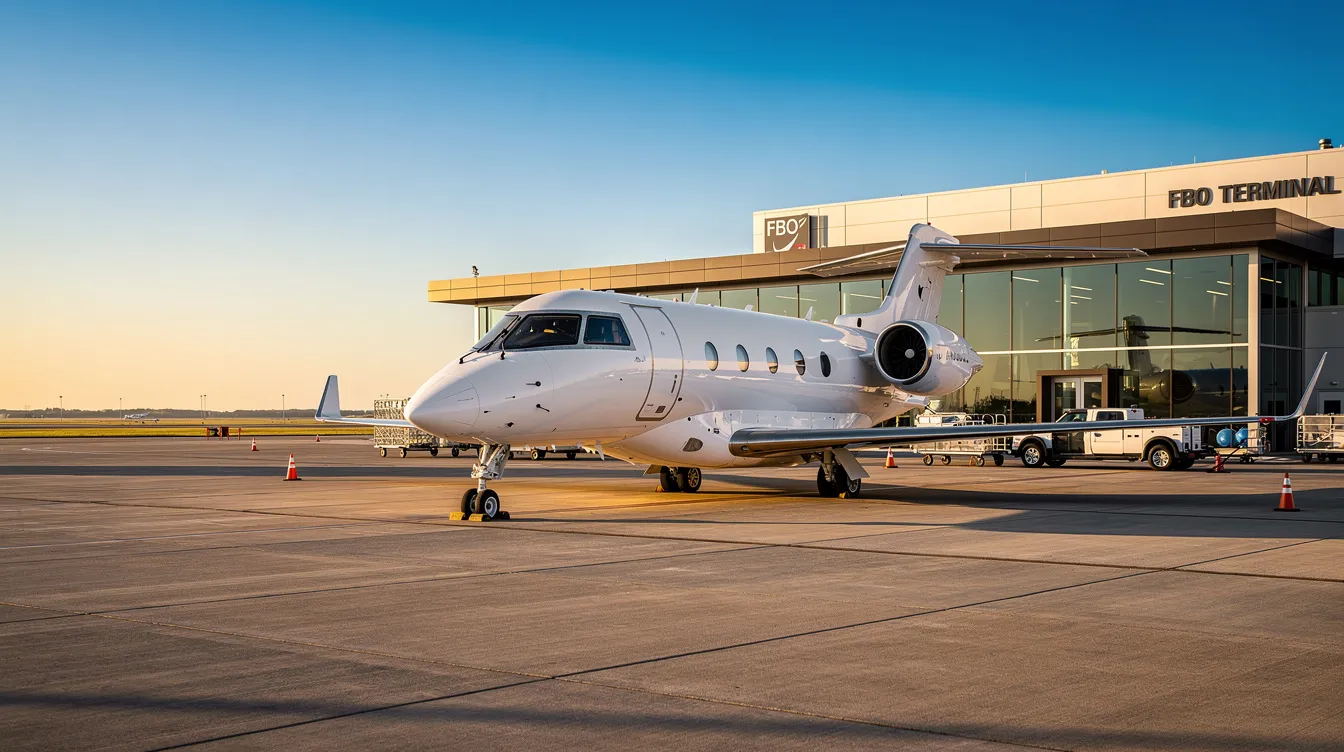
Picture a 7:00 a.m. commercial flight from JFK to LAX. You’re navigating TSA lines, gate holds, and the ripple effects of a late-arriving inbound aircraft. Now picture a 7:00 a.m. private departure from Teterboro. You arrive 15 minutes before departure, board through a quiet FBO, and take off on your schedule.
Private flights are point-to-point missions, not part of a rigid 10-segment daily rotation. This means less knock-on impact from upstream problems—but more sensitivity to that specific aircraft and crew.
Unlike commercial aviation, private aviation allows for more flexibility in adjusting departure times and routes in response to conditions, giving private flyers more control over their travel experience. Operators can shift departures by 60-90 minutes, use alternate airports like White Plains instead of JFK, and adapt in real time to meet specific flight needs, ensuring that individual requirements are accommodated.
But flexibility has limits. All aircraft—whether flying private or commercial—share the same air traffic control system, the same runways during congestion, and the same weather. When a February 2025 Nor’easter hit the Northeast, commercial flights at JFK faced 4-6 hour ground stops with over 1,200 cancellations. Private jets from Teterboro diverted to Bradley or Stewart, experiencing 1-2 hour delays instead of total shutdowns—shorter, but not zero.
Weather Issues
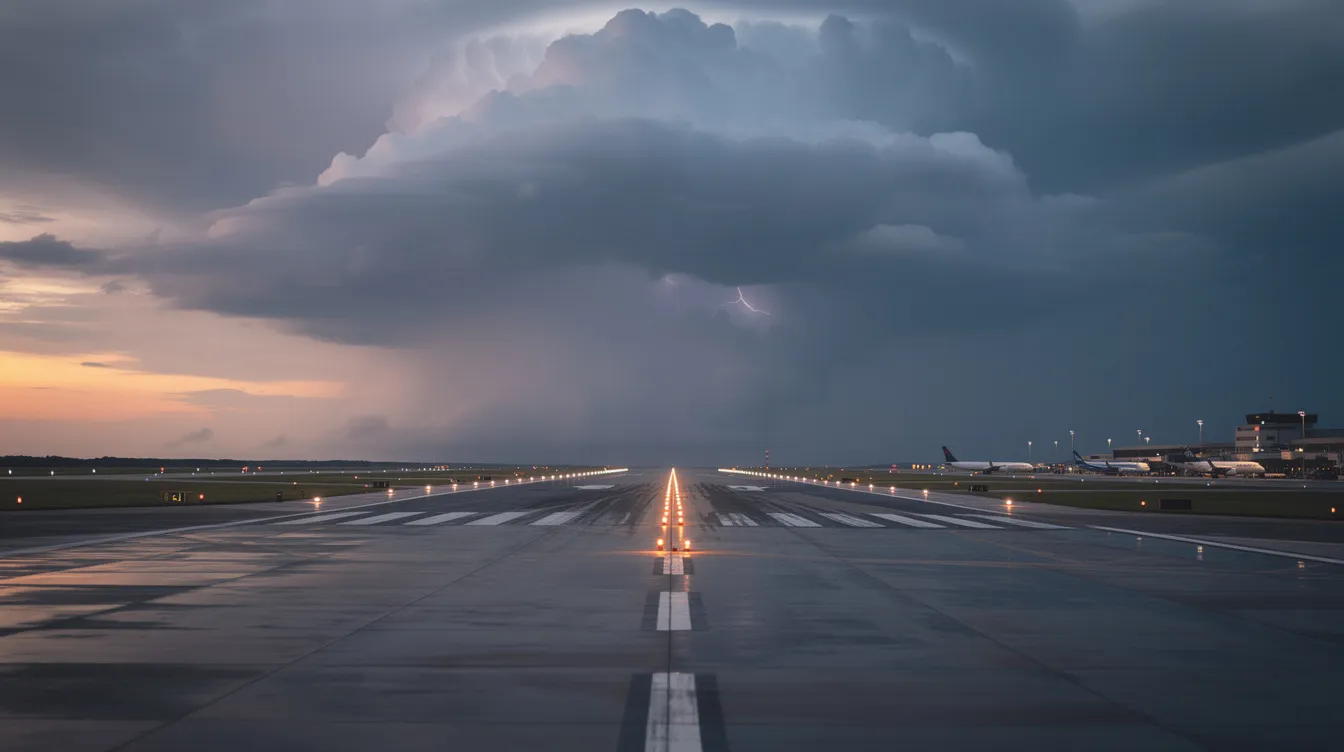
Thunderstorms and Convective Weather
Weather is the primary cause of delays in private aviation, accounting for 40-60% of disruptions. This includes thunderstorms, heavy snow, fog, and high winds affecting flight safety, airport operations, and overall flight scheduling.
From May through September, afternoon thunderstorms delay 25-35% of private flights in the Southeast, Texas, and Northeast corridor.
What happens operationally:
-
Dispatchers and private jet pilots use radar, satellite imagery, and convective SIGMETs to assess conditions and must adjust quickly to changing weather to ensure safety and minimize delays
-
Jets may hold 30-90 minutes for a cell to pass or choose a longer route, avoiding dangerous buildups
-
Private aircraft never intentionally penetrate mature storms due to hail and severe turbulence risks
Smaller private jets can climb faster than many commercial airliners (2,500-3,000 fpm versus 2,000 fpm), helping them dodge storm edges. But no pilot flies through a mature cumulonimbus.
High Winds and Crosswinds
Each aircraft type has certified crosswind limits. A Phenom 300 is certified for 28-knot direct crosswinds on dry runways. A Citation CJ3 may have different limits, and smaller aircraft generally experience more pronounced effects from crosswinds compared to larger jets.
Real-world example: In January 2026, strong crosswinds at Aspen pushed gusts to 35 knots, diverting 20+ private flights to Rifle or Eagle until winds subsided. The trade-off: a 1-hour drive versus a dangerous landing attempt.
Private jets often use shorter runways at executive airports, amplifying wind effects compared to commercial hubs with 10,000+ foot runways. Pilots will propose an alternate with better runway alignment rather than cancel the trip entirely.
Fog and Low Visibility
Fog and low ceilings delay flights by limiting instrument approaches, especially at smaller airports with basic navigation aids.
Early morning fog at Teterboro or London Biggin Hill regularly causes departures to slip 1-2 hours while crews wait for visibility to improve. Many popular private airports lack Category II/III instrument landing systems found at major commercial hubs, requiring diversions to nearby airports when conditions persist. Commercial airports typically have more advanced low-visibility procedures and equipment, making them safer and more reliable during fog and poor weather conditions compared to smaller airports used in private aviation.
Newer jets like the Gulfstream G700 with Enhanced Vision Systems can operate in lower visibility than older Citations. Go-arounds during low visibility are standard safety procedures—not emergencies.
Snow, Ice, and Freezing Rain
Winter operations require deicing with Type I (immediate protection) or Type IV (30-60 minute holdover) fluids. This adds time.
During a December 2025 Northeast storm, private departures from Teterboro faced 45-120 minute delays for runway plowing and deicing backlogs. Strict maintenance standards necessitate inspection of aircraft for even minor ice contamination before takeoff—wing frost disrupts laminar flow and creates stall risk.
Private aviation advantages: smaller queues at deicing pads. Drawbacks: Some remote airports lack certified deicing equipment entirely.
Turbulence, Jet Streams, and Routing Around Weather
Turbulence rarely delays departure, but it strongly influences route, altitude, and fuel planning on longer flights.
During winter 2024-2025, jet stream positioning across the North Atlantic added 20-40 minutes to some transatlantic private flights via altitude changes and reroutes. Pilots may delay departure briefly to catch smoother traffic flows, particularly for anxious passengers or medical transport.
Modern tools like the SkyGuru app can give passengers real-time context for turbulence—why it’s bumpy, when it will smooth out, and what the aircraft is designed to tolerate. Turbulence is uncomfortable but not structurally dangerous within normal flight limits.
Mechanical Problems
Routine Maintenance vs. Sudden Snags
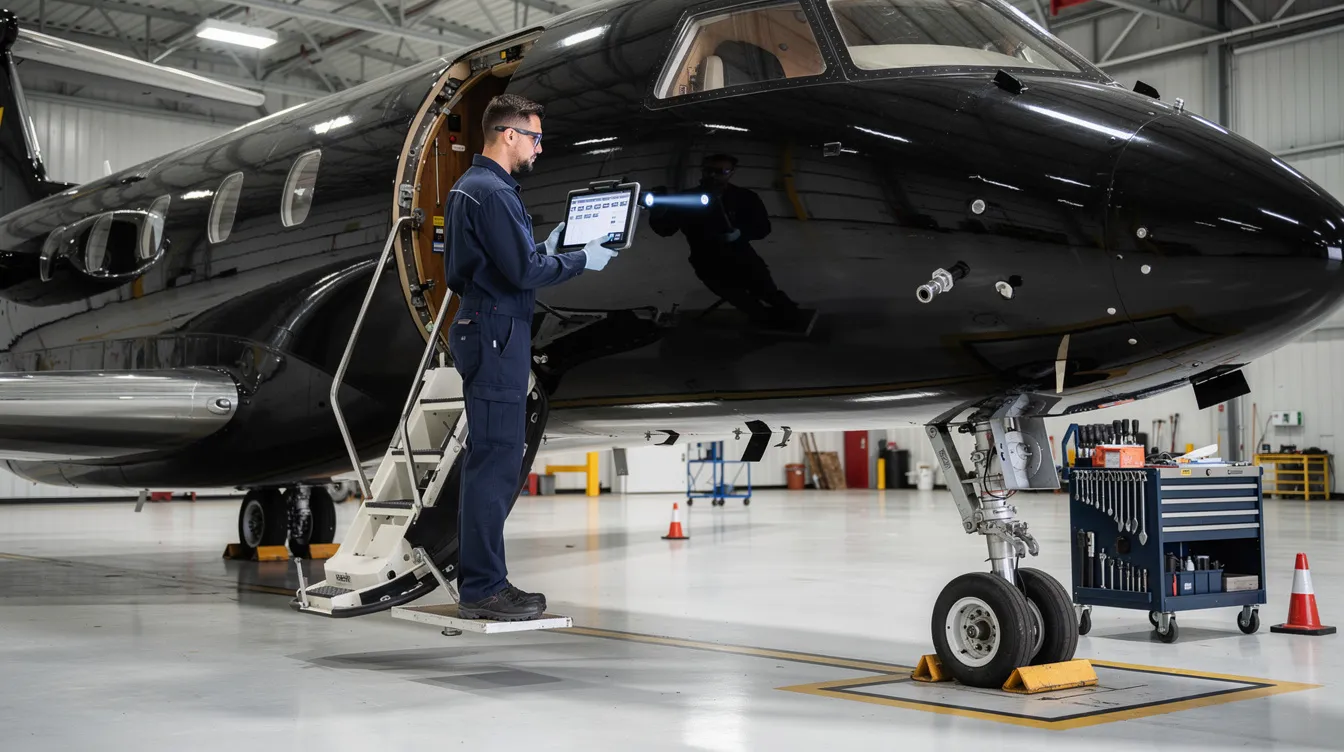
Mechanical delays happen in private aviation. But the context differs because individual aircraft often have dedicated maintenance histories under strict Part 91 or Part 135 regulations. When unexpected maintenance issues arise, they can directly impact aircraft availability, sometimes requiring operators to adjust flight planning or reposition resources to accommodate the disruption.
Any mechanical delay reflects conservative safety margins—not a sign that private aircraft are less safe. Operations remain safe precisely because technicians and pilots follow rigorous inspection protocols.
Planned maintenance includes 300-hour inspections and calendar checks. Unscheduled work happens when issues appear during preflight inspections.
Example scenario: A Citation XLS at Van Nuys finds a minor hydraulic leak during a preflight walk-around. The result is a 2-4 hour delay while a part is replaced. Operators maintain “go/no-go” lists—cosmetic issues can be deferred, but anything affecting safety or flight-critical systems grounds the aircraft immediately.
When you hear “the aircraft is not released yet,” it reflects internal safety checks between maintenance, dispatch, and the pilot in command.
Parts, Logistics, and Remote Airports
When a private jet breaks down away from a major maintenance base—say, a Gulfstream needing a spare part at a small Caribbean airport—logistics become complex.
Parts may arrive by courier or on another aircraft, sometimes turning a 2-hour delay into an overnight wait. At busy hubs like Dallas, Miami, or Geneva, parts and technicians are often available on-site, reducing repair time significantly.
Operators may offer real-time aircraft substitutions if the original jet has a mechanical issue, dispatching a “rescue aircraft” to keep passengers on schedule.
Why Mechanical Delays Can Feel Longer in Private Aviation
Because private flights are custom itineraries, there’s no “next scheduled departure” to rebook onto. Every minute feels more acute.
Commercial airlines can swap aircraft on a route. Smaller private fleets may only have one suitable jet within range. In private aviation, the ability to communicate directly with a dedicated flight team enables quicker decision-making—but the wait can still feel disproportionate to passengers expecting total control.
Understanding what technicians are checking during a delay—rather than imagining worst-case scenarios—significantly reduces anxiety.
Crew Constraints
Duty Time, Rest Rules, and Fatigue Management
Even when the weather is clear and the jet is perfect, crew duty rules and logistics can trigger delays. This became especially visible during post-2020 pilot shortages and intense private flying demand from 2023 to 2025.
Ground handling and staffing shortages can create delays in private aviation alongside crew-specific constraints.
Pilots must comply with FAA regulations on crew duty limits, potentially causing delays if rest periods are not met. Flight crews can only be on duty for a fixed number of hours before mandatory rest.
Example: A crew that flew New York–Dallas–Los Angeles earlier in the day may “time out” if a late-night return leg is delayed past midnight. Operators build buffers into schedules, but ATC delays or weather holds can push crews past legal limits.
Reputable operators will delay or re-crew a flight rather than stretch duty times—even under passenger pressure.
Crew Positioning and One-Way Trips
Private jets frequently operate one-way missions, requiring crews to reposition by airline, ferry flight, or ground transportation.
Scenario: A charter from Boston to Nassau on January 2nd requires the crew to fly in from Chicago. An airline delay pushes the private departure back by hours.
Large events—Super Bowl weekends, major conferences—strain crew availability across the entire aviation ecosystem, causing slight rescheduling industry-wide.
Cabin Crew, Specialty Missions, and Medical Considerations
Some private flights require specific crew compositions: flight attendants, medevac nurses, or language-qualified staff.
Example: A medical escort flight from Miami to São Paulo, where a specialized nurse is delayed by airline service disruptions—this cascades to the private jet departure. Operators will not depart without the required crew, even if pilots and aircraft are ready.
When there’s a medical or emotionally sensitive reason for flying private, delays require especially careful explanation.
How Issues Are Resolved
The real difference in private aviation isn’t the absence of delays—it’s how quickly and creatively operators solve problems, often by adjusting the flight plan in real time to avoid disruptions and maintain flexibility.
Solutions typically involve four tools:
-
Flexible timing, allowing passengers to fly with confidence and adapt to changing conditions
-
Alternate airports
-
Substitute aircraft, with operators sourcing replacement planes as needed to keep travel on track.
-
Real-time ATC coordination, which can include slowing things down during staffing shortages or disruptions, and in some cases, regulatory or staffing issues may ground private jets or limit their operations.
Adjusting Departure Windows and Flight Plans
Ahead of known weather systems or ATC programs, operators may propose leaving earlier or later. Private jets offer greater flexibility in scheduling compared to commercial airlines, allowing travelers to adjust departure times based on real-time conditions and adjust quickly when unexpected disruptions arise.
Example: Departing New York before afternoon summer thunderstorms form can turn a potential 2-hour ground delay into a 30-minute schedule adjustment.
Flight planners work with pilots to adjust routes and altitudes in real time, sometimes changing course while passengers are still at the FBO. Early communication with your charter provider can help adapt flight plans in response to schedule changes and ensure you can adjust quickly to any operational changes.
Using Alternate Airports
Private aviation allows travelers to use smaller, less congested airports, which can significantly reduce delays compared to major commercial hubs. Private jets often have the ability to use smaller regional airports that may be less affected by weather conditions, and in the event of disruptions, the nearest suitable airport becomes a critical factor in managing flight delays.
Metropolitan options include:
|
Region |
Primary |
Alternates |
|---|---|---|
|
New York |
Teterboro |
White Plains, Islip, Morristown |
|
South Florida |
Fort Lauderdale |
Opa-locka, Palm Beach, Boca Raton |
|
Los Angeles |
Van Nuys |
Burbank, Long Beach, Santa Monica |
Private jet diversions occur when an aircraft cannot land at its original destination and must reroute to an alternate airport, often due to real-time conditions and crew judgment. Unlike commercial airlines, which are limited to major hubs, private jets have access to thousands of smaller airfields, allowing for more flexible diversions. The final authority to divert a private jet rests with the pilot-in-command, who must prioritize safety above all else, even in non-emergency situations.
While diversions are often perceived as rare, they’re a common operational reality that responsible operators plan for on every flight. Private jets can face diversions for a variety of reasons, including weather, airport closures, fuel planning, operational concerns, and sometimes even proactively before a situation becomes unsafe.
Substitute Aircraft and “Rescue” Flights
When a jet goes out of service, operators may source replacement aircraft to keep passengers on schedule.
Example: A mechanical fault on a Phenom 300 at Fort Lauderdale on a busy holiday weekend, replaced with a Challenger 300 positioned from Orlando. Sometimes accepting a substitute and a short drive saves hours compared to waiting for repairs.
Working With ATC During System-Wide Disruptions
Air traffic control congestion requires private jets to wait for “wheels-up” times in busy airspace, just like airline flights. Air traffic controllers play a critical role in managing flight operations, especially during disruptions such as severe weather or system-wide delays. When air traffic controller staffing drops, the FAA must slow air traffic to maintain safety margins, resulting in delayed departures, extended taxi times, and longer holding patterns before landing clearance. ATC staffing affects flight operations across the entire aviation ecosystem, causing delays, rerouting, and capacity limitations for both commercial and private jets. These challenges are especially pronounced at major airports, where operational issues like TSA shortages and FAA flight restrictions impact all types of aviation.
During a prolonged government shutdown, non-essential FAA functions slow, but safety-related air traffic control work continues. A prolonged government shutdown impacts capacity limitations at the busiest airports.
During the 2023-2024 summer travel season, ATC delays added routine 30-60 minute waits for private jets into Teterboro. Longer taxi times are signs of careful spacing—not chaos.
Communication, Expectations, and Passenger Anxiety
How delays are communicated often matters more than duration itself. Professional operators provide specific, honest updates: “We’re waiting for fog to lift to 1,800 feet” rather than vague “operational reasons.”
Tools like SkyGuru’s flight and weather data platform complement operator communication by explaining what turbulence, holding patterns, or runway changes mean from an operational standpoint.
What Private Jet Passengers Can Do to Prepare
Practical Scheduling Tips
-
Build buffer time into schedules to help manage potential delays
-
Plan for “defensive scheduling” by choosing early morning departures to avoid cascading delays during peak season
-
Discuss airport and timing flexibility with your operator before your next trip
-
Allow modest flexibility in departure times during major events
-
Plan to ensure your specific flight needs are met, as early booking can help secure the right aircraft and crew for your requirements
For Anxious Travelers
-
Use pre-flight briefings and app-based turbulence forecasts
-
Ask for clear explanations of any delay reasons and consider app support to manage the fear of flying
-
Consider real-time flight commentary tools that turn the unknown into something understandable
Private jets aren’t immune to delays. But when you understand what’s happening behind the scenes—the weather assessments, the safety checks, the crew coordination, and the importance of aircraft availability—those delays become evidence of a careful system working exactly as designed, and tools like SkyGuru for nervous travelers can further demystify what you feel and hear on board. That understanding doesn’t just improve your trip. It transforms how flying feels.
Frequently Asked Questions About Private Jet Delays
Why do private jets get delayed more often in bad weather?
Private jets, like all aircraft, are subject to federal aviation administration safety regulations that prioritize passenger safety. Bad weather such as thunderstorms, snow, fog, and high winds can create unsafe flying or landing conditions, leading to delays. However, private jets often have more flexibility to adjust routes, departure times, or use alternate airports to reduce delay impacts.
How do mechanical issues cause private jet delays?
Technical issues detected during preflight inspections or routine maintenance can ground a private jet until resolved. Since private jets typically have smaller fleets, sourcing parts or substitute aircraft can take time. Operators follow strict maintenance protocols to ensure safety, which may extend delays but prevent in-flight problems.
Can crew constraints lead to flight disruption in private aviation?
Yes. Pilots and crew must comply with FAA duty time and rest requirements. If delays push crew working hours beyond legal limits, operators must replace or rest crew members before departure, causing schedule changes. Crew positioning logistics, especially for one-way trips, can also contribute to delays.
What role does air traffic control staffing play in private jet delays?
Air traffic control staffing shortages can slow flight clearances, increase taxi times, and impose flow restrictions at busy airports. The federal aviation administration manages these constraints to maintain safety, affecting both private and commercial flights. This systemic factor can cause delays even when weather and aircraft are ready.
How do private jet operators resolve delays?
Operators use multiple strategies: adjusting departure windows, selecting alternate airports less affected by weather or congestion, deploying substitute aircraft, and maintaining real-time communication with passengers. This behind-the-scenes flexibility helps minimize disruption and keeps flights on track whenever possible.
Conclusion
Private jet delays, while less frequent and often shorter than commercial flight disruptions, are an inherent part of aviation operations. Weather challenges such as thunderstorms, wind shear, fog, and snow remain the leading causes, alongside mechanical issues and crew constraints. What sets private aviation apart is the behind-the-scenes flexibility—operators’ ability to adjust departure times, reroute flights, use alternate airports, and deploy substitute aircraft. These strategic responses, combined with real-time communication and proactive planning, help mitigate the impact of flight disruption that private jet travelers may experience.
Understanding the operational complexities and safety priorities that drive these delays can ease passenger anxiety and foster trust in the system. While no mode of air travel is immune to delays, private jets offer a uniquely adaptive environment where safety and efficiency are balanced to minimize inconvenience. For travelers seeking insight into what happens behind the scenes, recognizing these factors transforms delays from frustrating unknowns into manageable, well-handled events, and apps that help with fear of flying can make that understanding even more accessible.
FLEET SELECTION
JET CARDS
COST ANALYSIS


How to Auditing Your Operator's Maintenance Logs
Oct 05, 2025

How to Auditing Your Operator's Maintenance Logs
Oct 05, 2025

How to Auditing Your Operator's Maintenance Logs
Oct 05, 2025
Sky Guru Weekly
The smartest private aviation intelligence in your inbox.
.svg)

