




When comparing private jet charter vs jet card options, most first-time private flyers feel overwhelmed by conflicting advice and industry jargon. The truth is simpler than you might think: there are three main ways to fly private, and each suits different travel patterns.
Private jet charter services allow you to rent an aircraft on a per-flight basis—book when you need it, pay for that trip, done. Jet cards provide access to a certain amount of flight time that can be used over a period of time through prepaid hour blocks. Private jet ownership (fractional or full) means buying all or part of an aircraft. Fractional ownership is sometimes referred to as purchasing 'aircraft shares', similar to a real estate timeshare, where you buy a share of an aircraft for a set number of flight hours annually through a fractional program. A fractional program typically requires a larger upfront investment but guarantees aircraft availability, while jet cards are more flexible and lower cost for frequent flyers.
Most leisure travelers and occasional flyers will find themselves choosing between charter and jet cards. Ownership typically makes financial sense only for very frequent flyers or businesses logging 100+ hours annually. This guide stays neutral and educational—we’re not promoting any charter provider or jet card program. While SkyGuru doesn’t sell jets or cards, we help passengers feel calmer on any flight through real-time turbulence explanations and flight stage updates.
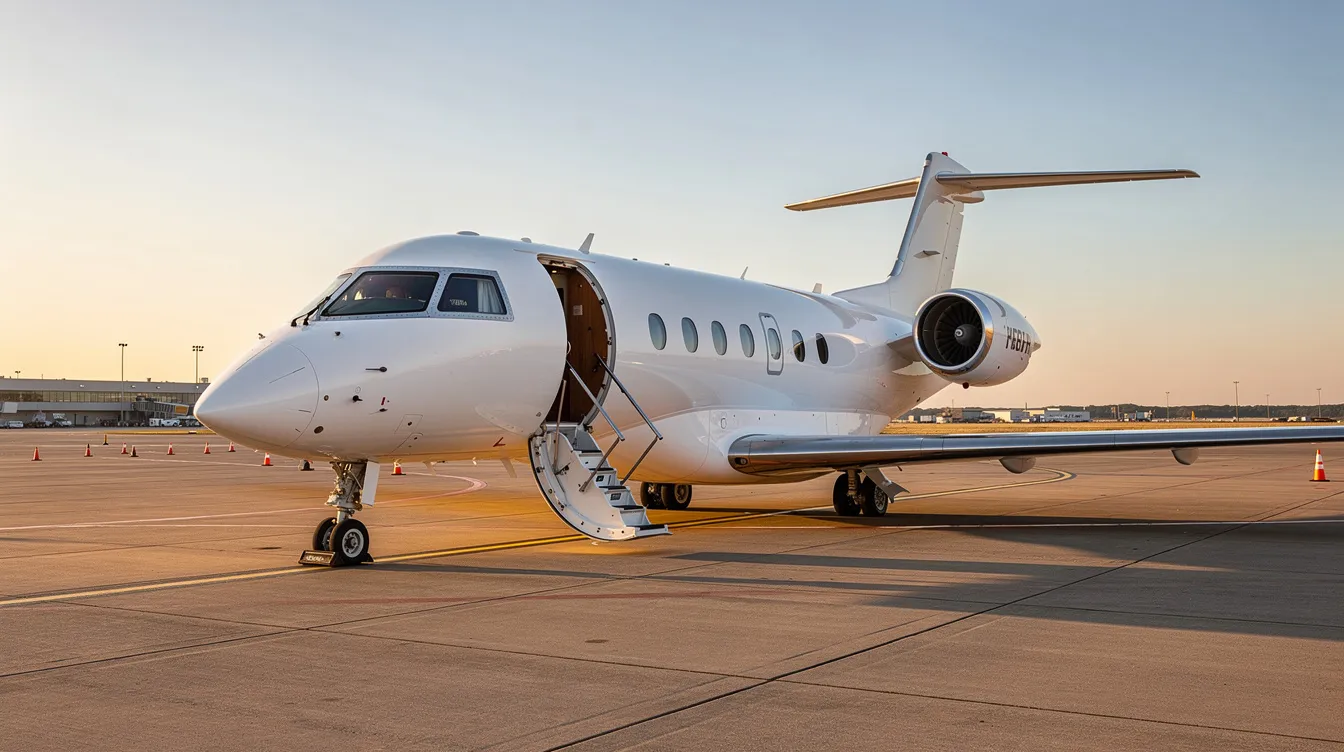
How Each Option Works: Key Differences Explained
Let’s define each fly private option in plain language before comparing costs and flexibility.
Private Jet Charter (Pay-Per-Flight)
Think of on-demand charter like a taxi: you book a specific trip, pay for it, and walk away with no ongoing commitment. Private jet charter operates on a pay-as-you-go model, allowing flexibility for varied trips without long-term commitment. Jet cards often require a prepaid deposit for access to a fixed number of flight hours, while charters do not require any upfront investment.
Typical hourly rates range from $2,500–$5,000 for smaller aircraft like turboprops, $5,000–$8,000 for light jets, $8,000–$12,000 for midsize, and $12,000–$18,000+ for large cabin jets.
Jet Card (Prepaid Hours)
A jet card program works like prepaid ride credits. You deposit funds for a block of hours (commonly 25 hours) and draw against that balance at fixed rates. Jet cards typically require a significant upfront investment, with prices ranging from $150,000 to $400,000 for 25 hours of flight time, depending on the aircraft type.
Jet card holders usually get guaranteed access with 24–72 hours' notice and predictable pricing. Jet card programs typically charge occupied hourly rates, which means you only pay for the time you are actually on board, making this structure often more cost-effective for frequent flyers compared to chartering on a trip-by-trip basis.
Ownership (Fractional and Full)
Fractional ownership allows individuals to purchase a share of an aircraft, making private jet ownership more accessible and reducing the financial burden associated with full ownership. A 1/16th share might give you 50 annual hours. Full jet ownership means you’re solely responsible for everything—purchase price (often $4–70 million), crew salaries, hangar, insurance, and maintenance—while many operators use detailed flight and weather data APIs to optimize routing and comfort.
Fractional ownership typically offers the highest level of access and availability among these options, allowing owners to book flights with as little as 48 hours' notice. In contrast, chartering may require more advanced planning due to operator availability, making fractional ownership the most convenient for those needing short-notice travel.
|
Aspect |
Charter |
Jet Card |
Ownership |
|---|---|---|---|
|
Upfront commitment |
None |
$150K–$400K+ deposit |
$500K–$5M+ (fractional) |
|
Typical user |
Under 25 hours/year |
25–100 hours/year |
100+ hours/year |
|
Booking notice |
Same-day possible |
24–72 hours guaranteed |
4–48 hours |
|
Pricing style |
Variable per trip |
Fixed hourly rate |
Fixed + variable costs |
|
Capital at risk |
Low |
Medium |
Very high |
Cost Comparison: Charter vs Jet Card vs Ownership
Understanding the money side helps clarify which charter options make most sense for your situation.
Charter Costs
With demand charter, you pay per trip: flight hours, taxes, positioning fees, and surcharges for fuel, de-icing, or overnight crew. Additional fees for ground transportation services may also apply and are often charged separately from the flight itself. Chartering a flight is often more flexible and economical for occasional flyers, as it allows you to pay only for the flights you take without the commitment of a jet card. Chartering a private jet is generally more cost-effective for those flying fewer than 150-200 hours annually, as it eliminates the need for upfront commitments and ongoing ownership costs.
Jet Card Costs
Jet cards allow for predictable financial planning with fixed hourly rates that are immune to fuel price spikes or repositioning fees. However, hourly rates for jet cards can be higher than those for on-demand charters, especially as market conditions fluctuate, making chartering a more appealing option for many travelers flying infrequently.
Additional charges may include peak day premiums (10–20%), annual membership fees ($2,000–$5,000), and fuel surcharges.
Ownership Costs
Full ownership demands the purchase price plus $500,000–$2 million annually for crew, hangar, insurance, and maintenance. However, owners in fractional ownership programs typically enjoy lower occupied hourly fees compared to charter rates, making it a cost-effective option for frequent flyers at high volumes. Some jurisdictions offer tax benefits through depreciation, though you should consult a tax professional.
|
Profile |
Annual Hours |
Charter Cost |
Jet Card Cost |
Fractional Cost |
|---|---|---|---|---|
|
Occasional |
5–10 hours |
$30,000–$80,000 |
N/A (inefficient) |
N/A |
|
Regular |
30–50 hours |
$180,000–$400,000 |
$200,000–$350,000 |
N/A |
|
Heavy |
150+ hours |
$900,000+ |
$750,000–$1M |
$600,000–$900,000 |
Jet cards typically require a significant upfront investment and are best suited for those who plan to fly more frequently, while chartering is more cost-effective for those flying less often. The capital risk differs significantly: charter keeps your money liquid, private jet cards lock deposits with a charter provider, and ownership puts the most capital at stake.
Flexibility and Convenience: How Easily Can You Fly?
Booking Timelines
Chartering a private jet offers flexibility in scheduling, allowing travelers to arrange flights within a reasonable timeframe, although it may not guarantee immediate access on short notice. Jet card programs generally provide quicker access to aircraft, especially during peak demand periods, compared to traditional chartering, which may have more limitations based on aircraft availability.
Fractional ownership typically offers the highest level of access and availability, allowing owners to book flights with as little as 48 hours’ notice, while chartering may require more planning due to operator availability.
Aircraft Choice
Private jet charters offer flexibility in aircraft selection, allowing travelers to tailor their choices according to specific trip requirements—different aircraft types for each mission. Jet cards tie you to an aircraft category (light jets, midsize, etc.) with upgrade fees. Ownership locks you into your specific aircraft class.
Peak Travel
Jet cards guarantee a plane will be available, even during peak periods where charters may be unavailable. Charter flights during Christmas or major events can spike 50%+ with limited access. Fractional owners enjoy guaranteed availability even during blackout dates that affect other programs.
Quick Comparison Table
|
Feature |
Charter |
Jet Card |
Ownership |
|---|---|---|---|
|
Aircraft Choice |
Maximum aircraft choice, any right aircraft, any route |
Limited access to specific categories, upgrade fees |
Highest control, limited to your aircraft |
|
Availability |
Variable availability, price volatility |
Guaranteed access, predictable pricing |
Highest control, range-limited, highest commitment |
|
Peak Travel |
May be unavailable or expensive during peak periods |
Guaranteed access during peak periods |
Guaranteed availability, even during blackout dates |
More flexibility reduces travel stress—especially important for anxious flyers, especially those exploring apps that help with fear of flying. Tools like SkyGuru further reduce stress by explaining flight time events, turbulence, and sounds during any private flights or commercial journey.
Safety, Comfort, and Peace of Mind
Safety Oversight
Safety standards across reputable private aviation remain high, though management differs between options.
-
Charter: Depends on operator; reputable charter broker services prioritize ARGUS/Wyvern-audited operators
-
Jet cards: Work with Vette, the entire fleet network, and standardized criteria
-
Ownership: Managed by your chosen company; you control standards (and costs)
Comfort
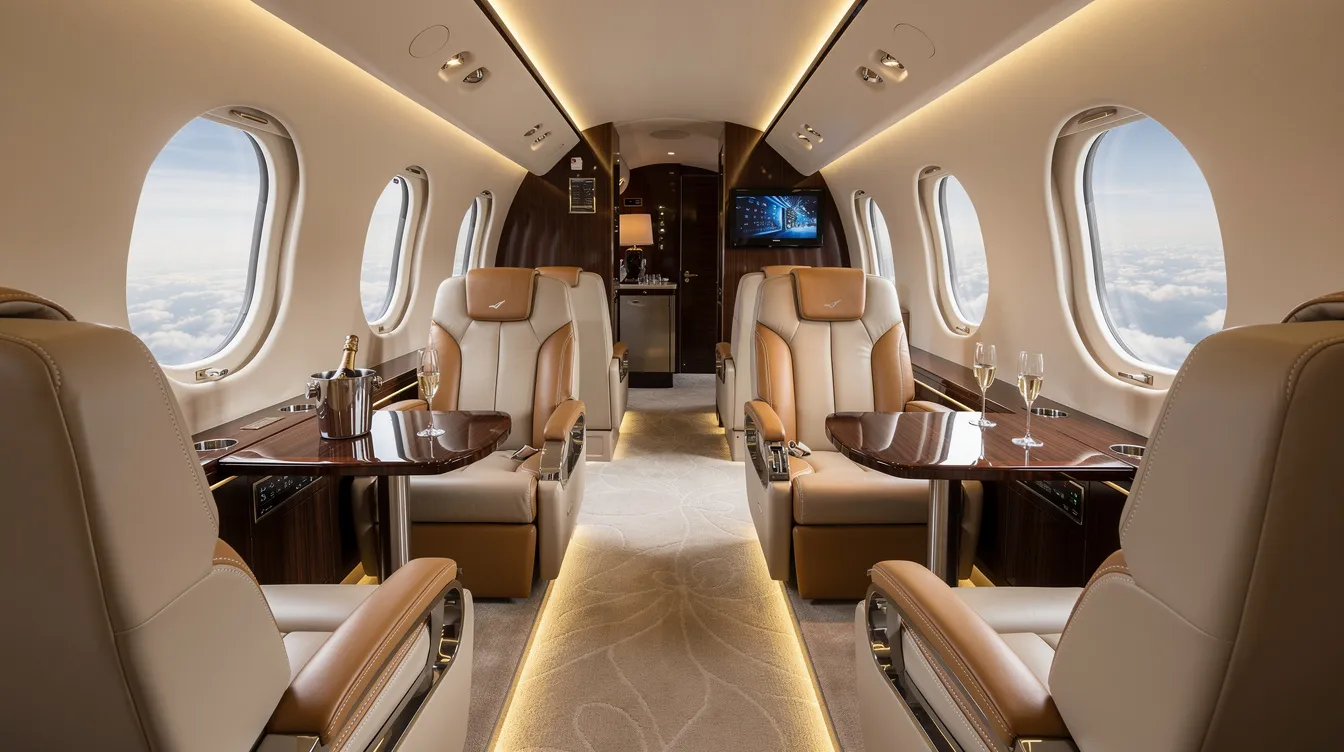
All options offer more space, privacy, and quieter cabins than commercial flying. Ownership allows bespoke interior customization. Charter and jet cards let you pick cabin amenities on a trip-by-trip basis.
Even on a private plane, turbulence and unfamiliar sounds can trigger anxiety, particularly for travelers dealing with a fear of flying that affects everyday life. Apps like SkyGuru help passengers understand what’s happening during flight stages, making private jet travel feel safer and more predictable.
Which Option Is Right for You? Practical Decision Guide
Choosing between private jet charter, jet card, and ownership comes down to your travel pattern, budget, and preference for predictability.
Choose private jet charter if:
-
You fly fewer than 25 hours privately annually
-
You want to fly private without upfront deposits
-
You value aircraft variety over consistency
-
Price variation per trip doesn’t concern you
Choose a jet card if:
-
You expect 25–100+ hours flown annually
-
Frequent travelers can save time by avoiding the need to review quotes and negotiate prices for every trip when using jet cards
-
You need guaranteed availability during peak travel
-
Jet cards are typically better suited for frequent business travelers due to their predictable pricing and simplified booking process
Consider ownership if:
-
You or your company flies 100–200+ hours annually
-
You can handle significant upfront capital
-
Maximum schedule control matters most
-
You want a fractional share or full ownership for long-term commitments
Decision Checklist:
-
Do you fly 25+ hours annually? → Consider jet cards
-
Is your schedule unpredictable? → Charter offers flexibility
-
Do you prefer fixed rates over negotiating? → Jet cards win
-
Can you commit $150K+ upfront? → Jet cards become viable
-
Flying 100+ hours? → Fractional ownership compare options
Choosing between private jet charters and jet cards depends on annual flight volume and the need for price predictability. Frequent business travelers value guaranteed availability and fixed hourly rates provided by jet cards, making them ideal for consistent service, but those with a fear of flying should also consider how they’ll manage anxiety in the air.
Quick Comparison Checklist: Jet Card vs Charter vs Ownership
Fast snapshot: Private jet charter
-
Best for: Under 25 flight hours annually
-
Upfront commitment: None
-
Cost predictability: Low (market-driven hourly rates)
-
Flexibility: Highest (any right aircraft, any route)
-
Ideal user: Occasional leisure travelers, specific trip needs
Fast snapshot: Jet card
-
Best for: 25–100+ hours annually
-
Upfront commitment: $150,000–$400,000+ deposit
-
Cost predictability: High (fixed hourly rate, no repositioning fees)
-
Flexibility: Medium (aircraft category limits, many programs available)
-
Ideal user: Frequent flier, regular business travel
Fast snapshot: Ownership
-
Best for: 100–400+ hours annually
-
Upfront commitment: $500,000–$5M+ (fractional), millions (full)
-
Cost predictability: High fixed costs, variable fuel/handling
-
Flexibility: Highest control, limited to your aircraft
-
Ideal user: Corporate teams, fractional owners seeking maximum access
FAQs: Private Jet Charter vs Jet Card vs Ownership
Is a jet card cheaper than charter?
Not necessarily per hour. Jet card pricing often runs 5–10% above market charter pricing. However, you trade the lowest possible price for predictable pricing and guaranteed access without fuel surcharges or positioning fees, surprising you.
How often should you fly to justify private jet ownership?
Full ownership typically makes financial sense at 200+ hours annually. Fractional jet ownership becomes viable around 50–100+ hours, depending on aircraft category and your monthly management fee tolerance, and operators increasingly rely on aviation turbulence and route data APIs to plan smoother, more efficient flights.
Can I switch between charter, jet cards, and ownership?
Absolutely. Many travelers start chartering offers, graduate to a membership program as hours grow, then consider fractional ownership programs. There’s no permanent lock-in unless contracts specify.
What happens if my jet card provider goes out of business?
Your prepaid deposit could be at risk. This is why some travelers prefer charter’s pay-as-you-go model—you’re never paying more money than your next flight. Due diligence on provider stability matters.
Is flying private safer or smoother than flying commercial?
Both operate under strict FAA regulations. Turbulence affects all aircraft regardless of size. Understanding what happens during flights—through tools like SkyGuru, a media‑praised app for nervous flyers—makes either option feel much safer by explaining sounds, bumps, and flight stages in real time.
Conclusion: Deciding How You’ll Fly Private
There’s no universal winner in the debate of private jet charter vs jet card vs ownership. Charter works best for low-frequency flyers wanting minimal commitment. Jet cards suit regular private aviation users who value predictable costs. Ownership fits very frequent users ready for a significant financial commitment.
Start by estimating your annual hours and budget. Regardless of how you choose to fly—chartering a private jet, using private jet cards, or fractional ownership—understanding what happens in the air reduces stress. SkyGuru’s real-time flight information app provides real-time explanations of turbulence, flight stages, and sounds to help anxious flyers feel more in control on any journey.
FLEET SELECTION
JET CARDS
COST ANALYSIS


How to Auditing Your Operator's Maintenance Logs
Oct 05, 2025

How to Auditing Your Operator's Maintenance Logs
Oct 05, 2025

How to Auditing Your Operator's Maintenance Logs
Oct 05, 2025
Sky Guru Weekly
The smartest private aviation intelligence in your inbox.
.svg)

