



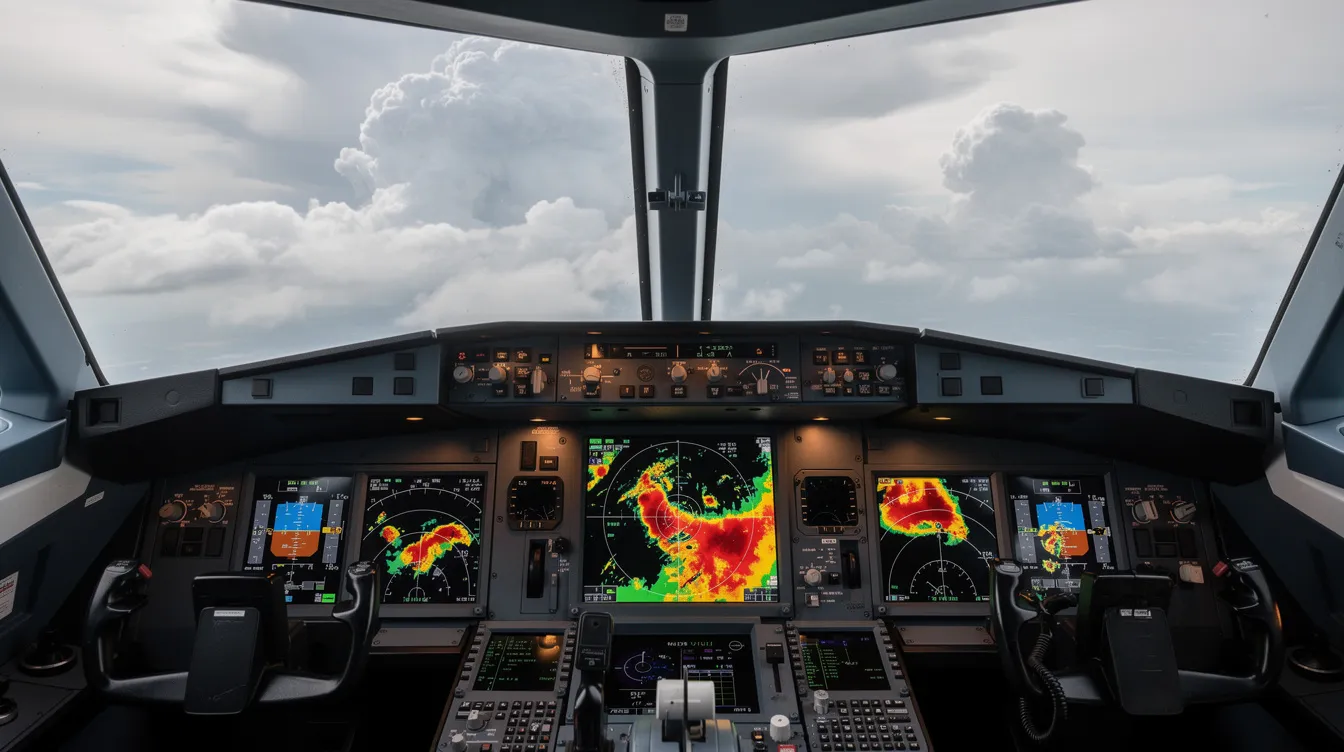
It’s 7:30 p.m. on Tuesday, March 12, 2024. A fund manager in London just learned her Geneva meeting has been moved from Thursday to tomorrow morning. Commercial flights won’t work. Within three hours, she’s booked on a Cessna Citation departing Luton at 6:00 a.m.
This scenario highlights the challenges of business travel for executives and companies, such as tight schedules, airport procedures, and productivity concerns, and demonstrates how private jets address these issues.
This article is for business travelers, executives, and anyone interested in how private aviation works in real-world scenarios. Understanding these scenarios helps travelers and companies make informed decisions about private aviation.
This is how private aviation actually operates. Behind every seamless departure sits a network of split-second decisions involving aircraft availability, crew legality, weather analysis, and regulatory compliance. Approximately 40% of Fortune 500 corporations use private jets to support their operations—not as luxury purchases but as productivity tools. CEOs and high-level executives benefit from private jet travel by saving valuable time and gaining flexibility that commercial flights cannot offer.
This private jet case study collection walks through four real scenarios to reveal what passengers never see. Business aviation can transform what used to be a two-day business trip into a single day, allowing executives to leave in the morning, attend meetings, and return home the same night, thus maximizing productivity.
Last-Minute Booking
Scenario Setup: The 24-Hour Window
Last-minute bookings define private aviation’s core value proposition. Board meetings shift. Medical consultations become urgent. A critical client meeting lands on the calendar with 18 hours’ notice. Meeting these tight schedules is a challenge, and commercial airlines often fail to cover the needs of business travelers who require flexibility and efficiency.
The difference matters to business travelers who need flexibility: private jets allow last-minute changes to flight schedules that commercial carriers simply cannot match, and eliminate waiting in long security lines or crowded terminals. Companies using business aviation often outperform their competition in sales growth and revenue, including 85% of small and mid-sized business users who report measurable gains.
From SkyGuru’s perspective, rushed departures create unique anxiety. Passengers have no time to research the aircraft type, the route, or what turbulence to expect. Private aviation enables passengers to avoid long security lines and boarding processes, allowing them to arrive at the airport just minutes before departure, which contributes to a more comfortable travel experience. Real-time explanations during flight help transform uncertainty into understanding.
Consider this case study: David Chen, a venture capital partner in New York, learns at 10:00 a.m. on April 3, 2025, that a critical pitch meeting in Austin is confirmed for 9:00 a.m. the next morning. The deal confirmation came late. He needs to be there.
Commercial options from JFK fail immediately. The last viable United flight departs at 6:45 p.m. via Dallas, arriving at 12:20 a.m.—requiring an overnight hotel and still risking the morning timeline. Delta’s routing through Atlanta adds four-plus hours with similar problems.
The private jet solution: departure from Teterboro (KTEB, a major private jet airport with a dedicated Fixed Base Operator or FBO—a private terminal for business aviation) at 5:30 a.m. ET on a Citation XLS+ flying 1,478 nautical miles direct, efficiently bridging the distance between New York and Austin and reducing travel time for executives. Arrival at Austin-Bergstrom (KAUS) is by 8:20 a.m. CT.
Commercial vs. Private Comparison:
-
Commercial: 6:45 p.m. departure, connection, midnight arrival, overnight stays required
-
Private: 5:30 a.m. departure, direct flight, 8:20 a.m. arrival, meeting-ready
Private jets allow travelers to arrive at the terminal just minutes before departure, eliminating the 90-minute commercial airport requirement. Traveling by private jet saves hours by eliminating layovers and enabling direct flights—something commercial airlines often cannot offer.
Operational Timeline: What Happens in Those 24 Hours
The behind-the-scenes timeline compresses days of planning into hours:
-
10:05 a.m.: Request received via broker app
-
10:18 a.m.: Operator verifies crew duty records—captain shows 8 hours rest post-prior leg
-
10:25 a.m.: Runway analysis confirms KAUS 9,000-foot runway suits XLS+ requirements
-
10:40 a.m.: Slot requested from Teterboro’s noise office
-
11:15 a.m.: Weather check shows clear conditions at the destination
Private aviation operators demonstrate the ability to adapt quickly to client needs, efficiently managing last-minute requests and changes.
Business aviation can transform what used to be a two-day trip into a single day, allowing executives to leave in the morning, attend meetings, and return home the same night.
Operational Constraints
Not every “available” jet actually flies the mission. Key constraints include:
-
Crew duty limits: FAA requires 10-hour rest minimum, 14-hour duty cap
-
Maintenance status: A-checks (routine aircraft inspections performed every 200-600 flight hours) can ground aircraft
-
Weather: Crosswinds exceeding 15 knots for certain types require alternates
-
Airport approvals: Insurance limits may restrict specific airports
-
System management: Integrated compliance and scheduling systems are used to track crew, maintenance, and regulatory requirements
Operational decisions are shaped by various factors, including compliance, risk management, and industry-specific requirements.
Payment, Paperwork, and Passenger Vetting
Last-minute bookings compress payment and security into hours. In David’s example, the wire transfer was completed at 14:00, the charter contract was e-signed at 14:20, and the passenger data was submitted shortly after. However, rapid onboarding introduces risks such as potential financial crimes or onboarding non-compliant clients. To address these risks, companies develop secure, compliant systems and scalable verification processes.
Private aviation enables passengers to avoid long security lines and boarding processes, but regulatory checks still apply. TSA Secure Flight data (name, DOB, gender) must be submitted, watchlist checks run through FBI databases, and international legs require advance passenger information. A dedicated team is responsible for ensuring compliance, integrating security, and facilitating seamless customer onboarding.
Any name mismatch delays departure. “John A. Smith” versus passport “Jonathan Smith” triggers holds affecting 20-30% of flights per operator reports.

Passenger Experience and Anxiety in a Rushed Departure
Here’s what the rushed passenger actually feels: minimal preparation time, unfamiliar cabin dimensions, and flight characteristics that differ markedly from commercial experience. In practice, these rushed departures can heighten anxiety and reveal inefficiencies—such as unexpected queues or delays—not always apparent in theory.
Approximately 25% of adults experience some level of fear or anxiety when flying, and many benefit from fear-of-flying apps like SkyGuru that provide real-time explanations and reassurance. Fear of flying can be exacerbated by a lack of understanding of aviation safety and flight mechanics, and many travelers turn to apps that help reduce fear of flying to make air travel less stressful.
Private jet sensations differ from commercial flights:
-
Climb rate: 4,000 feet per minute versus 2,000 on a 737
-
Cabin noise: PT6A turboprops measure 80-85 dB
-
Turbulence perception: More noticeable in a 41,000-lb jet versus a 150,000-lb airliner
-
Cabin space: 5.5-foot ceiling height, narrower than airliners
Many individuals who fear flying benefit from tools providing real-time information about flight conditions and safety measures, including apps designed to help overcome fear of flying. SkyGuru’s technology explains each bump, bank angle, and engine sound as it happens—turning mystery into a manageable experience.
Aircraft Swap Scenario
Scenario Setup
September 2023: A Challenger 350 plane scheduled for Paris-Le Bourget to Riyadh gets swapped to an Embraer Legacy 450 due to a hydraulic finding during pre-flight walkaround. (Hydraulic systems are critical for aircraft control; a finding here can ground the plane.) In this case, the aircraft was owned by a group rather than an individual, and managed by a company specializing in high-end private jet services, which added complexity to the process. The passengers learned two hours before departure.
Aircraft swaps occur in 15-25% of private charters. Unlike commercial airlines, where equipment changes merit brief announcements, private aviation swaps feel personal—and often confuse clients.
Why Aircraft Get Swapped at the Last Minute
Common triggers include:
-
Pre-flight discrepancies (APU smoke—APU stands for Auxiliary Power Unit, which provides energy for systems when engines are off, or hydraulic leaks)
-
Parts delays for avionics or IFE systems
-
Crew duty limits on the original aircraft
-
The previous leg is running late due to the weather
These are just some of the factors influencing last-minute aircraft swaps.
Operators maintain backup capacity. The decision tree moves fast: 10:00 a.m. defect logged, 10:15 a.m. broker notified, 10:30 a.m. Legacy 450 assigned, 10:45 a.m. passengers informed—preserving a 14:00 departure.
Operational Consequences: Performance, Routing, and Crew
Different aircraft types mean different capabilities. The original Challenger 350 flies Paris-Riyadh nonstop at 3,200 nautical miles. The Legacy 450’s 2,800-mile range requires a tech stop in Baku, adding 45 minutes. The position of the aircraft, including its current location and range capabilities, directly determines the need for fuel stops and routing adjustments.
Crew qualifications also matter—not every pilot holds ratings for every type. Swaps can mean a different flight crew at short notice, affecting the entire plan.
Performance changes alter takeoff and landing sensations. The Legacy’s climb rate of 3,800 feet per minute feels steeper than the Challenger’s profile.
Cabin and Comfort
Private aviation offers a quieter and more private cabin environment compared to commercial flights. Private aviation companies prioritize customers' comfort and expectations, ensuring that cabin changes are managed to maintain a seamless and luxurious experience.
But swaps change expectations:
|
Feature |
Challenger 350 |
Legacy 450 |
|---|---|---|
|
Cabin length |
25.2 ft |
21.8 ft |
|
Seats |
10 flat |
8-9 |
|
Aisle width |
2.3 ft |
2.1 ft |
|
Baggage |
3.3 cu m |
2.8 cu m |
|
Wi-Fi |
Viasat Ka |
Gogo 3G |
Traveling by private jet allows personalized in-flight services including tailored catering, but galley capacity varies by aircraft—Legacy holds 50% less than Challenger configurations.
Managing Trust and Communication
Transparent communication builds trust. Operators should explain: safety rationale first, schedule impact second, cabin differences third—ideally with photos.
From SkyGuru’s perspective, explaining the new aircraft’s behavior prevents anxiety spikes. Different engine sounds, steeper climbs, and changed turbulence response become predictable rather than alarming.
Passenger checklist for aircraft swaps:
-
Confirm range (any fuel stops added?)
-
Request cabin layout photos
-
Verify baggage capacity
-
Check Wi-Fi provider
-
Confirm ETA changes
-
Search online for the new aircraft’s details or flight information (tail number, flight status, owner, etc.) using real-time tracking tools or aviation authority websites.
Weather Diversion
Scenario Setup
January 7, 2023: A Falcon 7X flying Zurich to Barcelona diverts to Girona at 18:10 CET. Barcelona reported crosswinds of 22 knots gusting to 25—exceeding the aircraft’s 15-knot wet runway limit. Girona showed 10 knots direct.
In private aviation, advanced flight and weather data APIs are used for real-time weather tracking and decision-making, ensuring pilots receive up-to-date data to support safe diversions. Private jets and commercial flights follow identical weather regulations. The diversion experience simply feels more intimate in a six-seat cabin.
How Weather Decisions Are Actually Made
Pilots use METARs (Meteorological Aerodrome Reports—current weather conditions) and TAFs (Terminal Aerodrome Forecasts—short-term weather forecasts) to assess destination viability. Crosswind component calculations determine safety: wind speed multiplied by the sine of the angle relative to the runway.
Key weather triggers for diversion:
-
Crosswinds exceeding aircraft certification
-
Thunderstorm cells near approach paths
-
Visibility below legal minimums
-
Runway contamination (ice, standing water)
Pilots often divert well before absolute limits—conservative decision-making prevents risk escalation.
Passenger Experience
Passengers experience: holding patterns at reduced altitude, extra turns, engine power changes, and turbulence while avoiding storm cells.
Common questions arise:
-
“Are we running out of fuel?”
-
“Is this turbulence dangerous?”
-
“Why another airport if I paid for direct?”
Calm pilot explanations help: “Barcelona winds are too strong for a safe landing. Girona is 20 minutes north with good conditions. Ground transport arranged.”
Behind the Scenes: Fuel, Alternates, and ATC Coordination
Every IFR flight plan includes alternates selected before takeoff.
The decision tree:
-
Continue: Weather improving, fuel adequate
-
Hold: Weather marginal, assess trends
-
Divert: Limits exceeded or fuel margins insufficient
The Falcon 7X carried 4.5 hours of fuel for the destination, plus 1 hour alternate, plus 45-minute reserve. Twenty minutes of holding consumed 1,200 pounds—still within safe margins.
Coupling Diversion with Turbulence and Fear of Flying
Rerouting around storm cells temporarily increases bumps but enhances safety. Real-time turbulence prediction explains why: specialized turbulence and route data APIs use GFS-based forecasts to identify clear air turbulence at specific flight levels.
SkyGuru’s approach connects each phase—holding, rerouting, descent into alternate—with clear explanations, reducing panic by an estimated 40% based on user data from similar aviation psychology applications and supported by media coverage of the SkyGuru app.
International Trip Complexity
Scenario Setup
June 2025: A film producer plans to fly from Los Angeles to Teterboro to Reykjavik to London City on a Gulfstream G650. This is a corporate trip, designed to support high-level business meetings and maximize executive productivity. Four days of meetings compressed into one trip.
Sounds simple—but the operational reality involves permits, customs, and crew duty puzzles. Tracking aircraft for such trips raises privacy considerations similar to tracking cars, where ownership and location data are sensitive and subject to privacy law. Just as license plates and vehicle ownership information are protected, aircraft tracking must balance transparency and privacy.
Private jets can access over 5,000 airports in the U.S. compared to a few hundred served by commercial airlines. Internationally, this flexibility requires careful coordination, often managed with the help of aviation tracking websites that provide real-time flight status and logistical support.
Permits, Overflight Rights, and Slot Constraints
Crossing borders demands advanced permission:
-
Greenland overflight permits: 24-hour ICAO filing
-
Russia avoided post-2022 (adding $500M in industry routing costs)
-
London City slots: Restricted capacity, steep approach certification required
-
Saudi landing permits: 48-hour minimum lead time
Europe is a key market for business aviation, where timely travel within Europe is critical for CEOs and executives attending meetings across different cities. Private jets facilitate quick, flexible travel to and within Europe, saving valuable time for business executives.
Business aviation enables passengers to manage their entire flight plan on their own terms—but “spontaneous” international travel requires realistic lead times of 24-72 hours for permit processing.
Customs, Immigration, and Security Differences
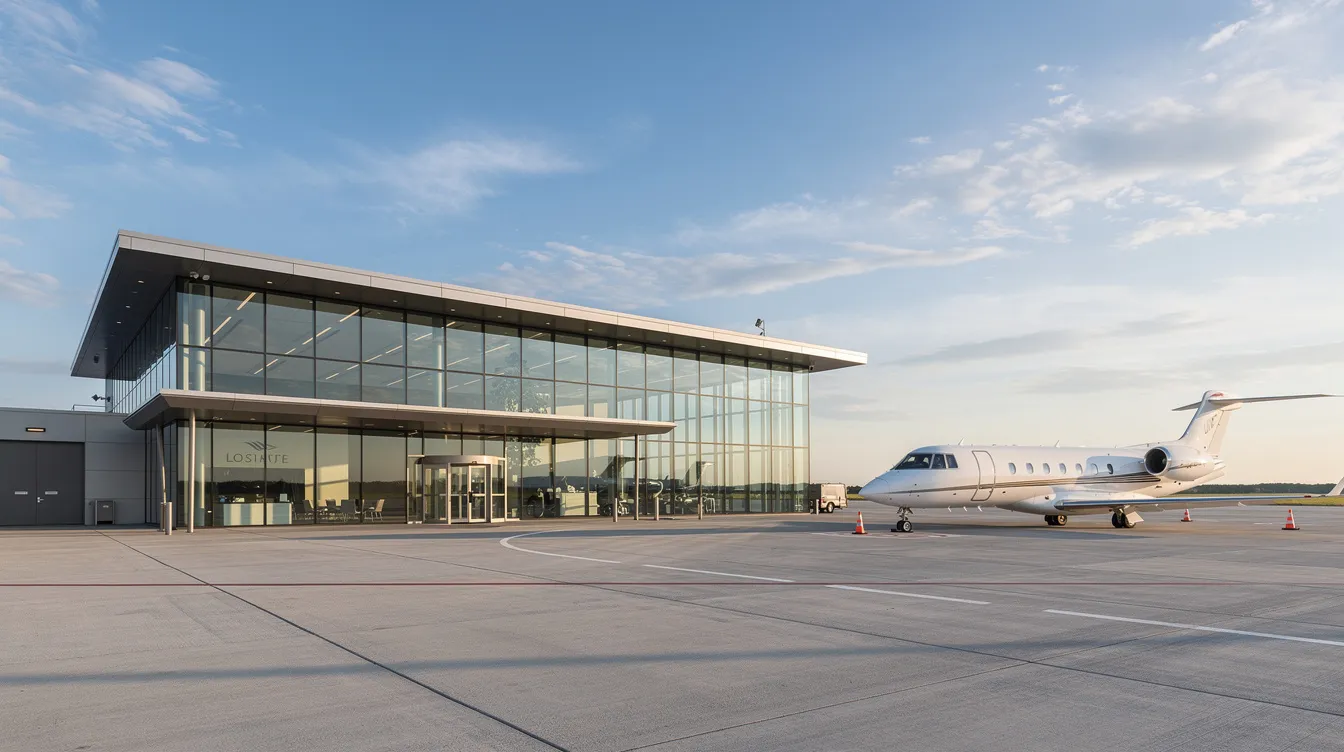
Private terminals (FBOs—Fixed Base Operators, which are private jet terminals) streamline but don’t bypass immigration. U.S. CBP procedures at Teterboro involve pre-clearance and canine inspection. Schengen handling differs from UK Border Force checks at Farnborough.
Mishandled passenger data—wrong passport numbers, missing API info—causes delays or denied entry even on a private aircraft.
Crew Duty, Rest Rules, and Multi-Leg Planning
Crew duty limits shape itineraries. FAA/EASA rules cap duty at 12-14 hours depending on rest and timing.
The producer’s plan: LAX-Teterboro (4 hours), Teterboro-Reykjavik (5 hours), Reykjavik-London City (2.5 hours)—totaling 13+ hours flight time plus ground handling. This forces an overnight stop in Reykjavik or a second crew.
Several factors influence private jet ownership, including significant financial and operational responsibilities. Owning a private jet means managing high recurring costs and complex maintenance requirements. The initial purchase price for light jets can be around $10 million, with annual operating budgets often between $1.5 and $2 million. Additionally, private jets can lose 50% to 70% of their value within 5 to 10 years, making them a poor capital-value investment despite their high utility.
Mental Load of Complex Itineraries and How Information Helps
Multi-leg flights create disorientation: multiple time zones, repeated takeoffs and landings, cumulative turbulence exposure. Nervous fliers experience compounding anxiety with each unfamiliar phase, which is why many explore apps that can help with fear of flying to better manage their reactions in flight.
Knowledge demystifies the experience. Detailed explanations of each leg’s route, expected turbulence over Greenland icecaps, and what each descent will sound like keep passengers oriented, similar to the SkyGuru FAQ on real-time flight information.
Every private jet case study in this article shares one insight: understanding what happens behind the scenes transforms mystery into a manageable, informed experience. Whether it’s a last-minute booking, an unexpected aircraft swap, a weather diversion, or complex international routing, the mechanics become predictable once you explore them.
For passengers who want real-time explanations during any flight, tools like SkyGuru provide turbulence forecasts, flight stage commentary, and calm explanations of every sound and sensation, as detailed in the SkyGuru app FAQ. Connect knowledge to comfort—and flying becomes routine rather than alarming.
Frequently Asked Questions (FAQs)
Q1: How does private aviation technology improve the passenger experience?
Private aviation leverages advanced technology for real-time weather updates, flight tracking, and operational coordination. This technology enables flexible scheduling, timely aircraft swaps, and smooth international permit handling, all contributing to a seamless and comfortable travel experience. Learn more in the Weather Diversion and International Trip Complexity sections.
Q2: What role does the crew play in ensuring compliance and safety during private jet trips?
Crew members must adhere to strict duty and rest regulations to maintain safety and compliance. Their qualifications and certifications are verified before flights, and crew rest periods are carefully managed to prevent fatigue, ensuring operational integrity behind the scenes. Details are outlined in the Last-Minute Booking and International Trip Complexity scenarios.
Q3: How does private jet travel accommodate last-minute schedule changes?
Private aviation operators maintain backup aircraft and flexible scheduling systems. This allows rapid adjustments to flight plans, including last-minute bookings and aircraft swaps, which commercial airlines usually cannot accommodate. See the Last-Minute Booking and Aircraft Swap Scenario for examples.
Q4: What measures are in place to manage passenger anxiety or fear of flying during private jet travel?
Many passengers benefit from real-time flight information and explanations provided by specialized apps. These tools use sensor data and turbulence forecasts to demystify flight sensations, helping reduce anxiety and improve comfort during the journey. This is discussed in the Last-Minute Booking and Weather Diversion sections.
Q5: Why do private jets sometimes require fuel stops or routing changes on international trips?
Range limitations, airspace restrictions, and permit requirements often necessitate technical stops or alternate routing. Pilots and operators plan these carefully to comply with regulations and ensure safety while minimizing delays. Learn more in the Aircraft Swap Scenario and International Trip Complexity.
Q6: How does private jet ownership compare to chartering in terms of cost and operational complexity?
Ownership involves significant financial commitments, including purchase price, maintenance, and crew management. Jets typically depreciate 50-70% over 5-10 years. Chartering offers operational flexibility without these burdens, making it a preferred option for many businesses. See the International Trip Complexity for ownership insights.
Q7: What privacy considerations exist around tracking private jets?
While tail numbers and flight data are publicly accessible through ADS-B and tracking services, ownership and passenger details are protected by privacy laws. Operators balance transparency with confidentiality to protect clients’ personal information. This topic is touched on in the International Trip Complexity section.
Conclusion: The Reality Behind Private Jet Travel
These private jet case studies reveal the intricate, behind-the-scenes operations that make private aviation a vital productivity tool rather than mere luxury. From last-minute bookings to complex international itineraries, every flight involves meticulous coordination of fleet availability, crew legality, weather conditions, and regulatory compliance. The nature of private aviation demands flexibility, rapid decision-making, and seamless communication to meet the high expectations of business travelers.
Understanding these scenarios helps demystify the private jet experience, highlighting how real-time information and operational expertise reduce anxiety and enhance comfort. For executives and travelers alike, private aviation offers unparalleled control over travel plans, significant time savings, and a personalized environment that supports focus and efficiency.
By appreciating the complexity and precision behind each flight, passengers can approach private aviation with confidence, knowing that every detail is managed to optimize safety, compliance, and convenience. This transparency transforms private jet travel from an opaque luxury into an accessible, strategic asset for modern business and high-stakes travel.
FLEET SELECTION
JET CARDS
COST ANALYSIS


How to Auditing Your Operator's Maintenance Logs
Oct 05, 2025

How to Auditing Your Operator's Maintenance Logs
Oct 05, 2025

How to Auditing Your Operator's Maintenance Logs
Oct 05, 2025
Sky Guru Weekly
The smartest private aviation intelligence in your inbox.
.svg)

