




Private jet annual cost planning begins with a single, foundational question: how much does it cost, and how many hours will you actually fly? Whether you’re considering your first foray into private aviation or evaluating whether full ownership makes financial sense, your annual flight hours determine everything—from access model to aircraft size to total budget. This guide walks you through estimating realistic usage, building a comprehensive annual budget, selecting the right ownership model, and optimizing cost efficiency across every dollar spent.
Estimating Usage
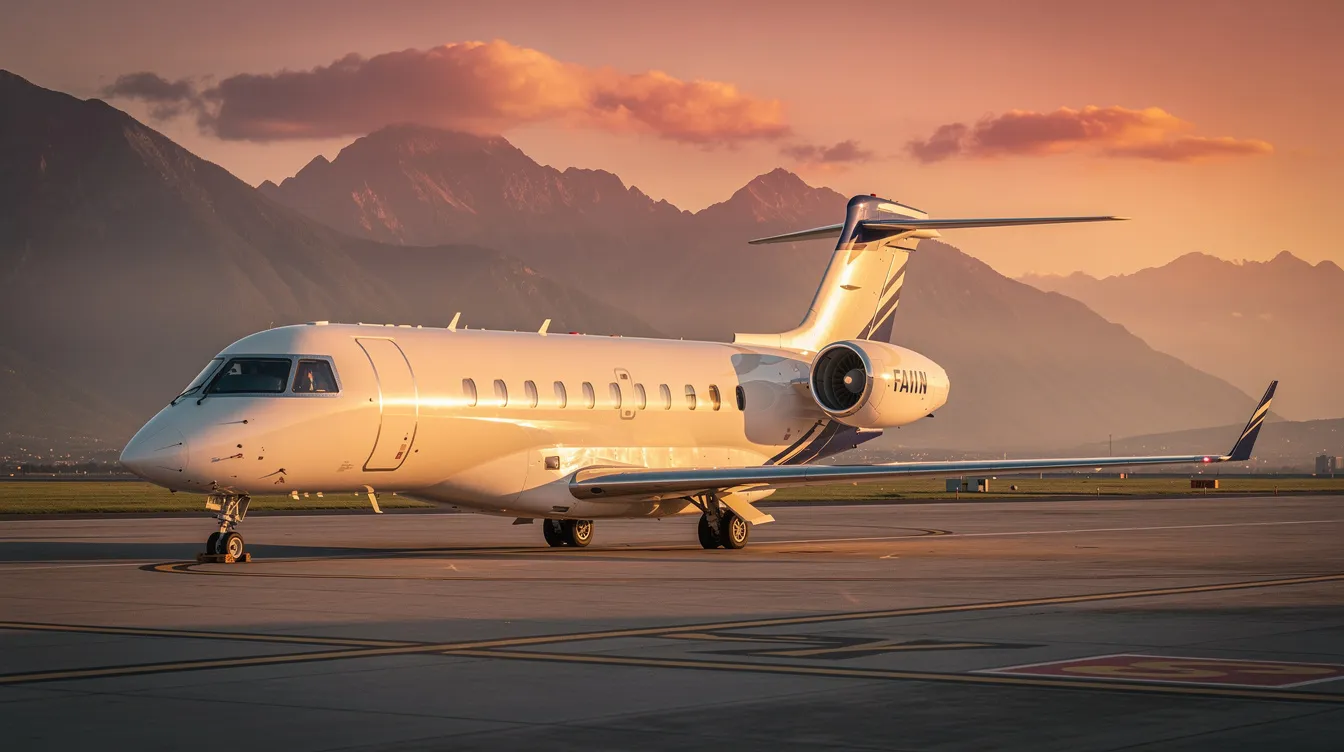
The most consequential variable in private jet annual cost planning is your projected flight hours. Private jet owners, in particular, must carefully manage and project their usage to optimize costs and avoid unnecessary expenses. Get this number wrong, and you’ll either overpay for access you don’t use or scramble for availability when you need it most. Industry data shows that operating costs scale non-linearly with utilization—fixed expenses like crew salaries and hangar fees remain constant while variable costs accrue per hour flown.
The core planning question is straightforward: how many hours on a private jet per year? Common thresholds dictate the optimal access model:
|
Annual Flight Hours |
Best Access Model |
Approximate Cost Per Hour |
|---|---|---|
|
Under 50 hours |
On-demand charter |
$5,000–$15,000 |
|
50–150 hours |
Jet card/membership |
$4,000–$12,000 |
|
150–300 hours |
Fractional ownership |
$3,000–$6,000 |
|
300–400+ hours |
Full ownership |
$2,500–$5,000 |
To build a realistic annual usage profile, map last year’s travel into segments:
-
Domestic vs. international: Short domestic hops (1–3 hours) versus transatlantic or transpacific legs (6–14 hours) require different aircraft categories and budgeting approaches
-
Business vs. leisure: Executive travel often demands schedule flexibility and last-minute changes; leisure trips may offer more planning runway
-
Day trips vs. overnights: Same-day returns keep crew costs lower; multi-day trips require crew overnights and positioning considerations
Peak vs. off-peak patterns significantly affect aircraft availability and pricing. School holidays (December through February), major events like Davos or the Super Bowl, and winter travel to warm destinations drive 20–50% premiums due to supply constraints. Off-peak summer domestic flights typically offer better rates and availability.
Different aircraft classes serve distinct mission profiles:
-
Very light jets (Eclipse 550, 1,100 nm range): ideal for 1–2 hour hops with 4 passengers
-
Light jets (Citation CJ4, 2,000 nm range): 2–4 hour missions with 6–8 seats
-
Midsize jets (Challenger 350, 3,200 nm range): transcontinental U.S. routes
-
Heavy jets (Gulfstream G550, 6,750 nm range): 8–10 hour legs with 12–16 passengers
-
Ultra long range jets (Global 7500, 7,700 nm range): 12–17 hour non-stops like New York to Sydney
When translating typical trips into annual block hours, add a 10–15% buffer for taxi time, delays, and empty positioning legs. A New York–Miami round trip takes approximately 2.5 block hours each way. London–Dubai runs 7 hours one-way plus potential positioning time.
Example scenario: An executive averaging 30 round-trips between New York and Los Angeles (5 hours block each way in a midsize jet) totals 300 hours. Factor in positioning legs (approximately 1 hour empty per trip), and effective usage climbs to 360 hours—shifting viability from jet card territory firmly into fractional or ownership consideration.
Anxious or first-time flyers often underestimate annual hours by 30–50% initially because they avoid trips that feel stressful. Once comfort with private aviation increases—typically within 6–12 months—usage patterns stabilize and often grow. Plan for future travel patterns, not just current comfort levels.
Scenario Planning: Low, Medium, and High Utilization
Three concrete usage tiers shape fundamentally different cost strategies:
50 hours (occasional traveler)
-
Pure variable expenses via charter: $250,000–$500,000 annually
-
No fixed overhead, but availability risk during peak periods
-
Jet cards offer predictable pricing at $4,500–$8,000 per hour
-
Best for leisure-focused travelers with flexible schedules
200 hours (regular business traveler)
-
Mix of 120 domestic legs (1–3 hours each) and 80 hours international
-
Light jet example: Fixed costs ~$350,000 + variable $1,800 per hour × 200 = $710,000 total
-
Ultra long range example: Fixed costs ~$800,000 + variable $5,000 per hour × 200 = $1.8 million total
-
Fractional 1/8 share becomes viable, spreading fixed costs efficiently
400 hours (heavy user)
-
Fixed costs of $800,000–$1.2 million dilute to $2,000–$3,000 per hour on a midsize jet
-
For heavy users, annual expenses can easily total over a million dollars, underscoring the substantial financial commitment required.
-
Full ownership begins to outperform fractional by 20–40% ona per-hour basis.
-
Requires active management but offers maximum flexibility and customization
Higher hours spread fixed costs (crew salaries, hangar fees, insurance) over more flight time, reducing the effective cost per hour. A private aircraft with $500,000 in annual fixed costs shows a $2,500 per-hour fixed burden at 200 hours but only $1,250 at 400 hours.
Psychological factors influence band selection. Travelers sensitive to turbulence may cap at 150 hours, opting for larger cabin jets at higher altitudes (FL430+ for G650 versus FL400 for light jets) despite 20–30% cost premiums. Seasoned flyers comfortable with night operations might push to 450+ hours.
To pick your band, audit last year’s commercial miles. Divide total miles by 500 mph (average block speed) to estimate equivalent private hours. Adjust for efficiency gains from direct routing and no connections, then test scenarios projecting total ownership costs from $500,000 to $6 million annually based on jet size.
Aligning Trips, Jet Type, and Mental Comfort
Cost planning must reflect not only distance and passenger count but also comfort needs. Nervous flyers often prioritize low-vibration airframes, daytime VFR operations, and larger cabins with smoother rides at higher cruise altitudes.
Example mission pairings:
-
40 annual European city hops (Paris–Geneva, 1.5 hours): Light jet like CJ4 at $5,500 per hour, annual cost ~$330,000 in flight time
-
12 monthly New York–London round-trips (6.5 hours each way): Large cabin ultra long range jet like G700 at $14,000 per hour, with lie-flat beds reducing fatigue and anxiety
-
LA–SFO day trips (1.5 hours, 4 passengers): Very light jet like PC-24, scaling to midsize for team retreats
Apps like SkyGuru help anxious passengers anticipate turbulence and understand flight stages in real time, making more frequent private flying psychologically sustainable. Users report 20–30% more trips annually when flight phases are demystified through real-time commentary.
Budgeting for Flights
Private jet annual cost planning means building an integrated yearly ledger rather than evaluating costs trip by trip. This approach captures the full financial commitment of private aviation and prevents budget surprises.
Annual Budget Formula
The core formula:
Annual Budget = Fixed Costs + (Variable Costs per Hour × Flight Hours) + Contingency (10–20%)
A critical distinction: the initial purchase price of a private jet can range from around $2 million for a pre-owned light jet to well over several million dollars—especially in the heavy and ultra-long-range categories, where prices often exceed $50 million or even $150 million for a brand-new, long-range model. However, annual operating expenses often exceed acquisition-related payments over time. A $10 million light jet might depreciate $1–$1.5 million annually in early years, but operating costs of $800,000–$1.2 million can dwarf depreciation as the primary budget line. It’s important to note that insurance premiums and maintenance reserves are directly influenced by the aircraft's value, with higher-value aircraft generally incurring higher insurance costs and maintenance expenses.
Fuel expenses typically account for 25–35% of total operating costs, maintenance costs range from 20–30%, crew salaries make up 15–25%, and insurance, along with other fixed expenses, contribute 20–25%.
Approximate annual budget bands for 2025–2026:
-
200 hours on a light jet: $500,000–$1 million (fixed ~$350,000 + variable ~$1,800/hour)
-
200 hours on a midsize jet: $1–$1.5 million
-
400 hours on an ultra-long-range jet: $3–$6 million
Your annual budget should encompass:
-
Fuel costs and consumption
-
Maintenance and inspections
-
Crew salaries and ongoing training
-
Hangar and storage fees
-
Insurance premiums
-
Aircraft management fees
-
Regulatory compliance and audits
-
Catering, Wi-Fi, and de-icing
Owners typically budget for unscheduled maintenance costs, which can be significant—dedicate a contingency line of 10–20% for unexpected repairs, engine events, or mandatory avionics upgrades.
High-anxiety travelers might budget for additional support—in-flight mental wellness tools, real-time turbulence apps, or coaching—as part of the overall private flight experience cost. These soft costs improve perceived value without materially affecting operating expenses.
Example calculation (200-hour midsize jet):
-
Fixed costs: $356,000 (per industry benchmarks)
-
Variable costs: $2,500/hour × 200 = $500,000
-
Contingency: 15% = $128,000
-
Total: $984,000 ($4,920 effective per hour)
Fixed vs. Variable Operating Costs
Fixed costs represent expenses you pay regardless of how many hours you fly in a year:
-
Hangar fees: $30,000 at regional airports to $200,000+ at major hubs like Teterboro
-
Insurance: Annual insurance premiums for private jets can range from $10,000 for light jets to over $500,000 for ultra-long-range models
-
Crew salaries: Often the largest fixed expense, ranging from $80,000 to over $300,000 per pilot annually, with total crew expenses reaching $170,000–$500,000 depending on jet size
-
Management fees: Typically 5–10% of hull value or $50,000–$150,000 annually
-
Subscriptions and training: $20,000–$50,000 per year
Fixed costs associated with private jet ownership, such as insurance, hangar fees, and crew salaries, can account for a substantial portion of annual expenses, often exceeding $500,000 depending on the aircraft and usage.
Variable costs—also known as direct costs—tie directly to operations and fluctuate with flight hours. Direct costs include fuel, maintenance parts, labor, and landing fees:
-
Fuel: The largest variable expense, accounting for 25–35% of total operating costs, with consumption ranging from 120 gallons per hour for light jets to over 500 gallons per hour for heavy jets
-
Maintenance reserves: $500–$2,000 per hour,r depending on aircraft type
-
Landing fees and handling: $500–$2,000 per leg
-
Catering and crew overnights: $1,000–$5,000 per trip
-
Carbon offsets: Optional but increasingly common
Large cabin ultra-long-range jets carry much higher fuel burn and engine maintenance reserves per hour, but share similar categories of fixed costs with smaller aircraft.
Example: A 200-hour light jet with fixed costs of $350,000 and variable operating costs of $1,800 per hour results in $710,000 total annual cost. The blended rate comes to $3,550 per hour—nearly double the pure variable cost, highlighting how fixed expenses dominate at moderate utilization levels.
Aircraft Size and Annual Cost Bands
Private jet operating costs generally range from approximately $661 per hour for very light jets up to more than $7,600 per hour for ultra-long-range aircraft, with most owners incurring annual expenses between $500,000 and $1.2 million.
By category (assuming 200–400 hours per year):
-
Very light jets (VLJs): The most economical option for private jet ownership, with hourly operating costs ranging from $700 to $1,800, making them ideal for short hops and regional business travel. Annual costs: $500,000–$800,000 for 200 hours
-
Light and midsize jets: Typically have operating costs ranging from $1,800 to $3,200 per hour, offering a balance of performance, comfort, and cost efficiency for transcontinental travel. Annual costs: $1–$2 million
-
Heavy jets: Designed for long-range and transoceanic flights, command operating costs from $4,000 to over $7,600 per hour, with some models exceeding $10,000 per hour due to their size and complexity. Annual costs: $2–$4 million
-
Ultralong-range jets: Can fly for over 14 hours and are equipped with advanced technology, offering the highest level of comfort and performance, with operating costs that can reach $7,500,000 annually for 300 hours
Per-hour costs escalate with size primarily due to fuel consumption. A light jet burning 150 gallons per hour at $7 per gallon costs $1,050 in fuel alone; an ultra-long-range jet burning 500+ gallons costs $3,500+ per hour just for fuel.
Annual fuel expenses vary dramatically with utilization patterns. Owners flying 150 hours annually in light jets generally incur fuel expenses between $100,000 and $200,000, whereas operators of heavy jets flying 400 hours a year can face fuel costs exceeding $800,000.
For 2025–2026 planning, factor 10–15% inflation for fuel volatility and training cost increases. Annual operating costs for a private jet can vary significantly, with estimates ranging from $500,000 for a light jet to over $4 million for a heavy jet, depending on usage and aircraft type.
Choosing the Right Model
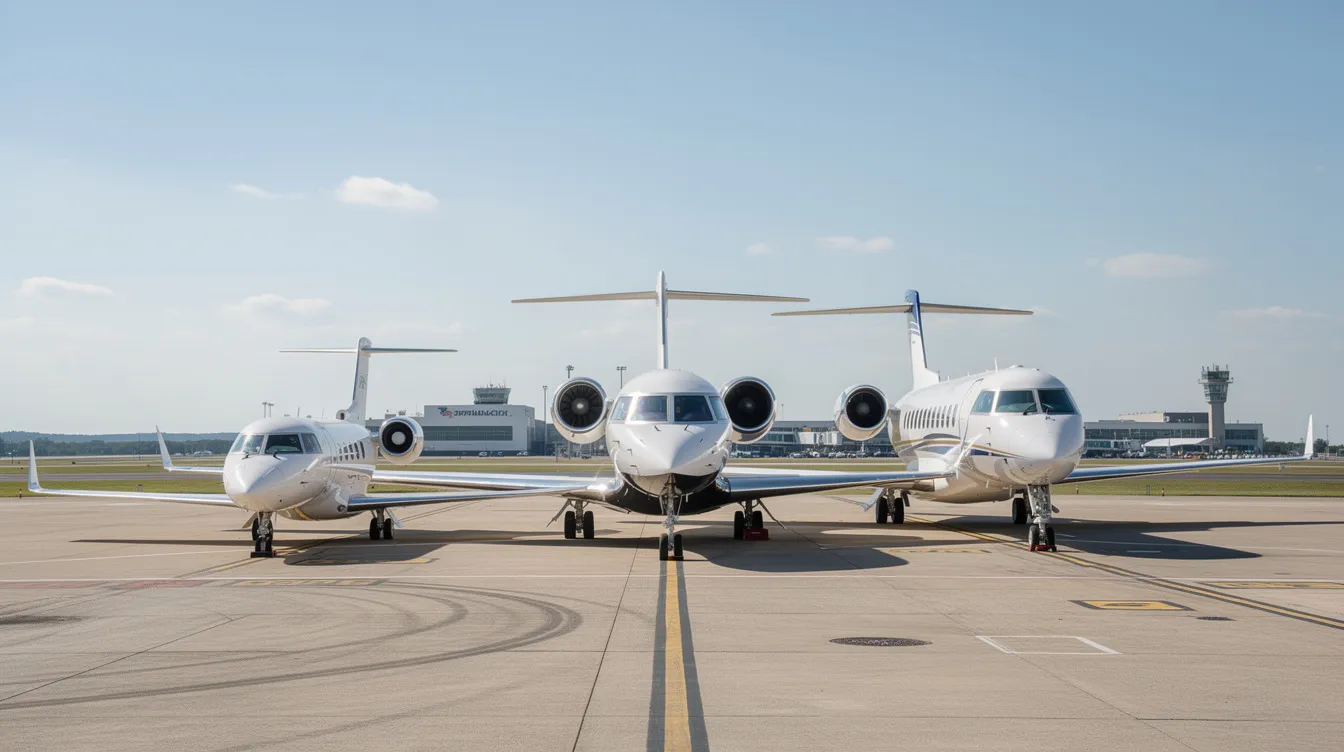
“Model” here means both the ownership or access model (charter, jet card, fractional, full ownership) and the specific aircraft model (light versus ultra long range) that fits your annual budget.
A practical decision framework:
-
Start from the annual hours and the most common routes
-
Choose aircraft size based on typical mission profiles and passenger counts
-
Select an access model based on total cost, flexibility needs, and management appetite
For those considering full ownership, it’s important to note that a management company can handle all operational, logistical, and regulatory responsibilities on your behalf. Engaging a management company simplifies ownership by managing crew, maintenance, compliance, and day-to-day administration, maximizing efficiency and often delivering cost savings.
The initial purchase price must be evaluated alongside long-term operating costs, depreciation, and capital tied up in the aircraft. A pre-owned aircraft at $8 million with $1 million annual ops may outperform a new aircraft at $20 million with similar operating expenses, depending on depreciation curves and financing terms.
Travelers uncomfortable with turbulence may prioritize newer, more stable airframes (fly-by-wire systems like the G700) and higher cruise altitudes—even at a modest premium in private jet cost. Modern large cabin aircraft typically cruise at FL430–FL510, above most weather and turbulence.
Ownership vs. Alternatives
Charter services offer a pay-as-you-go model, allowing users to access private jets without the long-term commitment and costs associated with ownership, making it ideal for infrequent travelers.
-
Best for: Sub-100 hours annually
-
Pros: Zero fixed costs, no capital commitment, aircraft variety
-
Cons: Variable pricing (30%+ premiums during peaks), inconsistent aircraft type, availability risk
-
Annual budget: $250,000–$1 million
Jet cards and memberships suit 50–150 hours per year:
-
Predictable per-hour rates across multiple aircraft categories
-
Access to fleet without ownership burden
-
Typical programs: $200,000–$1.5 million annually
-
Cons: Blackout dates, potential hourly rate increases
Fractional ownership allows individuals to purchase a share of a private jet, typically ranging from 1/16 to 1/2 of the aircraft, providing proportional access without the full financial burden of ownership.
-
Share sizes: 1/16 (~50 hours), 1/8 (~100 hours), 1/4 (~200 hours)
-
Fixed costs and management fees are shared proportionally
-
Guaranteed availability within booking windows
-
Annual budget: $1–$3 million for meaningful access
Full private jet ownership typically becomes cost-effective for individuals who fly more than 200 hours per year, as the fixed costs are spread over more flight hours, reducing the cost per hour.
-
Best for: 300–400+ hours annually
-
Pros: Maximum customization, guaranteed availability, potential charter revenue
-
Cons: Full capital commitment, active management required, regulatory compliance overhead
|
Model |
Typical Hours/Year |
Pros |
Cons |
Annual Budget |
|---|---|---|---|---|
|
Charter |
<100 |
No commitment, flexible |
Peak pricing, inconsistent |
$250K–$1M |
|
Jet Card |
50–150 |
Fixed rates, multi-aircraft |
Blackout dates |
$400K–$1.5M |
|
Fractional |
150–300 |
Shared costs, guaranteed access |
Schedule coordination |
$1M–$3M |
|
Full Ownership |
300+ |
Control, customization |
Full liability |
$1M–$6M+ |
Management fees, regulatory compliance overhead, and crew coordination are largely offloaded in fractional and card programs, but must be actively managed in full aircraft ownership.
Selecting the Right Aircraft Category for Your Missions
Match aircraft category to your most common mission profile:
-
Light jets (Phenom 300, Citation CJ series): 1–3 hour hops with 4–6 passengers, ideal for NYC–Miami or Chicago–Dallas
-
Midsize/super-midsize (Citation Latitude, Challenger 350): 4–6 hour legs with 8–10 passengers, suited for transcontinental routes
-
Heavy jets (Gulfstream G550, Falcon 7X): 8–10 hour international flights with 12–14 passengers
-
Ultra long range (Gulfstream G650/G700, Global 7500): 10–17 hour non-stops with 13–19 passengers, NYC to Tokyo or London to Singapore
Larger cabins add cost through higher fuel burn and pilot salaries,s but may be justified when replacing 10 business-class tickets ($50,000 total) with a single private flight ($80,000)—the productivity and confidentiality gains often offset the premium. On longer or more luxurious trips, flight attendants are typically included, enhancing passenger comfort, safety, and service quality in private aviation.
For anxious flyers planning multiple long trips per year:
-
Cabin pressure altitude matters: G650 maintains 4,100 ft cabin at FL510 versus 8,000 ft on older aircraft
-
Quietness: Modern large cabin business aircraft achieve < 50dB cabin noise
-
Ride quality: Fly-by-wire systems provide smoother handling in turbulence
Factoring in Depreciation, Resale, and Financing
Depreciation for private jets can lead to a loss of 20–30% of their value over five years. Depreciation rates for private aircraft typically range from 10% to 15% in the first year and 5% to 10% annually thereafter, significantly impacting ownership costs.
This represents a major component of the total cost of ownership beyond operating expenses. A $10 million pre-owned light jet might retain $6 million value after five years at 8% annual depreciation—an $800,000 annual effective cost. A $50 million ultra-long-range jet depreciating to $30 million costs $4 million annually in value erosion.
Financing terms affect annual cash outlay significantly:
-
Interest rates: 4–6% over 5–10 year terms
-
A $10 million loan at 5% over 5 years adds approximately $440,000 annually in interest
-
Residual value assumptions (typically 50%) determine lease structure viability
Tax benefits associated with private jet ownership can include depreciation deductions and maintenance write-offs, which can significantly influence the overall cost of ownership. Bonus depreciation provisions (when available) can accelerate tax benefits substantially.
Maintenance costs typically account for 5%–10% of the aircraft’s value annually. Regulatory compliance upgrades (avionics, connectivity, safety systems) protect resale value but should be budgeted 2–3 years ahead. Aircraft with current ADS-B Out, FANS 1/A, and modern connectivity command 10–20% resale premiums over equivalently-aged aircraft without upgrades.
When comparing new and used aircraft, factor that a pre-owned jet eliminates the steepest initial depreciation but may carry higher maintenance costs and shorter runway to mandatory overhauls.
Optimizing Cost Efficiency
Once the jet type and access model are chosen, focus shifts to lowering the cost per hour and keeping the annual budget predictable. A multi-million dollar asset demands active cost management.
Aircraft Choice
Cost optimization happens at three levels:
-
Aircraft choice: Fuel efficiency, maintenance intervals, crew requirements
Operations
-
Operations: Routing decisions, fuel purchasing, crew scheduling
Usage Patterns
-
Usage patterns: When you fly, where you base, and how you handle overflow demand
Track these primary KPIs for private jet annual cost planning, updated at least quarterly:
-
Cost per hour (target: $3,000–$10,000 depending on aircraft class)
-
Cost per mile ($8–$20 range)
-
Fixed cost per hour (decreases with utilization)
-
Maintenance cost per hour versus reserves
It is essential to track and optimize total operating cost—including both fixed and variable components such as fuel, maintenance, and crew salaries—to ensure overall cost efficiency and accurate budgeting.
Technology integration reduces costs and improves experience:
-
Flight-planning software (ForeFlight, Jeppesen) optimizes routing and reduces fuel consumption by 5–10% through winds aloft analysis
-
Weather and turbulence forecasting tools reduce diversions and delays
-
Real-time flight commentary apps like SkyGuru reduce stress-induced cancellations and help passengers maintain consistent travel schedules.
Set annual targets: reduce variable costs by 10% year-over-year through better fuel purchasing and strategic basing decisions.
Lowering Fixed Costs
Strategic basing decisions can significantly impact hangar costs, fuel prices, and operational convenience, making it essential to analyze travel patterns and cost structures.
-
Hangar space: Teterboro commands $150,000+ annually; nearby White Plains or Morristownoffers $60,0000–$80,000 for similar access
-
Regional airports: Often 30–50% less expensive with equivalent service quality
-
Fuel prices: Vary 20–40% between FBOs within the same metropolitan area
Engaging professional management companies can provide volume purchasing discounts for fuel, insurance, and maintenance services, potentially offsetting management fees through negotiated rates and operational expertise. Typical aircraft management fees run $50,000–$200,000 annually, but negotiated fuel discounts alone can offset 30–50% of this cost.
Crew strategies affect the largest fixed expense—pilot salaries:
-
Full-time pilots: $300,000+ annually for a two-pilot crew with benefits
-
Contract pilots: $100,000–$200,000 annually, lower commitment but scheduling complexity
-
Fractional sharing: Crew costs spread across multiple owners
Case study: Relocating a midsize jet from LAX ($120,000 hangar) to Van Nuys ($70,000) and renegotiating management fees from 10% to 7% yields $100,000+ in annual cost savings with minimal operational impact.
Controlling Variable Costs
Fuel management is a critical strategy for cost savings, as fuel expenses account for 25–35% of total operating costs; optimizing fuel purchasing and flight planning can lead to savings of 10–15%.
-
Fuel programs: World Fuel and Avfuel contracts offer 3–5% rebates on volume
-
Tankering: Loading extra fuel at cheaper bases saves 5–15% on the long-haul segment.s
-
Routing: Direct routing and altitude optimization reduce fuel consumption per mile
Scheduling maintenance during planned downtime can reduce labor charges and minimize operational disruptions, helping to control overall maintenance expenses. Engine maintenance reserves ($500–$2,000 per hour, depending on aircraft) should be actively managed through manufacturer programs or third-party reserve accounts.
Ongoing expenses that accumulate across 200–400 hours annually:
-
De-icing: $1,000–$5,000 per event (20+ events annually in Northeast operations)
-
Catering: $500–$2,000 per trip—set caps and preferred vendors
-
Wi-Fi (Starlink): $5,000–$15,000 annually for unlimited connectivity
-
Crew overnights: $300–$500 per night plus meals
Comparison: A 3-day NYC–LA–MIA triangle optimally planned (direct routing, tankered fuel, coordinated crew) costs $45,000. The same trip with holding patterns, diversions, and last-minute arrangements: $65,000. Annualized across 50 similar trips, that’s a $400,000 difference.
Better weather and turbulence forecasting reduce diversions and delays, which indirectly saves fuel and crew expenses while improving experience for nervous flyers who might otherwise cancel trips.
Using Charter Revenue and Hybrid Strategies
Charter revenue generation allows owners to offset costs by making their aircraft available for third-party use, although this introduces regulatory complexity and insurance considerations.
Placing a private aircraft on a charter certificate (Part 135) can generate meaningful revenue:
-
Owner uses 200 hours, third-party charter adds 150–200 hours
-
Revenue potential: $600,000–$800,000 annually at $4,000 per hour
-
Net after 20% management fees and maintenance uplift: $300,000–$400,000 offset
However, additional hours mean:
-
Accelerated maintenance intervals
-
Higher engine maintenance reserves consumption
-
Increased insurance premiums (typically 15–25% for charter operations)
-
Regulatory compliance costs: $50,000+ annually for Part 135 certification maintenance
Model charter income conservatively at 70% of projected utilization; aircraft availability and market conditions fluctuate.
Hybrid strategies offer flexibility without full commitment to large aircraft:
-
Own a light jet for 80% of domestic missions ($800,000 annually)
-
Charter ultra-long range jets for 4–6 international trips ($400,000)
-
Total: $1.2 million versus $3–4 million for owned heavy/ultra long range
This approach optimizes cost efficiency while maintaining access to appropriate aircraft for each mission profile.
Integrating Comfort, Safety, and Mental Wellness into Cost Planning
For many high-net-worth individuals, reducing stress and anxiety is part of the value proposition—this can justify investing in newer aircraft, smoother routes, and in-flight support tools.
Budget for passenger-centric enhancements that improve perceived value:
-
Cabin noise reduction treatments: $20,000–$50,000
-
Premium seating and bedding: $30,000–$100,000
-
High-speed connectivity (Starlink): $10,000–$15,000 annually
-
Custom interior refreshes: $50,000–$200,000 every 3–5 years
Apps like SkyGuru, which forecast turbulence and explain flight stages in real time, represent minimal ongoing costs ($10–$20 monthly) while dramatically improving the experience for anxious travelers. Users often report feeling comfortable enough to add 20–30% more flights to their annual schedule after using real-time flight commentary tools.
Mental comfort and safety perception should factor into decision frameworks alongside hard financial metrics:
-
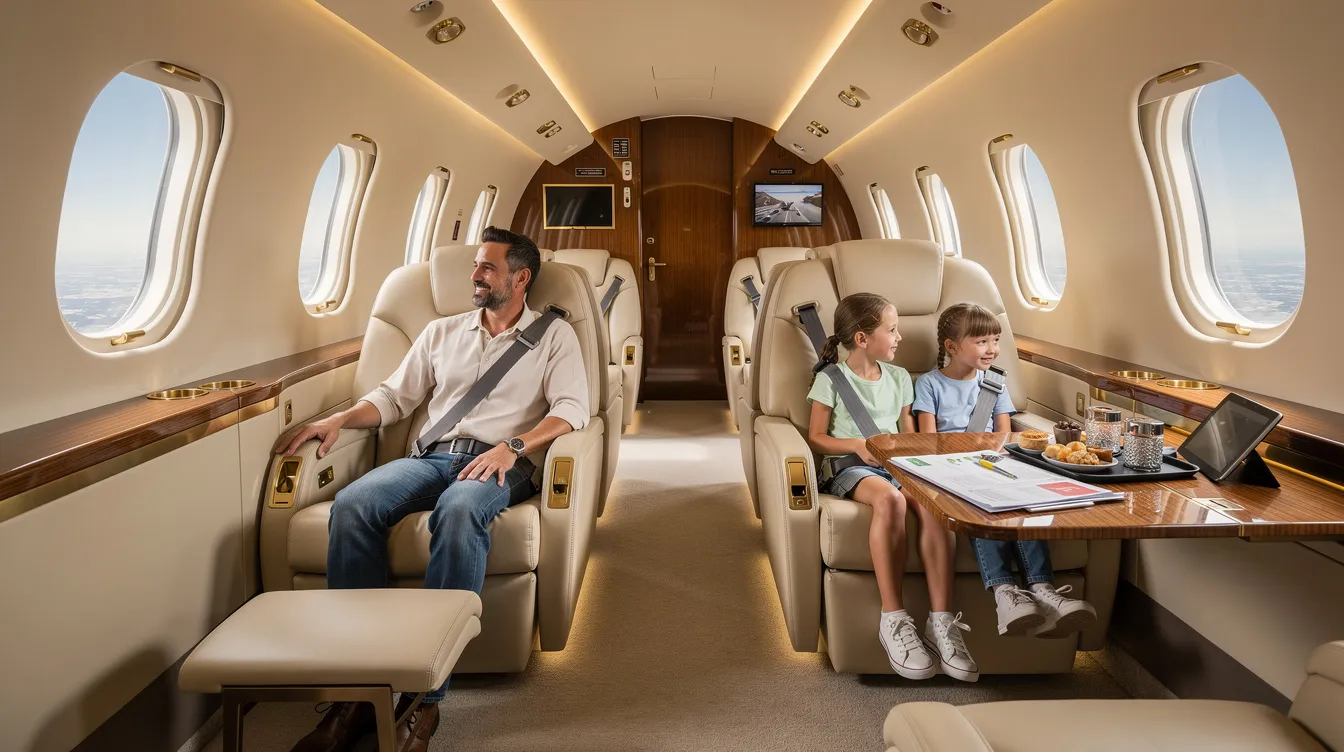
Families with children may prefer ultra-long-range jets with lower cabin altitudes despite 50% higher costs
-
Executive teams traveling together justify larger cabins for meeting productivity
-
First-time private flyers gain confidence faster with predictable, well-explained flight experiences
These “soft” factors influence trip frequency and hidden costs of aircraft ownership—an anxious passenger who cancels 10% of planned flights creates $50,000–$100,000 in annual waste through unused slots, crew standby, and repositioning.
Key Takeaways
Private jet annual cost planning succeeds when you build from realistic flight-hour projections through aircraft selection to access model optimization. The framework applies whether you’re flying 50 hours or 500.
-
Start with hours: Audit past travel, project forward, and add a 10–15% buffer for positioning and delays.
-
Match aircraft to mission: Light jets for short hops, ultra long range for international—avoid overpaying for capability you don’t need
-
Choose access model by utilization: Charter under 100 hours, jet card to 150, fractional to 300, ownership above
-
Budget comprehensively: Include fixed costs, variable costs, depreciation, financing, and 10–20% contingenc.y
-
Optimize continuously: Track cost per hour quarterly, adjust basing, negotiate fuel, and consider charter revenue
A realistic ownership budget integrates substantially more than hourly operating costs—depreciation, financing, management fees, and regulatory compliance all belong in your annual projection.
For travelers who experience anxiety around flying, tools like SkyGuru that demystify turbulence and flight stages can transform private aviation from an occasional necessity to a consistent, comfortable way to travel. When psychological comfort enables more flight hours, the math on jet ownership improves accordingly.
Begin your planning by calculating last year’s equivalent private hours, selecting the access model that matches your projected utilization, and building a comprehensive annual budget that captures every category of expense. The difference between informed private jet annual cost planning and reactive spending often exceeds $500,000 annually.
Frequently Asked Questions
How many hours on a private jet per year justify full ownership?
Full private jet ownership typically becomes cost-effective when flying more than 200 hours annually. At this level, fixed costs like crew salaries and hangar fees spread over more hours, reducing the cost per flight hour compared to charter or fractional ownership.
What are the biggest fixed costs in private jet annual cost planning?
The largest fixed expenses include crew salaries, which can range from $80,000 to over $300,000 per pilot annually, hangar fees that vary widely by location, and insurance premiums that scale with aircraft value. These costs remain constant regardless of flight hours.
How can I optimize fuel costs in my annual budget?
Fuel accounts for 25–35% of operating costs. Strategies to reduce fuel expenses include purchasing fuel at competitive airports, tankering fuel when economical, optimizing flight routing and altitude, and leveraging volume discounts through professional management companies.
What role does depreciation play in private jet annual cost planning?
Depreciation can represent 10–15% loss in aircraft value in the first year and 5–10% annually thereafter. It is a significant component of total ownership cost and should be factored into long-term budgeting alongside operating expenses.
Are there ways to offset the costs of private jet ownership?
Yes. Owners can generate charter revenue by making their aircraft available for third-party use, which can offset fixed costs. Fractional ownership and jet card programs also spread costs among multiple users, providing more economical access at lower utilization levels.
How do flight hours impact variable costs?
Variable costs such as fuel, maintenance, landing fees, and catering increase directly with flight hours. Higher utilization increases total variable expenses but lowers fixed cost per hour, improving overall cost efficiency.
What is the recommended contingency budget for unexpected expenses?
It is advisable to allocate 10–20% of the annual operating budget as a contingency for unscheduled maintenance, regulatory compliance upgrades, and unforeseen operational costs to avoid budget shortfalls.
How can mental wellness tools affect private jet usage and costs?
Apps like SkyGuru that provide real-time turbulence forecasts and flight explanations can reduce anxiety, enabling more consistent travel patterns. Increased usage can improve cost efficiency by spreading fixed costs over more flight hours.
Conclusion
Effective private jet annual cost planning hinges on a clear understanding of your anticipated flight hours and aligning those with the appropriate aircraft and access model. By realistically estimating usage, budgeting comprehensively for both fixed and variable expenses, and selecting the right aircraft category, you can optimize your investment and avoid costly surprises. Incorporating strategies such as fuel management, strategic basing, and leveraging charter revenue can further enhance cost efficiency. Additionally, integrating mental wellness tools like <a href="https://www.skyguru.aero" target="_blank" rel="noopener noreferrer">SkyGuru</a> can improve passenger comfort and increase flight frequency, positively impacting overall economics. Whether you opt for charter, fractional ownership, or full ownership, a disciplined, data-driven approach to planning ensures your private aviation experience delivers maximum value, flexibility, and peace of mind throughout the year.
FLEET SELECTION
JET CARDS
COST ANALYSIS


How to Auditing Your Operator's Maintenance Logs
Oct 05, 2025

How to Auditing Your Operator's Maintenance Logs
Oct 05, 2025

How to Auditing Your Operator's Maintenance Logs
Oct 05, 2025
Sky Guru Weekly
The smartest private aviation intelligence in your inbox.
.svg)

