



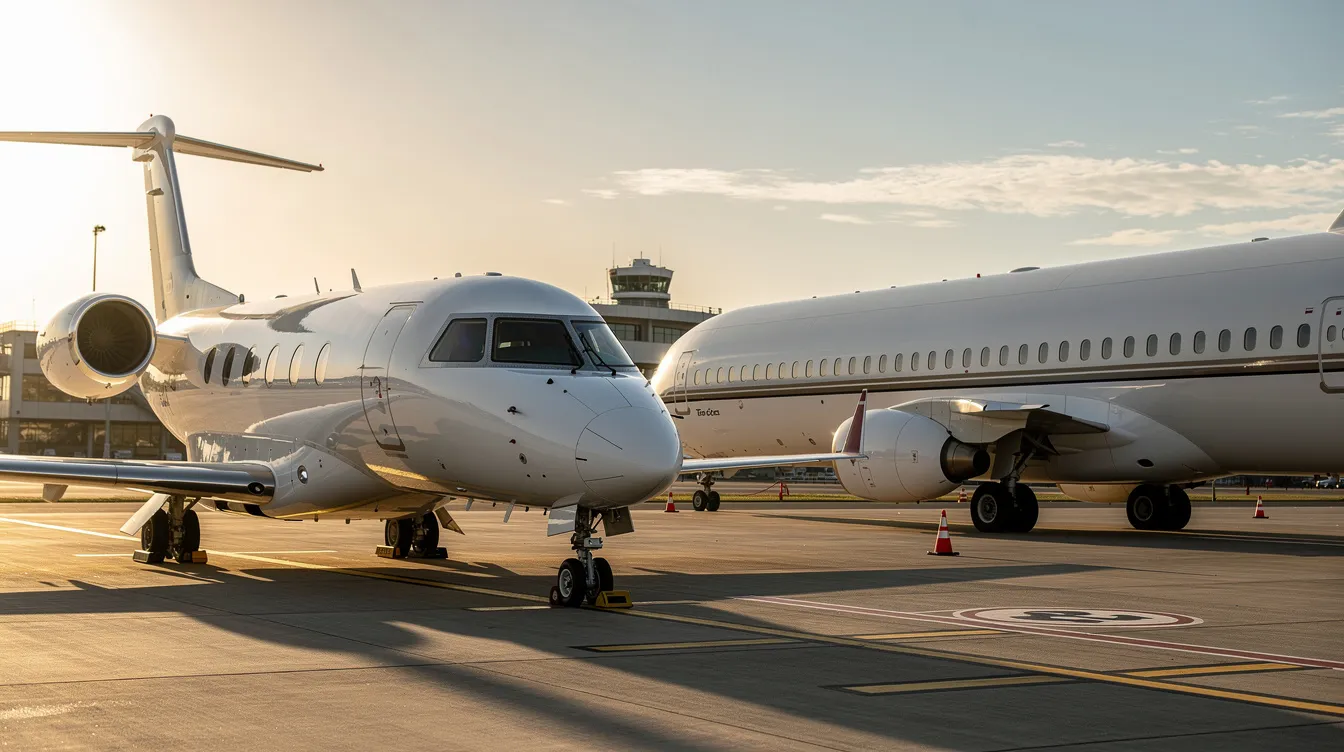
Is Private Jet Travel Safe? - An Introduction
Private jet travel is often seen as a symbol of luxury and exclusivity, but questions about its safety are common—especially among travelers considering private aviation for the first time or those who experience anxiety when flying. This article provides a comprehensive overview of private jet safety, comparing it to commercial airline standards and addressing common concerns and misconceptions. We will explore the main pillars of private aviation safety, including pilot qualifications, training and certifications, aircraft maintenance standards, and safety audits. Whether you are a traveler evaluating private jet options or an anxious flyer seeking reassurance, this guide aims to clarify the facts and help you make informed decisions about flying private.
Is Private Jet Travel Safe? A Look at Private Aviation
Private jet travel is statistically very safe. When comparing professionally operated business jets to commercial air travel, accident rates are remarkably similar—and in some cases, corporate flights are measurably safer. Many safety concerns are similar between private jet travel and commercial air travel, but private flights can offer a more controlled environment with fewer disturbances from passenger behavior. According to data from the National Transportation Safety Board and industry analyses, the fatal accident rate for U.S.-registered turbine-powered business jets operating under Part 135 (charter) and Part 91 (corporate) hovered around 0.07 to 0.10 per 100,000 flight hours in recent years, compared to commercial airlines’ approximately 0.04-0.06 per 100,000 hours. These private jet safety records, supported by industry statistics, demonstrate that private flights maintain a strong safety performance within the aviation sector.
Private aviation encompasses several operation types: charter services (hiring a jet for a specific trip), fractional ownership (shared ownership with professional crews), corporate flights (company-owned with full-time pilots), and owner-flown jets (where the owner is also the pilot). Each carries slightly different risk profiles, with charter and corporate segments having the lowest risks due to standardization and oversight.
Many people feel more anxious about flying private than commercial, despite the low overall risk. Articles on how flying apps can reduce fear show that understanding what’s happening during the flight can ease this anxiety. Smaller aircraft feel turbulence more noticeably, news coverage disproportionately focuses on high-profile crashes, and the intimate cabin size can amplify unfamiliar sounds. Most private aviation accidents involve smaller private planes, typically propeller-driven aircraft rather than business jets, while private flights on business jets have stronger safety records and benefit from professional crews and rigorous standards. Yet perception often lumps all small aircraft together.
SkyGuru is a mobile app designed to explain what happens during flights and support anxious flyers, including on private jets. The SkyGuru app provides real-time commentary on flight phases, turbulence forecasts, and weather context—helping passengers understand that what they feel aligns with normal, safe operations. Additionally, private terminals used for private jet travel reduce security risks by offering a more controlled and exclusive environment for passengers, minimizing exposure to crowds and enhancing overall safety.
This article covers the main safety pillars: pilot qualifications, training and certifications, aircraft maintenance standards, and safety audits, plus passenger safety considerations and how modern private jets handle weather and emergencies.
Pilot Qualifications
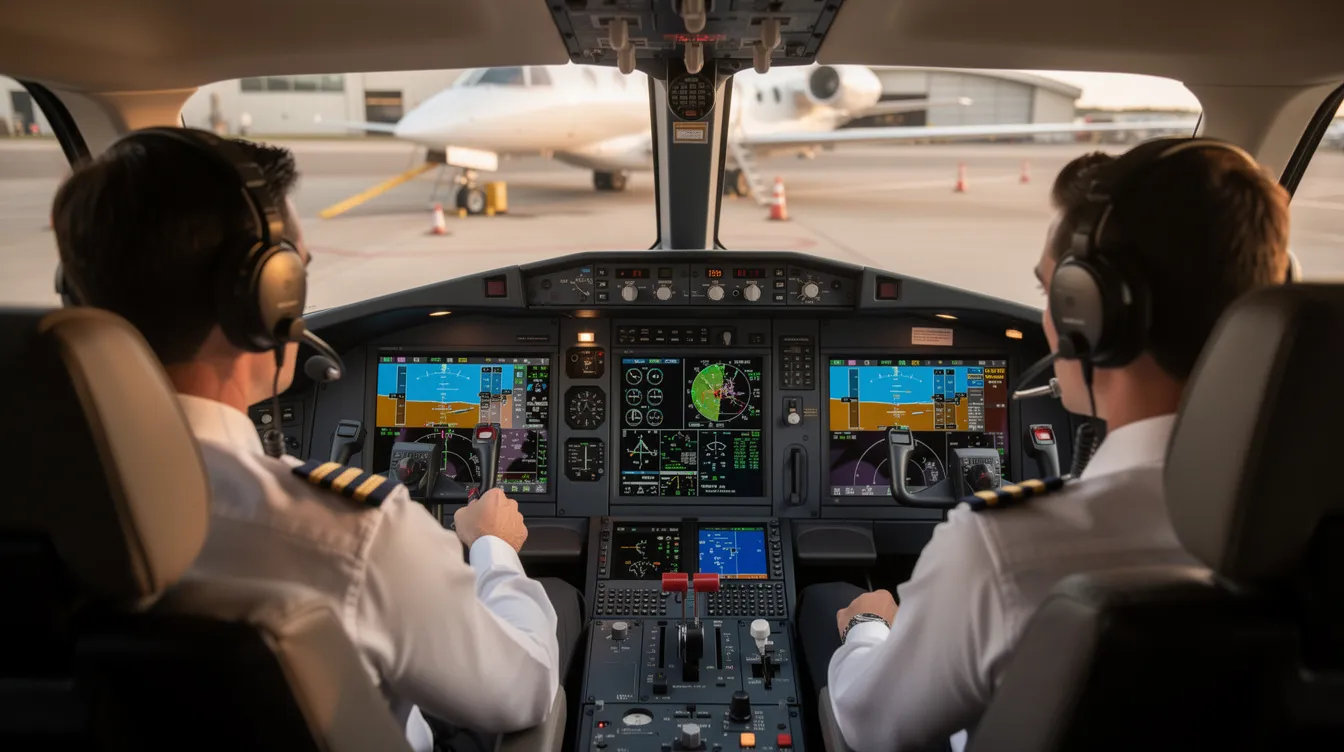
Private jet safety fundamentally starts with who is in the cockpit. There are three main categories of pilots flying private aircraft:
-
Airline pilots focus on mass transit with highly standardized procedures
-
Professional business jet pilots (Part 135 charter or corporate) operate versatile missions with 3,000-8,000 hours of experience
-
Owner-pilots flying their own jets under Part 91, with variable experience levels
Understanding pilot licenses helps clarify what qualifications mean for your safety:
|
License |
Requirements |
What It Allows |
|---|---|---|
|
Private Pilot License (PPL) |
40-70 hours minimum |
Solo non-commercial flight |
|
Commercial Pilot License (CPL) |
250 hours total time |
Paid work like charters |
|
Airline Transport Pilot (ATP) |
1,500 hours minimum (U.S.) |
Captain on jets carrying paying passengers |
The FAA mandates strict training and duty limitations for private jet pilots to ensure safety and compliance with regulations. These requirements are part of comprehensive safety regulations that govern private jet operations, including certification, inspection protocols, and adherence to industry standards. A typical business jet captain logs 4,000-7,000 total hours, with 1,000-2,000 hours on their specific aircraft type. Private jet pilots often have backgrounds in commercial or military aviation, bringing a wealth of experience to their roles. Experienced pilots with extensive crew training are crucial for operational safety, especially when navigating diverse airports and airspaces.
Many business jets operate with two pilots even when regulations allow single-pilot operations. This provides critical safety benefits:
-
Cross-checks during critical phases
-
Workload sharing during busy approaches
-
Error catching before small mistakes become problems
-
Well-trained crew members and effective workload management further enhance operational safety by ensuring optimal performance throughout the flight.
Human error is a leading cause of aviation incidents, making the crew’s background essential for safety. Human factors are a key area addressed in pilot training to mitigate risks and improve responses during emergencies.
Medical Standards
Professional jet pilots must pass regular medical exams. First-class medicals (required for airline captains) demand vision correction to 20/20, ECG testing every 6-12 months depending on age, and screening for heart conditions and substance abuse. Second-class medicals apply to charter and corporate pilots with annual renewals, while third-class covers private pilots with longer intervals. The age limit for first-class medical is 65.
When choosing an operator, ask:
-
What license does each pilot hold?
-
How many total hours and hours on this specific jet type?
-
Are flights always operated with two pilots?
Understanding that your crew meets specific professional standards can significantly reduce anxiety. SkyGuru app FAQs help users cross-reference this information to feel more in control.
Training and Certifications
Pilot qualifications set the entry bar, but recurrent training and type-specific certifications keep skills sharp and directly impact flight safety. Private jet companies invest heavily in crew training to meet strict safety standards set by regulatory bodies and national aviation authorities. These training and certification requirements are key safety measures that ensure the safety and security of private jet passengers. Private jet pilots undergo extensive model-specific training before flying passengers, which is mandated by the FAA.
Type Ratings
Jets like the Gulfstream G650 or Cessna Citation CJ4 require specialized training called “type ratings.” Think of it like a specialized driver’s license—you might know how to drive, but operating a specific vehicle requires additional certification. Pilots complete:
-
2-4 weeks of ground school covering systems and limitations
-
40+ hours in full-motion simulators
-
Oral and practical checkrides
Initial type ratings happen at major training centers like FlightSafety International or CAE. Recurrent training occurs every 6-12 months with simulator sessions, drilling emergency scenarios.
Scenarios Practiced in Simulators
Private jet pilots undergo rigorous simulator training designed to prepare them for a variety of scenarios, including adverse weather conditions and emergency situations. These advanced digital flight control systems and simulator scenarios are specifically developed to reduce pilot error and address human factors, ensuring pilots are equipped to respond optimally during emergencies:
-
Engine failure during takeoff
-
Rapid decompression at altitude
-
Severe turbulence and windshear encounters
-
Rejected takeoff and emergency landing procedures
-
Avionics and electrical failures
In the U.S., Part 135 charter operators face stricter, standardized training requirements than Part 91 private use operations. EASA equivalents in Europe mirror these standards with 12-month license proficiency checks.
Crew Resource Management
Crew Resource Management (CRM) is essentially teamwork training for the cockpit. It teaches assertive communication, threat identification, and error management. Studies show CRM training reduces errors by approximately 50%, especially in stressful situations.
On larger business jets, flight attendants receive certification in CPR, defibrillator use, fire suppression, and evacuations. Pilots themselves are trained to handle medical events, smoke, fires, and diversions.
A strong, proactive Safety Management System (SMS) indicates a charter operator’s commitment to identifying and mitigating risks. For operators and analysts, the SkyGuru turbulence and flight data API can complement SMS programs by offering detailed route and weather insights. SMS programs encourage reporting small issues before they become big ones—think of it as preventive medicine for aviation safety.
Before booking, ask your operator:
-
How often do pilots complete simulator training?
-
Do you follow an SMS program?
-
Are crews trained for turbulence management and medical emergencies?
Aircraft Maintenance Standards
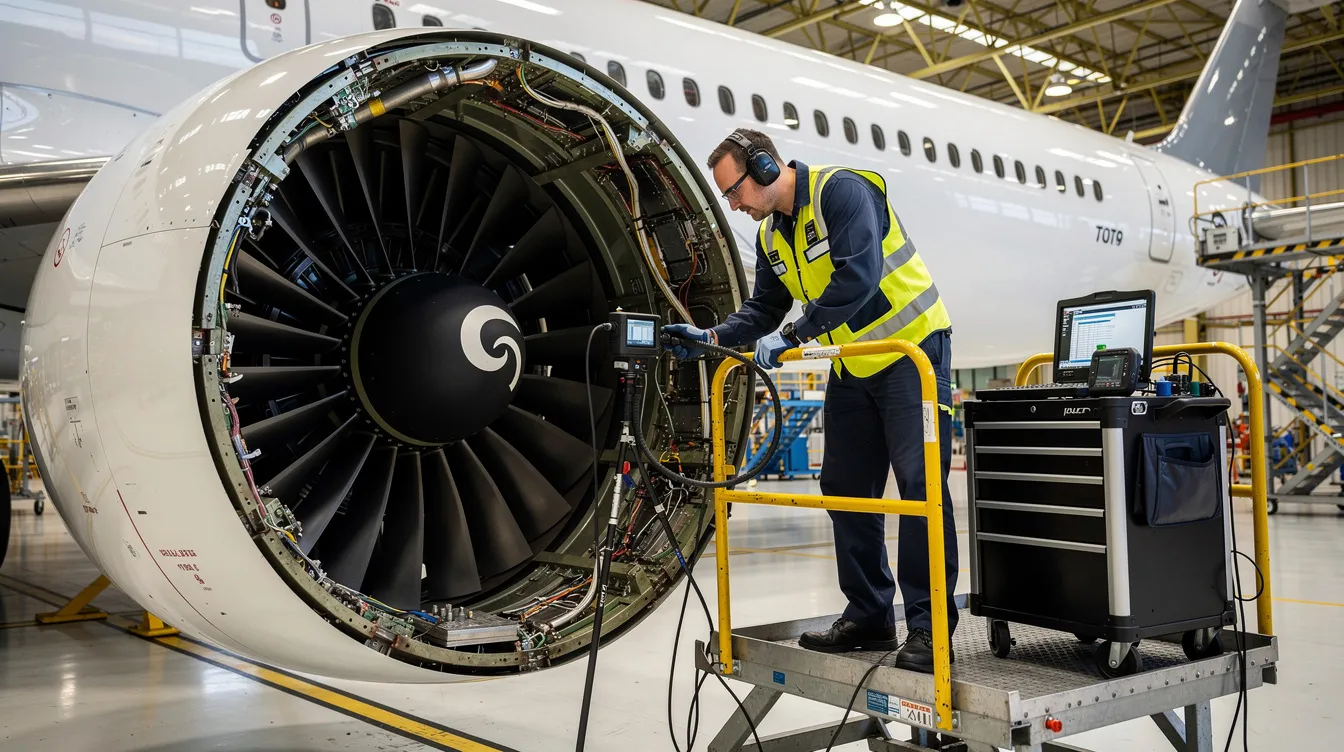
Aircraft maintenance forms one of the strongest safety layers in both private and commercial aviation. The FAA mandates that all aircraft regulated under its authority must undergo annual safety inspections and 100-hour inspections to ensure airworthiness and compliance with safety standards. In addition to these, private jets are subject to meticulous and regular maintenance checks, including routine inspections before and after flights, as well as detailed reviews at scheduled intervals, ensuring every component of the jet is in top working condition.
“Airworthiness” simply means the aircraft is certified fit-to-fly. Responsibility falls on the operator or owner, licensed maintenance engineers (called A&P mechanics), and oversight authorities like the Federal Aviation Administration or EASA. Advanced technology and regular maintenance help prevent mechanical failures, supporting overall safety and private aviation safety by ensuring that jets meet the highest standards of reliability and performance.
Key Maintenance Requirements
All FAA-regulated aircraft, including private jets, must undergo annual safety inspections and mandatory 100-hour inspections to ensure airworthiness and compliance with safety standards. Private jets undergo meticulous and regular maintenance checks that include:
|
Check Type |
Frequency |
What’s Inspected |
|---|---|---|
|
Pre/Post-flight |
Every flight |
Walkaround, fluid levels, visible damage |
|
A-Check |
Daily/weekly |
Oil, fluids, interior systems |
|
B-Check |
200-600 hours |
Detailed interior and systems review |
|
C-Check |
20-24 months/3,000 hours |
Deep engine teardown, major systems |
|
D-Check |
6-10 years |
Complete structural strip and rebuild |
Private jet companies and charters often conduct more frequent routine inspections than commercial carriers, complying with strict regulatory standards and sometimes exceeding FAA requirements to ensure the highest levels of safety and quality service. Inspected components include engines, landing gear, avionics, hydraulics, pressurization systems, structural checks for corrosion, and software updates for navigation and terrain systems.
Aircraft Age and Safety
Older private jets are not automatically unsafe if maintained according to schedule. Well-maintained Learjets and early-generation Citations from the 1980s still operate safely with 50,000+ hours. Modern private jets, however, benefit from advanced technology—such as state-of-the-art avionics, cutting-edge materials, and innovative systems—that further reduce the risk of mechanical failures and enhance overall safety. These jets are equipped with advanced avionics systems, including synthetic vision systems and enhanced flight vision systems, which significantly improve pilot situational awareness and overall flight safety—but older, compliant jets remain airworthy.
Many private jet operators voluntarily adhere to additional safety standards set by internationally recognized organizations such as ARGUS and IS-BAO, which require strict compliance with maintenance and operational protocols. Private jet operators often exceed FAA maintenance requirements by adhering to additional standards set by third-party organizations such as ARGUS and IS-BAO, which require rigorous maintenance protocols and operational guidelines.
Practical Checklist
Before booking, ask:
-
Who maintains the aircraft, and are they factory-authorized?
-
Are all mandatory inspections (annual/100-hour/major checks) current?
-
How do you handle technical issues on departure day?
Well-maintained jets minimize surprise system failures. SkyGuru can help passengers interpret unfamiliar sounds—like gear cycling or hydraulic whines—so normal maintenance-related noises don’t trigger unnecessary fear.
Safety Audits Explained
Safety audits are independent examinations where experts scrutinize an operator’s history, procedures, pilot training, and maintenance to verify they meet or exceed the strict safety standards set by regulatory bodies and national aviation authorities. Private jet companies must comply with these regulations to ensure operational safety, with regulatory compliance, pilot experience, and aircraft maintenance history being critical factors when evaluating private jet safety.
Major Audit Systems
|
Audit System |
What It Checks |
|---|---|
|
IS-BAO |
Safety management systems, operational standards, documentation (3 stages) |
|
ARGUS |
Pilot qualifications, dispatch risk tools, and incident history (Bronze to Platinum) |
|
Wyvern Wingman |
Flight operations, 5-year incident-free record |
These audits are voluntary and sit on top of government regulations. Passing them signals a stronger safety culture, not just minimum compliance. Selecting reputable operators who adhere to safety standards, such as IS-BAO certification or Argus/Wyvern ratings, enhances safety.
Auditors review:
-
Safety management system and reporting culture
-
Pilot experience and training records
-
Maintenance records and tracking systems
-
Incident history and how lessons were integrated
For example, after a turbulence-related injury or runway excursion risk is identified, auditors examine how procedures were updated to prevent recurrence.
Legitimate charter operators in the U.S. must hold an FAA Part 135 certificate and should not operate under Part 91, which has less oversight. All private jet providers in the US must be certified by the Federal Aviation Administration, adhering to Part 91 and 135 of the Code of Federal Regulations, which regulate aircraft, crew, and maintenance standards.
Questions to Ask Before Flying
-
“Are you IS-BAO Stage 2 or 3 certified?”
-
“What’s your ARGUS or Wyvern status?”
-
“When was your last safety audit, and were any changes made as a result?”
Understanding an operator’s safety certifications reduces uncertainty. Media coverage of the SkyGuru fear-of-flying app underscores how real-time explanations can further reassure passengers by helping them interpret in-flight events like turbulence or diversions.
Private Jets vs. Commercial Airlines: How Do the Safety Numbers Compare?
The accident rate for private jets in 2022 was reported at 1.049 accidents per 100,000 flight hours, which represents a significant improvement compared to previous years and reflects a general decline in aviation accidents since the 1980s. According to industry statistics and private jet safety records, the accident rate for private jets is approximately 0.198 fatal accidents per 100,000 flight hours, highlighting that fatal incidents are rare and private aviation safety continues to improve.
In 2022, there were a total of 1,085 general aviation accidents over 19,454,467 flight hours. Analysts often rely on SkyGuru’s aviation data API when examining trends in accident rates and turbulence exposure across routes. When considering private flights and private charter options, these services offer notable safety advantages, such as access to newer aircraft, advanced safety features, and flexibility for emergency landings. Private aviation safety standards and rigorous maintenance protocols contribute to the steady decline in accident rates.
However, this “general aviation” category is broad. Accident rates for business jets are very low, ranging from 0.1 to 0.3 per 100,000 flight hours, comparable to commercial aviation.
In 2010, the accident rate for corporate flights was 0.07 per 100,000 flight hours, compared to 0.16 per 100,000 flight hours for scheduled commercial flights, indicating that corporate flights are measurably safer than commercial flights in some comparisons.
Why Commercial Airlines Appear Safest
-
Standardized fleets (Boeing/Airbus)
-
Highly uniform training and procedures
-
Massive regulatory and corporate oversight
-
Very large flight volumes are creating mature safety systems
While commercial airlines have one of the safest records in transportation, the overall accident rate in 2024 was 1.13 accidents per million flights, slightly higher than the 1.09 rate in 2023, showing a steady decline across the aviation industry.
Private Jet Strengths
Technological advancements in private jets include features like Traffic Collision Avoidance Systems (TCAS II) and Terrain Awareness and Warning Systems (TAWS), which enhance safety by providing critical data to pilots. Advanced technology, strict safety standards, and innovative systems adopted by private jet companies contribute to overall safety and reliability, significantly reducing the risk of mechanical failures and supporting private aviation safety. Private jets often incorporate cutting-edge materials and construction techniques, enhancing their durability and performance.
Private jet travel is statistically safe, though major commercial airlines have better safety records regarding accident rates per flight hour. The safety level of private travel depends on the type of operation, with Part 121 representing the most rigorous standards applied to major commercial airlines.
For nervous travelers: prioritize reputable, audited private operators with impressive safety records, or choose major commercial airliners on busy routes for maximum standardization.
Passenger Safety, Turbulence, and Emergency Scenarios
Passenger safety in private jets extends beyond accident prevention to everyday events: turbulence, medical issues, minor technical problems, and diversions. Private jet travel incorporates rigorous security measures and thorough security screening, particularly at private terminals, which offer a safer, more exclusive environment and help reduce security risks by minimizing crowds and exposure. In addition, private jet travel incorporates comprehensive safety measures, including onboard safety procedures and operational protocols, to ensure passenger safety. In emergency scenarios, private planes have operational advantages such as greater maneuverability and the ability to access more landing options, allowing for quicker and more flexible responses compared to larger commercial aircraft.
Turbulence and Comfort
Smaller business jets can feel turbulence more than large commercial aircraft—a Citation’s 50-foot wingspan flexes more noticeably than a 200-foot airliner wing. However, structural safety margins remain comparable, typically exceeding 2.5g positive loads. Private jets can often fly at altitudes above 40,000 feet, allowing them to avoid weather systems and turbulence. Private jets can adjust their departure times to avoid poor weather conditions, significantly reducing risks associated with turbulence and storms compared to commercial flights.
Emergency Landing Options
Private planes and private flights offer greater maneuverability and flexibility in emergencies. Private jets can land at over 4,700 small airports across the country, providing significantly more options for emergency landings compared to commercial airliners, which are limited to about 500 major hubs. Many private jets can utilize runways as short as 2,000 feet, allowing them to access thousands of smaller airports for emergency landings.
Cabin Safety
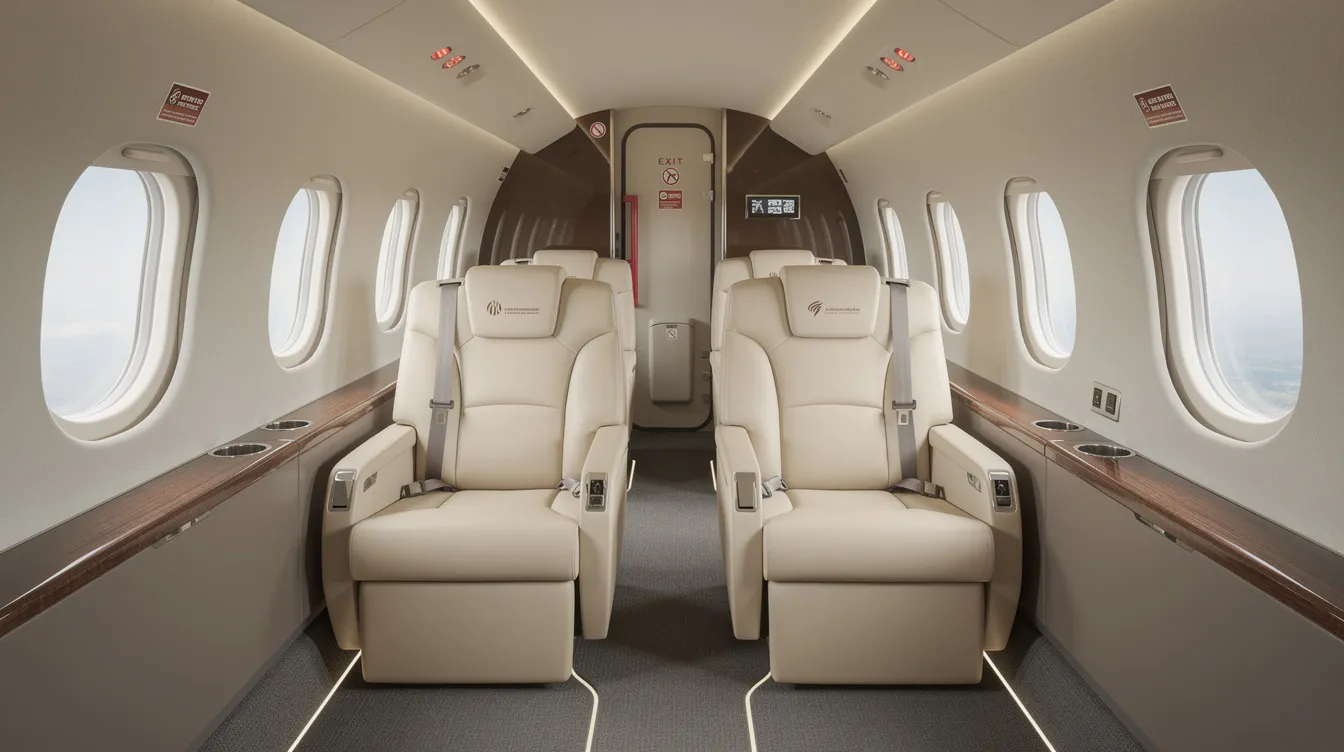
Private jet cabins include seatbelts, emergency exits, life vests, and oxygen masks. Passengers receive safety briefings, though they’re typically more conversational than commercial airline presentations. Well-trained crew members play a crucial role in ensuring passenger safety during emergencies by providing clear instructions and guidance. Typical equipment includes first aid kits, and many midsize jets carry AEDs. Crews coordinate with ground medical services and divert when needed.
Flying private allows for a more controlled environment, reducing the risk of exposure to illness and disruptive behavior from fellow passengers, as travelers typically know each other.
Private cabins are quieter but may amplify certain mechanical sounds due to proximity to engines or landing gear. Understanding these normal sounds significantly reduces fear. Ask crews for thorough briefings if nervous—tools like SkyGuru can walk you through flight stages and turbulence forecasts in real time.
How SkyGuru Helps Anxious Flyers in Private and Commercial Aviation
Even when statistics show that private jets and commercial airlines are very safe, many people still feel anxious—especially on smaller aircraft. Research suggests approximately 25% of people experience some fear of flying, and guides on apps that help overcome flight anxiety highlight how technology can make travel less stressful.
SkyGuru’s in-flight information app provides:
-
Real-time commentary on what’s happening during takeoff, climb, cruise, descent, and landing
-
Turbulence forecasts explaining why bumps are uncomfortable but rarely dangerous
-
Weather and route context, so changes like holds, diversions, or altitude adjustments feel understandable rather than alarming.
This directly connects to the safety topics covered: pilots and maintenance keep flights objectively safe, while SkyGuru focuses on keeping passengers informed so their subjective experience matches that safety.
During an unexpectedly bumpy leg on a business jet, the app explains the meteorological cause and why the aircraft is built to handle it. When pilots enter a holding pattern or divert to an alternate airport, SkyGuru clarifies that this is a standard safety-first decision.
Whether flying private or on a commercial airline, understanding turbulence, sounds, and flight phases can align risk perception with actual safety levels. Coverage of SkyGuru in the media as a tool for nervous flyers shows how structured explanations can bridge this gap. Modern private and commercial aviation both operate with robust safety layers—pilots with extensive training, rigorous maintenance standards, and voluntary safety audits that exceed regulatory minimums.
Understanding those layers—and what you feel on board—can greatly reduce fear of flying. For a deeper dive into how digital tools support anxious travelers, see how an app can help your fear of flying, and consider trying SkyGuru on your next flight if you want extra clarity and reassurance about overall flight safety.
Frequently Asked Questions About Private Jet Safety
Is private jet travel safer than commercial flights?
Private jet travel is statistically very safe, with accident rates comparable to commercial airlines. While commercial flights benefit from standardized fleets and extensive oversight, private jets offer advantages like flexible scheduling and access to more airports, which can enhance safety in certain situations.
How often are private jets inspected for safety?
Private jets undergo rigorous maintenance including FAA-mandated annual inspections and 100-hour checks. Many operators also follow additional standards set by third-party organizations such as ARGUS and IS-BAO, which require even more frequent and detailed inspections.
What kind of training do private jet pilots receive?
Private jet pilots complete extensive training, including type-specific certifications and regular simulator sessions. They practice emergency scenarios like engine failures and severe weather, ensuring they are prepared for a wide range of situations.
Are older private jets safe to fly?
Yes, older private jets can be safe as long as they are properly maintained and pass all required inspections. Regular maintenance and adherence to safety protocols are more important than the aircraft’s age.
How do safety audits improve private jet travel safety?
Safety audits by organizations like IS-BAO, ARGUS, and Wyvern assess an operator’s safety management systems, pilot qualifications, and maintenance records. These voluntary audits help ensure operators maintain high safety standards beyond government regulations.
Can private jets avoid bad weather better than commercial flights?
Private jets have the flexibility to adjust departure times and flight routes to avoid poor weather conditions and turbulence. They can also fly at higher altitudes, which helps reduce exposure to weather-related risks.
What safety equipment is on board private jets?
Private jets are equipped with emergency exits, seatbelts, oxygen masks, first aid kits, and often automated external defibrillators (AEDs). Crew members are trained to handle medical emergencies and other onboard incidents.
How do private terminals enhance passenger safety?
Private terminals limit passenger exposure to crowds and reduce security risks. They offer a controlled environment with thorough passenger screening, contributing to a safer and more comfortable travel experience.
Conclusion: The Safety of Private Jet Travel in Perspective
Private jet travel combines rigorous pilot qualifications, comprehensive training, strict aircraft maintenance standards, and thorough safety audits to create a robust safety profile comparable to that of commercial airlines. While commercial planes benefit from standardized fleets and extensive regulatory oversight, private jets offer unique advantages such as flexible scheduling, access to more airports for emergency landings, and a more controlled passenger environment that reduces exposure to disruptive behaviors and illness.
The low accident rates and continuous improvements in technology and operational procedures demonstrate that private aviation is a safe mode of travel. For nervous flyers, understanding these safety layers alongside tools like SkyGuru can provide valuable reassurance and help align perception with reality. Ultimately, choosing reputable operators who adhere to recognized certifications and safety standards is key to ensuring a secure and comfortable private jet experience.
Whether you are considering private aviation for business, leisure, or to ease flying anxiety, rest assured that private jet travel is a safe, reliable, and well-regulated option in today’s skies.
FLEET SELECTION
JET CARDS
COST ANALYSIS


How to Auditing Your Operator's Maintenance Logs
Oct 05, 2025

How to Auditing Your Operator's Maintenance Logs
Oct 05, 2025

How to Auditing Your Operator's Maintenance Logs
Oct 05, 2025
Sky Guru Weekly
The smartest private aviation intelligence in your inbox.
.svg)

