



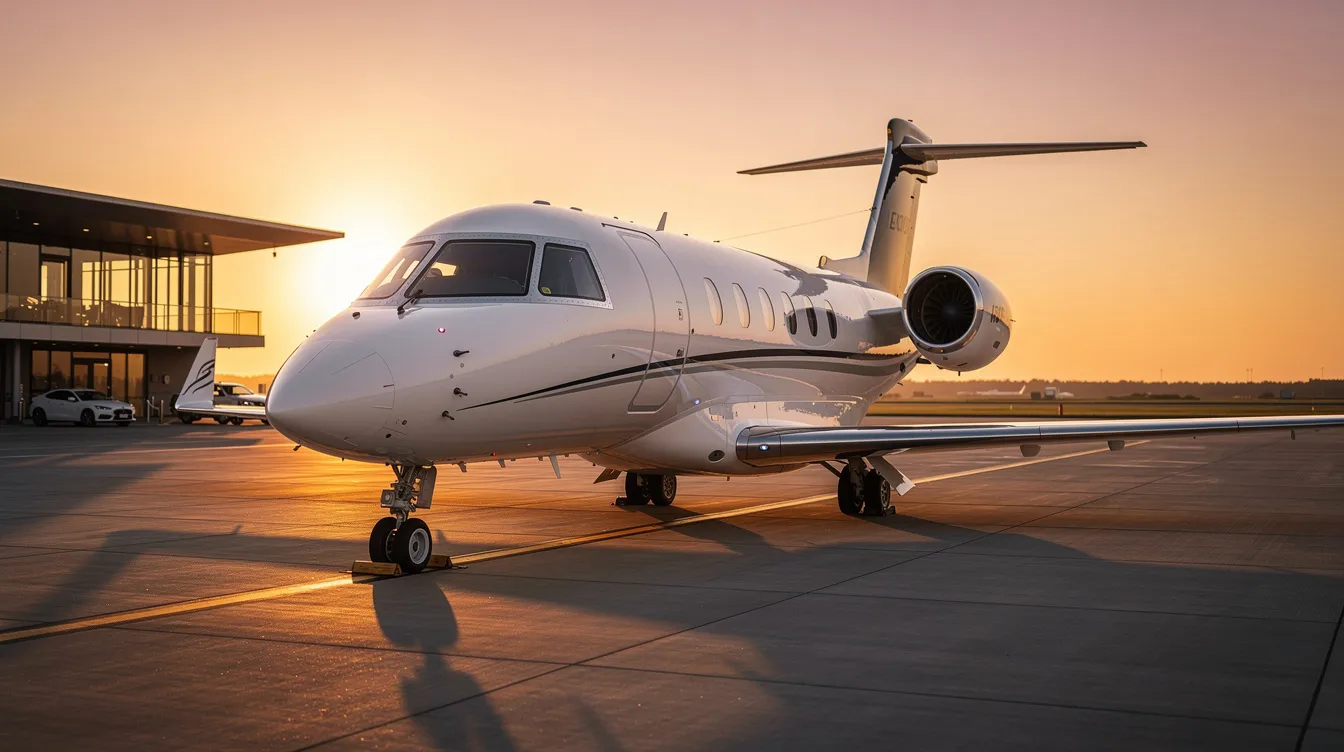
If you’ve ever wondered how to read a private jet quote, you’re not alone. Chartering a private jet should feel straightforward, but the quote you receive can look more like a financial spreadsheet than a travel confirmation.
This guide is for first-time private jet travelers, business executives, and anyone seeking to understand private jet pricing. Knowing how to interpret your quote helps you avoid hidden fees and make informed travel decisions. This guide breaks down exactly what you’re paying for, where hidden costs lurk, and how to compare options like a seasoned traveler.
When learning how to read a private jet quote, start by understanding that it’s essentially a list of line items: aircraft time, taxes (including federal excise tax in the U.S.), airport fees, and extras. Private jet charter quotes should be itemized to avoid hidden charges, specifying components such as hourly rates, fuel, crew, and airport fees. While quotes can seem complex, private air travel offers a flexible and efficient alternative to commercial airlines, providing tailored solutions for both business and leisure travelers.
Here’s a concrete example. A 2.5-hour New York (Teterboro) to Miami one-way flight on a light jet at a $4,000 hourly rate gives you a base price of $10,000. That’s before adding landing and handling fees (~$1,000), FET (~$750), and any fuel surcharges—bringing your realistic total to $12,000–$14,000. Private jet pricing and private jet rental cost are influenced by factors such as aircraft type, route, and additional services, so understanding these elements helps clarify why costs can vary.
Quick checks to determine if a quote is reasonable:
-
The aircraft category fits your passenger count (light jets seat 4–8 comfortably)
-
The hourly rate falls within normal ranges for that jet size
-
Taxes and fees are clearly itemized, not lumped into vague categories
-
There are no unexplained “miscellaneous” or “administrative” charges exceeding 5% of the total
While SkyGuru doesn’t sell private jet charters, our app helps anxious or first-time private fliers feel calmer by explaining what’s happening during the flight you’ve just booked—from turbulence to unusual sounds.
Key Takeaways:
-
A private jet quote typically includes fixed and variable components, such as aircraft, crew, and trip-specific logistics.
-
Base aircraft cost = hourly rate × billable hours (usually 70–80% of total).
-
Always request itemization if the quote feels opaque.
Line Items Explained
All private jet quotes should be itemized, allowing you to see exactly what you’re paying for. Key components of a private jet quote include hourly rates, fuel surcharges, positioning fees, crew overnight expenses, and taxes. A private jet quote typically includes fixed and variable components, such as aircraft, crew, and trip-specific logistics. The cost of chartering a private jet is influenced by several factors, including the type of aircraft, flight distance, time of travel, and additional services requested.
Definitions:
-
Hourly rates refer to the cost per hour of operating the aircraft.
-
Fuel surcharges may be added if fuel market prices exceed the base rate included in the hourly fee.
-
Positioning fees are incurred when an aircraft needs to fly empty to pick up passengers.
-
Crew overnight expenses cover lodging and meals for the crew when overnight stays are required.
-
Taxes include mandatory government fees such as the Federal Excise Tax.
This section walks through each common line item in a private jet quote so you can decode the pricing structure with confidence.
Different operators format quotes differently—some bundle everything into an “all-inclusive” rate, while others itemize down to the last detail. The cost to charter a private jet is determined by several factors, including the type of aircraft, flight distance, time of travel, and additional services requested. These factors directly influence the overall charter cost, but the underlying cost buckets remain consistent across private charter: aircraft, time, airports, taxes, and extras.
Aircraft Type & Hourly Rate
Jet categories are a primary determinant of private jet pricing, as different types of aircraft directly impact hourly rates, operational costs, and the overall cost of a private jet charter. The hourly rate by jet category is the foundation of any private jet quote. The typical private jet hourly rate varies significantly by aircraft class, ranging from $1,200/hr for turboprops to over $20,000/hr for ultra-long-range jets.
Typical 2025 hourly ranges (USD):
|
Jet Category |
Hourly Rate Range |
Passenger Capacity |
|---|---|---|
|
Very Light Jets (VLJs) |
$2,000–$3,500 |
4–6 passengers |
|
Light Jets |
$4,000–$6,000 |
4–8 passengers |
|
Midsize Jets |
$6,000–$9,000 |
6–8 passengers |
|
Super Midsize |
$7,500–$10,000 |
10–11 passengers |
|
Heavy Jets |
$10,000–$15,000 |
9–16 passengers |
|
Ultra Long Range Jets |
$15,000–$20,000+ |
Up to 19 passengers |
-
Very Light Jets (VLJs) are compact aircraft that typically accommodate four to six passengers and are ideal for regional travel, with a flight range of around 1,200 nautical miles.
-
Light jets, such as the Phenom 300 and Cessna Citation, are ideal for short-haul flights and smaller groups, typically accommodating four to eight passengers.
-
Midsize jets, like the Learjet 55 and Cessna Citation Latitude, offer a balance of range and cabin comfort, accommodating six to eight passengers for longer domestic or intra-European flights.
-
Super midsize jets, such as the Bombardier Challenger 300, combine the efficiency of midsize jets with the capabilities of larger aircraft, accommodating ten to eleven passengers for longer flights.
-
Heavy jets and ultra-long-range jets, such as the Gulfstream G550 and Bombardier Global 7500, are designed for intercontinental travel, providing luxury and privacy for nine to nineteen passengers.
The hourly rate usually includes most fixed operational costs: crew salaries, basic maintenance, insurance, and standard onboard amenities.
Example comparison:
A 3-hour Los Angeles to Aspen trip on a light jet at $5,000/hour totals $15,000 base cost. That same route on a super midsize jet at $8,500/hour runs $25,500—a 70% premium justified by range, larger cabin volume, and high-altitude performance critical for Aspen’s 7,820-foot elevation.
Corporate flight departments or jet card programs may quote “all-in” hourly rates (often 10–20% above base), while on-demand private jet charters keep more items separate for transparency.
Flight Time, Minimums & Repositioning
A quote is based on “billable” flight time, which measures from engine start to shutdown—this can differ slightly from simple point-to-point calculations.
-
Daily minimums are common: often 2 hours per day for light jets and midsize jets, and 2.5–3 hours for heavy jets. This means a 45-minute hop still bills as 2 hours, effectively doubling your cost on short, same-day trips.
-
Repositioning (ferry) flights occur when the aircraft must fly empty to reach your departure airport. In industry terms, a ferry flight refers to repositioning an aircraft after a one-way charter, and the cost of a ferry flight is often included in the total charter fee as an operational necessity to return the aircraft to its base for future missions.
-
Aircraft positioning, or ferry fees, can significantly affect the cost of private jet charters, as it includes the expense of flying the aircraft empty to the departure airport if it is not based there. Positioning fees are incurred when an aircraft needs to fly empty to pick up passengers, which can affect the overall cost of the charter.
A one-way charter may appear to have a higher cost per flight hour compared to a return journey due to the need to account for the aircraft’s return flight to its home base.
Example:
You want a one-way Dallas to Teterboro flight, but the aircraft is based in Florida. That’s a 2-hour southbound ferry plus your 3-hour main leg—potentially billing 5–6 hours total, or itemized as $8,000–$12,000 in additional aircraft positioning costs.
The location of the aircraft can impact availability and pricing; if the desired aircraft is not in the vicinity, repositioning costs will be incurred, which can affect the overall charter price.
-
Flexible departure airports (Morristown instead of Teterboro) can reduce repositioning charges.
-
Flexible dates may allow you to catch an aircraft already in position.
Fuel, Surcharges & Deicing
Fuel costs appear differently across quotes. Some operators bake fuel into the hourly rate (stable at $5–$7/gallon in 2025), while others show a separate “fuel surcharge” line.
-
Fuel surcharges may be added if fuel market prices exceed the base rate included in the hourly fee. Transparent brokers will explain the baseline fuel prices used and how adjustments work.
Winter operations:
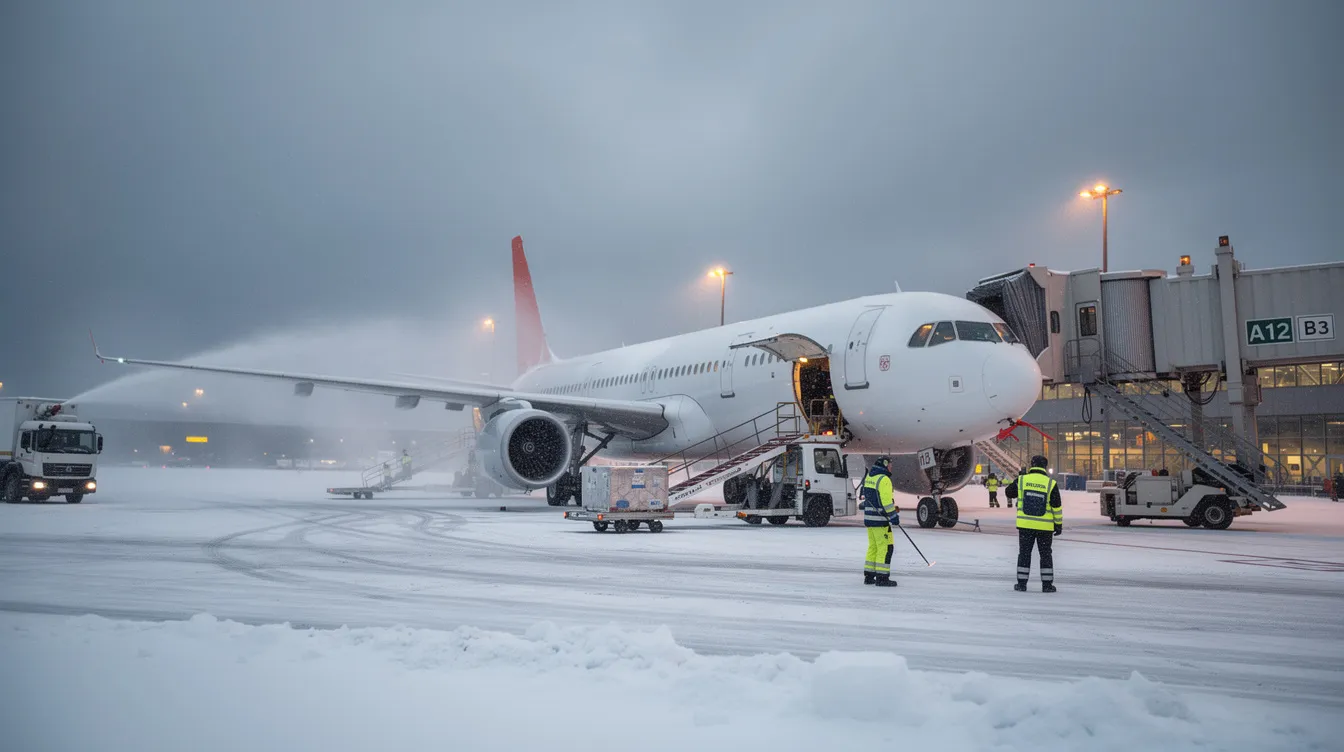
Deicing fees are often not pre-included and may be labeled “estimated” or “TBD” on your quote. Ranges vary significantly:
-
Very light jets and light jets: $1,500–$4,000
-
Heavy jets: $8,000–$15,000 at major winter airports
Example:
A Chicago to Denver flight in January on a midsize jet should prompt you to ask about deicing. If temperatures are below freezing at departure, expect this line item to appear on your final invoice.
SkyGuru users benefit from real-time weather context during their flight: our app explains why deicing or turbulence-related route changes occurred, helping you feel more in control even when operational decisions affect your trip, and the SkyGuru app FAQ answers common questions about how this in-flight guidance works.
Airport, FBO & Handling Fees
Fixed base operators (FBOs) are private terminals that charge handling, ramp fees, and parking fees for private aircraft. Aircraft parking refers to the secure, designated areas where private jets are parked during ground operations, and the related costs are included in airport handling fees.
-
Airport landing fees typically scale with aircraft size and airport congestion. Airport landing fees can vary significantly, typically ranging from $100 to $1,500 per flight, depending on the airport’s size and location.
-
Handling fees charged by Fixed-Base Operators (FBOs) for parking and servicing the aircraft can range from $100 to $500 per flight.
Concrete comparison for NYC-area arrivals:
|
Airport |
Typical Landing & Handling Total |
|---|---|
|
Teterboro (TEB) |
$1,200 |
|
White Plains (HPN) |
$800 |
|
Essex County (CDW) |
$500 |
Flying into smaller airports can reduce costs, as they typically have lower landing and handling fees compared to major international airports, and can also save time on ground transportation.
Reputable private charter providers itemize these as “landing fees,” “FBO fees,” or “handling charges”—not as vague “surcharges.”
Crew, Overnight & Daily Charges
Multi-day itineraries can trigger crew fees for hotels, meals, and ground transportation when the flight crew remains with your aircraft. These crew costs encompass not only salaries, but also accommodations, transport, and per diem expenses, and are often included in all-inclusive quotes for transparency as an essential component of the total flight price.
-
Crew expenses for overnight stays can add between $200 and $600 per crew member to the total charter cost, covering lodging and meals.
-
In premium cities like London, New York, or Zurich, expect $400–$1,000 per crew member per night.
For a 2-night trip with two pilots and a flight attendant, overnight fees could total $2,000–$5,000.
Some quotes show a single “crew expenses” line, while others provide separate per-diem, hotel, and transport entries. These are legitimate safety-related costs tied to FAA-mandated rest periods and readiness for your next leg.
Taxes & Government Fees (Including Federal Excise Tax)
Government taxes are non-negotiable and will usually be separated near the bottom of the quote.
-
Federal Excise Tax of 7.5% is applied to all domestic flights within the U.S., which is a standard component of private jet charter costs.
-
There are also per-segment fees of $4.50–$6.50 per passenger leg.
Example calculation:
A $25,000 heavy jet charter for a New York–Miami round trip:
-
FET: $25,000 × 7.5% = $1,875
-
Segment fees (4 passengers × 2 legs): ~$52
-
Total taxes: ~$1,927
The final price of a private jet charter includes not only the hourly rate but also additional costs such as airport fees, crew expenses, federal excise taxes, and any custom requests like catering.
For international flights, expect additional fees: $50–$200 per passenger head tax, Eurocontrol overflight permits in Europe (€50–€150 per flight hour), customs fees, and local departure taxes depending on your destination.
Optional Services & Extras
Common optional extras on private jet travel include:
-
Bespoke catering: $50–$200 per person beyond standard snacks (e.g., a custom menu from a New York restaurant)
-
In-flight Wi-Fi data packages: $1,000–$5,000 per leg on midsize jets and larger aircraft
-
Pets onboard: $500+ for special cleaning
-
Ground transportation: Chauffeured transfers in London or helicopter connections
-
Additional services: Special cleaning, flower arrangements, specific beverages
For a short regional flight, some of these extras may not be necessary, and these flights are typically less expensive due to the shorter distance and duration.
A truly “all-inclusive” quote will either bundle these into a single total or clearly mark them as optional so you can remove items you don’t need.
For anxious travelers, investing in familiar food, calm seating layouts, and predictable transfers may be worth the incremental cost—these small comforts can reduce stress before you even board.
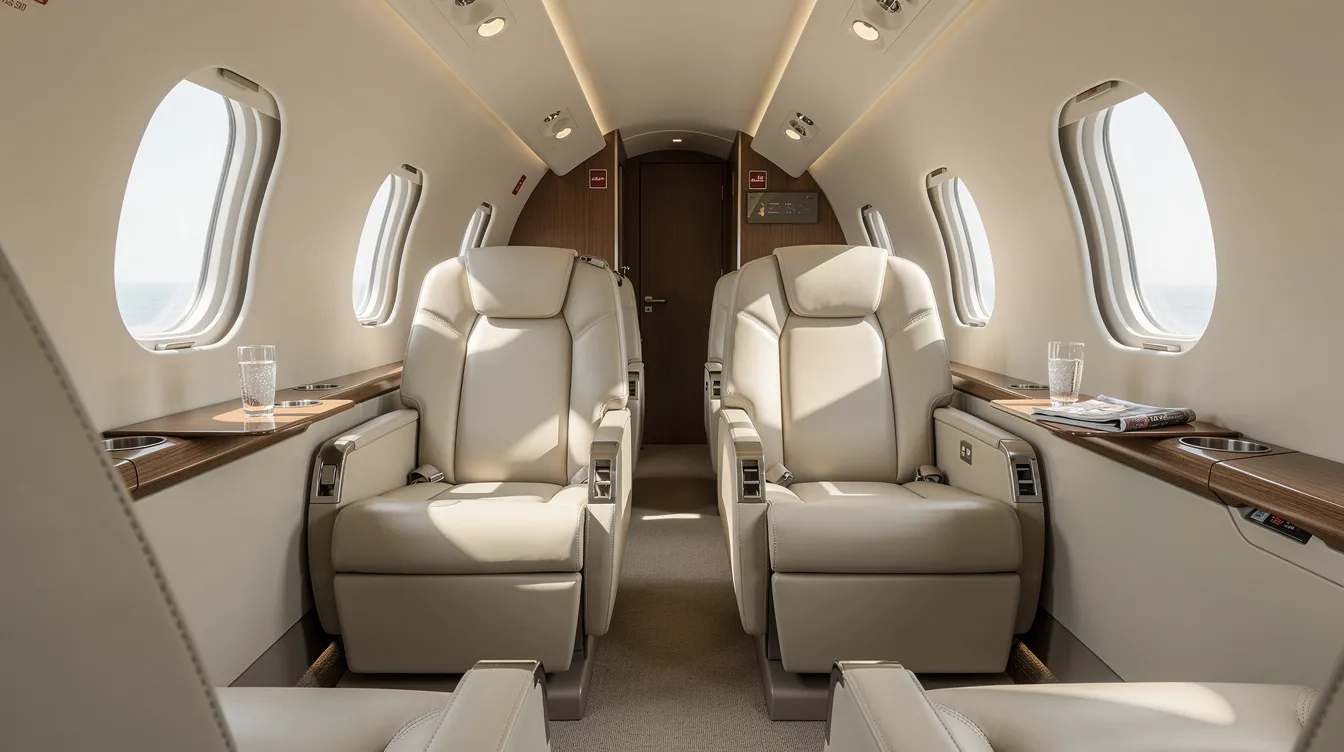
Now that you understand the main components of a private jet quote, let's look at potential hidden costs you should watch for.
Hidden Costs to Watch
Not all costs are obvious at first glance, especially for first-time users chartering a private jet. “Hidden” doesn’t always mean dishonest—many are variable expenses (weather, routing, airport decisions) that can’t be perfectly predicted at the quote stage. The private aviation industry emphasizes transparency and responsible pricing practices, aiming to ensure clients are fully informed about potential costs and industry standards.
SkyGuru can help travelers understand why certain operational decisions (like re-routing around turbulence) may have extended their flight time and affected the final cost, and media coverage of the SkyGuru fear-of-flying app highlights how these explanations reassure nervous passengers.
Fuel Price Changes & Surcharges
Some quotes are based on an assumed fuel price, with language allowing adjustments if prices move significantly before departure.
Check whether your quote states “fuel included” or references a “fuel adjustment” formula. Ask how often that baseline is updated.
Example:
A 10–15% increase in jet fuel between booking and your 4-hour super midsize jet flight might show up as $500–$2,000 extra on your invoice. Request a cap or a clear explanation of possible adjustments before signing.
Extended Flight Time & Holding Patterns
Actual flight time can exceed planned time due to weather deviations, holding patterns near busy airports, or reroutes around turbulence.
Example:
A Chicago to New York flight during summer thunderstorm season could add 20–30 minutes of block time—at $6,000/hour on a midsize jet, that’s $2,000–$3,000 extra.
Ask whether the operator bills based on estimated time, actual time, or a blend, and how large variations are handled.
SkyGuru’s turbulence and weather explanations can make these in-flight changes feel less alarming for nervous passengers—understanding why you’re holding or detouring brings peace of mind and works hand in hand with apps that help with fear of flying.
Winter Operations: Deicing & Hangar Fees
Deicing is one of the most common invoice surprises in cold climates for private jets, often excluded from the original quote or listed as “TBD.”
Realistic ranges by jet size:
-
Light jets: $1,500–$4,000
-
Midsize jets: $3,000–$6,000
-
Heavy jets: $8,000–$15,000+
Airports known for winter weather (Denver, Toronto, Oslo) see these charges frequently between November and March.
Hangar fees are a preventive cost: parking the aircraft inside overnight to avoid frost, snow, and repeated deicing. This can run $1,000–$5,000 per night, but may be cheaper overall on multi-day trips than paying for multiple deicings.
Ask for a winter-scenario estimate if booking during cold months in northern regions.
Change, Cancellation & Peak Period Surcharges
Changes to dates, route, or passenger count can trigger re-quoting, extra positioning, or higher private jet charter rates during peak demand.
Peak travel seasons and high-demand events can lead to increased private jet charter costs and affect aircraft availability, making it beneficial to book flights in advance. Private jet charter costs can vary based on peak demand scheduling, where prices may increase during high-demand travel periods or events.
Cancellation policies vary by operator, with one-way bookings often carrying a 100% cancellation fee upon confirmation.
Example:
Moving a February ski trip from midweek to Presidents’ Day weekend could increase charter cost by 20–50% and limit aircraft availability significantly.
Read the “Terms & Conditions” section with special attention to peak periods like Christmas week, major sporting events, or business travel surges.
International Permits & Handling
Cross-border trips add layers of international fees: overflight permits, navigation charges, customs/immigration handling, and local departure taxes. These costs and procedures are often higher and more complex at a major international hub compared to smaller regional airports, where fees and processing may be lower and more streamlined.
Example:
Chartering a private jet from Los Angeles to Cabo San Lucas or from Paris to Geneva will include:
-
Overflight permits ($200–$500 for Mexico)
-
Navigation charges (Swiss nav fees ~€100/hour)
-
International handling fees for customs processing
Request a breakdown labeled by country or service (e.g., “Mexico overflight,” “Swiss navigation”) rather than a single lump sum “international fee.”
With a clear understanding of hidden costs, you’re ready to compare private jet quotes with confidence.
Comparing Quotes
Comparing private jet quotes is less about picking the lowest number and more about aligning aircraft, safety, service, and total cost. The private aviation space offers a wide range of options, from semi-private flights to full private jet charters, making it important to understand the different services available when comparing quotes. This section teaches you how to normalize different quote formats so you’re making fair comparisons.
For anxious or first-time fliers, evaluating non-price factors (safety, communication, support during turbulence) is just as important. Tools like the SkyGuru fear-of-flying app complement a good operator by making the actual private jet flight feel calmer.
Apples-to-Apples: Normalizing Hourly Rates & Inclusions
Some quotes list only an hourly rate plus rough taxes, while others are nearly all-inclusive with airport fees, crew, and standard catering included.
Calculate an effective hourly rate: Divide the total pre-tax cost by the billed flight hours.
Example comparison for NYC–Miami on similar light jets:
|
Quote |
Stated Hourly Rate |
Total Pre-Tax |
Hours |
Effective Hourly |
|---|---|---|---|---|
|
A |
$4,500 |
$14,500 |
2.5 |
$5,800 |
|
B |
$5,200 (all-in) |
$13,000 |
2.5 |
$5,200 |
Quote B wins despite the higher stated rate because it includes airport and handling fees.
“Too low” hourly rates on heavy jets compared to market norms can signal hidden or excluded items—probe further.
Aircraft Category, Age & Mission Fit
Match jet size to your mission:
-
Very light jets and light jets for short hops (LA–Vegas, 1.5 hours)
-
Midsize jets and super midsize jets for cross-country (NYC–Denver, 4 hours)
-
Heavy jets for transatlantic or larger groups (NYC–London, 7+ hours)
Unlike commercial airlines, private jets can access smaller airports and offer greater flexibility in scheduling and routing, allowing you to land closer to your final destination and avoid crowded terminals. Choosing a private plane also means you can tailor your travel experience to your specific needs, enjoying a level of customization and comfort not available on commercial flights.
Older private aircraft (pre-2010) may have lower hourly rates but can vary in cabin comfort, Wi-Fi reliability, and perceived noise—factors that matter for private jet travel quality.
Example:
Upgrading from a light jet to a super midsize on a 5-hour flight improves comfort substantially (larger cabin, better amenities) at a moderate 30–40% increase in total price. For business travel or anxious fliers, this upgrade may be worth it.
Being flexible with your travel dates can lead to better pricing, as private aviation has peak seasons and times of high demand, similar to commercial air travel.
Route, Airports & Ground Time
Choosing alternate airports can reduce both direct cost and total travel time. Unlike commercial flights, which often require using major hubs and connecting flights, private jets offer the flexibility to land at smaller regional airports and fly more direct routes, minimizing ground time and making travel more efficient.
Example comparisons:
-
London Farnborough instead of Heathrow: saves £1,000+ in landing and handling fees
-
Van Nuys instead of LAX: lower fees, faster private terminal processing
Requested ground time (waiting all day between meetings before returning) affects how many flight hours are billed under daily minimums. Compare whether quotes assume aircraft and crew stay with you versus dropping off and returning to base between legs.
Booking an ‘empty leg’ flight can provide significant savings, as these are one-way trips that become available when a jet needs to return to its home base or fly to its next charter location after dropping off passengers, often offered at a discounted rate; sophisticated tools based on SkyGuru flight and weather API data and its turbulence and route analysis API platform can help operators identify and price these opportunities accurately.
Safety, Service & Transparency Factors
Once basic price differences are understood, safety and service standards should become the deciding factors—not just a few hundred dollars’ difference.
Reputable charter companies are happy to discuss:
-
Pilot qualifications (5,000+ hours experience)
-
Maintenance oversight and schedules
-
Third-party safety audit participation
Transparent communication style—willingness to walk through each line item and explain weather-related changes—is especially valuable for anxious travelers.
Pairing a trustworthy private jet operator with SkyGuru’s real-time in-flight explanations can significantly reduce stress for passengers who worry about turbulence or unfamiliar sounds, especially for those exploring apps to overcome the fear of flying.

With these comparison strategies, you can confidently evaluate private jet quotes and select the best fit for your needs.
Red Flags
A private jet quote should be detailed, consistent, and easy to explain. Anything less warrants extra questions. This section covers practical warning signs that should slow you down—or send you looking for another provider.
Feeling uneasy about a quote is valid. For nervous fliers, peace of mind starts long before takeoff.
Vague or Missing Line Items
-
Quotes bundling many components into “miscellaneous fees” or “surcharges” without explanation are a major concern.
-
Absence of clearly listed government taxes (including federal excise tax on domestic flights) can mean they’ll be added later.
-
Request a revised quote specifying: hourly rate, estimated hours, airport/FBO fees, crew expenses, and taxes separately.
-
Resistance to itemization is a reason to consider other providers.
Unrealistic Hourly Rates or “Too-Good” Deals
While promotions and empty leg flight opportunities exist, base hourly rates far below typical ranges should prompt careful questioning.
Example:
Hourly rates for private jets can range significantly, with turboprop charters starting around $2,000 per hour and heavy jets costing closer to $10,000 per hour. A heavy jet quoted at less than a light jet's hourly rate is unlikely without significant exclusions.
Check whether repositioning, crew overnights, or airport fees are missing and will appear on the invoice rather than the original quote.
Value matters more than the lowest advertised number—especially when safety and reliability are at stake.
Lack of Safety Information or Operator Details
Any reluctance to identify the actual operator, tail number (when available at booking), or basic safety standards is a red flag when chartering a private jet.
A trustworthy provider will discuss:
-
Pilot qualifications and experience levels
-
Maintenance oversight and inspection schedules
-
Relevant third-party audits in clear, non-technical language
For those anxious about flying private, ask how the operator communicates about turbulence, weather reroutes, and in-flight decisions. Using supportive tools like SkyGuru—widely covered as a groundbreaking fear-of-flying app—alongside a transparent operator turns technical explanations into understandable, calming information during your trip.
Pressure Tactics & Poor Communication
-
Aggressive “book now or lose everything” pressure (beyond normal aircraft availability realities) is concerning, especially paired with incomplete paperwork.
-
Questions about line items, taxes, or cancellation rules were brushed off or answered vaguely.
-
Slow responses or inconsistent answers from different team members signal weak post-booking support.
A professional private charter partner will help you feel informed and calm before flying private—an important factor for anyone who experiences travel anxiety, and pairing that support with an app that helps your fear of flying can further ease preflight nerves.
Understanding your private jet quote is the first step to flying with confidence. Armed with this knowledge, you can compare quotes fairly, ask the right questions, and avoid invoice surprises.
For the flight itself, download SkyGuru before your departure. While your charter operator handles the logistics, our app explains what’s happening moment-to-moment in the air—turning turbulence, unusual sounds, and weather changes into understandable information that keeps nervous fliers calm.
Conclusion
Evaluating a private jet quote involves more than just looking at the price—it requires understanding the detailed line items explained, recognizing potential hidden costs to watch like federal excise tax (FET), and comparing quotes with a critical eye toward transparency and safety. By familiarizing yourself with the components of a private jet quote, including hourly rates, positioning fees, crew expenses, and airport charges, you empower yourself to make smarter, more informed decisions.
Remember, not all quotes are created equal. Look for clear itemization and beware of vague fees or unusually low rates that may signal hidden costs or compromised service. Being flexible with your travel dates and airports can also help reduce costs, as can exploring options like empty leg flights.
Ultimately, pairing your private jet journey with tools like the SkyGuru app enhances your experience by providing real-time flight insights and easing anxiety. With a clear understanding of how to read private jet quotes and the support of reliable resources, you can enjoy the luxury and convenience of private aviation with confidence and peace of mind.
FLEET SELECTION
JET CARDS
COST ANALYSIS


How to Auditing Your Operator's Maintenance Logs
Oct 05, 2025

How to Auditing Your Operator's Maintenance Logs
Oct 05, 2025

How to Auditing Your Operator's Maintenance Logs
Oct 05, 2025
Sky Guru Weekly
The smartest private aviation intelligence in your inbox.
.svg)

