




Owning a private jet represents one of the most significant purchases a business owner or high-net-worth individual can make. The appeal is straightforward: time savings that can reach 50-100 hours annually by bypassing commercial check-in lines and connections, complete privacy for sensitive business discussions during flight, and total control over your travel schedule.
Since 2020, private aviation has seen a growing trend driven by health concerns and the desire to avoid crowded terminals. Private jets enhance safety for travelers, particularly for high-profile individuals or those with health concerns, as they can control their travel environment and avoid crowded commercial airports. The convenience of owning a private jet allows for flexible travel schedules, enabling owners to fly when it suits them best without the constraints of commercial flight schedules.
This guide targets first-time buyers weighing full ownership against alternatives like on-demand charter, jet cards, and fractional jet ownership. Even entry-level used very light or light jets start around $2-4 million in 2026 market conditions, with annual running costs easily reaching $700,000-$1.5 million for a light or midsize jet.
Buying an aircraft is closer to acquiring a business than purchasing a car. Legal structures, technical inspections, tax implications, and regulatory compliance all demand attention. Most buyers engage a broker (typical fees run 2-5% of purchase price or $25,000-$150,000 fixed), an aviation attorney, and technical consultants to navigate these complexities.
The concept of total cost of ownership integrates purchase price, operating costs, and depreciation over time. Each decision point in this guide breaks down what you need to know before committing capital.
For those who experience flight anxiety, tools like the SkyGuru app for nervous flyers can help passengers understand turbulence, sounds, and flight stages once flying on their chosen aircraft, whether they own it or charter it.
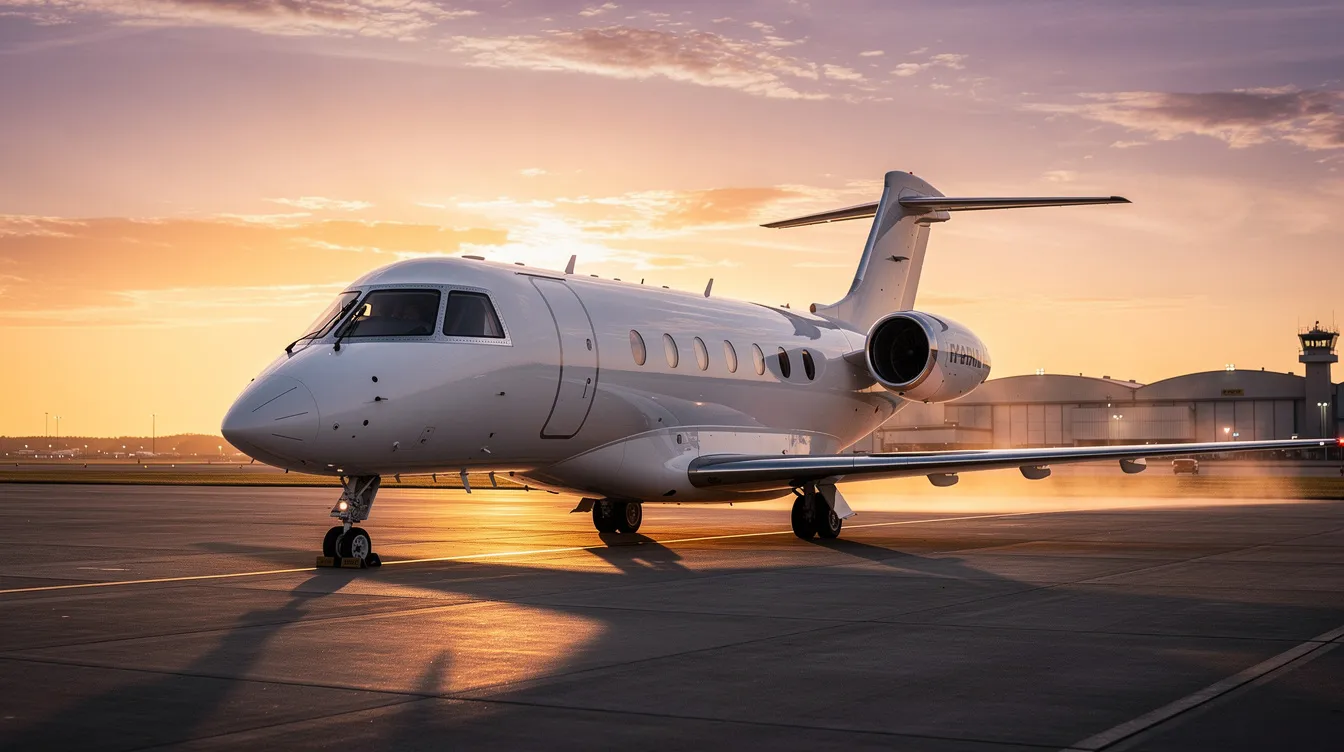
Step 1: Decide If Ownership Actually Makes Sense for You
Before browsing listings for a brand new jet or scouting preowned jets, validate whether private jet ownership actually beats charter, jet cards, or fractional ownership for your situation. This analysis should happen before you fall in love with a specific aircraft.
Buying a private jet typically requires flight hours of 350 to 400 per year to be financially justifiable. Below 200 hours annually, chartering often proves cheaper because you avoid depreciation, hangar fees, and crew salaries entirely.
Consider a concrete example: a CEO flying 35 round-trip flights per year between New York and Miami (each roughly 3 hours block time, totaling approximately 210 hours) plus four quarterly transatlantic flights (around 14 hours each, roughly 56 hours) would accumulate 350-450 flight hours annually. This usage level potentially justifies sole ownership.
To calculate your annual hours:
-
List your typical routes from the past year
-
Multiply each by average block time (wheels-up to wheels-down)
-
Add positioning legs (empty repositions typically add 10-20% to total hours)
-
Factor in multi-leg itineraries
When each option makes sense:
|
Annual Hours |
Best Option |
|---|---|
|
Under 50 hours |
On-demand charter |
|
50-150 hours |
Jet cards |
|
150-300 hours |
Fractional ownership |
|
300+ hours |
Full ownership |
Beyond the numbers, qualitative factors significantly impact the decision. Do you need last-minute departures that charter wait times can’t accommodate? Are you transporting children or pets regularly who benefit from familiar surroundings? Do you require a predictable crew and cabin for business reliability?
Some anxious flyers prefer a known cockpit crew and aircraft type. Real-time flight commentary and weather updates, such as those highlighted in media coverage of the SkyGuru app, can assist frequent travelers in managing anxiety and enhancing their travel experience.
Step 2: New vs Pre-Owned Private Jets
For most first-time buyers in 2026, the real decision isn’t whether to buy, but whether to buy new from the factory or pre-owned from the global resale market. Roughly 80-90% of transactions occur in the pre-owned segment.
New jets generally offer the latest technology and five-year warranties, but depreciate faster than pre-owned jets. A 2026 Gulfstream G500 (approximately $50-55 million list) or Bombardier Challenger 3500 (around $28-32 million) delivers cutting-edge avionics, bespoke interiors, and full manufacturer support. However, expect 12-24 month build slots and 20-30% premiums over used equivalents.
Pre-owned aircraft like a 2012 Embraer Phenom 300 (roughly $5-7 million) or 2015 Cessna Citation XLS+ (approximately $8-10 million) offer immediate availability. You might acquire a larger jet aircraft for the same capital, but thorough research into maintenance history becomes critical.
New aircraft advantages:
-
Known history from day one
-
Latest safety features and avionics
-
Full 5-year/5,000-hour warranty on many models
-
Custom interior configuration
New aircraft drawbacks:
-
Steep first-5-year depreciation (20-30% year one, 40-50% by year five)
-
Higher insurance values
-
Extended build slot wait times
Pre-owned aircraft advantages:
-
Lower entry purchase price (30-60% below new)
-
Ability to step up in size for the same capital
-
Potential for better short-term value retention on popular models
Pre-owned aircraft drawbacks:
-
Variable maintenance history requiring verification
-
Upcoming costly inspections or engine overhauls
-
Older cabin technology and amenities
To illustrate depreciation: a super-midsize jet that cost $25 million new in 2018 might trade around $15-17 million in 2026, depending on flight hours and condition. Popular models like the Phenom 300 hold residual value better, losing 10-15% less than average.
An entrepreneur planning to customize the cabin and keep the jet 10+ years might lean toward new. A first-time owner testing aircraft ownership over 5 years often opts for used jets in the 5-10 year age range.
Step 3: Choose the Right Aircraft Size and Mission Profile
Buying “too much jet” or “too little jet” ranks among the most expensive mistakes in private jet buying. The mission profile is essential for determining the best aircraft category based on passenger needs and route requirements. Match your aircraft to 80-90% of typical missions rather than rare outliers.
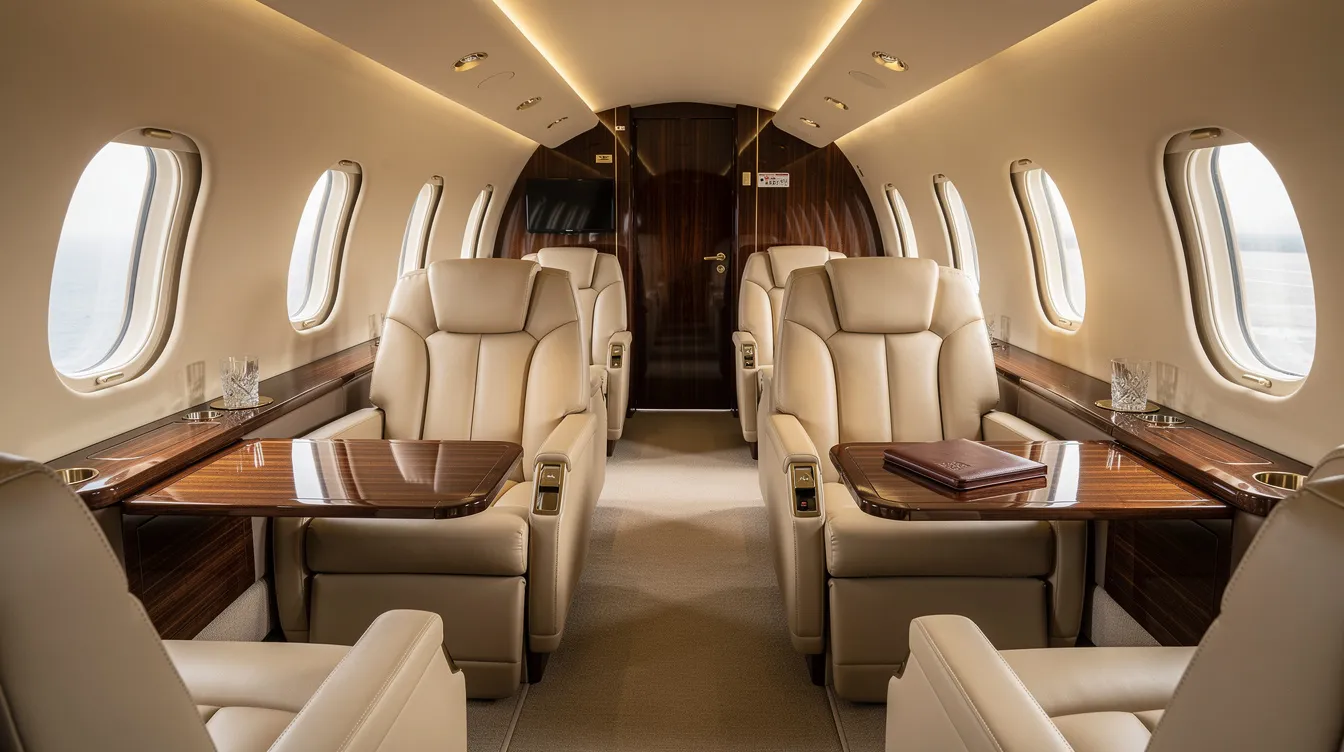
Very Light Jets (VLJs)
Aircraft like the HondaJet Elite II or Citation M2 offer 900-1,200 nautical miles with 4-6 passengers. Best suited for short hops like Los Angeles-San Francisco or London-Geneva at 400-450 knots cruise, capable of operating from runways as short as 3,500 feet.
Light Jets
Light jets, such as the Citation CJ series and Phenom 300, are designed for trips under 1,500 nautical miles and typically accommodate two to five passengers. Models like the Phenom 300E extend range to approximately 2,000 nautical miles with 6-8 seats, handling routes like New York-Dallas or Paris-Athens without fuel stops.
Midsize Jets
Midsize jets, like the Challenger 350 and Citation Latitude, can fly approximately 2,500 to 3,000 nautical miles and are suitable for five to ten passengers, offering enhanced productivity features. The Citation XLS+ and Hawker 900XP cover U.S. coast-to-coast or Western Europe to Middle East routes with stand-up cabins emerging in this category.
Super-Midsize Jets
Aircraft like the Challenger 3500 and Gulfstream G280 deliver roughly 3,000-3,600 nautical miles with 8-10 seats and full stand-up height. Popular with companies doing regular New York-London or Los Angeles-Honolulu routes, these jets maintain low cabin altitudes around 4,500 feet for passenger comfort.
Large and Ultra-Long-Range Jets
Heavy or ultra-long-range jets are ideal for extended-range intercontinental trips, seating nine to sixteen passengers and offering customizable configurations for various in-flight needs. The Gulfstream G650ER (approximately 7,500 nm), Bombardier Global 7500 (roughly 7,700 nm), and Dassault Falcon 8X (around 6,450 nm) conquer routes like Los Angeles-Tokyo or London-Singapore nonstop with lie-flat beds and even showers on flagships.
Matching aircraft to mission:
-
Typical trip length and airports you use (runway requirements matter)
-
How many passengers fly regularly (family of 4-6 vs. board of 10+)
-
Desired amenities: conference rooms, bedrooms, in-flight entertainment, Wi-Fi
-
Quiet cabin and comfortable seating preferences
For anxious travelers, cabin layout and perceived smoothness matter. Larger, heavier jets dampen turbulence better via inertia, and multiple passengers often feel more relaxed with window proximity and space to move; combining the right cabin with an app that helps reduce fear of flying can further improve comfort.
Step 4: Understand the Real Costs of Owning a Private Jet
The purchase price represents less than half the economic picture over a 5-10 year ownership period. Understanding private jet cost requires separating fixed costs from variable costs and planning for both.
Fixed costs include crew salaries, insurance, hangar fees, and management fees, while variable costs primarily include fuel and maintenance. Owning a private jet involves significant ongoing operational expenses, including maintenance, crew salaries, insurance, and hangar fees, which can add up to over $1 million annually depending on the aircraft's size and usage.
2026 Cost Ranges:
|
Aircraft Type |
Purchase Price |
Annual Fixed Costs |
Variable Cost/Hour |
|---|---|---|---|
|
Used Light Jet |
$4-6 million |
$400,000-$700,000 |
$2,000-$2,800 |
|
Midsize Jet |
$8-15 million |
$800,000-$1.2 million |
$2,200-$2,800 |
|
Large Cabin Jet |
$40-60 million |
$1.5-$3 million |
$4,000-$6,000 |
For a midsize jet, annual fixed costs typically range from $800,000 to $1.2 million, while variable costs can add $2,200 to $2,800 per flight hour, depending on fuel prices and maintenance reserves; some operators also leverage flight and turbulence data APIs for planning to optimize routes and manage operating risk.
Crew costs often form the largest fixed expense after hangar fees. Two experienced pilots plus an occasional flight attendant, including salaries, training, and benefits, typically run $200,000-$500,000 annually for a midsize or larger jet.
Hangar and parking at congested hubs drive higher prices. Expect $30,000-$200,000 annually at locations like Teterboro near New York, Van Nuys in Los Angeles, or Farnborough near London.
Maintenance programs from providers like Rolls-Royce CorporateCare or Honeywell MSP allow owners to pay hourly fees that smooth out large, infrequent overhauls. Without these programs, a single engine overhaul can cost $1-3 million unexpectedly, and owners may also benefit from specialized aviation weather and turbulence APIs to anticipate operating conditions.
Direct operating costs include fuel costs (roughly $500-$1,500/hour at $6-8/gallon jet-A), landing fees, handling fees, and catering. Understanding these costs alongside SkyGuru’s in-flight information and weather features can help owners and passengers better contextualize what’s happening during each flight.
Depreciation significantly impacts long-term economics. Over 8-10 years, expect a jet to lose 40-60% of its initial value. Strong maintenance records and popular models retain value better.
Tax benefits like bonus depreciation are significant incentives for acquiring business-used aircraft, but require compliance documentation and proper ownership structure.
Hidden costs include:
-
Cabin refurbishments after 7-10 years ($1-3 million)
-
Avionics upgrades for new regulations ($500,000+)
-
Security and concierge services
Comparing ownership versus chartering: someone flying 150 hours annually might spend $1.5 million chartering large-cabin private aircraft instead of tying up $40 million in an aircraft plus $2.5 million in yearly operating costs.
Step 5: Where to Find Aircraft and Who Should Be on Your Team
There’s no single official marketplace for private jets. The best opportunities often sit with brokers and off-market listings rather than public advertising sites alone.
Public listing platforms show asking prices, photos, and basic specs but rarely tell the full story on maintenance status or realistic transaction prices (often 10-20% below ask).
Buyers should engage a reputable aviation broker to manage the purchase process, as they can provide valuable expertise and help navigate the complexities of the market. An acquisition broker handles:
-
Sourcing on- and off-market aircraft worldwide
-
Benchmarking pricing against recent comparable sales
-
Arranging showings and demo flights
-
Coordinating pre-buy inspection logistics
-
Negotiating terms
Broker fees typically run 2-5% of the purchase price or a fixed fee of $25,000-$150,000. Agree on all fees in writing before serious work begins.
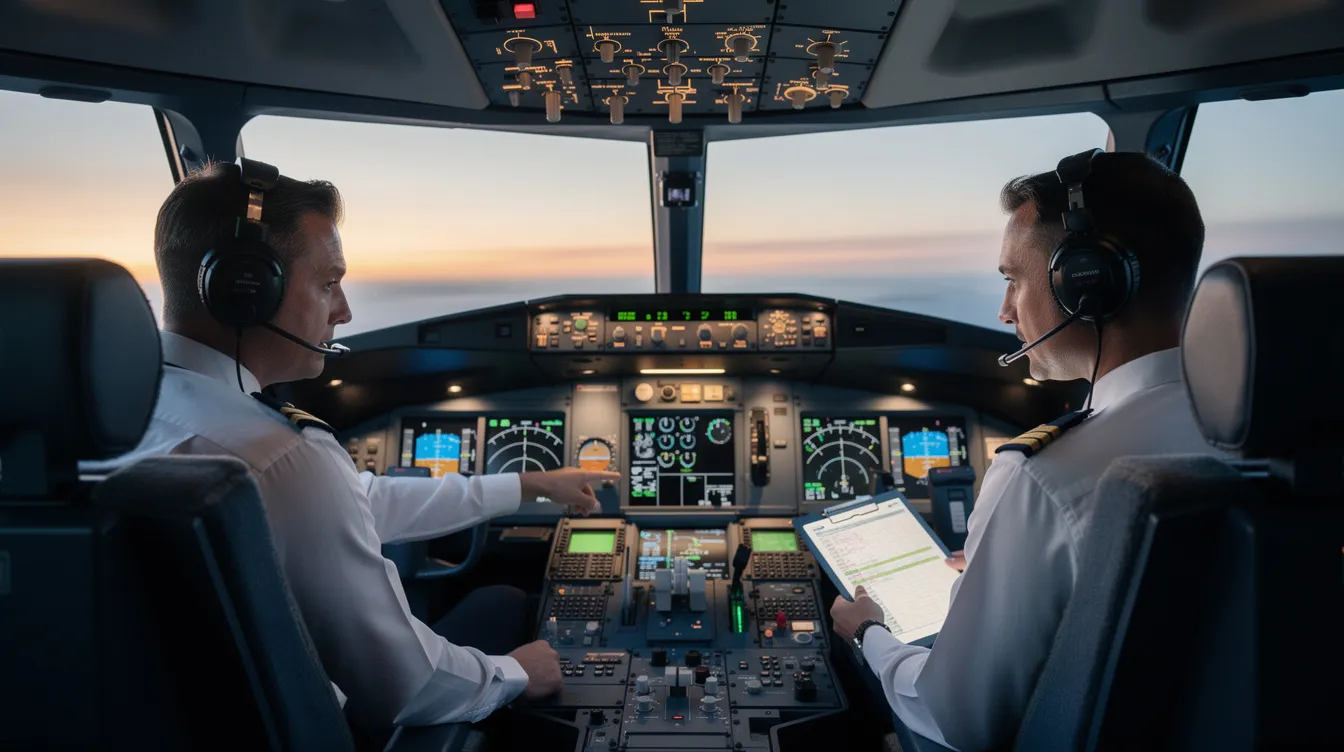
Essential advisory team:
-
Aviation attorney familiar with FAA or EASA rules, international registrations, and tax structures
-
Technical representative (licensed A&P/IA engineer or independent inspection firm)
-
Tax advisor with aviation experience
-
Insurance broker specializing in business jets
-
An aircraft management company may be necessary to handle logistics, scheduling, and maintenance for privately owned jets post-closing
When vetting advisors, check transaction history (50+ deals indicates experience), client references, understanding of your home country regulations, and potential conflicts of interest.
Example scenario: A European company buying a pre-owned U.S.-registered aircraft needs help with export certificates of airworthiness, EASA re-registration, and compliance modifications costing $100,000 or more.
Step 6: The Private Jet Purchase Process Step-by-Step
The private jet acquisition process typically runs 60 to 120 days, starting with mission analysis and budget definition before browsing listings. Most transactions follow a standard sequence: shortlist aircraft, visit and evaluate, agree a Letter of Intent, perform due diligence and inspections, then close via escrow.
Straightforward pre-owned transactions may close in 30-60 days from signed LOI if inspections are clean. Complex international deals take longer.
The goal throughout is risk reduction: verifying the aircraft is as represented and that you receive a clean, undisputed title at closing.
Letter of Intent (LOI)
An LOI is a non-binding (or partially binding) document setting out the main commercial terms. It acts as the blueprint for the final Aircraft Purchase Agreement.
Key elements typically included:
-
Proposed purchase price and currency
-
Deposit size (often 5-10% of price) held in escrow
-
Which inspections will be performed, and who pays
-
Timeline for completion
-
Conditions that must be satisfied before closing
Some clauses are binding: confidentiality, exclusivity periods (typically 30-60 days), and expense obligations. Have your aviation attorney review the LOI before signing.
A well-drafted LOI prevents surprises later and establishes clear expectations for both buyer and seller.
Due Diligence & Inspections
Due diligence confirms the aircraft’s true condition, history, and legal status—similar to a detailed building survey when buying commercial real estate.
A pre-buy inspection is essential and should be conducted at a certified repair station to ensure the aircraft is in good flying condition before purchase. Both parties typically agree on an FAA Part 145 repair station (for U.S. aircraft) or equivalent facility, while passengers later benefit from tools like the SkyGuru real-time flight commentary app to understand how those safety standards translate into what they feel onboard.
Main components of due diligence:
-
Full logbook review (airframe, engines, avionics, modifications)
-
Verification of time since last major inspections (96-month or 3,000-hour checks)
-
Review of damage history and major repairs
-
Checking for open mandatory service bulletins or airworthiness directives (ads b compliance, etc.)
-
Verification that new engines or components have proper documentation
Even two identical 2018 jets can differ by millions in future maintenance expenses depending on cycles and where they sit in their maintenance calendar.
Example: Discovering during pre-purchase inspection that a major engine overhaul will be due within 200 flight hours lets the buyer renegotiate price or request the work be completed before closing.
Legal and financial checks include title search (ensuring no liens), registration status, export/import compliance, and verifying that prior financing will be properly released at closing.
Cutting corners on inspections ranks among the most expensive mistakes a buyer can make, just as neglecting passenger comfort and reassurance tools like the SkyGuru fear-of-flying app can undermine the perceived value of the jet for nervous travelers.
Closing & Escrow
Closing is when funds, documents, and ownership change hands, typically coordinated via a professional escrow company experienced in aircraft transactions.
The escrow process:
-
Buyer wires funds to escrow
-
Seller deposits signed bills of sale and related documents
-
Escrow verifies conditions are satisfied (clear title, documentation complete)
-
Escrow releases funds to the seller and title documents to the buyer simultaneously
Key documents include:
-
Aircraft Purchase Agreement
-
Bill of sale (FAA Form 8050-2 in the U.S.)
-
Deregistration from the seller’s country
-
Registration application for the buyer’s country
-
Export certificates if applicable
Closing may be timed around the inspection facility where aircraft delivery physically occurs, sometimes on a specific calendar date to align with tax or accounting planning.
After closing, the aircraft transitions to the buyer’s insurance, management, and operational control. Regulatory compliance for private or charter operations must already be in place.
Step 7: How You’ll Operate the Jet After You Own It
Buying the jet is only the beginning. Running it safely, legally, and efficiently requires decisions about management, flight crews, and whether the aircraft serves private use only or also generates charter revenue.
Experienced owners with in-house flight departments may self-manage. Most first-time buyers hire a professional aircraft management company that handles:
-
Recruiting and training pilots and cabin crew
-
Flight scheduling and trip planning
-
Maintenance tracking and coordination
-
Fuel and handling negotiations
-
Regulatory compliance and record-keeping
Charter revenue option: Placing the aircraft on a charter certificate through the management company generates income that can offset 20-30% of costs. The trade-off includes more hours on the aircraft, accelerated wear, and potential impact on resale value.
Practical example: A super-midsize jet flying 300 hours for the owner and 200 hours on charter annually might reduce net operating costs by $500,000/year compared to private-only use. However, expect roughly 10% additional value depreciation after 5 years from the extra cycles.
Beyond operations, consider passenger experience. Private jet ownership offers enhanced comfort, with the ability to customize the aircraft with preferred amenities such as reclining seats and gourmet catering. For nervous flyers in your family or executive team, tools like SkyGuru help everyone onboard understand what to expect from take-off, cruise, turbulence, and landing.
Common Mistakes to Avoid When Buying a Private Jet
Most expensive problems arise not from bad luck but from skipping steps or underestimating complexity. Learning from others’ mistakes saves millions.
Wrong aircraft for mission: Buying a heavy jet when 90% of trips are 400-mile hops into short runways wastes $1 million or more annually in unnecessary fuel costs and creates airport limitations. Match the aircraft type to your actual passenger count and route requirements.
Cost underestimation: A $7 million used jet can still cost $1 million a year to run. Unexpected maintenance events or fuel price spikes strain cash flow. Key factors like maintenance reserves and crew training compound over time.
Skipping inspections: Discovering corrosion or undocumented repairs only after closing forces expensive remedial work. One buyer’s attempt to save $40,000 on a thorough pre-purchase inspection resulted in $400,000 in hidden damage repairs.
Not using experienced advisors: Unvetted brokers may miss liens or misrepresent maintenance status. Aviation attorneys prevent regulatory missteps that can void transactions.
Regulatory and tax issues: Using an aircraft bought via a company structure for mostly personal use without proper tax planning triggers audits. Offering informal charter flights to friends violates aviation regulations and risks fines exceeding $100,000.
Ignoring passenger comfort: Overlooking turbulence perception, noise levels, and luxurious amenities can reduce ownership value to family members or executives who are uneasy flyers. Understanding turbulence and flight stages can help alleviate anxiety for nervous or first-time flyers during air travel.
Ownership vs Alternatives: Charter, Jet Cards, and Fractional Programs
Even wealthy individuals often mix solutions: owning one private aircraft while using charter or fractional options for missions their jet can’t handle efficiently.
On-demand charter: Chartering a private jet provides on-demand access to a variety of aircraft without the fixed costs associated with ownership, making it a flexible option for travelers. In 2026, hourly rates range from $3,000-$4,000 for light jets to $12,000+ for large-cabin aircraft. Empty-leg charter flights, which occur when a private jet needs to reposition for its next scheduled flight, can offer significant cost savings compared to regular private jet charters.
Shared jet services: Shared jet services allow travelers to book individual seats on private flights, making private aviation more accessible and cost-effective for those who do not need to charter an entire aircraft.
Jet cards: Prepaid blocks of flight hours with guaranteed availability and fixed hourly rates, best suited for 25-75 hours of flying annually.
Fractional ownership: In fractional ownership, multiple individuals or entities purchase a share of a specific private jet, allowing them to access the aircraft without the full cost and responsibilities of sole ownership. Fractional ownership offers guaranteed availability and predictable costs, while also eliminating the residual value risk associated with full ownership.
The financial breakeven point for whole aircraft ownership versus fractional ownership is generally accepted to be around 200 to 250 flight hours annually; below this threshold, the fixed costs of ownership typically exceed the costs of fractional access. Fractional ownership programs typically require a commitment of 200 to 250 flight hours annually to be financially beneficial compared to full ownership.
Simple comparisons:
-
Family flying 80 hours between New York and Florida: jet card or fractional
-
Corporation flying 450-600 hours globally: full ownership of midsize or super-midsize jet
Nervous flyers can test their tolerance through charter or jet card flights first before committing to an aircraft purchase.
Preparing Yourself and Your Passengers for Life With a Private Jet
Buying the jet solves logistics. Making every flight feel safe, calm, and productive requires planning around people, not only hardware.
Cabin customization decisions:
-
Seat configuration (club seating vs. divans)
-
Noise-reduction features (modern composites achieve 55-70 dB)
-
Lighting for circadian rhythm support
-
Workspace layout with sleek design
-
Sleep arrangements for long-haul flights
Health and wellness: Modern long-range jets maintain around 4,000-6,000 feet cabin altitude at cruising height (versus 8,000 feet on commercial flights), with HEPA filtration removing 99.99% of airborne particles. These features reduce fatigue significantly.
Managing flight anxiety: For family members or executives uncomfortable with flying, especially among the roughly 30% of people who struggle with it and may benefit from an app that helps overcome fear of flying:
-
Offer simple pre-flight briefings
-
Explain in advance what turbulence is and isn’t
-
Use apps like SkyGuru, designed to help manage fear of flying, that forecast turbulence and explain in real time what the aircraft is doing
Owning a private jet provides unparalleled privacy, allowing you and your traveling party to conduct meetings or discussions securely during flights. Establish protocols: quiet hours for work, preferred catering menus, rules about devices, and how crew should communicate during turbulence or delays.
The best jet is one that people actually enjoy flying—not just a line on a balance sheet. Psychological comfort and predictability are part of the investment.
Frequently Asked Questions About Buying a Private Jet
What is the typical timeline for purchasing a private jet?
The private jet purchase process usually takes between 60 to 120 days. This includes mission analysis, selecting the right aircraft, signing a Letter of Intent (LOI), conducting due diligence and inspections, and closing the transaction.
How much does it cost to maintain a private jet annually?
Annual maintenance and operating costs vary by aircraft size but typically range from $400,000 to over $2 million. Fixed costs include crew salaries, insurance, hangar fees, and management, while variable costs cover fuel and maintenance reserves.
What are the benefits of fractional jet ownership compared to full ownership?
Fractional ownership allows you to purchase a share of a private jet, providing guaranteed access without the full financial burden and responsibilities of sole ownership. It offers predictable costs and eliminates residual value risk, but requires a commitment of 200 to 250 flight hours annually to be cost-effective.
Why is a pre-buy inspection important?
A thorough pre-buy inspection ensures the aircraft is in good condition, verifying maintenance history, damage records, and compliance with regulations. It helps avoid costly surprises post-purchase and is typically conducted at a certified repair station.
Can I offset ownership costs by chartering my private jet?
Yes, placing your aircraft on a charter certificate through an aircraft management company can generate revenue that offsets 20-30% of operating costs. However, this results in additional flight hours and may affect depreciation.
How does owning a private jet improve safety for travelers?
Private jet ownership allows full control over the travel environment, reducing exposure to crowded airports and potential health risks. It also offers enhanced privacy and security, especially important for high-profile individuals or those with health concerns.
What role do brokers play in the private jet purchase process?
Brokers provide expert guidance by sourcing aircraft, arranging inspections, negotiating terms, and managing the transaction. Their expertise significantly reduces the risks and complexities involved in buying a private jet.
How do I choose the right aircraft size?
Select an aircraft that fits 80-90% of your typical missions, considering passenger count, trip length, airport requirements, and desired amenities. Avoid purchasing a jet that’s too large or too small for your regular needs to optimize costs and usability.
What are the tax benefits of owning a private jet?
Business-use aircraft may qualify for tax incentives like bonus depreciation, which can significantly reduce taxable income. Proper tax planning and compliance documentation are essential to maximize these benefits.
How can technology enhance the private jet ownership experience?
Apps like SkyGuru provide real-time flight commentary, turbulence forecasts, and explanations of flight stages, helping owners and passengers manage anxiety and improve comfort during flights.
Conclusion: Turning a Complex Purchase Into a Controlled Process
The private jet purchase process breaks down into manageable stages: confirming ownership makes sense for your usage, choosing between new and used jets, matching aircraft to your mission profile, understanding total operating costs, building an expert advisory team, and following the LOI-inspection-closing sequence carefully.
Buying a private jet in 2026 is a strategic business decision requiring discipline and expert support. The informed decision comes from rigorous analysis, not impulse. Rushing to “get a deal” typically costs far more than patience and proper diligence.
If uncertainty remains, trial private aviation through charter, jet cards, or fractional programs first. Pay attention not only to the numbers but to how you and your family feel in the air.
Once you become an owner or regular charterer, enhance every flight by combining the right aircraft with smart tools—like SkyGuru—for real-time explanations of turbulence, sounds, and flight stages, making flying both efficient and psychologically comfortable.
Your next key steps: Map your last year’s trips, estimate your annual flight hours, and speak with independent aviation professionals before making any commitments. A deliberate, well-informed purchase transforms private aviation from an expense into a genuine competitive advantage.
FLEET SELECTION
JET CARDS
COST ANALYSIS


How to Auditing Your Operator's Maintenance Logs
Oct 05, 2025

How to Auditing Your Operator's Maintenance Logs
Oct 05, 2025

How to Auditing Your Operator's Maintenance Logs
Oct 05, 2025
Sky Guru Weekly
The smartest private aviation intelligence in your inbox.
.svg)

