




Flying private sounds exclusive, complicated, and reserved for billionaires. The reality? Private jet charter is far more accessible than most people think—and the process is surprisingly straightforward once you understand how it works. Whether you’re considering charter for a critical business trip, a family vacation, or want to skip the chaos of commercial airports, this guide walks you through every step from your first inquiry to stepping off the plane at your destination.
Quick Overview: How Private Jet Charter Works
Private jet charter simply means renting an entire aircraft for a specific trip. With private charters, you’re not buying individual seats as you would on a commercial airline—you’re hiring the whole plane, crew included, to fly your route on your schedule.
Here’s the basic flow in plain terms:
-
Define your trip – Decide where you’re going, when, and how many passengers
-
Get quotes – Contact charter companies or an aviation broker for pricing options and private jet booking
-
Choose your aircraft – Select the jet that fits your needs and budget
-
Choose your convenient airport – Select the most convenient airport for your departure and arrival, maximizing flexibility and ease.
-
Sign and pay – Review the contract, confirm details, and complete payment
-
Fly from a private terminal – Arrive at a Fixed Base Operator (FBO) about 15 to 30 minutes before departure
-
Land and leave in minutes – Skip baggage carousels and walk straight to your ground transportation
Private flights can be booked well in advance—several months ahead—or as close as 24 hours before departure, offering travelers significant flexibility. Most bookings occur 3 to 7 days prior, but last-minute flights are possible depending on aircraft availability. Many private flights are booked 3–7 days ahead, but same-day flights are possible depending on aircraft availability.
When booking, you’ll typically work with either a charter operator (the company that owns or manages the jets and holds FAA Part 135 certifications) or an aviation broker (an intermediary who facilitates aircraft selection, airport choices, and overall trip coordination by accessing thousands of aircraft through various operators worldwide). From a passenger’s perspective, the experience is similar with either approach.
Private jets operate under the same Federal Aviation Administration safety regulations as commercial jets, including maintenance standards and pilot training requirements. If you’re anxious about flying or turbulence, tools like the SkyGuru app can guide you through any flight in real time—explaining sounds, sensations, and what to expect during each phase of your journey.
What Is a Private Jet Charter, Exactly?
Think of a charter flight as hiring a car with a driver rather than buying a bus ticket. You set the schedule, choose the route, and bring your own group—the entire aircraft is yours for that trip. Private aviation offers a comprehensive and personalized travel experience, tailored to your needs.
-
Plain English definition: Private jet charter services operate as an on-demand rental model, allowing you to hire an entire charter jet and its crew for a specific trip, rather than purchasing individual seats on a scheduled flight. This is distinct from commercial air travel, where you follow fixed schedules and share the cabin with strangers.
-
No membership required: You don’t need to own a private plane or belong to an exclusive club; many first-time users charter for a one-off family vacation, urgent business meeting, or special event.
-
Charter brokers vs. operators: Charter brokers are intermediaries with access to thousands of charter aircraft worldwide through various operators, while charter operators are the actual owners or managers of aircraft who hold the necessary FAA Part 135 certifications to legally conduct commercial charter flights.
-
How it compares to other options: Full ownership costs tens of millions plus substantial annual expenses; fractional ownership works like a timeshare; jet cards offer prepaid flight hours; on-demand charter lets you pay per trip with no ongoing commitment and is a cost-effective alternative for those who don’t fly frequently.
-
Regulatory framework: Professional charter pilots undergo the same licensing requirements and regulatory oversight as commercial airline crews, whether under FAA rules in the U.S. or EASA regulations in Europe.
-
Who it’s best for: Chartering is ideal for individuals flying less than 200–300 hours per year, as it avoids the high maintenance and management costs associated with ownership. Private charter jets are perfect for those seeking luxury, flexibility, and convenience.
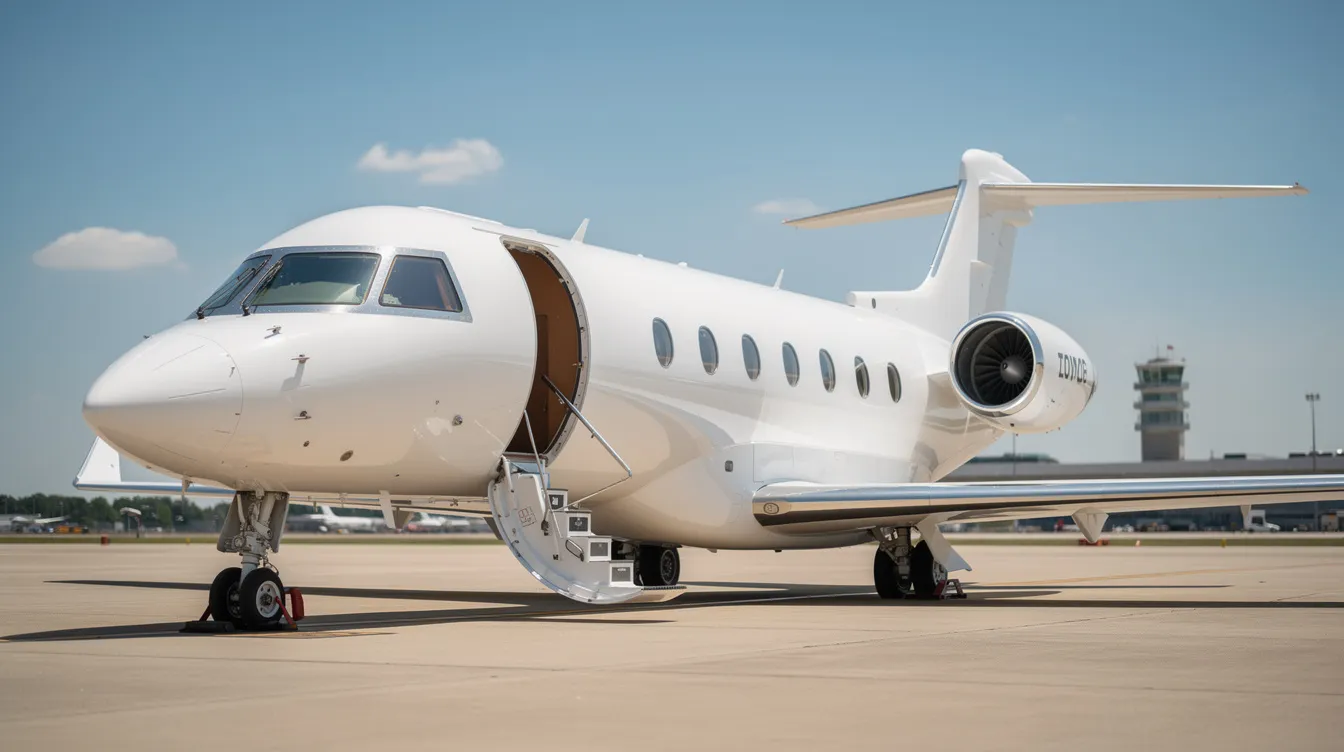
Step-by-Step: How to Charter a Private Jet
This section serves as your practical roadmap. Whether you’re booking your first charter or simply want to understand the process better, these six stages cover everything from initial planning to arriving at the private terminal ready to fly. Private jet charter is especially popular among business travelers seeking efficiency, privacy, and flexibility.
Chartering a private jet involves five primary steps: defining trip details (including your next custom flight itinerary), selecting a broker or operator, comparing specific aircraft options based on passenger capacity and amenities, verifying safety credentials, and finalizing the booking with payment. For international travel, a private jet flight streamlines documentation, customs, and immigration procedures, so start this process at least 5–10 days ahead to allow time for permits, landing slots, and any visa requirements.
The entire process can be handled by email, phone, or through charter apps—no office visits needed. Jet card or membership programs are ideal for frequent travelers, offering fixed rates, guaranteed availability, and VIP perks. When choosing among aircraft categories, consider options like light private jets for quick regional trips with fewer passengers, maximizing comfort and privacy.
1. Define Your Trip and Priorities
Start by gathering the basics that any charter provider will need to give you an accurate quote.
Booking a private jet requires you to provide details such as passengers, destinations, and dates to a broker or operator. Be specific about:
-
City pairs: Where are you departing from and landing?
-
Dates and times: Approximate departure windows work initially
-
Number of passengers: This directly affects aircraft size
-
Must-have amenities: Wi-Fi, pet space, specific catering, or accessibility needs
Distance and passenger count determine the category of aircraft you’ll need—light, midsize, or heavy—which directly impacts your price bracket.
Concrete examples: A same-day business round trip from New York to Washington, D.C. for four people would typically use a light jet. A week-long family vacation from London to Mallorca for six passengers might call for a midsize aircraft with more cabin space and luggage capacity.
Being honest about flexibility helps control costs. Shifting departure by a few hours or using a nearby airport can significantly reduce your total price. Private aviation allows passengers to depart on their own schedule, meaning unexpected changes don’t derail travel plans—the jet waits for you, not the other way around.
If turbulence or flight anxiety concerns you, mention this early. Your broker can suggest smoother flight times, and you can prepare with tools like SkyGuru’s in-flight guidance app for real-time reassurance during the journey.
2. Choose Departure and Arrival Airports
One of the biggest advantages of flying private is airport access. Private jets land at over 5,000 airports in the U.S. alone, compared to approximately 500 serviced by commercial airlines—allowing for greater convenience and reduced travel time. Charter jets land at smaller, more accessible airports, which means you can arrive and depart faster and closer to your final destination.
-
Regional alternatives save hours: Use Teterboro instead of JFK for New York, Van Nuys instead of LAX in Los Angeles, or London Farnborough instead of Heathrow
-
Get closer to your destination: Smaller regional airports near ski resorts, beach towns, or business districts can eliminate long ground transfers
-
Chartering allows direct routing: Passengers can often fly straight to their destination without the layovers and connections required by commercial airlines.
-
Runway considerations: Some small airports have shorter runways that limit larger aircraft; your broker or operator will guide this choice based on your aircraft selection
-
International airport procedures: For international flights, private jets land at international airports with the necessary landing permissions, regulatory compliance, and customs procedures.
-
Quieter terminals for anxious travelers: Private terminals are far less chaotic than major commercial hubs, which can significantly ease pre-flight stress
3. Request Quotes and Compare Options
Once you share your trip details, charter companies or brokers will send quotes for different charter aircraft options with estimated flight times and total costs, allowing you to compare a range of private flights for flexibility and convenience.
-
Information they’ll request: Dates, times, city pairs, passenger count, luggage details (skis, golf bags, oversized items), pets, and any medical or mobility needs
-
What quotes typically include: Hourly flight cost, estimated flight hours, landing and handling fees, crew expenses, and taxes—always ask for an “all-in” price to avoid surprises
-
Realistic price ranges: Charter rates for private jets typically range from $3,000 per flight hour for light jets to over $15,000 for long-range aircraft, depending on aircraft type and flight duration
-
Understanding the pricing structure: The pricing structure for private charters is based on the operation of the entire aircraft rather than per passenger, meaning you pay for the whole flight regardless of how many seats you fill
-
Cost-effective options: Costs can be reduced by booking empty leg flights, which are discounted flights for a plane’s scheduled repositioning—savings of 30–70% are possible, making charter jet flights more cost-effective, though routes and times are fixed
-
Hidden cost factors: Minimum daily charges, repositioning legs, and crew duty limitations can lead to higher total costs for short trips, meaning even a one-hour flight may incur additional fees beyond the hourly rate
-
Compare smartly: Request 2–3 quotes and evaluate not just price but operator reputation, safety audits, and clarity of contract terms. The private jet booking process is straightforward, and comparing options ensures you get the best value and experience.
4. Choose Your Aircraft and Operator
Private jets can be categorized into several types based on size, range, and passenger capacity, each suited to different trip profiles. Choosing the specific aircraft is crucial, as it directly impacts comfort, amenities, and the overall travel experience.
Aircraft Categories:
|
Jet Type |
Passenger Capacity |
Typical Range (miles) |
Ideal Use Case |
Typical Hourly Rate (USD) |
|---|---|---|---|---|
|
Very Light Jets (VLJs) |
Up to 4 |
1,000–1,500 |
Short regional trips |
$2,000–$3,500 |
|
Light Private Jets |
5–8 |
Up to 2,000 |
Short to medium-range flights |
$3,000–$5,500 |
|
Midsize Jets |
6–9 |
Over 3,000 |
Coast-to-coast travel |
$4,500–$8,500 |
|
Ultra-Long-Range Jets |
10–20+ |
6,000+ |
Nonstop international flights |
$12,000–$20,000+ |
When selecting your specific aircraft, consider:
-
Seats needed: Match passenger count to cabin capacity—passenger capacity is a key factor in choosing the right jet for your group.
-
Cabin height: Can taller passengers stand comfortably?
-
Luggage space: Golf bags, skis, and large suitcases need room
-
Flight length: Can the aircraft make your route nonstop?
-
Amenities: Wi-Fi, enclosed lavatory, lie-flat seating, or sleeping options
Ask for cabin photos, seat maps, and the aircraft’s year of manufacture or last refurbishment. For anxious fliers, larger, heavier jets often feel steadier in turbulence, and spacious cabin layouts create a more relaxed atmosphere. Always ensure that the aircraft mechanisms are regularly inspected and maintained for safety and optimal performance.
5. Confirm, Sign, and Pay
Once you select an aircraft, the company or your aviation broker issues a charter agreement outlining all trip details.
-
Review carefully: Verify exact departure and arrival airports, time zones, included services (catering level, Wi-Fi availability), and cancellation policies
-
Private jet booking process: Booking a private jet involves submitting your information for a contract and making an advance payment to secure the charter, ensuring a smooth and secure transaction
-
Payment methods: Bank transfer, major credit cards, or prepaid jet card accounts are typical; full payment is often due before departure
-
Cancellation windows: Penalties typically rise sharply within 48–72 hours of departure, with near-total forfeiture for same-day cancellations
-
Documentation accuracy: Provide full passenger names and dates of birth exactly as they appear on IDs or passports to avoid last-minute issues
-
Streamlined confirmation: When booking a private jet flight, passengers typically receive an email itinerary instead of a traditional ticket, streamlining the boarding process
6. Prepare for the Flight Day
Most charter flights depart from a private terminal known as a Fixed Base Operator (FBO), or fixed base operators, typically located at the edge of a commercial airport or at smaller regional airports. These fixed-base operators play a crucial role in maintaining aircraft standards, crew vetting, and ensuring TSA security procedures for private jet operations.
-
Arrival timing: Travelers typically arrive at an FBO about 15 to 30 minutes before their scheduled departure for rapid security screening; for international flights, allow 45–60 minutes for immigration paperwork
-
What to bring: Required IDs, passports, and visas; confirm any pet paperwork is current; double-check special catering or seat requests with your operator.
-
Ground transportation: Arrange car service, rental pickup, or hotel transfers on both ends for seamless transitions
-
Security process: While bypassing commercial security lines, a valid government-issued photo ID is still required when flying privately; screening is present but typically fast and discreet
-
Luxury and convenience: Embracing the private jet lifestyle means enjoying a luxurious, flexible, and personalized travel experience that enhances leisure and caters to your specific needs.
-
Comprehensive service: Private aviation offers a range of personalized, efficient, and luxurious travel services, ensuring flexibility, safety, and customization for every traveler.
-
Prepare for anxiety: Download the SkyGuru app and its real-time flight explanations ahead of time and input your flight details so you can receive real-time explanations of sounds and sensations throughout your journey.y
What Happens at the Airport and Onboard?
This section walks you through the entire experience—from arriving at the private terminal to stepping off the aircraft at your destination. The process feels dramatically different from flying on a commercial flight or as a commercial flight passenger: no check-in counters, minimal waiting, direct boarding, and personalized service throughout, which is a hallmark of traveling by private plane.
Flying private typically means a quicker boarding process, as passengers can board directly at private terminals, avoiding the long security lines and crowded gates associated with commercial flight passengers. Despite the relaxed atmosphere, safety procedures like seat belts, briefings, and turbulence protocols remain similar to airline flights.
Onboard, amenities often include comfortable seating, entertainment options, and varying levels of bathroom facilities depending on the size and model of the private jet. Some private planes offer luxurious restrooms, while others may have more basic options, and passengers can also use facilities at FBOs for added convenience.

At the Private Terminal (FBO)
-
Typical amenities: Quiet lounge, complimentary coffee and snacks, Wi-Fi, clean restrooms—some larger fixed base operators (FBOs) offer meeting rooms and showers
-
Arrival process: Park or arrive by car, give your name at reception, show ID, wait briefly in a comfortable setting, then walk directly to your aircraft—often from your vehicle
-
Baggage handling: Hand luggage directly to staff; no conveyor belts or long queues, and bags travel on the same aircraft as you
-
Integrated security: The Transportation Security Administration (TSA) enforces specific guidelines for private jet operations, including security procedures that must be followed at fixed base operators (FBOs).
-
Screening is quick and integrated into the arrival process, with FBOs maintaining high standards for aircraft, crew vetting, and TSA security compliance.
-
Calmer environment: For anxious travelers, fixed base operators feel more like a boutique hotel lobby than an airport terminal, significantly lowering pre-flight stress
Boarding Your Private Jet
-
Walking to the aircraft: Once the flight crew is ready, staff escort you across the ramp to your jet; boarding the entire group takes just minutes
-
Personal welcome: Greeting from pilots and flight attendants, assistance with coats and bags, quick overview of seating and cabin controls
-
No paper tickets: Your name and ID were verified at the FBO; the operator handles the manifest electronically
-
Safety compliance: Passengers on private jets are required to wear seat belts during takeoff, landing, and whenever the crew deems it necessary, in compliance with FAA regulations
-
Pre-flight communication: For those anxious about takeoff or turbulence, this is an ideal moment to ask the crew about the route, weather, and what to expect; pair this with SkyGuru’s real-time explanations for additional reassurance
During the Flight
-
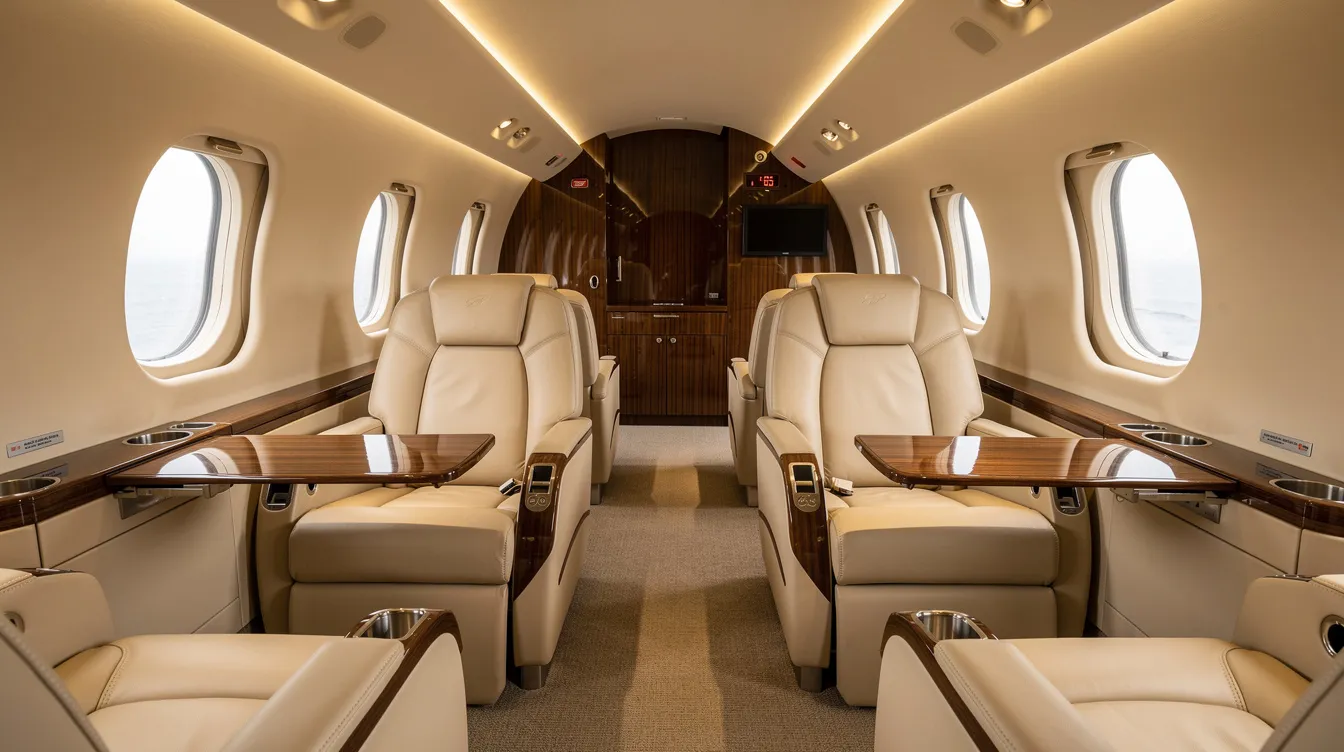
Cabin layouts: Facing club seats, divans for lounging, small tables for meals or laptops, and closet storage for personal items
-
Common amenities: Many private jets are equipped with high-speed Wi-Fi, enabling passengers to work or browse during flight; power outlets, entertainment systems, adjustable lighting, and temperature control are standard on most aircraft
-
Luxury options: Private jet interiors can vary significantly, with some jets featuring luxurious amenities such as private bedrooms, fully equipped galleys, and even onboard showers for long-haul flights
-
Catering: Passengers on private jets can enjoy personalized in-flight services, including custom catering options tailored to their preferences—from simple snacks to multi-course gourmet meals; special diets (vegan, kosher, gluten-free) can typically be accommodated with advance notice
-
Normal sounds: Turbulence, engine sounds, and power changes are normal; charter pilots receive the same meteorological briefings and air traffic control guidance as airline crews, often supported by advanced flight and turbulence data platforms.
-
Managing anxiety: Use breathing exercises, move around when the seat belt sign is off, and rely on apps that help with fear of flying for context on each flight phase
Landing and Getting On Your Way
-
Quick arrival: On landing, you typically taxi straight to the arrival FBO; stairs are positioned, and you can disembark within minutes
-
Visible baggage: Luggage is taken directly from the aircraft to you—often you can see bags being unloaded, reassuring those worried about lost items
-
Domestic efficiency: For domestic flights, you can usually be in your car within 5–10 minutes after the engines shut down
-
International procedures: Due to fewer passengers and exclusive terminals, customs and immigration processes for private jet travelers are typically faster and more streamlined than those for commercial flight passengers
-
Seamless transition: Pre-arrange ground transportation so the move from aircraft to your final destination is smooth
Costs and Pricing: What to Expect
Understanding charter pricing helps you decide when it genuinely makes sense for your travel needs. This isn’t about competing with airline ticket prices—it’s about evaluating whether the time saved and flexibility gained by private flights and private charters justify the investment.
The main cost drivers include charter aircraft size, distance flown, time on the ground, airport fees, repositioning flights, and peak travel dates. You’re paying for the entire charter jet per hour, not per seat, which means full planes offer better value per person than half-empty ones. For those seeking a more cost-effective solution, options like sharing private flights or selecting different types of charter aircraft can make private air travel more affordable.
How Private Jet Pricing Works
-
Hourly rate structure: Each aircraft type has an hourly rate; trips are billed based on actual or minimum flight time plus additional fees
-
Realistic ranges (estimates only):
-
Light jets: $3,000–$4,000 per hour
-
Midsize jets: $4,500–$7,000 per hour
-
Large and long-range jets: $8,000–$15,000+ per hour
-
Minimum charges: Operators may charge a 2-hour daily minimum even if your actual flight is only 40 minutes
-
Repositioning costs: The aircraft might fly empty from its base to your departure airport and back after your trip—those legs may be billed
-
Cost control strategies: Flexible timing, using nearby airports with lower fees, choosing a smaller aircraft category, or exploring cost-effective options like shared flights or booking by the seat can all reduce your total.
-
Private jet booking: The reservation process is streamlined through digital platforms, direct operator access, or brokers, making private jet booking simple and secure.
Trips That Are (and Aren’t) a Good Fit for Charter
Good fits for charter:
-
Multi-city business trips in one day, where commercial connections don’t align, especially for business travelers who need amenities like Wi-Fi and conference setups
-
Last-minute travel to destinations with poor airline service
-
Family vacations to remote resorts or islands with limited commercial access
-
Travel with pets, musical instruments, or bulky sports equipment
-
Frequent travelers who benefit from fixed rates, guaranteed aircraft availability, and VIP perks through jet memberships or jet card programs
-
Situations where schedule flexibility is paramount—the jet waits for you if plans change, embodying the private jet lifestyle with its luxurious, flexible, and personalized experience
Less ideal scenarios:
-
Very short routes are already well-served by hourly airline service between major hubs
-
Highly price-sensitive travelers expecting charter to cost less than airline tickets
-
Solo travelers who don’t value privacy or time savings enough to justify the premium
Flexibility within a window of hours or a day can make one-way trips far more affordable by matching existing aircraft movements. A good broker will honestly tell you when a charter doesn’t make financial sense and suggest alternatives.
Safety, Regulations, and Security
Many first-time charter customers—especially nervous fliers—worry about whether private jets are as safe as commercial airlines. The short answer: yes. Private charter in regulated markets like the U.S., U.K., and EU is tightly controlled by national aviation authorities.
Professional charter pilots undergo recurrent training, simulator checks, and regular medical exams. Aircraft follow strict maintenance schedules, including thorough inspections of aircraft mechanisms to ensure all internal systems are safe and compliant. Security screening is different in style (quieter, faster) but still verifies identity and inspects baggage, often conducted at fixed base operators (FBOs) that maintain high safety and security protocols.
An aviation broker typically facilitates the process, coordinating between clients, operators, and FBOs to ensure a seamless and secure private jet experience, and some providers also tap into specialized flight and turbulence data APIs to plan smoother routes.
How Safe Are Private Jets?
-
Operating certificates: Charter operators must hold specific certifications, such as FAA Part 13,5 and comply with strict rules on maintenance, crew training, and operations, including thorough inspections of aircraft mechanisms to ensure all internal systems are safe and functioning optimally.
-
Independent safety audits: Safety auditors provide independent safety ratings for operators, which are crucial for verifying pilot experience, maintenance standards, and the suitability of specific aircraft for your journey; look for ARGUS or Wyvern accreditations.
-
Pilot qualifications: Charter pilots typically have thousands of flight hours, type ratings specific to their aircraft, and regular simulator-based emergency training.
-
Same operational environment: Air traffic control, weather radar, and standard procedures are identical to what commercial airlines use.
-
Vetting processes: Charter companies often have their own vetting processes for pilots and crew to ensure safety, and they may also have ratings from independent organizations like ARGUS to demonstrate their commitment to safety standards.
-
Ask questions freely: Reputable companies will happily explain their safety protocols in plain language.
Security Screening and What You Can Bring
-
ID requirements: Valid government-issued photo ID is required, and all passengers must be listed on the manifest; last-minute name changes may require operator approval
-
Screening process: Security varies by country and airport, but typically includes ID verification and baggage inspection without long queues or invasive procedures. Unlike commercial flight passengers, who must go through standard airport security checkpoints and wait in lines, private jet passengers usually experience a faster, more streamlined process.
-
Dangerous goods: Rules for weapons and flammables still apply and must be declared in advance
-
Liquids and electronics: Generally allowed more freely than commercial, but subject to operator policies and destination country laws
-
Pets: Often welcome but need up-to-date vaccination records and, for international flights, health certificates or pet passports as required by the destination country
Passports, Visas, and International Rules
-
Domestic flights: Government-issued photo ID is typically sufficient
-
International flights: Valid passports required for all passengers; passengers on private jets must comply with the immigration laws of the arrival country, including obtaining any required visas
-
Processing time: Check visa requirements well in advance—some countries need weeks to process, even for private jet arrivals
-
Operator responsibilities: For international flights, private jet operators must secure flight permissions for crossing borders and landing rights, which may involve additional procedures compared to domestic flights
-
Passenger responsibilities: You’re responsible for your own travel documents, visas, and any health requirements
-
Verification: Anxious or first-time international travelers should confirm documentation requirements with both their charter provider and official government resources before departure
Comfort and In-Flight Experience
Private jets often provide a more comfortable and luxurious experience, embodying the private jet lifestyle with spacious seating, customizable amenities, and the ability to enjoy privacy during the flight. That said, while some aircraft are ultra-luxurious, many are simply comfortable and practical—more like a flying living room than a palace.
The real benefit is personalization: private aviation offers comprehensive services where you control the food, seating arrangement, music, lighting, and schedule. Understanding what flying private offers—such as exclusive amenities, flexibility, and tailored experiences—along with knowing what to expect (sounds, bumps, climb and descent sensations) and how apps can help with fear of flying makes the flight feel far less intimidating.
Cabin Layout, Seats, and Space
-
Light private jets: Typically have a passenger capacity of 4–6, arranged in a club layout with facing seats
-
Midsize and larger: May have a passenger capacity of 8–14 seats, divans, and sometimes private rooms
-
Legroom: Generally comparable to or better than commercial business class, with freedom to move around when safe
-
Seat features: Deep recline, some converting to lie flat seating or beds on larger aircraft; you can often choose your orientation.
-
Noise levels: Often quieter than older commercial airliners, though engine and airflow sounds are normal
-
Know before you go: Ask for cabin height and seat photos beforehand, especially if you’re tall or need extra space
Onboard Amenities: Wi-Fi, Power, and Entertainment
-
Connectivity: In-flight Wi-Fi available on many aircraft, though not universal; performance depends on equipment and route
-
Power access: Outlets or USB ports at most seats
-
Entertainment: Screens for movies or presentations on many jets; Bluetooth audio and cabin controls on newer aircraft
-
Bathroom facilities: Restroom options vary by aircraft size and model, ranging from basic lavatories to luxurious bathrooms; some smaller jets may have limited facilities, while larger jets offer more spacious and well-equipped bathrooms
-
Productivity needs: Confirm Wi-Fi availability and expected speeds at booking if you need to work during the flight
-
Personal devices: Many travelers bring tablets or laptops preloaded with content for entertainment or meditation
Catering and Dining Onboard
-
Range of options: Private jets offer a high level of customization for in-flight services, from simple sandwiches to multi-course gourmet meals from local restaurants or specialized caterers
-
Dietary accommodations: Share any dietary needs when booking—vegetarian, vegan, kosher, halal, gluten-free, or allergy-safe options can typically be arranged.
-
Galley limitations: Smaller jets may rely on reheating rather than cooking; some dishes suit the cabin environment better than others
-
Beverages: Soft drinks, coffee, tea, juices, and often wine or spirits; request specific brands if you have preferences
-
Motion sickness tip: Choose light, easy-to-digest meals and stay hydrated; avoid excessive caffeine and alcohol
Managing Fear of Flying on a Private Jet
Even with luxury and privacy, many passengers feel anxious—especially during takeoff, turbulence, or night flights. Fear of flying affects a significant share of travelers, and this is completely normal.
-
Direct pilot access: One benefit of charter is speaking directly with pilots before departure about the route, weather, and what to expect
-
Simple coping techniques: Controlled breathing, progressive muscle relaxation, focusing on conversation or tasks, and stretching when the seat belt sign is off
-
Real-time guidance: The SkyGuru app, widely covered in the media for helping fearful flyers, explains noises, bumps, climbs, and descents as they happen, transforming unknowns into understandable events
-
Smart planning: Choose daytime flights when possible, ask your provider about the smoothest typical times for your route, and avoid tight same-day schedules that increase stress
Putting It All Together: Is Private Jet Charter Right for You?
Private jet charter means renting the entire aircraft on your terms. The process—while unfamiliar at first—follows a clear, structured path from initial inquiry to touchdown. Safety is tightly regulated under the same framework as commercial aviation, and the experience offers flexibility and comfort that scheduled airlines simply can’t match.
Whether charter makes sense depends on your specific situation: the value of your time, the importance of schedule control, your destination’s commercial accessibility, and your travel group’s needs.
For nervous or first-time fliers, knowledge truly reduces fear. Understanding each step, asking questions freely, and using tools like the SkyGuru fear-of-flying app during the flight can transform an intimidating experience into a manageable—even enjoyable—one.
Key takeaways
-
Charter means renting the whole aircraft, not buying individual seats
-
Private jets access over 5,000 U.S. airports versus roughly 500 with commercial service
-
Booking typically involves five steps: define, compare, select, verify safety, and pay
-
Safety regulations, pilot training, and maintenance standards match commercial aviation
-
Costs range from $3,000 to $15,000+ per flight hour, depending on the aircraft
-
Empty leg flights can offer significant savings for flexible travelers
-
The entire experience—from FBO arrival to departure—takes minutes, not hours
If you’re considering a private jet charter, start by defining your trip needs clearly, reach out to a reputable broker or operator for quotes, and prepare yourself mentally and practically for a fundamentally different way to fly.
Frequently Asked Questions (FAQs) About Private Jet Charter
How far in advance should I book a private jet charter?
You can book private jet flights as far as several months in advance or as late as 24 hours before departure. Booking earlier often provides more aircraft options and better pricing, but last-minute bookings are possible depending on availability.
What determines the cost of a private jet charter?
Charter pricing depends on factors such as aircraft size and type, flight duration, distance, airport fees, repositioning costs, and any additional services like catering or ground transportation. You pay for the entire aircraft, not per passenger.
Can I bring pets on a private jet?
Yes, many private jets allow pets on board. You should inform the charter company in advance and ensure your pet has up-to-date vaccinations and any required documentation, especially for international flights.
Is flying private safer than commercial flying?
Private jets operate under the same strict FAA regulations as commercial airlines. Operators maintain rigorous safety standards, and pilots undergo extensive training. Independent safety audits and certifications like ARGUS ratings further ensure safety.
What amenities can I expect on a private jet?
Amenities vary by aircraft but often include spacious seating, customized catering, in-flight Wi-Fi, entertainment systems, and sometimes luxurious features like private bedrooms or showers on long-haul jets.
How does security work when flying private?
Passengers go through security screening at private terminals (FBOs), which is typically faster and less stressful than commercial airport security. Valid government-issued ID is required, and baggage is inspected to meet safety regulations.
Are there restrictions on luggage for private jets?
Luggage allowances depend on aircraft size and weight limits. Generally, private jets offer more flexible baggage policies than commercial airlines, but oversized or heavy items should be discussed with your broker or operator beforehand.
What happens if my flight is delayed or rescheduled?
Private jet operators work closely with passengers to accommodate schedule changes. Because private jets fly on demand, delays are usually minimal, and the crew often waits for passengers if needed.
Do I need a passport or visa for international private jet flights?
Yes, all passengers must adhere to the immigration laws of their destination country, which includes having valid passports and any necessary visas.. It’s important to check these requirements well in advance.
Can I customize my in-flight experience?
Absolutely. Private jet charters offer personalized services including custom catering, preferred beverages, entertainment choices, and special accommodations to ensure a comfortable and tailored journey.
Conclusion: The Freedom and Luxury of Private Jet Charter
Chartering a private jet transforms travel from a routine necessity into a personalized and seamless experience. By renting the entire aircraft, you gain unmatched flexibility to schedule private flights that fit your unique needs, avoid the hassles of commercial flying, and enjoy privacy without sharing the cabin with other passengers. With access to thousands of airports beyond the reach of commercial airlines, private jets bring you closer to your destination while saving valuable time.
While private jet charter is an investment, the benefits in convenience, comfort, and efficiency often outweigh the costs for those who value their time and travel experience. From the straightforward booking process to expedited security and personalized in-flight amenities, every aspect is designed to make your journey smooth and enjoyable.
Whether you are traveling for business, leisure, or special occasions, understanding how private jet charter works empowers you to make informed choices and enjoy the ultimate freedom in the skies. Embrace the luxury, flexibility, and peace of mind that come with flying private—your next extraordinary journey awaits.
FLEET SELECTION
JET CARDS
COST ANALYSIS


How to Auditing Your Operator's Maintenance Logs
Oct 05, 2025

How to Auditing Your Operator's Maintenance Logs
Oct 05, 2025

How to Auditing Your Operator's Maintenance Logs
Oct 05, 2025
Sky Guru Weekly
The smartest private aviation intelligence in your inbox.
.svg)

