



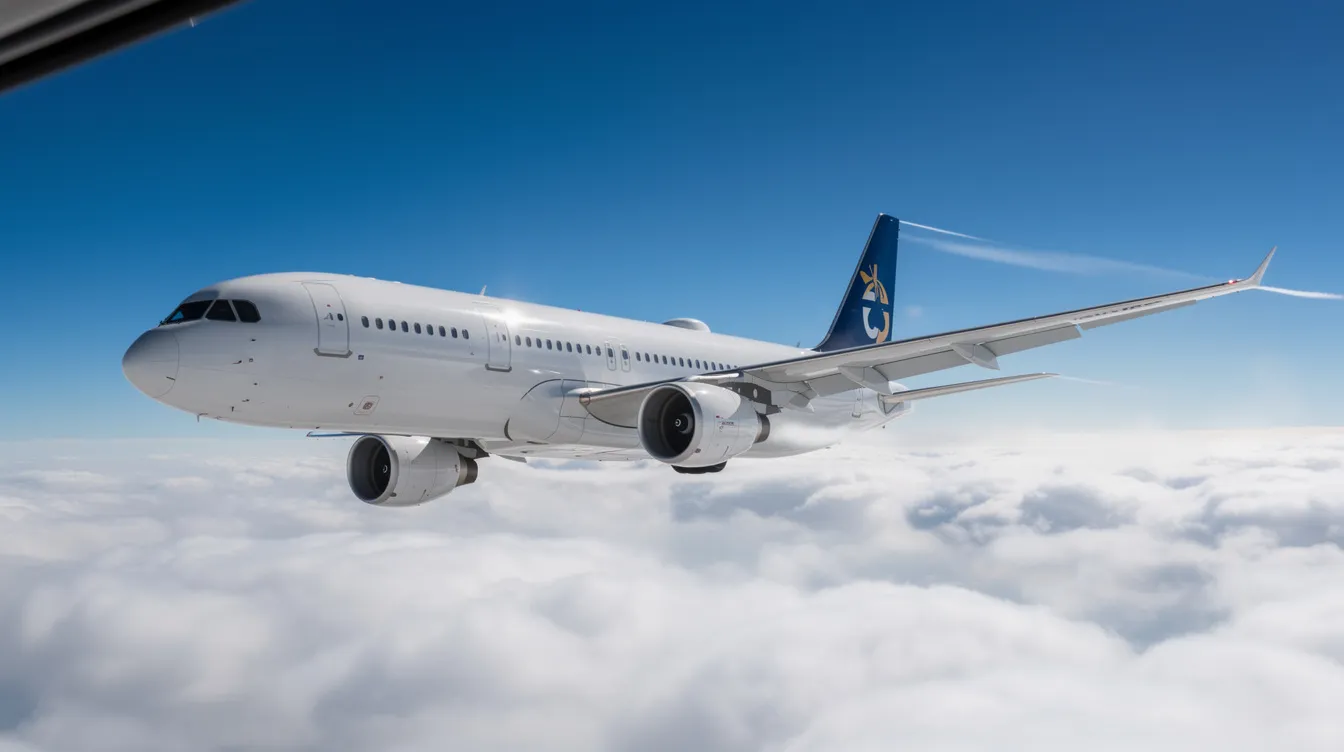
Flying private internationally follows the same border rules as commercial flights. You still need a valid passport, visas where required, and customs declarations for goods entering a country. The difference lies in execution: private terminals, faster processing, and far less crowding, making your international private jet trip smoother and enhancing the overall trip experience.
This guide is intended for first-time international private jet travelers and those considering flying private for overseas trips. Understanding the unique requirements and advantages of flying private internationally ensures a smooth, efficient, and enjoyable travel experience.
This guide covers the practical basics for first-time international private jet travelers. You will learn about permits and approvals, customs and immigration procedures, required documentation, and special considerations for long-haul routes. These considerations apply to trips all over the world. Flying privately for international trips offers significant advantages centered on time optimization, flexibility, and privacy, but preparation matters.
Consider a typical 2026 journey from New York to London. On a commercial airline, you would arrive at JFK hours early, navigate security queues, wait at immigration upon landing at Heathrow, and potentially spend three or more hours on ground procedures. Flying private from Teterboro to London Biggin Hill looks different: travelers can arrive at private terminals just 15 minutes before departure, bypassing long commercial security lines. Upon landing, customs officers board the aircraft or meet you in a quiet FBO lounge, completing passport stamps and bag checks in 15-30 minutes. The door-to-door time savings can reach several hours. Private jets can often land closer to your final destination, providing access to airports not served by commercial airlines.
International private jet travel involves more complex flight planning than domestic flights. Overflight permits, fuel stops, airport choices, and crew scheduling all require coordination, usually handled by your charter operator or flight department. Private jets provide unparalleled flexibility and convenience for international travel, capable of traversing vast distances and providing access to remote destinations around the world that may be inaccessible via commercial airlines.
For anxious flyers, turbulence, unfamiliar sounds, and weather events persist on any aircraft. Tools like the SkyGuru app for nervous flyers help explain these sensations in real time during any international flight, whether commercial or private.
Permits and Approvals
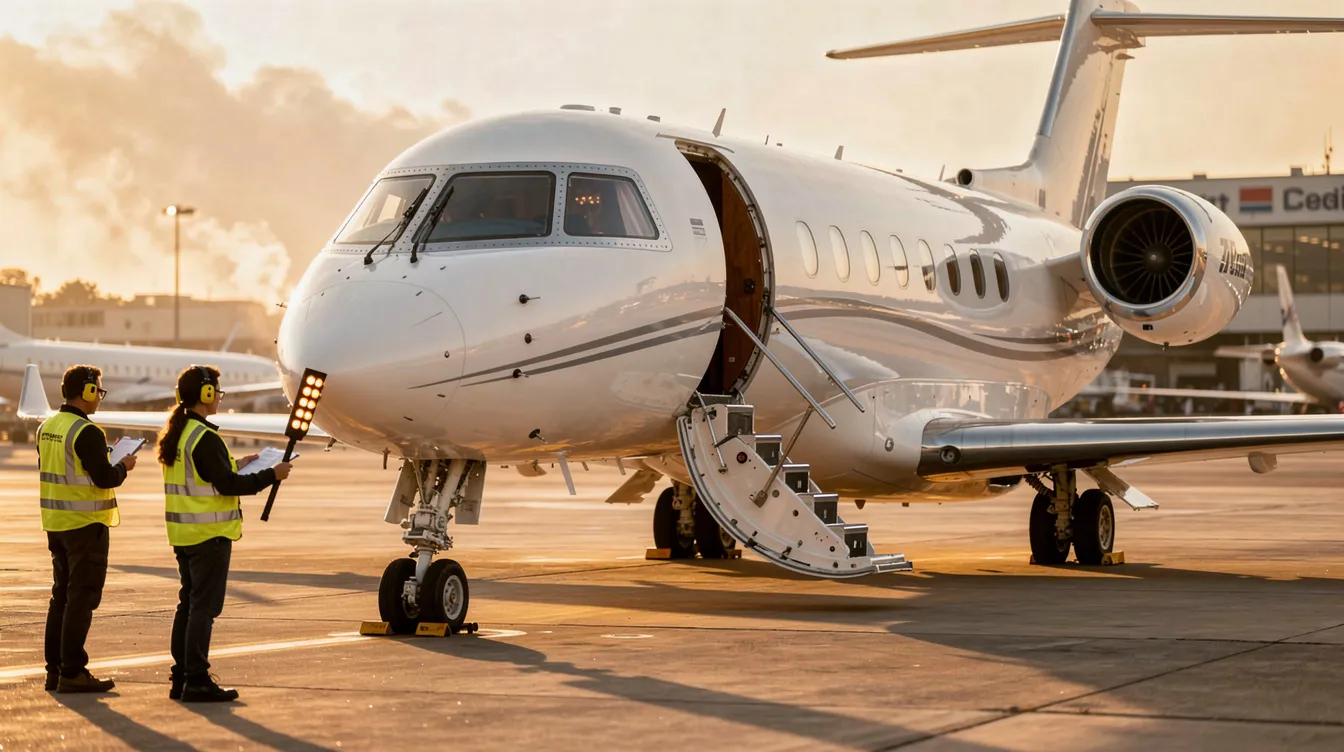
Operators of private jets must secure various permits and clearances, including overflight permissions and landing authorizations, from the relevant authorities before undertaking international flights. An overflight permit grants permission to cross a country’s airspace without landing, while a landing permit is an official authorization issued by a foreign country's aviation authority, required for private jets to land internationally.
Any international flight must be cleared by multiple aviation authorities along the route before departure. This applies equally to commercial airlines and private charter operations. Obtaining necessary permits and clearances, such as overflight permissions and landing authorizations, is essential for international private jet operations.
International private jet travel requires meticulous flight planning, which includes navigating complex airspace, complying with regulatory requirements, and coordinating with various stakeholders. Some operators enhance this planning with SkyGuru API route and turbulence data.
Overflight Permits
Overflight permits authorize your aircraft to traverse a nation’s airspace even without landing. They matter because most efficient routes cross multiple countries. For example, flying from Miami to São Paulo requires overflight rights from countries like Colombia or Brazil. New York to London typically crosses Canadian, Greenlandic, and Icelandic airspace via North Atlantic tracks.
Some countries, like the US and many EU states,s allow flexible overflight for qualified operators, while others require individual permit numbers per flight. Missing or incorrect overflight permits can mean costly reroutes, delays, or being denied entry into certain airspace.
Share your final city pairs and dates as early as possible with your charter provider so permits align with your full itinerary, including return legs.
Landing Permits
A landing permit is required for private jets to land in a foreign country. Some destinations like the UK, France, the UAE, and India require both overflight and landing permits for international charter flights. Lead times for obtaining these permits vary significantly by region:
|
Region |
Typical Lead Time |
|---|---|
|
North America, Western Europe |
Same-day to 24 hours |
|
China |
3-7 business days |
|
Russia |
Up to 10 days |
|
Parts of Africa |
5+ days |
Permits differ between private non-revenue flights and commercial charter operations. Part 91 owner-operated flights often face simpler requirements, while Part 135 commercial charters face stricter scrutiny and higher fees. Either way, the operator or broker handles these approvals. Passengers affect planning by finalizing dates, route, and passenger list early. Last-minute changes can trigger new permit filings, causing delays of 12-48 hours.
Each country has its own aviation authority responsible for regulating and enforcing the rules for aircraft operating within its airspace. These regulations include strict standards for the navigation systems that private jets must comply with to operate internationally.
Airport Slots and Curfews
Popular international airports like London Heathrow, Paris Charles de Gaulle, Hong Kong, and Tokyo Haneda require landing and takeoff slots with strict time windows. An airport slot is essentially a reserved time for your aircraft to land or depart, limiting the “leave whenever you want” flexibility that defines private aviation.
Curfews add another layer. London City Airport restricts operations after 10:30 PM. Nice enforces similar rules. These restrictions push some private flights to nearby airports with longer operating hours, like Farnborough or Luton.
Slot and curfew rules intensify before major events like the Monaco Grand Prix or international conferences. Stay slightly flexible on departure times when flying internationally to or from slot-controlled airports.
Customs and Immigration
Customs examines what you bring into a country. Immigration verifies who you are and why you want to enter. Both apply to everyone flying internationally, including those on a private plane.
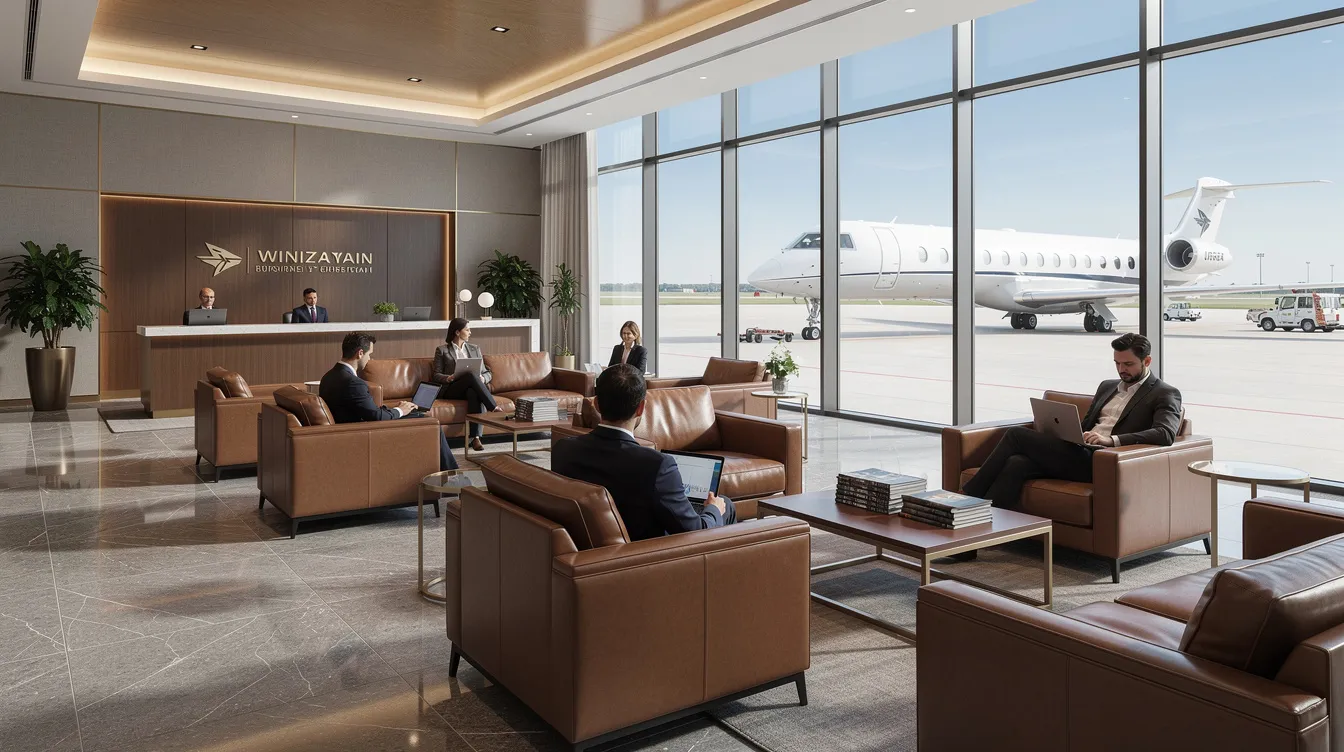
Customs clearance for international private flights is typically handled at dedicated Fixed Base Operators, allowing for a more efficient and private experience compared to commercial airports. At arrival points like London Biggin Hill, Paris Le Bourget, or Teterboro, officers may board your aircraft or escort passengers to a private lounge for passport control and baggage inspection.
Private jets can access smaller, less congested airports, which often feature more flexible scheduling and quicker customs processes compared to major international hubs. Flying internationally on a private jet allows travelers to avoid the long lines and crowded terminals typically associated with commercial flights.
Some countries require arrival at specific ports of entry for private aircraft. The US, Canada, and EU designate certain airports for business aviation customs processing. Private jet operators often assist with customs processes by providing advance passenger information and coordinating with local customs authorities to expedite clearance.
Items requiring special declarations include large sums of cash (typically over €10,000), high-value goods, medications, and professional equipment. Clearing customs in a quieter FBO environment reduces stress, but unexpected ground waits are normal and not a safety concern.
Customs Clearance Process
Upon engine shutdown, ground staff approaches the aircraft. Customs officers board or meet passengers in the FBO. The process typically follows these steps:
-
Present passports and passenger manifests.
-
Baggage inspection or X-ray screening.
-
Complete any required declarations.
-
Receive entry stamps.
At many US, Caribbean, and European business aviation airports, customs happens right at the FBO or on the ramp. Some countries require prior permission for customs presence at smaller airports. Without advance arrangements, you may need to land first at a larger international gateway.
Be aware of banned or restricted items. Australia and New Zealand enforce strict food import rules. The Middle East limits certain medications. Europe regulates firearms strictly. Operators submit passenger manifests and customs forms in advance, but travelers remain responsible for truthful declarations.
Immigration Procedures
Immigration officials verify identity, visa status, and purpose of travel regardless of how you arrived. Common questions include:
-
Length of stay
-
Accommodation address
-
Return flight plans
-
Business nature if not traveling as a tourist
Some countries require proof of onward travel and sufficient funds even when you arrive by private jet. Minor travelers, especially those not accompanied by both parents, may need notarized consent letters for immigration.
These interviews are routine legal procedures, not signs of anything wrong with your flight or journey.
Special Declarations
Certain items require special declarations when entering a country, including:
-
Currency exceeding declared thresholds (typically over €10,000)
-
High-value goods
-
Medications
-
Professional equipment
Disclose unusual items early so operators can arrange needed permits or carnets for smooth customs clearance. Mistakes on declarations result in fines or confiscation regardless of how you traveled.
Required Documentation
All passengers and crew members must have valid passports and any necessary visas for international private jet travel, as customs and immigration requirements apply regardless of the flight type.
Flying private internationally does not reduce document requirements. In some cases, additional paperwork is needed compared to domestic flights.
Personal Identification
All passengers and crew must carry:
-
Valid passports
-
Any required visas
Documentation must be correct for every country on your itinerary, including intermediate fuel stops and technical landings. Provide full legal names, passport details, and dates of birth exactly as shown in documents. Check passport validity requirements (commonly 3-6 months beyond the return date) and blank page requirements before any international journey.
When choosing an operator, consider those who are ARGUS Platinum rated—this industry recognition highlights high safety standards and operational excellence in private jet services.
Health and Vaccination Requirements
Some regions require health certificates or proof of vaccinations for entry beyond standard visas. Yellow fever certificates are mandatory when arriving from certain African or South American regions. Health rules change quickly after outbreaks, as 2020-2022 COVID-19 regulations demonstrated.
Carry digital and paper copies of vaccination cards, test results if required, and medical prescriptions when flying international routes. Comprehensive travel insurance is recommended for remote or long-haul destinations where medical facilities may be limited.
Understanding that turbulence or sudden altitude changes are routine, not health emergencies, can reassure anxious travelers during long international flights, and a dedicated fear-of-flying app can further reduce anxiety for nervous passengers.
Aircraft and Crew Documents
The operator handles:
-
Airworthiness certificates
-
Insurance
-
Crew licenses
-
Noise documents required for international flights
Private jets flying internationally must meet specific safety equipment standards set by the aviation authorities of the destination countries. Authorities may check registration certificates, air operator certificates, maintenance records, and crew licenses during ramp inspections. Some countries have specific noise requirements influencing aircraft selection.
Safety certifications from organizations like ARGUS Platinum or Wyvern are important to verify for charter providers. Choosing operators with extensive experience in international routes reduces documentation delays.
Special Cargo Declarations
Passenger manifests listing full, accurate information must be submitted before departure for most international flights. Customs declaration forms cover goods, currency, and equipment, often pre-filled by operators based on passenger input.
Special categories requiring attention include:
-
Currency exceeding declared thresholds
-
Artwork and antiques
-
Professional filming equipment
-
Scientific instruments
Disclose unusual items early so operators can arrange needed permits or carnets for smooth customs clearance. Mistakes on declarations result in fines or confiscation regardless of how you traveled.
Electronic Authorizations
A valid passport is mandatory for almost all international private jet travel. Common electronic authorization systems include:
-
US ESTA
-
Canada eTA
-
EU’s upcoming ETIAS program launching in 2026
A US citizen flying private to London in 2026 needs an electronic authorization. Travelers heading to China or India must secure traditional visas weeks in advance. Visa-free agreements depend on nationality; passengers on the same aircraft may have different requirements for the same destination country.
Check official government websites at least 1-2 months before departure, especially for multi-country trips to places like Asia or the Middle East.
Special Considerations
International private jet travel raises questions around aircraft choice, fuel stops, pets, and anxiety management that domestic flights do not. Long-haul flights over oceans or remote areas require careful planning of fuel, alternates, and cabin comfort. In addition to the base charter rate, international private jet travel often involves additional costs such as fuel surcharges, landing and parking fees, crew expenses, and catering. Private jets can also access smaller, less congested airports, which often feature more flexible scheduling and quicker customs processes, resulting in a more efficient travel experience.
Choosing the Right Aircraft and Managing Fuel Stops
Aircraft categories serve different international routes:
|
Aircraft Type |
Range |
Example Routes |
|---|---|---|
|
Light jets |
1,500-2,000 nm |
Los Angeles–Vancouver |
|
Super midsize jets |
3,000-4,500 nm |
New York–Iceland |
|
Heavy jet / Long-range jets |
6,000-7,500 nm |
London–Johannesburg, LA–Tokyo |
Heavy jets or ultra-long-range aircraft are typically required for transcontinental routes to avoid refueling stops. Commercial widebody aircraft may be faster for certain ultra-long-haul routes if technical fuel stops for private jets are needed.
Fuel stops must occur at airports capable of handling customs and business jet services. Ask your provider to outline planned stops and alternates so you can plan meals and sleep accordingly. Fuel stops, altitude changes, and rerouting are routine safety-driven decisions, not danger signs. Fear‑of‑flying focused apps like SkyGuru can explain these events in real time.
Schedule flexibility allows travelers to set departure times and avoid missed connections. Private aviation is effective for multi-leg trips, allowing multiple city visits in a single day.
Pilot Duty Limits, Time Zones, and Overnight Flights
FAA rules mandate specific rest periods for crew on long-haul international flights. Crew duty time regulations limit how many hours pilots can fly and be on duty. Some ultra-long-haul routes require a third pilot or augmented flight crew to comply with fatigue management policies.
Crew selection is crucial for international private jet trips, as pilots and cabin crew must have the necessary qualifications and pilot experience to operate in global airspace, sometimes supported by SkyGuru API flight and weather analytics during pre‑flight planning. Costs for international private flights include positioning fees, landing fees, and crew expenses for overnight stops.
Large time zone shifts impact departure timing and jet lag. Coordinate sleeping and meal plans onboard with the crew to minimize disruption. Understanding cabin lighting changes and descent patterns helps anxious passengers stay calm during overnight segments, and some travelers rely on SkyGuru’s in‑flight explanations and FAQs to interpret what’s happening during the flight.
Pets, Special Equipment, and Sensitive Cargo
Pets commonly fly in the cabin on international private jets but must comply with each country’s animal import rules. A pet passport with microchip registration and rabies vaccination records is essential. Some destinations like the UK, Australia, and New Zealand enforce strict quarantine requirements that may require specific airport arrivals.
Luggage restrictions on private jets are less strict, allowing specialized equipment to travel with passengers. Planning needs include oversized or delicate items like musical instruments, sports gear, and artwork. Share exact dimensions and weights with operators early so aircraft and ground transportation choices can be optimized.
Private jets support high-speed Wi-Fi and customizable workspaces, enhancing productivity during flights. Traveling on a private jet allows passengers to enjoy luxurious amenities such as personalized catering and customizable cabin configurations. Some heavy jets even feature private bedrooms for overnight travel.
Weather, Turbulence, and Anxiety on International Flights
Long international routes often cross jet streams, storm systems, or mountain ranges, producing turbulence. This is expected and routine. Aircraft are certified to withstand conditions far beyond what passengers experience.
Pilots and dispatchers use weather forecasts, radar, and air traffic control reports to select smoother altitudes and routes. Practical coping strategies for nervous flyers include traditional techniques and app‑based tools that address fear of flying, such as:
-
Breathing exercises
-
Limiting caffeine and alcohol
-
Choosing seats near the wing
-
Using SkyGuru’s real‑time flight explanations to understand noises and movements as they occur
Private travel can become competitive for larger groups when accounting for total time and productivity saved compared to business class on commercial air travel, especially when paired with tools like SkyGuru’s anxiety‑reducing flight companion. The personalized service and convenience of private charter operations transform international travel from ordeal to efficiency.
Feeling anxious on an international flight is common, even in a private cabin. Understanding the normal stages of flight—take off, climb, cruise, descent, landing—greatly reduces fear. With the right preparation and trusted operators, flying private internationally becomes a streamlined, enjoyable experience.
Frequently Asked Questions
Can private jets fly internationally?
Yes, private jets can fly internationally and often access a wider range of airports than commercial airlines, providing greater flexibility and a more efficient travel experience.
What permits are required for international private jet flights?
International private jet flights require overflight permits to cross foreign airspace and landing permits to land in a foreign country. These must be secured from the relevant aviation authorities before the flight.
How early should I arrive for an international private jet flight?
Arriving about 45 to 60 minutes before departure is recommended for international private jet flights to allow time for customs, immigration, and document checks without the stress of commercial airport lines.
Do I need a passport and visa to fly internationally on a private jet?
Yes, all passengers and crew must have valid passports and any necessary visas for the countries on the itinerary, including fuel stops and technical landings.
Can I bring pets on an international private jet flight?
Yes, pets can travel in the cabin on private jets, but you must have proper documentation such as a pet passport, microchip registration, and up-to-date vaccinations. Some destinations have specific quarantine or import requirements.
Are there luggage restrictions on private jets?
Luggage restrictions are generally more flexible on private jets compared to commercial flights, allowing specialized or oversized equipment. It is important to inform your operator in advance about any special items.
What are the advantages of flying private internationally compared to commercial flights?
Flying private internationally offers significant time savings, access to smaller airports, flexible scheduling, privacy, personalized service, and quicker customs and immigration processing.
How do overflight permits affect my flight route?
Overflight permits authorize your aircraft to fly over a country's airspace without landing. Missing permits can cause costly reroutes or denial of entry into certain airspace, so securing them in advance is essential.
Are there additional costs for international private jet flights?
Yes, international flights may include additional fees such as fuel surcharges, landing and handling fees, crew expenses, and catering costs, which vary depending on the route and aircraft.
How is customs clearance handled on private jets?
Customs clearance for private jets is typically done at Fixed Base Operators (FBOs), offering a more private and efficient process. Customs officers may board the aircraft or meet passengers in a private lounge for passport and baggage checks.
Conclusion
Flying private internationally offers unmatched advantages in flexibility, convenience, and privacy compared to scheduled service on commercial airlines. By choosing the ideal aircraft and working with experienced operators, travelers can navigate the complex permits and approvals process, including overflight permits and landing authorizations, with ease. Utilizing smaller airports and private terminals streamlines customs and immigration, saving valuable time and reducing stress. Proper preparation with required documentation and awareness of special considerations like fuel stops, crew regulations, and pet travel ensures a smooth journey. Whether for business or leisure, flying private internationally transforms long-haul travel into a personalized, efficient experience that puts you in control from departure to arrival.
FLEET SELECTION
JET CARDS
COST ANALYSIS


How to Auditing Your Operator's Maintenance Logs
Oct 05, 2025

How to Auditing Your Operator's Maintenance Logs
Oct 05, 2025

How to Auditing Your Operator's Maintenance Logs
Oct 05, 2025
Sky Guru Weekly
The smartest private aviation intelligence in your inbox.
.svg)

