



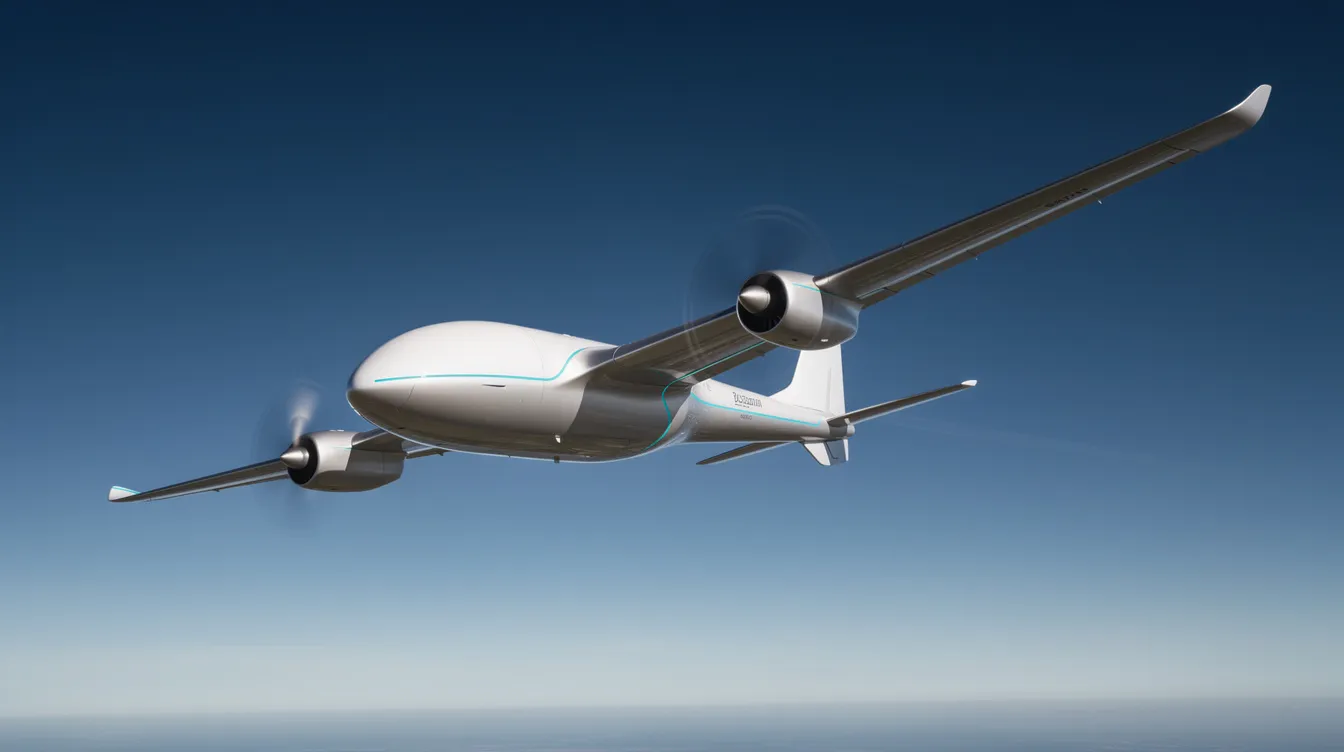
The question isn’t whether electric private jets will exist—it’s when they’ll become practical for your next flight. As of 2026, we’re witnessing a genuine shift from science fiction to tangible development, with battery costs dropping 89% since 2010 and over 300 electric aircraft types now in various stages of development worldwide.
This article is for private jet owners, business travelers, and aviation enthusiasts interested in the future of sustainable, cost-effective, and comfortable private air travel. The topic of electric private jets matters for these groups because it directly impacts the future of luxury travel, operational costs, environmental responsibility, and the overall flying experience.
Private aviation today runs almost entirely on Jet A-1 kerosene fuel, and that’s a problem. Airplanes are a significant contributor to greenhouse gas emissions and climate change, with aviation accounting for 2.4% of all fossil fuel-derived CO2 emissions, and its emissions increased by 32% between 2013 and 2018. Private and business aviation makes this worse—despite comprising just 2-3% of flights, business jets generate 10-15% of aviation’s CO2 per passenger-mile due to lower passenger counts.
Fully battery-electric long-range business jets aren’t arriving tomorrow. The physics simply don’t support London-to-New-York on batteries alone yet. But hybrid-electric aircraft, hydrogen-electric systems, and sustainable aviation fuel are arriving in stages, each solving different pieces of the puzzle.
At SkyGuru, we focus on making flying feel safer and more predictable for anxious travelers. As electric aircraft with their different sounds, smoother operation, and fewer moving parts enter service, passenger perception will matter as much as the technology itself. Understanding what’s normal in these new aircraft—whether it’s the hum of an inverter or the absence of familiar engine spool-up—will be essential for comfortable travel.
This article addresses the questions that matter: What’s the real technology status? How does SAF bridge us to electrics? What challenges delay adoption? And when will electric private jets become routine?
Current Technology Status
Electric aircraft technology in 2026 spans certified short-hop trainers, regional demonstrators, and early private jet concepts. Electric planes, or electric aircraft, are powered by electricity instead of aviation fuel, with various methods of electricity provision, including batteries.
The foundation was laid decades ago. The first electric aircraft to fly under its own power with a person on board was the Militky MB-E1, which flew for 9 minutes on October 21, 1973, powered by Nickel-cadmium batteries. We’ve come far since then.
Key pioneers to understand:
-
Pipistrel Velis Electro: The first electric aircraft to receive a type certificate was the Pipistrel Velis Electro, a two-seat electric aircraft fully approved for pilot training in over 30 countries. Its certification marked a milestone for electric aviation, demonstrating reliable flight capabilities and advancing electric aviation technology for beginner pilots and specialized missions. Its 57.6 kW E-811 motor and dual 24.8 kWh batteries deliver about 50 minutes of flight training endurance—perfect for short flights in the training circuit.
-
Solar Impulse 2: This solar cell-powered demonstrator completed an around-the-world flight in 2015-2016, proving long-endurance electric flight was possible using 17,000 solar cells and 633 kg of batteries.
-
Rolls-Royce ACCEL Spirit of Innovation: Set the electric speed record in 2021 at over 300 mph using a 400 kW powertrain—demonstrating that electric power can deliver high top speed.
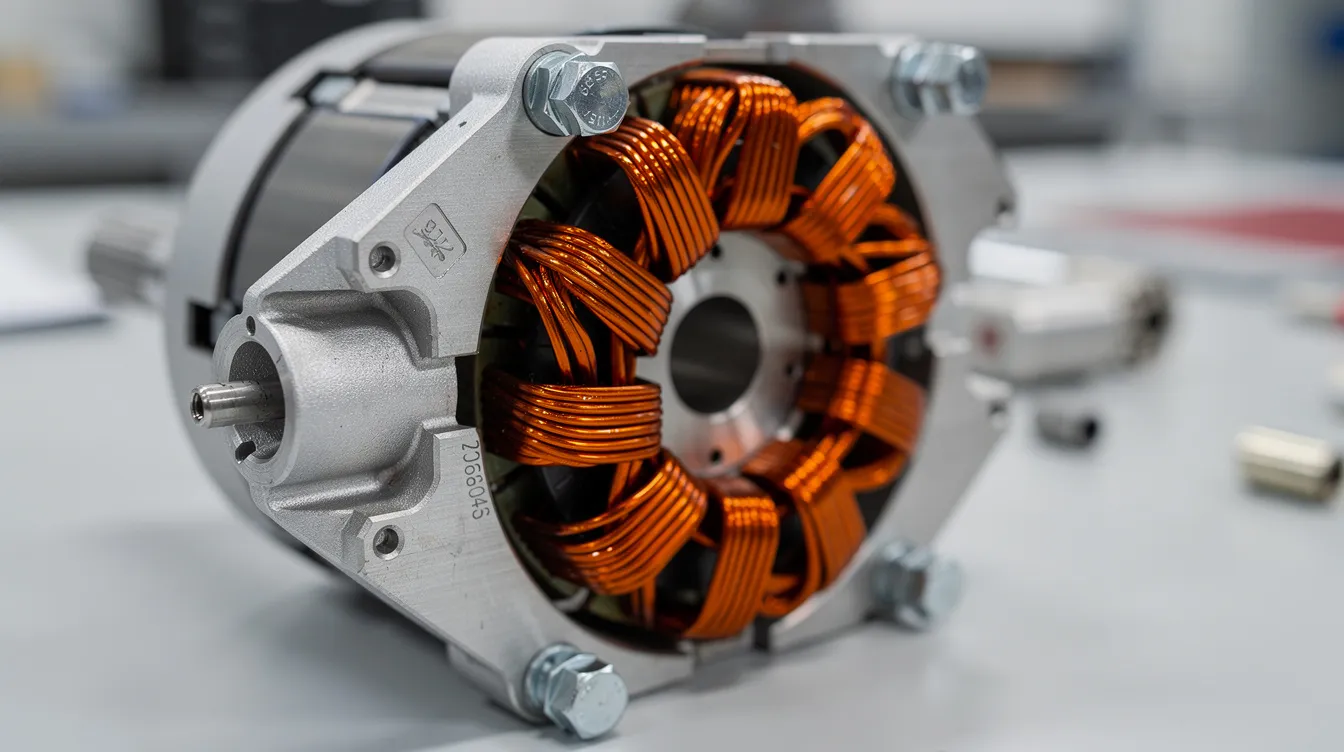
Electric propulsion systems work differently from jet engines. Electric motors, inverters, and battery packs combine to create mechanically simpler systems with fewer moving parts. There’s no turbine section, no oil systems, and no exhaust. Electric motors in aircraft do not lose power with altitude, unlike internal combustion engines, which allows for simpler designs and potentially lower maintenance costs.
The critical challenge is energy density. Jet A-1 fuel delivers approximately 12,000 Wh/kg, while typical lithium-ion batteries provide only 250-300 Wh/kg—even advanced aviation cells reach just 400+ Wh/kg. This explains why the maximum range for current electric-powered aircraft tops out around 250-500 NM, not the 2,000-6,000 NM that private jets routinely fly.
Private aviation-relevant projects include:
-
Eviation Alice: A 9-passenger all-electric commuter targeting approximately 250 NM range at 220 KTAS cruise. First flight occurred in 2022, with commercial service potential for corporate shuttles.
-
Wright Electric: Wright Electric is developing a 100-seat fully-electric regional jet, the Wright Spirit, which is expected to begin operations in 2027, targeting short-haul flights between major city pairs. This represents the larger aircraft segment’s push toward electric flight.
-
Lilium Jet: An eVTOL with 36 ducted fans enabling vertical take off, targeting 155 NM range for 6 passengers—premium short-haul mobility between city pairs.
It’s worth clarifying: “electric private jets” today often means electric aircraft used like private jets—electric turboprops, eVTOLs, and smaller aircraft chartered by executives rather than classical swept-wing business jets. Fly-by-wire technology and advanced avionics in modern business jets like the Embraer Praetor 600E are naturally compatible with electric propulsion and will be standard in future electric private aircraft.
Battery-Electric vs Hybrid-Electric vs Hydrogen-Electric
Three main propulsion system architectures compete for the future of sustainable private aviation:
Battery-Electric
-
Batteries power electric motors directly
-
Best for ranges under 300 NM
-
Zero emissions during operation
Pros:
-
Simplest system
-
Quietest operation
-
Instant torque
-
Lowest maintenance
Cons:
-
Current battery technology has much lower energy density than jet fuel
-
Limiting electric jets to short-haul trips of often under 124 miles
Hybrid-Electric
-
Combines turbines (burning SAF or Jet A) with electric motors and batteries
-
Suitable for ranges up to 1,000+ NM
-
The private aviation industry is shifting toward electrification to address environmental concerns and high operational costs, with developments in hybrid-electric propulsion and eVTOL aircraft.
Pros:
-
Extended range
-
Uses existing infrastructure
-
20-50% fuel savings during critical phases like takeoff
Cons:
-
Still produces emissions
-
More complex systems
Hydrogen-Electric
-
Fuel cells convert hydrogen and oxygen into electricity and water
-
Higher specific energy than batteries (1,000-2,000 Wh/kg system energy)
-
Real demonstrators include ZeroAvia’s hydrogen-electric Dornier 228 (first flight 2023, approximately 600 kW, targeting 9-19 seaters)
Pros:
-
Much longer range than batteries alone
-
Water as only exhaust
Cons:
-
Requires 700-bar hydrogen tanks
-
New infrastructure
-
Certification complexity
For private jets requiring 400+ NM, hybrid-electric and hydrogen-electric architectures are currently more realistic. Fuel cells work by combining hydrogen with oxygen to produce electricity and water—a process achieving 50-60% efficiency while producing shaft power for electric motors, insights that can be quantified with SkyGuru’s aviation data API.
Cabin Experience in Electric Private Jets
Electric propulsion transforms what passengers actually experience:
Noise Reduction: Electric planes are significantly quieter than traditional aircraft, which can help reduce anxiety for passengers who are sensitive to noise during flights. The Velis Electro produces just 60 dB(A) external noise—potentially 10-15 dB quieter than conventional jets. The use of electric aircraft can lead to a more comfortable flying experience due to their advanced noise insulation technology, which reduces cabin noise levels, potentially alleviating anxiety for nervous fliers.
Smoother Operation: Direct-drive electric motors eliminate the “spool up/spool down” sensations during climb and descent. Reduced vibration from fewer moving parts creates a noticeably calmer cabin altitude experience.
Modern Cabin Design: Eviation Alice prototypes feature wide cabins (1.9m), club seating, and panoramic windows—designs freed from traditional engine placement constraints.
But new sounds may emerge: inverter hums, cooling pump operation, or fuel cell compressors. Electric aircraft can utilize advanced sensor technology to detect turbulence in real-time, allowing for more accurate turbulence predictions during flight. Turbulence prediction systems in electric aircraft can analyze weather data and flight path information to provide passengers with timely updates about expected turbulence levels.
Tools like SkyGuru’s real-time flight explanation app can help passengers understand what’s normal in electric aircraft—explaining different noise patterns, reduced engine roar, or new startup sequences using real-time flight data. The integration of real-time turbulence forecasting in electric aircraft enhances flight safety by allowing pilots to adjust flight paths proactively to avoid turbulent areas.
Sustainable Aviation Fuel (SAF)
SAF is the fastest near-term path to sustainable aviation private jets. It’s a “drop-in” fuel powering existing turbine engines with minimal modification—already available at many business aviation fuel depots.
SAF comes in two main forms:
-
Bio-based SAF from waste oils, agricultural residues, and other feedstocks
-
Power-to-liquid (PtL) e-fuels are synthesized from green hydrogen and captured CO2
Current adoption in business aviation is accelerating. NetJets flew 3.7 million gallons of SAF in 2023, with some flights using 100% blends. VistaJet operates with 10% blends, and both Gulfstream G700 and Dassault Falcon 10X target 100% SAF certification. If powered by 100% renewable energy, electric jets can reduce total lifetime emissions by nearly 89% compared to traditional jets—and SAF offers similar lifecycle benefits.
SAF and electric private jets are complementary, not competing:
-
SAF tackles long-range flights and legacy fleets today
-
Electric propulsion addresses short-to-medium range and future clean-sheet aircraft design
Current SAF costs 2-4x more than Jet A-1 ($1,000-2,500/ton versus $600), but regulatory frameworks like CORSIA and EU ETS expansion now require or heavily incentivize SAF usage—especially in Europe. For operators concerned about fuel costs and carbon footprint, SAF is the immediate solution while electrics mature.
How SAF Fits into an Electric Future
The transition will be layered, not sudden:
|
Timeframe |
Primary Solution |
Electric Role |
|---|---|---|
|
2020s |
Widespread SAF blending (10-20%) |
Early demonstrators, pilot training aircraft |
|
Early 2030s |
Higher SAF blends, first hybrid-electric regional aircraft |
Short-range corporate shuttles enter service |
|
Mid-2030s+ |
SAF dominant for long-range |
Electric handles growing share of sub-500 NM missions |
For the next 20-30 years, most “sustainable private jets” will be SAF-powered conventional aircraft. Infrastructure overlaps matter: SAF leverages existing fuel farms and distribution networks worldwide, while hydrogen and electric aircraft require entirely new refueling and charging systems at airports.
From a passenger’s perspective, a SAF-powered private jet feels identical in terms of noise and vibration. An electric private jet will feel different—potentially quieter and smoother—with implications for both comfort and how we help passengers manage flight anxiety.
Challenges to Adoption
Electric flight is possible—test flights happen regularly. The real question is whether electric private jets can meet expectations for maximum range, speed, reliability, and flexibility at scale.
Technical Limitations: Energy Density, Range, and Speed
The central barrier is physics. Battery energy density at 250-300 Wh/kg versus kerosene’s 12,000 Wh/kg creates a brutal weight spiral: more batteries mean more weight, requiring more lift and more energy to operate.
Private jet expectations versus electric reality:
|
Requirement |
Traditional Private Jet |
Current Electric Capability |
|---|---|---|
|
Range |
2,000-6,000 NM |
100-500 NM |
|
Cruise Speed |
430-520 KTAS |
200-300 KTAS |
|
Altitude |
FL400+ |
Lower altitudes typical |
Success in electric aviation is currently concentrated in niche markets, such as short-haul flights under 500 miles and urban air taxis, due to existing battery weight and range limitations. Electric planes have the potential to significantly reduce greenhouse gas emissions, with estimates suggesting they could eliminate 33% of total aviation emissions for flights under 1,300 km (about 800 miles).
Fuel cells improve energy density over batteries alone, but introduce complexity—hydrogen storage tanks (700 bar gaseous or cryogenic liquid) significantly increase volume. Hybrid-electric designs using turbines burning SAF combined with electric motors for climb and descent offer a middle path,h but aren’t zero emission.
Infrastructure and Airport Readiness
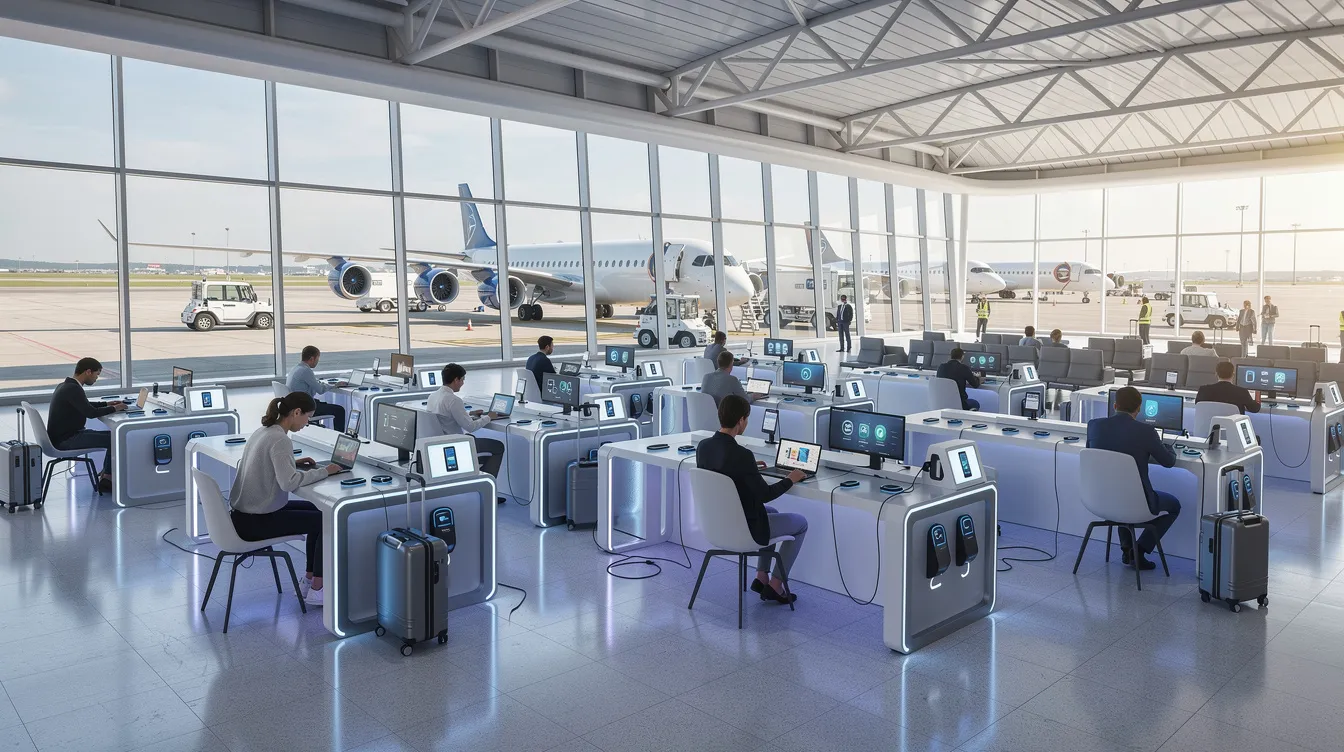
Most airports currently lack the high-voltage charging infrastructure required for electric aviation. As of 2026, fewer than 50 airports worldwide have 350 kW+ chargers suitable for electric aircraft.
The infrastructure gap:
-
Recharging a large battery system takes significantly longer than refueling a gas tank, limiting the aircraft’s daily utilization—60-90 minutes versus 20-30 minutes for conventional refueling
-
Hydrogen availability exists at only a few major hubs and research facilities
-
SAF, by contrast, can be blended into existing fuel supply at FBOs today
Early electric private aviation routes will be limited to city pairs with infrastructure: Paris-Geneva, LA-San Francisco, or similar corridors where charging or hydrogen services exist. Turnaround times and dispatch reliability—critical in business aviation—will constrain which operators adopt early, and can be modeled using SkyGuru’s route and turbulence API platform.
Certification, Safety, and Perception
Regulators (EASA, FAA) must validate batteries, electric motors, fuel cells, fly-by-wire control software, and high-voltage systems to Part-23 and Part-25 safety standards. This is rigorous, time-consuming work.
Redundancy engineering includes:
-
Multiple independent electric motors and inverters
-
Segregated battery packs or hydrogen tanks
-
Backup power and multiple control channels via fly-by-wire for safe flight envelope protection
Electric aircraft produce zero emissions during operation, contributing to a reduction in aviation-produced noise pollution and allowing for operations in more densely populated areas without adversely affecting community quality of life.
Passenger perception splits interestingly: some will assume “electric = safer” due to fewer moving parts and less flammable fossil fuel on board. Others will feel anxious about new, less-understood risks. Electric aircraft have the potential to reduce the overall environmental impact of flying, which may contribute to a more positive perception of air travel and reduce anxiety related to environmental concerns.
Clear communication tools like SkyGuru for fearful flyers can demystify what certain sounds mean—electric compressor spooling, fuel-cell cooling fans—and explain why electric aircraft may climb differently or cruise lower than traditional jets.
Economic and Business Model Barriers
Development costs run $1-5 billion per new electric aircraft type. Operators must balance sustainability goals against uncertain residual values and limited long-term maintenance data—though theoretical models suggest lower costs due to fewer moving parts.
Electric aviation promises lower operating costs, which could democratize private aviation and make it more cost-effective for short distances. Initial electric fleets will likely operate in tightly controlled route networks—imagine a European operator launching an all-electric shuttle between Zurich and Munich, serving executives willing to pay a premium for zero-emission travel on that specific city pair and benefiting from SkyGuru’s media-recognized passenger reassurance app.
Timeline for Real Adoption
The transition will happen in layers: SAF dominates near-term, electrics enter niches, then expand as battery technology improves.
Late 2020s: SAF and Early Electric Demonstrators
By 2027-2030, expect:
-
Widespread SAF blends (10-20%) at major business aviation hubs
-
First certified hybrid-electric regional aircraft (9-19 seats) entering commercial service for premium charter
-
ZeroAvia and similar companies targeting hydrogen-electric retrofit STCs
For private jet owners, this period means flying conventional jets with higher SAF blends while potentially chartering niche electric aircraft for specific short routes as sustainability statements.
Enhanced experience from eVTOL technology is expected to revolutionize urban air mobility and daily commuting for high-net-worth individuals—these air taxi services will blur the line between ground transport and private aviation and further highlight demand for SkyGuru’s turbulence prediction and reassurance tools.
2030s: Early Adoption for Short-Range Private Missions
The 2030-2040 decade brings real change:
Expected developments:
-
Certification of battery-electric and hydrogen-electric aircraft in the 4-19 seat range
-
Growing use for short-range private missions:
-
Intra-European city pairs under 400-500 NM (Paris-Geneva, Milan-Zurich)
-
Short US routes (LA-San Francisco, Boston-New York)
-
Early adopters will include sustainability-focused family offices, tech entrepreneurs, and companies operating in regions with strong green-policy support. Battery energy density may reach 1.5-2x current levels, and fuel cell technology will mature for better integration with fly-by-wire systems.
Increased adoption of electric and hybrid planes aims to meet net-zero targets and reduce noise pollution, especially for passengers who may struggle with the fear of flying and flight anxiety. By the late 2030s, electric aircraft could handle a meaningful share of sub-500 NM private missions in regions where environmental regulations are strongest.
2040s and Beyond: From Niche to Normal in Certain Segments

Projecting to 2040-2050, based on current technology and policy trajectories:
-
Battery and fuel cell improvements may enable 6-10 passenger electric private aircraft with ranges approaching 800-1,200 NM
-
Hydrogen-electric or advanced hybrid-electric aircraft could replace today’s light and some midsize jets on many missions.
-
Long-range large-cabin private jets (New York-Hong Kong, Dubai-Los Angeles) may still rely on SAF-burning turbines, albeit highly efficient and potentially augmented with electric propulsion during takeoff and landing.g
Passenger expectations will evolve. Younger executives accustomed to electric cars will expect similar quietness and smoothness from electric private jets. Digital flight companions providing real-time insight into electric propulsion behavior, turbulence forecasting, and energy usage will become standard.
Electric private jets won’t replace all private aviation by 2050. But they’re poised to transform short and medium-range segments while SAF and hybrid technologies clean up longer routes. The world of private aviation is entering a new era—one where electric motors, fuel cells, fly-by-wire systems, and sustainable aviation fuel each play essential roles in a multi-decade transition to lower-emission flight.
For travelers who feel anxious about aviation’s environmental impact or uncertain about unfamiliar aircraft technology, tools that explain what’s happening in real-time will be more valuable than ever. Understanding your flight—whether powered by batteries, hydrogen, SAF, or conventional fuel—is the first step to flying with confidence. Download SkyGuru for real-time turbulence forecasts and commentary to get real-time flight explanations and turbulence forecasts that help you feel informed and comfortable, no matter what powers the plane.
Frequently Asked Questions (FAQs)
Q1: What is the main advantage of electric private jets over traditional jets?\
Electric private jets offer significantly lower emissions during operation, reduced noise pollution, and potentially lower operating and maintenance costs due to simpler propulsion systems with fewer moving parts.
Q2: How far can current electric private jets fly?\
Current battery technology limits electric private jets to short-haul flights typically under 250-500 nautical miles, with many models optimized for even shorter distances around 100-124 miles.
Q3: What role does Sustainable Aviation Fuel (SAF) play in the transition to electric private jets?\
SAF provides an immediate, drop-in solution for reducing emissions on existing turbine engines and acts as a critical bridge fuel while electric and hydrogen-electric technologies mature and infrastructure develops.
Q4: When can we expect electric private jets to become widely available?\
Widespread adoption is projected to begin in the 2030s for short-range missions, with broader capabilities and longer ranges developing through the 2040s and beyond as battery and fuel cell technologies advance.
Q5: How will electric private jets impact passenger experience?\
Passengers can expect quieter, smoother flights with less vibration and new sounds associated with electric propulsion. Real-time flight insights and turbulence forecasting will also enhance comfort and reduce anxiety.
Conclusion: Navigating the Future of Private Aviation
Electric private jets represent a transformative shift in aviation, blending technological innovation with environmental responsibility. While current battery limitations restrict their range and speed compared to traditional jets, ongoing advancements in battery energy density, hybrid-electric systems, and hydrogen fuel cells promise to expand their capabilities significantly over the next two decades. Sustainable aviation fuel remains a critical bridge, enabling immediate emissions reductions while electrification matures.
The adoption of electric private jets will reshape not only the environmental footprint of private aviation but also the passenger experience—offering quieter, smoother flights and new opportunities for real-time flight insights that reduce anxiety. Early adoption will focus on short-haul missions within well-equipped corridors, gradually expanding as infrastructure and certification standards evolve.
Looking ahead, the future of private aviation is a layered ecosystem where electric propulsion, SAF, and hybrid solutions coexist, each addressing unique operational needs and sustainability goals. For private jet owners, business travelers, and aviation enthusiasts, embracing this evolution means engaging with a cleaner, quieter, and more technologically sophisticated era of flight—one that aligns luxury travel with the imperatives of climate action.
As this transition unfolds, tools like SkyGuru will play a vital role in demystifying electric flight experiences, enhancing passenger confidence and comfort. The journey toward electric private jets is not just about new technology; it’s about reimagining how we fly, connect, and care for our planet.
FLEET SELECTION
JET CARDS
COST ANALYSIS


How to Auditing Your Operator's Maintenance Logs
Oct 05, 2025

How to Auditing Your Operator's Maintenance Logs
Oct 05, 2025

How to Auditing Your Operator's Maintenance Logs
Oct 05, 2025
Sky Guru Weekly
The smartest private aviation intelligence in your inbox.
.svg)

