



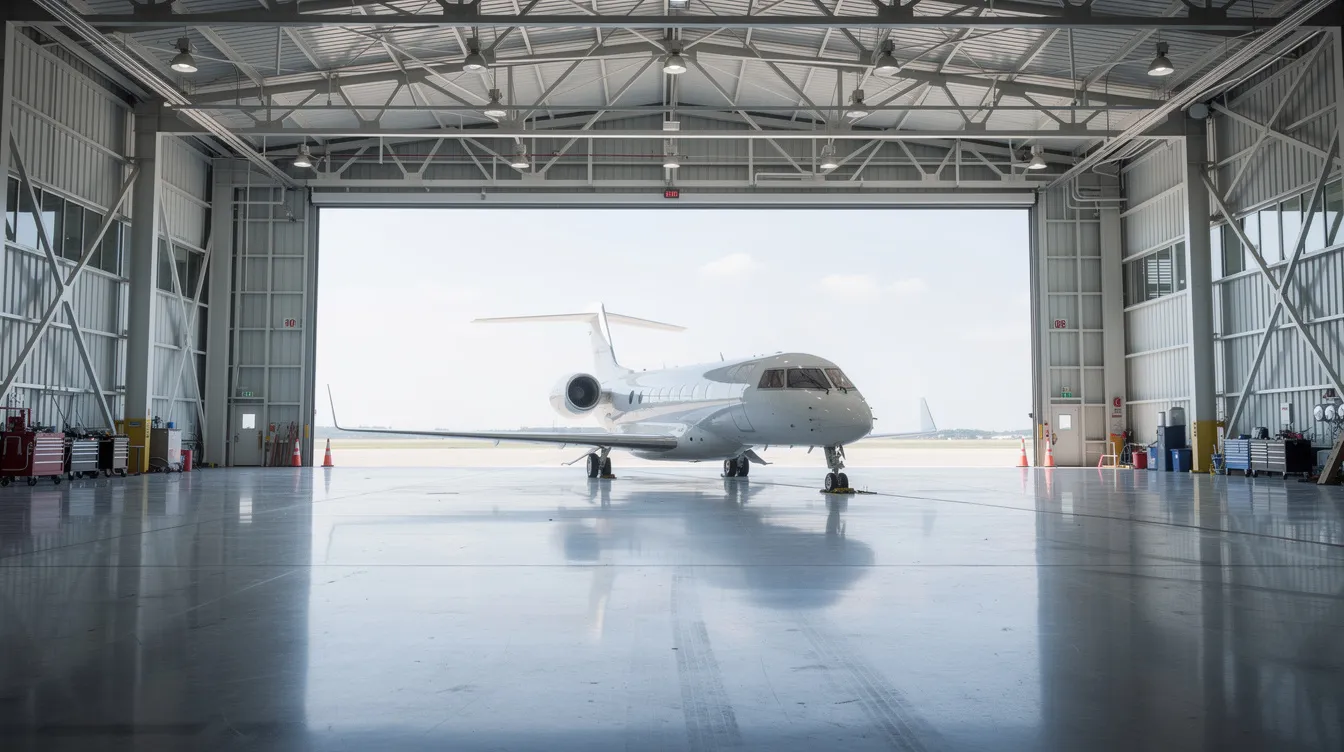
The total cost of owning a private jet goes far beyond the purchase price you see in a brochure. When you buy a private jet, you’re committing to an ongoing financial relationship that includes the initial purchase price, fixed annual costs that accumulate whether you fly or not, variable costs tied directly to every hour in the air, and the often-overlooked impact of depreciation. Private jet operating costs typically range from $500,000 to $1 million annually, depending on the aircraft type and usage, making this a significant financial commitment that requires careful planning.
Even an entry-level light jet carries a purchase price starting around two to five million dollars new, with used models starting under one million dollars. Very Light Jets like the Cirrus Vision Jet or HondaJet represent the most accessible entry point into private jet ownership, but even these smaller aircraft demand operating expenses exceeding half a million dollars per year for owners flying regularly. The cost of a private jet can range from $2 million for a pre-owned light jet to over $150 million for a new long-range model, depending on size, capabilities, and customization.
Full ownership differs substantially from alternatives like fractional ownership, where buyers purchase a share of a private jet, typically ranging from 1/16 to 1/2 of the aircraft, providing access to a larger fleet without the full responsibilities of whole aircraft ownership. Chartering a private jet is often considered the least committal way to access private aviation, allowing users to pay for flights as needed without the responsibilities of ownership. Co-ownership involves sharing the aircraft with partners, splitting all costs, but requires careful selection of partners to avoid conflicts over usage. This article focuses primarily on the true cost of full ownership.
Most industry experts agree that full ownership of a private jet typically becomes financially justifiable when an individual flies between 200 and 400 hours annually, depending on the aircraft type and operational needs. Below that threshold, you’re likely paying a significant premium per flight hour compared to chartering or membership programs. A common rule of thumb suggests that flying at least 200 hours per year justifies the outright purchase of a private jet, while fractional ownership may be more suitable for those flying 400 to 600 hours annually.
The sections ahead break down exactly what you’ll spend across four major categories: upfront purchase cost, fixed annual costs, variable costs per flight, and a true cost-per-hour calculation that lets you compare ownership against alternatives. At SkyGuru, we’ve observed that many future private jet owners begin as anxious or first-time private flyers who benefit from using a real-time turbulence and flight explanation app. Understanding both the financial realities and the flight experience itself, including turbulence patterns and flight stages, helps prospective owners make calmer, more informed decisions about this major commitment.
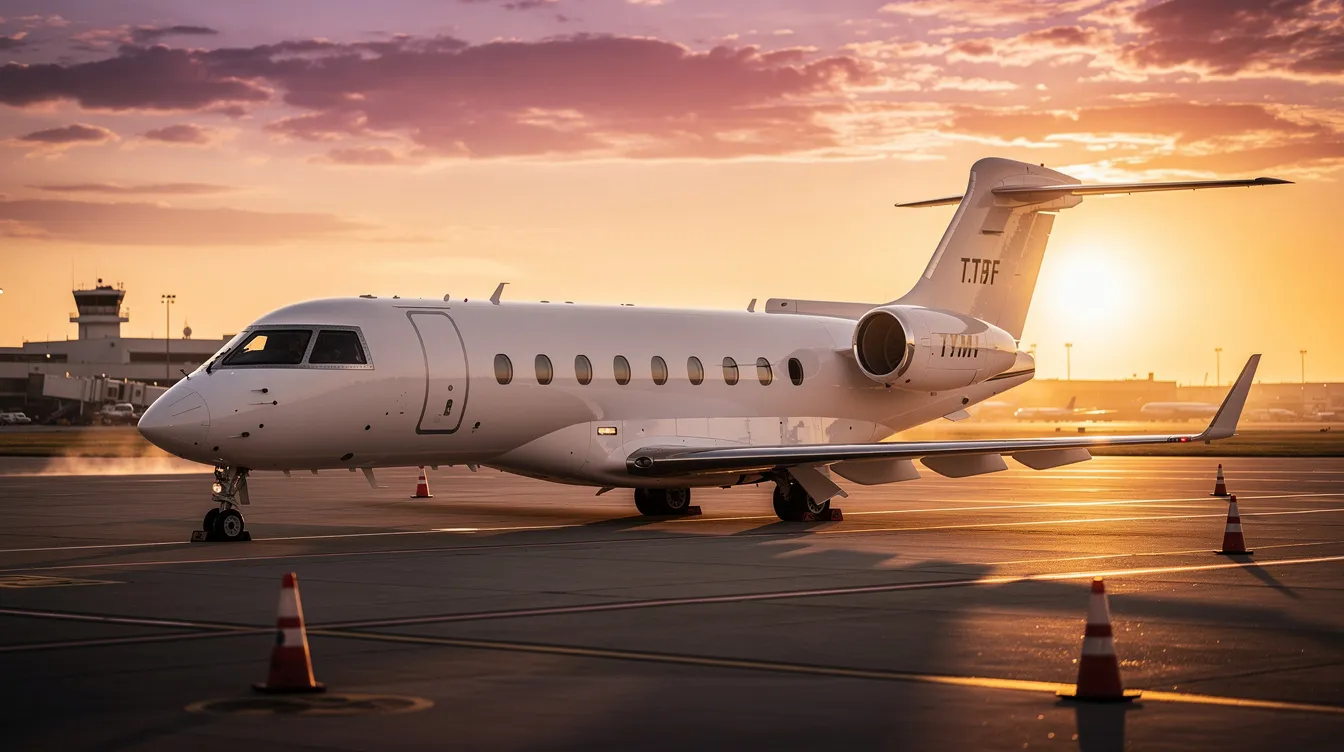
Upfront Purchase Cost
The initial purchase price represents the largest single barrier to entry in private aviation. This cost varies dramatically based on jet category, whether you’re buying new or pre-owned aircraft, range capabilities, and customization level. Here’s how 2024-2025 pricing breaks down across the main private jet categories.
Very light jets like the Cirrus Vision Jet or HondaJet typically cost around $2 million to $5 million new, representing the most accessible entry point for new and used aircraft in this market. Light jets such as the Cessna Citation CJ3+ or Embraer Phenom 300 command $8 to $12 million new. Midsize jets can cost between $11 millionand $255 million new and range from $2 million to $16 million for pre-owned options, with aircraft like the Bombardier Challenger 350 or Embraer Praetor 500 falling into this category. Large anultra-long range jets start at $25 million and can exceed $100 million for customized models, with flagships like the Gulfstream G600 or Bombardier Global 7500 reaching $60 to $80 million or more.
Pre-owned aircraft offer significant savings, often 20 to 50 percent less than new models. However, these savings can be misleading. A 2015 jet purchased at a steep discount may require immediate upgrades for avionics, interior refurbishment, or modern connectivity systems. Installing current-generation Wi-Fi alone can cost $120,000 to $450,000. Complete interior refreshes with premium materials can exceed one million dollars. Approximately 85 percent of buyers opt for pre-owned jets, according to Honeywell data, but smart buyers budget for these post-purchase investments.
Financing a private jet typically requires a down payment of 10 to 20 percent, with the remaining balance financed over a period that can extend up to 20 years. Interest rates for aircraft loans generally range between 6 and 8 percent for well-qualified buyers, which materially changes your total jet ownership cost over the loan term. A $10 million jet financed over 15 years at 7 percent interest could cost an additional $2 million or more in interest payments. Asset-based loans are a popular financing option in the aviation industry, where the aircraft itself serves as collateral, often requiring less financial documentation from the buyer. Many buyers choose to finance their private jet purchase, and working with a team that understands aviation finance is crucial to securing the best terms.
Closing costs add another 5 to 10 percent on top of the sticker price and should be budgeted explicitly. Pre-buy inspections run $50,000 to $150,000 for thorough evaluations. Legal fees and escrow services add $20,000 to $100,000. Sales tax varies by U.S. state from 5 to 10 percent, and registration fees apply in most jurisdictions. These aren’t minor extras; they’re substantial line items.
Private jets are subject to significant depreciation, with values often dropping by 20 to 50 percent within the first five years of ownership. A new $10 million light jet could potentially lose 40 to 60 percent of its value over the first decade due to hours flown and market dynamics. The depreciation of a private jet is a critical factor in the total cost of ownership, as it represents a substantial loss in value over time. When purchasing a private jet, buyers should consider the impact of depreciation on their investment, as it can significantly affect resale value. This non-cash cost matters significantly in long-term financial planning, even though it doesn’t appear on monthly statements.
Typical Private Jet Purchase Price Ranges (2024-2025)
|
Jet Category |
New Purchase Price Range |
Used Purchase Price Range |
Examples |
|---|---|---|---|
|
Very Light Jets |
$2 million – $5 million |
Under $1 million |
Cirrus Vision Jet, HondaJet |
|
Light Jets |
$8 million – $12 million |
$3 million – $8 million |
Cessna Citation CJ3+, Phenom 300 |
|
Midsize Jets |
$11 million – $25 million |
$2 million – $16 million |
Bombardier Challenger 350, Praetor 500 |
|
Large & Ultra-Long Range Jets |
$25 million – $100+ million |
$10 million – $60 million+ |
Gulfstream G600, Global 7500 |
Fixed Annual Costs
Fixed costs are paid whether your aircraft flies 50 hours or 500 hours per year. These ongoing fixed costs form the baseline expense of aircraft ownership and often total $300,000 to $800,000 or more annually for light jets, scaling up to $1 million to $2 million or more for large cabin aircraft. Fixed costs for private jet ownership include insurance premiums, hangar fees, and crew salaries, which remain constant regardless of flight hours.
The main fixed cost categories include crew salaries and recurrent training, insurance premiums, hangar and storage fees, aircraft management fees, regulatory compliance costs, and recurring subscriptions for navigation data, weather services, and connectivity. Each represents a significant line item that must be budgeted regardless of how much you actually fly private.
Hidden costs often appear within these fixed categories and catch new private jet owners off guard. Software updates, crew benefits beyond base salary, recurrent simulator training requirements, and mandatory safety programs can easily add tens of thousands of dollars per year. Hidden costs like navigation updates, unexpected repairs, and regulatory compliance can add tens of thousands annually, making professional cost analysis essential for accurate budgeting, especially when leveraging advanced flight and turbulence data via the SkyGuru API.
Consider a realistic comparison: a light jet like the Phenom 300 might carry annual fixed expenses of $400,000 to $600,000, covering a two-pilot crew, full insurance, hangar space at a regional airport, and management company oversight. A large cabin aircraft like a Gulfstream G550 could reach $1.2 million or more in fixed costs alone, before you’ve burned a single gallon of fuel.
The critical insight is that these fixed annual expenses don’t change much with annual flight hours. If you own a jet, the more flight hours you log, the lower your overall cost per hour from the fixed-cost side becomes. At 200 hours, your fixed costs might translate to $2,000 to $4,000 per hour. At 400 hours, that same fixed cost base drops to half per flight hour. This math is fundamental to understanding when ownership makes financial sense.
Crew
Crew represents the single largest fixed annual expense for most private jet owners, especially those operating midsize and large business jets. The flight crew typically includes at a minimum a captain, with many owners employing both a captain and a first officer even for jets certified for single-pilot operations.
A captain’s salary in 2024 ranges from $120,000 to $250,000 or more, depending on experience, aircraft type, and geographic region. Some sources cite upper ranges reaching $400,000 for highly experienced pilots flying premium aircraft in major metropolitan areas. First officer compensation falls between $80,000 and $160,000. For larger jets or longer international flights, a flight attendant adds another $60,000 to $120,000 annually. High-cost regions like New York, Los Angeles, or London push all these figures toward the upper end.
Beyond base pilot salaries, you must account for benefits packages including health insurance and retirement contributions, which typically add 20 to 30 percent to base salary costs. Per diem expenses for overnight trips run $300 to $500 per night. Performance bonuses for availability and scheduling flexibility are common. Total crew expenses easily reach $200,000 to $500,000 or more per year for a midsize or larger private aircraft.
Recurrent training represents another high crew-related cost. FAA regulations and insurance requirements mandate simulator sessions and type-rating renewals, typically every 6 to 12 months. These training programs cost $20,000 to $60,000 per pilot per year. A two-pilot crew, therefore, adds $40,000 to $120,000 annually in training costs alone. Regulators and insurers insist on this training for good reason—it directly impacts safety and insurance premiums.
Some owners choose to outsource crew through management companies rather than employing pilots directly. While this simplifies human resources administration, it doesn’t eliminate the underlying cost. The management company still pays the crew and passes those costs through, often with additional margin.
Insurance
Aircraft insurance splits into two primary forms of coverage. Hull insurance protects the aircraft itself against damage, theft, or total loss. Liability insurance covers claims from third parties, including passengers, ground personnel, and property damage. Most private jet owners carry both.
Insurance premiums for private jets vary significantly based on hull value, typically ranging from $15,000 to over $500,000 annually. Very light jets valued at $3 million might carry premiums of $15,000 to $30,000 per year. Light and midsize jets in the $10 to $30 million range often see annual insurance costs of $30,000 to $80,000. Honeywell data shows a Gulfstream G450 might carry approximately $47,000 annually for combined hull and liability coverage. Large long-range jets flying internationally can face premiums of $80,000 to $300,000 or more.
Several factors drive insurance pricing. Aircraft value directly impacts hull coverage costs. Pilot experience matters significantly; crew with fewer than 1,500 hours of relevant experience may see rates 20 to 50 percent higher. Safety history, accident claims, and operating regions all factor in. Private planes used for charter operations typically face 30 percent or higher premiums than purely private use. Worldwide operations, such as flying regularly between New York, London, and Dubai, can double premiums due to increased exposure and overflight risks.
Some lenders require minimum insurance levels as part of financing agreements, effectively setting a floor for this fixed cost. Working with an aviation-specialist broker allows owners to periodically review coverage, adjust limits appropriately, and potentially lower premiums as pilot experience grows and claims-free history builds.
Hangar
Hangar space provides sheltered storage that protects your private jet from weather, sun damage, and environmental corrosion while ensuring security and ready access for maintenance. The quality of storage directly impacts long-term asset value and ongoing maintenance costs.
Hangar fees for storing a private jet typically cost $30,000 to $200,000 annually, depending on the location and demand. At smaller regional U.S. airports, light jets might find hangar rental for $1,500 to $3,000 per month, translating to $18,000 to $36,000 per year. Major hubs like Teterboro serving New York or airports near London command significantly higher rates—$5,000 to $15,000 or more per month for midsize and large jets. Premium heated hangars at high-demand locations can exceed $200,000 annually for large cabin aircraft.
Some owners opt for outdoor parking or tie-downs at a fraction of hangar costs. While this reduces operating expenses by 70 percent or more, it accelerates depreciation through UV exposure, weather damage, and increased wear on seals and components. For owners focused on preserving long-term asset value, enclosed hangar storage is almost always the better financial decision.
Building or purchasing a dedicated hangar transforms the cost picture entirely. This becomes a multimillion-dollar real estate investment that makes sense primarily for corporate fleets or ultra-high-net-worth owners with multiple aircraft. Strategic home base selection offers another lever—basing your jet at a secondary airport outside major metropolitan areas can reduce hangar costs and airport fees by 40 to 60 percent while still providing reasonable access to primary destinations.
Variable Costs Per Flight
Unlike ongoing costs that accrue regardless of usage, variable costs scale directly with flight hours and trips. These operating expenses include fuel consumption, maintenance reserves set aside per hour, landing and handling fees, catering, and crew travel expenses. For many owners, variable costs per flight hour range roughly from $1,500 to $3,000 for light jets to $5,000 to $8,000 or more for large cabin aircraft and ultra-long-range jets.
While fixed costs reward higher utilization—spreading the same expenses across more hours—variable expenses mean every additional hour in the air carries a clear price tag. A light jet flying 200 hours per year might spend $300,000 to $400,000 on variable costs alone, entirely separate from the fixed annual expenses discussed above. Chartering a flight is often more economical for individuals flying fewer than 150 hours per year, as they avoid the substantial fixed costs associated with full ownership.
The three main variable expense categories covered below are fuel, which represents the largest single component at 25 to 35 percent of total operating cost; maintenance reserves accumulated per flight hour to fund future repairs and overhauls; and fees, including landing charges, ground handling, navigation, and other per-trip costs.
Fuel
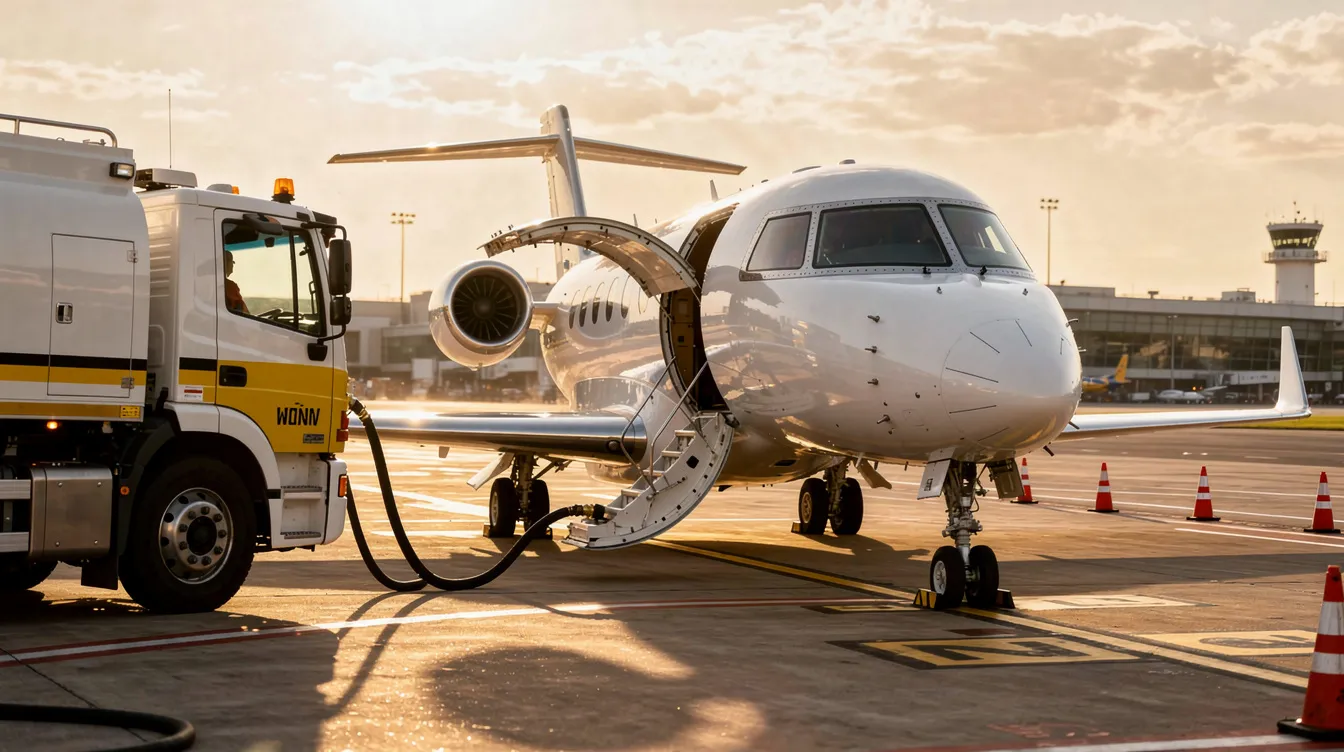
Fuel is typically the highest variable cost for private jet operations, costing $500 to $2,500 or more per hour, depending on the jet size and current jet fuel prices. This single line item often accounts for 25 to 35 percent of the total private jet operating cost, making fuel efficiency a significant factor in aircraft selection and route planning.
Light jets burn approximately 150 to 220 gallons per hour, while large cabin and long-range jets consume 350 to 500 or more gallons per hour. With Jet A fuel prices ranging from $4 to $8 per gallon in 2024-2025 markets (averaging around $5.50 in the U.S. and $7 or more in Europe), the hourly fuel burn translates to significant expenses.
For a light jet burning 170 gallons per hour at $5.50 per gallon, fuel consumption runs approximately $935 per hour. A 500-mile trip taking 1.5 hours would cost roughly $1,400 in fuel alone. For a heavy long-range jet burning 450 gallons per hour, the fuel cost approaches $2,500 to $3,000 per hour. A transatlantic flight of 7 hours could consume $17,500 to $21,000 in fuel.
Routing decisions, cruise altitude selection, headwinds versus tailwinds, and airport choice all affect fuel consumption. Modern flight planning tools like ForeFlight help optimize routes for fuel efficiency. International fuel stops at premium airports often charge higher prices and bundle in handling fees, adding 20 to 50 percent to domestic fuel costs, a factor that detailed route and turbulence analytics from the SkyGuru API platform can help operators evaluate.
Maintenance
While some maintenance follows annual schedules and feels quasi-fixed, much of the overall cost is tied directly to usage. Most jets budget maintenance costs as reserves set aside per flight hour, accumulating funds to cover both routine servicing and major overhauls.
Maintenance costs require budgeting 5 to 10 percent of the aircraft’s current value annually for routine inspections and parts. Expressed per flight hour, realistic maintenance reserve estimates run approximately $200 to $400 per hour for very light jets and light jets, scaling to $500 to $1,000 or more per hour for midsize and large business jets. These reserves must cover not just routine inspections but also the eventual major expenses.
Scheduled maintenance follows manufacturer-specified intervals based on flight hours or cycles. Most jets undergo periodic checks designated A, B, C, and D, with increasing scope and cost. Unscheduled maintenance—unexpected component failures, avionics issues, or damage repair—adds unpredictability. Weather delays and alternate airport fees create unplanned expenses that can impact operational budgets, with costs easily reaching several thousand dollars per incident.
Major engine overhauls represent the largest single maintenance scheduling event, costing $500,000 to $1 million or more per engine on larger aircraft. These overhauls typically occur every 5,000 to 10,000 flight hours. Many owners participate in engine maintenance programs offering pay-by-the-hour plans that smooth these massive expenses into predictable monthly payments, though the true cost remains.
Pre-owned aircraft often present a particular challenge. While cheaper to acquire, they frequently carry higher maintenance costs due to deferred maintenance, aging components, or avionics requiring upgrades for regulatory compliance. A jet purchased at a 40 percent discount can easily cost 20 to 50 percent more annually in maintenance than a newer equivalent. Comprehensive pre-buy inspections help identify these issues before purchase, but some surprises are inevitable.
For long-term planning, consider a midsize jet setting aside $600 per flight hour in maintenance reserves. Flying 400 hours annually accumulates $240,000 toward future engine overhauls and major inspections. Over a 10-year ownership period, this builds a $2.4 million reserve, approximately enough to cover two engine overhauls plus major airframe inspections.
Fees
Per-trip fees accumulate quickly and represent a category many new owners underestimate. The main fee categories include landing fees, parking, ground handling, de-icing in winter conditions, navigation and overflight charges, and customs or immigration processing for international operations.
Landing fees and handling might cost a few hundred dollars at small U.S. regional airports,s but easily reach $1,000 to $3,000 or more per stop at major European or Asian airports for larger business jets. Parking charges at busy airports run $500 or more per day. Ground handling—the services that greet your aircraft, arrange fuel, and coordinate ground transportation—adds $300 to $2,000 per stop depending on location and service level.
De-icing creates surprise bills that catch many owners unprepared. A single winter morning departure requiring de-icing treatment can cost $1,000 to $10,000 for midsize and large aircraft operating in North America or Northern Europe. Owners based in cold climates should budget an additional 10 percent of variable costs during winter months.
Europe’s airspace structure imposes route-based navigation and overflight fees that scale with aircraft weight and distance flown, adding hundreds or thousands of dollars to longer trips. International operations introduce complexity and costs often underestimated by new owners, including overflight permits, customs handling, foreign taxes, and international airport fees that can add thousands to each overseas trip.
Consider a typical two-day business trip from New York to Chicago and back in a light jet. Landing fees might run $400 to $600 at each end. Ground handling adds $600 to $1,000 total. Overnight parking costs $200 to $400. The round trip accumulates $1,500 to $2,500 in fees alone, before fuel or any other operating expenses.
True Cost Per Hour
The only meaningful way to compare private jet ownership against charter flights, jet cards, or fractional ownership is to convert all ownership costs into a jet ownership cost per hour figure. This calculation reveals whether owning your own jet makes financial sense for your specific flight patterns.
The calculation method is straightforward: add all fixed annual costs to your total annual variable costs (estimated hours flown multiplied by variable cost per hour), then divide by your total annual flight hours. The result is your true cost per hour of ownership, the figure you compare against charter rates or fractional program pricing.
Consider a light jet owner flying 150 hours per year. Annual fixed costs total approximately $400,0,00 covering crew, insurance, hangar space, and management fees. Variable costs run $1,800 per flight hour, including fuel, maintenance reserves, and fees. Total annual cost equals $400,000 plus ($1,800 times 150 hours), or $670,000. Divided by 150 hours, the true cost reaches approximately $4,467 per hour. At this utilization level, charter company rates of $4,000 to $6,000 per hour for comparable aircraft look competitive, especially when you factor in zero capital outlay and no depreciation risk.
Now consider a large business jet owner flying 400 hours annually. Fixed costs reach $900,000 per year for dual crew, worldwide insurance, premium hangar, and comprehensive management. Variable costs average $4,500 per hour. Total annual cost equals $900,000 plus ($4,500 times 400 hours), or $2.7 million. Divided by 400 hours, the cost per hour comes to approximately $6,750. Liberty Jet’s analysis of similar large jets shows comparable figures—their Galaxy example showed $1.14 million at 200 hours, translating to roughly $5,700 per hour in variable costs implied, dropping to $4,800 at 400 hours as fixed costs spread further.

The breakeven analysis reveals clear patterns. For individuals flying fewer than 200 to 400 hours annually, fractional ownership or chartering is often more cost-effective than whole ownership. Under approximately 150 hours per year, charter almost always wins on pure economics, avoiding the high fixed costs of ownership entirely. Private jet ownership typically becomes cost-effective at 200 to 400 annual flight hours, depending on aircraft category and operational requirements.
These calculations should also account for several additional factors. Depreciation over 5 to 10 years represents real economic loss, even though it’s not a cash expense—that $10 million jet losing 40 percent of its value costs you $4 million over a decade. Opportunity cost matters too; tying up several million dollars in an aircraft means those funds aren’t generating returns elsewhere. Tax treatment varies significantly by jurisdiction and ownership structure, though specific tax advice requires professional consultation.
For the SkyGuru community, it’s worth noting that many high-net-worth individuals begin their private aviation journey as charter passengers or fractional owners. Using tools that explain turbulence forecasts, flight stages, and safety information in real time, such as a mobile app that delivers in-flight weather and route insights, can make these early private flying experiences less stressful. When you’re not worried about what that bump was or why the engines sound different during climb—because an app is providing real-time flight commentary and weather context—you can focus clearly on whether full ownership fits your financial picture.
The decision framework becomes clearer when you approach it systematically. First, quantify your actual annual flight hours and real travel patterns over the past two to three years. Second, price out full ownership versus charter versus fractional for your specific aircraft category and routes. Third, remember that business jets are lifestyle and productivity tools, not traditional investments. The entire cost includes not just dollars but time saved, scheduling flexibility gained, and yes, mental comfort in the air. For many owners, the ability to travel on their own terms while managing flight anxiety through knowledge and preparation is worth a substantial premium over the pure cost-benefit analysis.
Whether you’re currently chartering a few flights per year or seriously evaluating your own aircraft, understanding the true cost per hour transforms an emotional decision into a rational one, just as media features on tools for nervous flyers highlight how information can turn fear into an informed choice. The numbers are substantial—owning a private jet requires careful attention to the initial purchase price, ongoing expenses across fixed and variable categories, and a realistic assessment of how much you’ll actually fly. But for those who fly 200 to 400 hours annually and value their time accordingly, ownership can absolutely make financial sense when properly structured and operated.
Frequently Asked Questions (FAQs)
How much does it cost to own a private jet annually?
Annual ownership costs typically range from $500,000 to over $1 million, depending on the aircraft size, usage, and fixed and variable expenses such as crew salaries, insurance, hangar fees, fuel, maintenance, and fees.
At what point does owning a private jet become cost-effective compared to chartering?
Full ownership generally becomes financially justifiable when flying between 200 and 400 hours per year. Below this threshold, fractional ownership or chartering is often more economical due to lower fixed costs.
What are the main fixed costs associated with private jet ownership?
Fixed costs include crew salaries and training, insurance premiums, hangar fees, aircraft management, and recurring regulatory compliance expenses. These costs are incurred regardless of how much the jet is flown.
How do variable costs impact the total cost of ownership?
Variable costs such as fuel, maintenance reserves, landing fees, and catering increase directly with flight hours. Efficient flight planning and fuel management can help reduce these expenses.
Can owning a private jet generate income to offset costs?
Yes, owners can offset some expenses by making their jet available for charter when not in use, though it rarely fully covers ownership costs. Engaging a professional management company can facilitate this process.
How does depreciation affect the cost of owning a private jet?
Private jets depreciate significantly, often losing 20 to 50 percent of their value within the first five years. Depreciation is a major non-cash cost that impacts the overall financial picture of ownership.
What financing options are available for purchasing a private jet?
Common financing options include asset-based loans, where the aircraft serves as collateral, typically requiring a 10 to 20 percent down payment and interest rates between 6 and 8 percent. Working with aviation finance experts is recommended.
Are there hidden costs that new private jet owners should be aware of?
Yes, hidden costs include navigation database updates, unexpected repairs, weather-related fees, international overflight permits, and regulatory compliance expenses. Proper budgeting and professional advice are essential.
How does the size and type of aircraft influence ownership costs?
Larger and long-range jets have higher purchase prices and operating costs, including fuel consumption, crew requirements, and maintenance. Smaller jets like Very Light Jets have lower costs but limited range and capacity.
What alternatives exist to full private jet ownership?
Alternatives include fractional ownership, co-ownership, jet card programs, flight memberships, and on-demand chartering, offering varying degrees of access, flexibility, and financial commitment.
Conclusion
Owning a private jet is a complex financial commitment that extends well beyond the initial purchase price. Understanding the full scope of costs—including upfront investment, fixed annual expenses, and variable costs per flight hour—is essential for making an informed decision. While full ownership can offer unparalleled convenience, flexibility, and privacy, it typically becomes cost-effective only when flying between 200 and 400 hours annually. For those with lower flight hours or less frequent travel needs, alternatives such as fractional ownership or chartering may better offset costs without the burdens of fixed expenses.
Careful budgeting for hidden and unexpected costs, such as depreciation, maintenance surprises, and regulatory compliance, is crucial to avoid financial surprises. Additionally, strategies like professional aircraft management, efficient flight planning, and offsetting costs through charter revenue can help optimize the economics of ownership.
Ultimately, private jet ownership is as much about lifestyle and time management as it is about dollars and cents. For prospective owners, balancing financial realities with personal travel needs—and using tools that reduce flight anxiety and increase understanding of the flight experience, as described in guides to apps that help overcome fear of flying—can lead to a more confident and rewarding private aviation journey.
FLEET SELECTION
JET CARDS
COST ANALYSIS


How to Auditing Your Operator's Maintenance Logs
Oct 05, 2025

How to Auditing Your Operator's Maintenance Logs
Oct 05, 2025

How to Auditing Your Operator's Maintenance Logs
Oct 05, 2025
Sky Guru Weekly
The smartest private aviation intelligence in your inbox.
.svg)

