



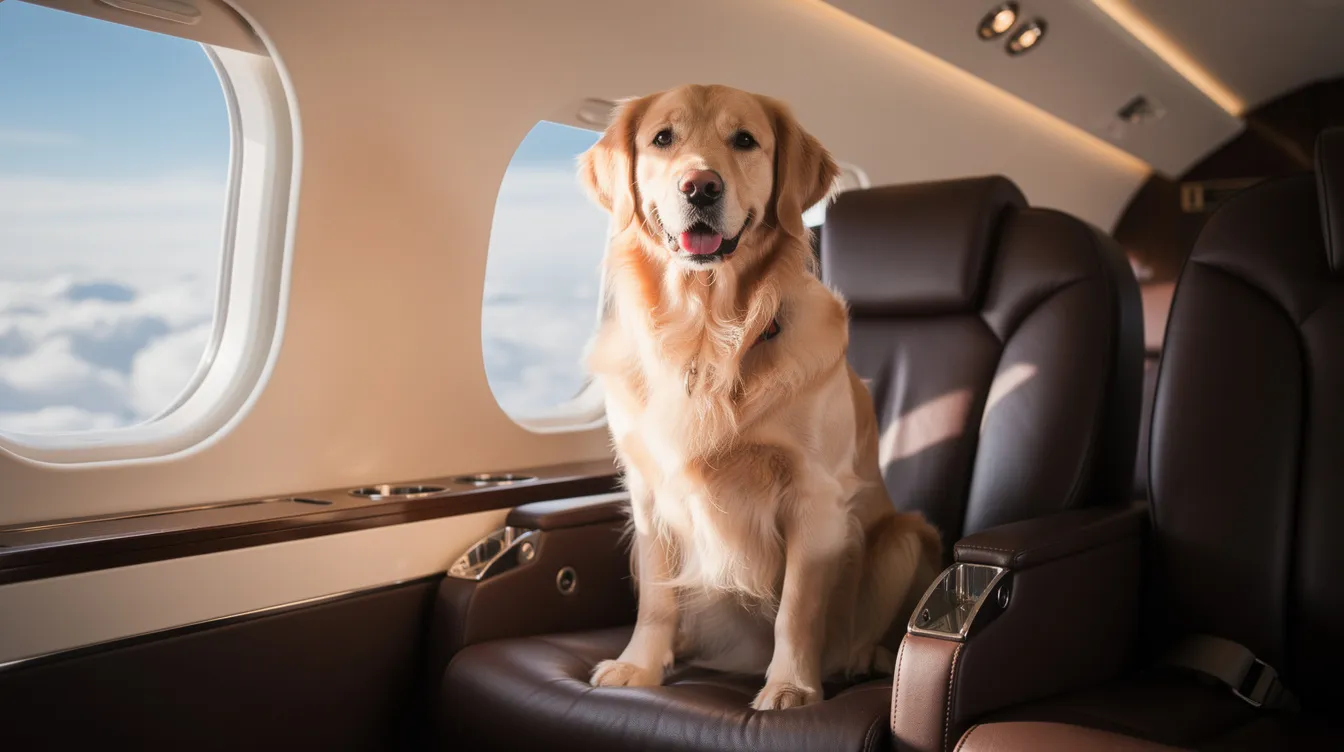
Yes, you can bring pets on a private jet, and most pets fly in the cabin alongside their owners rather than in a cargo hold. Bringing pets on private jets allows them to stay in the cabin with their owners, reducing stress and anxiety for both the pet and the owner during the flight.
Unlike commercial airlines that cap in-cabin pets at around 20 pounds and restrict certain dog breeds, private jet travel offers more flexibility regarding pet travel, including fewer restrictions on size, breed, and the number of pets allowed. Private jets also provide more space for pets to move around comfortably in the plane, making the journey less of a stressful experience compared to commercial flights, where pets may face confinement or separation.
For example, while commercial airlines often require pets to remain in carriers under the seat, private jet operators may allow larger dogs to relax freely in the cabin, provided safety guidelines are followed. Pet-friendly private charter options exist across the US, UK, Europe, and beyond, though rules vary by operator and destination.
This article covers private jet pet rules, the paperwork you need, and practical tips for a smooth flight with your animal companions.
Cabin Rules
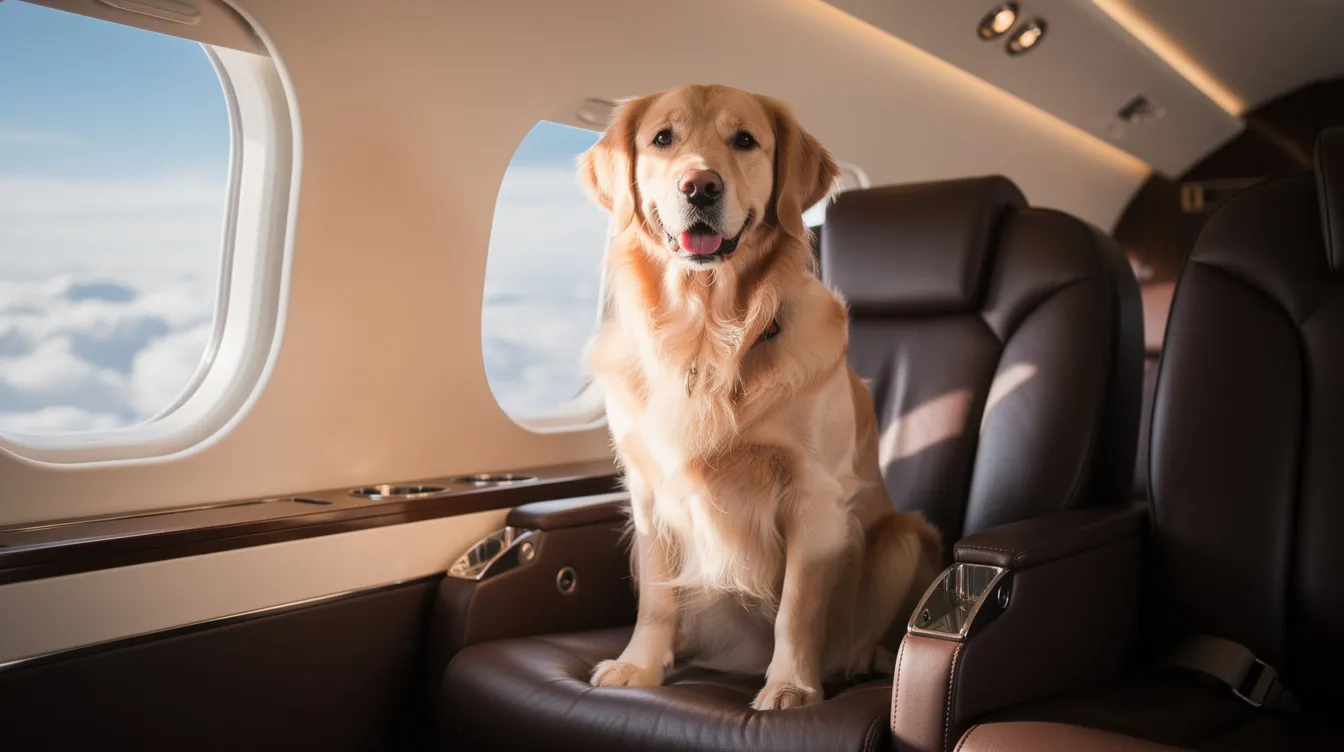
Private jet operators set their own pet policies, which are usually more flexible than strict regulations on commercial flights. Most dogs and cats can stay in the main cabin with you, not separated in a cargo hold, making air travel far less stressful for your furry friends. When you fly privately, you and your pets enjoy a tailored experience with fewer restrictions and more comfort than commercial airlines.
Private jets provide a climate-controlled environment for pets, ensuring their comfort and safety, unlike commercial flights, where pets may be placed in unregulated cargo holds. Both pets and humans benefit from the spacious, quiet, and personalized atmosphere of a private jet, making the journey enjoyable for everyone on board.
How many pets can fly?
-
Single large dogs over 50 pounds are common on midsize jets
-
Multiple pets are welcome on larger aircraft like Gulfstream G650s
-
Some operators (like K9 Jets) limit flights to one pet over 51lbs or two under 50lbs
-
Others (like Volato) impose no breed, size, or number limits beyond safety
-
Flying private allows you to travel with more than one pet without the restrictions found on commercial airlines, as long as arrangements are made in advance
Seating and movement rules:
Pets must be secured during taxi, takeoff, and landing, either in a carrier or using an FAA-approved safety harness attached to a seatbelt. At cruising altitude, pets can lie by your feet, on a familiar blanket, or even on covered seats.
Carrier and crate expectations:
-
Small pets often travel in soft carriers on laps or on their feet
-
Larger pets typically use aviation-grade harnesses
-
Certain dog breeds may require prior approval for travel on private jets, and while they are not banned, they may need to be crated during the flight.
-
Snub-nosed breeds (Pugs, Bulldogs) may need special attention due to respiratory concerns at altitude.
Private jets are ideal for letting your dog fly in comfort and safety, with personalized attention and minimal stress compared to commercial flights.
Note that shared or “by-the-seat” private flights can have tighter pet rules, limiting where animals can sit and how many can board. Choosing a private jet charter offers the most flexibility and comfort for pet travel, accommodating your needs and those of your pets.
Cleaning fees:
Some private aviation providers may charge pet-specific cleaning or detailing fees, which should be confirmed upfront to avoid surprise costs. Fees typically range from $200 to $1,000 depending on fur, odors, or accidents. Most crews prepare the cabin with blankets, seat covers, and designated pet zones.
While regulators like TSA don’t apply the same restrictions on private flights, standard safety rules and operator policies still do. Human passengers and pets onboard must follow the crew’s instructions.
Pet Travel Documentation Requirements
Even when you fly private, you must meet legal health and documentation requirements for your pet. For international flights, additional paperwork is often required, including health certificates and destination-specific documentation. Key preparations for traveling with pets on a private jet include obtaining a health certificate, ensuring vaccinations are current, and having proper documentation for international travel.
Core paperwork for domestic flights:
|
Document |
Details |
|---|---|
|
Rabies vaccination |
Proof of rabies vaccination is mandatory for almost all pet travel, both domestic and international.l |
|
Health certificate |
Most operators require a Certificate of Veterinary Inspection (CVI) issued by a licensed veterinarian within 10 days of travel. |
|
Microchip |
Recommended for traceability, required for international |
|
Owner ID |
Basic proof of ownership |
For international flights, you will usually need additional paperwork beyond what is required for domestic travel. This may include import permits, destination-specific health certificates, and other documentation required by the country you are visiting.
Pets typically must be at least 8 weeks old and fully weaned to fly.
Parasite treatments:
Some countries or regions require proof of tick, flea, or tapeworm treatments. Even for domestic flights, operators may ask for documentation.
Key tips:
-
Send scans or photos of all pet paperwork to your private jet broker 7-14 days before departure
-
Keep both digital copies on your phone and printed copies in your hand luggage
-
Documentation rules differ between US states, EU countries, the UK, and other destinations
-
Service animals or emotional support animals might have separate proof requirements—clarify with your operator in advance.
International Travel with Pets on a Private Jet
International pet flights on private jets are possible and often easier than flying commercially, but rules are stricter and need early planning. Pets must be in good health to travel internationally, as most countries require proof of health status to minimize risks during air travel. Each country has different regulations regarding pet travel, including requirements for vaccinations and health documentation, which must be researched before travel.
EU/UK requirements:
For travel from Great Britain to Northern Ireland or the EU, pet owners must obtain an Animal Health Certificate (AHC) issued within 10 days before travel, which remains valid for four months. Pets traveling within the EU can use an EU Pet Passport. Pets must have an ISO-compliant microchip implanted before their rabies vaccination for international travel.
Pet-friendly terminals:
Approved pet airports and private terminals in London, Paris, New York, and Dubai offer streamlined border checks. For international travel, a pet passport or specific import permits are often required.
Quarantine and waiting periods:
-
High-control countries (Australia, New Zealand) may require 180-day waiting periods
-
Rabies serology tests often need 30+ days post-vaccination
-
Incomplete paperwork can trigger 30-180-day holds with high costs
Planning timelines: Using aviation data such as SkyGuru’s turbulence and route API can also help operators and agencies plan smoother pet flights.
-
US-Europe routes: Start paperwork 1-2 months in advance, and consider tools like the SkyGuru turbulence prediction app if you’re worried about bumps en route
-
High-control destinations: Several months ahead
When preparing to bring your pet on a plane for international travel, ensure all paperwork and health requirements are met well in advance. Private aviation coordinators often work with pet-travel agencies and aviation data tools like the SkyGuru flight and weather API to ensure all international rules are followed before you board. Rules change year to year, so always check the most recent official guidance rather than relying on past trips.
Tips for a Smooth Experience
Practical preparation keeps both you and your pet calm from booking to landing. It is recommended to provide exercise, limited food intake, and familiar comfort items for pets before flying. Ensuring your pet is in good health is essential for a safe and stress-free journey.
Booking and communication:
Tell the charter company about your pet early—species, breed, weight, temperament, and number of animals. This helps them select a suitable aircraft and crew.
Health and vet prep:
Schedule a vet visit 1-3 weeks before departure to confirm your pet is fit to fly, review vaccinations, and discuss anxiety management. For owners whose own anxiety affects their animals, our guide on how an app can help with fear of flying offers additional coping ideas. Your pet should be in good health before flying to minimize risks during air travel. Avoid routine sedation, which can cause respiratory issues at altitude.
Training and familiarization:
Get pets used to their carrier, harness, or travel bed at home. Play engine-like sounds or take short car rides to mimic the feeling of flying.
Food, water, and bathroom:
-
Light feeding 4-6 hours before departure
-
Small amounts of fresh water
-
Ample time to relieve themselves before boarding
-
For long-haul flights, arrangements can be made for technical stops at pet-friendly private terminals for quick outdoor walks
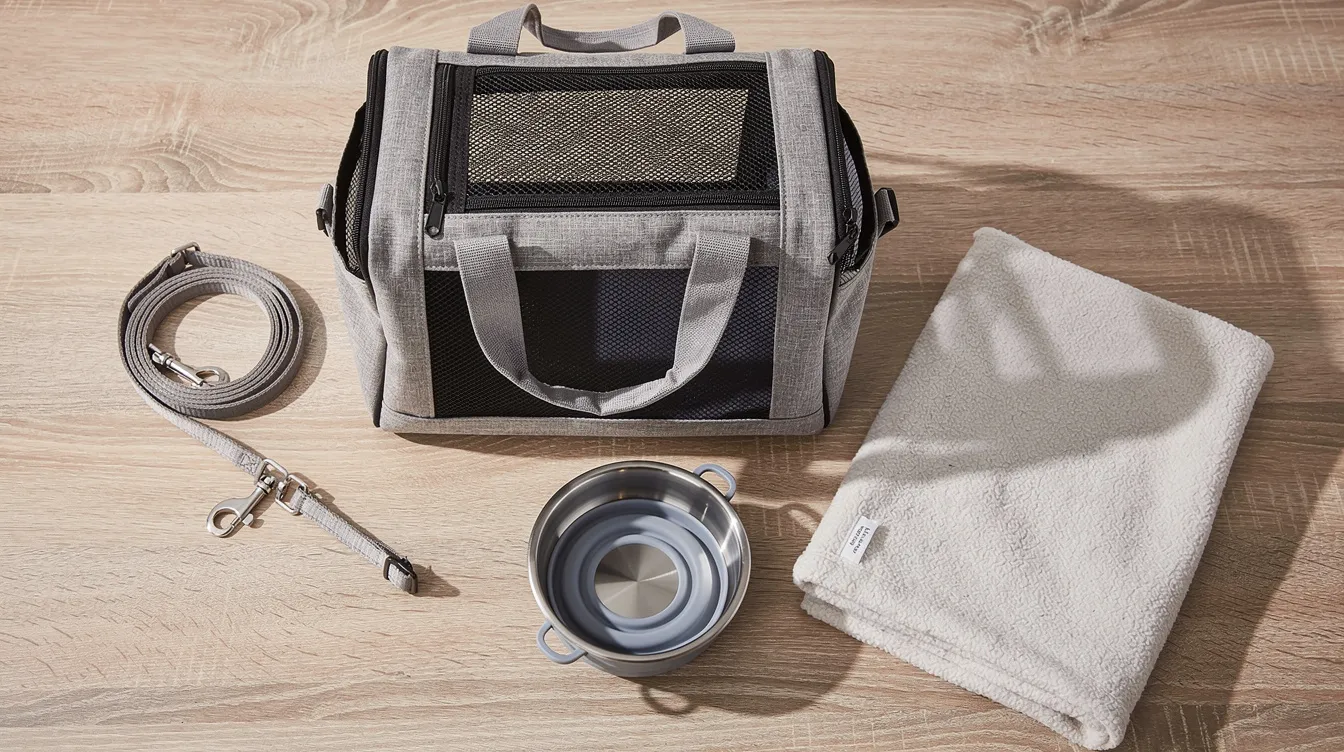
Packing list:
-
Leash and harness
-
Favorite blanket or bed
-
Toys
-
Collapsible bowls
-
Usual food (sealed)
-
Poop bags and wipes
-
Spare collar tags
-
Any medication
Comfort in the cabin:
Set up a pet corner with a non-slip mat near your seat. Keep nails trimmed to protect leather. Discourage jumping on uncovered seats. Both pets and humans benefit from a calm and comfortable environment during the flight.
Anxiety and turbulence:
Even on private jets, turbulence happens. Use a calm voice, gentle touch, and familiar items. Tools like the SkyGuru fear‑of‑flying app help nervous owners understand bumps and noises—when you’re calmer, your four-legged family members feel safer too.
Arrival routine:
Plan what happens right after landing: quick bathroom break, water, a short walk for dogs, and time to decompress before long car rides or hotel check-ins.
Cleanup and etiquette:
Clean up any accidents promptly and respect crew instructions. Being proactive keeps the experience pet-friendly for future travelers.
How Flying Private with Pets Compares to Commercial Flights
The contrast between flying private and a commercial flight with pets is significant.
Commercial limitations:
-
In-cabin pets capped at ~20 pounds
-
Strict carrier size restrictions
-
Seasonal cargo embargoes during heat waves
-
Limited routes and cargo hold placement for large breeds
-
Planes often have strict regulations and additional fees for pets
Private jet advantages:
-
Pets stay with you in the cabin alongside human passengers
-
Minimal or no breed/size caps
-
Better options for large dogs and multiple pets
-
Flexible departure times and destinations
-
Private jet charter planes offer a more personalized and comfortable experience for both pets and owners.
Cost considerations:
The cost of flying with pets on private jets can vary significantly based on factors such as aircraft size, flight distance, and any additional pet cleaning fees. Typically, private jet charter options do not charge extra fees for pets traveling in the cabin, as the cost is based on the entire plane rather than per passenger or pet.
Private aviation is especially helpful for anxious travelers and pets. Quieter terminals, smaller crowds, and more control over the environment create a stress-free experience compared to flying commercial, especially when combined with apps that reduce fear of flying.
For families relocating or taking extended holidays, flying privately can turn pet transport from a traumatic experience into a predictable routine, and tools like the media-praised SkyGuru app for fearful flyers can make that transition even calmer.
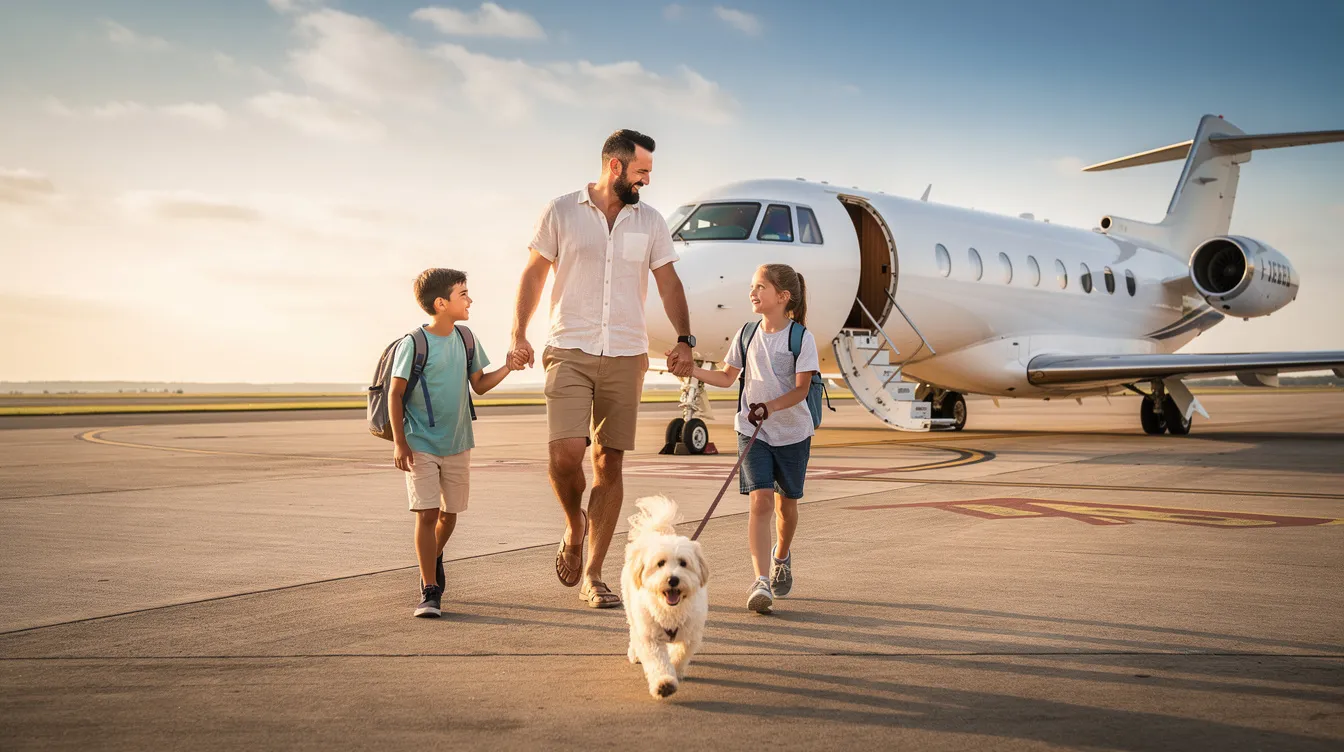
Managing Your Own Flight Anxiety When Flying with Pets
Many pet owners worry not just about their animals but also about their own fear of flying or turbulence. Here’s why that matters: animals often mirror their owner’s stress, so staying calm and informed helps your pet feel safer on board.
Simple coping tools:
-
Diaphragmatic breathing exercises (try the 4-7-8 technique)
-
Short movement or stretching before boarding
-
Focus on facts: private jets have highly trained crews and excellent safety records
At SkyGuru, we built an app specifically for nervous flyers. It predicts turbulence, explains flight stages in real time, and offers reassurance during both commercial and private flights. For more details on how it works, see the SkyGuru app FAQ. When you understand what’s causing that bump or noise, you stay calmer—and your pet picks up on that calm energy.
Before your next trip, download SkyGuru, add your flight details, and use the in-flight guidance to spend time relaxed rather than tense. Your clients aren’t just you anymore—your dogs, cats, and other animals depend on your energy. Our SkyGuru support and FAQ hub can answer practical questions before you board.
If you feel anxious about flying with pets, try SkyGuru on your next journey. Our blog on using apps to ease the fear of flying explains how technology can support anxious travelers. Real-time explanations, turbulence forecasts, and practical calming tools help both you and your furry friends arrive relaxed.
Frequently Asked Questions About Bringing Pets on a Private Jet
Can you bring pets on a private jet?
Yes, most private jet operators allow pets to travel in the cabin with their owners, offering a more comfortable and stress-free experience compared to commercial flights.
Are there restrictions on the size or breed of pets allowed on private jets?
Private jets generally have fewer restrictions than commercial airlines. While some breeds may require prior approval or special accommodations, many operators allow large dogs and multiple pets onboard.
What documentation is required to fly with pets on a private jet?
Pets need up-to-date vaccinations, a health certificate issued within 10 days of travel, proof of rabies vaccination, and microchipping for international flights. Additional paperwork may be required depending on the destination.
Do I need to crate my pet during the flight?
Small pets often travel in carriers or crates, but larger pets may be allowed to move freely in the cabin with appropriate safety harnesses. Some breeds might require crating as a safety measure.
Are there extra fees for bringing pets on a private jet?
Most private jet charters do not charge additional fees based on the number or size of pets, as costs are based on the entire aircraft. However, some operators may charge pet-specific cleaning fees, which should be confirmed in advance.
Can I bring multiple pets on a private jet?
Yes, private jets often accommodate multiple pets, especially on larger aircraft. It's important to notify the operator in advance to ensure proper arrangements.
What should I do to prepare my pet for a private jet flight?
Familiarize your pet with their carrier or harness, limit food intake before the flight, provide exercise, bring familiar comfort items, and consult your veterinarian to ensure your pet is healthy and ready to fly.
Are there special considerations for international pet travel on private jets?
Yes, international flights require additional documentation such as import permits, Animal Health Certificates, and compliance with destination country regulations. Early planning is essential to meet all requirements.
Conclusion
Bringing pets on a private jet offers a comfortable, safe, and stress-free travel experience for both you and your furry companions. With fewer restrictions on size, breed, and number of pets, private jet travel allows your pets to stay close to you in a climate-controlled cabin, reducing anxiety and ensuring their well-being throughout the journey. By preparing the necessary documentation, understanding cabin rules, and following practical tips, you can make your pet’s flight smooth and enjoyable. Whether traveling domestically or internationally, private jet pet travel provides unmatched flexibility and personalized care that commercial airlines cannot match. Communicate with your operator, and enjoy the peace of mind that comes with flying privately with your pets.
FLEET SELECTION
JET CARDS
COST ANALYSIS


How to Auditing Your Operator's Maintenance Logs
Oct 05, 2025

How to Auditing Your Operator's Maintenance Logs
Oct 05, 2025

How to Auditing Your Operator's Maintenance Logs
Oct 05, 2025
Sky Guru Weekly
The smartest private aviation intelligence in your inbox.
.svg)

